Humpback Chub Habitat in the Grand Canyon
It can be incredibly disheartening to learn about endangered species, especially when their homes are as iconic and seemingly pristine as the Grand Canyon. Many people are curious about the unique creatures that call these magnificent landscapes home, but often struggle to find clear, detailed information about their specific needs and struggles. This guide is dedicated to shedding light on the fascinating Humpback Chub, exploring the specific habitat requirements that allow it to survive and even thrive within the dynamic and challenging environment of the Grand Canyon.
Understanding the Humpback Chub's Unique Grand Canyon Home
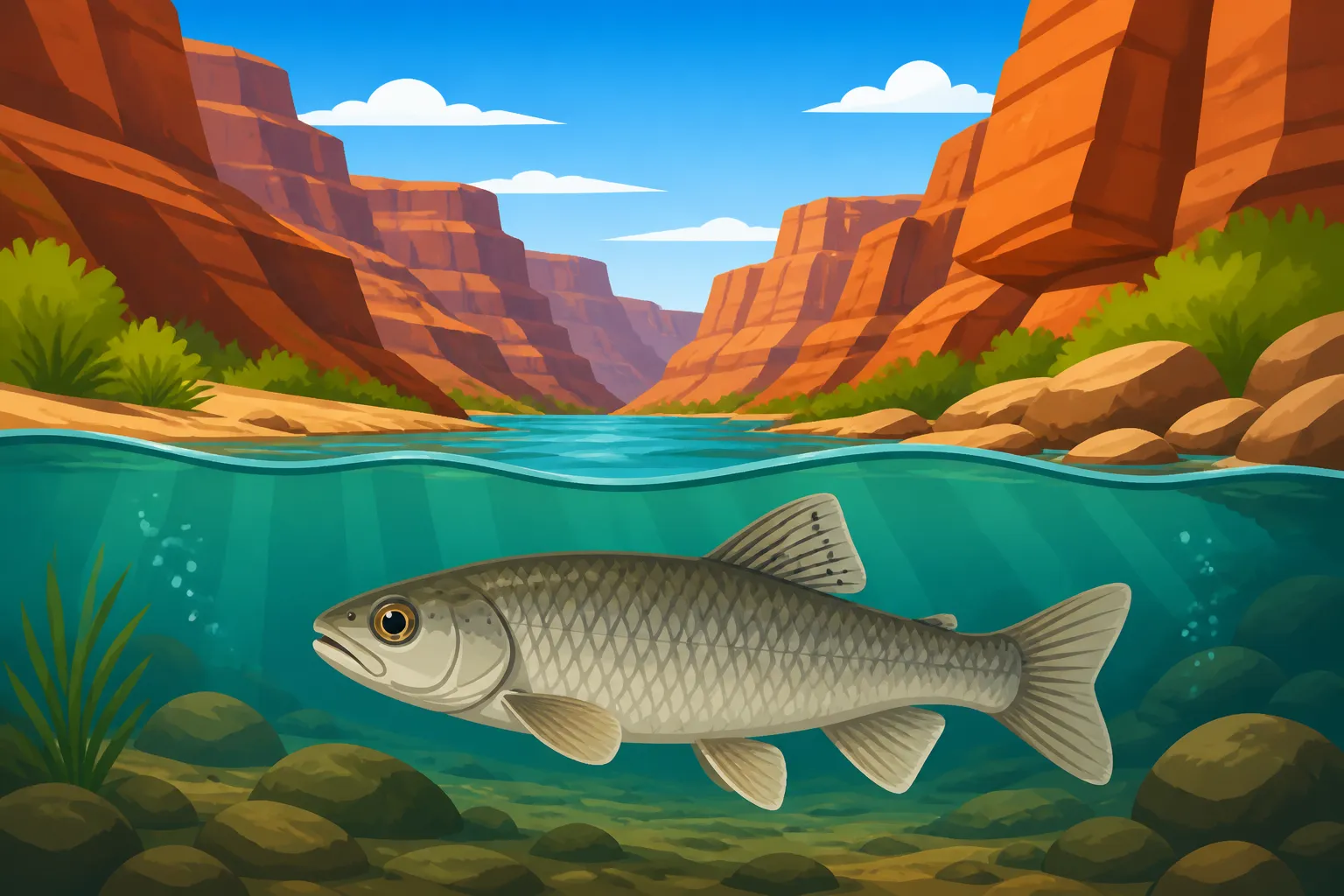
The Humpback Chub (Gila cypha) isn't just any fish; it's a living relic, perfectly adapted to the once-wild, turbulent waters of the Colorado River system. When you think of its habitat, don't just imagine "water." Think extreme conditions, powerful flows, and an environment that would challenge most other aquatic life. For centuries, this species evolved to handle massive seasonal floods, warm, muddy summer waters, and cold, clear winter flows, a cycle dramatically altered by human intervention. Understanding their home means appreciating these incredible adaptations and the specific nooks and crannies they depend on.
The Colorado River's Historical Significance for the Species
Before the construction of major dams like Glen Canyon Dam, the Colorado River through the Grand Canyon was a very different place. It was a river of extremes. Picture tremendous spring snowmelt from the Rocky Mountains creating raging torrents that scoured the canyon bottom, reshaped sandbars, and dramatically influenced water temperature and clarity. Following these powerful floods, summer would bring warmer, sediment-laden flows from monsoon rains, turning the river a rich, chocolate brown. The Humpback Chub evolved to thrive in this highly variable, warm, and turbid environment. These conditions created a mosaic of habitats: deep runs, eddy complexes, and most crucially, warm, silty backwaters that served as critical nurseries for young fish. These backwaters, often ephemeral, were refuges from the main current and offered abundant food resources, allowing the young chub to grow quickly before venturing into the powerful main channel.
Specific River Sections and Canyons They Inhabit
While Humpback Chub are found in several deep canyons of the Colorado River Basin, the Grand Canyon population is perhaps the most iconic and thoroughly studied. Within the Grand Canyon, their stronghold is primarily the Little Colorado River (LCR) confluence, a major tributary that joins the main stem of the Colorado River in the eastern Grand Canyon. The LCR itself, particularly its lower reaches, provides crucial warm water and turbid conditions, mimicking the historical pre-dam environment of the main Colorado. This makes it an invaluable spawning and rearing habitat.
Beyond the LCR, Humpback Chub can also be found in other tributary confluences and large eddy complexes downstream, though in smaller numbers. Areas like Havasu Creek and Shinumo Creek also contribute warm, clear water to the Colorado, creating localized conditions that are more favorable for the chub than the cold, regulated main stem. However, the LCR remains the primary sanctuary, a testament to its unique hydrography and a stark contrast to the altered conditions of the main river. These specific "hotspots" are critical for the survival of the species, and conservation efforts often focus on protecting and enhancing these vital areas.
Key Environmental Factors Shaping Humpback Chub Habitat
The Humpback Chub is not a fish that tolerates just any water. Its very existence is tied to a specific set of environmental conditions, many of which are now heavily managed due to dam operations. Understanding these factors is paramount to comprehending the challenges and successes of their conservation. It's a delicate balance, and any shift can have profound effects on their populations.
Water Temperature, Flow, and Clarity Needs
Historically, the Colorado River's water temperature fluctuated wildly through the year. Spring and summer brought warmer water, essential for the growth and development of larval and juvenile Humpback Chub. They require water temperatures above a certain threshold for successful spawning and for their young to grow quickly. The cold, consistent releases from the deep waters of Lake Powell, through Glen Canyon Dam, have drastically reduced the main stem's temperature, making it far too cold for optimal chub reproduction and growth for much of the year. This cold water is a major impediment to their recovery in the main river.
Similarly, flow patterns are critical. The natural river had massive, scouring floods and then lower, warmer summer flows. The dams have inverted this, often releasing steady, cold flows or generating power-driven fluctuations that are unnatural and disruptive. The clarity of the water also plays a role; historically, the river was often turbid, especially during monsoon season, which provided cover from predators. The clear water released from Lake Powell, while seemingly pristine, can make the Humpback Chub more vulnerable to visual predators, particularly non-native trout.
Importance of Backwaters and Tributary Confluences
When we talk about Humpback Chub habitat, the phrase "backwaters and tributary confluences" comes up time and again, and for good reason. These aren't just minor features; they are lifeboats for the species in the modern, dam-regulated river. Backwaters are areas where the main current slows, creating calmer, often warmer zones. These microhabitats act as nurseries where juvenile chub can escape the strong main current and grow without expending too much energy. Crucially, these areas also tend to warm up faster under solar radiation, offering the higher temperatures that young chub need to metabolize food and develop.
Tributary confluences, particularly those that are naturally warmer and more turbid, like the Little Colorado River, are even more vital. They provide a thermal refuge from the cold main stem of the Colorado, allowing adult chub to move into these areas for spawning and for juveniles to spend their early lives in more historically appropriate conditions. Without these warm-water havens, the Grand Canyon population of Humpback Chub would likely struggle immensely, highlighting the importance of protecting these specific areas and even exploring ways to create or enhance similar habitats elsewhere in the canyon. Tribal Land Fishing Permits in Arizona might apply to some areas near these confluences.
Challenges and Threats to Humpback Chub Habitat
The Humpback Chub's struggle for survival is a direct consequence of significant changes to its environment. While natural selection equipped them perfectly for the historical Colorado River, it couldn't prepare them for the scale of human impact. These challenges are complex, interconnected, and require ongoing, adaptive management strategies to address.
Impact of Dam Operations and Altered Flows
The most profound threat to Humpback Chub habitat is undoubtedly the impact of Glen Canyon Dam and other dams upstream. The dam fundamentally altered the river's hydrology. Instead of natural seasonal variations, we now have a regulated river that releases cold, clear water from the bottom of Lake Powell. This constant cold flow year-round has eliminated the warm-water conditions critical for chub spawning and juvenile growth in the main stem. It's like turning a tropical fish's home into an arctic one.
Furthermore, the dam has largely ceased the natural, dramatic flood events that once scoured the riverbed, created diverse habitats, and maintained the balance of sediment. Without these floods, sediment accumulates, and the dynamic creation of sandbars and backwater habitats is severely curtailed. Efforts like High Flow Experiments (HFEs) from Glen Canyon Dam attempt to mimic some of these natural processes, but they are infrequent and cannot fully replicate the historical magnitude and duration of natural floods. These regulated flows also impact the availability of food sources and the overall health of the river's ecosystem. You can learn more about Arizona Fishing Regulations Explained which often touch on these broader ecological concerns.
Competition from Non-Native Fish Species
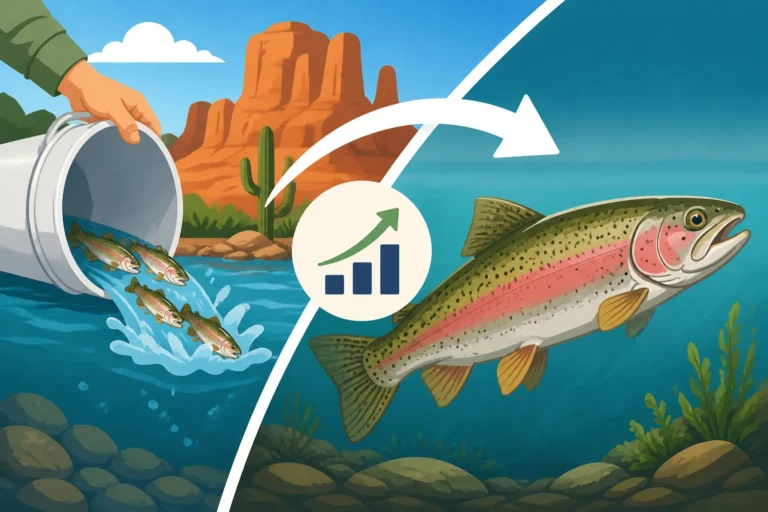
Another major threat to Humpback Chub and their habitat comes from non-native fish species, many of which were introduced to Arizona waters for sport fishing. Trout, particularly Rainbow Trout, thrive in the cold, clear water released from Glen Canyon Dam, conditions that are detrimental to the native chub but ideal for trout. These non-native trout are direct predators of juvenile Humpback Chub, feasting on them in areas where their habitats overlap.
Other invasive species, like Channel Catfish and Smallmouth Bass, can also predate on or outcompete chub for food and space, especially in warmer tributary areas or when water conditions are favorable for the invasives. The presence of these non-native species adds immense pressure to the already stressed chub populations, turning potential recovery zones into battlegrounds for survival. Managing these non-native populations, often through mechanical removal efforts or specific fishing regulations, is a critical component of Humpback Chub conservation. Understanding these dynamics is key to Fish Species Guide for Arizona Lakes.
Conservation Efforts and Habitat Protection
Despite the significant challenges, dedicated scientists, conservationists, and government agencies are working tirelessly to protect and restore Humpback Chub populations and their crucial Grand Canyon habitat. These efforts are often complex, involve multiple stakeholders, and are a testament to the commitment to preserving Arizona's unique natural heritage.
Managing Water Releases for Fish Health
One of the primary tools in Humpback Chub conservation involves carefully managing the water releases from Glen Canyon Dam. This isn't a simple task, as water releases must also balance power generation, downstream water supply needs, and recreational demands. However, specific flow regimes have been implemented to benefit the chub. For instance, "adaptive management" strategies involve prescribed dam releases that aim to mimic natural flood cycles on a smaller scale, known as High Flow Experiments (HFEs). These HFEs are designed to scour vegetation from sandbars, redistribute sediment, and ideally create or rejuvenate shallow, warm-water backwater habitats that are vital for juvenile chub.
Beyond HFEs, researchers are constantly studying how different flow patterns impact chub survival, growth, and reproduction. The goal is to find optimal release schedules that provide warmer water cues during spawning season, protect larval fish, and minimize negative impacts on their primary habitats, particularly around the Little Colorado River confluence. For those interested in understanding the science behind these efforts, numerous technical reports are available, and you can even find comprehensive scientific publications on platforms like Amazon that detail these complex flow management strategies.
Removal of Invasive Species and Habitat Restoration
Alongside flow management, direct intervention to remove invasive species is a cornerstone of Humpback Chub conservation. Teams regularly undertake efforts to remove non-native fish species, such as Rainbow Trout, Channel Catfish, and Smallmouth Bass, from key chub habitats, especially around the Little Colorado River confluence. This removal reduces predation pressure on juvenile chub and lessens competition for limited food resources. These efforts can involve electrofishing, netting, and even encouraging anglers to participate in targeted removal programs where regulations allow. It’s a constant battle, but a necessary one to give the native chub a fighting chance.
Habitat restoration efforts also play a crucial role. This can involve creating or enhancing backwater channels, stabilizing eroded banks, and managing sediment accumulation to ensure there are suitable nursery areas for young fish. Protecting the integrity of tributary streams, like the Little Colorado River itself, from human impact and ensuring their natural processes can continue relatively unimpeded is also vital. These combined strategies represent a comprehensive approach to safeguarding the Humpback Chub's future in the magnificent Grand Canyon. Learning about Native Fish Protection Rules in Arizona can provide more insight into these efforts. Further understanding of species can be found in our Fish Species Guide for Arizona Lakes. And if you ever lose your license exploring, remember our guide on Lost Fishing License Replacement Rules.
Protecting the Future of the Grand Canyon's Native Fish
The Humpback Chub stands as a powerful symbol of the Grand Canyon's wildness and the delicate balance of its ecosystems. Its continued presence in the Colorado River, thriving in spite of significant environmental alterations, is a testament to its resilience and the dedicated efforts of those committed to its survival. From the intricate dance of water management at Glen Canyon Dam to the painstaking removal of invasive species and the careful protection of vital warm-water refuges like the Little Colorado River, every action plays a crucial role.
For anglers and nature enthusiasts, understanding the Humpback Chub's unique habitat and the challenges it faces deepens our appreciation for the Grand Canyon itself. It's not just a beautiful landscape; it's a living, breathing ecosystem with ancient inhabitants whose well-being reflects the health of the entire river system. By supporting conservation efforts, respecting fishing regulations, and educating ourselves about these incredible native species, we can all contribute to ensuring the Humpback Chub continues to navigate the powerful currents of the Colorado River for generations to come. If you're planning an adventure to this region, remember to check current Arizona Fishing Season Dates and Limits and be aware of Special Regulation Waters in Arizona to ensure you're compliant with all rules protecting these sensitive areas. You might also want to look into How to Fish Arizona's Desert Lakes if you're interested in similar environments, and perhaps consider a Boating and Fishing Combo License Requirements if you plan to explore by water. And don't forget, Fishing License Age Requirements in Arizona apply to all anglers.
| Habitat Feature | Pre-Dam Conditions (Historical) | Post-Dam Conditions (Current) | Importance to Humpback Chub |
|---|---|---|---|
| Water Temperature | Highly variable; warm summers, cold winters | Cold, stable year-round | Warm water crucial for spawning and juvenile growth |
| Flow Regimen | Large seasonal floods, natural variability | Regulated, often stable; power peaking | Floods created habitat, variability signaled life cycles |
| Water Clarity | Often turbid, especially in summer | Clear due to sediment settling in reservoir | Turbidity offered protection from predators |
| Backwaters/Side Channels | Abundant, dynamic, warm, productive nurseries | Reduced, less dynamic, often colder | Critical nurseries for juvenile growth and predator refuge |
| Sediment Transport | High, dynamic reshaping of riverbed | Low, sediment trapped behind dam | Created and maintained diverse habitat features |
| Tributary Confluences | Critical warm-water refuges, spawning sites | More critical due to cold main stem | Provide essential warm water and nursery habitat in altered river |
Disclaimer
This article is for general informational purposes only and does not constitute professional advice. Laws, prices and regulations vary by location and change over time. Consult a qualified professional for guidance on your specific situation.