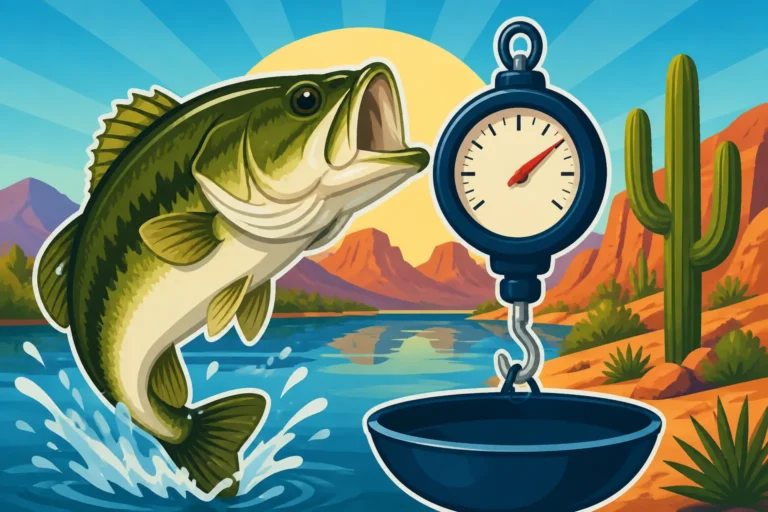
What Largemouth Bass Eat in Arizona Lakes
Many Arizona anglers find themselves wondering why the bass aren't biting, especially when they're using their tried-and-true lures. The truth is, largemouth bass are incredibly adaptable eaters, and understanding what they're actually munching on in a given lake can drastically improve your success. This comprehensive guide will dive deep into the diverse diet of largemouth bass across Arizona's unique aquatic environments, helping you "match the hatch" more effectively.
The Opportunistic Predator: Understanding Largemouth Bass Feeding Habits
Largemouth bass are truly remarkable fish, known for their aggressive strikes and powerful fights. But what makes them such effective predators, particularly in the diverse and often challenging aquatic environments of Arizona? It all comes down to their opportunistic nature and their incredible ability to adapt their diet to whatever is most abundant and easiest to catch in their specific habitat. They aren't picky eaters; if it fits in their mouth and looks like a meal, chances are they'll try to eat it. This adaptable foraging strategy is a huge reason why they thrive in so many of our desert lakes and rivers, from the warm, expansive waters of Lake Pleasant to the cooler, canyon-bound depths of Canyon Lake.
The frustration many anglers feel when bass seem to ignore their offerings often stems from a mismatch between what the bass are actually eating and what we think they should be eating. We might be throwing a crankbait imitating a shad, but if the bass are gorging themselves on crayfish tucked away in the rocks, our efforts will be in vain. Understanding this fundamental principle of their feeding behavior – that they are primarily opportunistic predators – is the first step to becoming a more successful bass angler in Arizona. It means constantly observing the environment, thinking about what food sources are prevalent, and adjusting your approach accordingly.
General Diet Principles
At its core, the largemouth bass diet is built around protein-rich meals that provide maximum energy for growth and reproduction. Young bass start out on a diet primarily composed of zooplankton and small insects. As they grow, their predatory instincts kick in, and they transition to larger invertebrates and, eventually, a diverse array of smaller fish. This dietary shift is crucial for their development and allows them to dominate their aquatic ecosystems. In Arizona's desert lakes, where competition can be fierce and food sources fluctuate with water levels and seasons, this ability to switch between different prey types is a significant advantage.
They are ambush predators by nature, often hiding in submerged cover like brush, rock piles, or weed beds, waiting for an unsuspecting meal to swim by. Their large mouths are perfectly designed to engulf prey whole, creating a powerful vacuum that sucks in their targets. This predatory style influences not only what they eat but how they eat it. They prefer to strike at slow-moving or injured prey, or anything that presents itself as an easy target. Knowing this helps us understand why certain lures and presentations are more effective than others – we're trying to mimic that vulnerable prey.
Impact of Lake Environment on Diet
The specific diet of a largemouth bass can vary wildly from one Arizona lake to another, and even within different sections of the same lake. This is largely dictated by the available forage species, water clarity, depth, and the type of cover present. For instance, a bass in a clear, rocky lake like Saguaro Lake might feed heavily on crayfish and sight-feed on trout stocked by the Arizona Game and Fish Department. Conversely, a bass in a more turbid, shallower lake might rely more on shad or various sunfish species. The presence of specific introduced species, like tilapia in some urban lakes, can also become a significant food source.
Consider a lake like Lake Pleasant Arizona Fishing Guide. It's a large, diverse reservoir with both deep, open water and shallower, brushy coves. Bass in the open water might chase schools of threadfin shad, while bass tucked away in a submerged mesquite tree might be targeting bluegill or even a frog. Understanding the unique ecosystem of the specific body of water you're fishing is paramount. Are there dense stands of cattails? Lots of rocky outcroppings? Deep channels? Each of these features tends to host different types of prey, and by extension, influences what the local bass are eating. This is why a "one size fits all" approach to bass fishing in Arizona rarely yields consistent results.
Common Prey Species in Arizona's Waters
Arizona's diverse aquatic habitats support a wide range of prey species, all of which can end up on a largemouth bass's menu. From tiny invertebrates to sizable fish, bass are not particular when it comes to finding their next meal, as long as it's accessible. Knowing the common forage species in your chosen lake is like having a secret weapon; it helps you select lures that mimic what the bass are actively hunting, increasing your chances of a strike. It’s not just about throwing a lure; it’s about presenting a familiar food item.
Forage Fish: The Primary Food Source
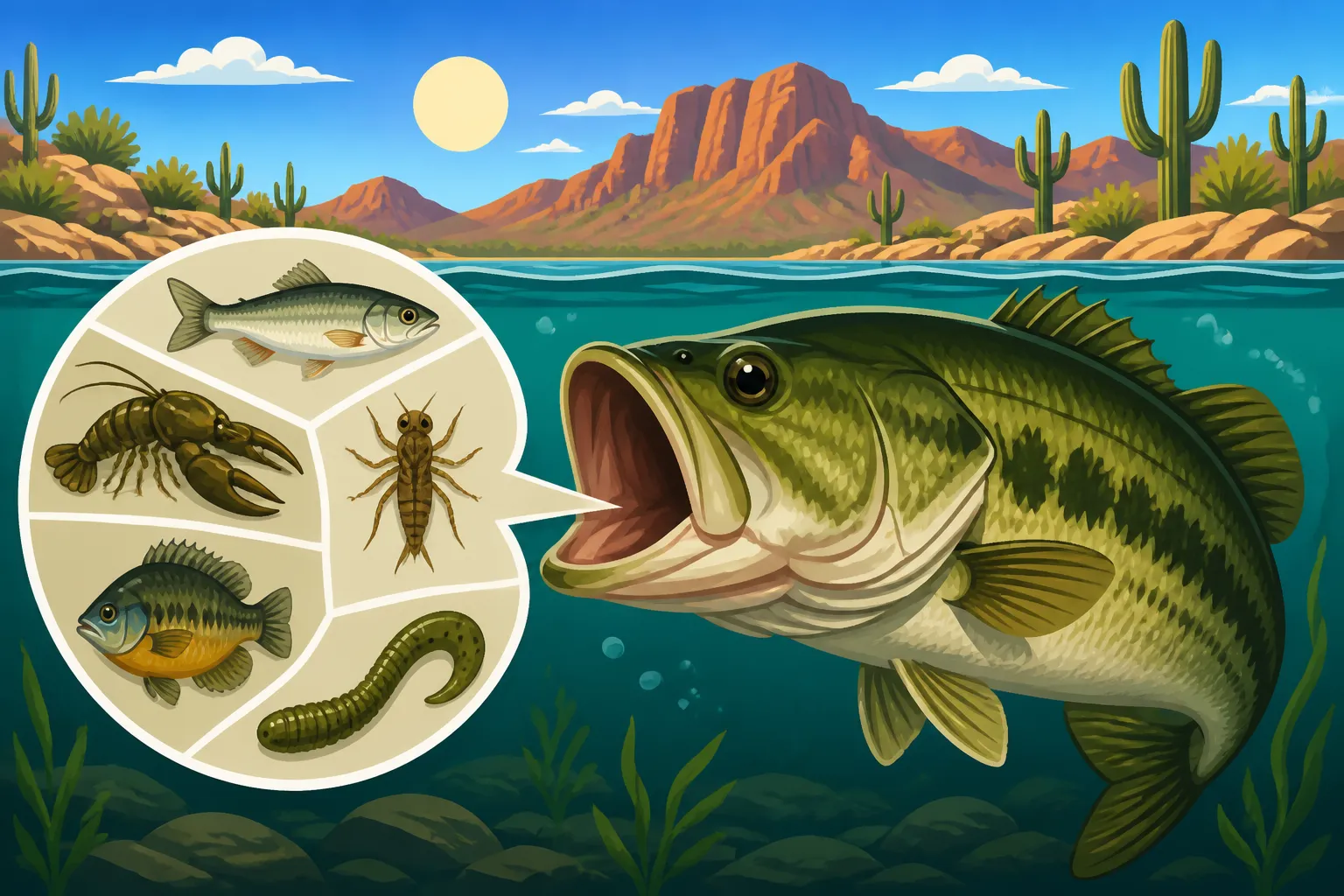
By far, the most significant component of a mature largemouth bass's diet in Arizona is other fish. These forage fish provide a rich source of protein and are relatively easy to catch for an ambush predator.
- Threadfin Shad and Gizzard Shad: These are arguably the most important baitfish in many of Arizona's larger reservoirs, including Roosevelt Lake Arizona Fishing Guide. Shad are prolific breeders and form huge schools, making them an irresistible target for bass. When shad are abundant, bass will actively pursue them, often leading to exciting "boil" events where bass smash into schooling baitfish at the surface. Lures mimicking shad, such as silver crankbaits, swimbaits, and jerkbaits, are incredibly effective in these scenarios. Anglers can often find excellent quality shad imitations on platforms like Amazon, offering a wide variety of sizes and colors to match local conditions.
- Sunfish and Bluegill: These panfish are omnipresent in most Arizona lakes and ponds, from the smallest community fishing holes to the largest reservoirs. They are a staple food source for bass of all sizes, especially in areas with aquatic vegetation or rocky cover where sunfish like to hide. Bass will ambush sunfish near docks, brush piles, and submerged timber. Green pumpkin or bluegill-patterned soft plastics, jigs, and small crankbaits can be deadly when bass are keyed in on these feisty little fish.
- Tilapia: While an introduced species, tilapia have become a significant forage fish in several central Arizona lakes, particularly urban lakes. They are warm-water tolerant and reproduce quickly, providing a consistent food source for bass. Their unique profile and swimming action often require specialized lures or colors to imitate them effectively.
- Smaller Catfish: Surprisingly, small catfish, especially channel catfish fry and juveniles, can also become prey for larger bass. This is less common but certainly occurs, particularly when bass are in areas where young catfish are abundant.
- Trout (stocked waters): In lakes where trout are regularly stocked, such as those within the Arizona Community Fishing Program Rules or certain mountain lakes, these easily accessible, often disoriented fish become prime targets for opportunistic bass. Brightly colored swimbaits or larger, trout-patterned lures can be very effective in these specific situations.
Invertebrates and Amphibians
While fish make up the bulk of a larger bass's diet, they also readily consume a variety of invertebrates and amphibians, especially when other food sources are scarce or during certain times of the year.
- Crayfish (Crawfish): These crustaceans are a massive food source for bass across Arizona, particularly in lakes with rocky bottoms and plenty of submerged structure like Lake Havasu or Canyon Lake. Bass will actively hunt crayfish, flipping over rocks and rooting around in crevices. The defensive posture of a crayfish, with its claws raised, is a common trigger for a bass strike. Jigs with soft plastic trailers in colors like brown, green pumpkin, or black and blue are fantastic for imitating crayfish. Flipping and pitching these baits into heavy cover where crayfish hide is a proven technique. You can find a huge selection of crayfish-imitating jigs and soft plastics on Amazon.
- Insects: Although less common for adult largemouth bass, large insects like dragonflies, grasshoppers, and even cicadas (during emergence) can become a meal, especially in ponds or lakes with overhanging vegetation. Frogs are also a highly prized food item. Topwater lures that imitate frogs or large insects can create explosive strikes, particularly in shallow, weedy areas.
- Worms and Larvae: Bass will occasionally consume large worms or various aquatic larvae, especially if they are disturbed from the bottom by heavy rain or current. This is more of a secondary food source but demonstrates their non-discriminatory eating habits.
Unexpected Meal Options
Sometimes, a largemouth bass will surprise you with what it's willing to eat. These situations highlight their aggressive and opportunistic nature.
- Smaller Mammals and Birds: While rare, larger bass have been known to eat small rodents like mice or even baby birds that fall into the water. This is more anecdotal but speaks to their predatory prowess. Topwater lures designed to mimic these creatures exist, though they are specialized.
- Snakes: Certain non-venomous water snakes can occasionally become prey, particularly smaller ones. Again, this is not a primary food source but showcases their willingness to strike at anything that appears vulnerable and edible.
- Other Bass: Cannibalism is not unheard of among largemouth bass, especially when food is scarce or when a larger bass encounters a much smaller, vulnerable one. It's a harsh reality of the food chain, even within their own species.
- Fishing Lures and Baits: Of course, this is our goal! Bass will strike at artificial lures that mimic any of the above natural prey, or sometimes simply out of aggression, territoriality, or curiosity. Understanding the nuances of their natural diet significantly improves our ability to design and present lures that trigger these instincts.
Seasonal and Environmental Influences on Diet
Just like us, a bass's appetite and dietary preferences aren't static. They shift dramatically throughout the year, influenced by water temperature, spawning cycles, and the availability of their primary food sources. What works in the cool, crisp days of spring might be completely ignored during the scorching Arizona summer. Acknowledging these seasonal changes is fundamental to consistently catching bass. It's about adapting your strategy, not just sticking to what worked last month.
Spring Spawning and Post-Spawn Feeding
Spring in Arizona is a critical time for largemouth bass, largely dictated by their spawning cycle. As water temperatures rise into the 50s and 60s Fahrenheit, bass begin to move from deeper wintering grounds to shallower areas to spawn. During the actual spawning process, male bass are primarily focused on protecting their nests, and their feeding activity can slow down significantly. This can be a frustrating time for anglers, as bass might guard their territory aggressively but refuse to strike a lure with the intention of eating it.
However, before and after the spawn (pre-spawn and post-spawn), feeding behavior kicks into high gear. Pre-spawn bass are trying to bulk up for the energy-intensive spawning process, making them very aggressive feeders. They'll gorge on large, easy meals like shad and crayfish. Post-spawn bass, often exhausted from spawning, also enter a strong feeding period to regain energy. They tend to stick to readily available forage in shallower waters, where they spawned. This is a great time to target them with a variety of lures, from swimbaits to jigs, especially around submerged cover where baitfish and crawfish hide. Understanding Spring Bass Fishing Tactics in Arizona can really pay off during this time.
Summer Heat and Deep Water Foraging
Arizona summers bring extreme heat, and this significantly impacts bass behavior and diet. As surface water temperatures soar, largemouth bass often retreat to deeper, cooler water where oxygen levels are more stable and temperatures are more comfortable. This means their primary food sources might also move deeper. Shad and other baitfish will seek out cooler thermoclines, and bass will follow.
During the hottest parts of the day, bass may become lethargic and less inclined to chase fast-moving baits. Their feeding windows often shift to early mornings, late evenings, and even night. When fishing during the summer, anglers might need to focus on deep water structure, points, and humps using techniques like deep-diving crankbaits, drop-shots, or heavy jigs to reach bass suspended or holding near the bottom. They'll still eat shad and crayfish, but you need to present those meals in their comfort zone. Best Time of Day to Fish in Arizona Heat is often crucial for success in summer.
Fall Feast and Winter Slump
As the brutal Arizona summer gives way to the cooler temperatures of fall, largemouth bass undergo another significant shift in their feeding patterns. This is often considered one of the best times to fish for aggressive bass. As water temperatures begin to drop, bass become highly active, anticipating the lean months of winter. They enter a "fall feast" mode, actively pursuing schools of baitfish to build up fat reserves. Shad are often schooling heavily in open water and near points, making them a prime target. Topwater action can be phenomenal in early fall, and fast-moving reaction baits like crankbaits and spinnerbaits are incredibly effective.
Winter brings colder water temperatures, causing bass metabolism to slow down considerably. They become less active, moving slower and feeding less frequently. They tend to concentrate in deeper, more stable water, often near significant underwater structure like ledges, humps, or deep timber. While they still need to eat, their strikes are often more subtle, and they prefer slower, more methodical presentations. Jigs, slow-rolled spinnerbaits, and finesse baits like a Ned rig or drop shot can be productive. The key is to present baits slowly and directly to where the bass are holding, as they won't expend much energy chasing. Knowing Winter Bass Fishing Tactics in Arizona can help turn a slow day into a productive one.
Matching the Hatch: Using Knowledge of Diet for Better Fishing
Knowing what largemouth bass eat isn't just interesting trivia; it's the foundation of effective angling. The concept of "matching the hatch" — imitating the specific prey that fish are currently feeding on — is paramount for consistent success. This means observing your surroundings, paying attention to what's in the water, and then selecting and presenting your lures accordingly. It takes practice and a keen eye, but the results are undeniably worth the effort. This isn't about guesswork; it's about informed decision-making based on what you know about the local bass diet.
Lure Selection Based on Prey
Once you've got a good idea of what the bass are likely munching on in a particular lake or area, your lure selection becomes much more targeted and effective. This is where your tackle box transforms from a collection of pretty baits into a strategic arsenal. Best Lures for Largemouth Bass in Arizona Lakes can often be found when you consider what the bass are feeding on.
- Mimicking Shad: If you see shad flickering near the surface, or if your fish finder shows schools of baitfish in open water, reach for lures that imitate shad. Chrome, silver, or white crankbaits, jerkbaits, swimbaits, and spinnerbaits are excellent choices. Look for lures that have a similar profile and flash to threadfin or gizzard shad. Remember that How to Fish a Swimbait for Striped Bass techniques can often be adapted for largemouth when they're feeding on similar baitfish.
- Imitating Crayfish: When bass are holding tight to rocky bottoms, submerged wood, or transition zones, crayfish are often on their minds. Jigs (football jigs, flipping jigs) with soft plastic trailers in natural colors like green pumpkin, brown, or black and blue are ideal. Slowly drag, hop, or pitch these baits to simulate a scurrying or defensive crayfish. Soft plastic creature baits or tubes can also be highly effective.
- Targeting Sunfish/Bluegill: In areas with abundant panfish, particularly around docks, weed lines, or brush piles, try lures that mimic their profile and color. Green pumpkin, black, or blue-hued jigs, chatterbaits, or even small swimbait-style crankbaits with bluegill patterns can entice strikes. Soft plastic swimbaits with a natural panfish profile are also a strong choice.
- Frog and Topwater Action: If you're fishing in shallow, weedy areas or around lily pads, especially during warmer months, frogs are a prime target. Hollow-bodied frogs, poppers, and walking baits can create exciting topwater strikes. These lures are designed to imitate the erratic movements of an amphibian or large insect on the surface.
Presentation Matters
Beyond just choosing the right lure, how you present it is equally critical. A perfect lure fished incorrectly will often go ignored. Your presentation should mimic the natural movements of the prey you're trying to imitate.
- Speed and Cadence: If bass are actively chasing shad, a fast retrieve with a crankbait or spinnerbait is often best. If they're lethargic in deep, cold water, a slow, methodical drag of a jig or a subtle twitch of a drop shot is more appropriate. Observe the fish's activity level and adjust your retrieve accordingly. Sometimes a sudden pause or a quick jerk can trigger an aggressive reaction strike when other methods fail.
- Location and Cover: Think about where the natural prey would be. Crayfish will be on the bottom, often near rocks. Shad will school in open water or along contours. Sunfish will be in cover. Place your lure in these same areas. If you're fishing a jig for crayfish, ensure it's bumping along the bottom. If you're casting a topwater frog, make sure it lands softly near lily pads. Being precise with your casts and knowing where to position your lure is just as important as the lure itself. Many anglers find the Best Tackle for Desert Lake Fishing often includes versatile options for different presentations.
- Reading the Water: Look for signs of baitfish, such as ripples, splashes, or even birds diving. Pay attention to water clarity; clearer water might call for more natural colors and finesse presentations, while murky water can benefit from brighter colors and baits with more vibration. Understand the structure below the surface using a fish finder or by feeling your way with bottom-contact lures. The more you "read" the water, the better you'll understand what the bass are feeding on and how best to present your offering. You might even find some valuable Best Fish Finders for Bass Fishing in Arizona if you're looking to upgrade your tech for reading the water effectively.
Ultimately, becoming a better bass angler in Arizona is about becoming a better observer and adapter. It's about putting yourself in the "mind" of the bass and thinking about their daily hunt for food. The more you understand their diet, the more consistent your success will be on Arizona's beautiful and challenging waters.
| Common Bass Prey Species | Typical Habitat / Behavior | Effective Lure Type (Examples) | Key Lure Colors |
|---|---|---|---|
| Threadfin/Gizzard Shad | Open water, schooling | Crankbaits, Jerkbaits, Swimbaits, Spinnerbaits | Chrome, Silver, White, Blueback |
| Bluegill/Sunfish | Weeds, docks, brush piles | Jigs, Chatterbaits, Small Swimbaits, Soft Plastics | Green Pumpkin, Black/Blue, Bluegill Pattern |
| Crayfish | Rocky bottoms, submerged wood | Jigs (Football, Flipping), Creature Baits, Tubes | Green Pumpkin, Brown, Black/Blue, Watermelon |
| Frogs/Large Insects | Shallow weeds, lily pads | Hollow-bodied Frogs, Poppers, Walking Baits | Green, Black, Natural Frog Patterns |
| Stocked Trout | Recently stocked areas, open water | Large Swimbaits, Trout-patterned Jerkbaits | Rainbow Trout Patterns, Bright Colors |
This table provides a quick reference to help you "match the hatch" more effectively on your next Arizona fishing adventure.
Conclusion
Fishing for largemouth bass in Arizona is a rewarding challenge, and understanding their diet is truly one of the biggest keys to unlocking consistent success. We've explored how these opportunistic predators adapt their feeding habits based on the lake environment, the abundant prey species available, and the ever-changing seasons. From the prolific shad schools in our larger reservoirs to the tasty crayfish hiding in rocky crevices, bass are always on the hunt for their next meal. By knowing what they eat, you can make informed decisions about your lure selection and presentation, essentially "matching the hatch" to put yourself directly in the feeding zone. Remember, every trip to the lake is an opportunity to learn and observe. Pay attention to the signs around you, adapt your approach, and you'll find yourself enjoying more strikes and more memorable catches. Tight lines out there!
Disclaimer
This article is for general informational purposes only and does not constitute professional advice. Laws, prices and regulations vary by location and change over time. Consult a qualified professional for guidance on your specific situation.