Flathead Catfish Average Weight on the Colorado River
There’s nothing quite like the thrill of a monster bite, the heavy thrum on your line, and the ensuing battle with a powerful fish. For many anglers in Arizona, that image conjures up one species: the flathead catfish, especially those behemoths found lurking in the depths of the Colorado River. But what can you really expect when it comes to their size? It’s easy to hear tall tales, but understanding the average weight of these incredible fish on the Colorado River can set realistic expectations and help you tailor your gear and strategy. This guide will dive deep into the typical sizes, what makes a flathead grow so large, and how you can increase your chances of landing a true river monster.
The Mighty Flathead: Arizona's Freshwater Giant
Flathead catfish are truly in a league of their own. They're not your average channel cat; these are apex predators of the freshwater world, and the Colorado River provides them with an ideal environment to thrive and grow to impressive sizes. For anglers, landing one is often considered a pinnacle achievement, a test of skill, strength, and patience.
Why Flatheads Are a Trophy Catch
Let's be honest, part of the allure of flathead catfish is their sheer size and brute strength. When you hook into a flathead, especially a large one, you're not just reeling in a fish; you're engaging in a tug-of-war with a truly formidable opponent. Their broad, flattened heads, powerful tails, and muscular bodies are built for ambush predation and fighting dirty. They'll dive for submerged timber, use the current to their advantage, and generally give you a run for your money. This isn't a fish that gives up easily, and that's precisely why anglers dedicated to catfish pursue them relentlessly. The sense of accomplishment after subduing a 20, 30, or even 50-pound flathead is immense. They are truly the heavyweights of Arizona's rivers and lakes, offering an unparalleled angling experience. This pursuit often involves specialized gear and techniques, which only adds to the challenge and reward.
Beyond the fight, flatheads also possess a unique, almost prehistoric look that commands respect. Their mottled brown and yellow coloration helps them blend seamlessly into the riverbed, lying in wait for unsuspecting prey. They are solitary hunters, unlike schooling channel catfish, which means finding them often requires a deeper understanding of their habitat and habits. This makes the hunt itself a more strategic and rewarding endeavor, separating the dedicated flathead angler from casual catfish enthusiasts. Many anglers cherish the memory of their first large flathead, a moment often recounted with vivid detail and a touch of awe.
Colorado River's Unique Environment for Flatheads
The Colorado River, particularly the stretches flowing through Arizona, offers a rich and diverse ecosystem that's perfectly suited for flathead catfish to grow large and healthy. This isn't a small, stagnant pond; it's a vast, flowing system with deep channels, abundant cover, and a thriving forage base. Think about the stretches near Yuma, along the border with California, or the expansive reservoirs like Lake Havasu and Lake Mohave, which are essentially wide sections of the river. These areas provide everything a flathead needs:
- Deep Water and Structure: The river boasts numerous deep holes, ledges, submerged timber, and rocky outcrops, which flatheads absolutely love. These areas provide cover from the sun, ambush points for prey, and protection from strong currents. A big flathead isn't just hanging out anywhere; it's usually tucked away in a prime ambush spot.
- Abundant Forage: The Colorado River is teeming with various fish species that make up the flathead's diet. Gizzard shad, threadfin shad, carp, bluegill, and even smaller bass are all on the menu. A consistent and plentiful food supply is crucial for these fish to pack on weight quickly and reach those trophy sizes. When a flathead has a constant buffet, it grows big.
- Warm Water Temperatures: While flatheads can tolerate cooler water, they truly thrive in warm environments. The warmer waters of the Colorado River, especially during the spring, summer, and early fall, accelerate their metabolism and growth rates. This extended period of active feeding allows them to put on considerable weight each year.
The sheer volume of water and the extensive habitat mean that flatheads have plenty of room to roam and establish their territories without excessive pressure in some areas. This contributes to a healthier, more mature population capable of producing some truly massive fish. While fishing in rivers and reservoirs can be challenging due to the vastness, knowing where to focus your efforts—such as areas with good current breaks, deep pockets, or heavy cover—can significantly improve your success. Understanding the river itself is key to unlocking its flathead potential, just as much as understanding the fish. For more on Arizona's aquatic life, check out our Fish Species Guide for Arizona Lakes.
Unpacking the Average Weight of Colorado River Flatheads
When we talk about the "average" weight of flathead catfish on the Colorado River, it’s important to clarify what that really means. It’s not necessarily the size of the biggest fish ever caught, nor is it the tiny fingerlings. It's about what a typical angler might encounter on a good day, and what constitutes a respectable catch in this premier fishery.
Defining "Average" for Flatheads
The "average" weight for a flathead catfish on the Colorado River is a bit of a moving target, depending on your experience level and how often you fish. If you're out there consistently targeting them with the right gear and techniques, you'll likely see a higher average than someone who occasionally drops a line with whatever bait they have on hand.
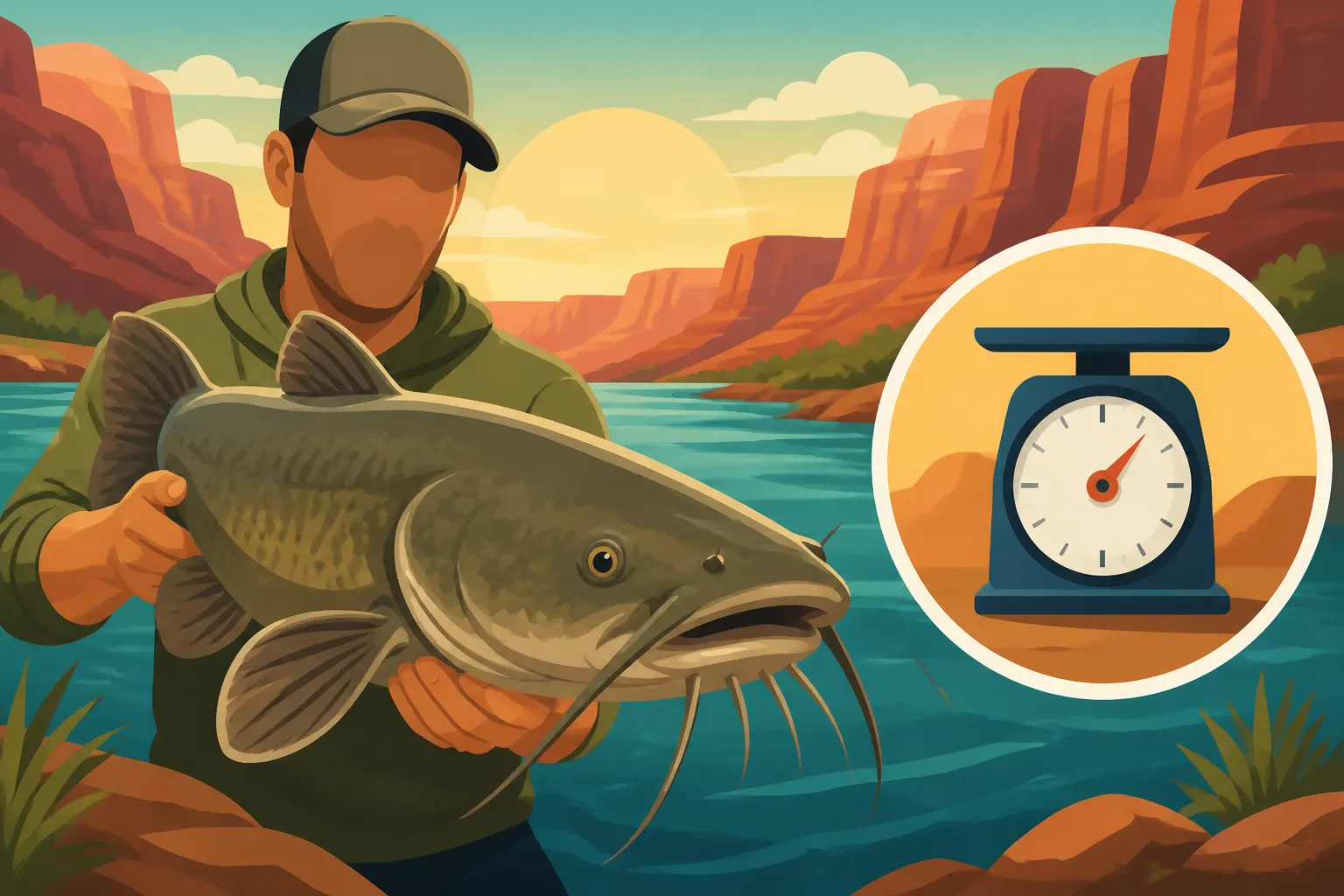
Generally speaking, a commonly caught flathead on the Arizona stretch of the Colorado River might range anywhere from 5 to 20 pounds. These are respectable fish that put up a great fight and are certainly rewarding to catch. However, what really excites anglers are those fish that push past this "average" into the true trophy class. Fish in the 20 to 40-pound range are not uncommon, especially for seasoned flathead hunters who know the river well. These are the fish that really test your tackle and your resolve. And then, there are the absolute giants, the ones that make headlines. Flatheads exceeding 50, 60, or even 70 pounds are caught every year on the Colorado River, proving its status as a world-class flathead fishery.
Here's a quick look at how these categories break down:
| Category | Typical Weight Range (Pounds) | Fight Level | Relative Rarity |
|---|---|---|---|
| Common Catch | 5 – 20 | Good | Fairly Common |
| Respectable Catch | 20 – 40 | Strong | Less Common |
| Trophy Fish | 40 – 70+ | Extreme | Rare |
Keep in mind that while a 5-pound flathead is a blast to catch, it's those 30+ pounders that anglers often dream about. The Colorado River has the potential to deliver on those dreams, which is why it's such a popular destination for flathead enthusiasts. For more on what constitutes a big catch, consider our guide on Trophy Catfish Threshold Weight in Arizona.
Factors Influencing Flathead Size
Several key elements contribute to how large a flathead catfish can grow in the Colorado River. Understanding these factors can help you zero in on areas where bigger fish are more likely to be found.
- Forage Availability and Quality: This is arguably the biggest factor. Flatheads are voracious predators, and their growth is directly tied to how much high-quality food they can consume. The Colorado River is rich in shad, carp, sunfish, and other smaller species that provide an excellent protein source. Areas with dense populations of these baitfish are prime locations for larger flatheads, as they don't have to expend as much energy to find a meal. A flathead in a food-rich environment will grow significantly faster and larger than one in a depleted area.
- Water Quality and Habitat Stability: Clean water and a stable environment are essential for fish health and growth. The Colorado River, while managed, generally provides good water quality in its main stem and associated reservoirs. Areas with abundant natural structure – like submerged logs, rock piles, and deep scour holes – offer ideal ambush points and protective cover, allowing flatheads to grow undisturbed. Conversely, sudden drastic changes in water levels or prolonged periods of poor water quality can stress fish and hinder their growth.
- Age of the Fish: Like all fish, flatheads need time to grow. A 50-pound flathead didn't get that big overnight; it likely took many years, possibly decades, of consistent feeding and survival. Older fish are naturally larger. The Colorado River has long been home to flatheads, meaning there's a good chance for older, larger specimens to be present, especially in less-pressured or hard-to-reach sections.
- Angler Pressure: While the Colorado River is vast, certain popular spots can experience higher angler pressure. In areas where many large flatheads are caught and kept, the average size might trend downwards. However, responsible catch and release practices, combined with the river's sheer size, help sustain populations of larger fish. Knowing the Fishing Bag and Possession Limits Explained is always crucial to ensure sustainable practices. The beauty of the Colorado is that there are always new spots to explore, where flatheads might have grown to exceptional sizes with minimal disturbance.
These factors combined create the perfect storm for growing colossal flathead catfish. It's a testament to the river's ecosystem and the resilience of these incredible fish that such impressive specimens continue to grace our waters.
Strategies for Targeting Larger Flathead Catfish
Catching those truly massive flathead catfish on the Colorado River isn't just about luck; it's about strategy, preparation, and knowing their habits. If you're serious about hooking into a trophy, you'll need to adjust your approach.
Best Baits and Rigging for Big Flatheads
Flathead catfish are primarily piscivorous, meaning they prefer to eat other fish. Unlike channel catfish, which will readily take stink baits or cut baits, flatheads overwhelmingly prefer live bait. And when you're targeting big flatheads, bigger bait usually equals bigger fish.
- Live Bait is King: Your best bet is live, healthy baitfish appropriate for the size of the flathead you're after. Common choices on the Colorado include bluegill, sunfish, small carp, shad, or even smaller tilapia. The key is to keep them alive and active on your hook, as their struggles attract the flathead's predatory instinct. Make sure your live bait is legal to use in the specific water you're fishing. For more detailed information on what to use, see our guide on the Best Bait for Catfish in Arizona.
- Heavy-Duty Tackle: This is not the time for ultralight gear. You'll need a stout, heavy-action rod, preferably 7 to 9 feet long, capable of handling powerful fish and heavy weights. Paired with a robust baitcasting reel spooled with strong line – typically 50 to 80-pound braided line or heavy monofilament – you'll have the power to turn a big fish from structure. Many anglers look to trusted brands on Amazon for these specialized heavy-duty rods and reels. Check out our recommendations for the Best Rod for Catfish and Best Line for Catfish Fishing.
- Robust Rigging: Your terminal tackle needs to match the strength of your rod and reel. Use a strong leader (often fluorocarbon) of at least 50-pound test, connected to your mainline with a robust swivel. Large, sharp circle hooks (sized from 5/0 to 10/0, depending on bait size) are essential. Circle hooks are fantastic because they usually hook the fish in the corner of the mouth, making for easy release and protecting the fish. Heavy sinkers (2-6 ounces or more) are often necessary to hold your bait in place against the river's current. A sliding sinker rig is a popular choice, allowing the fish to take the bait without feeling the weight of the sinker immediately.
Prime Locations and Times on the Colorado River
Flatheads are ambush predators, so finding their hideouts is paramount. They prefer areas where they can lurk in cover, waiting for prey to swim by.
- Deep Holes and Channels: Flatheads love deep water, especially areas with current breaks. Look for the deepest parts of the river, often indicated by sudden drops or bends. These deep channels provide comfort and security for larger fish.
- Submerged Structure: This is critical. Flatheads will relate heavily to submerged timber, rock piles, downed trees, old bridges, or anything that provides cover. These are prime ambush points. Use your fish finder to locate these structures, or if bank fishing, look for visible cues on the surface that indicate submerged cover.
- Eddy Lines and Current Seams: Where fast current meets slower water, or where an eddy forms behind an obstruction, baitfish often congregate. These transition zones are ideal for flatheads to set up their ambush.
- Night Fishing: While flatheads can be caught during the day, they are primarily nocturnal feeders. Their activity peaks after dark, especially in the warmer months. Night fishing for flatheads on the Colorado River can be incredibly productive, but it requires extra safety precautions and equipment like headlamps, glow sticks, and a good lantern. Our Catfish Night Fishing Techniques guide can offer more insights.
- Warmer Months: Late spring through early fall are generally the most productive times for flatheads on the Colorado. As water temperatures rise, their metabolism increases, and they become more active feeders.
Finding the right spot often involves a bit of exploration and observation. Don't be afraid to try different areas, paying close attention to current, depth, and available cover. Some of the Best Catfish Fishing Spots in Arizona are found along the Colorado.
Patience and Persistence Pay Off
Catching large flathead catfish is rarely an instant gratification kind of deal. It requires a significant amount of patience and persistence. You might sit for hours without a bite, only to have a monster strike when you least expect it.
- Set Up for Comfort: Since you'll be waiting, make sure your setup is comfortable. A sturdy rod holder, a comfortable chair, and a well-stocked cooler are essential, especially during those long night sessions. Don't forget bug repellent!
- Multiple Rods (Where Legal): If regulations allow, using multiple rods can increase your chances, allowing you to cover more water or present different baits. Always know your Arizona Fishing Regulations Explained before deploying multiple lines.
- Learning Curve: Every flathead outing is a learning experience. Pay attention to what works, what doesn't, and what the conditions are telling you. The more time you spend on the water, the better you'll become at deciphering flathead patterns.
- The Big Payoff: The anticipation is part of the fun. That moment when a heavy flathead finally takes your bait, and your rod bends dramatically, makes all the waiting worthwhile. The fight itself is an adrenaline rush. For tips on battling these beasts, check out How to Fight a Big Flathead Catfish. Remember, a successful flathead trip isn't always measured by the number of fish caught, but often by the quality of a single, unforgettable encounter. Many successful anglers have shared stories of their most epic battles on forums and online communities, often featuring gear found on Amazon that stood up to the test.
Responsible Angling for Colorado River Flatheads
As with any prized game fish, responsible angling practices are paramount when pursuing flathead catfish on the Colorado River. These fish are a valuable resource, and it's up to us to ensure their populations remain healthy for future generations of anglers.
Catch and Release Practices
While flathead catfish can be excellent table fare, especially smaller ones, many anglers choose to release the larger, trophy-sized fish. These older, larger flatheads are often the prime breeders in the population, and their continued presence is vital for the health of the fishery. Plus, a 50-pound flathead is just too magnificent to keep!
- Minimize Stress: When you land a big flathead, work quickly but carefully. Try not to fight the fish to complete exhaustion. Keep it in the water as much as possible if you're taking photos, and avoid dragging it across abrasive surfaces like rocky banks or hot boat decks.
- Proper Handling: If you must remove the fish from the water, support its entire body horizontally. Never hold a large flathead vertically by the jaw alone, as this can severely damage its internal organs and spine. Use wet hands to minimize the removal of the fish's protective slime coat. Large landing nets are invaluable for safely bringing a big fish aboard or to shore. Many specific nets designed for large fish can be found on Amazon.
- Unhooking Tools: Have a good pair of pliers or jaw spreaders handy to quickly and cleanly remove hooks. If the hook is deeply swallowed, it's often better to cut the line as close to the hook as possible rather than tearing up the fish's gills or throat.
- Revival: Before releasing, hold the fish gently in the water, facing into any current, until it regains its strength and can swim away on its own. Watch for strong tail kicks.
Practicing careful catch and release with larger flatheads helps maintain the genetic quality of the population and ensures that other anglers have the chance to experience the thrill of catching these giants.
Regulations and Limits
Fishing in Arizona, especially on a major waterway like the Colorado River, comes with specific rules and regulations designed to manage fish populations and ensure fair chase. It's not just a good idea to know these rules; it's a legal requirement, and ignorance is no excuse.
- Arizona Fishing License: First and foremost, you'll need a valid Arizona Fishing License Guide. This is non-negotiable for anyone over the age requirement. Whether you're a resident or a non-resident, daily, weekly, or annual licenses are available.
- Bag and Possession Limits: The Arizona Game and Fish Department (AZGFD) sets specific limits on the number of fish you can keep (bag limit) and the total number you can have in your possession (possession limit). These limits can vary by species and by specific waters. While flatheads are often encouraged to be harvested in some areas due to their non-native status, always confirm the current regulations for the stretch of the Colorado River you plan to fish. You'll find all the details in the official AZGFD regulations booklet or online. For a general overview, refer to our Fishing Bag and Possession Limits Explained.
- Special Regulations: Be aware that certain sections of the Colorado River or specific reservoirs might have unique regulations regarding bait, tackle, or even seasons. For instance, areas bordering tribal lands might require additional permits. Always consult the official AZGFD regulations booklet or website before you head out.
- Boating and Safety Regulations: If you're fishing from a boat, there are additional requirements for safety gear, registration, and potentially operator education. Make sure your vessel is up to code.
Staying informed about these rules not only keeps you on the right side of the law but also contributes to the conservation efforts that make the Colorado River such an outstanding fishery. Before any fishing trip, a quick check of the current regulations is a responsible angler's habit.
Disclaimer
This article is for general informational purposes only and does not constitute professional advice. Laws, prices and regulations vary by location and change over time. Consult a qualified professional for guidance on your specific situation.