Crappie Fishing Guide for Arizona
One of the most rewarding — and sometimes maddening — experiences on Arizona's waters is chasing crappie. These elusive panfish can be incredibly abundant one day and seem to vanish the next, leaving even seasoned anglers scratching their heads. This comprehensive guide is here to demystify crappie fishing in our unique desert environment, covering everything from understanding their habits to mastering the techniques that put them in your cooler, ensuring you’re ready for your next successful outing.
Understanding Arizona's Crappie Species
Before you even think about casting a line, it helps to know a bit about the fish you’re after. Arizona is home to two primary species of crappie: the Black Crappie and the White Crappie. While they share many similarities, understanding their subtle differences can be a game-changer for your fishing strategy. Both are fantastic table fare and put up a surprisingly spirited fight on light tackle, making them a perennial favorite among Arizona anglers.
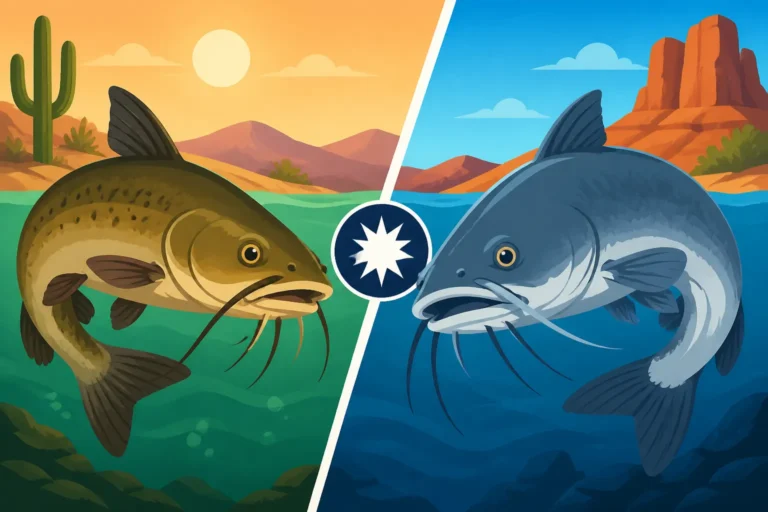
Black Crappie vs. White Crappie: Key Differences
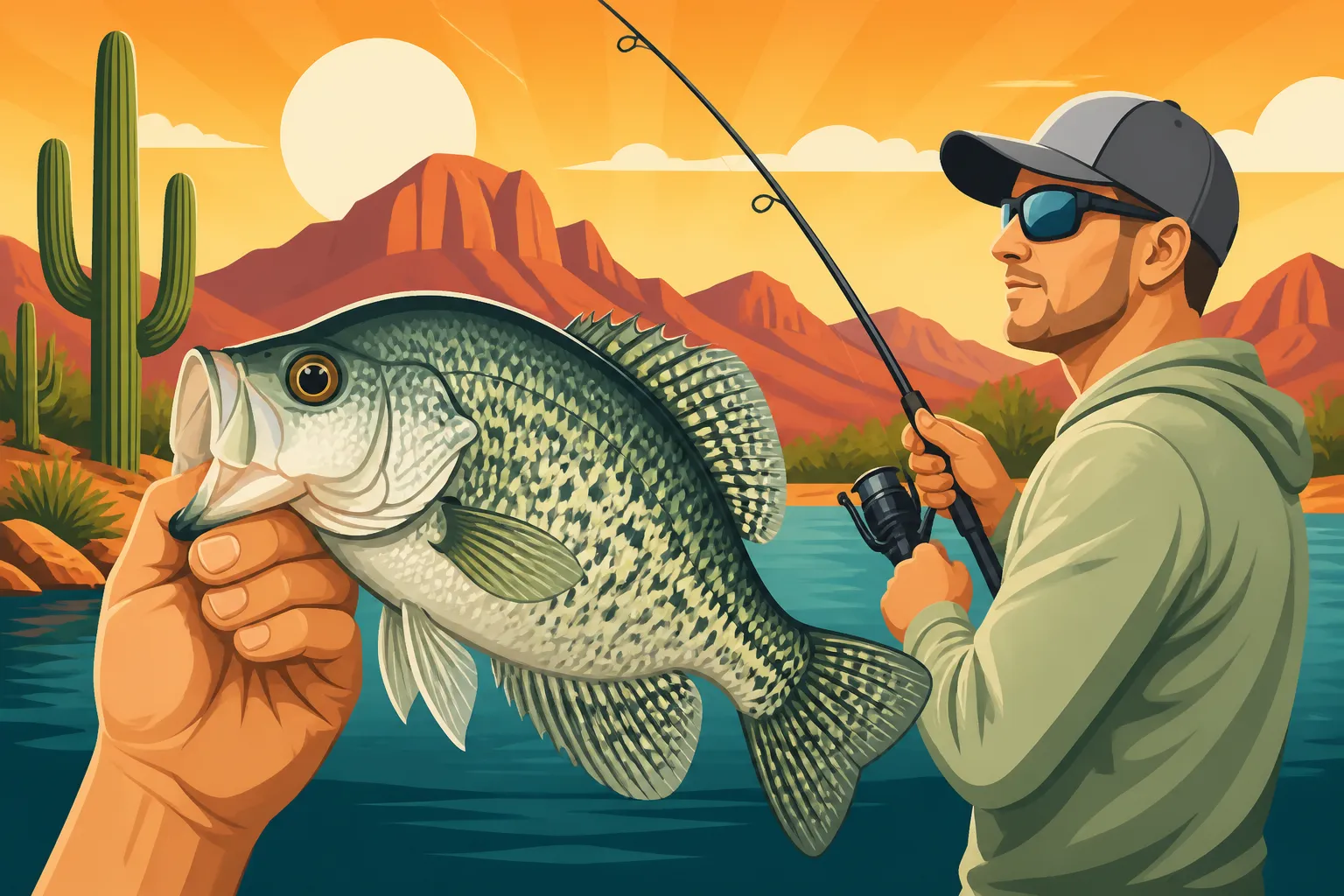
Often, anglers will catch both species in the same body of water and might not even realize they're different. However, if you look closely, you’ll start to spot distinguishing characteristics. Black crappie generally have a darker, mottled pattern with irregular dark spots scattered across their silvery-green bodies. Their dorsal fin, the one on their back, typically has 7 or 8 spines. They also tend to have a slightly more rounded, disc-like body shape compared to their white crappie cousins.
White crappie, on the other hand, usually have a more uniform silvery color with distinct, vertical bars running down their sides. These bars are often much clearer and more organized than the blotches on a black crappie. A key identifier is their dorsal fin, which almost always has 5 or 6 spines, rather than the 7 or 8 found on a black crappie. Their body tends to be a bit more elongated, giving them a slightly slenderer profile. For a more in-depth look at identification, check out our Black Crappie vs White Crappie Identification guide.
From an angler's perspective, these differences also translate into slight habitat preferences. Black crappie often prefer clearer water with more submerged vegetation and natural cover, such as brush piles, stumps, and weed beds. White crappie are generally more tolerant of murkier, less oxygenated waters and are frequently found around more open water structures like standing timber, docks, or rock piles. Knowing which species predominates in a particular lake, or even a specific area of a lake, can help you fine-tune your approach and increase your chances of success.
Crappie Habitat and Feeding Habits in Arizona
Crappie, regardless of species, are highly structure-oriented fish, especially in the clear, often deep waters of Arizona's desert lakes. They love cover because it provides ambush points for feeding and protection from predators. Think submerged trees, rock outcroppings, brush piles, old foundations, and even artificial fish habitat structures that Arizona Game and Fish often deploys. Finding these hidden underwater havens is the first step to finding crappie. They’ll often suspend in these structures, waiting for an unsuspecting meal to swim by.
Their diet consists primarily of smaller fish, insect larvae, and crustaceans, with shad being a major forage fish in many Arizona lakes. This preference for smaller prey is why tiny jigs and live minnows are so effective. Crappie are visual feeders, especially in clear water, and often prefer a slow, subtle presentation. They can be finicky eaters, sometimes just "tapping" at a bait rather than aggressively striking it. Understanding Crappie Diet and Feeding Habits can help you select the most irresistible lures and baits. During different times of the year, their feeding patterns will shift, moving from shallow coves during the spawn to deeper main lake points or creek channels in the heat of summer or cold of winter.
Top Crappie Fishing Lakes in Arizona
Arizona is blessed with several fantastic crappie fisheries, each offering its own unique challenges and rewards. While many small ponds and community lakes might hold a few crappie, the larger reservoirs are where you’ll find consistent action and the potential for trophy-sized slabs. Knowing which lakes are hot and what they offer can save you valuable time on the water.
Roosevelt Lake: A Crappie Powerhouse
Roosevelt Lake, Arizona's largest lake, is arguably the state's premier crappie destination. Its vast expanses, coupled with numerous coves, submerged timber, and deep creek channels, create an ideal environment for both black and white crappie to thrive. Anglers often target Roosevelt's crappie in the spring when they move shallow to spawn, congregating in brushy coves and along sheltered shorelines. Spider rigging multiple rods with minnows or small jigs is a popular and effective method here, allowing you to cover wide swathes of water.
During the hotter months, the crappie at Roosevelt move deeper, often suspending in the water column around prominent points, submerged humps, or the vast stands of standing timber in the Tonto Creek and Salt River arms. A good fish finder is invaluable here to locate these deeper schools. The lake can be challenging due to its size and varying water levels, but the rewards are well worth the effort. You can find out more details about fishing this massive lake in our Roosevelt Lake Arizona Fishing Guide.
Alamo Lake: The Crappie Factory
Alamo Lake State Park, located on the Bill Williams River, has long held a reputation as a crappie factory. The lake is known for its incredible number of submerged mesquite trees, providing perfect crappie habitat. When Alamo is "on," anglers can fill coolers quickly, especially during the spring spawn. The lake's relatively remote location adds to its allure, offering a peaceful fishing experience.
Unlike Roosevelt, Alamo often sees its crappie spread out among countless mesquite trees, making careful navigation and precise jig placement crucial. Vertical jigging small jigs or dropping live minnows directly into brush piles are the go-to techniques. Anglers frequently use side-imaging sonar to pinpoint these submerged structures before carefully positioning their boats to drop baits. The crappie here are often chunky and aggressive, providing excellent sport.
Other Notable Crappie Destinations
While Roosevelt and Alamo often steal the spotlight, other Arizona lakes offer excellent crappie fishing opportunities. San Carlos Lake Arizona Fishing Guide will tell you that San Carlos Lake, on the San Carlos Apache Reservation, can produce some truly massive crappie, though access requires a tribal permit. Lake Pleasant, closer to Phoenix, also holds a healthy population of crappie, particularly in its deeper channels and around brush piles in coves, though they can be harder to locate consistently.
Even some of the smaller Salt River chain lakes, like Canyon Lake and Saguaro Lake, have crappie populations, especially in their upper, brushier reaches. These lakes tend to have clearer water, meaning a stealthier approach and more subtle presentations are often necessary. For a broader overview of great spots, be sure to check out our Best Crappie Fishing Spots in Arizona. No matter which lake you choose, remember that crappie are schooling fish, so once you find one, there are usually more nearby!
Best Times to Fish for Crappie
Timing is everything when it comes to crappie fishing. These fish are highly influenced by water temperature, light conditions, and seasonal patterns. Knowing when and where to target them can dramatically improve your success rate. While you can catch crappie year-round in Arizona, certain periods are undeniably more productive, especially if you're looking for larger numbers or trophy-sized fish.
Spring: The Crappie Spawn Bonanza
Without a doubt, spring is prime time for crappie fishing in Arizona. As water temperatures begin to climb into the 58-68°F range, crappie move from their deeper wintering grounds into shallow coves and protected areas to spawn. This typically occurs from late February through May, depending on the lake and specific weather patterns. During the spawn, crappie are highly concentrated and aggressive, making them easier to locate and catch. They'll often be found in water as shallow as 2-5 feet, tucked into brush, reeds, or submerged grass.
Targeting them during this period often involves slow trolling small jigs or live minnows through spawning areas, or carefully probing brush piles and timber with jigs under a slip bobber. The key is to cover water slowly and thoroughly, paying close attention to any subtle taps or line movements. Overcast days or early mornings and late evenings tend to be most productive, as crappie can become more cautious under bright, sunny conditions. For specific tactics during this exciting period, our Crappie Spawning Season Tactics guide is a must-read.
Summer and Fall: Adapting to Changing Conditions
Once the spawn is over and Arizona's intense summer heat sets in, crappie retreat to deeper, cooler waters. During summer, they’ll often suspend over structure in 15-30 feet of water, or even deeper, especially during the brightest parts of the day. Early mornings, late evenings, and even night fishing can be highly productive as they move slightly shallower to feed. Vertical jigging directly over submerged brush piles, creek channels, or humps becomes the most effective strategy. A good fish finder is absolutely essential for locating these deeper schools.
As fall approaches and water temperatures begin to cool, crappie become more active again, often moving to secondary points, channel swings, and still holding close to structure. This period can offer excellent fishing as the crappie gorge themselves in preparation for winter. They might be found a bit shallower than in summer, but still often deeper than during the spring spawn. Adapting your techniques from deep vertical presentations to perhaps a bit of slow trolling along contour lines can yield great results.
Winter: Deep Water and Patience
Winter crappie fishing in Arizona demands patience and precision, but it can be incredibly rewarding for those willing to brave the cooler temperatures. Crappie will move to their deepest winter haunts, often congregating in large schools in deep channels, under main lake points, or suspended over significant submerged structures. They become lethargic in the cold water, and their bites can be extremely subtle, sometimes feeling like nothing more than extra weight on your line.
Slow, vertical presentations are key. Small jigs tipped with a crappie nibbler or a tiny piece of plastic, or small live minnows, dropped directly into the school are usually the most effective baits. Your fish finder is your best friend here, helping you pinpoint these deep schools. You might need to experiment with different depths within the school to find the most active fish. While not as high-volume as the spring spawn, winter fishing can yield some of the largest crappie as the big fish often school together.
Essential Crappie Gear and Tackle
Having the right equipment is fundamental to successful crappie fishing, especially when dealing with their notoriously light bites and preferred habitats. You don't need to break the bank, but investing in a few key items will significantly improve your experience and catch rates. Crappie fishing is largely a finesse game, so delicate presentations and sensitive gear are paramount.
Rods, Reels, and Line: The Finesse Setup
For crappie, sensitivity is king. A light to ultra-light action spinning rod, typically 5 to 7 feet in length, is ideal. This rod will have a soft tip to detect those subtle bites and enough backbone to handle a decent-sized crappie. Shorter rods are great for precise jigging around brush, while longer rods offer better casting distance and leverage for trolling. If you're looking at combos, ensure the rod is designed for lightweight lures and bait. While our Best Rod and Reel Combo for Bass guide provides excellent insights, remember to scale down significantly for crappie, focusing on much lighter gear ratios and line weights.
Pair your sensitive rod with a small, lightweight spinning reel, usually in the 1000 or 2000 size range. The reel should have a smooth drag system, which is crucial when fighting crappie on light line, preventing break-offs. A quality reel will also ensure effortless casting of those tiny jigs. For line, 4 to 6-pound test monofilament or fluorocarbon is generally sufficient. Monofilament offers good knot strength and shock absorption, while fluorocarbon is nearly invisible underwater and has less stretch, enhancing sensitivity. Some anglers prefer braided line for its extreme sensitivity, often with a fluorocarbon leader for stealth. You can find many great options for these setups on online retailers like Amazon, offering a wide range of brands and price points to fit any budget.
Lures and Baits: Crappie Favorites
When it comes to lures, small jigs are the undisputed champions of crappie fishing. Soft plastic grubs, tubes, and "spider" style jigs in sizes from 1/32 to 1/16 ounce are incredibly effective. Popular colors vary, but chartreuse, white, black/chartreuse, and various shad imitations are always good starting points. Marabou jigs, with their pulsating feathers, also produce excellent results. The key is to match the hatch – imitating the size and color of the crappie's natural forage.
Live bait, particularly small minnows (often called "crappie minnows"), is consistently one of the most effective ways to catch crappie, especially when they're less active. Hooking them lightly through the lips or just behind the dorsal fin allows them to swim naturally, attracting strikes. Crappie nibblers or small bits of Gulp! bait can also be added to jigs for extra scent and appeal, increasing your chances when the bite is tough. Always check Arizona's regulations on live bait use for specific waters, as rules can vary. For a deeper dive into rigging techniques, our How to Rig a Live Minnow for Crappie article provides excellent guidance.
Effective Crappie Fishing Techniques
Crappie can be caught using a variety of techniques, but some methods consistently outperform others in Arizona's diverse fisheries. Mastering these techniques will give you a significant advantage, allowing you to adapt to different conditions and locate fish regardless of their mood or location. Remember, crappie are often schooling fish, so once you find one, chances are there are more in the immediate vicinity.
Vertical Jigging and Dropping into Structure
Vertical jigging is perhaps the most fundamental and effective crappie fishing technique, especially when targeting fish holding tight to submerged cover or suspended in deep water. This involves positioning your boat directly over known crappie habitat—like brush piles, standing timber, or rock outcroppings—and dropping a small jig or minnow straight down into the strike zone. The goal is to present the bait right in front of the crappie's nose, often literally bumping the structure to elicit a reaction strike.
A good fish finder is indispensable for this method, allowing you to identify fish-holding structures and even see individual crappie or schools of fish. Once you spot them, lower your bait to their depth and use a subtle jigging motion—tiny lifts and falls—to entice a bite. Sometimes simply holding the bait still can be effective. This technique requires patience and precise boat control, but it can be incredibly productive, especially in winter or when crappie are deep. For more on finding and working these spots, explore our guide on How to Fish a Brush Pile for Crappie.
Spider Rigging and Slow Trolling
Spider rigging is a multi-rod trolling technique that allows anglers to cover a wide area and present multiple baits at different depths and distances from the boat. It involves mounting several rod holders around the boat, usually at the bow, with rods fanning out like spider legs. Each rod is typically rigged with a small jig or a minnow on a weight, and the boat is moved very slowly, often with an electric trolling motor. This is a favorite method on large, open waters like Roosevelt Lake during the spawn or when crappie are scattered.
Slow trolling, a more simplified version, involves dragging one or two baits behind the boat. Both techniques are excellent for locating active schools of crappie that might be roaming or suspended over flats or along channel edges. Experiment with different depths, lure colors, and trolling speeds until you find what the crappie are keying in on. The use of an electric trolling motor allows for precise speed control and quiet movement, which is essential for not spooking fish. Many anglers find great deals on trolling motors and rod holders for this technique on platforms like Amazon.
Using Slip Bobbers and Casting
Slip bobber fishing is a versatile technique, particularly effective for presenting live minnows or small jigs at a precise depth over or around submerged cover without snagging. Unlike fixed bobbers, a slip bobber slides freely on your line, allowing you to cast your bait a long distance and then let it sink to a predetermined depth, which is set by a small bobber stop knot. This is fantastic for targeting crappie that might be suspending just above brush piles or in shallow water near shoreline cover.
Casting small jigs or tiny crankbaits is another effective technique, especially when crappie are actively feeding in shallower water, such as during the spring spawn. Fan casting around likely areas like submerged wood, docks, or weed lines can help you locate active fish. A slow, steady retrieve or a stop-and-go retrieve with occasional twitches often works best. This method is particularly engaging as you feel every subtle tap and fight the fish directly on the retrieve. These techniques require finesse and a keen eye for subtle bites, but they are incredibly rewarding.
Crappie Regulations and Limits in Arizona
Fishing regulations are in place to ensure the health of our fisheries and provide sustainable angling opportunities for everyone. Before you head out on the water, it's crucial to be familiar with Arizona's crappie specific rules, as ignorance of the law is never an excuse. These regulations can vary by lake and change over time, so always consult the latest Arizona Game and Fish Department (AZGFD) regulations booklet.
Statewide Crappie Bag and Possession Limits
The Arizona Game and Fish Department sets statewide limits for most species, including crappie. These limits define how many fish you can keep (bag limit) per day and how many you can have in your possession (possession limit), which typically applies to fish kept at your home or during multi-day trips. For crappie, the statewide bag limit is often quite generous, reflecting their healthy populations in many Arizona waters. However, it's not just about the number; sometimes there are also length limits, though crappie typically do not have a statewide minimum size.
Understanding the difference between bag and possession limits is critical. For instance, if the daily bag limit for crappie is 15, you can only keep 15 fish in a 24-hour period. If the possession limit is twice the daily bag limit (e.g., 30), you could have 15 from one day and 15 from a second day in your possession, but you couldn't catch 30 in a single day. These rules help manage the fishery and distribute the catch among anglers. Always check the official AZGFD regulations for the most current figures and details. Our Arizona Fishing Regulations Explained article can offer a broader understanding of fishing laws in the state, and Fishing Bag and Possession Limits Explained will give you the precise information you need.
Lake-Specific Rules and Exceptions
While statewide regulations provide a baseline, many individual lakes or specific water bodies in Arizona have their own unique rules, often referred to as "special regulations." These might include different bag limits, slot limits (where fish within a certain size range must be released), or even specific tackle restrictions. For example, a lake known for producing exceptionally large crappie might have a reduced bag limit to promote trophy management, or a minimum size limit to protect smaller, growing fish.
It is your responsibility as an angler to check for any special regulations pertaining to the specific lake or river you plan to fish. These are usually clearly outlined in the AZGFD regulations booklet, often in a dedicated section for "special regulations by water." Ignoring these specific rules can lead to fines or other penalties. Always grab a copy of the current regulations, available online or at most license dealers, and give it a thorough read before your trip. This due diligence ensures you're fishing legally and contributing to the sustainability of Arizona's crappie populations.
Advanced Crappie Strategies and Tips
Once you've mastered the basic techniques, you might find yourself wanting to take your crappie fishing to the next level. Advanced strategies often involve a deeper understanding of fish behavior, environmental factors, and utilizing modern technology to your advantage. These insights can help you locate and catch crappie even when conditions are tough or when the fish seem to have vanished.
Reading Your Electronics and Locating Structure
A quality fish finder or sonar unit is the single most valuable piece of equipment for advanced crappie fishing, especially on Arizona's large, deep reservoirs. Learning how to effectively read your electronics—whether it's traditional 2D sonar, Down Imaging, or Side Imaging—will allow you to pinpoint subtle changes in bottom contour, locate submerged brush piles, identify standing timber, and even mark individual fish or schools of crappie. Modern units can often distinguish between hard and soft bottom, reveal thermoclines, and show baitfish schools, all crucial information for crappie location. For more general information on using fish finders, check out our How to Read a Fish Finder for Bass guide, and apply the principles to crappie's preferred habitats.
When scouting for crappie, look for submerged humps, creek channels that wind through the lake bed, sharp drop-offs, and dense brush or timber. Mark these spots as waypoints on your GPS. Don't just look for fish arches; pay attention to baitfish schools, as crappie are almost always nearby. Use your Side Imaging to scan wide areas for hidden brush piles that aren't visible on traditional sonar. The more proficient you become at interpreting what your electronics are showing you, the more consistently you'll find crappie.
Adapting to Conditions and Stealth
Crappie can be incredibly sensitive to changes in weather, water clarity, and fishing pressure. A successful angler learns to adapt their tactics based on the conditions they encounter. On bright, sunny days with clear water, crappie often hold deeper or tighter to cover, and a stealthier approach with lighter line and more subtle presentations (like a small jig under a bobber or a slow-dropped minnow) might be necessary. Overcast days or periods of low light often bring crappie shallower and make them more aggressive.
Wind can also play a significant role. A light breeze can create a "crappie chop" that breaks up the surface, making fish less wary, but strong winds can make boat control and feeling bites incredibly difficult. In windy conditions, focus on sheltered coves or use a drift sock to slow your boat. Noise and sudden movements can spook crappie, especially in clear, shallow water. Use your electric trolling motor quietly, minimize banging tackle boxes, and avoid casting shadows over productive areas. Often, the difference between catching a few fish and filling your limit comes down to how well you adapt and how stealthy you can be.
Preserving Your Catch and the Fishery
Beyond the thrill of the catch, responsible crappie fishing also involves proper handling of your fish, whether you plan to release them or keep them for dinner. Practicing good conservation habits ensures that Arizona's crappie fisheries remain healthy and productive for generations to come. Every angler plays a role in sustaining this valuable resource.
Handling and Care for Kept Fish
If you plan to keep your crappie for the dinner table, proper handling begins the moment you land the fish. Crappie are delicate, and rough handling can spoil their meat quality. Try to net the fish quickly and efficiently, minimizing its time out of water. Once landed, dispatch the fish humanely and place it immediately into a cooler filled with ice water. This "ice slush" rapidly cools the fish, preserving its flavor and texture, and inhibits bacterial growth. Simply tossing fish into a dry cooler will allow them to warm up and degrade quickly, especially in Arizona's heat.
When processing your catch, always adhere to the legal bag and possession limits. Filleting crappie is a relatively straightforward process once you get the hang of it, yielding delicious, boneless fillets. The clean, white meat of crappie is prized for its mild flavor and flaky texture, making it one of the best-tasting freshwater fish. Proper cleaning and immediate cooling are key to maximizing the culinary experience.
Catch and Release Best Practices
Even if you're keeping some fish, you'll likely encounter crappie you intend to release, whether they're undersized, outside a slot limit, or simply more than you wish to keep. Practicing good catch and release techniques is vital for the health of the fishery. Minimize the fish's time out of water; ideally, unhook it while it's still in the net or even in the water. Use barbless hooks or crimp down the barbs on your hooks to make removal easier and reduce damage to the fish's mouth.
If a fish has swallowed the hook deeply, it's often best to cut the line as close to the hook as possible rather than attempting to remove it, which can cause irreparable damage. Handle the fish gently with wet hands to avoid removing its protective slime coat. When releasing, hold the fish upright in the water and gently move it back and forth to push water over its gills until it regains strength and swims away on its own. These small efforts ensure that released crappie have the best chance of survival and can contribute to future spawning, helping to maintain strong crappie populations in Arizona's lakes for all of us to enjoy.
Disclaimer
This article is for general informational purposes only and does not constitute professional advice. Laws, prices and regulations vary by location and change over time. Consult a qualified professional for guidance on your specific situation.