How Barometric Pressure Affects Bass Fishing
Ever had those days out on an Arizona lake where the bass seem to have just vanished into thin air, only to inexplicably go on a feeding rampage the next? You might be scratching your head, thinking it's just luck or bad timing. But often, the unseen culprit—or hero—is the barometric pressure. Understanding how these atmospheric shifts affect bass behavior is a game-changer for anglers here in the desert, helping you decode their moods and adapt your strategies for consistently better fishing trips.
The Invisible Force: What Barometric Pressure Means for Bass Anglers in Arizona
Barometric pressure is something we often hear about in weather forecasts, but few anglers truly grasp its profound impact on fish, especially bass. It's not just a scientific term; it's a critical piece of the puzzle that can turn a frustrating day into a fantastic one. For us Arizona anglers, where weather can shift dramatically from clear skies to intense monsoon storms, understanding this element becomes even more vital.
Understanding the Basics: Air Pressure and Fish Physiology
Think of barometric pressure as the weight of the air pressing down on everything, including the surface of the water. When the pressure is high, the air is heavier; when it's low, the air is lighter. This might seem abstract, but it directly affects the delicate internal systems of fish. Most fish, especially species like bass, have a swim bladder—an air-filled organ that helps them maintain buoyancy in the water column.
When the atmospheric pressure changes, the pressure exerted on the water (and thus on the fish's swim bladder) also changes. Imagine how your ears pop when you go up or down a mountain; it's a similar sensation for fish, though they're constantly adjusting. A sudden drop or rise in pressure can cause discomfort or signal changes in their environment, influencing their activity levels, their feeding patterns, and where they choose to hold in the water. It's a fundamental aspect of their world that, when understood, can provide incredible insight into How to Fish Arizona's Desert Lakes.
Why Arizona's Weather Makes This Even More Crucial
Arizona's climate is unique, characterized by long periods of stable, high pressure, but also sudden, intense shifts, particularly during our monsoon season. This means that bass here are highly attuned to these changes. A strong cold front rolling through, often preceded by a significant drop in pressure, can completely shut down a bite. Conversely, the stable, sunny days that follow a front, with rising and then high, steady pressure, can create completely different—and sometimes equally challenging—conditions.
Our desert lakes, like Lake Pleasant or Roosevelt Lake, are vast and deep, offering bass many options to escape uncomfortable pressure. They can move vertically in the water column or tuck into deep structure. Without understanding barometric pressure, you might find yourself fishing the "perfect spot" with the "perfect lure" only to wonder why nothing is biting. It’s because the fish aren't where you expect them to be, or they're simply not in a feeding mood. Learning to recognize and respond to these subtle weather cues is key to consistent success on the water, regardless of the season.
Deciphering the Mood Ring: Bass Behavior Under Different Pressure Trends
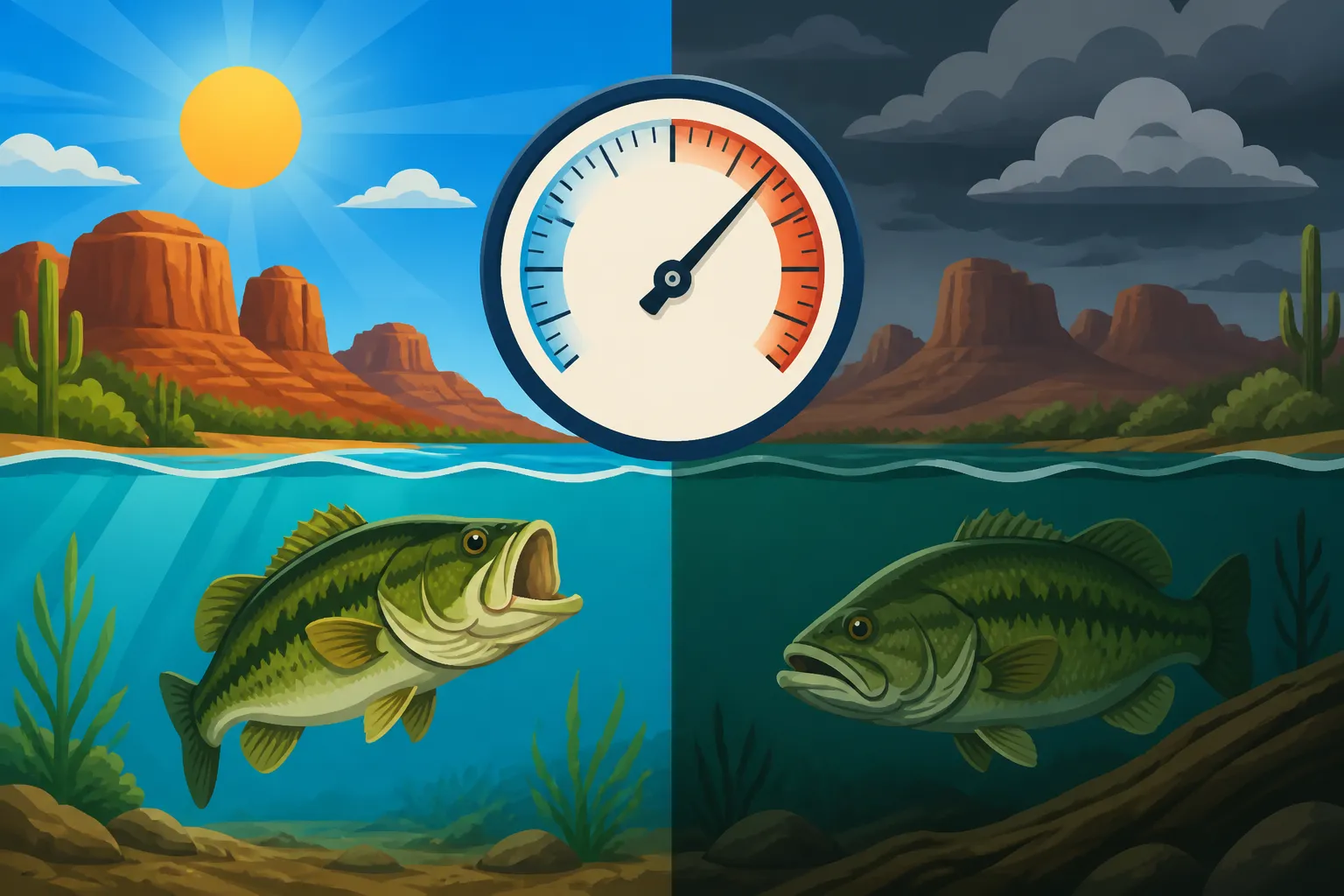
The bass aren't just reacting to the pressure itself, but to the change in pressure. A rapid change is often the most impactful, signaling imminent weather shifts. Understanding these trends—rising, falling, or stable—is like getting a peek into the bass's daily planner, giving you a serious advantage when planning your fishing trip.
When the Pressure is Rising: Post-Front Success
After a significant weather system has passed, like a rainstorm or a cold front, the barometric pressure typically begins to rise and stabilize. This rising pressure can often signal clear skies, calmer winds, and a return to more stable conditions. For bass, this is usually a period of adjustment. Immediately after a front, when the pressure is rapidly rising, the fishing can be tough. The fish often feel uncomfortable from the previous pressure drop and the subsequent quick rise, and they tend to be lethargic. They might suspend in the water column or hide deep in cover, reluctant to chase aggressively.
However, as the pressure continues to rise and then stabilizes at a higher level, fishing can often pick up. The bass become more active as they adjust to the new, more comfortable conditions. This is a common scenario in the days following one of Arizona's quick-moving winter or spring cold fronts. The key here is patience and knowing that the bite will improve as the fish settle into the post-front pattern. They might not be as aggressively feeding as during a falling pressure period, but they will be catchable.
When the Pressure is Falling: Pre-Front Feeding Frenzy
This is perhaps the most exciting time for bass anglers. A falling barometric pressure usually precedes a change in weather—a storm, a cold front, or increased cloud cover and wind. As the pressure drops, bass often become incredibly active and aggressive. Scientists believe this is because the reduced pressure on their swim bladders makes them more comfortable, allowing them to move freely throughout the water column without expending as much energy. It also seems to trigger a pre-front feeding instinct, as if they know a period of bad weather is coming and they need to fuel up.
This is the prime window for catching active bass in Arizona. You'll often find them shallower, chasing baitfish with abandon. Before a monsoon storm rolls into the Phoenix area, or a winter storm system approaches northern Arizona's high country lakes, you can often experience some of the most phenomenal fishing. This is when your topwater lures might get absolutely annihilated, or a fast-moving spinnerbait or crankbait will draw strikes that feel like you've hit a brick wall. Capitalizing on these pre-front conditions is a cornerstone of Best Bass Fishing Techniques for Arizona Lakes.
When the Pressure is Stable: Predictable Patterns
Stable barometric pressure, whether it's consistently high or consistently low (though prolonged low pressure is rare in Arizona), generally means predictable fishing. When the pressure has been steady for a few days, the bass have adjusted, and their patterns become more consistent. This doesn't necessarily mean a "hot bite," but it means the fish will likely be in their typical haunts for the season and time of day.
If the pressure is stable and high, which is common during Arizona's long stretches of clear, sunny weather, bass tend to hold tighter to cover, or they might be found deeper, especially during the brighter parts of the day. They'll still feed, but often more subtly. If the pressure is stable and lower (less common), they might be more spread out and active, but still following a consistent routine. The beauty of stable pressure is that once you find a pattern, it's likely to hold for a while, allowing you to replicate your success. This is when detailed knowledge of specific lake structures and Seasonal Movement Patterns of Arizona Bass really pays off.
Adapting Your Tactics: Fishing Strategies for Every Barometric Condition
Knowing how bass react to pressure is only half the battle. The real secret to success lies in adapting your fishing techniques to match their mood and location. This means being flexible and willing to change your approach based on what the barometer—and the bass—are telling you.
High-Pressure Tactics: Go Slow, Go Deep, Stay Subtle
When the barometric pressure is high and stable, especially after a cold front, bass often become lethargic and less willing to chase. This is particularly true on Arizona's notoriously clear desert lakes like Canyon Lake or Saguaro Lake. In these conditions, you'll want to slow down your presentation considerably. Think finesse.
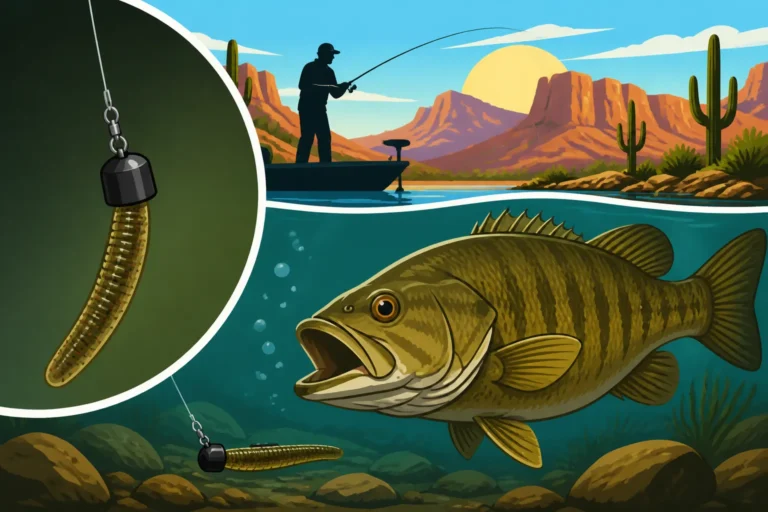
- Lure Selection: Reach for lures like a drop-shot rig, a shaky head, or a Texas-rigged plastic worm. Small jigs with subtle trailers can also be very effective. Live bait, like shiners or nightcrawlers (check local regulations for legality), can be deadly when bass are finicky.
- Depth and Location: Bass will often retreat to deeper water or dense cover to feel more comfortable. Focus on points, submerged brush piles, rock ledges, and deep creek channels. Use your fish finder to locate structure and baitfish schools in 20-40 feet of water. For example, at Lake Pleasant, after a strong front, bass often stack up on the edges of the main lake channel.
- Retrieve Speed: The slower, the better. Let your baits sit for extended periods, barely moving them. A twitch-twitch-pause retrieve can often trigger a reaction strike from an otherwise inactive bass. Remember, you're trying to tempt them, not make them chase.
Falling-Pressure Tactics: Aggressive Attacks and Shallow Water
When the barometer is dropping, indicating an approaching storm or front, it's time to get aggressive! Bass are often on the hunt, anticipating a shift in conditions. This is when they're most likely to be found actively feeding in shallower water.
- Lure Selection: Topwater lures like poppers, walking baits, or buzzbaits can produce explosive strikes. Spinnerbaits, chatterbaits, and crankbaits that mimic fleeing baitfish are also excellent choices. Swimbaits, both hard and soft, can be incredibly effective for targeting larger, aggressive bass.
- Depth and Location: Look for bass in ambush points in shallower water: around docks, submerged timber, weed lines, and rocky shorelines. At lakes like Apache Lake, this means targeting those distinctive rock banks and coves. Bass might be cruising flats or actively chasing baitfish near the surface.
- Retrieve Speed: Speed up your retrieves! Burn those spinnerbaits, rip those crankbaits, and work your topwater lures with plenty of commotion. You want to trigger a reaction bite. Don't be afraid to experiment with faster, more erratic movements. This is often the best time to experience a "striper boil" at Lake Powell if you're targeting those powerful fish. For more tips on this, check out our guide on How to Fish During Arizona's Monsoon Season.
Stable-Pressure Tactics: Stick to the Pattern
During periods of stable pressure, whether high or low, bass tend to develop predictable patterns. Once you've found them, you can usually stick with that pattern for a while. This is when consistency and confidence in your approach really pay off.
- Lure Selection: Use what's been working! If plastics are producing deep, stick with them. If crankbaits are getting bites on shallow points, keep throwing them. This is also a good time to experiment with variations of your successful lures—different colors, sizes, or slight modifications to your retrieve. Many anglers find a good selection of Best Baits and Lures for Arizona Fishing available on Amazon to ensure they have options for all conditions.
- Depth and Location: Continue to target the areas where you've been finding success. If bass are on main lake points, keep hitting those points. If they're in brush piles, work those brush piles thoroughly. The fish are likely to be in similar areas at similar times of day.
- Retrieve Speed: Maintain the retrieve speed that has been effective. The bass are in a routine, so consistency from you will often lead to consistent bites. Pay attention to how the fish are biting—are they striking hard, or just mouthing the bait? This can give you clues about how aggressive you need to be.
Equipping Yourself: Tools and Mindset for Pressure-Savvy Anglers
Becoming a master of barometric pressure fishing isn't just about understanding the theory; it's about practical application and having the right tools. From smart devices to old-school observation, you can learn to read the atmosphere and put yourself in the best position for success.
Essential Gear to Monitor Pressure Changes
In today's world, keeping an eye on barometric pressure is easier than ever. You don't need a bulky, expensive piece of equipment anymore.
- Smartphones and Weather Apps: Most modern smartphones have built-in barometers, and many popular weather apps now display current and trending barometric pressure readings. Apps like AccuWeather or The Weather Channel are widely available and can give you real-time data, often showing a graph of pressure changes over several hours or days. This is an incredibly convenient way to stay informed, even if you're just planning your next outing from the comfort of your home.
- Fishing Watches with Barometers: For dedicated anglers, there are many rugged fishing-specific watches (like some models from Garmin or Casio, often found on Amazon) that include a built-in barometer with trend indicators. These are fantastic because they're always on your wrist, providing instant readings right there on the water, even without cell service. They can track the pressure over time, alerting you to drops or rises that might indicate a prime fishing window or a challenging period.
- Dedicated Portable Barometers: While less common now with smart devices, small, portable digital barometers specifically designed for fishing are still available. These devices often focus solely on pressure trends and are a simple, reliable option if you prefer a standalone tool. They might also provide temperature and altitude readings, which can further inform your approach.
Remember, the absolute pressure reading isn't as important as the trend. Is it rising, falling, or stable? And how quickly is it changing? That's the real insight.
Reading the Signs Beyond Your Gadgets
While technology is a great aid, developing your own observational skills is equally important. Nature often provides clues about barometric pressure changes, even without you looking at a screen.
- Cloud Formations: Pay attention to the sky. High, wispy cirrus clouds can sometimes precede a frontal system and a drop in pressure. Lower, darker, and more organized clouds often indicate falling pressure and approaching storms. Clear, blue skies with minimal cloud cover usually signify stable or rising, high pressure.
- Wind Shifts: A sudden change in wind direction or an increase in wind speed can often signal a frontal passage and associated pressure changes. For instance, a switch from a south wind to a strong north wind usually means a cold front has moved through, bringing rising pressure. Our guide on How Wind Affects Bass Fishing on Open Lakes delves deeper into these dynamics.
- Wildlife Behavior: Keep an eye on other wildlife. Birds sometimes become more active before a storm, while deer or other land animals might feed more aggressively. While not a direct scientific indicator, these can be subtle cues that something in the atmosphere is shifting.
- Your Own Body: Ever get a headache before a storm? Or feel more energetic on a clear, crisp day? Many people are sensitive to changes in barometric pressure. While you shouldn't rely solely on how you feel, it can be another subtle indicator of shifting conditions that might also be affecting the fish.
By combining technological tools with keen observation, you'll become much more adept at predicting bass behavior and adjusting your strategies for maximum success, whether you're targeting largemouth bass at Lake Havasu or smallmouth bass in the canyons of Lake Powell.
Here's a quick reference table to help you put it all together:
| Barometric Pressure Trend | Typical Weather | Bass Activity | Recommended Tactics | Key Locations |
|---|---|---|---|---|
| Rapidly Falling | Approaching storm/front, increasing clouds, wind | Highly active, aggressive feeding | Fast retrieves, reaction baits (topwater, spinnerbaits, crankbaits, swimbaits) | Shallow water, ambush points, surface |
| Slowly Falling | Approaching change, increasing instability | Active, feeding, but might be deeper early | Moderately fast retrieves, jigs, soft plastics, crankbaits | Mid-depths, structure, points, baitfish schools |
| Rising (Post-Front) | Clearing skies, calming winds, often cooler | Lethargic, less active, adjusting | Slow, finesse presentations (drop-shot, shaky head, slow-rolled jigs, live bait) | Deep water, dense cover, suspended |
| Stable High | Clear, sunny, calm (typical Arizona day) | Moderate activity, predictable patterns | Match the hatch, finesse or moderate retrieves, depend on time of day/season | Typical seasonal haunts, deep structure during day, shallower low light |
| Stable Low | Persistent cloudy/overcast (less common) | Consistent activity, but might be sluggish | Slower presentations, focus on cover, sensitive to pressure spikes | Varied depths, often relating to available cover |
Disclaimer
This article is for general informational purposes only and does not constitute professional advice. Laws, prices and regulations vary by location and change over time. Consult a qualified professional for guidance on your specific situation.