Winter Fishing Strategy for Desert Lakes
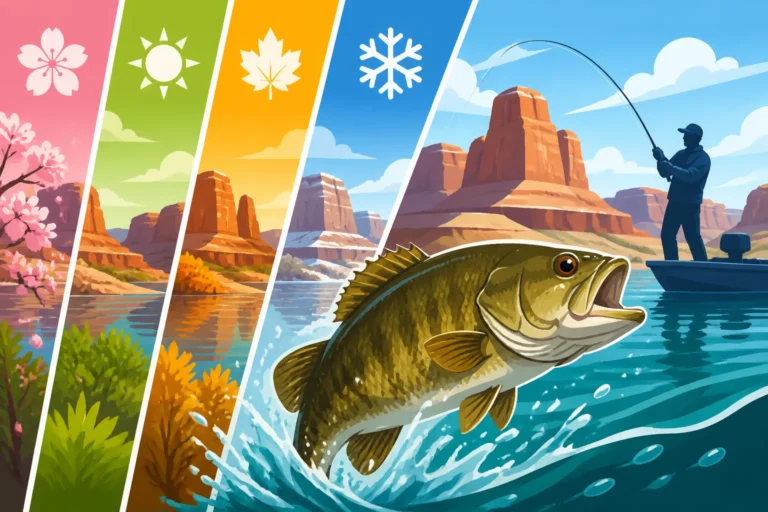
For many anglers, the thought of winter fishing in Arizona conjures images of barren, frozen landscapes where fish have hunkered down into a deep, uncatchable slumber. But that couldn't be further from the truth for our desert lakes! While the weather certainly cools down and fish behavior changes dramatically from the scorching summer months, winter can actually offer some of the most rewarding and peaceful fishing experiences if you understand how to adapt your strategy. This guide will help you unravel the mysteries of winter angling in Arizona's desert reservoirs, offering practical advice to keep your lines tight and your spirits high, even when the air gets crisp.
Understanding Arizona's Winter Waters
Arizona's winters are a unique beast when it comes to fishing. We don't typically deal with thick ice on our major desert lakes, but the cooler air temperatures definitely drop the water temps, which completely changes how our finned friends behave. It's easy to assume everything just shuts down, but fish are still feeding; they're just doing it differently.
Water Temperature's Impact on Fish Behavior
When the water temperature drops, a fish's metabolism slows down significantly. Think of it like us trying to run a marathon in freezing weather – our bodies just aren't as efficient. This means fish need less food to sustain themselves, and they move slower to conserve energy. They won't chase a fast-moving lure as aggressively as they would in warmer months. Instead, they become more lethargic, preferring to ambush prey rather than expend precious energy on a lengthy pursuit. This shift is crucial for your approach; patience becomes your greatest virtue. Understanding water temperature's impact on fish is fundamental to unlocking winter success.
Dispelling Winter Fishing Myths
One of the biggest myths is that fish simply stop biting altogether in winter. While it's true that the bite can be tougher and less frequent, it's far from impossible. In fact, many trophy-sized fish, especially bass, are caught during the colder months when they're less pressured and often grouped up. Another misconception is that you have to fish extremely deep all the time. While deeper water is often a key holding area, fish will absolutely move shallower, particularly on sunny days, to warm themselves and feed. The key is to be observant, adapt, and not let old wives' tales deter you. Sometimes, a slow, methodical approach in what seems like shallow, exposed water can yield surprising results.
Locating Fish in Cooler Desert Lakes
Finding fish in the vast expanses of Arizona's desert lakes during winter can feel like searching for a needle in a haystack. They don't just disappear; they simply relocate to more comfortable and accessible feeding zones. Knowing where to start looking is half the battle, and it often involves understanding how they react to the colder water and their need for warmth and food.
Deep Water Structure as Winter Havens
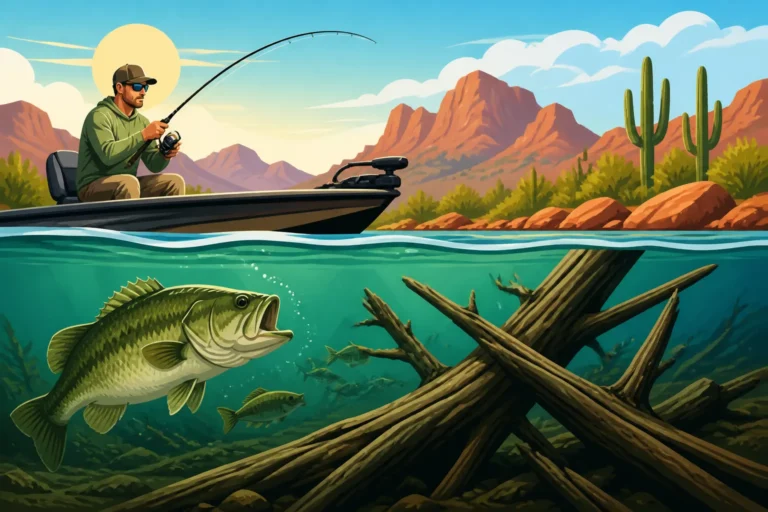
As surface temperatures cool, fish often retreat to deeper water where temperatures are more stable. This doesn't mean the very deepest part of the lake, but rather areas with significant drops, ledges, humps, and submerged timber. These structures provide cover, ambush points, and a consistent thermal refuge. Bass, especially, will often suspend over deep structure or hug the bottom of ledges. Targeting these areas requires a good fish finder and a patient approach. Focus on steep breaks, the mouths of creeks, and main lake points that drop quickly into deeper channels. For a deeper dive into this, check out our guide on Deep Water Structure Fishing Techniques.
Sun-Warmed Banks and Rocky Outcrops
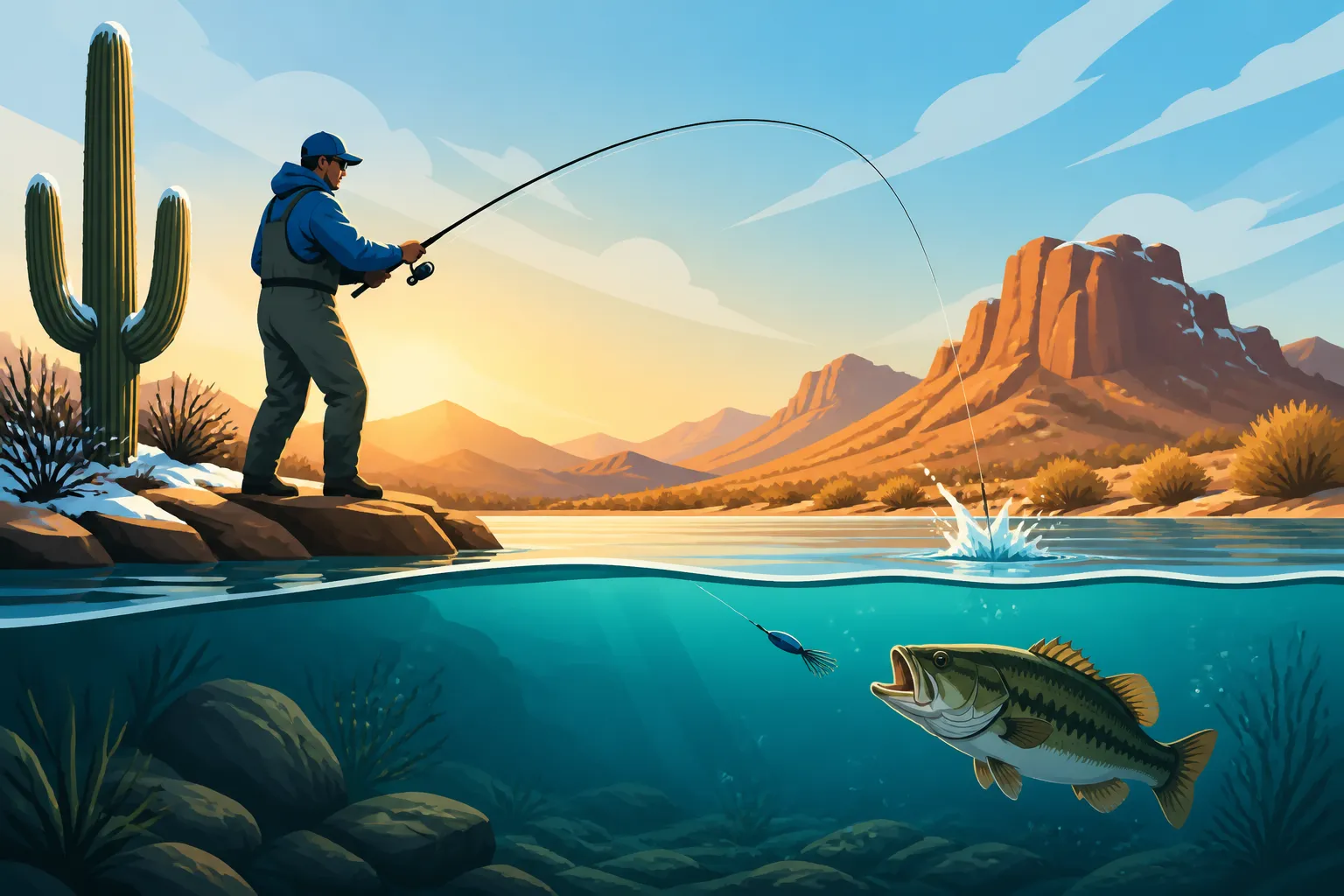
Despite the general trend of fish moving deeper, don't overlook shallower, sun-drenched areas, especially in the afternoon. Rocky banks, dark-colored rock formations, and even shallow flats on the north side of the lake (receiving more direct sun) can warm up a few crucial degrees during the day. This slight temperature increase can be enough to draw baitfish, and in turn, predatory fish like bass and crappie, into shallower water for a brief feeding window. It's often a short-lived opportunity, but it can be incredibly productive. These spots are perfect for shore anglers or those in kayaks who want to explore different depths.
Following the Baitfish
No matter the season, game fish follow their food source. In winter, baitfish like shad will often school up tightly and move to areas with more stable temperatures or where they can find some warmth. This could be in deep coves, around main lake points, or near structures that offer shelter. If you can locate schools of baitfish on your electronics, you can bet that predatory fish are nearby, or at least will be eventually. Pay attention to bird activity too; diving birds often indicate baitfish pushed to the surface, which can signal a "boil" or active feeding frenzy from species like striped bass. Understanding the nuances of Arizona Fishing Seasons Explained can help connect these patterns.
Tactics and Techniques for Winter Success
Once you've zeroed in on potential holding areas, the real challenge begins: convincing those lethargic winter fish to bite. This requires a significant shift from your fast-paced summer techniques. Think slow, subtle, and precise.
Slow and Subtle Presentations
The cardinal rule for winter fishing is to slow down. Way down. Fish aren't going to chase a quickly retrieved crankbait or a rapidly hopped jig. Instead, they prefer an easy meal that requires minimal effort. This means using slower retrieves, longer pauses, and subtle movements that mimic a struggling or dying baitfish. Vertical presentations, like jigging spoons or drop shot rigs, are incredibly effective because they keep your bait in the strike zone longer. When working a jig, for example, instead of aggressive hops, try short, subtle twitches, letting the bait fall slowly and naturally. It often takes a lot of patience to feel that soft tap that signifies a bite.
Downsizing Baits and Lures
While bigger baits can catch big fish, winter generally calls for downsizing. Smaller profiles can be less intimidating to a sluggish fish and mimic the smaller baitfish that are often prevalent in colder waters. For bass, consider smaller jigs, finesse worms, or compact crankbaits. For trout, tiny inline spinners or small spoons can be irresistible. The goal is to present something that looks like an easy, bite-sized snack. Don't be afraid to experiment with different sizes until you find what the fish are keying in on. A well-placed, subtle presentation with a smaller lure, like those you might find browsing on Amazon, can make all the difference.
Best Baits and Lures for Winter Desert Lakes
Several lure types consistently shine during the Arizona winter:
- Jigs: Jigs, especially football jigs or finesse jigs, are fantastic. Tip them with a small creature bait or craw imitation. Work them slowly along the bottom structure. For striped bass, a white bucktail jig can be deadly. Learn more about Jig Fishing Techniques for Bass.
- Blade Baits: These vibrating metal lures can be vertically jigged or cast and retrieved slowly. Their vibration and flash can trigger strikes from dormant fish without requiring a lot of movement.
- Spoons: Jigging spoons are excellent for targeting fish suspended over deep structure. Let them flutter down like a wounded baitfish.
- Drop Shot Rigs: Perfect for presenting a small plastic bait precisely in the strike zone. The bait hovers enticingly, even when the weight is on the bottom.
- Crankbaits (Slow Rolling): While fast retrieves are out, a deep-diving crankbait slowly "crawled" along the bottom can elicit strikes, especially if it deflects off cover. Check out Crankbait Fishing Techniques for Bass for more ideas.
- Soft Plastics: Wacky-rigged worms, finesse worms, or small swimbaits on a jig head can be very effective when fished slowly.
Remember, color choice often leans towards more natural tones in clear winter waters, but don't shy away from brighter "reaction" colors if the bite is slow.
Essential Gear for Cold Weather Comfort
Just as important as your fishing techniques is ensuring your own comfort and safety. Arizona's winter days can swing wildly from chilly mornings to pleasant afternoons, and being prepared for both is key.
Layering for Variable Temperatures
The desert can be deceiving. A morning starting at 30 degrees can quickly climb to 60 or even 70 degrees by midday. The best strategy is to dress in layers. Start with a moisture-wicking base layer, add insulating middle layers (fleece or down are great), and top it off with a waterproof and windproof outer shell. This allows you to shed or add clothing as needed, staying comfortable throughout the day. Don't forget a warm hat and gloves for those chilly mornings and evenings, especially when boating. A good pair of polarized sunglasses is also essential to cut glare off the water and spot subtle bites or structure. Many excellent options for cold weather gear can be found on Amazon.
Hydration and Sun Protection (Still Important!)
Even though it's winter, the Arizona sun is still powerful, and the dry air can lead to dehydration surprisingly quickly. Continue to drink plenty of water throughout the day. Sunscreen and lip balm with SPF are non-negotiable, particularly if you're out on the water for extended periods. The sun's UV rays reflect off the water, increasing your exposure. A wide-brimmed hat or a neck gaiter can offer additional protection. Thinking about Heat Safety Tips for Summer Fishing in Arizona might seem counter-intuitive, but many of the sun protection principles still apply in winter.
Cold Weather Tackle Considerations
Winter fishing also means making a few adjustments to your tackle. Monofilament line can become stiff and develop memory in colder temperatures, making casting and feeling subtle bites more challenging. Consider switching to fluorocarbon line, which is less affected by cold and offers better sensitivity, or braided line with a fluorocarbon leader. Your reel might also benefit from a lighter oil or grease to keep it running smoothly in cooler conditions. Finally, always have a small towel or rag to wipe down your hands and gear, as wet hands get cold much faster. For advice on specific setups, consider guides like Best Fishing Rods for Bass in Arizona or Best Tackle for Desert Lake Fishing.
Winter Fishing Opportunities at Arizona's Desert Lakes
Arizona's diverse desert lakes each offer unique winter fishing experiences, often dictated by their size, depth, and primary fish species. While many species slow down, some thrive in the cooler conditions.
Targeting Bass in Deep Structure
Our desert lakes like Roosevelt Lake, Lake Pleasant, and Canyon Lake become prime grounds for bass fishing in winter. Largemouth and smallmouth bass will often stack up in deeper water, particularly around points, humps, and submerged timber. The key here is patience and precision. Vertical jigging spoons, slow-rolled deep crankbaits, and finesse presentations like drop shot rigs or Ned rigs become highly effective. Look for areas where the lake bottom drops off sharply into 20-40 feet of water. These fish are still feeding, but they're not going to move far for a meal, so putting your bait right on their nose is critical.
Crappie and Panfish in Brush Piles
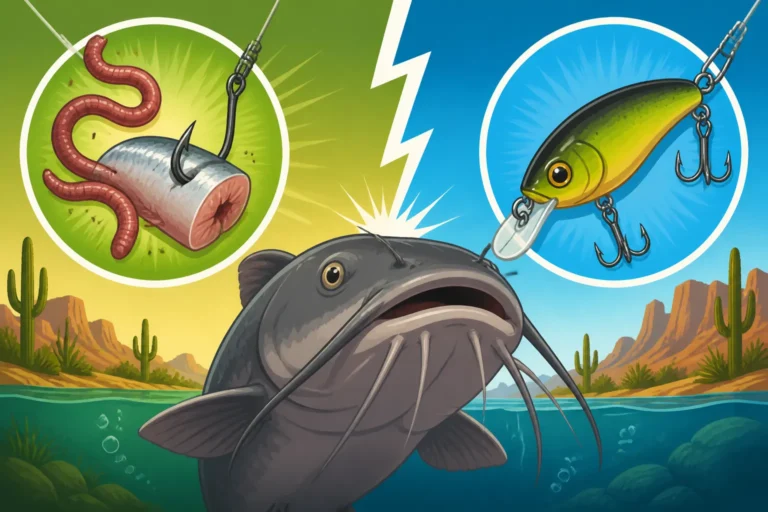
Crappie, sunfish, and bluegill are also excellent winter targets in Arizona's desert lakes. They too will often congregate in tight schools in deeper brush piles, submerged trees, or around docks. When you find one crappie, you've often found a whole school. Small jigs, tiny spoons, or live minnows are irresistible to them. Using a fish finder to locate these submerged structures is a huge advantage. Roosevelt Lake and Bartlett Lake are renowned for their winter crappie fisheries. The bites can be incredibly subtle, so a sensitive rod and light line are essential.
Striper Fishing in the Colorado River System
Along the Colorado River system, including Lake Havasu and sections of Lake Mead, striped bass remain active throughout the winter. While the epic "boils" of summer might be less frequent, stripers will often school up and cruise deeper channels, chasing baitfish. Trolling deep-diving crankbaits or presenting cut bait on the bottom can be very productive. At places like Lake Powell, stripers will still actively feed, often in the main channel or larger side canyons, making it a great time to target some larger fish. Being prepared with a variety of lures is helpful; a quick search on Amazon will show you the array of options available.
Safety First: Staying Safe on Winter Waters
While Arizona's winters are mild compared to many places, cold weather on the water still presents unique risks. Prioritizing safety is paramount for an enjoyable and incident-free trip.
Cold Water Immersion Risks
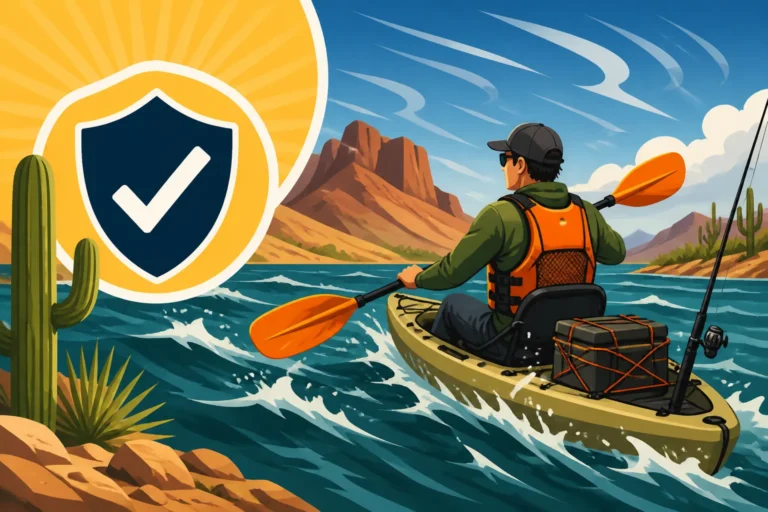
Even if the air temperature feels pleasant, the water temperature in winter can be dangerously cold. Falling into cold water can quickly lead to hypothermia and significantly reduce your ability to self-rescue or call for help. Always wear a U.S. Coast Guard-approved personal flotation device (PFD) when on a boat or kayak, even if you're a strong swimmer. It's much harder to put one on once you're in the water. Consider bringing a change of clothes in a dry bag and informing someone of your float plan – where you're going and when you expect to return.
Changing Weather Conditions
Arizona weather, even in winter, can be unpredictable. Sunny skies can quickly give way to sudden wind gusts, rain, or even snow in higher elevations. Always check the forecast before heading out and be prepared for sudden changes. High winds can make boating hazardous on large desert lakes, creating dangerous chop and making it difficult to control your vessel. If the weather turns foul, don't hesitate to cut your trip short and head back to shore. No fish is worth risking your safety.
Proper Boat and Gear Maintenance
Cold weather can be hard on equipment. Ensure your boat's engine is properly winterized (if necessary for storage) and in good working order before each outing. Check your battery, fuel lines, and safety gear like lights, flares, and horns. For shore anglers, ensure your waders are free of leaks if you plan to enter the water. Keeping your reels clean and lubricated will prevent them from seizing up in the cold. A well-maintained setup not only makes your trip more enjoyable but also helps prevent unexpected issues when you're far from help.
| Lure Type | Best Presentation | Target Species | Ideal Conditions |
|---|---|---|---|
| Jigging Spoon | Vertical jigging, slow flutter | Bass, Crappie, Stripers | Deep water, suspended fish |
| Finesse Jig | Slow crawl, subtle hops | Largemouth/Smallmouth Bass | Bottom structure, lethargic fish |
| Drop Shot Rig | Stationary quiver, slow drag | Largemouth/Smallmouth Bass | Precise targeting, deep cover |
| Blade Bait | Lift & fall, slow retrieve | Bass, Crappie, Stripers | Open water, scattered fish, searching |
| Small Swimbait | Slow retrieve on jig head | Bass, Crappie, Trout | Around baitfish schools |
| Live Minnow/Worm | Under a bobber, on a jig | Crappie, Trout, Panfish | Any depth, slow bite |
Winter fishing in Arizona's desert lakes is an experience unlike any other. It demands patience, thoughtful strategy, and a willingness to embrace the quiet beauty of the cooler months. By understanding how fish react to temperature changes, targeting key structural elements, and adjusting your techniques to a slower, more subtle approach, you can unlock some truly incredible angling opportunities. So bundle up, grab your favorite rod, and head out – those winter desert giants are waiting!
Disclaimer
This article is for general informational purposes only and does not constitute professional advice. Laws, prices and regulations vary by location and change over time. Consult a qualified professional for guidance on your specific situation.