Fishing Around Submerged Timber
There's nothing quite like the excitement of finding a promising fishing spot, especially when it involves the gnarly, mysterious world of submerged timber. But let's be real: trying to fish around sunken trees and brush can be incredibly frustrating. You cast, you get hung up, you break off expensive lures, and you might even wonder if it's worth the trouble. This guide is here to tell you it absolutely is, and we'll break down exactly how to conquer those underwater forests in Arizona's diverse lakes and rivers.
Why Submerged Timber is a Fish Magnet
Submerged timber, whether it's an old stand of trees from a flooded canyon, a brush pile dropped by anglers, or natural debris washed in by a storm, creates an incredible ecosystem. For fish, especially the big ones, it's like a five-star resort, a hidden sanctuary that offers everything they need to thrive. Understanding why fish gravitate to these underwater structures is the first step to unlocking their secrets and consistently catching fish.
Shelter and Ambush Points
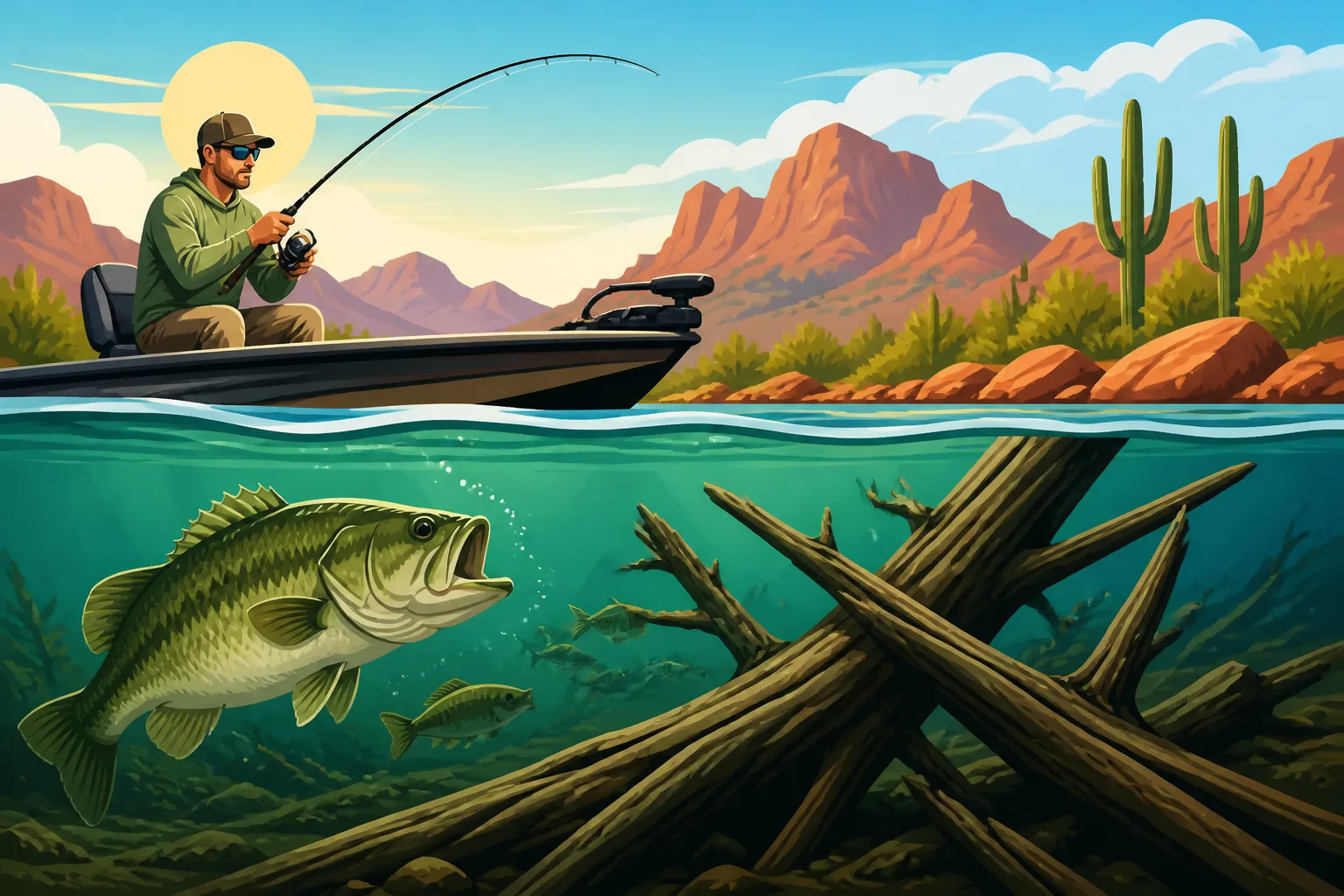
Imagine being a fish in a big, open body of water. You're vulnerable to predators, exposed to harsh sunlight, and constantly searching for a place to hide. Submerged timber provides instant relief. The intricate network of branches, trunks, and roots offers immediate shelter from larger predators, giving smaller fish a safe haven. But it's not just about defense; timber is also a prime offensive position. Predatory fish like largemouth bass, crappie, and even flathead catfish use the nooks and crannies of submerged timber as perfect ambush points. They can hide in the shadows, camouflaged by the branches, waiting for an unsuspecting baitfish or insect to swim by. This allows them to conserve energy and strike with surprising speed, making these areas incredibly productive for anglers willing to get their lures in there. It's a challenging environment, but the reward of hooking into a lunker that's been patiently waiting in the depths of a brush pile is unparalleled.
Forage and Food Sources
Beyond shelter, submerged timber is a bustling cafeteria for many aquatic creatures, which in turn attracts game fish. Algae and other microorganisms cling to the surface of the wood, forming the base of a diverse food chain. This attracts insect larvae, snails, crayfish, and various aquatic invertebrates that graze on the timber. These smaller organisms are irresistible to baitfish like shad, bluegill, and sunfish. When these baitfish move into the timber to feed, they become easy targets for larger predators. So, a healthy stand of submerged timber isn't just a hiding spot; it's a dynamic feeding zone where the entire aquatic food web converges. Understanding this helps you choose the right baits and presentations – if you can imitate what the local forage base is doing in the timber, you're halfway to a successful day.
Temperature and Oxygen Refuges
Arizona's desert lakes can get incredibly warm, especially during the long summer months. Fish, like us, seek comfort, and that often means finding cooler water or areas with more stable oxygen levels. Submerged timber provides both. In deeper water, the dense canopy of branches can create shaded areas that are noticeably cooler than the surrounding open water. This thermal refuge is critical for many species, particularly trout and bass, during periods of high water temperature. Additionally, the wood itself, along with the plant growth it supports, can affect oxygen levels. While decaying wood can sometimes deplete oxygen, healthy, living timber or newer fallen trees often create micro-environments with more stable oxygen concentrations, attracting fish during stressful conditions. For example, during the scorching summer at places like Lake Pleasant or Roosevelt Lake, finding timber in deeper, cooler zones can be the difference between an empty livewell and a banner day.
Identifying Submerged Timber Hotspots
You can't just randomly cast into every stick you see. To consistently catch fish around submerged timber, you need to be strategic about where you're fishing. Arizona's lakes, from the clear waters of Lake Powell to the murky depths of Alamo Lake, all have their unique timber characteristics. Learning how to identify the truly productive spots takes a combination of technology and old-school observation.
Using Sonar and Fish Finders
Modern fish finders are your absolute best friend when it comes to locating submerged timber. You might see a few branches breaking the surface, but what lies beneath can be a sprawling forest of opportunity or just a few isolated sticks. Look for units with good side-imaging and down-imaging capabilities. Side-imaging allows you to scan wide areas on either side of your boat, revealing entire fields of submerged trees or brush piles that might be hidden from traditional 2D sonar directly beneath you. Down-imaging gives you a picture-like view of the structure directly below, helping you discern individual branches, trunks, and even fish relating to them.
When you're idling through an area, pay close attention to irregular bottom contours or sudden spikes in depth readings. These could indicate old creek channels where timber settled, or submerged humps covered in brush. Many anglers will spend considerable time simply mapping out these underwater features with their electronics before even making a cast. Some of the Best Fish Finders for Bass Fishing in Arizona offer incredible detail, allowing you to see not just the wood, but often the fish holding tight to it. Mark these spots on your GPS so you can return to them later, especially if they prove productive. This kind of scouting can transform a frustrating day into a fantastic one, as you'll be fishing smarter, not just harder.
Reading Topographic Maps and Satellite Imagery
Before you even launch your boat, technology can give you a significant advantage. Topographic maps, especially older ones from before lakes were filled, can reveal old creek beds, roadbeds, and even original tree lines that are now submerged. These features are prime locations for standing timber or concentrated brush. Imagine a map showing a dense forest area now under 50 feet of water – that's a hotspot waiting to be discovered!
Satellite imagery, available through mapping apps on your phone or fish finder, provides a bird's-eye view. During periods of low water, you can often see exposed timber lines or distinct patterns on the shoreline that extend underwater, indicating where trees once grew. Even when water levels are high, anomalies in the water color or texture can sometimes hint at submerged structures just below the surface. Many anglers use tools like Google Earth to scout potential timber zones from their living room, identifying likely areas to explore with their boat. This pre-fishing reconnaissance is a powerful strategy, saving you valuable time on the water and directing you to areas with a high probability of holding fish. Combining historical data with real-time sonar feedback is a deadly combination for finding those elusive timber honey holes.
Visual Cues and Water Levels
Sometimes, the best clues are right in front of your eyes. Visible timber, such as stumps, fallen trees, or brush piles that barely break the surface, are obvious indicators of more extensive submerged structure. Often, if you see one piece of timber sticking out, there's a whole lot more below. Pay attention to changes in water color or current, as these can also sometimes indicate a submerged obstruction that's altering the flow.
Water levels in Arizona's reservoirs fluctuate dramatically throughout the year, revealing and re-submerging timber. When water levels are low, take mental notes or pictures of exposed timber. Those once-dry trees and brush piles will be prime fishing spots when the water rises again. For example, during low water on Lake Powell, you might see massive areas of standing timber that were submerged for years. When the water comes back up, these become phenomenal fishing grounds. Conversely, when water is high, the timber that was previously visible might be completely submerged, making it harder to find without electronics. The key is to be observant, connect what you see on the surface with what you know is below, and adapt your approach to the current conditions. Understanding the Arizona Fishing Seasons Explained can help you predict these water level changes and plan your timber fishing trips accordingly.
Essential Gear for Timber Fishing
If you're going to tackle submerged timber, you need to be prepared for a fight – not just with the fish, but with the structure itself. Going in under-gunned will lead to endless frustration, lost lures, and potentially lost fish. The right gear makes all the difference, allowing you to effectively present your bait, extract fish from heavy cover, and minimize snags.
Rod, Reel, and Line Selection
Fishing in timber is a high-stakes game, and your tackle needs to be robust. For bass, think heavy-action or medium-heavy rods, typically 7 to 7.6 feet long. These rods have the backbone to horse a big fish out of dense cover and the leverage to rip a lure free from a snag. A fast tip is still useful for accurate casting and feeling subtle bites, but the real power should be in the mid-section and butt of the rod. For crappie or smaller species in lighter brush, a medium-action spinning rod might suffice, but for serious timber, go big.
Pair your heavy rod with a baitcasting reel that has a strong drag system. A gear ratio of 7.1:1 or higher is often preferred, allowing you to pick up line quickly and control a fish that tries to bury itself back in the wood. For line, forget monofilament for your main line. Braided line is the undisputed champion of timber fishing. Its near-zero stretch gives you incredible sensitivity and direct contact with your lure, which is crucial for distinguishing a bite from a branch. More importantly, its superior abrasion resistance and strength (typically 30-65 lb test) mean you can often saw through light branches or pull hard to break free from a snag without snapping your line. Many anglers will tie a short (12-18 inch) fluorocarbon leader (15-25 lb test) to their braid for invisibility, as fish in clear Arizona lakes like Lake Havasu can be line-shy. This combination offers the best of both worlds: brute strength and stealth. For more insights, check out guides on Best Rod and Reel Combo for Bass and Best Line for Bass Fishing.
Lures and Baits That Excel in Timber
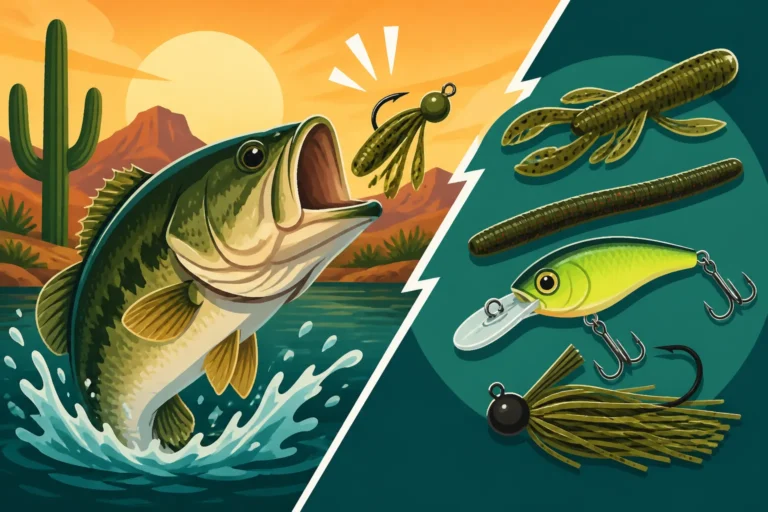
The goal here is to use lures that are designed to be relatively snag-resistant while still being attractive to fish. Jigs are a classic for a reason. Rubber-skirted bass jigs with a weed guard are excellent. Pair them with a craw or creature bait trailer, and you have a compact, weedless presentation that can be pitched or flipped into tight cover. Texas-rigged soft plastics (worms, craws, creature baits) are another staple. The hook point is buried in the plastic, making it incredibly snag-resistant. Weight size will vary depending on depth and wind, but a 1/4 to 1/2 ounce tungsten weight is common.
Spinnerbaits and bladed jigs (ChatterBaits) can also be surprisingly effective. While they have exposed hooks, their design often allows them to deflect off wood rather than snagging. Keep a steady retrieve to keep them upright. Crankbaits can work, but choose models with a tight wobble and square bills that are designed to "walk over" cover rather than digging in. And don't forget topwater frogs or soft plastic toads for those moments when fish are hiding just under the surface in dense overhead cover. The key is to experiment and find what the fish are reacting to, but always prioritize lures that minimize hang-ups. Looking for more options? Explore the Best Lures for Largemouth Bass in Arizona Lakes.
Tools for Retrieving Snags
No matter how careful you are, you will get snagged. It's part of timber fishing. But losing an expensive lure every time doesn't have to be the norm. A good lure retriever is an absolute must-have. These tools come in various forms, from telescoping poles with a grappling hook end to heavy chains that slide down your line and knock the lure free. Many experienced timber anglers wouldn't hit the water without one.
Another essential item is a pair of strong, sharp line cutters or braid scissors. Trying to break 50 lb braid with your teeth is a recipe for a dental emergency. Having a reliable cutting tool means you can quickly re-tie and get back to fishing, minimizing downtime. Pliers, especially needle-nose or multi-tools, are also incredibly useful for removing hooks, bending split rings, or making quick repairs. Consider investing in a good quality pair from a brand like Leatherman or Gerber; they're worth their weight in gold on the water. You can find many of these essential items on Amazon, making it easy to stock up before your next adventure. These small investments can save you a lot of money and frustration in the long run. Having the right tools, as outlined in guides like Best Pliers and Tools for Anglers, is crucial for any serious angler.
Techniques for Success in the Timber
Now that you're armed with the right knowledge and gear, it's time to talk about how to actually fish these challenging environments. It's not just about getting your lure into the cover; it's about presenting it naturally, feeling the bite, setting the hook, and battling a fish that desperately wants to use the timber against you.
Casting and Presentation Strategies
Precision is paramount when fishing submerged timber. You can't just make a general cast and expect results. Often, fish are holding tight to a specific branch, a pocket within a brush pile, or the trunk of a submerged tree. Develop your pitching and flipping skills, which allow for quiet, accurate presentations into tight spots with minimal splash. This is particularly effective when working visible cover or when your fish finder reveals a specific target.
When casting, aim to land your lure just beyond the target, then retrieve it into the strike zone. This avoids spooking fish that might be directly on the cover. If you're working a brush pile, try to make multiple casts from different angles to cover all sides. Let your lure make contact with the wood. A lot of times, a fish will strike after your lure "bounces" off a branch, mimicking a baitfish trying to escape. Don't be afraid to experiment with retrieve speeds – sometimes a slow, subtle twitch is best, while other times a faster, more erratic retrieve can trigger a reaction strike. The key is to be deliberate and controlled, always anticipating that next snag or that explosive bite.
Dealing with Snags and Break-Offs
Snags are an inevitable part of timber fishing. Instead of getting frustrated, adopt a strategic approach to minimizing them and recovering your lures. When you feel a snag, don't just yank hard. First, try to "bow" to the lure: give slack line, then quickly tighten it. This can sometimes dislodge the lure. Next, try moving to a different angle, often directly over the snag, and jiggle the line while gently pulling. If that doesn't work, give a series of sharp, downward jerks with your rod tip. This can sometimes flip the lure over the obstruction.
If all else fails, and you're using braided line, put your reel in freespool, point your rod directly at the snag, and grab the line firmly. Give a strong, steady pull. Braided line is strong enough that it will often break off the hook at the knot, bend the hook, or even saw through a small branch, saving your lure. Remember to tie good, strong knots, as a weak knot is often the first point of failure. The best approach is to try and avoid snags in the first place by using weedless presentations and being mindful of where your lure is in relation to the cover. It takes practice, but learning to "feel" your way through timber without getting hung up is a skill that comes with time.
Patience and Persistence
Fishing submerged timber can test your patience like few other techniques. There will be frustrating moments, lost lures, and periods where you feel like you're just casting into a tree museum. But this is precisely why many anglers avoid it, making it less pressured and more rewarding for those who persevere. Fish that live in heavy timber are often less pressured and can be bigger and more aggressive.
The most successful timber anglers are incredibly persistent. They will methodically work an area, making dozens of casts to the same brush pile or tree, changing angles, lure colors, and retrieve speeds until they figure out the pattern. Sometimes, it takes repeated presentations to annoy a fish into biting. Don't be discouraged by a few snags or a slow start. Remember that the biggest fish often lurk in the densest cover, waiting for the path of least resistance. Your willingness to endure the grind and keep putting your lure in those hard-to-reach places will often pay off with a truly memorable catch.
Targeting Specific Species in Timber
While timber is a universal attractant for many fish, different species relate to it in unique ways. Understanding these nuances will help you fine-tune your approach and increase your chances of success, whether you're after a trophy bass, a cooler full of crappie, or a monster catfish.
Bass in Brush Piles
Largemouth and smallmouth bass absolutely love brush piles and submerged timber. For largemouth, especially, timber offers the perfect blend of cover and ambush opportunities. They often position themselves inside the densest parts of brush piles or tight against the main trunk of a submerged tree, waiting to dart out and grab a meal.
When targeting bass, focus on presenting your lure right in their living room. Flipping and pitching jigs, Texas-rigged plastics, or weightless wacky worms into the heart of the cover are extremely effective. Let the lure fall slowly, allowing it to penetrate the branches. Pay close attention to your line as it falls; a sudden twitch or pause can indicate a bite, which you'll need to react to immediately with a powerful hookset. If you feel anything unusual, set the hook! Bass will often grab the bait and try to immediately dive back into the cover, so you need to be aggressive to turn their head and pull them out. Consider using a heavy fluorocarbon leader to provide a bit more abrasion resistance against the wood. In lakes like Lake Pleasant, working deep submerged timber can yield some truly impressive bass. For more detailed strategies, consult guides on Best Bass Fishing Techniques for Arizona Lakes.
Crappie in Standing Timber
Crappie are notorious for schooling up around standing timber, especially during their spawning season when they move into shallower water, or in deeper timber during the colder months. They often suspend at specific depths within the water column, making vertical presentations incredibly effective.
When fishing for crappie, a common strategy is "spider rigging" or vertically jigging around standing timber. Use your electronics to locate schools of crappie relating to the trees and identify their depth. Then, present small jigs (1/16 to 1/8 ounce) or live minnows on a bobber or drop-shot rig at that precise depth. Pay close attention to how the crappie are positioned within the timber – sometimes they're on the outside edges, other times they're buried deep within the branches. During their spawning season, which can vary depending on water temperature, they'll often move to the shallower edges of timber or brush, making them more accessible. Knowing the Crappie Spawning Season Tactics can really boost your success. In places like Roosevelt Lake, vast areas of standing timber hold incredible numbers of crappie. Learning How to Fish Standing Timber for Crappie in Spring will give you a big advantage.
Catfish in Woody Debris
Don't overlook catfish when you're fishing submerged timber! Flathead and channel catfish, in particular, are drawn to woody debris. Flatheads are ambush predators that love to hide in hollow logs, under large root balls, or in dense brush piles, especially during the day. They'll wait for smaller fish, crayfish, or even other catfish to swim by before ambushing them. Channel catfish, while more adaptable, also appreciate the cover and food sources that timber provides.
When targeting flatheads, use heavy tackle and larger live baits like bluegill or shad. Present your bait on a Carolina rig or a heavy slip sinker rig right on the bottom, as close to the densest cover as you dare. Since flatheads are often nocturnal feeders, night fishing around these timber strongholds can be particularly productive. For channel catfish, cut bait or prepared stink baits also work well, fished similarly on the bottom. Remember that flatheads have incredibly powerful jaws and will try to bury themselves back into the timber once hooked, so you need to be ready to pull hard. The Colorado River system, with its abundant woody debris, is a prime location for these bottom-dwelling giants. Learning Catfish Night Fishing Techniques can significantly improve your chances.
Safety and Conservation Around Submerged Timber
Fishing around submerged timber is exciting, but it also comes with inherent risks and responsibilities. As anglers, we have a duty to ourselves, our fellow boaters, and the environment to practice safe and ethical habits.
Boat Navigation and Hazards
Submerged timber poses a significant hazard to boaters. Trunks, stumps, and even large branches can be invisible just below the surface, waiting to damage your prop, lower unit, or even the hull of your boat. Always exercise extreme caution when navigating through or near areas known to hold submerged timber. Idling speed is your friend in these zones. If you're unsure of the depth or the extent of the timber, use your depth finder and side-imaging sonar to slowly survey the area before proceeding.
Even if you're in a kayak or smaller craft, be aware that you can still get hung up or overturn if you hit a large piece of submerged wood at speed. Always wear your personal flotation device (PFD), especially when in unfamiliar waters or areas with heavy cover. Knowing the Boating Safety Gear Requirements in Arizona is not just about legality, it's about protecting yourself and your passengers. A good pair of polarized sunglasses can also help you spot shallow timber that might otherwise be invisible. Don't let the excitement of fishing override your common sense when it comes to boat safety.
Protecting the Environment and Your Gear
Every time you get snagged and break off a lure or line, you're leaving synthetic material in the water. While an occasional lost lure is unavoidable, excessive break-offs contribute to pollution and can be harmful to wildlife. This is why using durable gear and effective snag retrieval tools is so important. By actively trying to retrieve your lures, you're not only saving money but also being a more responsible angler.
Practice catch and release, especially for larger breeding fish, to help maintain healthy fish populations. If you do keep fish, understand and adhere to all Arizona Fishing Regulations Explained, including size and bag limits. When you leave a fishing spot, take all your trash with you. Fishing around timber is an incredible experience, and by being mindful of our impact, we can ensure these unique habitats remain productive and beautiful for generations to come. Your tackle box should include a small trash bag for any discarded line or lure packaging. By being prepared and considerate, you ensure that you leave the environment better than you found it.
Disclaimer
Please remember that fishing conditions, regulations, and access points in Arizona can change. Always consult the latest Arizona Game and Fish Department regulations booklet before heading out. Safety should always be your top priority on the water.