Winter Bass Fishing Tactics in Arizona
The chill in the air and the shorter days of winter might make some anglers think about packing away their bass fishing gear until spring, but here in Arizona, that couldn't be further from the truth. While the scorching summer heat gives way to cooler, crisper weather, the bass don't just disappear; they simply change their patterns. Many folks get frustrated trying to fish the same way they do in July, only to come up empty-handed. But trust me, winter bass fishing in Arizona offers a unique and often incredibly rewarding challenge for those willing to adapt. This guide is all about equipping you with the right mindset, tactics, and gear to turn those chilly days into some of your most memorable catches.
Understanding Arizona's Winter Bass Behavior
The biggest mistake many anglers make is assuming bass behave the same way year-round. Winter is a whole new ballgame, and understanding how the colder water affects these fish is the first step to unlocking their secrets. They're still there, just not as aggressive and often in different locations than you'd find them in the warmer months.
Water Temperature and Bass Metabolism
As water temperatures drop in Arizona's lakes, rivers, and ponds, the metabolism of both largemouth and smallmouth bass slows down significantly. Think of it like us on a cold day; we're less inclined to run a marathon and more interested in conserving energy. Bass become lethargic, their digestion slows, and they don't need to feed as frequently or as aggressively. This means you won't see as many explosive topwater strikes or long chases after fast-moving baits. Instead, they become much more particular about when and how they expend energy for a meal. For us anglers, this translates to slower presentations and a need for patience. A subtle twitch or a prolonged pause can often be the trigger that convinces a hesitant bass to bite, whereas a speedy retrieve might be completely ignored.
Deep Water Retreats and Wintering Holes
One of the most profound shifts in bass behavior during winter is their migration to deeper water. While you might find some stragglers in shallower coves on particularly warm, sunny afternoons, the majority of the population will seek out the stability of deeper water. This is where thermal stratification, even subtle, plays a role. Deeper sections of the lake tend to maintain a more consistent, albeit cold, temperature. Bass will gravitate towards these "wintering holes" which often include submerged creek channels, deep points, ledges, humps, and standing timber or brush piles in deeper sections. They're looking for structure that offers protection from currents and predators, as well as access to baitfish that also seek refuge in these areas. Knowing how to locate these hidden sanctuaries, often with the aid of a good fish finder, is paramount to success. Understanding these deep-water retreats is a key component to successfully navigating the colder months, especially if you're looking for the Best Bass Fishing Lakes in Arizona.
Subtle Feeding Patterns
Forget the power fishing techniques of summer. Winter bass are rarely in a chasing mood. Their feeding patterns become much more opportunistic and subtle. They’ll often hold tight to cover, waiting for an easy meal to pass directly in front of their faces. This means your bait needs to be presented slowly, directly, and often with minimal movement. Think about a bass sitting perfectly still, conserving energy, and a small, slow-moving jig or a dropshot rig twitching ever so slightly nearby. That minimal effort required to strike makes it an enticing offer. The bites themselves can also be incredibly subtle—a slight tick, a spongy feeling on the line, or simply added weight. Learning to discern these faint indications is crucial for winter success, as aggressive strikes are few and far between.
Top Winter Bass Fishing Locations in Arizona
Arizona's diverse aquatic landscapes offer a surprising array of options for winter bass fishing. While some spots might slow down, others truly shine, providing opportunities from large reservoirs to smaller community ponds. The key is knowing which waters offer the best chance for cold-water success.
Desert Lake Hotspots
Our large desert lakes are arguably the crown jewels of Arizona winter bass fishing. Lakes like Roosevelt Lake Arizona Fishing Guide, Lake Pleasant Arizona Fishing Guide, Lake Havasu, and Alamo Lake consistently produce quality bass throughout the colder months. These massive reservoirs, while they do cool down, rarely freeze, and their extensive deep-water structure provides ample habitat for wintering bass. At Roosevelt, focus on the deeper points and creek channels in the Tonto and Salt River arms. Lake Pleasant’s abundant submerged structure, like the humps and ledges in the main basin, becomes prime real estate. Lake Havasu, with its clear waters and abundant rock piles, offers excellent smallmouth opportunities in winter. Alamo Lake is another fantastic choice, known for its healthy largemouth population, where deeper brush piles and old river channels hold fish. These lakes typically require boat access to reach the most productive wintering grounds, though shore anglers can still find success by targeting accessible deep-water access points.
River Systems and Warm Water Discharges
Don't overlook Arizona's river systems, especially sections of the Colorado River. While not all parts are equally productive, certain areas, particularly those with warm water discharges or power plant outflows, can be magnets for bass and baitfish during winter. The slightly elevated water temperature in these localized spots makes fish more active than in surrounding cooler waters. Lees Ferry, though primarily known for trout, can hold smallmouth bass in its deeper, slower pools. Additionally, the lower Salt River, while often stocked with trout in winter, can still offer opportunities for bass, particularly in areas with deeper holes and slower currents. Fishing river systems requires a different approach, often focusing on current breaks, eddies, and deeper scour holes where bass can escape the main flow and ambush prey.
Urban and Community Lakes
For anglers without boat access or those looking for a quick local trip, Arizona's urban and community lakes offer accessible winter bass fishing. While these smaller impoundments might not hold state-record bass, they are regularly stocked and can provide consistent action. The Arizona Game and Fish Department's Community Fishing Program ensures many of these ponds are stocked with a variety of species, including occasional bass. Lakes like Tempe Town Lake, while known for its diverse fishery, can offer surprising bass opportunities in its deeper sections near structure. The key here is often identifying the deepest parts of these usually shallow lakes, which might be a mere 10-15 feet. Bass in these smaller waters will still seek out any available depth for thermal stability. Look for submerged structures like docks, rock piles, or even artificial habitat placed by wildlife agencies. The advantage of these lakes is their accessibility; bank fishing is often highly effective, and a simple kayak or float tube can open up more areas.
Essential Winter Bass Fishing Techniques
When the water chills, bass become less likely to chase down a meal. This means your approach needs to be calculated, patient, and precise. The techniques that shine in winter are generally those that present a lure slowly and deliberately, coaxing a strike rather than provoking an aggressive reaction.
Slow and Low Presentation
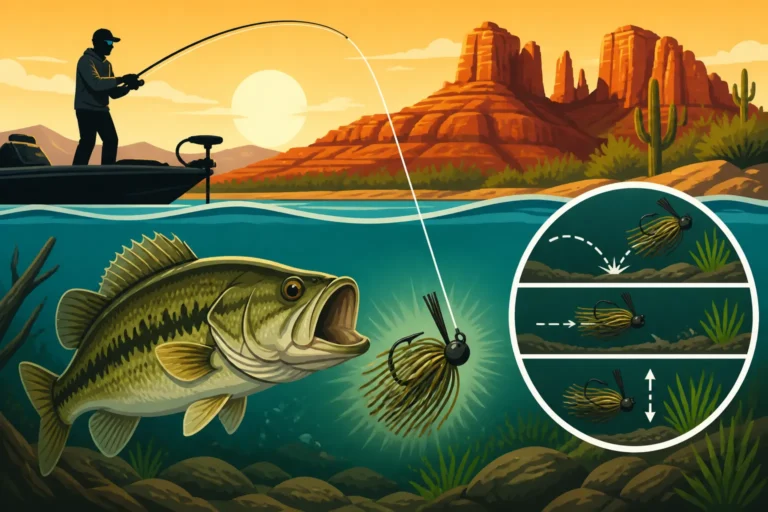
The golden rule for winter bass fishing is "slow and low." Bass are conserving energy, so a bait that moves quickly or erratically is often ignored. Instead, you want to present your lure directly in their strike zone and keep it there for an extended period. This means letting your bait sink all the way to the bottom, meticulously working it along contours, and incorporating long pauses. Jigs, especially football jigs or rubber-skirted jigs in darker colors, are fantastic for this. Cast them out, let them hit bottom, and then retrieve with excruciatingly slow drags and hops, feeling for any subtle resistance. Another excellent option is a blade bait or an umbrella rig, retrieved slowly and steadily just off the bottom. Remember, you’re trying to mimic a lethargic baitfish or a crawfish that's too cold to move fast. These baits, when worked slowly, give the bass ample time to decide if the energy expenditure is worth the meal. To refine your approach, consider diving deeper into How to Fish a Jig for Winter Bass.
Finesse Tactics for Finicky Biters
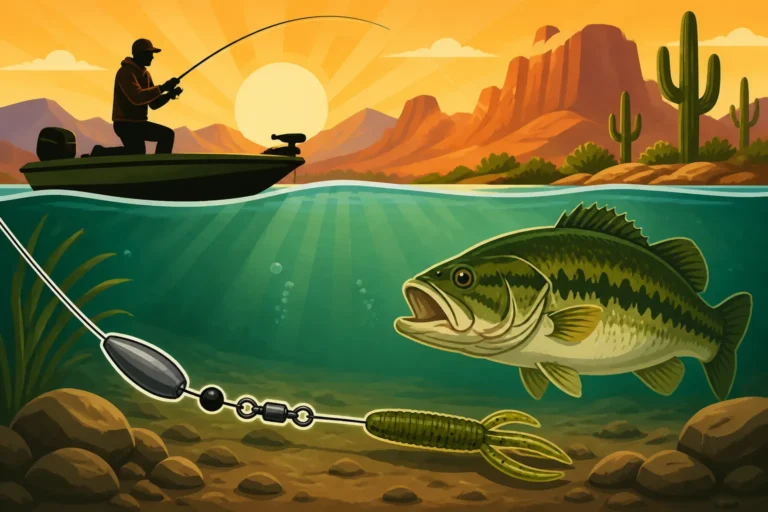
When bass are truly finicky, which is often the case in winter, finesse tactics are your best friend. These techniques involve using smaller baits, lighter lines, and more subtle presentations to tempt hesitant fish. A dropshot rig, for instance, allows you to suspend a small plastic worm or creature bait directly in the fish's face, above a weight, enabling you to shake the bait in place without moving it forward. This can be deadly when bass are holding tight to structure and unwilling to move. The Ned rig, consisting of a small mushroom-shaped jig head paired with a short, buoyant soft plastic, is another winter superstar. Its unique standing posture on the bottom makes it incredibly appealing to inactive bass. Shaky head jigs, which allow a worm to stand upright off the bottom, also offer a tantalizing target. The key with all finesse presentations is an ultra-sensitive rod and reel setup, allowing you to detect those incredibly subtle winter bites. You might even find some great finesse gear options on Amazon to enhance your setup.
Vertical Jigging and Electronics Usage
In deep-water wintering holes, bass often suspend or group tightly around specific pieces of structure. This is where vertical jigging and the intelligent use of your boat's electronics become invaluable. Instead of casting, you position your boat directly over the fish you see on your sonar and drop a lure straight down. Spoons (often called "jigging spoons"), blade baits, and heavy lipless crankbaits are excellent for this. The technique involves letting the lure fall to the bottom, then sharply lifting your rod tip a foot or two, letting the lure flutter back down on a semi-slack line. The strike often comes on the fall, so watching your line for any twitch or hesitation is critical. Your fish finder is your eyes underwater, helping you locate these tight schools of bass or solitary giants holding on ledges. Pay attention to depth changes, baitfish schools, and any anomalies on the screen that indicate structure. Modern electronics, especially those with side imaging or forward-facing sonar, can give you an incredible advantage in pinpointing these deep-water fish. Learning How to Read a Fish Finder for Bass can significantly increase your success rate during these colder months.
Bait and Lure Selection for Winter Bass
Just like the techniques, your bait and lure choices need a serious adjustment for winter bass fishing. The flashy, aggressive baits that work wonders in summer might be completely ineffective when bass are cold and sluggish. It's all about natural presentations and subtle appeal.
Cold Water Color Choices
When water temperatures drop and clarity often increases, natural and subtle lure colors tend to outperform bright, flashy ones. Bass are less likely to be attracted by vibrant hues that scream "fast food." Instead, think about colors that mimic the natural forage in their environment: crawfish, shad, and other baitfish. Greens, browns, grays, and blacks are excellent choices for soft plastics and jigs. For example, a black and blue jig can perfectly imitate a crawfish scuttling along the bottom. For baits that imitate shad, opt for natural shad patterns, bone white, or translucent colors with a hint of silver or blue flake. Even in stained water, a more muted, natural approach usually wins out. The goal is to make your lure blend in and appear as an easy, non-threatening meal. You can find a vast selection of these specific color patterns on Amazon to fill your winter tackle box.
Profile and Action Considerations
Beyond color, the profile and action of your lure are equally critical. In winter, generally, smaller baits with less erratic action are more effective. A bass isn't going to exert much energy to chase down a big, fast-moving crankbait. Instead, a compact jig, a small dropshot worm, or a slender jerkbait that suspends motionlessly are much more appealing. When choosing soft plastics, opt for worms, grubs, or creature baits that have minimal appendages and subtle tail action. For hard baits, suspending jerkbaits are exceptional. Cast them out, twitch them a few times, and then let them pause for an extended period (10-30 seconds or even longer). That dead-still suspension often triggers a strike from a bass that's inspecting the lure closely. These subtle movements and profiles are key to convincing a sluggish bass to commit. If you're looking for guidance on what to stock, check out the Best Lures for Largemouth Bass in Arizona Lakes for general ideas, then adapt them for winter.
Live Bait Advantages
While artificial lures are highly effective, there are times when live bait can give you an undeniable edge, especially for particularly stubborn winter bass. Live shad, shiners, or crawfish are often irresistible because they offer natural scent, movement, and a profile that bass simply can't ignore. When bass are really shut down, a live bait presented directly to them can be the only thing that elicits a strike. When using live bait, use a simple rig, such as a dropshot or a Carolina rig, to keep the bait near the bottom where the bass are holding. Use small, sharp hooks that don't impede the bait's natural movement. Hooking a shiner through the lips or a crawfish through the tail allows it to move freely and appear most natural. Remember to check local regulations on live bait usage, as rules can vary by waterbody.
Adapting Your Gear for Winter Conditions
Winter bass fishing isn't just about changing your lures; it's also about optimizing your gear for sensitivity and comfort. Cold hands and numb fingers make detecting those subtle bites nearly impossible, and using gear that's too heavy can hinder your finesse presentations.
Rod, Reel, and Line for Finesse Fishing
Sensitivity is paramount in winter. For finesse techniques like dropshotting, Ned rigging, and light jigging, you'll want a longer, medium-light to medium power spinning rod with a fast or extra-fast action. This combination provides the backbone to fight fish while offering a sensitive tip to detect the faintest bites. Pair it with a lightweight spinning reel (2000-3000 series) spooled with light line. Fluorocarbon is often the preferred choice for winter fishing due to its low visibility and minimal stretch, which translates to better sensitivity. A 6-8 lb test fluorocarbon main line or a braided main line with a 6-10 lb fluorocarbon leader is ideal. The lack of stretch in fluorocarbon allows you to feel those subtle "thumps" and "ticks" that might otherwise go unnoticed. Having the right setup, like a Best Rod and Reel Combo for Bass specifically tailored for finesse, makes a huge difference.
Cold Weather Apparel and Safety
Staying warm and dry is crucial for an enjoyable and safe winter fishing trip in Arizona, even though our winters are mild compared to other regions. Layers are your best friend. Start with a moisture-wicking base layer, add an insulating mid-layer like fleece, and finish with a waterproof and windproof outer shell. Don't forget a warm hat, gloves, and thick socks. Hands and feet are often the first to get cold, and numb fingers severely impact your ability to feel bites. Chemical hand warmers can be a lifesaver. Always check the weather forecast before heading out, especially for unexpected cold fronts or high winds. Safety is also key; always let someone know where you're going and when you expect to return, and carry emergency supplies, including extra warm clothing and a way to start a fire. While summer might demand Heat Safety Tips for Summer Fishing in Arizona, winter requires its own set of precautions.
Boat and Kayak Considerations
If you're fishing from a boat or kayak, a few winter-specific considerations apply. For boats, make sure your electronics, especially your sonar, are in top working order to help locate those deep-water bass. Consider a marine-grade heater if you have an enclosed cabin or even portable options for open boats. Keep safety gear, including life jackets, easily accessible. The water might be cold, but falling in is still a real risk. For kayak anglers, stability is key, and dressing in layers is even more critical as you're more exposed. A dry suit or dry top and bottom can offer significant protection against cold water immersion. Always inform someone of your float plan, and consider carrying a marine radio or satellite messenger for emergencies. Make sure your anchor system is robust enough to hold you over deep structure in potentially windy conditions.
Timing and Environmental Factors
Beyond techniques and gear, the timing of your winter bass fishing trip and an understanding of prevailing environmental factors can dramatically impact your success. Arizona's winter weather can be quite variable, and astute anglers know how to leverage these nuances.
Best Time of Day
Unlike the summer, when early mornings and late evenings are prime, winter bass fishing often heats up with the sun. The best time of day for winter bass fishing in Arizona is typically from late morning through mid-afternoon, roughly 10 AM to 3 PM. During these hours, the sun is highest in the sky, and its warming rays can penetrate the water, albeit minimally. Even a slight increase in surface temperature can activate bass, making them more willing to feed. Additionally, baitfish may rise slightly in the water column during this warmer period, drawing bass up with them. Focus on sun-exposed banks, rock piles, and points that receive direct sunlight for longer periods. These areas warm up faster and can concentrate both bait and bass.
Impact of Weather Fronts
Weather fronts play a significant role in winter bass behavior. Stable, high-pressure systems with clear skies and consistent temperatures are generally the most favorable conditions. After a cold front, when temperatures plummet and skies clear, bass often become extremely lethargic and difficult to catch. This post-frontal blues effect can last for several days. It's usually best to wait for stable conditions to return before heading out. Conversely, the day before a strong cold front moves in can sometimes offer fantastic fishing. The dropping barometric pressure can trigger a pre-frontal feeding spree as bass sense the impending change. Keep a close eye on weather patterns and use them to plan your trips strategically, maximizing your chances of hitting those productive windows.
Understanding Water Clarity and Depth
Water clarity and depth are constant considerations for bass fishing, and they become even more critical in winter. Many Arizona lakes can be quite clear in winter as plankton blooms diminish, making fish more wary. In clear water, opt for lighter line, smaller baits, and natural colors. Longer casts can also help prevent spooking fish. In contrast, if you find stained or slightly murky water, you might be able to get away with slightly heavier line and baits with a bit more vibration or scent, as fish will be relying more on lateral lines and smell than sight. Always remember that bass seek stability in winter, which often means depth. Continuously adjust your presentations to match the specific depth where you're seeing fish on your sonar or getting bites. A contour map can be an invaluable tool to identify these crucial depth changes and potential wintering spots on any given lake.
| Winter Bass Tactic | Target Depth | Best Water Temp | Preferred Lure/Bait | Presentation Speed |
|---|---|---|---|---|
| Jigging Spoons | 20-60+ feet | 45-55°F | Silver, white, shad | Vertical, sharp lifts, slow fall |
| Dropshotting | 15-50 feet | 40-55°F | Small worms, minnows | Subtle shakes, hold in place |
| Ned Rig | 10-30 feet | 40-55°F | Small buoyant plastic | Slow drag, long pauses, stand up |
| Jerkbaits (Suspending) | 5-20 feet | 45-60°F | Shad, perch, natural | Twitch-pause-pause, long pauses |
| Bladed Jigs | 5-25 feet | 48-60°F | Craw, bluegill, shad | Slow roll, slight hops |
| Live Bait (Shiners/Shad) | All depths | 40-60°F | Natural forage | Slow or dead stick, natural movement |
Disclaimer
Fishing conditions and regulations in Arizona can change. Always check the latest Arizona Game and Fish Department regulations before heading out to fish. Be aware of weather conditions, practice safe boating, and always prioritize your safety on the water.