Is Lake Powell Good for Beginner Anglers?
Stepping into the world of fishing at a massive, iconic destination like Lake Powell can feel incredibly exciting, yet also a bit daunting for someone just starting out. The sheer size and grandeur of this Arizona gem can make a beginner angler wonder if it's too much to handle for a first or even fifth fishing adventure. This guide aims to clear up those concerns, showing you how Lake Powell can absolutely be a fantastic, albeit unique, learning ground for new anglers, armed with the right approach and expectations.
The Allure and Initial Challenge of Lake Powell for New Anglers
Lake Powell, straddling the Arizona-Utah border, is more than just a lake; it’s a vast, labyrinthine reservoir carved into stunning red rock canyons. Its dramatic scenery, crystal-clear waters, and reputation for incredible fishing draw anglers from all over. For a beginner, though, its immense scale can be the first hurdle. Where do you even begin in a lake with 2,000 miles of shoreline when you're used to smaller ponds or rivers? This feeling of being overwhelmed is completely valid, but it doesn't mean Lake Powell is off-limits for newcomers.
Understanding Lake Powell's Unique Landscape
Unlike a typical round lake, Lake Powell is a collection of winding canyons, side channels, and massive open water stretches. This creates a diverse range of fishing environments, each with its own quirks. You've got shallow, sun-drenched coves perfect for bass, deep main channels where striped bass roam, and sheer canyon walls offering unique structural fishing opportunities. The water levels fluctuate significantly throughout the year, which can change access points and fish patterns, adding another layer of complexity.
Navigating this vastness requires a good map, a reliable boat, and a healthy dose of patience. The beauty is that even if you only explore a tiny fraction of its waters, there's still incredible potential. Many first-time visitors are mesmerized by the scenery alone, often forgetting the fishing for a moment! It's an adventure in itself just being out on the water, surrounded by those majestic red cliffs.
Overcoming the Intimidation Factor
It’s easy to feel intimidated when you see experienced anglers with their fancy boats, multiple rods, and elaborate fish finders. But here’s the secret: everyone starts somewhere. And at Lake Powell, some of the most basic techniques can be incredibly effective, especially for species like striped bass or catfish. You don't need a tournament-level setup to catch fish here.
The real challenge for beginners isn't necessarily the fishing itself, but rather the logistical side – understanding boat ramps, navigation, safety, and knowing where to focus your efforts. That's where a little planning and perhaps a helping hand can turn a daunting prospect into a truly enjoyable and memorable experience. The key is to manage expectations and celebrate the small victories, whether it's catching your first fish, successfully navigating a new cove, or simply soaking in the breathtaking views.
Making Lake Powell Accessible for First-Timers
So, how does a beginner angler actually tackle such a monumental fishing destination without feeling completely lost? The good news is there are several fantastic strategies to make your initial foray into Lake Powell fishing enjoyable and productive.
Guided Fishing Trips: Your Best Friend for a First Expedition
Without a doubt, the single best way for a beginner to experience fishing on Lake Powell is by hiring a professional fishing guide. Think of it as a crash course with a local expert. These guides know the lake inside and out: where the fish are biting, what lures they prefer, and how to navigate the complex waterways safely. They provide all the necessary gear, teach you techniques, and often share fascinating insights about the lake's history and geology.
Booking a guided trip through a service like FishingBooker can transform a potentially overwhelming first outing into an unforgettable success. You show up, hop on their boat, and they take care of the rest, letting you focus purely on the joy of fishing and learning. Many experienced guides listed on platforms like FishingBooker specialize in taking out novice anglers and families, ensuring a patient and encouraging atmosphere. They can teach you everything from casting to identifying different fish species, all while putting you on fish. This also removes the stress of needing to acquire or transport specialized boating and fishing equipment, which can be a significant barrier for new anglers.
Focusing on Specific, Accessible Areas and Species
While Lake Powell is huge, you don't need to explore all of it on your first trip. Many areas are more beginner-friendly than others. Look for marinas like Wahweap, Antelope Point, or Bullfrog, which often have easier boat access, rental options, and nearby coves that can be productive without venturing too far into the main channels.
For species, striped bass are often considered the most accessible for beginners. They school in large numbers and can be caught using relatively simple techniques, especially during "boil" events where they chase baitfish to the surface. Similarly, channel catfish are abundant in many areas and can be caught using bait from shore or a anchored boat. You'll find a lot of helpful information in a dedicated guide like our Lake Powell Arizona Fishing Guide.
Consider targeting some of the larger, easily identifiable coves near popular marinas. These areas tend to have more consistent fishing pressure and therefore more established fish patterns that guides or even local bait shop owners can point you towards. Don't be afraid to ask for local advice – the folks working at marinas and tackle shops are often happy to share tips for beginners.
Renting the Right Equipment and Boats
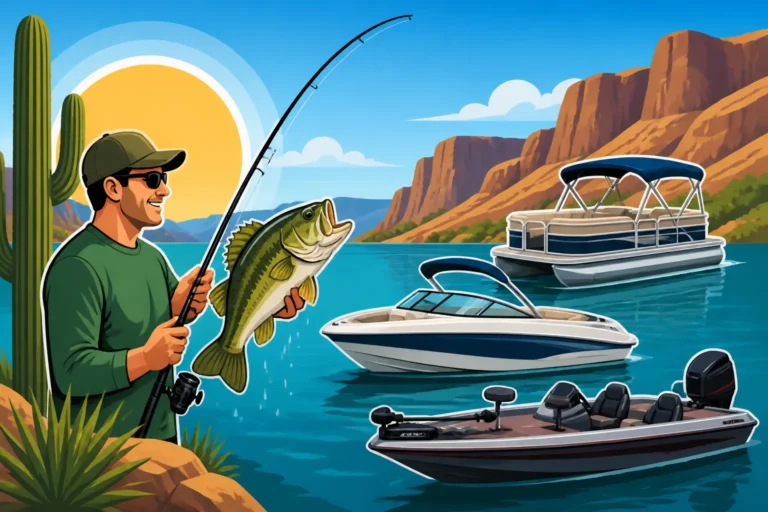
If a guided trip isn't in the cards, renting a boat and appropriate gear is the next best option. Marinas at Lake Powell offer various boat rentals, from smaller fishing skiffs to larger pontoon boats that are stable and comfortable for families. Ensure you understand the basic operation of the boat and always carry safety equipment. Learning about Boating Safety Gear Requirements in Arizona is crucial before you head out.
For fishing gear, start simple. A medium-action spinning rod and reel combo with 10-15 pound test line is versatile enough for most species you'll encounter. Pre-packaged tackle kits for bass or catfish can be a great starting point, giving you a selection of basic lures, hooks, and weights without needing to buy everything individually. Don't overcomplicate it with a million different lures; a few reliable options are often all you need.
Key Fish Species and Beginner-Friendly Tactics
Lake Powell boasts a fantastic array of fish species, but for a beginner, focusing on a few key types and their associated simple tactics will yield the most success and enjoyment.
Striped Bass: The Action-Packed Introduction
Striped bass are arguably the most popular target for many anglers at Lake Powell, and for good reason: they are aggressive, fight hard, and often travel in large schools, meaning when you find one, you've likely found a lot! This makes them perfect for beginners who want to experience frequent bites.
Beginner Tactics for Striped Bass:
- Bait Fishing: Cut bait (like anchovies or shad, often available frozen at marinas) is a go-to for stripers. Rig it on a simple Carolina rig or even just a hook with a weight to get it down. Cast it out, let it sink, and wait for a bite. This is a very passive and easy technique.
- Trolling: If you have a boat, slow trolling with crankbaits or swimbaits is highly effective. You simply let your lure out behind the boat and motor slowly, covering water until you hit a school. This is a relaxed way to fish and allows you to cover a lot of ground. You can learn more about How to Fish for Striped Bass in a dedicated resource.
- Boils: The most exciting way to catch stripers! When stripers are actively feeding on schools of shad near the surface, they create "boils" – churning water where fish are splashing. If you encounter a boil, cast any topwater lure, spoon, or swimbait into the commotion, and you're almost guaranteed a strike. Being ready for a boil is half the fun!
Largemouth and Smallmouth Bass: The Canyon Hunters
Lake Powell is also renowned for its excellent bass fishing, with both largemouth and smallmouth bass thriving in its rocky depths. While perhaps a bit more challenging than stripers for absolute beginners, they are incredibly rewarding to catch.
Beginner Tactics for Bass:
- Worms and Senkos: Soft plastic worms, especially weightless "Senko" style baits, are bass magnets and relatively easy to fish. Cast them near submerged brush, rocky points, or canyon walls, let them sink naturally, and watch your line for a subtle twitch.
- Spinnerbaits: These lures are great for covering water and creating vibration that attracts bass. Cast them around points, coves, and areas with submerged timber. The key is a steady retrieve.
- Topwater Lures (at dawn/dusk): For an exhilarating experience, try topwater poppers or walk-the-dog lures early in the morning or late in the evening. Bass exploding on a surface lure is an unforgettable moment.
- Targeting Structure: Bass love structure. Look for rocky outcrops, submerged trees, ledges, or points in coves. These are their ambush points. A quick read on Largemouth Bass Fishing Guide for Arizona can help refine your approach.
Channel Catfish: The Bottom Dwellers
Catfish are abundant in Lake Powell and are fantastic eating fish. They are also notoriously easy to catch, making them an excellent choice for beginner anglers, especially kids.
Beginner Tactics for Catfish:
- Stink Bait & Cut Bait: Catfish have an incredible sense of smell. Prepared stink baits, chicken livers, or cut anchovies/shad fished on the bottom with a simple sinker and hook rig are highly effective.
- Night Fishing: Catfish are often more active at night. If you're comfortable with safe night boating (or fishing from shore), this can be a prime time for big cats.
- Cove Fishing: Anchor up in a protected cove, cast out your bait, and relax. You don't need to move much; the scent will do the work. Worms also work well for catfish, making it a versatile bait.
Here’s a quick overview of beginner-friendly species and tactics:
| Fish Species | Best Time to Target | Beginner-Friendly Lures/Baits | Key Locations for Beginners | Difficulty for Beginners |
|---|---|---|---|---|
| Striped Bass | Year-round, especially during boils | Cut Bait (anchovies/shad), Spoons, Crankbaits, Swimbaits | Open water, near points, around baitfish schools | Low |
| Channel Catfish | Year-round, especially night | Stink Bait, Cut Bait, Worms | Protected coves, sandy bottoms, river arms | Low |
| Largemouth Bass | Spring, Fall (warm water) | Soft Plastic Worms (Senkos), Spinnerbaits, Jigs | Shallow coves, submerged brush, rocky points | Medium |
| Smallmouth Bass | Spring, Summer (cooler water) | Drop-Shot Worms, Tubes, Grubs | Rocky ledges, canyon walls, main lake points | Medium |
Essential Gear and Safety Considerations for Your First Trip
Even for a seasoned angler, preparing for a trip to Lake Powell requires careful thought. For beginners, understanding the essential gear and critical safety measures is paramount for a successful and enjoyable outing.
The Basic Fishing Kit: Keep it Simple
You don't need to break the bank to start fishing at Lake Powell. Focus on versatility and reliability.
- Rod and Reel: A medium-action spinning rod, about 6-7 feet long, paired with a matching spinning reel (size 2500-3000) spooled with 10-15 lb monofilament or braided line is a great all-around choice. This setup handles most species you'll encounter.
- Tackle Box Basics:
- Assorted hooks (sizes 1/0 to 4/0 for bait, smaller for panfish if you target them).
- Sinkers (split shot, egg sinkers for bottom fishing).
- Bobbers (slip bobbers are versatile).
- Swivels and snaps (for quick lure changes and line twists).
- A few versatile lures: spinnerbaits, soft plastic worms (like Senkos in green pumpkin or black), a couple of crankbaits, and some spoons for stripers.
- Remember to consult our guide on Best Baits and Lures for Arizona Fishing for more detailed recommendations.
- Pliers and Line Cutters: Essential for removing hooks and cutting line.
- Measuring Tape and Scale: For measuring your catch and adhering to size limits, and for the thrill of weighing your fish.
- Cooler: Crucial for keeping your drinks and snacks cold, and for preserving any fish you decide to keep. Our guide on Best Coolers for Hot-Weather Fishing in Arizona might offer some good tips.
- First Aid Kit: Accidents happen, even small ones. A basic kit with bandages, antiseptic wipes, and pain relievers is a must.
Navigating Lake Powell: Safety First
Lake Powell is vast, and navigating it safely is non-negotiable, especially for beginners.
- Maps and Navigation: Don't rely solely on your phone. A detailed paper map of Lake Powell, combined with a GPS device (many boats have them, or use a reliable app on a waterproof phone/tablet), is crucial. Familiarize yourself with the main channels, prominent landmarks, and potential hazards like submerged debris.
- Life Jackets (PFDs): Absolutely mandatory. Everyone on the boat should have an appropriately sized life jacket, and children typically have specific requirements. It's smart to wear them, especially if you're not a strong swimmer or in rough water. Reviewing PFD Requirements for Kids in Arizona is a good idea.
- Weather Awareness: Arizona weather can change rapidly, especially during monsoon season (July-September). Keep an eye on the forecast, and if storms are predicted, consider rescheduling or staying close to a marina. Strong winds can whip up large waves quickly, making navigation challenging.
- Hydration and Sun Protection: The Arizona sun is intense. Bring plenty of water (more than you think you'll need!), wear a wide-brimmed hat, sunglasses, and use high-SPF sunscreen. Long-sleeved, lightweight shirts are also excellent for sun protection. Dehydration and sunburn can quickly ruin a trip.
- Communication: Cell service can be spotty in the canyons. Carry a fully charged cell phone (in a waterproof case) and consider a satellite communication device or VHF radio for emergencies, especially if venturing into more remote areas. Always tell someone your float plan – where you're going and when you expect to return.
Remember, fishing licenses are a must. Make sure you understand the Arizona Fishing License Guide and obtain the correct license before casting a line. You'll want to be familiar with general rules too, outlined in our Arizona Fishing Regulations Explained article. Taking these precautions will ensure your first Lake Powell fishing trip is not only productive but also safe and enjoyable, setting the stage for many more adventures to come.
Disclaimer
Fishing involves inherent risks, and conditions at Lake Powell can change rapidly. Always prioritize safety, understand and follow all Arizona fishing regulations, and be prepared for potential hazards. This guide is for informational purposes only and should not replace professional advice or local regulations.