Fishing Near the Utah Border at Lake Powell
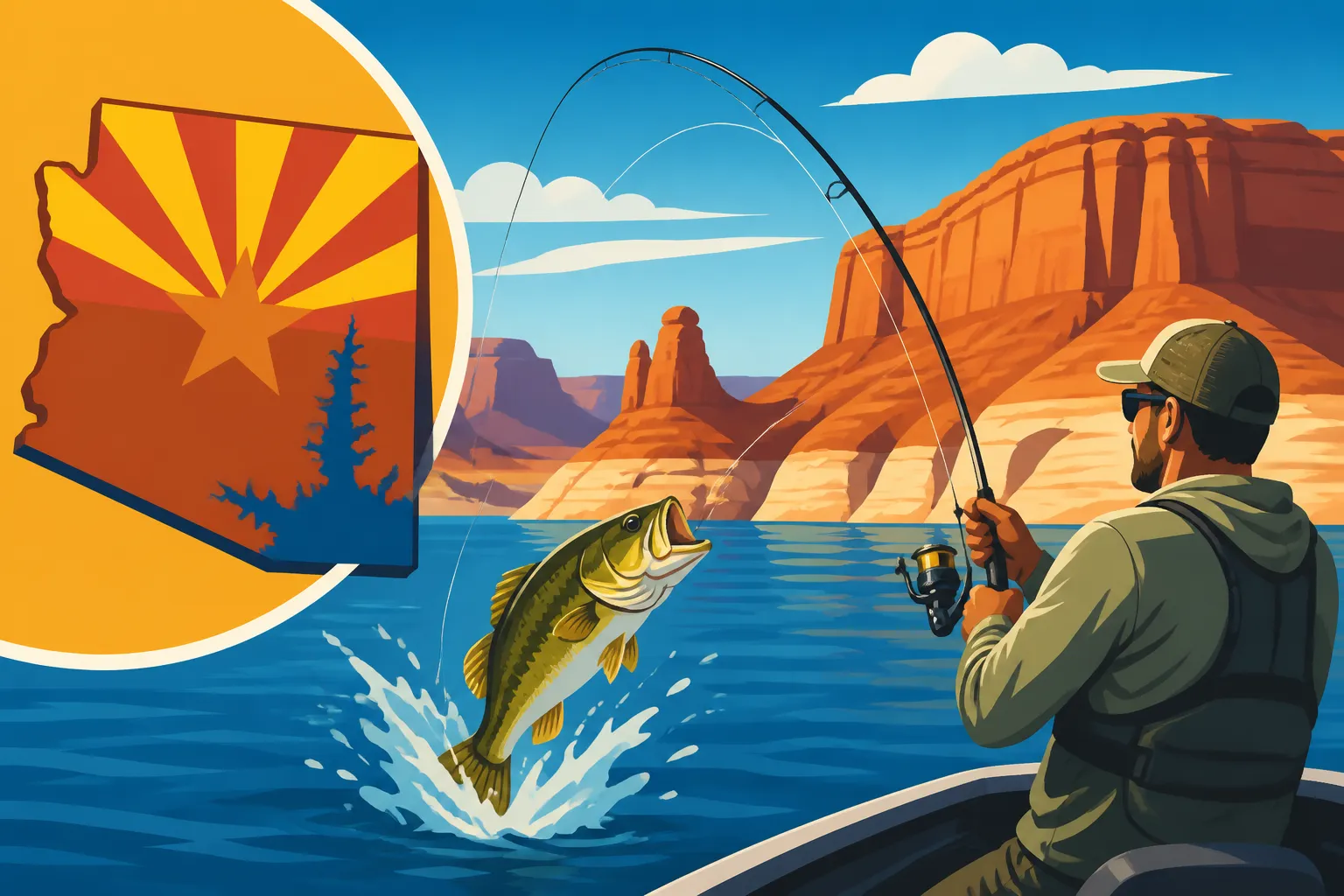
Fishing near the Utah border at Lake Powell isn't just a trip; it's an adventure into one of the most stunning and challenging angling environments Arizona has to offer. This vast reservoir, with its intricate network of canyons, dramatic sandstone cliffs, and ever-changing water levels, can feel overwhelming to even seasoned anglers. Many folks get intimidated by its sheer size and the remoteness of its northern reaches. This guide is here to break down exactly what you need to know to confidently plan and execute a successful fishing expedition in the northern, Utah-border waters of Lake Powell.
Understanding the Unique Waters Near the Utah Border
When you venture north on Lake Powell, especially as you approach the Utah border, you're entering a distinctly different environment than the more developed southern end of the lake. This region is characterized by its expansive open waters, deep canyons that branch off into countless coves, and often clearer, cooler water, particularly during certain seasons. The scale here is immense, and understanding its geography is your first step to success.
Key Geographic Features and Access Points
The northern end of Lake Powell is a labyrinth of natural wonders. Think of areas like Good Hope Bay, Bullfrog Bay, and the various arms around Hall's Crossing. These locations offer incredible fishing opportunities, but they also demand respect for the sheer distance and isolation. Bullfrog Marina and Hall's Crossing Marina, both on the Utah side, are your primary launch and resupply points if you're coming from the north, and they serve as vital hubs for exploring the surrounding waters. From the Arizona side, it’s a longer run, often necessitating a multi-day trip or a very early start.
Navigating these areas requires keen attention to detail. The main channel meanders through monumental sandstone formations, with side canyons creating sheltered bays and long, winding fingers. Many of these side canyons, like Forgotten Canyon or the Escalante Arm, become prime targets as they concentrate fish. Remember that what might be a productive cove one year could be dry land or a mere trickle the next due to fluctuating lake levels. Always check current conditions before heading out, as these changes drastically impact access and fish patterns. The remoteness also means fewer distractions, but also fewer immediate resources if something goes wrong.
Water Conditions and Lake Levels
Lake Powell's water levels are a constant topic of conversation among anglers, and for good reason. Significant drops can expose vast areas of previously submerged structure, change fish migration patterns, and alter boat access to certain canyons. Conversely, rising waters can flood new vegetation, creating fresh cover and feeding grounds. Near the Utah border, the San Juan River and Escalante River arms feed into the lake, often bringing cooler, sometimes murkier water during snowmelt or monsoon events, which can influence fish behavior.
Generally, the northern waters tend to be clearer than the main channel further south, especially away from major river inflows. This clarity means fish can be spooked more easily, requiring longer casts and more subtle presentations. Water temperatures also play a crucial role. In spring, these northern bays and canyons can warm up faster, drawing bass into shallower waters for spawning. In the heat of summer, fish retreat to deeper, cooler sections of the main channel or seek thermal refuge in the shady depths of the canyons. Understanding these dynamics is paramount to finding where the fish are holding and what they're willing to bite on.
Prime Fish Species and Their Habits in Northern Lake Powell
Lake Powell, especially its northern reaches, is a renowned fishery for several species, offering a diverse challenge for any angler. While you might catch a variety of fish, the true stars near the Utah border are the striped bass and smallmouth bass, with largemouth bass also providing excellent action in specific habitats. Each species has its own unique patterns and preferences in this expansive environment.
Targeting Striped Bass in the Northern Reaches
The northern end of Lake Powell is famous for its massive striped bass. These hard-fighting fish thrive in the open waters and canyon systems, often exhibiting incredible "boils" where they aggressively feed on schools of baitfish, usually threadfin shad, on the surface. Catching a striper boil is an exhilarating experience, often resulting in multiple hook-ups. These boils can occur at any time but are most common during dawn and dusk, or on overcast days in the warmer months. Keep a keen eye on the horizon for bird activity, which often signals a feeding frenzy below.
Beyond the boils, stripers are often found suspended in deeper water or congregating around submerged points, humps, and ledges. Trolling with deep-diving crankbaits or bucktail jigs is a highly effective method for locating these schools. Vertical jigging with heavy spoons or large soft plastics (like a flukes or swimbaits) over deep structure can also be deadly. When you're ready to really explore for these magnificent fish, considering a guided trip through services like FishingBooker can provide invaluable local knowledge and specialized gear for deep-water striper fishing. The average size of these northern Lake Powell stripers often exceeds those found in other parts of the lake, making the journey truly worthwhile. If you're looking for more general information on how to target these fish, our guide on How to Fish for Striped Bass offers excellent insights.
Smallmouth and Largemouth Bass Strategies
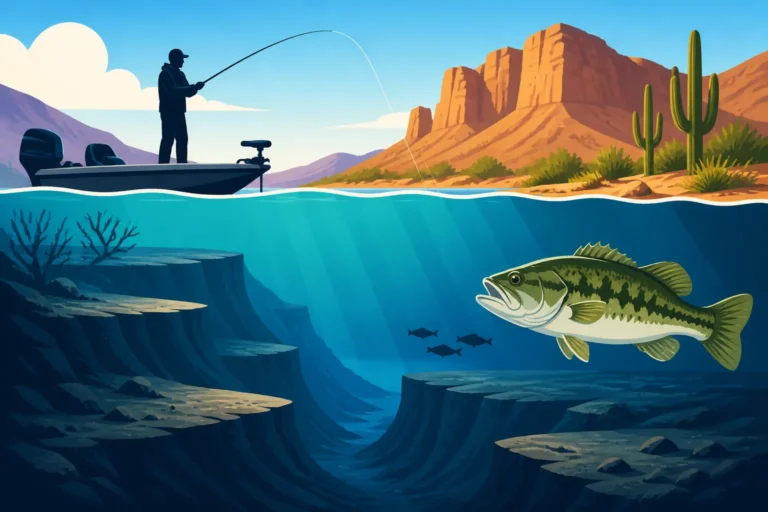
While stripers steal the headlines, smallmouth bass fishing in northern Lake Powell is arguably some of the best in Arizona. These bronze fighters absolutely love the rocky structures, steep canyon walls, and countless submerged boulders that define this part of the lake. They are aggressive, hard fighters, and often readily hit a variety of lures. Target points, rock slides, and bluff walls with small crankbaits, jigs, drop shots, and even topwater lures early and late in the day. The clearer water here means stealth and natural presentations are often rewarded. For a deeper dive into techniques, check out our Smallmouth Bass Fishing Guide for Arizona.
Largemouth bass, while less dominant than smallmouths in the main canyon system, can be found in the shallower, warmer, and often more vegetated bays and side arms. Areas with submerged brush, standing timber (if present due to rising waters), or rocky cover with some silt accumulation are prime largemouth habitats. Spinnerbaits, Texas-rigged plastics, and shallow-diving crankbaits are excellent choices. Look for these fish in the backs of canyons or in any area with a more gradual slope and cover. Patience and thorough exploration of these distinct habitats will yield rewards for largemouth anglers. Our comprehensive Largemouth Bass Fishing Guide for Arizona can help refine your techniques.
Essential Gear and Techniques for Utah Border Fishing
Fishing the vast, often remote waters of Lake Powell near the Utah border demands specific gear and a strategic approach. This isn't your average neighborhood pond; preparation is key to both safety and success.
Recommended Tackle and Lures
Given the varied species and conditions, a versatile tackle setup is crucial. For stripers and larger bass, medium-heavy to heavy action rods (7-8 feet) paired with stout baitcasting or spinning reels loaded with 15-20 lb monofilament or 30-50 lb braided line are ideal. A good selection of lures is also paramount:
- Topwater Lures: Walk-the-dog baits, poppers, and prop baits are irresistible to stripers and bass during low-light conditions or when boils are active.
- Crankbaits: Deep-diving crankbaits are essential for trolling for stripers and covering water for bass along drop-offs. Medium-diving crankbaits work well for smallmouths on rocky points.
- Jigs: Heavy bucktail jigs (1-3 oz) are fantastic for vertical jigging stripers in deep water. Football jigs or finesse jigs with plastic trailers are perfect for smallmouths around rocky structure.
- Soft Plastics: Flukes, swimbaits (especially shad imitations), creature baits, and worms rigged on drop shots or Texas rigs are incredibly versatile for all bass species.
- Spoons: Heavy casting spoons or jigging spoons can imitate injured baitfish and are very effective for stripers suspended in deeper water.
Don't forget leader material (fluorocarbon in 10-20 lb test for clearer water) and a variety of hook sizes to match your baits. Considering the potential for larger fish, having a robust landing net is also a good idea. To learn more about general tackle needs, consult our guide on Essential Tackle Box Setup for Arizona Beginners.
Boating and Electronics for Success
Unless you're planning a very limited shore-based trip (which is difficult in this area), a reliable boat is non-negotiable for fishing near the Utah border. This means a boat capable of handling open water, long runs, and potentially choppy conditions. Bass boats, center consoles, or even sturdy pontoon boats are common choices. Ensure your motor is well-maintained and you carry extra fuel, as marinas can be far apart.
Equally important are modern electronics, particularly a good fish finder. This isn't just for seeing fish; it's invaluable for mapping contours, identifying submerged structure, and finding those crucial depth changes where fish hold. Look for units with side-imaging and down-imaging capabilities to get a comprehensive view of the underwater world. Brands like Humminbird, Lowrance, and Garmin offer excellent options for every budget. Many experienced anglers also utilize GPS to mark productive spots and navigate the intricate canyon system safely. For detailed insights on choosing the right tech, read our guide on Best Fish Finders for Bass Fishing in Arizona.
Navigational Tips and Safety Considerations
The immense size and remote nature of Lake Powell, especially near the Utah border, present unique navigational and safety challenges. Being prepared and respectful of this wilderness is paramount.
Navigating the Canyons and Open Water
Lake Powell's intricate canyon systems are breathtaking, but they can also be disorienting. Always carry detailed nautical charts (paper and/or electronic) and a reliable GPS unit. Mark your launch point and frequently used channels. Many canyons look similar, and it's easy to get turned around, particularly during low light or when cloud cover obscures landmarks. Pay attention to buoy markers, but never solely rely on them, as they can be moved or missing due to changing lake levels.
When moving through open water, be mindful of changing weather conditions. Afternoon winds can quickly whip up significant chop, making travel uncomfortable or even dangerous in smaller vessels. Always inform someone of your float plan – where you're going, when you expect to return, and who is with you. Cell service is often nonexistent in the deeper canyons and remote areas, so a satellite communication device or marine radio is a wise investment for emergencies.
Safety and Preparedness in Remote Areas
Given the remoteness, self-sufficiency is key. Carry more water than you think you'll need, especially during Arizona's hot months. Sun protection – wide-brimmed hats, long-sleeved UPF clothing, and high SPF sunscreen – is non-negotiable. A well-stocked first-aid kit, a tool kit for minor boat repairs, extra rope, and a spare propeller are also critical. Always ensure you have enough life jackets for everyone on board, and that they fit properly. You can find more details about required safety gear in our Boating Safety Gear Requirements in Arizona article.
Consider booking a guided trip, especially if it's your first time to this area. Local guides know the lake intimately, understand current conditions, and can put you on fish safely and efficiently. Services like FishingBooker connect you with experienced Lake Powell guides who can navigate these waters with expertise, providing not just great fishing but also a safe and informative experience. They typically supply all the specialized gear and know exactly what to do if an unexpected issue arises. Remember, while the fishing is incredible, respecting the wilderness and prioritizing safety will ensure a memorable and positive experience.
Best Seasons for Fishing Near the Utah Border
The fishing near Lake Powell's Utah border truly offers year-round opportunities, but each season presents its own unique challenges and rewards. Knowing when to target specific species can make all the difference.
Season Primary Target Species Key Behaviors & Conditions Recommended Techniques
: ###
Disclaimer: Fishing conditions and regulatory details can change rapidly. Always consult the official Arizona Game and Fish Department (AZGFD) regulations before heading out on any fishing trip. This guide offers general information and recommendations.