Best Spots for Kids to Catch Their First Fish
Bringing kids into the wonderful world of fishing can be one of the most rewarding experiences as a parent or guardian, but let's be honest, trying to figure out the best place to take them, especially here in Arizona, can feel like navigating a maze. Our beautiful state has its quirks—blazing summer heat, vast desert lakes that can feel intimidating, and regulations that might make your head spin. You don't want to drag them out only for them to get bored, uncomfortable, or worse, not catch a single thing. This guide is all about cutting through that confusion, helping you find those perfect, kid-friendly spots where reeling in that first fish isn't just a possibility, but a real, exciting likelihood.
Urban Oases: Community Fishing Lakes are Your Best Bet
For sheer convenience and consistent action, it's hard to beat Arizona's network of community fishing lakes. These aren't your remote, backcountry havens; they're designed with accessibility and family fun in mind, often right within city limits. Think paved paths, restrooms, picnic areas, and, most importantly, fish that are eager to bite.
Why Community Lakes are Perfect for Kids
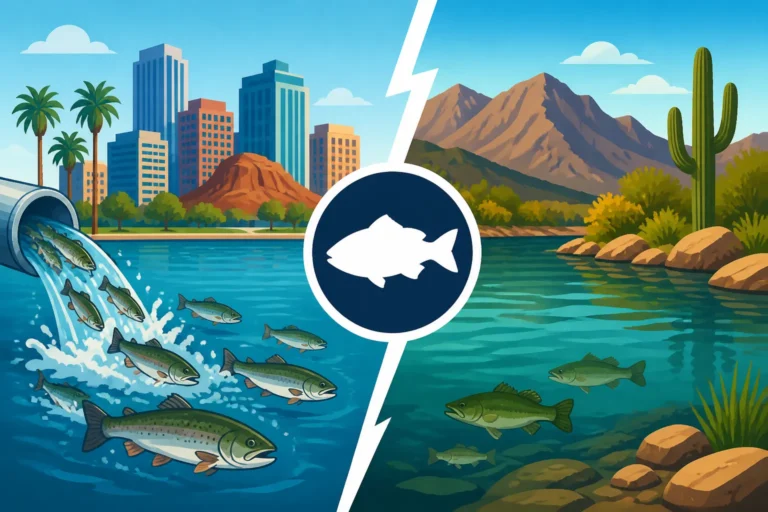
Imagine pulling up to a park, strolling a short distance to the water's edge, and within minutes, your child's bobber is dancing. That's the magic of community lakes. The Arizona Game and Fish Department (AZGFD) goes to great lengths to manage these urban fisheries, stocking them regularly with a variety of species that are easy for beginners to catch. This consistent stocking schedule means a much higher chance of success, which is absolutely crucial for keeping a child engaged. A quick bite, even if it's a small bluegill, can ignite a lifelong passion. The immediate gratification is key for little ones with shorter attention spans.
Beyond the fish, these spots are just generally safer and more comfortable. They typically have shallow, accessible banks, so you don't have to worry about steep drop-offs right at the water's edge. Many are within well-maintained parks, offering shade, playgrounds for when fishing slows down (or for siblings who aren't quite as hooked yet), and readily available facilities. You won't be bushwhacking through cacti or worrying about rugged terrain, making the whole experience much less stressful for everyone involved. For a full rundown on how these programs operate, be sure to check out our guide on the Community Fishing Program Rules.
Top Picks for Urban Fishing in Phoenix and Tucson
While there are many excellent options across the state, some stand out in our major metropolitan areas. These lakes are part of the AZGFD's Community Fishing Program, which means they are regularly stocked throughout the cooler months (typically October through May) with rainbow trout, and year-round with channel catfish, sunfish, and sometimes even bass.
In the Phoenix area, Kiwanis Park Lake in Tempe is a perennial favorite. It's a decent-sized lake with plenty of bank access, a concession stand, and even boat rentals for paddle boats or kayaks if you want to try a different vantage point. It’s frequently stocked and offers great opportunities for trout and catfish. Another fantastic choice is Cortez Lake in Glendale. It's smaller, often less crowded, and incredibly well-maintained, perfect for a quiet morning with a beginner angler. For those further west, Pioneer Community Park Lake in Peoria offers a similar family-friendly experience with good stocking numbers. If you’re interested in exploring more local options, our guide on the Best Fishing Spots Near Phoenix, Arizona can provide a wealth of information.
Down south in Tucson, Kennedy Lake and Silverbell Lake are top contenders. Kennedy Lake, located in Kennedy Park, is a larger lake with a reputation for good catfish and trout fishing. There are ramadas, playgrounds, and plenty of open space. Silverbell Lake, while smaller, is another excellent choice, known for its consistent stocking and easy access. These lakes are specifically mentioned in our detailed overview of Best Urban Fishing Lakes in Arizona. Remember that a valid fishing license is required for anyone 10 years and older; you can learn more about the Minimum Age to Fish Without a License in Arizona to make sure everyone is covered.
Here's a quick comparison of what you might expect at different types of kid-friendly fishing spots:
| Location Type | Ease of Access | Target Fish (Beginner) | Best Season | Typical Gear Needed | Success Rate for Kids |
|---|---|---|---|---|---|
| Community Lakes | Very Easy | Trout, Catfish, Sunfish | Fall-Spring (Trout), Year-round (Catfish) | Light spinning rod, bait, bobber | High |
| High Country Lakes/Streams | Moderate | Trout | Spring-Fall | Light spinning rod, bait/lures | Moderate to High |
| Larger Lake Piers/Coves | Easy to Moderate | Bass, Catfish, Panfish | Year-round (species dependent) | Medium spinning rod, bait/lures | Moderate |
High Country Havens: Cooler Waters for Trout
While the desert lakes shine in the cooler months, Arizona also boasts stunning high-country lakes and streams, particularly in the White Mountains and central highlands. These spots offer a completely different, often more picturesque, fishing experience, and during the warmer parts of the year, they become prime destinations for trout.
Seasonal Trout Stocking for Fast Action
When temperatures rise in the low desert, many fish species become lethargic and harder to catch. That's when the high country truly shines. The AZGFD actively stocks these cooler waters with rainbow trout, often multiple times throughout the spring, summer, and fall. This ensures a healthy population of catchable fish that are typically very eager to bite. For kids, this means more action, and more action means more fun! Knowing when and where the trout are being stocked can give you a significant advantage, as fresh stockers are usually quite aggressive. Keep an eye on the official AZGFD stocking schedules, which are often updated weekly. You can dive deeper into this topic by reviewing our guide on Trout Stocking Season in Arizona.
The beauty of trout fishing in these locations is that the methods are generally straightforward for beginners. A simple worm and bobber setup, or a small spoon or spinner, can be incredibly effective. The clean, cool water and scenic surroundings add to the appeal, turning a simple fishing trip into a refreshing outdoor adventure. It’s a great way to introduce them to a different ecosystem and different types of fish behavior compared to the urban ponds.
Accessible Mountain Lakes and Streams
Not all high-country spots are deep wilderness treks. Many offer excellent, easy access for families. For instance, Big Lake in the White Mountains is a popular destination with multiple campgrounds and plenty of accessible shoreline. It's stocked frequently and offers a chance at rainbow, brook, and even some cutthroat trout. The sprawling nature of Big Lake means you can often find a quiet cove away from crowds.
Another fantastic option is Fool Hollow Lake Recreation Area near Show Low. This state park offers paved access, a large fishing pier, and boat rentals, making it incredibly family-friendly. It’s regularly stocked with trout during the appropriate season and also holds good populations of bass and catfish. The accessibility here is a huge plus, allowing you to bring wagons with gear and easily set up a comfortable base camp for the day. Further west, near Prescott, Goldwater Lake is a gem. It’s a smaller, picturesque lake surrounded by pine trees, offering great trout fishing and a tranquil setting that feels miles away from city life, even though it's just a short drive from Prescott.
When heading to these areas, especially if you're venturing off the beaten path even slightly, it's wise to consider a guided experience. Services like FishingBooker can help you find local guides who specialize in family-friendly trout trips in the high country, ensuring you hit the best spots and have all the right gear for a successful outing.
Larger Lake Wonders: Accessible Coves and Piers
Arizona's larger reservoirs, like Lake Pleasant, Roosevelt Lake, and Canyon Lake, might seem intimidating at first glance due to their sheer size and rugged desert surroundings. However, many of these expansive lakes have specific areas, particularly coves and designated fishing piers, that are perfectly suited for taking kids fishing. The key is knowing where to go to avoid the deep, open waters and find the fish that congregate closer to shore.
Reservoirs with Family-Friendly Access
These larger bodies of water hold a wider variety of sport fish, including largemouth bass, striped bass, crappie, and monster flathead catfish, in addition to the ever-present channel catfish and sunfish. While targeting the bigger, more elusive species might be a challenge for a beginner, many of these fish have juvenile populations that hang out in shallower, protected coves and around structure, making them more accessible.
Lake Pleasant Regional Park near Peoria is an excellent example. It’s immense, but several areas cater to families. The Four Lane Ramp area and Pleasant Harbor Marina often have accessible shoreline, and there are designated fishing piers that extend out over deeper water, providing access to fish that might not come as close to the bank. These piers are fantastic because they offer a safe, stable platform, often with railings, allowing kids to fish comfortably without worrying about slipping on uneven terrain. You can drop a line for bluegill, catfish, or even smaller bass right off the pier. To make the most of your trip, consider reviewing our comprehensive Lake Pleasant Arizona Fishing Guide.
Another prime location is Canyon Lake in the Tonto National Forest. This stunning lake, with its dramatic red rock cliffs, has various coves and the Dagger Flat area offers some good bank access. While the terrain can be rugged in places, seeking out specific coves with gentler slopes can yield great results for panfish and smaller bass. Even if the fishing is slow, the scenery alone is worth the trip, offering a breathtaking backdrop for a family day out.
Tips for Fishing Larger Lakes with Kids
When you decide to tackle a larger lake with young anglers, a little extra preparation goes a long way. First and foremost, shade is paramount. Arizona's sun is no joke, even outside of summer. Bring a pop-up canopy, large umbrellas, or seek out areas with natural shade from trees or rock formations. Hydration is also critical; pack plenty of water and snacks.
Fishing techniques can still be simple. A bobber and a piece of hot dog, corn, or a small worm will often entice sunfish and catfish near the shore or off a pier. For a bit more challenge, a small jig or spinner can work for juvenile bass. Focus on areas with visible structure—like submerged trees, rocks, or weed beds—as these are natural hiding spots for fish. If you're feeling adventurous and want to get out on the water, many marinas at these larger lakes offer pontoon boat rentals, which are stable and comfortable for families. For those who prefer a more guided experience, looking up family-friendly charters on platforms like FishingBooker can connect you with guides who know these lakes inside and out and can tailor a trip to ensure the kids have a memorable day. For basic setup advice, check out our article on Essential Tackle Box Setup for Arizona Beginners.
Remember that patience is a virtue, especially with kids. If the fish aren't biting, don't be afraid to take a break, explore the shoreline, or just enjoy the scenery. The goal is to create positive memories and foster a love for the outdoors, not just to fill a cooler. If you’re considering an overnight stay, many of these lakes have excellent camping facilities.
Making the Experience Fun and Educational
Beyond simply catching fish, a fishing trip with kids is a prime opportunity for teaching. It’s a chance to connect with nature, understand wildlife, and learn valuable life skills.
Engaging Kids Beyond the Catch
Even if the fish aren't biting constantly, there are so many ways to keep children engaged. Teach them about the different types of fish in Arizona waters, what they eat, and their habitats. Identifying insects, birds, and other wildlife around the lake can be fascinating. You can also turn it into a mini science lesson by explaining water quality, ecosystems, or even weather patterns. For a deep dive into what fish you might encounter, our Fish Species Guide for Arizona Lakes is an excellent resource.
Consider bringing along a magnifying glass to look at bait, or a field guide to identify local flora and fauna. Pack a small pair of binoculars for bird watching. If they're really keen, you can introduce them to Beginner Fishing Techniques for Arizona Desert Lakes that focus on specific species like panfish, which are often the easiest fish to catch at a community pond. Every little success, even just a nibble, is a victory. Celebrate every moment, from casting to reeling in, even if it's just a snagged weed.
Essential Gear and Safety Considerations
For a first-time fishing trip with kids, simplicity is key when it comes to gear. A basic, lightweight spinning rod and reel combo is perfect. Opt for monofilament line in the 4-6 lb test range. A tackle box with an assortment of small hooks (size 8-12), split-shot weights, and a few bobbers is usually all you need. For bait, hot dogs, corn, or worms are consistently effective and easy for kids to handle. Our guide on Best Fish Species for Beginners to Target in Arizona can help you choose the right bait for your target.
Safety should always be the top priority. Ensure everyone, especially young children, wears a life jacket if you're near or on the water. Bring a first-aid kit, plenty of sunscreen, wide-brimmed hats, and polarized sunglasses to protect against the glare. Always have enough water and snacks, and be mindful of the weather forecast. Teach children about safe casting techniques and how to properly handle a fish once it's caught. A pair of pliers for hook removal is essential, and a small net can make landing fish easier and safer for both the fish and the angler. Learning about Arizona Fishing Regulations Explained will also help you teach them about responsible angling.
Disclaimer
Please note that fishing conditions, regulations, and stocking schedules can change. Always consult the official Arizona Game and Fish Department (AZGFD) website or current regulations booklet before heading out. This guide provides general information and recommendations for informational purposes only. Personal safety is your responsibility; always exercise caution and good judgment when participating in outdoor activities.