ADA Accessible Fishing Piers in Arizona
It can be incredibly frustrating to yearn for the peace and thrill of fishing, only to be met with countless barriers when trying to access prime fishing spots. For many, simply getting to the water's edge, navigating uneven terrain, or finding a suitable spot to cast a line can feel like an impossible challenge. This guide is here to cut through that frustration, providing you with detailed information on ADA-accessible fishing piers across Arizona, ensuring everyone can enjoy the joy of a day spent angling.
Why Accessible Fishing Matters and Why It's Often Hard to Find
The call of the wild, the quiet ripple of water, the anticipation of a tug on the line – these are experiences that should be available to everyone. Yet, the reality for many anglers with mobility challenges or other disabilities is a landscape riddled with obstacles, making those moments of tranquility and excitement frustratingly out of reach. It’s not just about a ramp; it’s about a holistic experience that allows for true participation and enjoyment.
The Challenge of Outdoor Accessibility
Let's be real: much of Arizona's stunning natural beauty wasn't designed with universal accessibility in mind. Think about it – rugged shorelines, steep trails leading to remote fishing holes, or even just the uneven ground around popular lake access points. These natural terrains, while beautiful, present significant physical barriers. For someone using a wheelchair, a walker, or even just dealing with limited mobility, a simple gravel path can become an insurmountable obstacle. Parking lots might be too far from the water, restrooms might not be compliant, and finding level ground to set up a chair or cast a line can be a constant struggle. The lack of readily available, clear information about truly accessible features only compounds the problem, forcing individuals to risk wasted trips or simply give up on their fishing dreams. It's a silent toll that impacts independence and connection with the outdoors.
The Joy of Accessible Fishing
But when those barriers are removed, the transformation is profound. Accessible fishing isn't just about providing a ramp; it's about fostering independence, dignity, and a profound connection with nature that might otherwise be denied. Imagine the pure delight of a parent in a wheelchair being able to fish alongside their child, or a senior with limited mobility casting a line without fear of falling. These accessible piers and facilities open up entire worlds, allowing individuals to experience the therapeutic benefits of the outdoors – reduced stress, improved mental well-being, and the simple joy of a successful catch. It creates opportunities for families and friends to bond, breaking down isolation and building shared memories that last a lifetime. Ultimately, it’s about inclusion, ensuring that Arizona’s incredible fishing opportunities are truly for everyone.
Key Features of Truly ADA-Accessible Fishing Piers in Arizona
When an area is labeled "ADA-accessible," it’s easy to assume it means full, unhindered access for everyone. However, the devil is often in the details, and a truly accessible fishing pier goes far beyond just having a ramp. Understanding these nuances is crucial for planning a successful and frustration-free outing.
What Makes a Pier Accessible?
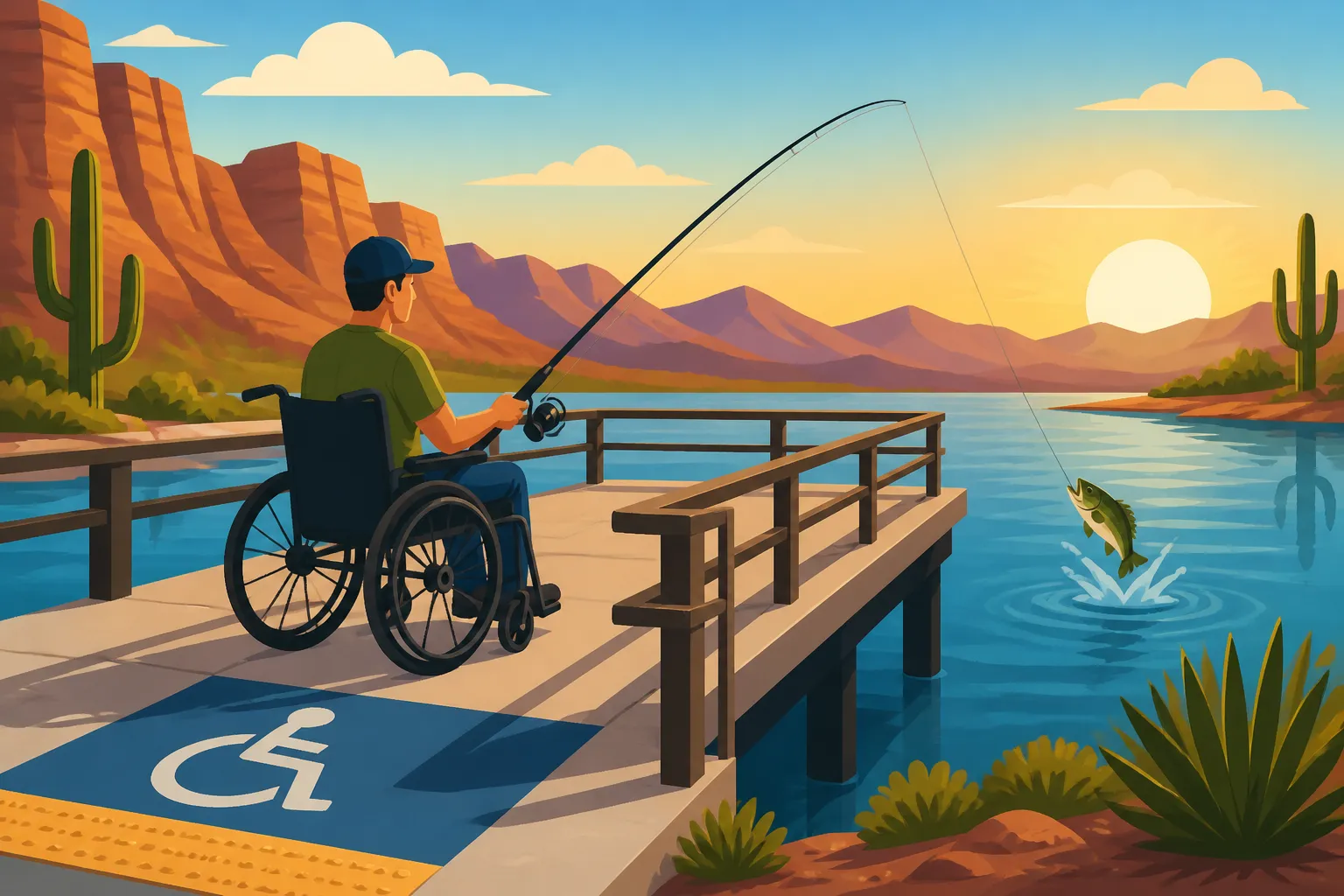
A truly ADA-accessible fishing pier is thoughtfully designed to minimize physical barriers and maximize comfort and safety for all users. It starts with the approach: accessible parking spaces should be plentiful and close to the pier, with firm, level pathways leading directly to the access point. The pier itself needs to be sufficiently wide, typically at least 60 inches, to allow for easy maneuverability of wheelchairs and other mobility devices, including enough space to turn around comfortably. The surface material is vital – it should be non-slip, even when wet, and free of any gaps or uneven transitions that could snag wheels or trip feet.
Railing height is another critical feature; it should be low enough in certain sections to allow a person seated in a wheelchair to comfortably reach the water and cast a line without obstruction. Sometimes, these sections will have a lowered railing or cut-outs specifically for this purpose. Slopes leading onto the pier should be gentle, adhering to ADA ramp guidelines, ensuring a smooth entry and exit. Beyond the pier itself, consider the surrounding amenities: are there accessible restrooms nearby? Is there adequate shaded seating on the pier or close by for those who need to rest? These seemingly small details collectively contribute to a truly inclusive and enjoyable fishing experience.
Finding Information: Look Beyond the Basics
Navigating the world of "ADA compliant" claims can sometimes feel like a wild goose chase. Many websites or signs might broadly state accessibility without delving into the specifics that truly matter for an enjoyable fishing trip. Don't just take a general statement at face value. It's incredibly important to do your homework and dig deeper to verify the current conditions.
Start by checking the official websites of Arizona State Parks or the Arizona Game and Fish Department (AZGFD). They often have detailed maps and facility descriptions that can provide more specific information. However, even these resources might not be perfectly up-to-date with recent changes or temporary closures. A phone call to the park office or local game and fish office can be invaluable. Ask specific questions: "Is the path from the accessible parking to the pier paved or graveled?" "Are the accessible restrooms currently open and maintained?" "Are there lowered railing sections on the pier for wheelchair users?"
Additionally, consider looking for local fishing forums or community groups online; fellow anglers often share real-world experiences and can offer insights into the actual conditions. For those looking for a guided experience, platforms like FishingBooker can be a fantastic resource. Many guides are intimately familiar with local waters and can tell you precisely which spots are truly accessible, or even offer specialized trips on boats equipped to handle various mobility needs. They can provide an on-the-ground assessment that general websites might miss, helping you avoid disappointment. Sometimes, a quick search for recent photos or reviews of the specific location can also offer visual clues about the current state of accessibility.
Top ADA-Accessible Fishing Piers in Arizona
Arizona might be known for its rugged desert landscapes, but it also offers a surprising number of fantastic fishing opportunities that are specifically designed to be accessible. From bustling urban lakes to serene state parks, there are several spots where anglers of all abilities can cast a line with confidence.
Accessible Spots in the Phoenix Metro Area
The Phoenix area, despite its sprawling urbanity, has made significant strides in providing accessible outdoor recreation, particularly through the Arizona Game and Fish Department's Community Fishing Program. These lakes are regularly stocked and often feature excellent ADA-compliant amenities.
One standout is Tempe Town Lake. While it's primarily a recreation hub, the lake boasts multiple accessible fishing platforms and wide, paved pathways along much of its shoreline. You'll find designated accessible parking and easy access to the water's edge. The fishing here can be quite diverse, with common catches including rainbow trout (especially in winter), largemouth bass, sunfish, and catfish. The accessibility extends to nearby public facilities, making it a very user-friendly destination. This spot is great for a quick outing or a longer family day.
Many of the other Community Fishing Program lakes scattered throughout Phoenix and surrounding cities also offer impressive accessibility. Lakes like Encanto Park Lake in Phoenix, Kiwanis Park Lake in Tempe, Chaparral Park Lake in Scottsdale, and Desert Breeze Park Lake in Chandler are prime examples. These parks are usually well-maintained, feature paved paths, accessible restrooms, and typically have concrete or composite piers that meet ADA standards. They are specifically designed for ease of use, with flat, stable surfaces leading right to the water. Anglers at these lakes can expect to catch a variety of species depending on the season, including stocked trout in the cooler months, as well as catfish, bass, and sunfish year-round. These lakes are especially welcoming for beginners and families, providing a safe and enjoyable environment. You can often find the latest stocking schedules for these locations on the AZGFD website, helping you plan your visit for optimal fishing success.
Accessible Spots in the Tucson Area
Tucson also champions accessible outdoor opportunities, offering several spots within its urban core and surrounding areas that cater to anglers with mobility challenges. Just like in Phoenix, the Community Fishing Program is a major player here, ensuring that residents have easy access to stocked waters.
Kennedy Lake in Tucson is a prime example of an accessible urban fishing destination. Located within J.F. Kennedy Park, this lake features accessible fishing piers that provide easy access to the water. The surrounding park infrastructure includes paved paths and accessible restrooms, making for a comfortable and convenient outing. Anglers frequently pull out catfish, bass, and sunfish, with trout stockings occurring during the cooler months, similar to other community lakes. It's a popular spot for local families and seniors alike, offering a peaceful escape without venturing too far from the city.
Another excellent option is Silverbell Lake, also part of the Community Fishing Program in Tucson. This lake is known for its well-maintained facilities, including accessible pathways and a dedicated fishing pier that accommodates wheelchairs and other mobility aids. The flat, even surfaces make it easy to navigate from parking areas to the best fishing spots. Silverbell Lake is a reliable spot for catching catfish and bass, and it receives regular trout stockings in the winter, providing diverse fishing opportunities throughout the year. The accessibility at these lakes means that everyone, regardless of physical ability, can enjoy the simple pleasure of fishing.
Accessible Spots in Northern Arizona and Other Regions
While the urban centers provide convenient accessible fishing, Arizona's cooler northern regions and some state parks also offer accessible options, often with the added bonus of more scenic backdrops. These spots may require a bit more planning but reward anglers with beautiful surroundings.
Woods Canyon Lake, nestled in the White Mountains near Payson, is a gem that offers some accessible features. While not every part of the lake is universally accessible due to its natural, forested setting, the Woods Canyon Lake Store and Marina area often provides accessible access points, including a paved ramp leading to a specific fishing pier. It's always best to call ahead to confirm the exact current conditions and accessibility of the pier, especially since mountain weather can impact pathways. This lake is famous for its trout fishing, with rainbow, brook, and brown trout frequently stocked, offering a different kind of fishing experience than the desert lakes. The cooler temperatures make it an ideal summer escape.
Further south, Patagonia Lake State Park is another fantastic option. This popular state park near Nogales offers several accessible features, including some accessible fishing areas and a relatively flat, paved path to a specific fishing pier. The main marina area and some of the day-use areas are typically well-maintained for accessibility. The lake is known for its diverse fishery, including largemouth bass, crappie, bluegill, channel catfish, and sometimes even trout in the cooler months. The picturesque setting, complete with rolling hills and abundant birdlife, makes it a truly enjoyable experience for everyone. Many visitors enjoy renting a boat here, and some boat rental operations might even have accessible options or be able to recommend guides through services like FishingBooker who can accommodate a variety of needs for a boat fishing adventure. Remember, for any state park, checking the official park website or calling the park office directly before your visit is highly recommended to confirm the most up-to-date accessibility information.
Here's a quick look at some of these fantastic accessible fishing spots:
| Lake Name | Location | Primary Fish Species | Accessible Features | Notes |
|---|---|---|---|---|
| Tempe Town Lake | Tempe | Rainbow Trout, Bass, Catfish, Sunfish | Paved paths, multiple accessible platforms | Urban setting, diverse amenities nearby |
| Encanto Park Lake | Phoenix | Rainbow Trout, Catfish, Bass, Sunfish | Concrete piers, paved paths, accessible restrooms | Community Fishing Program lake |
| Kiwanis Park Lake | Tempe | Rainbow Trout, Catfish, Bass, Sunfish | Concrete piers, paved paths, accessible restrooms | Great for families |
| Kennedy Lake | Tucson | Catfish, Bass, Sunfish, Rainbow Trout | Accessible piers, paved paths | Popular urban spot, easy access |
| Silverbell Lake | Tucson | Catfish, Bass, Sunfish, Rainbow Trout | Accessible piers, paved paths | Well-maintained, good for all skill levels |
| Woods Canyon Lake | Payson (White Mountains) | Rainbow Trout, Brook Trout, Brown Trout | Accessible pier near marina (call ahead) | Scenic mountain setting, cooler temps |
| Patagonia Lake State Park | Patagonia | Bass, Crappie, Catfish, Bluegill, Trout | Accessible fishing areas, paved paths to pier | Beautiful scenery, state park fees apply |
Tips for a Successful Accessible Fishing Trip
Planning is key to any successful fishing trip, but it becomes even more critical when ensuring accessibility and comfort for all participants. A little foresight can turn a potentially challenging day into a wonderfully memorable one.
Planning Ahead is Crucial
Before you even load up your gear, take the time to really nail down the details for your chosen accessible fishing spot. First and foremost, verify current conditions. Don't just rely on general information you found online months ago. Call the park office, the marina, or the local Arizona Game and Fish Department office on the day before or morning of your trip. Ask about specific access points, parking availability, and the condition of the accessible paths and restrooms. Things like recent weather, construction, or even just routine maintenance can temporarily affect accessibility, so getting the most up-to-date information can save you a wasted journey. This is especially true for Special Regulation Waters in Arizona.
Consider the time of day and year. Arizona's weather can be extreme, and what's accessible in spring might be too hot or too icy to comfortably navigate at other times. For instance, the Arizona Monsoon Season Fishing Guide outlines unique challenges. Early mornings or late afternoons during the warmer months are often best to avoid the intense midday heat, while winter is prime for trout fishing in many urban lakes. Make sure to check the specific Arizona Fishing Season Dates and Limits for your target species and location. Remember that even with the best accessibility, comfort plays a huge role in enjoyment.
Essential Gear and Comfort Considerations
Once your location and timing are set, turn your attention to your gear and personal comfort. For an accessible fishing trip, sometimes specialized gear can make a big difference. Think about rod holders that attach to wheelchairs, adaptive fishing grips, or even just a comfortable, stable chair if you'll be sitting for extended periods. When putting together your Fishing Gear Checklist for Desert Lakes, prioritize items that enhance ease of use.
Regardless of your mobility, sun protection and hydration are non-negotiable in Arizona. Bring a wide-brimmed hat, sunglasses (polarized ones are great for spotting fish!), and high-SPF sunscreen. Stay hydrated by bringing plenty of water, even more than you think you'll need. A cooler with ice and cold drinks is essential, especially from spring through fall. You might find our guide on Best Coolers for Hot-Weather Fishing in Arizona helpful.
Lastly, don't forget your fishing license! Anyone over the age of 10 needs an Arizona Fishing License Guide. Even if you're only planning to catch and release, an Arizona Fishing Regulations Explained license is required. You can typically purchase them online or from authorized dealers. Check out the How to Buy an Arizona Fishing License guide for more details. For younger anglers, understanding the Youth Fishing License Rules in Arizona is also important. Knowing these rules ensures your day on the water is not only enjoyable but also compliant with all local regulations. If you're considering a longer trip, you might also want to explore options like an Arizona Combo Hunt and Fish License Guide. For those coming from out of state, the Arizona Nonresident Fishing License Guide has all the necessary information. FishingBooker can also sometimes help arrange trips where guides can advise on specific license requirements.
Disclaimer
The information provided in this guide is for general informational purposes only and is subject to change. While we strive to provide accurate and up-to-date details, accessibility features and conditions at various locations can vary and may change without notice. Always verify current conditions and accessibility directly with park authorities or the Arizona Game and Fish Department before planning your trip. Fishing regulations, license requirements, and fish stocking schedules are also subject to change, so please consult official sources for the most current information.