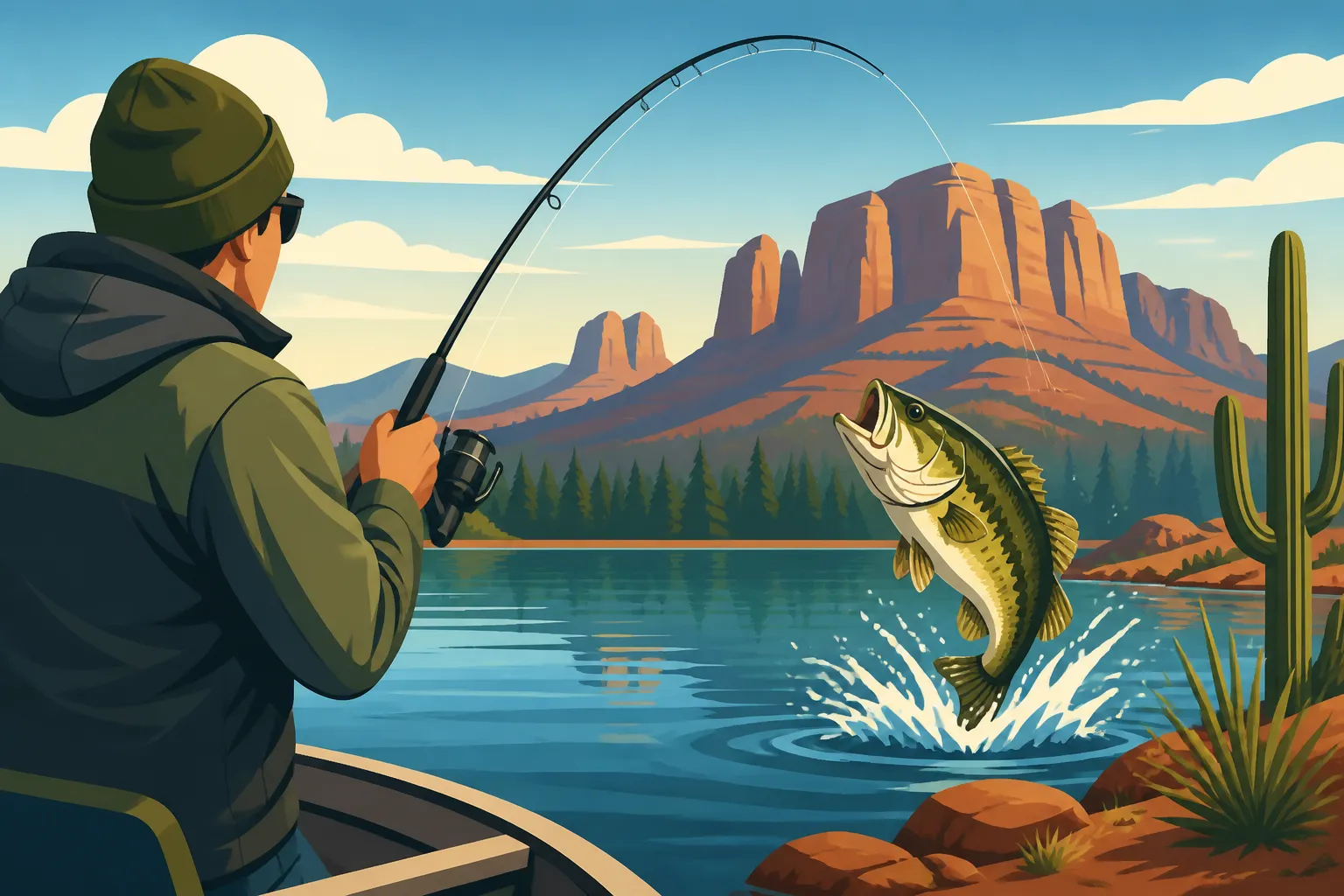
Cool-Weather Fishing at Lake Mary
Many anglers assume Arizona fishing is solely a summer pursuit, battling the scorching sun on a blazing desert lake. However, for those in the know, the cooler months around places like Flagstaff offer a completely different, and often more rewarding, experience. If you've ever felt discouraged by lethargic summer fish or crowded boat ramps, this guide will walk you through everything you need to know for a successful and enjoyable cool-weather fishing trip to Lake Mary, revealing its unique seasonal charm and helping you land some impressive catches.
Embracing Lake Mary's Cool-Weather Charm
Lake Mary, nestled amidst the Ponderosa pines near Flagstaff, transforms into a special angling destination once the mercury drops. The oppressive summer heat gives way to crisp air, often tranquil waters, and a unique rhythm of fish activity that appeals to a different kind of angler. Forget the relentless sun; here, it's all about strategic approaches and enjoying the serene beauty of a cooler Arizona landscape.
The Allure of Cooler Temperatures for Anglers
There's a distinct advantage to fishing in cooler weather, especially at a higher-elevation lake like Lake Mary. First, you escape the blistering heat that makes summer fishing a physical endurance test. The comfortable temperatures mean you can focus more on your technique and less on staying hydrated or finding shade. But more importantly, cooler water temperatures often kick certain fish species into a feeding frenzy. While warm water can make some fish sluggish, species like trout and pike often become more active, feeding aggressively to build up fat reserves before the coldest parts of winter, or simply because their metabolism slows down just enough to make them less wary but still hungry. It’s a common misconception that all fishing shuts down when it’s cold, but at Lake Mary, it merely shifts gears, offering some of the best fishing opportunities of the year for those prepared to embrace the chill.
Upper vs. Lower Lake Mary: A Tale of Two Waters
When people talk about Lake Mary, they're typically referring to two distinct bodies of water: Upper Lake Mary and Lower Lake Mary. Understanding the difference is crucial for cool-weather fishing success. Upper Lake Mary is a much larger, shallower lake that can fluctuate dramatically in size, sometimes drying up almost entirely during prolonged drought periods. While it can offer some fishing when full, its inconsistent water levels make it less reliable, especially as temperatures drop and evaporation continues.
Lower Lake Mary, on the other hand, is a much deeper, more consistent body of water. It's the primary destination for most anglers, particularly during cooler weather. Its greater depth means it retains water much better, providing stable habitat year-round for its resident fish populations. This is where you'll find healthy populations of trout, northern pike, and other species, making it the focal point of any cool-weather fishing plan. Always check current conditions for both lakes, but for consistent cool-weather action, Lower Lake Mary is your go-to spot.
Seasonal Shifts and Fish Behavior
As the seasons transition from fall into winter, the behavior of fish in Lake Mary undergoes significant changes. The turnover process, where surface water cools, becomes denser, and sinks, mixing with deeper waters, is a critical event. This oxygenates the entire water column and can initially scatter fish. However, as the water continues to cool, fish often consolidate into specific areas. For cold-water species like trout, this means they'll be more active and can be found throughout the water column, often closer to the surface during overcast days or morning hours, and deeper as the sun gets higher.
Northern Pike, being ambush predators, will also adjust their positioning. They might relate to available structure such as submerged logs, weed lines (if any remain), or rock piles, but often slightly deeper than in summer. Their metabolic rate slows, but they still need to feed, often preferring larger, slower-moving meals. Understanding these subtle shifts in fish behavior is paramount to success. It’s not just about finding the fish; it’s about presenting your bait in a way that matches their current mood and energy levels, which tend to be more deliberate in cooler conditions. For more detailed insights into fish behavior, consult a comprehensive Arizona Fishing Seasons Explained guide.
Unlocking the Winter Bite: Target Species at Lake Mary
Lake Mary is renowned for its diverse fishery, but during the cooler months, a few species really stand out, offering exciting opportunities for anglers willing to brave the chill. Northern Pike and various trout species are the main attractions, providing consistent action for those who adapt their techniques to the colder water.
Tackling Lake Mary's Trout Population
Lake Mary is regularly stocked with Rainbow Trout by the Arizona Game and Fish Department, making them a primary target, especially from fall through spring. These feisty fish thrive in cooler water and become more active feeders as temperatures drop. You'll often find them cruising the shallower flats early in the morning or late in the afternoon, or suspended over deeper water during midday. For success, think finesse. Trout have excellent eyesight, and the clearer water often found in cooler conditions demands lighter lines and more natural presentations.
Bait anglers often find success with powerbait (in various colors), corn, or small pieces of nightcrawler fished on a very light leader with minimal weight. Fly anglers can also do very well, especially near inlets or along drop-offs, using nymphs, streamers, or even small dries during midge hatches on warmer days. Trolling with small spoons or spinners can also be highly effective for covering water and locating schools of hungry trout. The key is to match the hatch, or at least present something that looks like the small baitfish or insects they are feeding on. For a more comprehensive look at these fish, check out our Rainbow Trout Fishing Guide for Arizona.
The Thrill of Northern Pike in Chilly Waters
Northern Pike are the apex predators of Lake Mary, and cool weather can be an excellent time to target these toothy giants. While their metabolism slows, they still need to feed, and they often become less selective about their meals as food sources become scarcer. Pike are ambush predators, so look for them lurking near any remaining weed beds, submerged timber, or rocky points that offer cover. They often prefer to hold in slightly deeper water in colder conditions, moving into shallower areas to feed during warmer parts of the day.
Big, slow-moving baits are often the ticket. Large spoons, crankbaits, or swimbaits in natural baitfish patterns are excellent choices. Many anglers also have great success with dead bait, such as large shad or suckers, fished on a quick-strike rig under a float or on the bottom. Remember, pike have incredibly sharp teeth, so a steel leader or heavy fluorocarbon leader is absolutely essential to prevent bite-offs. Be prepared for an aggressive fight when you hook one of these powerful fish, and always handle them with extreme care to ensure both your safety and the fish's well-being.
Pursuing Panfish and Other Species
While trout and pike often steal the spotlight, Lake Mary also offers opportunities for other species in cooler weather. Yellow Perch and various sunfish (like Bluegill) can still be caught, though they tend to be less active and hold in deeper schools. Targeting them requires patience and often small jigs tipped with a piece of worm or grub, fished very slowly near the bottom. These can be excellent for introducing beginners to fishing or for a fun, consistent bite between larger fish.
Channel Catfish, though typically more active in warmer water, can still be caught in cooler conditions, especially in the deeper areas of the lake. They'll often respond to cut bait or stink bait fished on the bottom. Walleye are also present in Lake Mary, though they can be elusive. They often prefer cooler water and can be targeted with jigging spoons or blade baits fished near structure or along drop-offs. The cool months can sometimes make these species more predictable as they congregate in deeper, stable temperature zones.
Here's a quick overview of target species and their cool-weather preferences at Lake Mary:
| Species | Preferred Cool-Weather Location | Recommended Cool-Weather Baits/Lures | Key Cool-Weather Behavior |
|---|---|---|---|
| Rainbow Trout | Shallower flats (early/late), suspended over deeper water | Powerbait, small spoons, spinners, nymphs | More active, feeding frequently, clearer water demands finesse |
| Northern Pike | Near submerged structure (timber, rocks), weed lines | Large spoons, swimbaits, dead bait | Ambush predators, prefer slower, larger meals |
| Yellow Perch | Deeper schools, near bottom | Small jigs, pieces of worm | Less active, congregate in deeper water |
| Channel Catfish | Deepest parts of the lake, near structure | Cut bait, stink bait | Slower feeding, prefer scent-based baits |
| Walleye | Along drop-offs, rocky structures | Jigging spoons, blade baits | Elusive, often deeper, respond to vertical presentations |
Mastering Cool-Weather Techniques and Essential Gear
Cool-weather fishing at Lake Mary isn't just about finding the right fish; it's about employing the right strategies and having the proper gear to stay comfortable and effective. From sensitive rods to appropriate layering, every detail counts when the temperatures drop.
The Right Tackle for Cold-Water Success
When the water is cold, fish tend to be less aggressive, meaning they might not strike a lure with the same force as in warmer months. This is where sensitive tackle becomes your best friend. For trout, a light to ultralight spinning rod (6 to 7 feet) paired with a small reel (1000-2500 size) spooled with 4-6 lb fluorocarbon or monofilament line is ideal. The lighter line offers better presentation and helps detect subtle bites. Fluorocarbon is particularly good in clear, cold water because of its low visibility and excellent sensitivity.
For Northern Pike, you'll need something more robust. A medium-heavy to heavy casting or spinning rod (7-8 feet) with a sturdy reel (3000-5000 size spinning or a baitcaster with strong drag) is appropriate. Spool up with 20-30 lb braided line, which offers incredible sensitivity and no stretch, making hooksets easier on powerful fish. Always remember that essential steel or heavy fluorocarbon leader for pike to prevent bite-offs. A long-handled net is also crucial for landing pike safely and efficiently. If you're looking to upgrade your setup, explore options for Best Fishing Rods for Bass in Arizona (many of which are versatile enough for pike) or dedicated gear for specific species.
Strategic Baits and Lures for Lethargic Fish
The cold significantly slows down a fish's metabolism, making them less likely to chase fast-moving baits. Therefore, your presentation needs to be slower and more deliberate. For trout, try suspending baits like Powerbait or a marshmallow/worm combo under a bobber. This keeps your offering in the strike zone longer. Slowly retrieved inline spinners (like Panther Martins or Mepps) or small spoons (Kastmasters, Super Dupers) can also entice strikes, mimicking injured baitfish.
For pike, the "slow and low" approach is often key. Large swimbaits or crankbaits retrieved at a snail's pace, or even paused frequently, can trigger a reaction strike. Jigging spoons (like a Northland Buck-Shot Rattle Spoon or a Johnson Silver Minnow) dropped to the bottom and slowly worked up and down are also highly effective, especially when tipped with a piece of cut bait. Dead bait fishing, as mentioned, is another prime strategy, offering a strong scent and a large, easy meal. Experiment with different colors, but natural tones (silver, white, perch patterns) often work best in clear, cool water. For more ideas on effective presentations, take a look at our guide on Ice-Free Winter Fishing Techniques.
Staying Warm and Safe on the Water
Cool-weather fishing isn't just about fish; it's about comfort and safety. Arizona's high country can get genuinely cold, especially around Flagstaff. Layering is non-negotiable. Start with a moisture-wicking base layer, add insulating layers (fleece, down), and finish with a waterproof and windproof outer shell. A warm hat, insulated gloves, and waterproof boots are absolute must-haves. Hand warmers can be a game-changer on particularly chilly days.
Beyond personal comfort, consider safety. Cold water exposure is a serious risk. If you're fishing from a boat or kayak, always wear a life jacket, even if you're a strong swimmer. The shock of cold water can quickly incapacitate you. Inform someone of your fishing plans and expected return time. Pack a thermos of hot coffee or tea, high-energy snacks, and a first-aid kit. Having a charged phone and a portable charger is also a smart move. Remember, even a bright, sunny winter day can turn cold quickly when the sun dips or the wind picks up. For a complete list of essentials, refer to a robust Fishing Gear Checklist for Desert Lakes.
Planning Your Lake Mary Cool-Weather Expedition
A successful cool-weather fishing trip to Lake Mary involves more than just tackle and bait; it requires thoughtful planning, understanding access points, and sometimes, leveraging local expertise. Being prepared will enhance your experience and increase your chances of a memorable day on the water.
Navigating Access Points and Shoreline Opportunities
Lower Lake Mary offers several access points, catering to both boaters and shore anglers. The most popular spots include the Lake Mary Boat Launch on the north side, which provides concrete ramps suitable for various boat types. There are also numerous pull-offs and designated picnic areas along the eastern shore that offer excellent opportunities for bank fishing. These areas often have relatively deep water close to shore, making them productive spots for casting. Always pay attention to signage, as some areas may have specific restrictions or be closed seasonally.
For those preferring to stay on land, walking the shoreline can reveal hidden coves or points that attract fish. Look for areas with submerged rocks or changes in bottom contour, as these often hold fish seeking shelter or ambush points. During cool weather, these spots might be less crowded than in peak summer, offering a more peaceful angling experience. Always be mindful of your footing, as cold, damp ground can be slippery, and water levels can sometimes make access challenging in certain areas.
Booking a Guided Trip for Local Expertise
While this guide provides a solid foundation, nothing beats the insights of a local expert, especially if you're new to cool-weather fishing or Lake Mary itself. A professional fishing guide can dramatically shorten your learning curve, put you on fish faster, and teach you specialized techniques that work best for the current conditions. They'll have intimate knowledge of the lake's hot spots, current fish patterns, and the best baits and lures for that particular day.
Booking a guided trip can be particularly valuable for targeting elusive species like Northern Pike or Walleye, where precise boat positioning and presentation are key. Platforms like FishingBooker connect you with experienced local guides who know Lake Mary inside and out. They often provide all the necessary gear, ensuring you have the right rods, reels, and baits for success, and more importantly, they prioritize safety and comfort in cold conditions. Consider reaching out to guides available on FishingBooker for an unforgettable, productive day on Lake Mary.
Essential Regulations and Permits
Before heading out, it's absolutely crucial to familiarize yourself with Arizona's fishing regulations. A valid Arizona fishing license is required for anyone 10 years of age or older. You can easily purchase these online through the Arizona Game and Fish Department website, at authorized dealers, or at any of the department's regional offices. Beyond the general license, be aware of any specific regulations for Lake Mary itself. This includes bag and possession limits for each species, as these can change seasonally or for specific lakes. For instance, there might be size limits for Northern Pike or specific tackle restrictions.
Always check the current Arizona Game and Fish Department fishing regulations booklet or their website for the most up-to-date information. Ignorance of the law is not an excuse, and violations can result in hefty fines. Understanding these rules ensures you're fishing legally and contributing to the conservation efforts that keep Lake Mary a fantastic fishery for everyone. For comprehensive details on what's required, consult an official Arizona Fishing License Guide.
Disclaimer
Please be aware that fishing conditions, regulations, and fish stocking schedules can change. Always consult the official Arizona Game and Fish Department website or local authorities for the most current information before planning your fishing trip. This guide is for informational purposes only and does not substitute for official regulations or professional advice.