Trout Stocking Schedule for the Lower Salt River
There's nothing quite as frustrating as heading out to your favorite fishing spot, full of anticipation, only to find the bite is completely off, or worse, the fish simply aren't there. For many Arizona anglers, especially those who love chasing rainbow trout in the Lower Salt River, knowing when and where the fish are stocked is the golden ticket to a successful outing. This guide is dedicated to shedding light on the official trout stocking schedule for the Lower Salt River, helping you plan your next angling adventure with confidence and hook into some vibrant trout.
Understanding Arizona's Trout Stocking Program
Arizona is a desert state, which means natural, self-sustaining trout populations are a rare gem, mostly found in high-elevation mountain streams. For urban and lower-elevation waters like the Salt River, maintaining a healthy trout fishery relies almost entirely on the dedicated efforts of the Arizona Game and Fish Department (AZGFD) and their robust stocking program. It's a fantastic initiative that brings cold-water fishing opportunities closer to home for countless anglers.
Why Trout Stocking is Crucial for the Lower Salt River
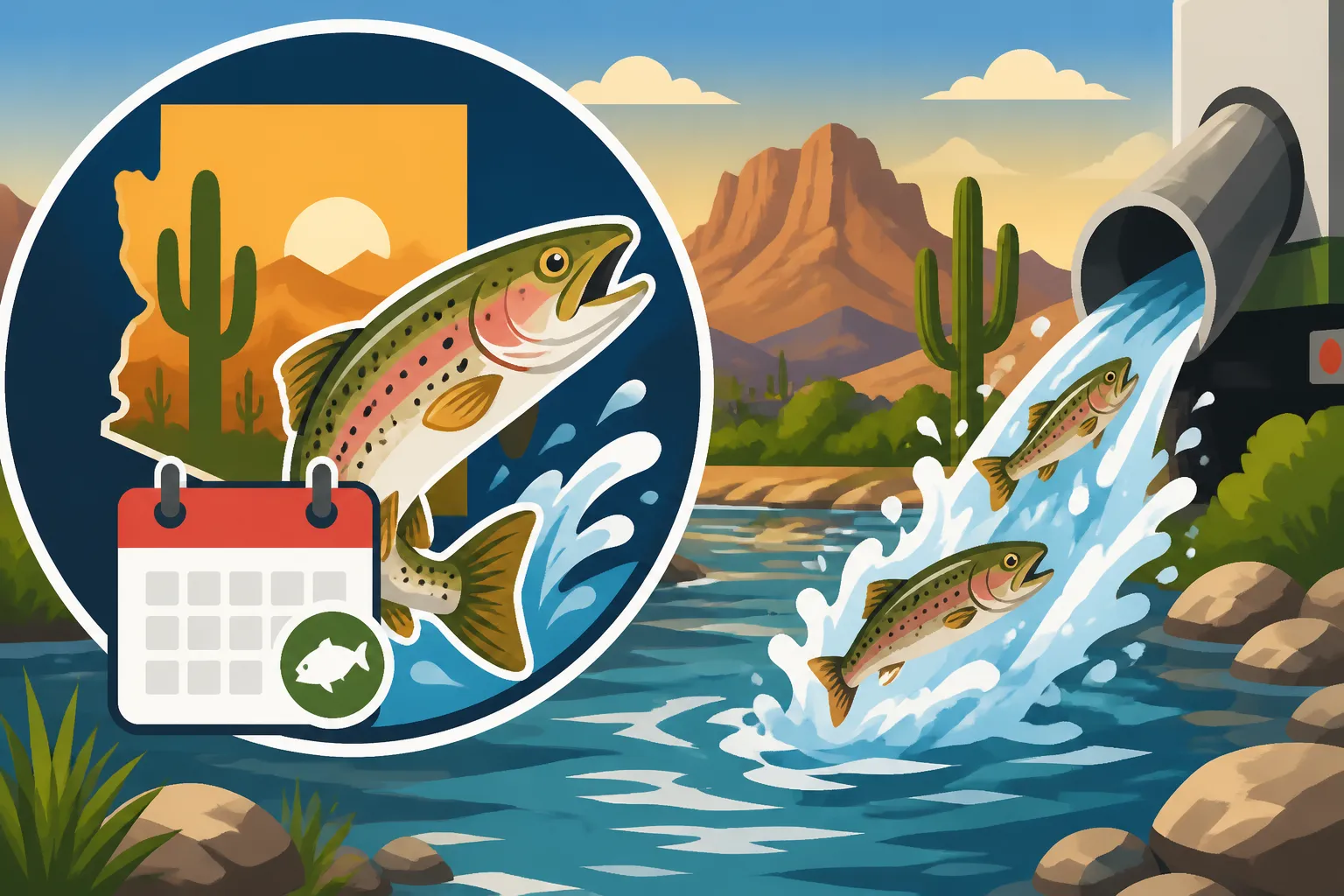
The Lower Salt River, particularly the stretch between Saguaro Lake and Granite Reef Dam, presents a unique and often challenging environment for trout. While the river boasts a thriving warm-water fishery for bass, catfish, and sunfish, the summer temperatures are simply too high for rainbow trout to survive long-term. This is where the stocking program becomes a lifesaver for trout enthusiasts. AZGFD regularly releases "catchable size" rainbow trout into these waters during the cooler months, transforming them into a vibrant put-and-take fishery. It's not about creating a breeding population, but rather about providing a consistent, accessible opportunity for anglers to enjoy a day of trout fishing without having to drive hours up to the mountains. Without this crucial intervention, the Lower Salt River wouldn't be able to offer the exciting trout fishing experiences that so many Arizonans look forward to each year.
How the AZGFD Determines Stocking Dates and Locations
You might wonder how the AZGFD decides when and where to drop those eager trout. It's not a random process; a lot of thought and logistical planning goes into it. The primary factor, especially for lower-elevation waters like the Lower Salt River, is water temperature. Trout need cold water to thrive, ideally below 70 degrees Fahrenheit, and preferably closer to 60 degrees. This naturally limits trout stocking to the cooler fall, winter, and spring months in the Phoenix metropolitan area. As temperatures begin to rise in late spring, stocking efforts shift to higher elevation lakes and streams where the water remains cold enough. Other considerations include angler pressure (stocking more heavily in popular areas), accessibility for stocking trucks, and maintaining a balanced budget. They also aim to distribute the fish across various access points to spread out the anglers and provide opportunities for different types of fishing, whether you prefer bank fishing or wading. Understanding these factors can give you a better idea of what to expect throughout the year.
The Official Lower Salt River Trout Stocking Schedule
Alright, let's get down to brass tacks – when can you expect to find those feisty trout in the Lower Salt River? The AZGFD manages an impressive stocking program across the state, and the Lower Salt River is a significant component of their Community Fishing Program and winter trout efforts.
Typical Stocking Seasons and Frequency
For the Lower Salt River, trout stocking is primarily a cool-weather affair. You'll typically see consistent stockings begin in November and continue through March or early April, depending on the ambient temperatures and water conditions. The frequency can vary slightly year to year, but generally, the AZGFD aims for weekly or bi-weekly stockings during this peak season. This ensures a fresh supply of fish for anglers. As the weather warms up in late spring, usually by mid-April, trout stocking in the Lower Salt River will cease for the season, only to resume once temperatures drop again in the fall. This seasonal approach is vital for the survival of the stocked fish and the quality of the fishing experience. Keep in mind that unexpected events like heavy rainfall or equipment issues can occasionally lead to minor adjustments in the schedule, so it's always best to check the latest reports. To understand the broader picture of when to find trout in various parts of the state, you might find our guide on Trout Stocking Season in Arizona particularly helpful.
Key Stocking Locations Along the Lower Salt River
The Lower Salt River offers numerous accessible points for anglers, and the AZGFD typically rotates or utilizes several of these spots for trout releases. The most popular and consistently stocked areas include:
- Phon D Sutton Recreation Area: This is a very popular spot, easily accessible and often one of the first places stocked.
- Blue Point Recreation Area: Another well-known and frequented location, offering good bank access.
- Water Users Recreation Site: Provides ample space and various fishing opportunities.
- Goldfield Recreation Site: Also a common stocking point, known for its scenic views.
These recreation sites are part of the larger Tonto National Forest and require a Tonto Pass for parking and access, so make sure you have one before heading out. Sometimes, specific stretches between these sites also receive fish, but focusing on these main access points is your best bet for encountering newly stocked trout. For a more general overview of fishing spots in the area, check out our article on Best Fishing Spots Near Phoenix, Arizona.
Here's a quick look at the typical stocking schedule and locations for the Lower Salt River:
| Season | Months | Target Species | Typical Frequency | Primary Stocking Locations | Notes |
|---|---|---|---|---|---|
| Cool Season | November – Mid-April | Rainbow Trout | Weekly/Bi-weekly | Phon D Sutton, Blue Point, Water Users, Goldfield | Dependent on water temperature; ceases as summer approaches. |
| Warm Season | Mid-April – October | Bass, Catfish, Sunfish | N/A (Natural populations) | Entire Lower Salt River | Trout are not stocked during these months due to warm water. |
This table provides a general guideline, but remember that specific dates and exact locations are subject to change based on conditions.
How to Access and Interpret Stocking Reports
Knowing the general season is one thing, but pinpointing the exact day and location of a stocking can significantly increase your chances of success. Thankfully, the AZGFD makes this information readily available if you know where to look.
Where to Find the Most Current Information
The absolute best and most official source for up-to-the-minute stocking information is the Arizona Game and Fish Department's website. They have a dedicated "Fish Stocking Schedule" page that is updated regularly, often weekly. You can usually filter by region or water body to find the Lower Salt River specifically. I highly recommend bookmarking this page!
Beyond the official website, there are a few other excellent resources:
- AZGFD Social Media Channels: Follow AZGFD on platforms like Facebook or X (formerly Twitter). They frequently post updates, including stocking reports and even photos or videos of stocking events, often announcing them the day they happen or shortly after.
- Local Fishing Forums and Groups: Many local Arizona fishing communities online share and discuss stocking reports. These can be great for anecdotal evidence and real-time observations from fellow anglers.
- FishingBooker: While primarily a platform for booking fishing charters, some guides listed on FishingBooker who operate in the area are often very knowledgeable about local stocking patterns. If you're looking for a guided experience on the Lower Salt River, connecting with a local expert through a service like FishingBooker could give you insider tips, not just on techniques but also on recent stocking activity.
- Local Tackle Shops: Don't underestimate the power of your local bait and tackle shop! These businesses often get calls directly from AZGFD or from anglers who have just seen a stocking truck. They are a fantastic resource for hyper-local, real-time intel.
Reading Between the Lines of Stocking Reports
Simply seeing "Lower Salt River" on the stocking report is a good start, but there's an art to interpreting the information for maximum benefit.
Firstly, "stocked weekly" doesn't mean every specific access point gets fish every week. The AZGFD often rotates locations. If you see a specific area, like "Blue Point," listed one week, it's a strong indicator to target that spot. If it's a general "Lower Salt River" entry, then the popular access points (Phon D Sutton, Blue Point, Water Users, Goldfield) are usually your best bet.
Secondly, pay attention to the dates. Freshly stocked trout are often the most aggressive and easiest to catch, as they are adjusting to a new environment and looking for food. Fishing within a day or two of a reported stocking can be incredibly productive. As the week progresses, the fish might spread out, become warier, or get caught out, making them harder to find.
Finally, consider the quantity. While the reports might not always specify the exact number of fish, a "heavy" stocking versus a "light" one can hint at the expected density of fish. Combining this with your knowledge of typical Rainbow Trout Fishing Guide for Arizona can make you a much more effective angler.
Maximizing Your Trout Fishing Success on the Lower Salt River
Once you know when and where the trout are, the next step is to know how to catch them. Stocked trout can behave a bit differently than wild trout, and understanding these nuances will significantly improve your chances.
Best Times to Fish After a Stocking
The period immediately following a stocking event is often dubbed "prime time" for a reason. These fish have just been transported and released, and while initially disoriented, they quickly become active and hungry.
- Immediately After Release: If you're lucky enough to be at a stocking location when the truck arrives, the fishing can be almost instantaneous. The trout are eager to feed.
- First 24-48 Hours: This is arguably the best window. The fish are still grouped up and haven't fully acclimated to their new surroundings. They're less wary and more likely to strike at a variety of baits and lures. Weekday stockings, for instance, can lead to incredible fishing on the following weekend.
- Early Morning and Late Afternoon: Even a few days after stocking, these cooler periods of the day are often the most productive, especially if the air temperatures are mild. Trout are cold-blooded and tend to be more active when the water is coolest.
While it's exciting to hit the water right after a stocking, remember that everyone else has the same idea. Weekdays often see lighter crowds than weekends, giving you a bit more space to fish effectively.
Effective Baits and Techniques for Stocked Trout
Stocked rainbow trout aren't usually picky eaters, which is great news for beginners and seasoned anglers alike. Here are some tried-and-true options:
- PowerBait: This is a classic for stocked trout. The floating formula keeps your bait off the bottom, making it easily visible. Popular colors include chartreuse, rainbow, and white. Mold it around a small treble hook, ensuring it floats.
- Corn and Worms: A simple kernel of corn or a small piece of a nightcrawler on a small hook can be incredibly effective. These are natural food sources or mimic them closely enough to entice a bite.
- Small Spinners: Lures like Rooster Tails, Mepps, or Panther Martins in sizes #0 to #2 are excellent. The flash and vibration mimic small baitfish or insects, triggering strikes from aggressive trout. Gold, silver, and fire tiger patterns are often good choices.
- Small Spoons: Kastmaster or Thomas Buoyant spoons, especially in chrome or gold, can be deadly. Cast them out and retrieve steadily, varying your speed to find what the fish prefer.
- Flies: If you're into fly fishing, small nymphs (like Prince Nymphs or Hare's Ear), midge patterns, or even small streamers can work well, especially in the days following a stocking as the fish become a bit more naturalized. Our guide on Best Trout Fishing Techniques for Arizona Waters delves deeper into these methods.
For techniques, a simple bottom rig with a small weight to get your PowerBait or worm down, and a small leader (12-18 inches) with a hook, is very effective. Alternatively, a slip bobber rig allows you to suspend your bait at a specific depth, which is great if the trout are holding higher in the water column.
Essential Gear for Lower Salt River Trout
You don't need a boatload of expensive gear to catch trout on the Lower Salt River, but having the right setup makes a big difference.
- Light Spinning Rod and Reel: A 5-foot to 6.5-foot light to ultralight action spinning rod paired with a small spinning reel (size 1000-2000) is perfect. This setup allows for accurate casting of light lures and provides excellent sensitivity for detecting subtle bites.
- Fishing Line: Spool your reel with 4-6 lb test monofilament or fluorocarbon line. Fluorocarbon is less visible in clear water, which can be an advantage.
- Hooks: Small treble hooks (size 14-18) for PowerBait, or small single hooks (size 8-12) for corn and worms.
- Sinkers: A small assortment of split shot or slip sinkers (1/8 oz to 1/4 oz) for bottom rigs.
- Bobbers: A few slip bobbers for suspending bait.
- Net: A small landing net, ideally rubberized, helps to land fish safely and protects their slime coat if you plan on releasing them.
- Pliers/Forceps: Essential for removing hooks, especially if the fish has swallowed the bait.
- Waders/Water Shoes: If you plan on wading, which can be very effective for reaching different sections of the river, waders or sturdy water shoes are a must. The Salt River has a rocky bottom, so good foot protection is important.
- Sun Protection: Arizona's sun is no joke, even in winter. Don't forget sunscreen, a wide-brimmed hat, and polarized sunglasses.
- Cooler: If you plan to keep your catch, a small cooler with ice will keep your trout fresh.
- Tonto Pass: Remember, access to the Lower Salt River recreation areas requires a Tonto National Forest Pass. You can purchase these at local convenience stores, sporting goods stores like Bass Pro Shops or Cabela's, or online.
A well-organized Essential Tackle Box Setup for Arizona Beginners is invaluable, ensuring you have everything you need right at your fingertips.
Important Regulations and Considerations for the Lower Salt River
Fishing in Arizona, even for stocked trout, comes with rules and responsibilities. Being informed ensures a legal and enjoyable experience for everyone.
Fishing License and Urban Fishing Program Requirements
This is non-negotiable: anyone 10 years of age or older needs a valid Arizona fishing license to fish the Lower Salt River. The good news is that the standard Arizona fishing license covers the Lower Salt River. You do not need a separate Urban Fishing Program license for this specific water, although the trout are stocked as part of AZGFD's broader cold-water urban stocking efforts. If you're a resident, the Arizona Resident Fishing License Cost is quite affordable, and non-residents can also purchase various options, including a Arizona One-Day Fishing License Cost if you're just visiting. For a comprehensive guide on permits, check out our Arizona Fishing License Guide. Remember, licenses are valid for 365 days from the date of purchase, not just the calendar year, and you can easily learn How to Buy an Arizona Fishing License.
Catch Limits and Special Regulations
When it comes to trout on the Lower Salt River, the statewide general regulations for rainbow trout usually apply. This typically means a daily bag limit of six (6) trout per angler. The possession limit, which is the maximum number of fish you can have in your possession at any given time (including at home), is usually twice the daily bag limit.
It's crucial to always check the latest AZGFD fishing regulations booklet, either online or in print, before you head out. Regulations can change, and specific waters sometimes have unique rules that supersede general statewide limits. While the Lower Salt River generally follows standard trout regulations, staying informed about Arizona Fishing Regulations Explained is always your best defense against accidental violations.
Respecting the Environment and Fellow Anglers
The Lower Salt River is a beautiful and heavily utilized resource, not just by anglers but by kayakers, tubers, swimmers, and picnickers. Practicing "Leave No Trace" principles is paramount.
- Pack it in, Pack it out: Take all your trash with you, including discarded fishing line, bait containers, and food wrappers.
- Be Mindful of Wildlife: The river is home to various birds, mammals, and other aquatic life. Observe from a distance and avoid disturbing nesting areas or habitats.
- Respect Other Users: Share the river. If tubers are floating by, be courteous. If another angler is in a spot, give them space.
- Proper Fish Handling: If you're practicing catch and release, handle fish gently with wet hands, minimize their time out of water, and use appropriate tools like needle-nose pliers for hook removal. If keeping fish, dispatch them quickly and humanely.
By following these simple guidelines, we can all contribute to keeping the Lower Salt River a fantastic and enjoyable fishing destination for generations to come.
Disclaimer
Please note that fishing regulations and stocking schedules are subject to change by the Arizona Game and Fish Department without prior notice due to various factors including water conditions, budget, and environmental considerations. Always consult the official AZGFD website or their latest fishing regulations booklet before planning your trip to ensure you have the most current and accurate information.