Best Fishing Spots Near Tucson, Arizona
For many of us, the call of the water is a powerful thing, a chance to escape the daily grind and connect with nature. But if you live in or around Tucson, you know the struggle: finding truly great fishing spots that deliver on the promise of a peaceful day and some exciting bites can feel like searching for a needle in a desert haystack. Forget the vague maps and outdated forums; this guide is your in-depth companion to uncovering the best fishing spots near Tucson, offering realistic insights and practical advice to make your next angling adventure a success.
The Unique World of Tucson Fishing: A Desert Angler's Challenge
Fishing near Tucson isn't your typical lakeside experience. This is the Sonoran Desert, after all, and that means unique challenges and equally unique rewards. We're talking about scorching summers, stunning desert landscapes, and often, smaller, more intensely managed bodies of water compared to other regions. But don't let the heat or the cacti deter you! Tucson offers a surprisingly diverse array of fishing opportunities, from urban ponds teeming with stocked trout and catfish to remote mountain lakes hiding feisty bass. The key is knowing where to go and what to expect, and that's exactly what we're going to dive into. It's not just about casting a line; it's about appreciating the resilience of life in a desert environment and the joy of finding those hidden oases.
Understanding the Desert's Influence on Fishing
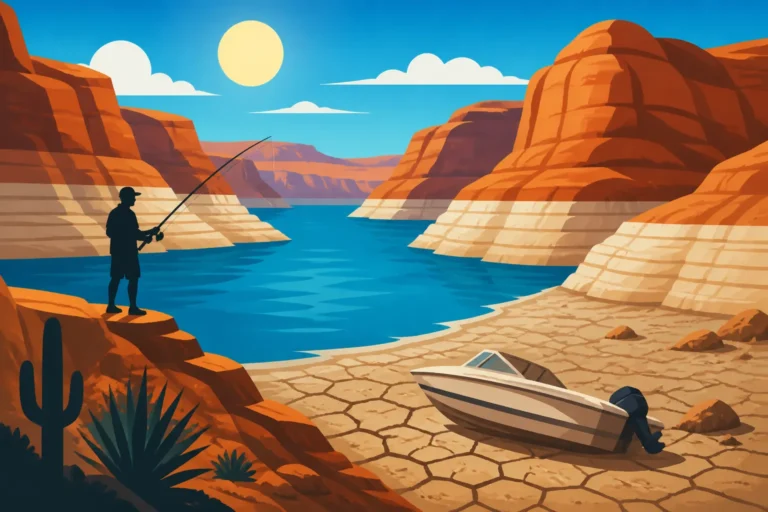
The desert climate profoundly impacts fish behavior and stocking schedules. High temperatures mean warm-water species like bass and catfish thrive in many lakes, while trout are typically stocked only in cooler months or at higher elevations. Water levels can fluctuate significantly due to drought or monsoon rains, which directly affects fish habitat and accessibility.
During the intense summer heat, fish tend to move to deeper, cooler waters, often becoming more active in the pre-dawn hours or after sunset. This requires anglers to adjust their techniques, perhaps focusing on deep-diving crankbaits or even embracing the unique experience of night fishing for catfish. Understanding these seasonal patterns is crucial for success and safety. The best approach often involves embracing the local conditions rather than fighting them, learning to fish with the desert, not against it.
What to Expect from Tucson's Fisheries
Arizona's Game and Fish Department does an incredible job managing these desert fisheries, often stocking community lakes heavily to provide accessible opportunities for everyone. You can expect a mix of warm-water species like largemouth bass, channel catfish, sunfish, and crappie in most lower elevation lakes. When the weather cools, many urban ponds receive regular stockings of rainbow trout, offering a fantastic opportunity for families and beginners to catch fish.
While you might not find the vast, sprawling lakes of other states, what Tucson lacks in size, it makes up for in variety and accessibility. From the convenience of a quick evening trip to a local pond to a weekend camping excursion to a larger reservoir, there's something for every type of angler. Just remember that success often comes down to timing your visit with optimal stocking schedules and understanding the specific habits of the fish in these unique desert environments.
Urban Fishing Wonders: Tucson's Community Lakes
For many Tucson residents, the easiest and most frequent fishing fix comes from the city's network of community fishing lakes. These aren't just puddles; they're well-maintained, regularly stocked oases managed by the Arizona Game and Fish Department's Community Fishing Program. They’re perfect for a quick trip after work, a family outing, or teaching a beginner the ropes, and they offer a surprisingly robust fishing experience. You can find detailed information on these specific spots, including stocking schedules and species lists, by checking out the Community Park Lakes in Tucson guide.
Kennedy Lake
Located within the sprawling Gene C. Reid Park, Kennedy Lake is arguably one of Tucson’s most popular community fishing spots, and for good reason. It’s easily accessible, has plenty of parking, and the surrounding park offers a host of other amenities like playgrounds and picnic areas, making it a true family destination. The lake itself is stocked regularly with a variety of species depending on the season, keeping things exciting for anglers.
During the cooler months, from late fall through spring, Kennedy Lake becomes a rainbow trout haven, with frequent stockings ensuring a good chance of a bite. You'll see families lined up along the banks, kids with their bobbers, and the occasional serious angler working jigs or PowerBait. As the weather warms up, it transitions into a prime spot for channel catfish and sunfish, and there's always a resident population of largemouth bass for those who prefer to target predatory species. The lake's structure, including some submerged brush and varying depths, provides diverse habitats for these fish.
Lakeside Park Lake
Nestled within the tranquil Lakeside Park on Tucson’s east side, Lakeside Park Lake offers another fantastic urban fishing opportunity. This lake often feels a bit more spread out than Kennedy, providing a slightly more serene angling experience while still being incredibly convenient. It’s a favorite among locals who appreciate its calm atmosphere and the consistent fishing action it provides.
Like other community lakes, Lakeside Park Lake follows the seasonal stocking program. Expect plentiful rainbow trout throughout the cooler half of the year, providing ample opportunity for light tackle fun. Once temperatures rise, channel catfish become the primary target, often reaching respectable sizes, along with an abundance of various sunfish species. Largemouth bass are also present, often found around the more vegetated edges or deeper sections of the lake. The park also features walking paths and open grassy areas, making it a pleasant spot to spend a few hours whether you're actively fishing or just enjoying the outdoors.
Silverbell Lake
Further west, in Silverbell Park, you’ll find Silverbell Lake, another gem in Tucson’s urban fishing crown. This lake has undergone improvements over the years to enhance its fishing appeal and accessibility. It's a great choice for those on the west side of town looking for a quick and rewarding angling trip without having to drive far. The layout of the lake often provides more distinct coves and points, which can be great for targeting different species.
Silverbell Lake also participates in the Community Fishing Program, offering regular stockings of rainbow trout in winter and spring, followed by channel catfish and sunfish through the warmer months. Anglers targeting bass will find them lurking around any structure, submerged trees, or rock piles that have been added to enhance fish habitat. It’s also a fantastic place to introduce children to fishing, as the abundant panfish provide consistent action. Remember, a valid Arizona Fishing License Guide is required for anyone 10 years or older when fishing these community lakes, so make sure you're properly licensed before you cast your line.
Desert Reservoir Giants: Lakes Near Tucson
While Tucson's urban ponds are fantastic for convenience, sometimes you just need to get out of the city and onto bigger water. Within a reasonable drive, several desert reservoirs offer a completely different kind of fishing adventure. These lakes are typically larger, more rugged, and often hold trophy-sized fish, from hard-fighting bass to powerful striped bass and monstrous catfish. They require a bit more planning and travel, but the rewards can be immense.
Patagonia Lake State Park
About an hour south of Tucson, you'll discover Patagonia Lake State Park, a true oasis in the desert and one of Arizona's most popular recreation areas. This is a lake that genuinely offers something for everyone, from camping and boating to exceptional fishing. It's a destination that often requires a full day or even a weekend trip, but the diverse fishing opportunities make it well worth the drive. You might even consider booking a local guide through a service like FishingBooker if you're looking for an edge on this expansive lake, especially if it's your first time.
Patagonia Lake is famous for its excellent largemouth bass fishing, with many anglers reporting catches of hefty bucketmouths, particularly in the spring and fall. The lake also boasts a healthy population of crappie, which can provide fast action when they're schooling. Channel catfish are abundant and grow to considerable sizes, often targeted effectively with stink baits or cut bait during the warmer months. Uniquely, Patagonia Lake is also one of the few places in Arizona where you can consistently target striped bass, offering a different kind of fight. Trolling with spoons or swimbaits is a popular method for stripers. For more specific tactics and details on this fantastic spot, you can explore the Patagonia Lake Arizona Fishing Guide.
Parker Canyon Lake
Heading southeast from Tucson, deep into the Coronado National Forest, you’ll find Parker Canyon Lake. This lake feels much more remote and "mountain-like" than Patagonia, even though it's still very much a desert lake. Surrounded by rolling hills and pine trees, it offers a cooler, more tranquil escape, especially appealing during Arizona's hot summers. The drive itself is scenic, winding through rugged terrain.
Parker Canyon Lake is primarily known for its excellent trout fishing, particularly rainbow trout, which are stocked regularly throughout the year thanks to the lake's higher elevation and cooler waters. This makes it a prime spot for fly fishing enthusiasts and bait anglers alike, especially when lower elevation lakes are too warm for trout. Beyond trout, the lake also supports populations of largemouth bass, channel catfish, and various sunfish. The bass tend to be structure-oriented, hiding amongst the underwater brush and rocky points. Shore access is good, but a small boat, kayak, or float tube can greatly expand your fishing grounds. It's a truly picturesque setting for a peaceful day on the water.
Arivaca Lake
Southwest of Tucson, near the small community of Arivaca, lies Arivaca Lake. This is a smaller, more intimate desert lake compared to Patagonia or Roosevelt, often offering a more secluded fishing experience. It's a bit off the beaten path, which can be part of its charm for anglers looking to escape the crowds. The surrounding landscape is classic Sonoran Desert, creating a rugged and beautiful backdrop for your fishing trip.
Arivaca Lake is primarily a warm-water fishery, making it a fantastic destination for largemouth bass, channel catfish, and crappie. The lake's numerous coves, submerged brush, and standing timber provide excellent habitat for bass, which can grow to impressive sizes here. Crappie fishing can be phenomenal in the spring, especially around any brush piles or submerged structure. Catfish are present throughout the year and are often caught on prepared baits or cut bait. Due to its size and relatively calmer waters, Arivaca is also a popular spot for kayak and canoe anglers who can easily access different parts of the lake. It's a place where patience and exploring different spots can really pay off.
Mountain Escapes: Higher Elevation Opportunities
When the desert floor sizzles, Tucson anglers know that relief and different fishing opportunities can often be found by heading for higher ground. The mountains surrounding Tucson and within a couple of hours' drive offer cooler temperatures and often, a chance to chase cold-water species like trout that thrive in these elevated environments. These spots provide a welcome change of scenery and a refreshing angling experience.
Rose Canyon Lake
Nestled high up on Mount Lemmon, just an hour's drive from downtown Tucson, Rose Canyon Lake is a beloved local escape. At an elevation of over 7,000 feet, the air is noticeably cooler, and the surroundings shift from desert scrub to pine and fir forests, providing a stunning backdrop for fishing. It's a very popular spot for families and day-trippers seeking a quick mountain getaway.
Rose Canyon Lake is a strictly catch-and-release lake for trout, though stocking ensures good opportunities. This means you can enjoy the thrill of the catch without worrying about bag limits, making it an excellent place to practice your fly fishing or light tackle skills. Stocked primarily with rainbow trout, the lake is regularly replenished during its open season (typically spring through fall, depending on snowmelt and road access). The lake is small, making it ideal for shore fishing, float tubes, or kayaks. Its accessibility and picturesque setting make it an unmissable destination for a unique mountain fishing experience near Tucson. Just be sure to check road conditions and seasonal closures before heading up, especially in early spring or late fall.
Riggs Flat Lake
For those willing to make a longer journey (around a 2-3 hour drive east of Tucson), Riggs Flat Lake offers an even higher elevation fishing experience on Mount Graham. Situated at nearly 9,000 feet, this is truly a mountain lake, complete with towering pines and brisk, clear water. It's a fantastic option for a weekend camping trip, providing a much more rugged and remote feel than Rose Canyon.
Riggs Flat Lake is regularly stocked with rainbow trout and also holds populations of Apache trout, one of Arizona's native trout species (though Apache trout are usually catch-and-release or require careful identification due to conservation efforts). The cooler temperatures make for active trout fishing throughout the warmer months. Due to its remoteness and elevation, Riggs Flat often provides a peaceful and less crowded experience, perfect for anglers looking to truly get away. The lake is relatively small, making it ideal for shore fishing or using a canoe, kayak, or float tube. It's a quintessential high-country fishing destination for those seeking cold-water species and breathtaking mountain scenery.
Rivers and Streams: Flowing Water Adventures
While Arizona isn't famous for its vast network of trout streams like some other states, there are still opportunities for flowing water fishing near Tucson, especially if you know where and when to look. These spots offer a different kind of angling challenge and a chance to experience the unique riparian zones that cut through the desert landscape.
The Lower San Pedro River
The San Pedro River, particularly its lower reaches, offers a truly unique and often overlooked fishing experience within a couple of hours' drive northeast of Tucson. Unlike many Arizona rivers, the San Pedro is one of the last free-flowing rivers in the Southwest, supporting a rich riparian habitat that is a magnet for wildlife and, surprisingly, fish. This isn't your typical trout stream; instead, it offers a glimpse into a more wild and unpredictable desert fishery.
Fishing on the lower San Pedro is seasonal and highly dependent on water levels, often becoming more viable during the cooler, wetter parts of the year or after significant rain events. Anglers here might target carp, which can grow to impressive sizes and offer a powerful fight, especially on light tackle. There's also the chance to encounter various native fish species, though extreme caution and adherence to catch-and-release rules are paramount for these protected species. It's a place for the adventurous angler who appreciates the raw beauty of a desert river and the challenge of a less predictable catch, making it a unique departure from the managed lakes.
Seasonal Urban Stream Stockings
Believe it or not, even within the Tucson metropolitan area, there are occasional opportunities for stream fishing, albeit temporary ones. The Arizona Game and Fish Department sometimes utilizes specific urban washes and canals for seasonal trout stockings during the coldest months of winter. These are fleeting opportunities but can provide a fun and accessible way to experience stream fishing.
These "urban streams" are often parts of flood control channels or designated community fishing areas that temporarily hold enough water and low enough temperatures to sustain stocked rainbow trout. While not a consistent year-round fishery, keeping an eye on the Arizona Game and Fish Department's stocking schedules for the Tucson area can alert you to these unique chances. They offer a novel experience for those who want to try stream fishing without a long drive, providing a chance to learn how to drift baits or cast small spinners in moving water. It's a great example of how Arizona optimizes every possible water resource for public enjoyment.
Specialty Spots and Unique Experiences
Beyond the primary lakes and rivers, the Tucson area also offers a few specialty fishing spots that provide distinct experiences, whether it's the chance to fish unique species, explore different environments, or combine your fishing trip with other recreational activities. These spots often stand out for their particular characteristics or the specific kind of adventure they offer.
Roper Lake State Park
Located a couple of hours east of Tucson near Safford, Roper Lake State Park presents a slightly different kind of desert oasis fishing. While still a desert lake, its unique geothermal features and warm waters create a distinct ecosystem, attracting different fish species and providing a different atmosphere than the cooler mountain lakes or even some of the other desert reservoirs. It’s a great spot if you’re looking for warm-water species action combined with other park amenities.
Roper Lake is primarily known for its excellent channel catfish fishing, with robust populations that thrive in the lake's warmer waters. Anglers frequently have success with prepared baits, stinkbaits, or cut bait, especially during the warmer months and into the evening. The lake also holds good numbers of largemouth bass and various sunfish species, providing diverse targets. What makes Roper Lake truly special, however, is the presence of natural hot springs within the park, offering a unique opportunity to relax and soak after a day of fishing. It’s a perfect combination of angling and relaxation, making it a unique destination near Tucson.
Pena Blanca Lake
Venturing southwest from Tucson, not far from the U.S.-Mexico border, you'll find Pena Blanca Lake. This small, scenic lake is nestled in a beautiful setting amidst rolling hills and offers a quiet, often serene fishing experience. Its proximity to the border gives it a unique geographical context, and it's a popular spot for both local and visiting anglers who appreciate its tranquil waters.
Pena Blanca Lake is a warm-water fishery, with plentiful largemouth bass, channel catfish, and sunfish. Bass anglers will find good opportunities around the submerged vegetation and rocky banks, especially during the spawning season. Catfish are typically caught using traditional bottom-fishing methods with various baits. In the cooler months, the lake also receives stockings of rainbow trout, adding a cold-water option to its repertoire. This seasonal stocking expands the appeal of Pena Blanca, allowing for year-round fishing opportunities. The lake is also a popular spot for kayaking and canoeing, allowing anglers to explore its quieter coves and maximize their fishing access.
Essential Gear and Techniques for Tucson Fishing
Successfully fishing in and around Tucson means adapting your gear and techniques to the unique desert environment. From battling the intense sun to understanding fish behavior in warm waters, a thoughtful approach to your tackle box and fishing strategy will significantly improve your chances of a rewarding day on the water.
Tackle for Desert Lakes
When you're out on a Tucson-area lake, versatility is often your best friend. For most community lakes and desert reservoirs, a medium-light to medium action spinning rod and reel combo, spooled with 6-10 lb monofilament or braided line, will cover most situations. This setup is perfect for casting lighter baits for trout, panfish, and even smaller bass. If you're specifically targeting larger largemouth bass or robust channel catfish, bumping up to a medium-heavy rod with 12-20 lb line will give you more backbone.
For baits and lures, it’s smart to pack a diverse selection. For trout, PowerBait, worms, or small spinners like Rooster Tails are consistent producers. For catfish, stink baits, hot dogs, or cut bait are highly effective. Bass anglers should carry a range of soft plastics (like worms and creature baits), crankbaits, spinnerbaits, and topwater lures for different conditions. Don't forget an assortment of hooks (like circle hooks for bait fishing), weights, and bobbers. For a more detailed look at what to bring, check out our guide on Best Baits and Lures for Arizona Fishing.
Beating the Arizona Heat
Fishing in Arizona, especially during the long summer months, means you need a solid strategy to combat the heat. It’s not just about comfort; it's about safety. First and foremost, hydration is non-negotiable. Bring plenty of water, and consider electrolyte drinks. Second, timing is everything. The Best Time of Day to Fish in Arizona Heat is almost always during the cooler hours: pre-dawn, early morning, or after sunset. Night fishing can be incredibly productive for catfish and even some bass, offering a reprieve from the scorching sun.
Dress appropriately with lightweight, breathable, light-colored clothing that offers UV protection. A wide-brimmed hat, sunglasses, and high-SPF sunscreen are absolute must-haves. Look for fishing spots with natural shade, if possible, or bring your own umbrella or canopy for shore fishing. It's also wise to check the weather forecast before you go, paying attention to heat advisories and the possibility of afternoon monsoon storms, which can bring sudden, intense weather changes. Remember, the fish aren't the only ones sensitive to temperature extremes; your well-being comes first.
Navigating Regulations and Planning Your Trip
A successful and enjoyable fishing trip around Tucson isn't just about finding the right spot and having the right gear; it's also about understanding the rules and planning ahead. Arizona has specific regulations designed to protect its fisheries and ensure sustainable angling for everyone, and being informed is key to a hassle-free experience.
Understanding Arizona Fishing Licenses
Before you even think about wetting a line, you need to ensure you have the proper Arizona fishing license. Anyone 10 years of age or older is required to possess a valid license to fish in Arizona's public waters. There are different types of licenses available, including resident and non-resident options, annual licenses, and short-term licenses. You can purchase your license online through the Arizona Game and Fish Department website, at authorized license dealers across the state, or even through various outdoor retailers.
It's crucial to understand the Arizona Fishing License Guide and specific Arizona Fishing Regulations Explained for the waters you plan to fish, as rules can vary regarding bag limits, possession limits, specific gear restrictions, and special regulations for certain bodies of water. For example, some lakes might have catch-and-release only rules for certain species, or specific size limits. Always carry your license with you (a digital copy on your phone is usually acceptable) and be prepared to show it to a game and fish officer if asked. Ignoring these rules can lead to fines, so it’s always better to be informed. If you need help purchasing one, check out our guide on How to Buy an Arizona Fishing License.
Guided Trips and Local Knowledge
While this guide provides a solid foundation, there's no substitute for local knowledge, especially when exploring new waters or targeting specific species. Sometimes, the best way to really unlock a fishery, learn the hot spots, and understand the nuances of desert angling is to hire a local fishing guide. These professionals spend countless hours on the water and can save you a lot of time and frustration, teaching you techniques and showing you exactly where the fish are biting.
Platforms like FishingBooker make it incredibly easy to find and book experienced local fishing guides who operate in the Tucson area and on nearby lakes like Patagonia or Roosevelt. You can browse profiles, read reviews, and find guides specializing in bass, catfish, or even specific techniques like fly fishing for trout in the mountains. A guided trip isn't just about catching fish; it's an educational experience that can accelerate your learning curve and make you a more effective angler in the long run. Plus, typically, you won't need to worry about bringing your own gear. And if you're wondering, Do You Need a Fishing License to Fish With a Guide in Arizona?, the answer is almost always yes, you do still need your own license.
Safety First on Arizona Waters
Fishing in Arizona is generally safe, but the desert environment demands respect and preparation. Beyond the heat safety tips already mentioned, there are a few other critical considerations. Always let someone know where you're going and when you expect to return, especially if you're heading to a more remote lake or stream. Cell service can be spotty in some of the more rugged areas, so don't rely solely on your phone for emergencies.
If you're boating, kayaking, or paddleboarding, ensure you have all required safety gear, including personal flotation devices (PFDs) for everyone on board. Be aware of changing weather conditions, particularly during monsoon season when sudden storms can bring heavy rain, strong winds, and even lightning. Wildlife encounters are also a possibility; be respectful of all animals, especially snakes and scorpions, and give them their space. By taking a few common-sense precautions, you can ensure your Tucson fishing adventures are not only successful but also safe and enjoyable.
| Lake Name | Primary Species | Best For | Key Amenities & Notes |
|---|---|---|---|
| Kennedy Lake | Trout (winter), Catfish, Bass, Sunfish | Family outings, beginners, quick trips | Park amenities, playgrounds, picnic areas, regularly stocked. |
| Lakeside Park Lake | Trout (winter), Catfish, Bass, Sunfish | Relaxed atmosphere, family fishing | Walking paths, open spaces, regularly stocked, good shore access. |
| Silverbell Lake | Trout (winter), Catfish, Bass, Sunfish | West side access, good structure | Park amenities, habitat improvements, regularly stocked, coves and points. |
| Patagonia Lake | Largemouth Bass, Crappie, Catfish, Striped Bass | Boating, camping, diverse fishing | State park, boat rentals, campsites, popular for stripers and bass. |
| Parker Canyon Lake | Rainbow Trout, Largemouth Bass, Catfish | Mountain escape, trout fishing | Higher elevation, pine forests, cooler, remote feel, good for fly fishing. |
| Arivaca Lake | Largemouth Bass, Crappie, Catfish | Seclusion, warm-water species | Smaller, intimate lake, popular for kayaks, excellent bass habitat. |
| Rose Canyon Lake | Rainbow Trout | Mountain day trip, catch & release | Mount Lemmon, cooler temps, stunning scenery, limited to light tackle/fly. |
| Roper Lake | Channel Catfish, Largemouth Bass, Sunfish | Warm-water species, hot springs | State park, unique geothermal features, combines fishing with relaxation. |
| Pena Blanca Lake | Largemouth Bass, Catfish, Sunfish, Trout (seasonal) | Scenic, quiet, year-round potential | Near border, tranquil setting, good for bass and seasonal trout stockings. |
Disclaimer
The information provided in this guide is for general informational purposes only. Fishing conditions, regulations, and stocking schedules in Arizona can change frequently. Always consult the official Arizona Game and Fish Department website and local advisories before planning your fishing trip to ensure you have the most current and accurate information. Adherence to all local, state, and federal laws and regulations is the sole responsibility of the angler. Fishing carries inherent risks, and personal safety should always be your top priority.