Best Fly Rod Weight for Small Streams
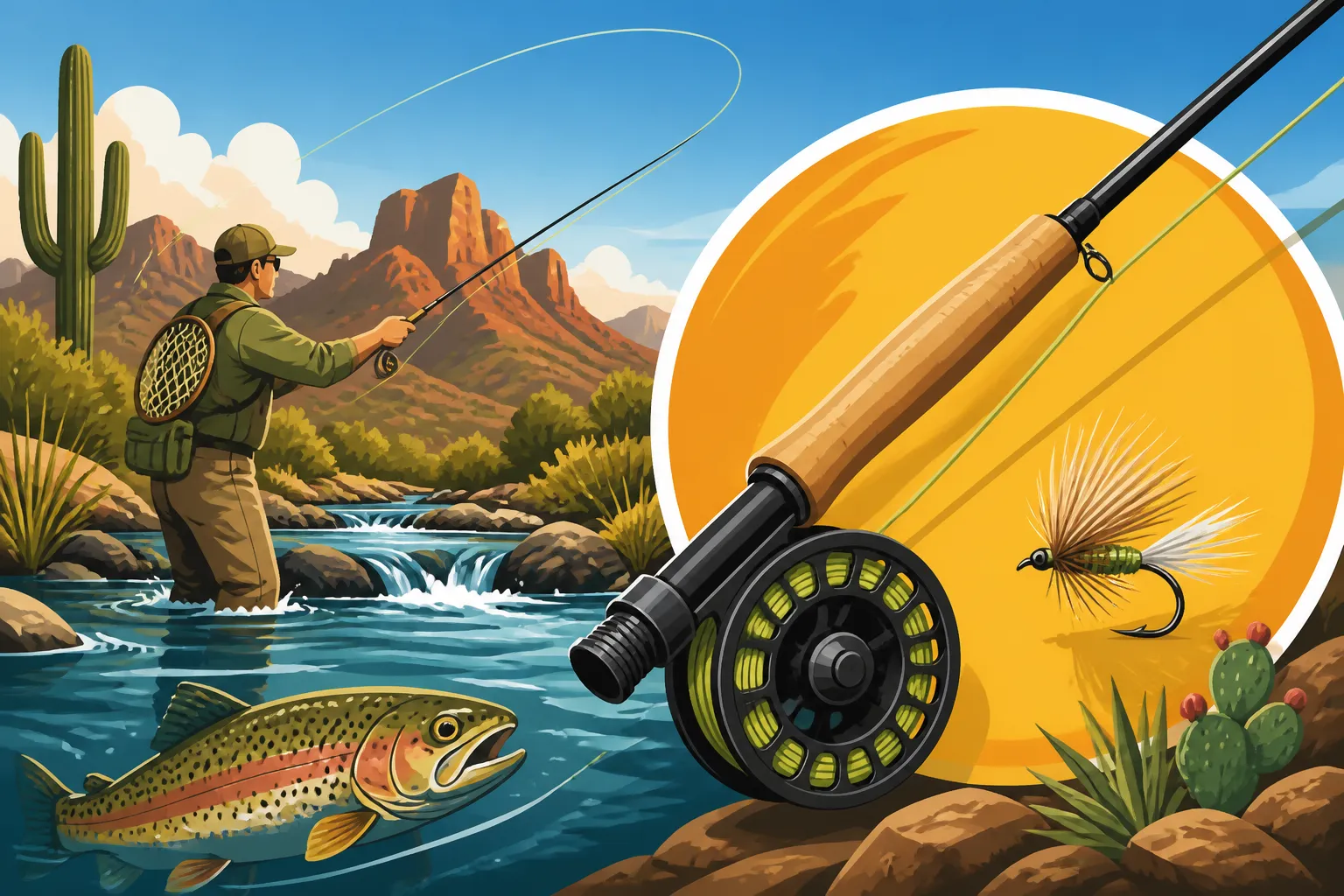
For many Arizona anglers, the idea of fly fishing often brings to mind the larger, more popular rivers or expansive lakes. But our state is blessed with numerous smaller streams, often tucked away in cooler mountain regions, that offer incredibly rewarding fly fishing experiences. The frustration many face is feeling over-gunned with their usual trout setup, leading to clunky casts, spooked fish, and missed opportunities in these intimate waters. This guide is here to help you navigate the nuanced world of fly rod weights, specifically focusing on how to choose the best one to truly unlock the magic of Arizona's enchanting small streams.
Understanding Fly Rod Weight and Its Impact
Choosing a fly rod isn't just about length or brand; the weight of the rod is perhaps the most crucial factor, especially when you're targeting specific conditions and fish sizes. It dictates everything from how delicate your presentation can be to the sheer joy you get from fighting a feisty little trout.
The Basics of Rod Weight Numbers
When you see a fly rod advertised as a "3-weight" or "4-weight," that number refers to the rod's designated line weight. Fly rods are designed to cast a specific weight of fly line effectively. The lower the number, the lighter and more flexible the rod and line system. This directly translates to the size of flies you can comfortably cast and the size of fish the rod is intended for.
Imagine trying to cast a tiny size 20 midge with a heavy 8-weight rod meant for large bass or saltwater species; it would feel like trying to thread a needle with a rope. Conversely, a tiny 2-weight rod would struggle immensely to turn over a heavy streamer or battle a larger, hard-fighting fish in a strong current. For small streams, the goal is often finesse over power. You're generally looking at rods in the 0-weight to 4-weight range. These lighter rods allow for very delicate presentations, which is paramount when fishing for easily spooked trout in clear, shallow water. They also make even a modest 8-inch fish feel like a trophy, maximizing the fun factor.
How Rod Weight Affects Casting and Presentation
The weight of your fly rod profoundly influences your casting experience and, ultimately, your success on small streams. Lighter rods, particularly those in the 1-weight to 3-weight range, excel at short, accurate casts. Many small streams in Arizona are often choked with vegetation, overhanging branches, or tight canyon walls, demanding precise casting in confined spaces. A lighter rod loads quickly with less line out, allowing for flick-of-the-wrist casts, roll casts, or bow-and-arrow casts that are simply impossible with heavier gear.
Moreover, presentation is everything when targeting wary fish in small, clear waters. A lighter rod combined with a matching light line allows your tiny dry flies, nymphs, or small wet flies to land on the water with barely a ripple, mimicking natural insect falls. This "stealth" factor significantly increases your chances of fooling a discerning trout. Heavier rods, by design, are built to throw larger, wind-resistant flies and to fight bigger fish, and their action can often result in a less subtle splashdown, sending smaller fish scattering. The joy of a perfectly executed, delicate cast on a small mountain stream with a lightweight setup is one of fly fishing's most satisfying rewards.
Characteristics of Small Streams in Arizona
Arizona might be known for its desert landscapes, but venture into the higher elevations, and you'll discover a network of cool, clear, and often surprisingly productive small streams. Understanding their unique characteristics is key to selecting the ideal fly rod weight.
Typical Stream Size and Vegetation
Many of Arizona's prime small streams are found in areas like the White Mountains, Mogollon Rim, or even some of the sky island ranges further south. These aren't roaring rivers; think more intimate, sometimes even "crick-like" waterways. They're often narrow, perhaps only 5 to 20 feet wide in many fishable sections, with depths ranging from a few inches to several feet in deeper pools. The banks are frequently overgrown with willows, alders, pines, and various other riparian vegetation. This dense foliage means overhead casting space is often limited, requiring casts that are short, accurate, and often unconventional.
The tight quarters and abundant greenery lend themselves perfectly to lighter rod weights. A long, heavy rod becomes a cumbersome liability, constantly snagging on branches or bumping into shrubs. A shorter, lighter rod (typically 6 to 7.5 feet for these situations) offers the maneuverability needed to pick your way through the foliage, make precise flips into small pockets, and manage your line without getting tangled. Best Fly Fishing Streams in Arizona details some of these picturesque, yet challenging, locations.
Common Fish Species in Arizona's Small Streams
The primary targets in most of Arizona's small streams are trout species. You'll find a healthy population of rainbow trout, often stocked, but also native species like the Apache trout and Gila trout in their recovery waters. These fish typically range from 6 to 14 inches, with an occasional larger specimen surprising you. While a 12-inch trout might not sound huge, on a 2-weight or 3-weight rod, it provides an exhilarating fight, bending the rod deep and testing your angling skills.
Beyond trout, many small streams also hold panfish like sunfish or even small bass in lower elevation stretches. A lighter rod is ideal for these species too, making every catch a memorable one. Because the fish aren't typically massive, using a lighter rod doesn't just enhance the fight; it's also a more ethical choice, as it causes less stress to smaller fish that you intend to release. Consider exploring Apache Trout Conservation in Arizona for more on our precious native species.
Access and Wading Considerations
Accessing many of Arizona's small streams often involves a bit of a hike, sometimes through rugged terrain. You might be scrambling over rocks, wading through shallow sections, or bushwhacking through dense vegetation. This means portability and ease of handling are significant factors. A lightweight rod and reel setup reduces fatigue during long days of hiking and fishing.
Wading conditions can vary from easy gravel beds to slippery, moss-covered rocks. Having a lighter, more compact rod helps maintain balance and reduces the chance of snagging your rod on an overhead branch while focusing on your footing. Furthermore, in many small streams, you'll be making short, quick casts into small holding pockets or around bends. A lighter rod facilitates this active, on-the-go style of fishing, allowing you to move efficiently and cover more water, rather than being bogged down by a heavy, long setup.
Matching Rod Weight to Target Species and Conditions
The real art of fly rod selection for small streams comes down to a harmonious match between the rod's capabilities and the specific fish you're chasing, along with the conditions you expect to encounter.
Trout and Panfish: The Light Tackle Advantage
For the typical trout and panfish found in Arizona's small streams, a fly rod in the 2-weight to 4-weight range is almost universally recommended, with a 3-weight often being the sweet spot. A 2-weight rod is truly a specialist tool, providing the utmost delicacy and making even small trout feel monumental. It's fantastic for very small streams, tiny flies, and when absolute stealth is critical. However, it can struggle a bit with wind or if you need to cast slightly larger dries or nymphs.
The 3-weight rod is arguably the most versatile for small stream trout fishing. It offers a wonderful balance of delicate presentation for small dry flies and nymphs, while still having enough backbone to handle a modest breeze or a slightly larger fly. It provides an exquisite fight with trout up to 14-16 inches and is a joy to cast all day. A 4-weight is a good choice if you anticipate slightly larger fish, more open casting situations, or need to throw slightly bigger streamers or multiple nymphs. It's still light enough for great sport but gives you a bit more authority for casting and fish control. For a deeper dive into techniques, check out Fly Fishing Techniques for Trout.
Heavier Rods for Unexpected Catches or Wind
While the focus for small streams is generally on lighter rods, there are situations where a slightly heavier rod, perhaps a 5-weight, might be considered. If the "small stream" you're fishing is on the larger end of the spectrum, with more open stretches, or if there's a good chance of encountering larger fish like smallmouth bass, a 5-weight offers more versatility. It can handle larger flies, punch through a stronger headwind, and provide more power for fighting stronger fish. However, it will inevitably sacrifice some of the delicate presentation that makes lighter rods so effective in truly tiny waters.
Another scenario is if you plan to throw small streamers or buggers that have a bit more weight to them. While a 4-weight can manage these, a 5-weight will do so with more ease. The trade-off is often a less satisfying fight with smaller fish and a slightly less subtle presentation. It's about weighing your priorities: maximum delicate fun with average fish, or a bit more power for varied conditions and potentially larger, less common catches. Understanding Rainbow Trout Fishing Guide for Arizona can help tailor your gear selection.
Balancing Fun with Practicality
Ultimately, the best fly rod weight is one that balances the sheer enjoyment of the catch with the practical realities of the fishing environment. For most small stream scenarios in Arizona, a 2-weight or 3-weight will provide the most rewarding experience. It turns every small fish into an epic battle and makes you a more precise, stealthy angler.
Consider this: a small stream often means you're sight fishing, stalking individual fish in clear water. A delicate presentation is paramount. A 2-weight or 3-weight allows for this level of finesse. If you prioritize maximum fun with average-sized trout and panfish in intimate settings, lean towards the lighter end. If you're a beginner, a 3-weight or 4-weight might be a slightly easier rod to learn to cast effectively before moving to ultra-light specialist rods. The lighter rods are designed to make even a 6-inch fish feel like a worthy adversary, enhancing the overall experience far beyond just catching a fish.
| Rod Weight | Ideal Stream Size | Typical Fish Size | Casting Range | Fly Size | Key Advantage |
|---|---|---|---|---|---|
| 0-1 Weight | Very Small (tiny trickles) | < 8 inches | Very short, delicate | #18-24 | Ultimate delicacy, maximum sport |
| 2 Weight | Small (tight, brushy) | 6-12 inches | Short, precise | #16-22 | Excellent feel, subtle presentation |
| 3 Weight | Small to Medium (typical AZ streams) | 8-14 inches | Short to medium | #14-20 | Great versatility, fun fight |
| 4 Weight | Medium (more open sections) | 10-16+ inches | Medium, handles light wind | #12-18 | Good all-rounder, slightly more power |
| 5 Weight | Larger Small Streams / General Trout | 12-20+ inches | Medium to long, handles wind | #10-16 | Versatile, but less delicate for tiny streams |
Practical Recommendations and Considerations
Once you've zeroed in on the ideal rod weight, there are still a few practical steps and considerations to ensure you're fully equipped for your next small stream adventure.
Choosing Your Ideal Rod Weight Range
For the vast majority of small stream fly fishing in Arizona, I wholeheartedly recommend a 3-weight rod as your primary choice. It offers the best balance of delicate presentation for small dry flies and nymphs, enough backbone to handle a bit of wind, and an incredibly satisfying fight with typical stream trout. A 7-foot to 7-foot 6-inch length is generally ideal for maneuverability in tight, brushy environments.
If you're a seasoned angler looking for the ultimate challenge and delicacy, or if you consistently fish truly tiny streams with very small fish, a 2-weight rod can be an absolute blast. Just be prepared for its limitations in windier conditions or with slightly larger flies. On the other hand, if you only own one fly rod and want it to serve double duty for small streams and slightly larger rivers or stillwaters, a 4-weight might be a more practical compromise, though you'll lose a tiny bit of that ultra-light finesse. Ultimately, the best fly rod weight for small streams is one that makes you excited to fish and enhances every moment on the water.
Gear Beyond the Rod: Line and Leaders
Your fly rod is only one part of the equation. To truly unlock its potential on small streams, you need to pair it with the correct fly line and leader system. Always match your fly line weight to your rod's weight (e.g., a 3-weight rod takes a 3-weight line). For small streams, a weight-forward floating line is almost always the best choice, as it helps with casting accuracy and mending. Look for lines with a delicate front taper for subtle presentations.
Leaders for small stream fishing should be long and thin. A 7.5 to 9-foot leader, tapering down to 5X or 6X tippet, is common. If the water is ultra-clear and the fish are spooky, you might even drop down to 7X. The longer, finer leader helps dissipate casting energy, allowing your fly to land softly and naturally. Don't underestimate the importance of good quality tippet material; it's the final connection to the fish and can make or break your day.
Where to Find Your Perfect Small Stream Fly Rod
When it comes to purchasing a new fly rod, especially for specialized fishing like small streams, it's always best to try before you buy if possible. Visit a local fly shop or a larger outdoors retailer like Bass Pro Shops. Many stores will have a casting pond or a lawn area where you can actually put a few different rods through their paces. Feel how the rod loads, how it casts short distances, and how it handles your preferred casting style. This hands-on experience is invaluable.
If trying rods out isn't an option, read reviews from other small stream anglers. Brands like Orvis, Sage, Fenwick, and Redington all offer excellent rods suitable for this kind of fishing. You can often find a wide selection and competitive prices through online retailers like Amazon, especially for lines, leaders, and other accessories. Just be sure to do your research on return policies if you're buying a rod sight unseen. Finding the right gear can truly elevate your experience when exploring Arizona's hidden aquatic gems. For general gear selection, take a look at Essential Tackle Box Setup for Arizona Beginners.
Disclaimer
This article is for general informational purposes only and does not constitute professional advice. Laws, prices and regulations vary by location and change over time. Consult a qualified professional for guidance on your specific situation.