Best Coolers to Keep Fish Fresh
After a long day of battling a monster bass on Roosevelt Lake or reeling in a mess of crappie from Bartlett, the last thing you want is for your hard-earned catch to spoil before you even get home. Arizona's relentless heat can turn a fresh fillet into a disappointment quicker than you can say 'fillet knife,' but with the right cooler, you can keep your prize catch in prime condition all the way to your kitchen. This guide will walk you through everything you need to know about choosing and using the best coolers to keep your fish fresh, even in the scorching Arizona sun.
Why Your Cooler Choice is Critical in Arizona
Fishing in Arizona presents a unique set of challenges, and none is more pressing than the intense heat. Our desert climate means that ambient temperatures can soar well into the triple digits for much of the year, making basic ice chest performance woefully inadequate for preserving your catch. This isn't just about keeping drinks cold; it's about food safety and making sure your effort on the water translates into a delicious meal.
The Relentless Challenge of Desert Heat
When the thermometer hits 110 degrees Fahrenheit in the shade, your average cooler doesn't stand a chance. The sun beating down on a boat or the bank can elevate internal temperatures quickly, turning ice into a puddle in mere hours. If you're on a full-day trip to places like Lake Pleasant or the Colorado River, you need a cooler that's engineered to defy these conditions. Otherwise, you risk bacterial growth and a rapidly deteriorating catch, which is heartbreaking after putting in the work. It's not just a matter of comfort for your beverages; it's a fundamental requirement for preserving protein.
This isn't just a slight inconvenience; it's a critical factor that can determine whether you bring home dinner or have to toss your catch. Imagine spending hours reeling in a beautiful stringer of crappie, meticulously following Crappie Spawning Season Tactics, only to find them lukewarm by the time you reach the boat ramp. The Arizona sun is an unforgiving adversary for anything that needs to stay cold, and fish are particularly vulnerable. A cooler that performs well elsewhere might simply melt down under the Arizona sun, compromising all your efforts.
Beyond Just Ice Retention: What Really Matters
While ice retention is often the first thing people think of, a great fish cooler in Arizona needs to offer more. It needs robust construction that can handle being bounced around in a truck, dragged across rocky shorelines, or stacked with other gear. You'll also want features that make handling and cleaning easier, like drain plugs that aren't prone to leaking and smooth interior surfaces that prevent fish scales and slime from sticking. A good seal is paramount, not just for keeping the cold in, but also for keeping unwanted desert critters out, ensuring your catch remains sanitary.
Consider also the capacity you'll need. Are you usually targeting panfish at community lakes, or are you hoping for a trophy largemouth bass at Alamo Lake? The size of your typical catch, and how many you plan to keep, will dictate the internal volume required. Too small, and your fish will be cramped, potentially damaging fillets. Too large, and you're hauling unnecessary weight and space. The right cooler balances excellent thermal properties with practical considerations for the Arizona angler.
Key Features for Superior Fish Coolers
Choosing the right cooler isn't just about grabbing the biggest or most expensive one. It's about understanding the specific features that contribute to keeping your fish icy cold and fresh, especially when facing Arizona's notorious heat. Every element, from the material to the latches, plays a role.
Insulation: The Heart of the Matter
The core of any high-performing cooler lies in its insulation. Look for models that boast thick, injected polyurethane foam in both the walls and the lid. This dense foam creates an incredible thermal barrier, dramatically slowing the transfer of heat from the outside environment to the inside of your cooler. Cheaper coolers often use thinner foam or even just air pockets, which are simply no match for a blazing Arizona afternoon. The thicker the insulation, generally, the better the ice retention.
Another critical component of insulation is the seal around the lid. A freezer-grade gasket, often made of durable rubber, creates an airtight seal that prevents cold air from escaping and warm air from seeping in. Without a proper gasket, even the thickest walls won't save your ice from succumbing to the heat. When checking out coolers, pay close attention to how the lid closes and latches, making sure there's a tight, consistent compression all the way around. This seemingly small detail makes a huge difference in real-world performance.
Durability and Construction
Arizona fishing means exposure to harsh UV rays, rough terrain, and constant use. Your cooler needs to be built to withstand this abuse. Roto-molded construction is the gold standard for durability. This process creates a single, seamless piece of plastic that is incredibly tough and resistant to impacts, cracks, and UV degradation. Cheaper coolers often use blow-molded or injection-molded techniques, which can result in weaker points and a shorter lifespan, especially when subjected to the kind of wear and tear an angler puts their gear through.
Beyond the main body, examine the hardware. Heavy-duty, corrosion-resistant latches, hinges, and drain plugs are essential. Metal components should be stainless steel, especially if you're frequently around salty water on the lower Colorado River. Handles should be robust and comfortable, capable of supporting the weight of a fully loaded cooler without digging into your hands or breaking. Think about how you'll be moving it – a 100-quart cooler full of ice and fish can weigh a lot, so reliable handles are non-negotiable.
Practical Design Elements
Once you have the core features covered, delve into the practical design elements that enhance the cooler's usability for fishing. A good drain plug is a must – ideally, a large-diameter one that drains quickly and is securely attached so you don't lose it. Some anglers prefer recessed drain plugs to prevent snagging. Non-slip feet are also a significant benefit, keeping your cooler from sliding around on a wet boat deck or the bed of your truck, which is both safer and less annoying.
Furthermore, internal dimensions matter. Does it have enough length to accommodate your target fish species without bending them? Are there tie-down slots so you can secure it during transport, especially if you're taking a smaller boat out on a windy day at Lake Powell? Some coolers even offer integrated rulers on the lid, which is incredibly handy for quickly checking slot limits and legal sizes for species like bass or trout. These thoughtful additions elevate a simple cooler into a true angling tool.
Types of Coolers for Arizona Anglers
The market is flooded with cooler options, and navigating them can feel overwhelming. For Arizona anglers, however, the choice usually boils down to a few key types, each with its own set of advantages and ideal uses. Understanding these differences will help you pinpoint the best fit for your fishing style and the unique demands of our climate.
Hard-Sided Roto-Molded Coolers
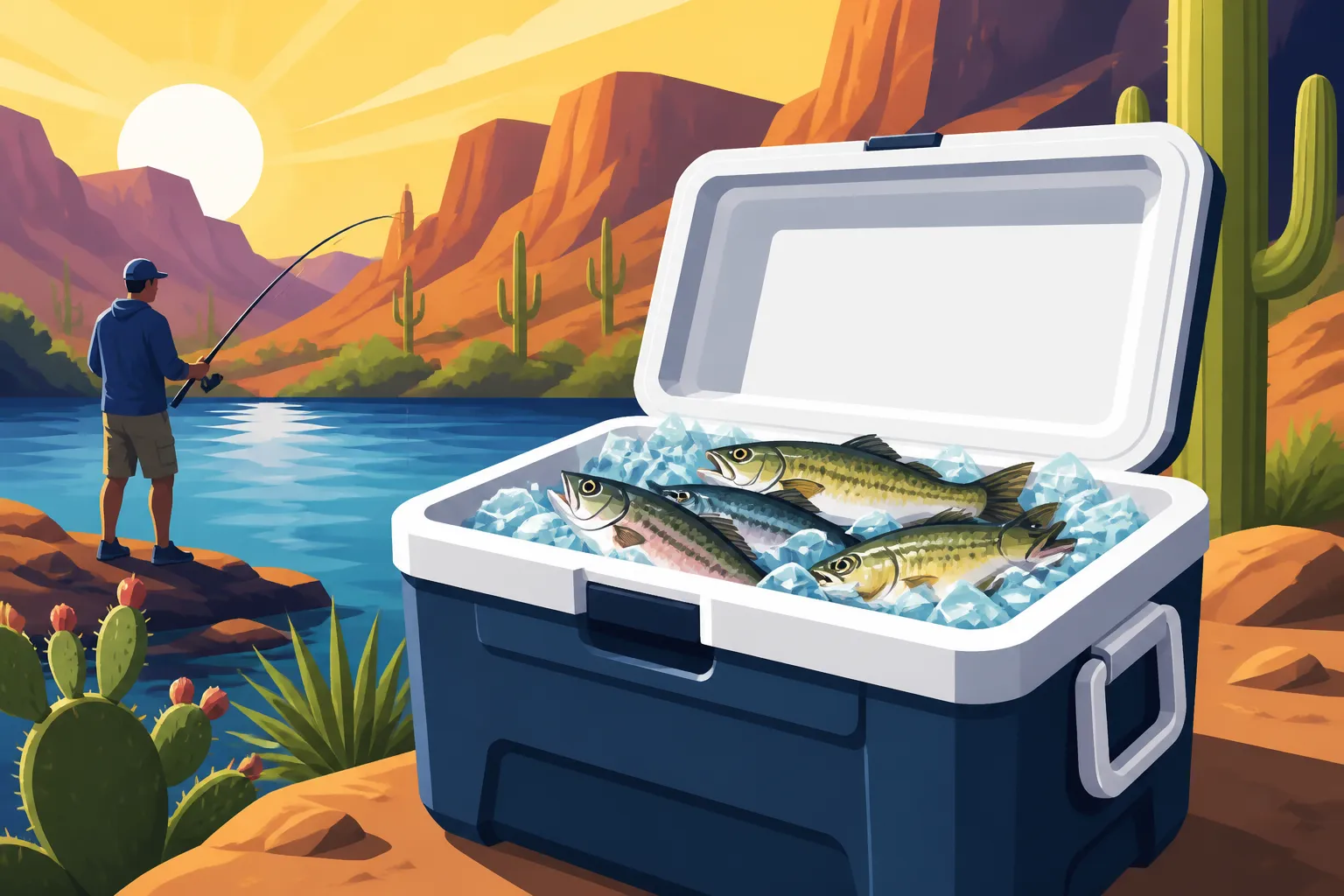
These are the heavy-duty champions of ice retention, and for good reason. Brands like YETI, RTIC, Orca, and Grizzly popularized the roto-molded design, which results in extremely thick, uniform walls and lids, typically filled with dense insulation. They offer multi-day ice retention, even in punishing Arizona heat, making them ideal for long fishing trips, camping, or simply ensuring your catch stays frozen solid until you get home from a distant lake. Their rugged construction means they can double as a casting platform or extra seating on your boat, handling abuse that would destroy other coolers.
However, this superior performance comes with a few trade-offs. Roto-molded coolers are significantly heavier and often more expensive than other types. Their bulk can also be a challenge in smaller vehicles or kayaks. But for serious anglers who demand the absolute best in fish preservation and durability, especially when spending extended periods on Best Fishing Lakes in Arizona or venturing out to remote spots, a quality hard-sided roto-molded cooler is an investment that pays dividends. You can often find a great selection of these robust coolers at Bass Pro Shops, where you can compare different sizes and features in person.
Soft-Sided Coolers and Fish Bags
For shorter trips, quick excursions, or when portability is paramount, soft-sided coolers and insulated fish bags offer an excellent alternative. While they won't match the multi-day ice retention of their hard-sided counterparts, many modern soft-sided coolers from brands like RTIC, Engel, and YETI offer impressive performance for a day or two, thanks to advanced insulation layers and watertight zippers. They are much lighter, easier to carry, and often more flexible, allowing them to fit into tighter spaces on a kayak or smaller boat. Fish bags, in particular, are designed to lay flat, accommodating long fish like stripers from Lake Powell or large catfish from the Colorado River.
These options are perfect for an afternoon outing to a community lake or a fly-fishing trip on a mountain stream where you might only keep a few trout. They're also great for carrying bait or keeping a small lunch separate from your main catch. Many come with comfortable shoulder straps or handles, making the trek from your vehicle to the water much easier. While they might not be your primary "fish keeper" for a multi-day desert expedition, they definitely have a place in an Arizona angler's gear lineup for convenience and specific use cases. You can explore a wide variety of these portable options on Amazon, often with user reviews highlighting their performance in various conditions.
Electric and Powered Coolers
Electric coolers, often powered by a vehicle's 12V outlet or a portable power station, are an interesting option, though less common for actively storing freshly caught fish due to hygiene considerations and temperature stability. These units don't use ice; instead, they cool their interior like a miniature refrigerator. Some can even freeze contents, making them useful for longer expeditions or keeping frozen bait.
While great for camping provisions or extended road trips, their primary use isn't usually for keeping slimy, potentially bloody fish. The interior isn't always designed for easy cleaning of fish byproducts, and constant opening can lead to temperature fluctuations. However, for an auxiliary cooler to keep drinks and sandwiches separate, or for pre-chilling items before a long drive home, they can be useful. If you are considering one, ensure it can reach and maintain sufficiently low temperatures to keep fish truly cold, and that the internal surfaces are easy to wipe down and sanitize thoroughly.
Here's a quick comparison of cooler types:
| Cooler Type | Best Use Case | Ice Retention (Arizona) | Portability | Durability (Body) | Cleaning Ease | Cost Range |
|---|---|---|---|---|---|---|
| Hard-Sided Roto-Molded | Multi-day trips, large catches, heavy use | Excellent (3-7+ days) | Low | Excellent | Good | High |
| Soft-Sided Cooler | Day trips, small to medium catches, easy carry | Good (1-2 days) | High | Good | Fair to Good | Mid-Range |
| Insulated Fish Bag | Large, long fish (stripers), kayak fishing | Good (1-2 days) | High | Good | Excellent | Mid-Range |
| Electric/Powered | Extended camping, frozen bait storage | N/A (no ice needed) | Mid | Good | Fair | Mid to High |
Maintaining Freshness: Best Practices for Your Catch
Even the most expensive, best-insulated cooler won't perform optimally if you don't follow proper fish handling and ice management practices. In Arizona, where temperatures can quickly turn a trophy into trash, these steps are absolutely crucial for preserving your catch's quality.
Pre-Cooling and Ice Management
The golden rule for maximizing ice retention is to start cold. Always pre-chill your cooler before you even leave the house. You can do this by filling it with sacrificial ice or frozen water bottles the night before your trip. This brings the internal temperature down, so your fresh ice doesn't have to work as hard once you're out on the water. When you're ready to go, dump the sacrificial ice and replace it with fresh, clean ice. Block ice generally lasts longer than cubed ice, so a combination of both is often ideal – blocks for longevity at the bottom, and cubes to surround the fish.
Never rely on just a few handfuls of ice. The general guideline is a 2:1 ratio of ice to fish/contents for optimal retention, especially in hot conditions. This might seem like a lot, but it's far better to have too much ice than too little. Use a mix of ice types if possible: solid blocks at the bottom for long-lasting cold, and crushed or cubed ice to pack around the fish for maximum contact and rapid cooling. Consider bringing your ice in a separate, smaller cooler to avoid frequently opening your main fish cooler, helping to maintain its internal temperature. This strategy is key to mastering How to Keep Fish Fresh in Desert Heat.
Proper Fish Handling from Catch to Cooler
How you treat your fish immediately after catching them profoundly impacts their freshness. The quickest way to ensure quality is to dispatch the fish humanely and quickly, and then immediately place it on ice. This rapid cooling stops bacterial growth and prevents rigor mortis from setting in improperly, which can negatively affect the texture of the meat. Many anglers even bleed their fish by cutting a gill arch, especially larger species, as this removes blood from the flesh, resulting in a cleaner, better-tasting fillet.
Once on ice, ensure the fish is completely submerged or heavily covered. Don't just lay them on top of the ice. The goal is to get their internal temperature down as fast as possible. If you're using ice water, that's excellent for rapid cooling, but ensure you have enough ice to keep the water slushy cold, not just cold water. Some anglers also prefer to place a layer of damp cloth or newspaper between layers of fish and ice to prevent "freezer burn" from direct ice contact over prolonged periods, especially if the trip is very long or the fish will stay in the cooler for a day or more.
Cleaning and Storage for Longevity
After your fishing trip, proper cleaning and storage of your cooler are just as important as how you used it on the water. Empty all fish and melted ice, then thoroughly wash the cooler with warm, soapy water. Use a brush to get into any crevices and remove all fish residue, scales, and slime. For a deeper clean and to eliminate any lingering odors, a solution of baking soda and water or a mild bleach solution (one tablespoon per gallon of water) can be very effective. Rinse thoroughly and allow the cooler to air dry completely with the lid open to prevent mildew and sour smells from developing.
Storing your cooler properly also extends its lifespan. Keep it in a cool, dry place out of direct sunlight. If you have the space, storing it with the lid slightly ajar will ensure air circulation and prevent any moisture from getting trapped, which can lead to unpleasant odors or mold growth over time. Following these steps ensures your cooler is always ready for your next adventure, whether you're targeting Smallmouth Bass Fishing Guide for Arizona or enjoying a family outing at a community pond.
Cooler Brands Popular Among Arizona Anglers
When it comes to coolers designed to stand up to Arizona's harsh environment, certain brands have earned a reputation for reliability and performance. While I can't recommend specific models or prices, I can highlight the types of brands that offer the features Arizona anglers need.
Premium Options: Built for the Extremes
Brands like YETI, RTIC, and Orca are often at the top of many anglers' wish lists, and for good reason. They pioneered the roto-molded cooler market, setting the bar for ice retention and rugged durability. These coolers feature exceptionally thick, pressure-injected insulation, freezer-grade gaskets, and robust latches that ensure a tight seal. Many come with impressive warranties, reflecting their confidence in their product's ability to withstand years of abuse. While the initial investment is higher, their longevity and superior performance in extreme conditions make them a worthwhile consideration for those who fish frequently or embark on multi-day trips.
You'll find these premium coolers come in a wide range of sizes, from personal lunchbox-style coolers perfect for a solo bank fishing trip to massive expedition-grade models capable of holding a week's worth of supplies and a substantial catch. They are designed to be bear-resistant, impact-proof, and to maintain ice for many days, even when exposed to direct sun. For anglers serious about preserving their catch and their investment, these brands represent the pinnacle of cooler technology. When you step into a Bass Pro Shops, you'll immediately see these brands prominently displayed, allowing you to compare their features and feel their robust construction firsthand.
Value-Oriented Choices: Performance Without Breaking the Bank
Fortunately, the market has expanded, and there are now many brands that offer excellent performance without the premium price tag. Brands such as Lifetime, Igloo (with their "BMX" series), and Coleman (with their "Xtreme" or "Marine" lines) have stepped up their game significantly, offering coolers with thick insulation, sturdy construction, and often surprisingly good ice retention. While they might not boast the same multi-day retention as the absolute top-tier models, many can hold ice for 3-5 days, which is more than sufficient for most Arizona fishing trips.
These coolers are fantastic options for anglers looking for a balance of performance, durability, and affordability. They often feature similar roto-molded construction or advanced insulation techniques that significantly outperform older, basic cooler designs. Look for features like sturdy latches, comfortable handles, and efficient drain plugs to ensure you're getting a quality product that will serve you well. For those who want reliable performance for a day on Lake Pleasant Arizona Fishing Guide or a weekend camping trip without overspending, these brands provide excellent value. Online retailers like Amazon offer a vast selection, allowing you to read reviews and compare features from the comfort of your home.
Specialized Solutions: Tailored for Anglers
Beyond the general cooler categories, some brands offer specialized solutions particularly useful for anglers. For instance, brands like Engel and Reliable Fishing Products offer dedicated insulated fish bags. These are incredibly popular for kayak fishing or when targeting long, slender species like striped bass, as they conform to the shape of the fish and often have easy-to-clean liners. They are lightweight, collapse for easy storage, and can provide surprisingly good ice retention for their form factor.
Another specialized consideration is coolers designed specifically for bait. These are typically smaller, often aerated to keep live bait healthy, and sometimes come with insulated lids that double as cutting boards. While not for your main catch, having a dedicated bait cooler means you're not constantly opening your main fish cooler, thus preserving its internal temperature. Whatever your specific need, from a robust hard-sided cooler to a flexible fish bag, there's a cooler out there designed to meet the demands of Arizona fishing.
Disclaimer
This article is for general informational purposes only and does not constitute professional advice. Laws, prices and regulations vary by location and change over time. Consult a qualified professional for guidance on your specific situation.