Are Threadfin Shad Legal Bait in Arizona?
Navigating the world of fishing bait in Arizona can sometimes feel like trying to untangle a bird's nest of fishing line – confusing, frustrating, and often leaving you scratching your head. Many anglers wonder about the legality of using certain baitfish, especially popular ones like threadfin shad, given the state's important efforts to manage its diverse aquatic ecosystems. This guide aims to clear up the confusion surrounding threadfin shad as bait, detailing the regulations, practical considerations, and alternative options so you can fish with confidence and stay on the right side of the rules.
Understanding Arizona's Bait Regulations
Arizona, with its unique desert lakes and rivers, has a set of fishing regulations designed to protect its fisheries and prevent the spread of aquatic invasive species. It's not just about what you can catch; it's also about what you can use to catch it. These rules are in place for good reason, even if they sometimes feel like an extra hoop to jump through before you can cast a line.
The Importance of Knowing Your Bait Rules
You might think, "What's the big deal? It's just a fish." But when it comes to bait, the rules are serious, and for good reason. Using illegal bait, or even legal bait in an illegal manner, can lead to stiff penalties, including fines and the loss of your fishing privileges. Beyond the legal consequences, there's a vital ecological aspect. Introducing non-native species through bait can devastate local fish populations, disrupt the food chain, and alter entire ecosystems. Imagine accidentally bringing in something that outcompetes native species or introduces a disease. It's a nightmare scenario for conservationists and ultimately hurts the very fishing opportunities we all enjoy. Familiarizing yourself with the nuances of Arizona Fishing Regulations Explained is a crucial step for any responsible angler.
General Rules for Live Bait in Arizona
Arizona's general regulations regarding live bait can be a bit tricky because they often depend on the specific body of water you're fishing. For instance, some waters might allow the use of legally obtained live baitfish, while others strictly prohibit it to prevent the introduction of new species. Generally, the Arizona Game and Fish Department (AZGFD) has strict rules about transporting live bait from one body of water to another. This is to prevent the spread of diseases and aquatic invasive species like quagga and zebra mussels, which can hitchhike on baitfish or in water. Typically, any baitfish you use must be legally acquired and, in many cases, can only be used in the water where they were caught, or from approved commercial sources. Always check the current regulations for the specific lake or river you plan to visit. Understanding the Live Bait Rules for Arizona Lakes is paramount before heading out.
Threadfin Shad as Bait: The Arizona Perspective
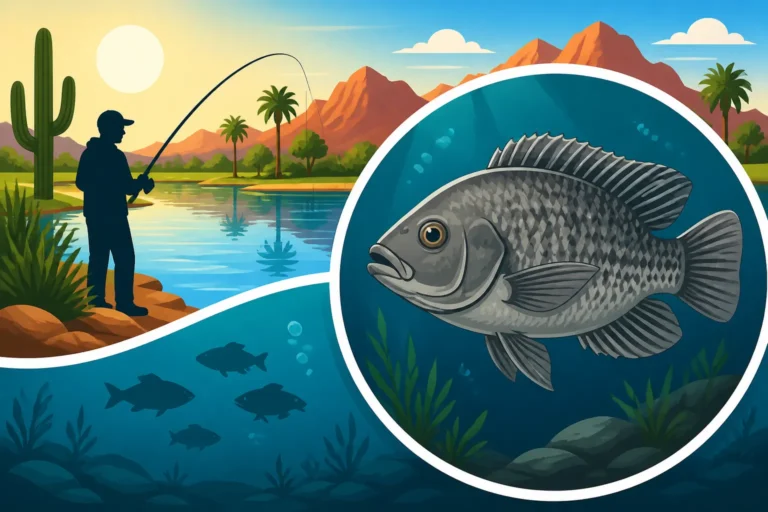
Now, let's get down to the brass tacks: threadfin shad. These small, silvery fish are a primary forage species in many of Arizona's larger reservoirs, making them incredibly attractive as live bait for predator species like bass and stripers. Their abundance and natural presence in many waters simplify their legal standing compared to some other baitfish.
Legality of Using Live Threadfin Shad
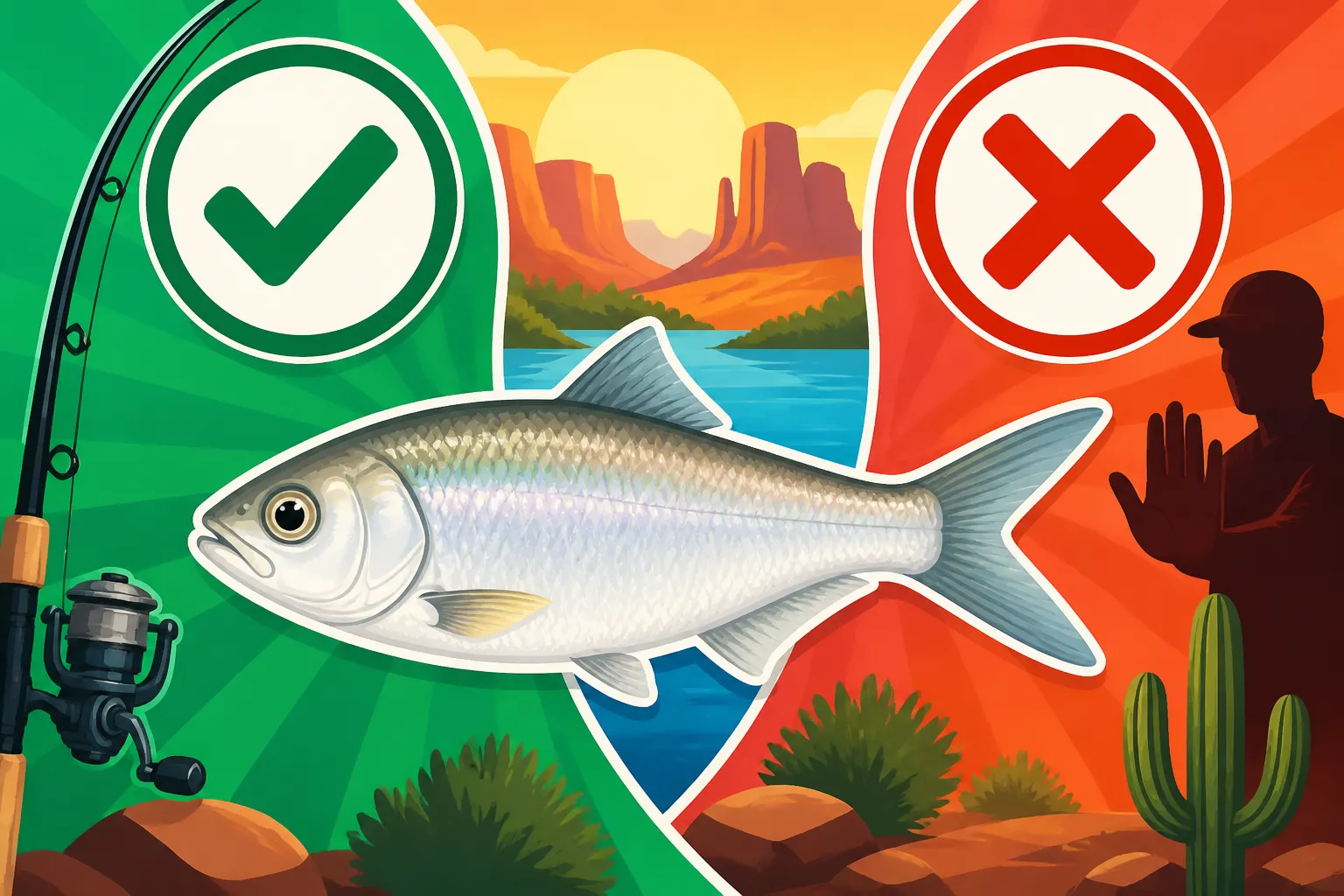
Good news for many anglers: Yes, threadfin shad are generally legal to use as bait in Arizona, but with very important caveats. The key is that they must typically be caught from the same body of water in which you intend to use them, or they must be purchased from an approved, licensed bait dealer. You absolutely cannot transport threadfin shad, or any live baitfish for that matter, from one lake or river to another. For example, if you catch shad at Lake Pleasant, you can use them as bait at Lake Pleasant. You cannot then take them to Roosevelt Lake and use them there. This regulation is crucial for preventing cross-contamination and the spread of unwanted species or diseases.
Some specific waters may have additional restrictions or may prohibit live bait entirely, so always consult the latest AZGFD fishing regulations booklet for the body of water you're targeting. For the large desert lakes where bass and striped bass thrive, threadfin shad are an incredibly effective and legal option, provided you adhere to the sourcing rules.
Where Threadfin Shad Are Commonly Used
Threadfin shad are practically synonymous with fishing in Arizona's large warm-water reservoirs. These lakes are often the best fishing lakes in Arizona for species that readily consume shad. Think of major impoundments like Lake Pleasant, Roosevelt Lake, Lake Havasu, and Lake Powell. These are prime locations where threadfin shad form the backbone of the forage base for sportfish.
- Lake Pleasant: Known for its thriving populations of largemouth bass and white bass, Lake Pleasant sees heavy use of threadfin shad, both live and as artificial lure patterns. Anglers often cast net for shad in shallower coves early in the morning.
- Roosevelt Lake: A powerhouse for largemouth bass and crappie, Roosevelt Lake also boasts abundant shad. Fishing with live shad here can be a game-changer, especially when targeting larger fish or during tougher bites.
- Lake Powell: Up north, Lake Powell's vastness is home to incredible populations of striped bass, largemouth bass, and smallmouth bass. Threadfin shad are absolutely critical here, and chasing "striper boils" where stripers aggressively feed on shad at the surface is legendary. Many anglers specifically target shad for bait when they plan to How to Fish for Striped Bass on Lake Powell.
- Colorado River: Along the Arizona stretch of the Colorado River, especially in impoundments like Lake Havasu, threadfin shad are a key food source for bass and other species.
In these locations, using fresh, lively shad caught from the same waters gives you a significant advantage, often outperforming artificial lures when fish are finicky or keyed in on natural forage.
Sourcing and Handling Threadfin Shad for Bait
Okay, so you know they're legal under the right conditions. Now, how do you actually get your hands on them and keep them alive long enough to be effective bait? It's more than just scooping them up; there are techniques and regulations involved in both catching and caring for your live bait.
Catching Your Own Threadfin Shad
The most common and effective way to catch your own threadfin shad is with a cast net. A good quality cast net, typically 6-10 feet in radius, is an essential tool. You can find a range of options on sites like Amazon, offering different weights and mesh sizes. When cast-netting, look for areas where shad tend to congregate:
- Shallow Coves: Especially in the early morning or late evening, shad often move into shallower, protected coves.
- Around Structure: Docks, submerged brush, and rocky points can hold schools of shad.
- Light Sources: At night, shining a submersible light into the water can attract shad, making them easier to net.
- Open Water Schools: Sometimes you'll see large schools of shad dimpling the surface in open water; a well-placed cast net can yield a lot of bait quickly.
It's vital to remember that there are regulations on the size and type of cast nets allowed, as well as bag and possession limits for baitfish. Always verify these details in the current AZGFD regulations. Never try to catch shad in a different lake to bring to your fishing destination, as this is illegal and harmful to the ecosystem. Fishing Bag and Possession Limits Explained will provide more clarity on quantities.
Keeping Threadfin Shad Alive and Healthy
Keeping threadfin shad alive and frisky requires a bit of effort, especially in Arizona's heat. They are delicate fish and stress easily. Here’s what you’ll need and some tips:
- Large Bait Tank: A spacious, insulated bait tank is crucial. The bigger, the better, to reduce overcrowding.
- Aeration System: Shad need a lot of oxygen. A high-quality aerator or oxygen system is non-negotiable. Many battery-operated options are available, and you can easily find advanced aerator pumps and oxygen tablets on Amazon that can help keep your bait lively for hours.
- Water Temperature Control: This is perhaps the most critical factor in Arizona. Keep the water in your bait tank cool and stable. Using frozen water bottles (filled with lake water, not tap water with chlorine) can help maintain temperature. Avoid rapid temperature changes.
- Water Quality: Shad quickly foul water. Consider using a small portable filter in your bait tank, or plan to exchange a portion of the water every few hours with fresh lake water. Some anglers also use commercial bait treatments designed to reduce ammonia and stress.
- Minimize Handling: Reduce how much you touch the shad. Use a small, soft net to transfer them.
- Don't Overcrowd: It's better to have fewer healthy shad than a tank full of stressed, dying ones.
A healthy, lively shad on your hook is far more attractive to a predator than a sluggish, dying one. Investing in the right equipment and taking the time to care for your bait will significantly increase your chances of success.
Alternatives to Live Threadfin Shad
While live threadfin shad can be incredibly effective, there are times when using them isn't practical, legal, or simply isn't your preferred method. Luckily, Arizona anglers have plenty of other excellent options.
Other Legal Live Bait Options
If live shad aren't an option for your trip, don't despair! Here are some commonly used and legal live bait alternatives, though always confirm legality for your specific fishing location:
- Worms: Nightcrawlers, red wigglers, and mealworms are universal baits, effective for everything from panfish and trout to smaller bass and catfish. They are readily available at most bait shops.
- Crickets/Grasshoppers: These insects are fantastic for panfish and trout, especially in stream and creek environments or around vegetation in lakes.
- Shrimp: Market shrimp, cooked or raw (check regulations for raw), can be a surprisingly effective bait for catfish and even some larger sunfish in certain waters.
- Water Dogs (Tiger Salamander Larvae): In some cooler-water fisheries, water dogs are a legendary bait for big bass. Their use is highly regulated, and availability can be limited, so always check the specific rules and sources.
- Commercial Baitfish: Some bait shops sell other legal live baitfish, often golden shiners or fathead minnows. However, remember the rule: no transporting live fish from one water to another unless specifically allowed by regulation (e.g., purchased from a certified dealer and used immediately in specific approved waters).
The key takeaway for any live bait is to ensure it is legal for the specific waters you are fishing and that you are not inadvertently introducing anything harmful.
Artificial Lures Mimicking Shad
Modern fishing lure technology has come a long way, and there are countless artificial lures designed to imitate the look, action, and even scent of threadfin shad. These can be just as effective as live bait, sometimes even more so, and they eliminate all the hassle of keeping bait alive.
Here’s a table of popular lure types that mimic shad and are highly effective in Arizona:
| Lure Type | Best Uses | Common Retrieve Styles | Species Targeted |
|---|---|---|---|
| Swimbaits | Open water, targeting schooling fish, deeper | Slow roll, steady retrieve, count-down | Striped Bass, Largemouth Bass |
| Crankbaits | Covering water, mimicking fleeing baitfish | Steady retrieve, stop-and-go, deflecting off structure | Largemouth Bass, Smallmouth Bass, Striped Bass |
| Jerkbaits | Suspending fish, mimicking injured baitfish | Twitch-twitch-pause, ripping | Largemouth Bass, Smallmouth Bass, Striped Bass |
| Topwater Lures | Surface feeding activity, "boils" | Walk-the-dog, popping, splashing | Striped Bass, Largemouth Bass |
| Spoons | Deep vertical jigging, casting to boils | Jigging, casting and retrieving quickly | Striped Bass, Largemouth Bass, White Bass |
These artificial lures are incredibly versatile. You can find a vast selection of these on Amazon, with various sizes, colors, and actions to match the conditions of the day. For example, chrome or silver crankbaits are great on sunny days, while more translucent or matte finishes might work better in clear water or overcast conditions. Learning how to properly fish these lures, and matching their size and profile to the actual shad in the lake, can lead to incredible fishing success without ever needing to touch a live baitfish. For more ideas on what to throw, check out Best Lures for Largemouth Bass in Arizona Lakes.
The Ecological Impact of Baitfish
Beyond the immediate legalities and fishing success, understanding the ecological implications of baitfish use is vital. Arizona's arid environment makes its aquatic resources particularly fragile, and every angler plays a role in protecting them for future generations.
Preventing Invasive Species Introduction
The primary reason for strict baitfish regulations, especially regarding transportation, is the prevention of aquatic invasive species (AIS). AIS are non-native organisms that can cause severe economic and ecological damage.
- Disease: Baitfish from one water body can carry diseases that are harmless to them but lethal to fish in another lake. For instance, fish viruses like Largemouth Bass Virus or various parasites can quickly spread and decimate populations.
- Direct Introduction: Sometimes, an angler might accidentally (or intentionally) release leftover baitfish into a new body of water. If these fish survive and reproduce, they can outcompete native species for food and habitat, introduce new predators, or alter the water quality.
- Microscopic Invaders: Even if you don't release the fish, simply transporting water from a bait tank that has been in an infested lake can introduce microscopic larvae of mussels, plants, or other pathogens.
This is why the "Drain, Clean, Dry" message for boats and gear is so prevalent, and why baitfish regulations are so rigid. It's about protecting Arizona's precious waters from unseen threats.
Protecting Native Arizona Fish
Arizona is home to several unique and often endangered native fish species, particularly in its river systems. These fish have evolved over millennia to survive in harsh desert environments, but they are incredibly vulnerable to competition, predation, and disease from introduced species. The regulations are not just about protecting sportfish; they are about conserving the entire aquatic heritage of the state.
When anglers adhere to bait regulations – using only legally sourced bait, not transporting live bait between waters, and disposing of unused bait properly – they become partners in conservation. This responsible behavior helps ensure that native fish populations can thrive and that the sport fishing opportunities we enjoy today will still be available for our children and grandchildren. By understanding the bigger picture and following the rules, you're doing your part to keep Arizona's fishing vibrant and healthy.
Disclaimer
This article is for general informational purposes only and does not constitute professional advice. Laws, prices and regulations vary by location and change over time. Consult a qualified professional for guidance on your specific situation.