Do Yellow Bass School Like White Bass?
It's a common question, especially for folks new to Arizona's diverse waterways: you hear about some fish schooling up, making for exciting, fast-paced action, and you wonder if all the "bass cousins" do the same. When it comes to yellow bass and white bass, it’s easy to get them mixed up, not just in looks but also in how they behave in the water. This guide will dive deep into the world of these two popular panfish, exploring their unique characteristics and, crucially, comparing their schooling habits so you can better understand where to find them and how to hook into some fantastic fishing experiences.
Yellow Bass and White Bass: Distinguishing Arizona's Schooling Cousins
Arizona offers a fascinating array of fishing opportunities, and among the most accessible and fun-to-catch species are the yellow bass and white bass. While they share some family resemblance and a tendency to "school up," they aren't identical twins in their habits. Understanding the nuances between them is key to successful angling. Both of these species provide incredible action, especially for beginners or those just looking for a consistent bite, and they are often found in our larger reservoirs and lakes.
What Makes a Yellow Bass a Yellow Bass?
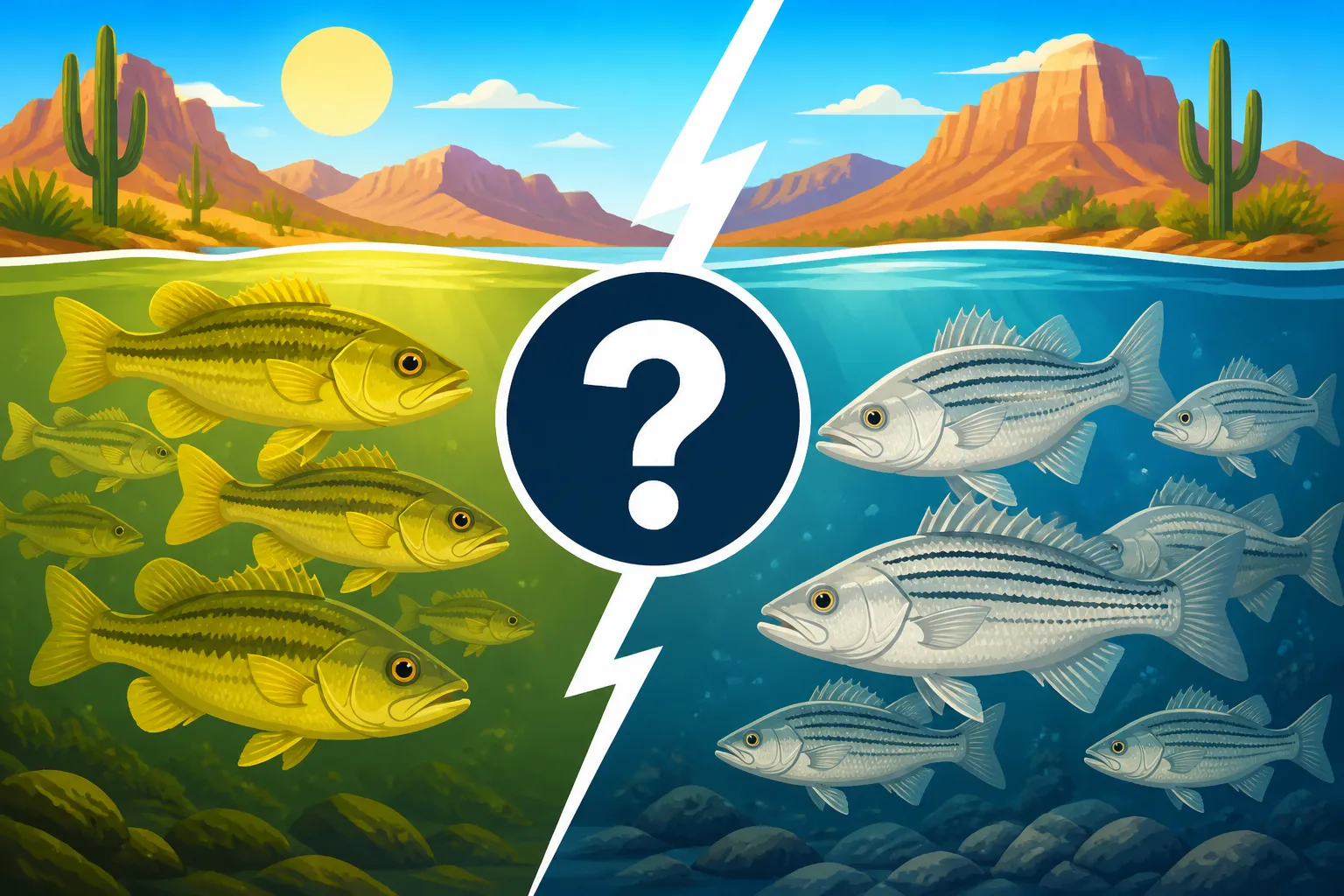
Yellow bass ( Morone mississippiensis ) are often the forgotten stepchild of the bass family, but they offer a ton of fun, especially in waters where they thrive. In Arizona, you're most likely to encounter them in specific lakes, often sharing habitat with their larger cousins. Physically, they're smaller than white bass, rarely exceeding a pound or so, though a half-pounder is a really good catch. Their coloration is distinctive: they have a brassy, yellowish hue on their sides, often with several distinct, dark, horizontal stripes running from head to tail. What's unique about these stripes is that the lower ones are typically broken or offset, particularly below the lateral line, which is a key identifying feature.
Yellow bass tend to be more compact, with a deeper body shape compared to the more elongated white bass. Their habitat preferences can sometimes differ too. While they are adaptable, yellow bass are often found in warmer, shallower sections of lakes and rivers, preferring areas with some weed growth or submerged structure. They're not usually the open-water cruisers that white bass are known to be. Many anglers find them a joy to catch on light tackle, offering a spirited fight that belies their small size.
Getting to Know the White Bass of Arizona
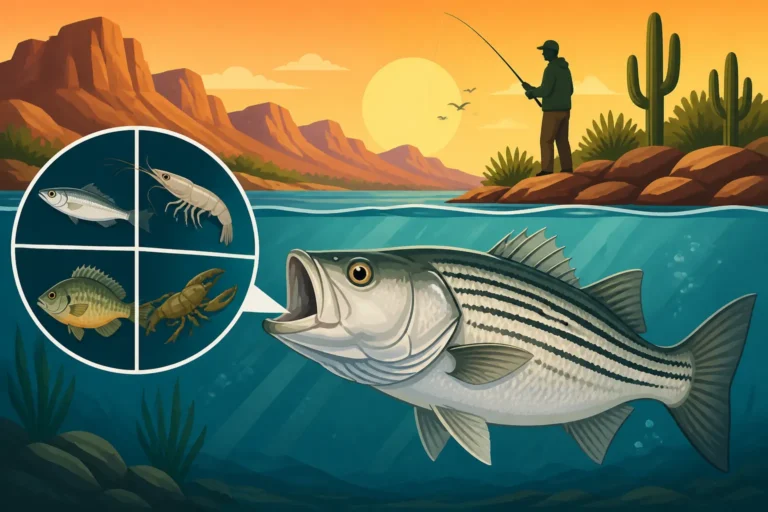
The white bass (Morone chrysops) is a true champion of the schooling fish world, and Arizona anglers are lucky to have them in several of our premier reservoirs. Unlike the yellow bass, these fish are generally larger, with many specimens reaching one to two pounds, and occasionally even larger. They have a sleek, silvery-white body with distinct, dark, unbroken horizontal stripes running along their sides. These stripes are usually continuous, especially the ones above the lateral line, making them easier to distinguish from yellow bass. Their body is more elongated and streamlined, built for speed and chasing baitfish in open water.
White bass are highly sought after for their aggressive nature and their tendency to school in massive numbers, creating what anglers affectionately call "boils." These are visual spectacles where hundreds, sometimes thousands, of white bass churn the surface, crashing into schools of baitfish. They are prolific feeders and can provide non-stop action when you find a schooling frenzy. In Arizona, lakes like Lake Pleasant, Roosevelt Lake, and Bartlett Lake are renowned for their robust white bass populations, offering fantastic opportunities for anglers. Targeting white bass often means covering a lot of water, looking for those tell-tale signs of feeding activity, and being ready for a fight on the end of your line. When you're gearing up for a white bass trip, remember that having a good selection of smaller, flashy lures, easily found on platforms like Amazon, can make all the difference. You'll want to check out Best Lures for a Bass Tackle Box to prepare!
Unpacking Their Schooling Behaviors: Are They Twins or Just Siblings?
This is where we get to the heart of the matter. While both yellow bass and white bass are known for schooling, the nature and intensity of their schooling behavior can be quite different. It's not a simple "yes, they both school the same way," but rather a more nuanced distinction that can significantly impact how you approach fishing for each species.
The Signature Schooling of White Bass
White bass are, without a doubt, one of the most famous schooling fish in freshwater. Their schooling behavior is highly pronounced and often surface-oriented, especially during peak feeding times. When white bass school, they do so with a vengeance, driving schools of threadfin shad or other baitfish to the surface. This creates those incredible "boils" we talked about earlier. Imagine dozens, if not hundreds, of fish actively splashing, jumping, and chasing bait on the surface – it's an unmistakable sign of white bass feeding activity. These boils can occur at any time of day, but are particularly common in the early morning and late evening, or even on overcast days.
The schools themselves can be vast, encompassing many individuals, and they move dynamically through the water column, often pushing bait into open water or against structure. Anglers often spot these boils from a distance, then race towards the action. It's a race against the clock because while intense, these surface feeding frenzies can be short-lived, sometimes lasting only a few minutes before the school dives back down. However, even when they go deep, the school often stays relatively consolidated, making them findable with good electronics. How to Fish During a Striper Boil offers excellent insights that can be adapted for white bass boils as well, despite the species difference, because the surface feeding frenzy tactics are similar.
This aggressive, widespread, and often surface-visible schooling is what makes white bass a favorite target for many anglers. When you find them, you can often catch fish after fish until the school moves on.
Yellow Bass: Schooling, But With a Nuance
Do yellow bass school like white bass? The answer is yes, they school, but not usually with the same intensity or in the same spectacular fashion. Yellow bass definitely aggregate into schools, but their schools tend to be smaller, tighter, and often more bottom-oriented or associated with specific submerged structure. You're far less likely to see a massive "yellow bass boil" on the surface that covers acres of water. While they will occasionally chase bait to the surface, it's typically a more localized and less frenzied event compared to their white bass counterparts.
Instead, think of yellow bass as forming smaller, more intimate gangs that patrol specific areas. They might hold around submerged humps, rock piles, brush, or along channel edges in shallower water. When you catch one yellow bass, it's almost a guarantee that there are more in the immediate vicinity, making them a great target for anchoring up and consistently pulling fish from a localized spot. This makes them fantastic for bank anglers or those in smaller boats who might not have the capability to chase open-water boils.
The crucial difference here is visibility and scale. White bass schools are often macroscopic events that you can see from a distance, covering vast areas. Yellow bass schools are more microscopic, requiring you to find a specific piece of structure or a smaller area where they are holding. They'll still compete aggressively for food within their school, but it's not the widespread chaotic feeding frenzy that defines white bass activity. If you’re looking to get started, picking up an affordable spinning combo from Amazon and checking out Best Fishing Reels for Beginner Anglers in Arizona can get you ready for both species.
| Feature | White Bass | Yellow Bass |
|---|---|---|
| Average Size | 1-2 lbs, sometimes larger | 0.5-1 lb, rarely larger |
| Coloration | Silvery-white with continuous dark stripes | Brassy yellow with broken/offset dark stripes |
| Body Shape | Elongated, streamlined | Deeper, more compact body |
| Schooling Scale | Large, often massive schools | Smaller, tighter schools |
| Surface Activity | Frequent, aggressive "boils" pushing bait up | Less frequent, localized surface action |
| Preferred Depth | Open water, often chases bait deep to surface | More structure-oriented, shallower water |
| Primary AZ Lakes | Pleasant, Roosevelt, Bartlett, Havasu | Apache, Roosevelt, Canyon, Saguaro |
Strategies for Targeting Schooling Bass in Arizona Waters
Understanding the subtle differences in how yellow bass and white bass school directly translates into more effective fishing strategies. You wouldn't use the exact same approach for a lone predator as you would for a school of fish, and similarly, you might tweak your tactics for a tight, deep-holding yellow bass school versus a fast-moving, surface-churning white bass school.
Lure and Bait Choices for Active Schools
When bass are schooled up and actively feeding, they're often highly competitive, meaning they're less finicky about presentation and more about visibility and action.
- For White Bass: Think flashy and fast. Small spoons (like Kastmasters or something similar you can find on Amazon), inline spinners, lipless crankbaits, and small jerkbaits are absolute killers. They imitate baitfish well and can be retrieved quickly through the water column or cast directly into a boil. White or silver colors are often very effective. If they're busting on the surface, a topwater popper or small walking bait can be incredibly exciting. For deeper schools, vertically jigging a spoon or a small lead-head jig with a plastic grub tail can work wonders.
- For Yellow Bass: While they'll hit many of the same lures, you might want to scale down slightly. Smaller inline spinners, tiny crankbaits, and especially small jigs tipped with a grub or a piece of nightcrawler are excellent. Since they often hold tighter to structure, a slower retrieve or a jigging presentation that keeps your lure in the strike zone longer can be more productive. Live bait, like small minnows or pieces of worms, is also highly effective for yellow bass.
No matter the species, when you find an active school, presentation often takes a backseat to getting a lure in front of them quickly. Having a versatile tackle box ready with options that can be thrown on light or medium-light action rods is ideal. Best Baits and Lures for Arizona Fishing can offer more ideas for your tackle box.
Locating Schools: Reading the Water and Electronics
Finding these schooling bass is half the battle, and it requires a combination of observation and technology.
- For White Bass: Keep your eyes peeled! Look for those surface boils, especially in large open-water sections of lakes like Lake Pleasant or Roosevelt. Watch for diving birds (like terns or gulls) that are often indicators of baitfish being pushed to the surface by predators from below. Your fish finder is also invaluable here. Look for large, dense bait balls (often threadfin shad) and arches or lines of fish directly beneath them or moving quickly towards them. White bass schools can move very fast, so be prepared to follow them. Sometimes trolling small crankbaits or spoons can help you locate a school that isn't actively boiling.
- For Yellow Bass: Since their schooling is less spectacular, a fish finder becomes even more critical. Look for schools congregated around underwater structure – humps, points, submerged brush piles, creek channels, or even rocky banks. They often don't move as much as white bass, so once you find a good spot holding yellow bass, you can often work that area thoroughly. Shore anglers looking for yellow bass should focus on public fishing piers, rocky points, or areas with visible submerged structure where yellow bass might feel safe. You can pick up a reliable, portable fish finder from Amazon to help you scan the depths, even from shore or a small boat.
Understanding the contours of a lake and where baitfish tend to congregate will also greatly improve your chances for both species. Consider exploring Best Fishing Lakes in Arizona to get a sense of which waters might hold these schooling species.
Maximizing Your Catch: Tips for an Exciting Day on the Water
Once you've located these incredible schooling bass, there are a few extra tips that can help turn a good day into a truly memorable one. Both species offer incredible action, but a little preparation and insight can go a long way.
Boat vs. Bank: Adapting to Schooling Fish
Your fishing platform will largely dictate how you approach schooling bass, but both boat and bank anglers can find success.
- Boat Anglers: If you have a boat, you have a distinct advantage in chasing white bass boils across open water. Speed and maneuverability are key. Have multiple rods rigged and ready so you don't waste precious minutes tying on a new lure when a boil erupts. For yellow bass, a boat allows you to systematically search and position yourself over prime submerged structures. Using your trolling motor to stay on top of a school, especially if it's deeper, is incredibly effective. For those with boats, considering the Best Boat Fishing Lakes in Arizona will give you a head start on where to target these schooling fish.
- Bank Anglers: Don't despair! While chasing white bass boils might be challenging, you can still catch plenty of schooling fish. For white bass, focus on areas where baitfish might be funneled close to shore, such as points, narrows, or dam faces. During spawning runs in spring, white bass often move into shallower water and rivers, making them very accessible from the bank. For yellow bass, bank fishing can be highly productive. Target rocky banks, jetties, or public fishing piers that extend into the lake, as these often have structure nearby that yellow bass prefer. Casting small lures or live bait out and slowly working it back can lead to consistent bites. Having a solid Best Tackle for Desert Lake Fishing setup that's easy to carry is essential for bank anglers.
Timing Your Trip for Peak Schooling Action
Both yellow bass and white bass can be caught throughout the year in Arizona, but certain times offer more consistent schooling action.
- Spring: This is prime time for both species. White bass will often make spawning runs up rivers and into shallower creek arms, congregating in massive numbers, making them easy targets for both boat and bank anglers. Yellow bass also become more active in shallower water as temperatures warm, making them more accessible.
- Summer: The infamous white bass "boils" are most common during the summer months, particularly in the mornings and evenings when the sun isn't as intense. As the day heats up, both species will often retreat to deeper, cooler water. Night fishing can also be highly effective for white bass, as they'll often feed under lights or in shallower areas after dark. Remember, Arizona summers demand vigilance regarding heat safety; check out Best Time of Day to Fish in Arizona Heat for crucial advice.
- Fall: As water temperatures cool, both species remain active, often moving back into shallower feeding grounds. The surface boils for white bass may continue, albeit perhaps with less frequency. Yellow bass will continue to school around structure.
- Winter: Fishing can slow down, but it's certainly not impossible. Both species will often move to deeper main lake channels or larger submerged structures. Fishing vertically with jigs or spoons can still be effective, targeting those tight, deep schools.
Knowing when and where to look for these schooling bass will dramatically increase your chances of success. They provide some of the most exciting and rewarding fishing experiences Arizona has to offer, and understanding their individual behaviors, even their subtle differences in schooling, is your ultimate angler's advantage.
Disclaimer
This article is for general informational purposes only and does not constitute professional advice. Laws, prices and regulations vary by location and change over time. Consult a qualified professional for guidance on your specific situation.