Are Flathead Catfish Dangerous to Handle?
It's a common question that pops up in conversations among Arizona anglers, especially when you're targeting those big, powerful flathead catfish: "Are flathead catfish dangerous to handle?" You hear the stories, you see the pictures of their formidable size, and it’s natural to feel a bit of apprehension. Nobody wants to get hurt while enjoying a day on the water. This guide is here to cut through the myths and provide you with realistic, actionable advice on safely handling flathead catfish, explaining their physical characteristics, potential risks, and the best practices to keep both you and the fish safe during your exciting catch and release (or keep!) encounters here in Arizona.
Understanding Flathead Catfish Anatomy and Their "Defenses"
Flathead catfish are truly magnificent creatures of Arizona's waterways, found in places like the Colorado River or Alamo Lake. They're powerful, often quite large, and possess a unique appearance. But like any wild animal, they have natural defenses. Understanding these is the first step to safe handling. It’s not about fear, but about respect and knowledge. Many anglers, especially those new to targeting larger species, often feel a bit intimidated, and that’s perfectly normal. Knowing what you’re dealing with allows you to approach the situation with confidence, rather than anxiety.
The Truth About Catfish Spines
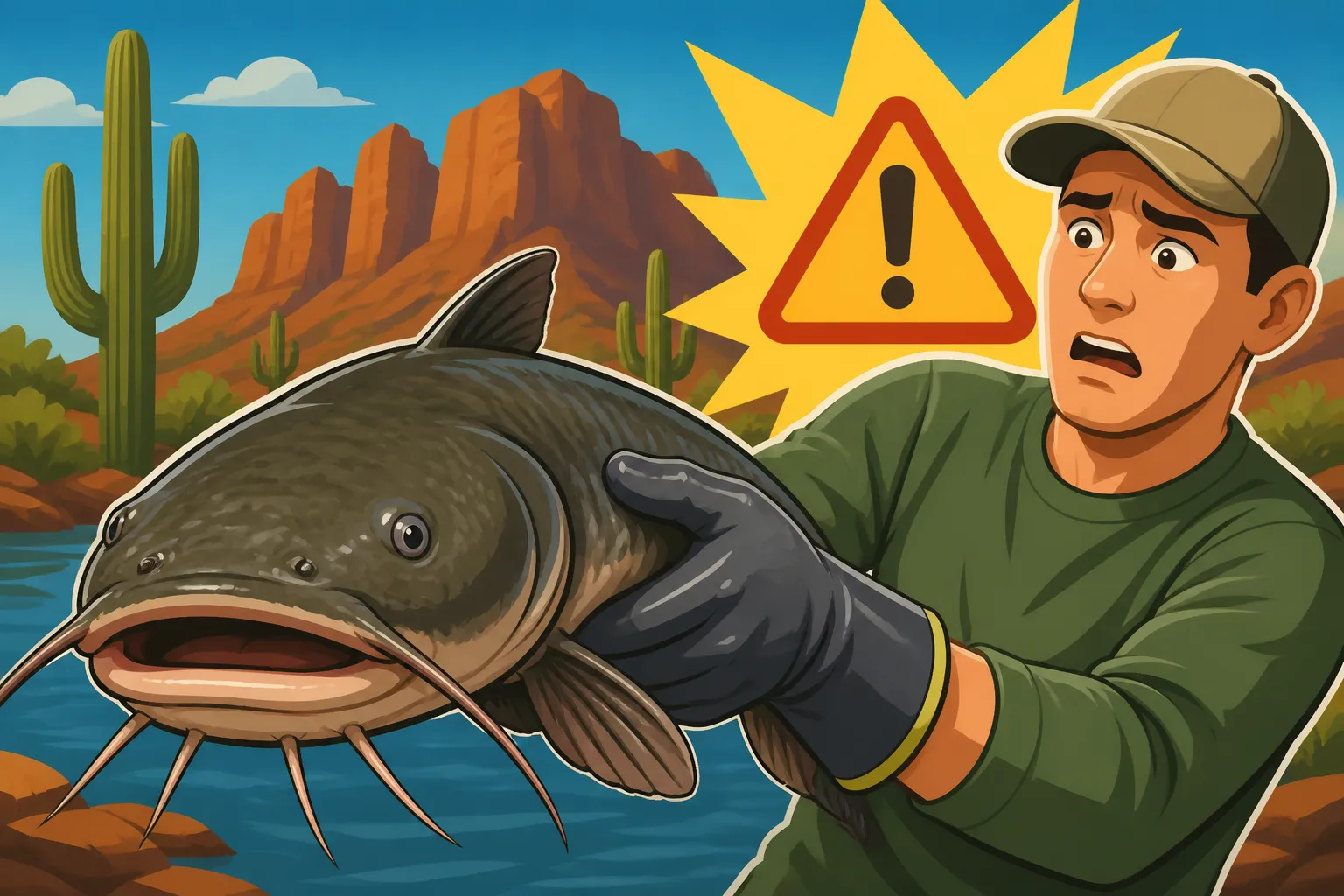
Let's address the elephant in the room – those infamous catfish spines. Flathead catfish, like many other catfish species, are equipped with sharp, bony spines on their dorsal (back) fin and their two pectoral (side) fins. These aren't just pointy; they are quite rigid and incredibly sharp, capable of delivering a painful puncture wound if you're not careful. This is their primary defense mechanism against predators. When a flathead feels threatened, it will often lock these spines into an upright position, making it a much larger, more difficult, and certainly more painful mouthful for anything trying to eat it.
Now, here's an important distinction: these spines are generally not venomous in the way a snake bite or a scorpion sting is. You won't find a venom gland secreting a specific toxin into your bloodstream. However, a puncture from a catfish spine can still be incredibly painful, often accompanied by throbbing and swelling. The real danger, beyond the immediate pain, lies in the potential for infection. Catfish, especially those living in murky, silty river bottoms or lakebeds, carry a lot of bacteria on their skin and spines. When a spine breaks the skin, it can introduce these bacteria deep into the tissue, leading to nasty infections if not properly cleaned and treated. Think of it less like a bee sting and more like stepping on a rusty nail – the pain is one thing, but the risk of infection is the bigger concern.
Jaw Power and Teeth (or lack thereof for worry)
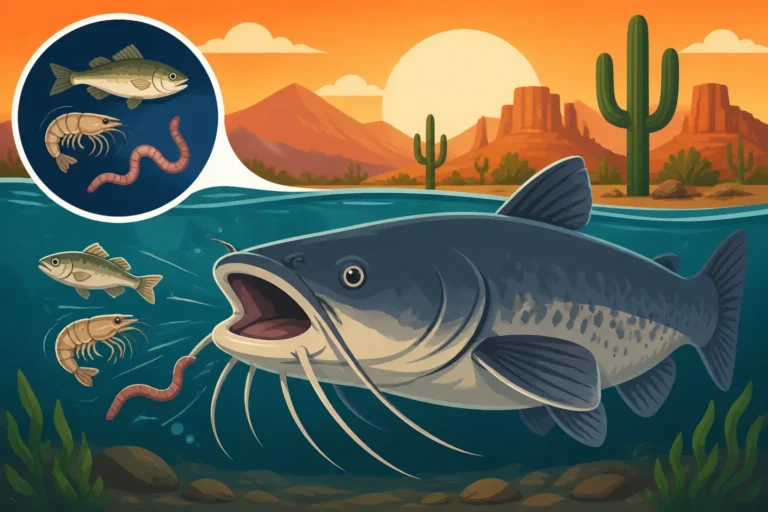
Another common concern people have when handling large fish, especially predatory ones, is getting bitten. With flathead catfish, you can generally put that worry to rest. Unlike a largemouth bass with its surprisingly rough mouth or a pike with rows of needle-sharp teeth, the flathead catfish's mouth is not designed for biting chunks out of its prey or delivering a painful chomp to an angler. Their primary method of feeding is to engulf their prey whole, often sucking it in with a powerful vacuum action.
If you were to feel inside a flathead's mouth (which, honestly, you probably won't be doing unless you're trying to retrieve a deeply swallowed hook), you'd find what's often described as "sandpaper" teeth. These aren't individual, sharp incisors. Instead, they are countless tiny, rasp-like teeth that cover pads in their jaws. Their purpose is to grip slippery prey, like smaller fish or crawdads, preventing them from escaping once they're inside the mouth. While these teeth can certainly abrade your skin if you were to stick your hand in there and try to pull it out, they are highly unlikely to cause a deep cut or a serious biting injury. So, when it comes to their mouth, the danger is minimal compared to the spines.
Common Handling Injuries and How to Avoid Them
Even with the best intentions, accidents can happen. Knowing what kind of injuries are most common when handling flathead catfish can help you prevent them and prepare for immediate first aid if something does go awry. We've all been there, a fish flops at the wrong moment, or you lose your grip, and suddenly you're facing a potential scrape or poke. The Arizona sun can also make any minor injury feel worse if not dealt with quickly.
Puncture Wounds and Infections
The most prevalent injury you'll encounter with a flathead catfish, by far, is a puncture wound from one of its dorsal or pectoral fin spines. These aren't just superficial scratches. Because the spines are rigid and sharp, they can penetrate quite deeply into the skin, muscle, or even tendons. The immediate sensation is often a sharp, intense pain, followed by a persistent throbbing ache. Swelling and redness around the puncture site are also very common, sometimes extending up the limb.
Beyond the immediate pain, the real concern is infection. As mentioned, flatheads often carry various bacteria, including some nasty ones, on their bodies. When a spine punctures your skin, it essentially acts as a dirty needle, injecting these bacteria into your flesh. If left untreated, these infections can become serious, leading to cellulitis, abscesses, or even more severe systemic issues in rare cases. It's crucial to treat any puncture wound from a catfish spine seriously, even if it seems minor at first. Proper cleaning and disinfection are your best defense against a prolonged, painful infection that could ruin your fishing trip and potentially require a doctor's visit or even antibiotics. Consider bringing a small first-aid kit with you when you're heading out to the Best Fishing Lakes in Arizona.
Scrapes and Abrasions from Rough Skin
While not as dramatic as a spine puncture, the flathead catfish's skin can also cause minor but irritating injuries. Their skin isn't smooth and slimy like a channel catfish; it's quite rough, almost like coarse sandpaper. This texture provides them with camouflage and likely some protection, but for an angler, it means that if a large flathead thrashes against your bare skin, it can cause scrapes, rashes, and abrasions. These might not bleed profusely, but they can sting, become tender, and create openings for minor skin infections if not cleaned.
Imagine trying to land a 20-pound flathead that decides to put up a final fight at the boat, rubbing its side against your forearm as you try to secure it. You might end up with an angry-looking red rash or a series of small, superficial scrapes. While less dangerous than a spine puncture, these abrasions can still be uncomfortable, especially when exposed to the elements or saltwater (if you're fishing somewhere that connects to brackish water, though less common for true flatheads). They are definitely something to be aware of and something that good handling practices can easily mitigate, ensuring you have a pleasant experience overall, whether you're at Roosevelt Lake Arizona Fishing Guide or another prime spot.
Essential Gear and Techniques for Safe Flathead Catfish Handling
Okay, so we’ve covered what can go wrong. Now, let’s talk about how to make sure things go right. Handling flathead catfish, especially the bigger ones, requires a combination of the right tools and the right approach. It’s about minimizing stress for both you and the fish, and ultimately, ensuring everyone leaves the encounter unscathed. You wouldn't go hiking in the desert without water, and you shouldn't tackle big flatheads without the proper gear and know-how.
Must-Have Safety Gear
Investing in a few key pieces of gear can make all the difference in safely handling flathead catfish. First and foremost, puncture-resistant gloves are an absolute game-changer. These aren't just your flimsy gardening gloves; you'll want something made from thick leather, Kevlar, or a similar heavy-duty material that can withstand a potential jab from a fin spine. They might feel a little bulky at first, but the protection they offer against both spines and the rough skin is invaluable. Having a good pair of these on hand means you can confidently grip the fish without constantly worrying about getting poked. Many reputable brands offer fishing-specific gloves designed for this very purpose, and you can find a wide variety of options on Amazon with different levels of protection and dexterity.
Next up are lip grippers. These tools are fantastic for controlling larger fish without ever having to put your hands near their mouths or gill plates. A quality lip gripper allows you to securely hold the flathead by its lower jaw, giving you leverage and keeping the fish at a safe distance from your body. Look for models made from durable, corrosion-resistant materials, especially if you plan to fish in Arizona's diverse waterways where gear can take a beating. They often come with a scale built in, which is a nice bonus for quickly weighing your catch. Finally, long-nose pliers or a dedicated dehooker are critical. These allow you to reach into the fish's mouth to remove hooks cleanly and efficiently, again, without putting your fingers in harm's way. Trying to remove a deeply set hook with your bare hands is a recipe for disaster, risking both a spine puncture and potential injury to the fish.
Proper Lip-Gripping and Landing Techniques
Once you've got a flathead on the line, the battle isn't over until it's safely in your control. The landing and initial handling are where most injuries occur. For larger flatheads, the safest and most effective technique involves using those lip grippers we just talked about. When the fish is alongside the boat or close to the bank and tired, firmly attach the lip gripper to its lower jaw. Make sure you get a solid, secure grip.
Once the lip gripper is engaged, the next crucial step is to support the fish's body. Never just lift a large flathead solely by its lip gripper, as this can severely damage its jaw and internal organs, especially if it’s a big, heavy fish. Instead, slide your other (gloved) hand under the fish's belly, supporting its weight evenly. For very large fish, you might even need two hands or a second person to lift it, ensuring its body is horizontal. This technique minimizes stress on the fish and gives you maximum control. If you're planning on a quick photo, ensure the fish is held horizontally with plenty of body support. For truly monster flatheads, it's often best to keep them in the water as much as possible, only lifting for a quick photo or measure before a swift release. This ensures a healthy fish for future catches and keeps everyone safe.
Safe Dehooking and Release
After you've landed your flathead and taken any necessary measurements or photos, the next step is safely dehooking and releasing it, or humanely dispatching it if you intend to keep it (always check Arizona Fishing Regulations Explained for limits). This is another moment when attention to detail is paramount to prevent injury to yourself and to ensure the fish's survival. With the fish secured by the lip gripper and its body supported, use your long-nose pliers or dehooker to carefully remove the hook. If the hook is deeply swallowed, a dehooker can be invaluable, allowing you to reach without having to put your hand inside the fish's mouth.
Always try to unhook the fish as quickly and gently as possible. If the hook is really deep and you're planning to release the fish, it's sometimes better to cut the line as close to the hook as possible. Hooks made from carbon steel will eventually rust away, minimizing long-term harm to the fish. Once the hook is removed, gently slide the flathead back into the water. If it appears sluggish, hold it upright in the water, facing into any current, and gently move it back and forth to help water flow over its gills until it regains strength and swims away on its own. Releasing a fish properly not only ensures the health of the fishery but also reduces your time spent in a potentially risky situation with a large, powerful creature.
What to Do If You Get Stuck by a Flathead Spine
Even with the best precautions and proper gear, accidents can happen. A sudden flop, a missed grip, or just plain bad luck can result in a painful encounter with a flathead catfish spine. Don't panic, but do take it seriously. Knowing the right steps to take immediately can prevent a minor mishap from turning into a more significant problem.
Immediate First Aid Steps
If you find yourself on the receiving end of a flathead catfish spine, the first priority is to get the fish safely back into the water or secured so it no longer poses a risk. Then, turn your attention to the wound. The very first thing you should do is clean the puncture wound thoroughly. This means washing it vigorously with soap and clean water. If you're out on the lake or river, use bottled water or water from your cooler if potable tap water isn't available. The goal here is to flush out as much potential bacteria and debris as possible. Don't just dab at it; really try to irrigate the wound.
After washing, apply a generous amount of antiseptic solution, like rubbing alcohol, hydrogen peroxide, or an antiseptic wipe, if you have one in your first-aid kit. Gently press around the wound to encourage any remaining fluid or bacteria to exit. If there’s any bleeding, apply direct pressure with a clean cloth or gauze to stop it. Once bleeding has stopped and the wound is clean, apply an antibiotic ointment and cover it with a sterile bandage to protect it from further contamination. Keep an eye on the wound over the next few hours and days for any signs of infection. This quick response can make a world of difference in preventing complications. For more details on immediate care, you might check guides on how to prepare for fishing in Arizona Monsoon Season Fishing Guide, as they often include first aid tips.
When to Seek Medical Attention
While many flathead catfish spine punctures can be managed with proper first aid, there are definitely situations where seeking professional medical attention is absolutely necessary. You should always err on the side of caution, especially when dealing with potential infections. If, after cleaning and treating the wound, you experience any of the following symptoms, it's time to head to an urgent care center or call your doctor:
- Increasing Pain and Swelling: If the pain intensifies significantly, or the swelling spreads beyond the immediate puncture site, it could indicate a worsening infection or a deeper tissue reaction.
- Persistent Redness and Warmth: Redness that spreads, especially with warmth radiating from the area, is a classic sign of inflammation and infection.
- Pus or Discharge: Any pus, foul-smelling discharge, or weeping from the wound is a clear indication that bacteria are having a party, and you need medical intervention.
- Fever or Chills: If you develop a fever, chills, or generally feel unwell (flu-like symptoms), it suggests the infection might be spreading systemically.
- Red Streaks Leading Away from the Wound: This is a very serious sign, often indicating lymphangitis, where the infection is spreading through your lymphatic system. Seek immediate medical care.
- Deep Puncture or Retained Spine Fragment: If the spine broke off in the wound, or if the puncture is unusually deep, a doctor might need to surgically explore the wound to remove fragments and ensure proper cleaning.
Remember, your health is paramount. A fishing trip is never worth risking a serious infection. Prompt medical attention can prevent minor wounds from escalating into more severe health issues, ensuring you're back on the water for more Best Bass Fishing Lakes in Arizona adventures sooner rather than later.
Flathead Catfish "Dangers" vs. Safe Handling Solutions
To summarize, here's a quick look at the perceived dangers of handling flathead catfish and the practical solutions you can implement for a safe and enjoyable fishing experience.
| Perceived Danger | Actual Threat | Recommended Safe Handling Solution |
|---|---|---|
| "Venomous" Spines | Sharp spines cause painful puncture wounds; high risk of bacterial infection. | Wear puncture-resistant gloves, use lip grippers, carry a first-aid kit for immediate cleaning and antiseptic application. |
| Getting Bitten | Minimal threat; mouth has sandpaper-like teeth for gripping, not biting. | Avoid putting bare hands deep into the mouth unnecessarily. Use long-nose pliers/dehooker for hook removal. |
| Thrashes and Struggles | Powerful fish can cause scrapes, abrasions, or inadvertently jab you with spines. | Use a lip gripper for secure control. Support the fish's body horizontally with a gloved hand/two hands. |
| Deeply Swallowed Hooks | Difficult and risky to retrieve by hand, causing stress to fish and danger to angler. | Always carry long-nose pliers or a dehooker. If necessary, cut the line for quick release. |
| Bacteria on Fish Skin/Spines | Can lead to nasty infections if introduced into open wounds. | Thorough wound cleaning with soap and water, followed by antiseptic and bandage if punctured. |
Disclaimer
This article is for general informational purposes only and does not constitute professional advice. Laws, prices and regulations vary by location and change over time. Consult a qualified professional for guidance on your specific situation.