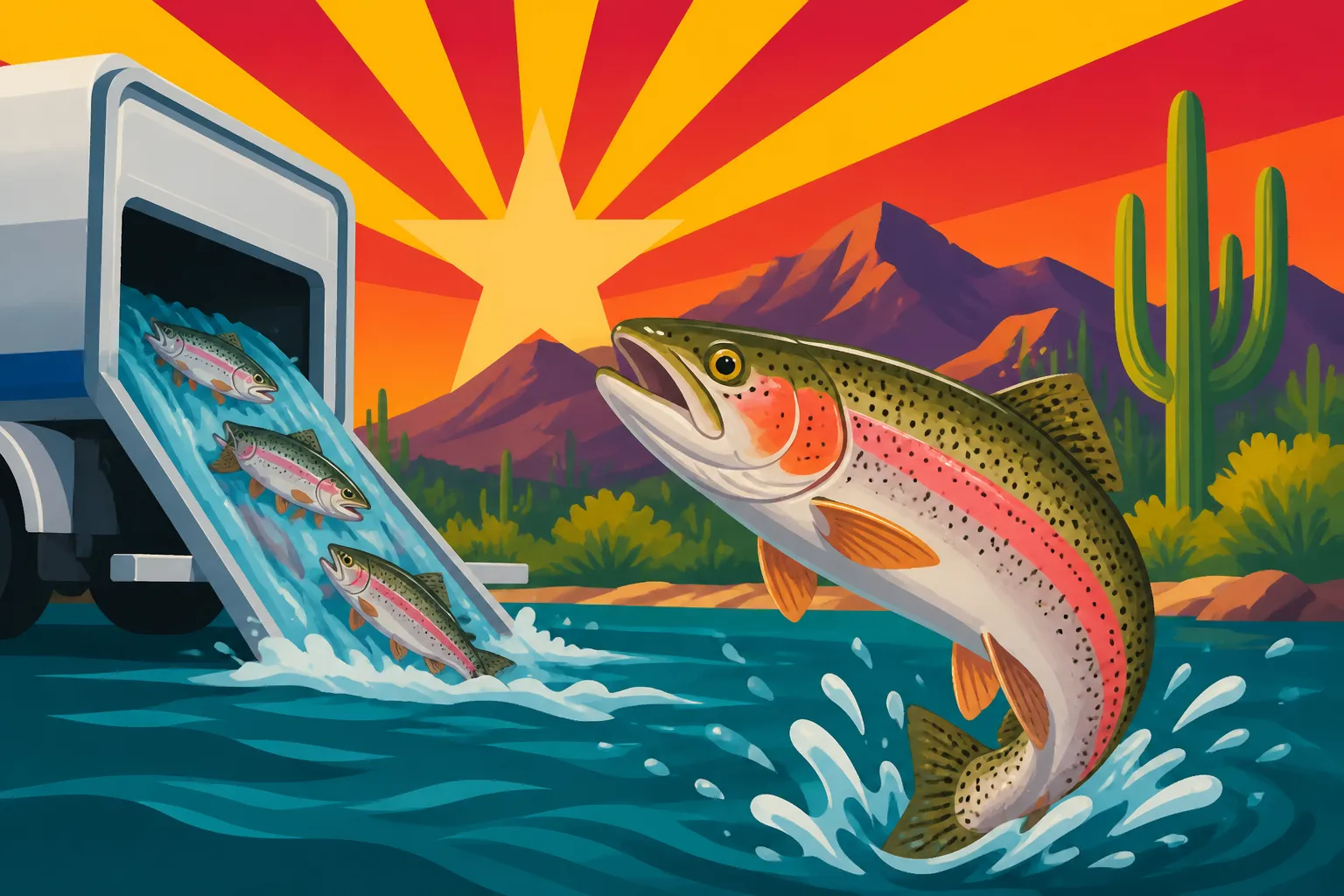
Cutbow Trout Stocking in Arizona
It's always exciting to talk about unique fish, and the cutbow trout is certainly one that piques a lot of angler interest here in Arizona. Many folks get a little confused about whether these beautiful hybrids are regularly stocked, where to find them, and what makes them such a great catch. This guide aims to clear up all that mystery, diving deep into cutbow trout stocking programs across Arizona and offering up some seasoned advice on how to reel in these feisty fish.
What Exactly is a Cutbow Trout?
Before we talk about stocking them, it's really helpful to understand what a cutbow trout actually is. It’s not a separate, naturally occurring species, but rather a fascinating hybrid, a crossbreed that brings together the best traits of two popular trout species. Understanding its lineage gives us a huge leg up in figuring out where they might thrive and how best to catch them.
The Genetic Blend: Cutthroat and Rainbow
At its heart, a cutbow trout is a blend of a cutthroat trout and a rainbow trout. You see, these two species are close enough genetically that they can interbreed, and when they do, their offspring get a unique mix of characteristics. On the one hand, you have the rainbow trout, known for its strong fighting spirit, beautiful iridescent stripe, and adaptability to various waters. On the other, the cutthroat trout brings a touch of wildness, often preferring colder, more pristine waters and known for its distinctive red or orange slash marks under its jaw, which gives it its name. The "cut" in cutbow comes from the cutthroat, and the "bow" from the rainbow. This natural crossbreeding can occur in the wild where their habitats overlap, but cutbows are also intentionally produced in hatcheries for stocking purposes because of their desirable traits.
When thinking about fishing for these hybrids, it's important to remember that they might exhibit behaviors or preferences from either parent. They often inherit the hardiness and fast growth rate of the rainbow, combined with some of the more elusive, wilder instincts of the cutthroat. This combination can make them incredibly fun and sometimes challenging to pursue.
Identifying Features of a Cutbow
Spotting a cutbow can be a fun challenge. They often display a mix of features from both parent species. The most tell-tale sign from the cutthroat side is that distinctive red or orange "slash" mark under the jaw. It might not be as vibrant or pronounced as on a pure cutthroat, but it's usually there. From the rainbow side, you'll often see that classic pinkish or reddish stripe running along the lateral line of its body, sometimes fading or less intense than on a pure rainbow. Their body shape tends to be more like a rainbow – sleek and torpedo-like – and their spots are usually smaller and more numerous, scattered over their back and fins, similar to a rainbow.
However, identification isn't always cut and dry. The exact appearance can vary quite a bit depending on which parent contributed more dominant genes, the specific strains of cutthroat and rainbow used in the cross, and even the water conditions they live in. Sometimes, you might catch a fish that looks mostly like a rainbow but has a faint jaw slash, or one that’s clearly a cutthroat but has some rainbow-like spots. Regardless of their exact looks, knowing what to look for can help you appreciate these unique catches even more. Fish Species Guide for Arizona Lakes can offer more insights into other species you might encounter.
Why Cutbows are Desirable for Anglers
So, why go through the trouble of creating and stocking cutbows? Simply put, they offer the best of both worlds for many anglers. They tend to grow faster and larger than some native trout species, thanks to what biologists call "hybrid vigor." This means they can provide a more substantial and exciting fight on the end of your line. Their robust nature also often makes them more resilient to varying water conditions and easier to raise in hatcheries, ensuring a consistent supply for stocking programs. This boosts recreational fishing opportunities significantly.
Furthermore, cutbows often retain some of the beauty and allure of the wilder cutthroat, with that distinctive jaw slash, while also offering the aggressive biting tendencies that make rainbow trout so popular with bait and lure anglers. They're a fantastic target for those looking for a lively fight and a beautiful fish to admire before releasing or taking home for the pan. For those looking to upgrade their fishing experience, the cutbow is a species that promises both excitement and a connection to Arizona's diverse trout waters.
Where Do Cutbow Trout Get Stocked in Arizona?
Arizona might be known for its desert landscapes, but we also boast some fantastic cold-water fisheries, especially in our higher elevations. This is where you’re most likely to find cutbow trout, thanks to strategic stocking efforts by the Arizona Game and Fish Department (AZGFD). Knowing where and when these fish are stocked is key to planning a successful trip.
Key Stocking Locations and Programs
Cutbow trout stocking in Arizona primarily focuses on areas that can support trout populations, which generally means cooler, oxygen-rich waters. While specific stocking schedules can change based on water levels and conditions, you'll typically find cutbows introduced into lakes and streams in the White Mountains, central Arizona's high country, and sometimes specific community fishing waters that maintain suitable temperatures. Lakes like Big Lake, Show Low Lake, and the various reservoirs along the Mogollon Rim are prime candidates. These locations offer the cooler temperatures and deeper waters that trout, including cutbows, need to thrive, especially as summer temperatures rise in other parts of the state.
The AZGFD actively manages these fisheries, using stocking programs to enhance angling opportunities. They aim to balance native species conservation with providing diverse recreational options. Sometimes, cutbows might be stocked alongside or in rotation with pure rainbow trout or other cold-water species to see how they perform in different environments. Keeping an eye on the official AZGFD stocking reports is always your best bet for the most up-to-date information on where these exciting hybrids are being released.
Seasonal Stocking Patterns
Just like other trout species, cutbow stocking in Arizona follows a seasonal pattern designed to maximize their survival and angler success. You'll typically see the most active stocking during the cooler months of spring and fall. In the high-elevation lakes and streams, this means after the ice thaws in spring and before it sets in late fall or early winter. These seasons provide optimal water temperatures that are comfortable for the trout and encourage them to actively feed. As the Arizona heat ramps up in summer, stocking in shallower or warmer waters becomes less frequent or ceases entirely, as trout struggle in warmer water.
For lakes with deeper, cooler thermoclines, like some of the larger reservoirs, stocking might occur even during parts of the summer, but typically into deeper sections where the fish can escape the surface heat. Conversely, in the winter, once ice forms on many northern Arizona lakes, stocking pauses, though ice fishing for holdover cutbows can be fantastic. Arizona Fishing Seasons Explained can give you a broader overview of how different fish species are targeted throughout the year, and Trout Stocking Season in Arizona will offer more specifics about when trout, including cutbows, are generally put into Arizona waters.
Factors Influencing Stocking Decisions
The decision to stock cutbow trout, or any fish for that matter, is a complex one, influenced by a variety of environmental, biological, and recreational factors. Water temperature and quality are paramount; a body of water must be able to sustain trout. This includes sufficient dissolved oxygen levels and a lack of pollutants. The presence of existing fish populations is also considered, as stocking needs to avoid negatively impacting native species or creating imbalances in the ecosystem. For instance, in waters with sensitive native trout populations, cutbow stocking might be avoided or heavily managed to prevent interbreeding.
Beyond environmental suitability, angler demand plays a significant role. If anglers show a strong interest in catching cutbows, and the species proves successful in certain waters, the AZGFD is more likely to continue and even expand those stocking efforts. Accessibility for anglers, potential for natural reproduction (though less common for hybrids), and the availability of fish from hatcheries are all critical pieces of the puzzle. It’s a careful balancing act, aiming to provide exciting fishing experiences while maintaining healthy and sustainable aquatic environments.
Strategies for Catching Arizona Cutbows
Alright, now that we know what cutbows are and where they might be swimming, let's talk about the fun part: catching them! Because they're a hybrid of rainbow and cutthroat, a versatile approach that borrows techniques from both species is often your best bet. Whether you're a bait fisherman, a spin caster, or a fly angler, there are effective ways to target these unique trout.
Preferred Baits and Lures
Cutbows, much like their rainbow trout relatives, aren't overly picky, making them accessible to a wide range of anglers. For bait fishermen, staple options like PowerBait (in various colors and forms, especially glittery or strong-scented ones), salmon eggs, and nightcrawlers fished off the bottom with a simple slip-sinker rig or under a bobber are highly effective. Many anglers swear by a marshmallow and PowerBait combination to float the bait just off the bottom. If you're looking for gear, you can often find a great selection of PowerBait and various hook sizes on Amazon.
When it comes to lures, smaller is often better. Spinners like Rooster Tails, Mepps, or Panther Martins in sizes #0 to #2 are fantastic, especially in silver, gold, or bright colors that mimic small baitfish or attract attention. Small spoons, such as Kastmasters or Little Cleos, in similar metallic finishes can also be deadly, particularly when retrieved with an erratic stop-and-go action. For fly anglers, patterns that imitate aquatic insects like nymphs (Pheasant Tail, Hare's Ear), small streamers (Woolly Bugger in olive or black), or dry flies during a hatch are excellent choices. Best Baits and Lures for Arizona Fishing offers a more general guide that will apply well to cutbows too.
Ideal Fishing Techniques
Given their mixed heritage, cutbows respond well to both aggressive and subtle presentations. If you're spin fishing, casting and retrieving small spinners or spoons, varying your retrieve speed, can often entice a strike. Sometimes a steady retrieve works, other times a twitch-and-pause will trigger a reaction bite. Focus on areas where cutbows might find cover or food, such as drop-offs, submerged structures, or around areas of current. For bait fishing, patience is key. Cast your bait out, let it settle, and wait for the distinctive tug.
Fly fishing for cutbows can be incredibly rewarding. During insect hatches, matching the hatch with appropriate dry flies can lead to explosive surface strikes. At other times, drifting nymphs under an indicator or stripping streamers through deeper pools will be more productive. Remember that cutbows can be found both in stillwater lakes and moving water streams, so adapting your technique to the specific environment is crucial. Best Trout Fishing Techniques for Arizona Waters delves deeper into strategies that will directly benefit your cutbow hunt.
Targeting Cutbows in Different Environments
The approach you take to catch cutbows should definitely change depending on whether you're fishing a lake or a stream. In lakes, cutbows will often school, especially if they've been recently stocked. Look for them cruising along shorelines in cooler water during spring and fall, or suspended over deeper structure during warmer periods. Trolling with small spoons or Rapalas can be very effective from a boat. Bank anglers should target coves, points, and areas near inlets or outlets.
In streams and rivers, cutbows will position themselves in holding lies where they can ambush prey and conserve energy. Think about the deeper pools, behind large rocks, under cut banks, or in the seams where faster current meets slower water. Presenting your bait, lure, or fly upstream and allowing it to drift naturally through these prime locations will increase your chances. Always be mindful of your presentation; approaching stealthily to avoid spooking the fish, especially in clear stream waters, can make all the difference.
| Fishing Environment | Preferred Baits/Lures | Key Techniques | Target Areas |
|---|---|---|---|
| Lakes | PowerBait, Salmon Eggs, Worms | Bottom Rig, Slip Bobber | Drop-offs, Coves, Inlets/Outlets |
| Small Spinners, Spoons | Cast & Retrieve, Trolling | Depths 10-25 ft, Submerged Structure | |
| Nymphs, Streamers (Fly) | Indicator Nymphing, Stripping | Weed lines, Points, Open Water | |
| Streams/Rivers | Worms, Salmon Eggs | Drift Rig, Split Shot | Deep Pools, Runs, Eddies |
| Small Spinners, Spoons | Cast Upstream, Erratic Retrieve | Behind Rocks, Cut Banks, Seams | |
| Dry Flies, Nymphs, Streamers | Match the Hatch, Drift, Swing | Riffles, Pocket Water, Current Breaks |
The Impact of Cutbow Stocking on Arizona Fisheries
Stocking fish, especially hybrids like cutbow trout, isn't just about giving anglers something new to catch. It's a carefully considered management tool that has both immediate benefits and long-term ecological implications. Understanding these impacts helps us appreciate the work done by wildlife agencies and encourages responsible angling practices.
Benefits for Recreational Fishing
The most immediate and obvious benefit of cutbow trout stocking is the enhancement of recreational fishing opportunities. Arizona's diverse waters, particularly in the cooler, higher elevations, become more vibrant and attractive to anglers when robust, catchable fish are regularly introduced. Cutbows grow relatively quickly and often reach a good size, providing a thrilling fight for both novice and experienced fishermen. This contributes significantly to local economies, as anglers purchase licenses, gear (think new rods and reels from retailers, perhaps even a specific lure set you might grab from Amazon), fuel, food, and lodging in communities near popular fishing spots.
Furthermore, introducing a hybrid species like the cutbow can sometimes provide a more resilient option for fisheries facing environmental challenges, such as fluctuating water levels or temperatures. Their combined genetics might make them hardier than a pure-strain trout in certain conditions, ensuring a more consistent fishing experience year after year. This reliability is something many anglers value, especially when planning family trips or weekend getaways focused on fishing.
Potential Ecological Considerations
While there are many positives, fisheries management also carefully considers the potential ecological impacts of stocking non-native or hybrid species. One primary concern with any stocked trout, including cutbows, is the potential for competition with native fish species for food and habitat. In some sensitive ecosystems, the introduction of even a hardy hybrid could put pressure on already struggling native trout populations. The AZGFD goes to great lengths to study and understand these interactions, choosing stocking locations that minimize such risks.
Another consideration, particularly with hybrids, is the potential for interbreeding with native cutthroat or rainbow trout populations if they occur in the same waters. While cutbows are often sterile or have reduced reproductive success, it's not always guaranteed, and uncontrolled interbreeding could dilute the genetic purity of wild, native strains. This is why stocking decisions are made with careful consideration of the specific genetic makeup of the fish and the unique characteristics of each body of water. Agencies generally prioritize stocking in waters where native trout are not present or where a "put-and-take" fishery is the primary goal, meaning the fish are stocked for immediate catch rather than long-term natural reproduction. Native Fish Species of Arizona offers more background on Arizona's aquatic heritage.
How Anglers Can Support Sustainable Stocking
As anglers, we play a crucial role in supporting sustainable stocking practices and the overall health of Arizona's fisheries. The most important step is to always adhere to current Arizona Fishing Regulations Explained, including bag and possession limits, size restrictions, and any special rules for specific bodies of water. These regulations are designed to maintain healthy fish populations and ensure fair fishing for everyone. Purchasing your Arizona Fishing License Guide is also vital, as the fees directly fund stocking programs, habitat restoration, and conservation efforts.
Beyond compliance, practicing responsible catch and release, especially for fish you don't intend to keep, helps ensure that healthy fish remain in the water to grow larger or potentially contribute to future generations. Being mindful of your impact on the environment, such as proper disposal of trash and avoiding the spread of aquatic invasive species, also contributes to healthy waters. By being informed and responsible, we can help ensure that the excitement of catching cutbow trout and other species continues for years to come.
Disclaimer
This article is for general informational purposes only and does not constitute professional advice. Laws, prices and regulations vary by location and change over time. Consult a qualified professional for guidance on your specific situation.