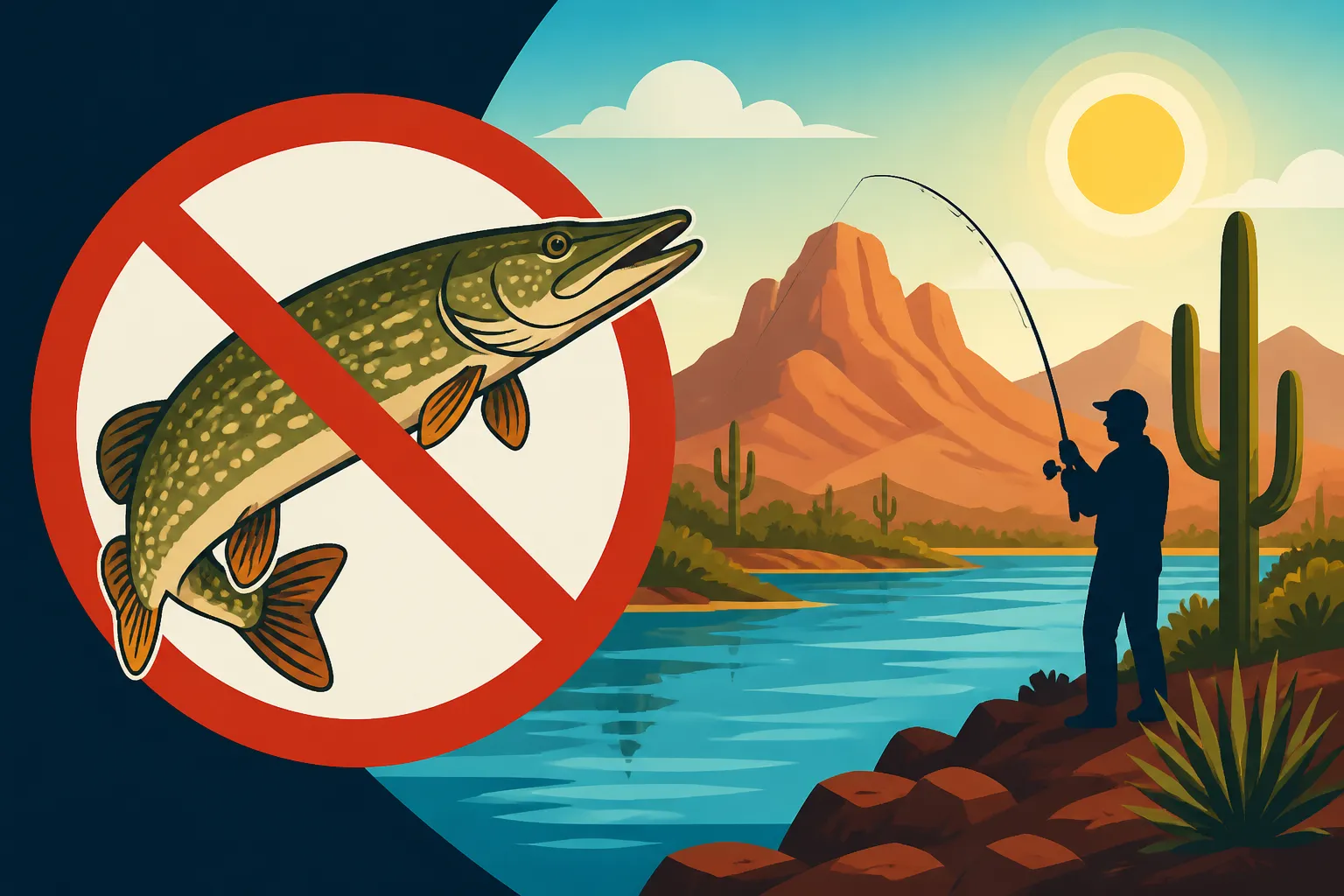
Northern Pike Absence From Arizona Lakes
It's a common question for anglers new to the Grand Canyon State, or even those who've fished elsewhere and are used to certain cold-water predators: "Where can I find Northern Pike in Arizona?" Many folks envision these toothy, aggressive giants lurking in weedy northern lakes, and naturally wonder if Arizona's vast waterways might host them. However, if you've been searching fruitlessly for these formidable fish, you're not alone in your confusion. This comprehensive guide is here to unravel the mystery and explain why Northern Pike are notably absent from Arizona's lakes and rivers, while also highlighting the incredible predatory species that do thrive here, offering you just as much, if not more, angling excitement.
Why Northern Pike Aren't Found in Arizona's Waters
The absence of Northern Pike in Arizona isn't a random quirk; it's a deliberate outcome influenced by the state's unique environment and strategic fisheries management. Unlike many northern states and Canadian provinces where pike are iconic, Arizona's natural conditions simply don't align with what these fish need to thrive and reproduce. Understanding these factors is key to appreciating the distinct fishing opportunities Arizona does offer.
Climate and Water Temperature Challenges
Northern Pike, by their very nature, are cold-water fish. They are most comfortable and active in water temperatures ranging from the mid-50s to low 70s Fahrenheit. While Arizona has stunning high-elevation lakes like Big Lake or Show Low Lake, even these pristine waters experience significant warming during the long, hot Arizona summers. Our desert lakes, such as Lake Pleasant, Roosevelt Lake, or Lake Havasu, often see surface temperatures climb into the 80s and even 90s degrees Fahrenheit for extended periods.
Sustained exposure to these warm water temperatures is extremely stressful for Northern Pike. It can suppress their feeding, reduce their growth rates, and severely impact their immune systems, making them more susceptible to disease. More critically, these elevated temperatures can be lethal, making it impossible for a self-sustaining population of pike to establish itself. Even if a few were introduced, they would struggle to survive past their first Arizona summer, let alone reproduce successfully. The biological demands of these fish simply don't compute with the scorching realities of an Arizona summer, even at higher elevations.
Lack of Suitable Habitat and Spawning Grounds
Beyond temperature, Northern Pike also have very specific habitat preferences that are largely unfulfilled in Arizona. They are ambush predators that thrive in lakes and slow-moving rivers with extensive areas of shallow, heavily vegetated cover. Think dense beds of lily pads, cattails, and submerged aquatic grasses where they can lie in wait for unsuspecting prey. These weedy environments provide both camouflage and a rich feeding ground.
Many of Arizona's most popular fishing destinations, especially the large desert reservoirs like Canyon Lake, Saguaro Lake, or Bartlett Lake, are characterized by deep, clear, and often rocky canyons with relatively sparse aquatic vegetation. While some coves might offer patches of weeds or submerged timber, these are typically not extensive enough to support a robust pike population across the entire lake system. The fluctuating water levels inherent to reservoir management also play a role, often stranding or drying out potential spawning grounds that require specific conditions, like flooded vegetation, for successful egg deposition. This constant change is simply not conducive to the consistent reproductive cycles that pike need.
Arizona Game and Fish Department Management Priorities
The Arizona Game and Fish Department (AZGFD) has a clear strategy when it comes to managing the state's fisheries. Their focus is on species that are well-suited to Arizona's environment and can provide sustainable, high-quality angling opportunities. This often means prioritizing species that can tolerate warmer waters or thrive in the specific habitats available, while also protecting native species.
Introducing a highly predatory, non-native species like the Northern Pike would present several significant risks. Pike are voracious eaters and could easily outcompete or decimate existing populations of sportfish like bass and crappie, or worse, threaten already vulnerable native fish species. The AZGFD carefully considers the ecological balance and the potential unintended consequences before introducing any new species. Their management plan is designed to optimize fishing for the species that do thrive here, ensuring a healthy and diverse ecosystem. You can learn more about these priorities in the Arizona Fishing Regulations Explained.
The Ideal Habitat Northern Pike Need to Thrive
To truly understand why Arizona isn't a suitable home for Northern Pike, it helps to paint a picture of where they do thrive. Imagining their preferred environment makes the contrast with Arizona's unique aquatic landscapes even clearer.
Cold, Clear, and Weedy Waters
Northern Pike are perfectly adapted to the cooler, often eutrophic (nutrient-rich and productive) waters found across Canada, the upper Midwest of the United States, and parts of Europe. These regions boast vast networks of shallow, interconnected lakes and slow-moving rivers. These bodies of water are typically teeming with aquatic vegetation, creating an underwater jungle of weeds and grasses that serve as perfect ambush points for pike. Think of Minnesota's 10,000 lakes, Wisconsin's expansive flowages, or the vast wilderness lakes of Ontario – these are pike paradises.
The water in these regions is often clear enough for pike to use their excellent eyesight to hunt, but not so sterile that it lacks the necessary forage base. The consistent cold temperatures throughout the year prevent the thermal stress that would be common in Arizona. These environments offer a stable, predictable habitat that allows pike to grow to impressive sizes and maintain robust populations, becoming the apex predators of their freshwater domains.
Specific Spawning Requirements
Another critical factor is spawning. Northern Pike are early spring spawners, often migrating into shallow, flooded vegetated areas shortly after ice-out, when water temperatures are still quite cold. They broadcast their sticky eggs over submerged grasses, sedges, and other vegetation. This dense plant life is crucial for protecting the eggs and providing cover for the newly hatched fry.
Arizona's reservoir systems, characterized by significant fluctuations in water levels, rarely offer this consistent, ideal spawning habitat. Spring drawdowns or rapid increases in water levels can easily expose or submerge spawning beds, leading to widespread egg and fry mortality. Even in our few natural lakes, the specific combination of early spring cold water and consistently flooded vegetation is generally not met, making natural reproduction virtually impossible for pike here. Without successful natural reproduction, any introduced population would be entirely dependent on continuous stocking, which, as mentioned, goes against AZGFD's management philosophy given the ecological risks.
Similar Predatory Fish You Can Catch in Arizona
Just because Northern Pike aren't on the menu doesn't mean Arizona lacks incredible opportunities for targeting aggressive, hard-fighting predatory fish. In fact, many anglers find the challenge and reward of pursuing Arizona's native and introduced game fish to be just as exciting, if not more so, than a pike hunt. These species fill a similar ecological niche and provide fantastic sport.
Aggressive Bass Species
Arizona is a true bass fishing mecca, home to robust populations of Largemouth Bass and Smallmouth Bass. These fish are powerful, cunning, and will readily attack a variety of lures and baits, making them a fantastic target for anglers seeking that thrilling strike.
- Largemouth Bass: The quintessential Arizona sportfish. You'll find these green giants in almost every major reservoir, from Roosevelt Lake Arizona Fishing Guide to Lake Pleasant and the Salt River chain of lakes like Apache Lake and Saguaro Lake. They love to ambush prey from cover, whether it's submerged trees, rock piles, or patchy vegetation. Throwing a topwater frog, a big swimbait, or a jig into thick cover for a monster largemouth provides an explosive strike that rivals any pike bite. Many anglers dedicate their entire fishing careers to perfecting Best Bass Fishing Techniques for Arizona Lakes. You can find an incredible array of bass lures on Amazon, perfect for targeting these fish in Arizona's unique conditions. For more details, check out our Largemouth Bass Fishing Guide for Arizona.
- Smallmouth Bass: If you prefer rocky structure and a tenacious fight, Arizona's smallmouth bass are an absolute blast. Lake Powell, in particular, is renowned for its trophy smallmouth fishing, with many anglers reporting incredible numbers of chunky bronzebacks. The Colorado River below the dams also holds a fantastic population. Smallmouth are known for their strong runs and aerial acrobatics, making them a favorite for many. They often feed on crawfish and smaller baitfish, and a drop shot or a small crankbait can be deadly. Our Smallmouth Bass Fishing Guide for Arizona has all the tips you'll need.
Hard-Fighting Striped Bass
For sheer power and the chance at a truly massive fish, look no further than Arizona's Striped Bass. These ocean-going transplants thrive in large reservoirs like Lake Powell and Lake Pleasant, and also along sections of the Colorado River. Stripers are apex predators that often hunt in schools, pushing shad to the surface in what are known as "boils." Witnessing a striper boil, where hundreds of fish are crashing bait on the surface, is an unforgettable experience and offers incredible topwater action.
Stripers grow large, with fish regularly exceeding 10, 20, or even 30 pounds in the right conditions. Landing one of these torpedoes requires stout tackle and a strong back. They fight with incredible determination, making long, powerful runs. If you're looking for a fish that will truly test your gear and your angling skills, pursuing striped bass is an excellent alternative to pike. Check out our guide on How to Fish for Striped Bass for techniques and locations.
Trophy Catfish Opportunities
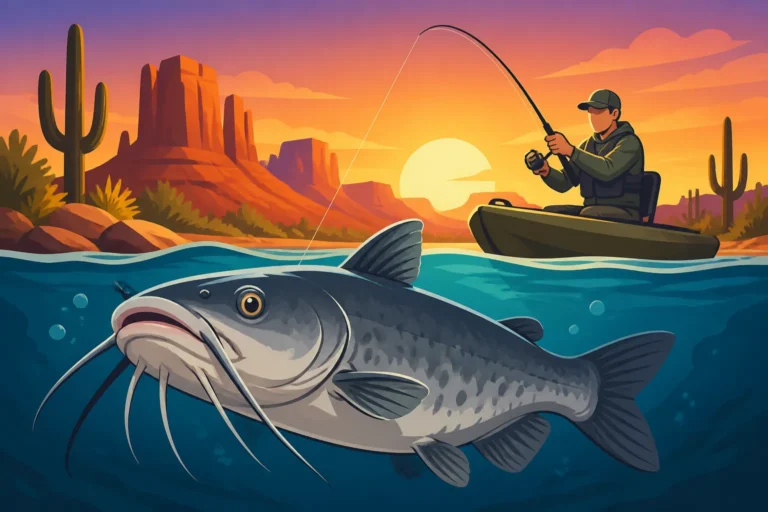
Don't overlook the incredible catfish opportunities in Arizona if you're chasing large, powerful predatory fish. Channel Catfish are abundant in many community lakes and larger reservoirs, providing consistent action for anglers using cut bait or stink baits. However, for those seeking a true monster, the Flathead Catfish of the Colorado River and larger lakes like Roosevelt Lake and Alamo Lake are in a league of their own.
Flatheads are ambush predators that prefer live bait and can grow to truly enormous sizes, often exceeding 50 pounds, with some pushing past the 70-pound mark. Hooking into one of these river monsters is like wrestling a locomotive; they are incredibly strong and will test every piece of your gear. Catching a trophy flathead requires patience, heavy tackle, and often involves night fishing, providing a different kind of thrill than a pike. If you're looking to gear up for these behemoths, you can find heavy-duty rods and reels perfect for catfish on Amazon. Our Catfish Fishing Guide for Arizona dives deep into how to target these giants.
Here’s a quick comparison of some of Arizona's top predatory game fish:
| Fish Species | Preferred Habitat | Average Size (lbs) | Fight Style | Best Season |
|---|---|---|---|---|
| Largemouth Bass | Weedy coves, submerged structure, shallow bays | 2-5 (trophies 10+) | Explosive strikes, jumping, strong runs | Spring, Fall, Summer |
| Smallmouth Bass | Rocky points, ledges, clear water | 1-3 (trophies 6+) | Hard pulling, frequent jumps, never give up | Spring, Fall, Summer |
| Striped Bass | Open water, schooling baitfish, deep reservoirs | 5-15 (trophies 40+) | Powerful runs, sustained pull, surface boils | Year-round, best in Summer/Fall |
| Flathead Catfish | Deep river channels, submerged timber, rocky banks | 10-30 (trophies 70+) | Unyielding, heavy pulling, strong bottom fights | Spring, Summer, Fall |
Conservation Efforts and Native Fish Management
The Arizona Game and Fish Department's approach to managing fish populations is rooted in sound scientific principles and a deep commitment to conservation. This commitment is another reason why species like Northern Pike are not introduced into our waters.
Protecting Arizona's Unique Ecosystems
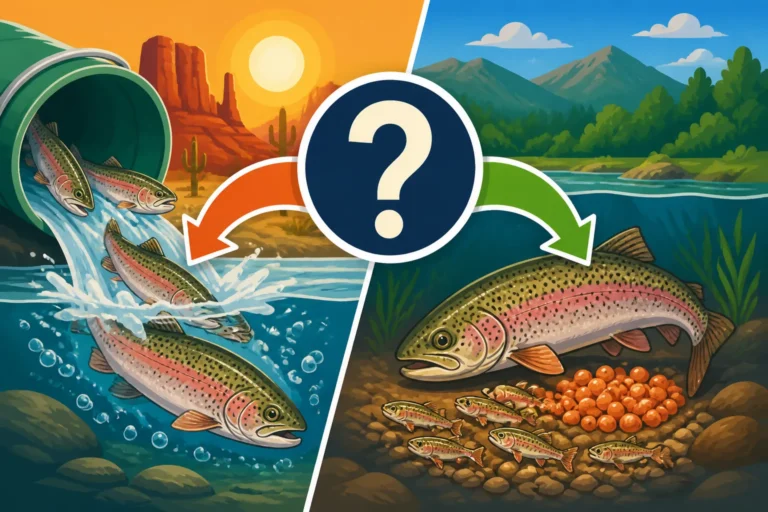
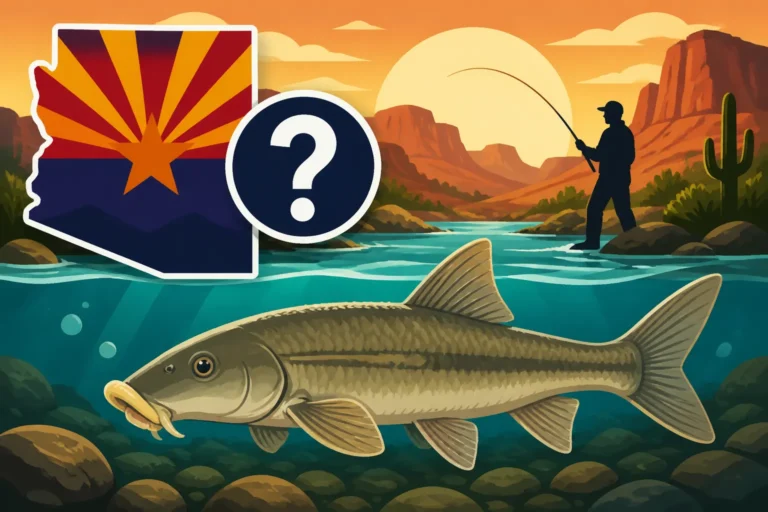
Arizona's waterways, particularly its rivers and streams, are home to a number of unique and often endangered native fish species. These include the Apache Trout, Gila Trout, Razorback Sucker, and the Colorado Pikeminnow, among others. These species have evolved over millennia to thrive in the desert's challenging and often volatile aquatic environments. Introducing an aggressive, non-native predator like the Northern Pike could have devastating impacts on these vulnerable populations, potentially pushing them further towards extinction.
The AZGFD's primary goal is to maintain the delicate ecological balance of these ecosystems and to protect and restore native fish populations. This involves careful management of existing sportfish, habitat restoration, and strict regulations regarding what species can be introduced. You can learn more about these efforts and the species involved in our Native Fish Species of Arizona guide.
Focus on Sustainable Fisheries for the Future
Ultimately, the absence of Northern Pike in Arizona is part of a broader strategy to create sustainable and thriving fisheries that can be enjoyed for generations to come. By focusing on species that are well-adapted to Arizona's climate and habitats, the AZGFD ensures that our lakes and rivers can support healthy populations of fish that provide excellent angling opportunities year after year.
This approach means investing in stocking programs for species like trout in cooler waters, managing bass and crappie populations in our reservoirs, and enhancing habitats for catfish. It also means educating anglers about the importance of conservation and responsible fishing practices. While the allure of a new, exotic species might be tempting, the long-term health and vitality of Arizona's unique aquatic environments are paramount. Instead of lamenting the absence of pike, many anglers find immense satisfaction in discovering the diverse and exciting fishing adventures that are uniquely Arizona.
Disclaimer
This article is for general informational purposes only and does not constitute professional advice. Laws, prices and regulations vary by location and change over time. Consult a qualified professional for guidance on your specific situation.