Black Crappie Average Weight at Roosevelt Lake
It's incredibly exciting to plan a fishing trip to Roosevelt Lake, especially when you're targeting those elusive black crappie. One of the most common questions I hear from fellow anglers, myself included, is "How big do the crappie really get out there?" It’s frustrating to drive all that way, invest in bait and tackle, only to wonder if you're even in the right ballpark for what's considered a good catch. This guide aims to clear up those expectations, giving you a realistic idea of the average black crappie weight at Roosevelt Lake, what influences their size, and how you might just land a true slab.
What to Expect: Average Black Crappie Weight at Roosevelt Lake
Let's get right to it – when you're reeling in black crappie from the waters of Roosevelt Lake, what's a typical fish going to weigh? While "average" can be a moving target depending on the year, environmental conditions, and even the time of day, there's a general range that most anglers would agree on. Roosevelt Lake is a fantastic crappie fishery, and it consistently produces solid fish.
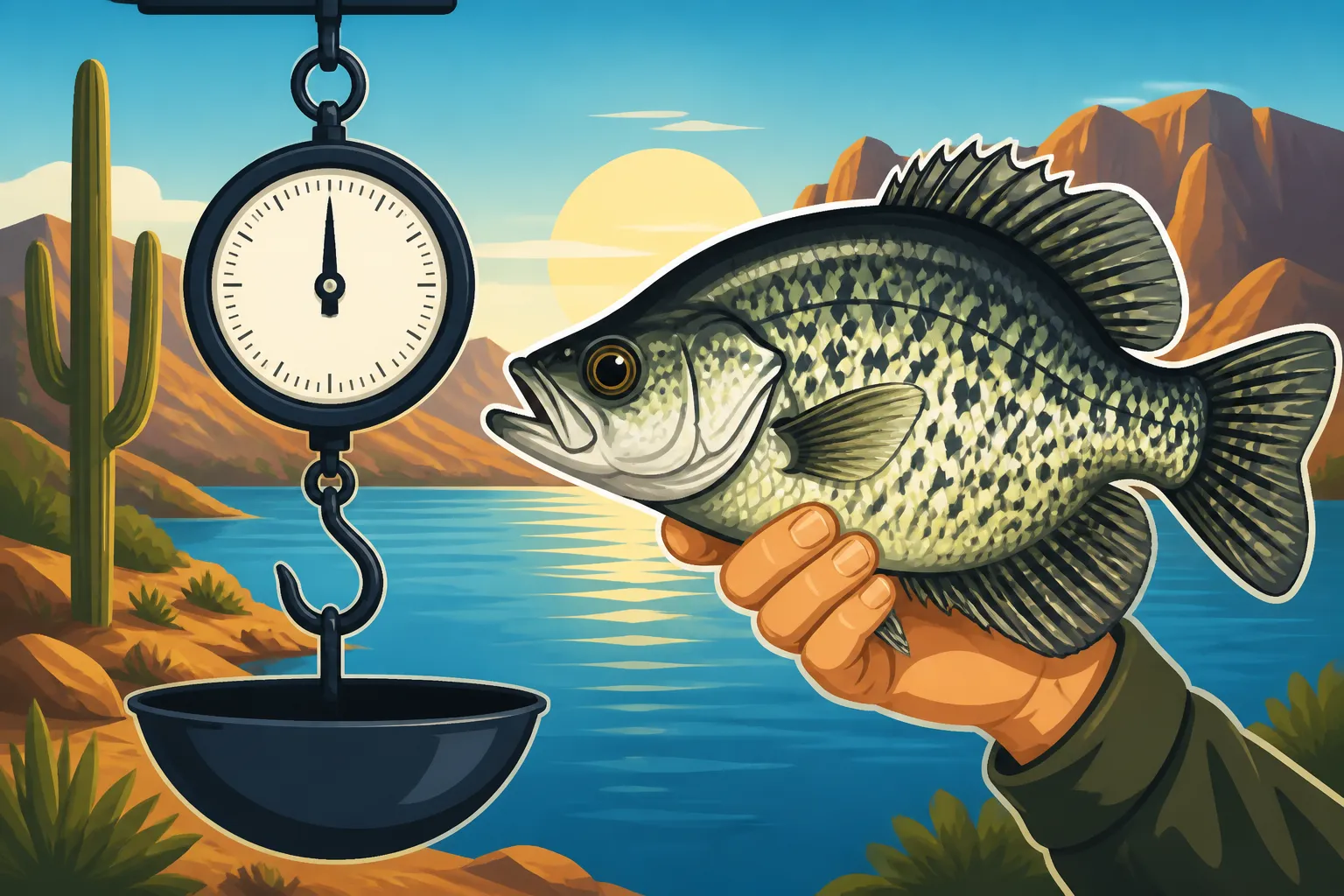
You're generally looking at black crappie that average between 0.75 pounds and 1.5 pounds. That's a nice, healthy panfish that puts a respectable bend in a light rod. A crappie in this range will give you a fun fight and make for an excellent meal. Many anglers consider a 1-pound crappie a great catch, and catching several of them in a session means you've had a truly successful day on the water. It's not uncommon to land many fish within this weight class, especially during active feeding periods or the spawn.
The "Typical" Crappie Size
When we talk about typical, we're talking about the fish you'll encounter most frequently. Imagine you're out on the lake, and your bobber goes down. The fish you pull in, more often than not, will probably be in that 10 to 12-inch range. A 10-inch crappie is usually around the 0.75-pound mark, while a 12-inch crappie can easily push past 1 pound, sometimes hitting 1.25 to 1.5 pounds, especially if it's plump and healthy. These are the workhorse fish of Roosevelt Lake – plentiful, feisty, and perfectly sized for a good fry.
It's important to understand that crappie populations can fluctuate. Some years, you might see an abundance of smaller, younger fish, which means the "average" might skew a little lower. Other years, a strong year-class grows up, and you'll find a higher proportion of those solid 1-pounders. Roosevelt Lake, being one of Arizona's premier fishing destinations, has a well-managed crappie population, leading to consistent opportunities for anglers seeking these typically sized fish. Don't underestimate the fun of catching a cooler full of these average-sized beauties; they're fantastic to eat and provide steady action.
Factors Influencing Crappie Weight
The weight of a black crappie isn't just a random number; it's a product of several environmental and biological factors. Understanding these can help you predict where and when you might find heavier fish.
One of the primary factors is food availability. Roosevelt Lake is a large, diverse ecosystem with abundant forage species like threadfin shad. When the shad population is booming, crappie have a buffet, allowing them to grow faster and put on more weight. Conversely, if forage is scarce, growth rates can slow down. Water temperature also plays a critical role. Crappie are cold-blooded, so their metabolism, and thus their feeding and growth, are highly influenced by water temps. Optimal temperatures encourage active feeding and quick growth, while extreme cold or heat can slow them down.
Another key factor is water levels and habitat. Roosevelt Lake, like many Arizona reservoirs, experiences fluctuating water levels. High water years can create more flooded vegetation, providing additional cover, spawning grounds, and new feeding opportunities, which can lead to healthier, heavier crappie. Conversely, sustained low water levels can concentrate fish but may also reduce available habitat and impact forage. Finally, fishing pressure and population density also play a part. While Roosevelt is popular, a balanced fishery with healthy harvest limits ensures that fish have the chance to grow without being overfished, preventing stunting and promoting a good average size. For a broader understanding of the species, check out our Crappie Fishing Guide for Arizona.
Beyond the Average: Trophy Crappie and How They Get So Big
While the average crappie at Roosevelt Lake is certainly a respectable catch, every angler secretly (or not-so-secretly) dreams of landing a true "slab" – a crappie that pushes the 2-pound mark or even heavier. These are the fish that make your heart pound a little faster and cement a fishing memory for years to come. Roosevelt Lake has a reputation for producing these larger specimens, a testament to its rich ecosystem.
A trophy crappie isn't just a slightly bigger fish; it's usually an older, more established individual that has managed to avoid predators and find consistent food sources. These fish often hold in specific areas, utilizing deep structure or vast submerged timber to their advantage. They've learned to be efficient feeders and cautious predators. Landing one is often a combination of luck, persistence, and employing the right techniques in the right places. It's truly a rewarding experience to hoist a crappie that feels like a small football!
The Roosevelt Lake Advantage for Crappie Growth
Roosevelt Lake isn't just any lake; it boasts a unique set of characteristics that contribute to its reputation as a big crappie factory. First and foremost is its sheer size and habitat diversity. With over 20,000 acres when full, it offers vast expanses of open water, intricate canyon ledges, and extensive areas of standing timber and brush piles – perfect cover and feeding grounds for crappie. The lake's deep, nutrient-rich waters support a massive population of threadfin shad, which is the primary food source for growing crappie. When crappie have an abundance of high-quality forage, they grow faster and larger.
The varied depths and temperatures also allow crappie to find their ideal comfort zones throughout the seasons, minimizing stress and maximizing feeding time. During the cooler months, crappie can descend to deeper, more stable temperatures, while in spring, they move into the warmer, shallower coves for spawning. This flexibility in habitat means they're less susceptible to extreme environmental changes that might impact growth in other, smaller systems. Furthermore, the Arizona Game and Fish Department does an excellent job managing the fishery, ensuring healthy populations and habitat, which directly translates to better growth potential for individual fish. For more on the lake itself, our Roosevelt Lake Arizona Fishing Guide provides a deep dive.
Identifying a Potential "Slab"
How do you know if you've got a potential slab on the line, even before you see it? Often, it starts with the initial bite and fight. A smaller crappie will give a quick, snappy tug, maybe a few headshakes. A slab, however, will often feel like a much heavier fish from the start. You'll feel a solid, consistent pull, often with deeper thumps and slower, more deliberate runs. It won't necessarily be a powerful, line-stripping run like a big bass, but the sheer weight and resistance will be undeniable.
Visually, when you finally get that trophy crappie near the boat or shore, its body shape will be noticeably different. Average crappie are usually slender, but a slab will be thick across the back, with a deeper body profile. Its belly will often be full, indicating it's been feeding heavily. The colors might also be richer and more pronounced, especially on black crappie, which can develop striking dark patterns. Their eyes might appear proportionally smaller to their massive heads. Always be ready with a wide net when you're targeting these bigger fish, as they can put up a strong last-second fight right at the boat. You don't want to lose a potential record-setter due to a fumbled landing!
Practical Tips for Catching Crappie of All Sizes
Knowing what to expect for crappie weight is one thing, but actually going out and catching them is another. Successful crappie fishing at Roosevelt Lake requires a combination of understanding their habits, using the right gear, and knowing where and when to present your bait or lure. Whether you're chasing average-sized panfish for dinner or hoping to hook into a trophy, these practical tips will increase your chances.
Crappie are schooling fish, which means if you find one, you're likely to find more. This is why electronics can be so invaluable on a big lake like Roosevelt. Look for schools of baitfish, submerged timber, brush piles, or significant depth changes. These areas often hold crappie. Patience is also key; sometimes you have to move around a bit to locate an active school. Remember, even with the best information, fishing still requires a good dose of persistence!
Best Baits and Lures for Roosevelt Lake Crappie
When it comes to enticing Roosevelt Lake crappie, there are a few tried-and-true options that consistently produce results, regardless of whether you're targeting numbers or size.
Live Minnows: These are often considered the ultimate crappie bait. A lively minnow suspended under a bobber or fished on a small jig head is incredibly effective. Crappie are primarily piscivorous (fish-eating), and a struggling minnow is irresistible. You can usually find minnows at local bait shops near the lake or even order fishing supplies from trusted online retailers like Amazon to ensure you have everything you need before your trip. For still-fishing, a small hook (size 4 or 6) through the minnow's lip or back allows it to swim naturally.
Jigs: Small jigs, typically 1/16 to 1/8 ounce, are incredibly versatile. Crappie jigs come in various shapes and colors, from tube jigs and grub tails to hair jigs. White, chartreuse, black, and motor oil are popular colors at Roosevelt Lake. You can tip them with a small piece of minnow or a crappie nibbler for added scent and appeal. Tipping jigs works wonders, especially in cooler water or when the bite is subtle. How to Fish a Brush Pile for Crappie goes into more detail on specific jigging tactics.
Small Crankbaits: While less common for crappie, very small, shallow-diving crankbaits can be surprisingly effective, particularly for larger, more aggressive crappie. Target areas where crappie are actively feeding on shad. Cast them out and retrieve slowly, allowing the bait to wobble enticingly.
Blade Baits: Tiny blade baits can also be effective, especially when crappie are holding slightly deeper. The vibration and flash can draw strikes from reluctant fish. Experiment with retrieve speeds and jigging motions to find what triggers a bite.
Prime Times and Locations
Timing and location are everything for crappie fishing at Roosevelt Lake. The spring spawn is undeniably one of the best times to target large numbers of crappie. As water temperatures rise into the mid-50s to low-60s Fahrenheit, crappie move into shallower coves and creek arms to spawn. Look for areas with flooded brush, submerged timber, or rocky banks in 3-10 feet of water. This is when they are most accessible and aggressive. Our Crappie Spawning Season Tactics article offers specific strategies for this exciting time.
During the summer, crappie will move deeper to escape the heat and follow baitfish. They'll often suspend over deeper channels or relate to deep structure like submerged ledges, old creek beds, and large brush piles at depths of 15-30 feet or more. Night fishing can also be incredibly productive in summer, as crappie move shallower to feed under the cover of darkness, often attracted by fishing lights.
In fall, as water temperatures cool, crappie become active again and feed heavily in preparation for winter. They'll often be found transitioning between shallower and deeper water, sometimes congregating on main lake points or in the mouths of coves. And during winter, they'll hold tight to deep structure, often in large schools, making them challenging but rewarding to find. Electronics are essential during these colder months to pinpoint their exact location. Look for them in areas like Grapevine, Schoolhouse, and Salome Bay, or near any significant timber in the main lake basin.
Gear Considerations for Crappie Anglers
Having the right gear makes a huge difference in your crappie fishing success and enjoyment. You don't need the most expensive setup, but choosing appropriate tackle is key.
Rods and Reels: For crappie, light to ultralight spinning gear is ideal. A 5'6" to 7' fast-action rod paired with a small spinning reel (size 1000 or 2000) spooled with 4-6 pound test monofilament or fluorocarbon line will give you the sensitivity to feel subtle bites and the backbone to handle a good-sized crappie. This setup is perfect for casting light jigs and handling live bait. For those who prefer braided line, a 6-10 pound test braid with a fluorocarbon leader can offer even more sensitivity and casting distance, especially when fishing deeper. You can find excellent budget-friendly options for these combos on Amazon, often with reviews that guide you to a reliable choice.
Terminal Tackle: Carry a variety of small jig heads (1/32 to 1/8 ounce) and hooks (size 4-8) for live bait. A selection of small soft plastic crappie baits in various colors is also essential. Don't forget small bobbers (slip bobbers are great for controlling depth), split shot sinkers, and a good pair of fishing pliers. A landing net, especially one with a rubberized mesh, is invaluable for safely landing larger crappie and preventing hooks from getting tangled. Consider a small, portable tackle bag or box to keep your crappie-specific gear organized, which is especially helpful if you're shore fishing or wading.
Boats and Kayaks: While you can certainly catch crappie from the bank at Roosevelt, a boat or kayak significantly expands your access to prime crappie habitat. A small Jon boat, a pontoon, or a fishing kayak are all excellent choices. Make sure you understand Boating Safety Gear Requirements in Arizona before heading out. Having a good fish finder is almost non-negotiable for serious crappie anglers, allowing you to locate schools, brush piles, and structure quickly and efficiently. Even a basic model can give you a significant advantage.
Comparing Crappie Size: Roosevelt Lake vs. Other Waters
It's natural to wonder how Roosevelt Lake crappie stack up against those from other popular crappie fisheries. While specific weights can fluctuate yearly in any body of water, Roosevelt Lake consistently ranks high for both the average size and the potential for trophy crappie.
Here's a general comparison to help set expectations:
| Lake Type/Location | Typical Average Crappie Weight | Trophy Potential (Max Weight) | Notes |
|---|---|---|---|
| Roosevelt Lake, AZ | 0.75 – 1.5 lbs | 2.0 – 3.0+ lbs | Excellent forage, diverse habitat, well-managed fishery. |
| Small Arizona Community Ponds | 0.25 – 0.75 lbs | 1.0 – 1.5 lbs | Heavily fished, limited forage, smaller overall growth. |
| Other Arizona Reservoirs (e.g., San Carlos, Alamo) | 0.5 – 1.25 lbs | 1.5 – 2.5 lbs | Good fisheries, but Roosevelt often has a slight edge in average size. |
| Midwest/Southern Lakes (e.g., Kentucky Lake, Santee Cooper) | 0.75 – 1.75 lbs | 2.5 – 4.0+ lbs | Renowned for massive crappie, often larger in average and trophy size. |
As you can see, Roosevelt Lake holds its own very well, offering an excellent chance for anglers to catch quality crappie, with a real shot at those impressive 2-pound plus fish. While some of the legendary crappie lakes in the southeastern U.S. might boast higher averages or larger state records, Roosevelt's desert crappie are robust and provide fantastic sport. The comparison highlights that the conditions at Roosevelt Lake are exceptionally favorable for crappie growth and abundance within the Southwest. This consistently good average weight is why so many anglers specifically plan trips to chase crappie at this amazing Arizona reservoir.
Disclaimer
This article is for general informational purposes only and does not constitute professional advice. Laws, prices and regulations vary by location and change over time. Consult a qualified professional for guidance on your specific situation.