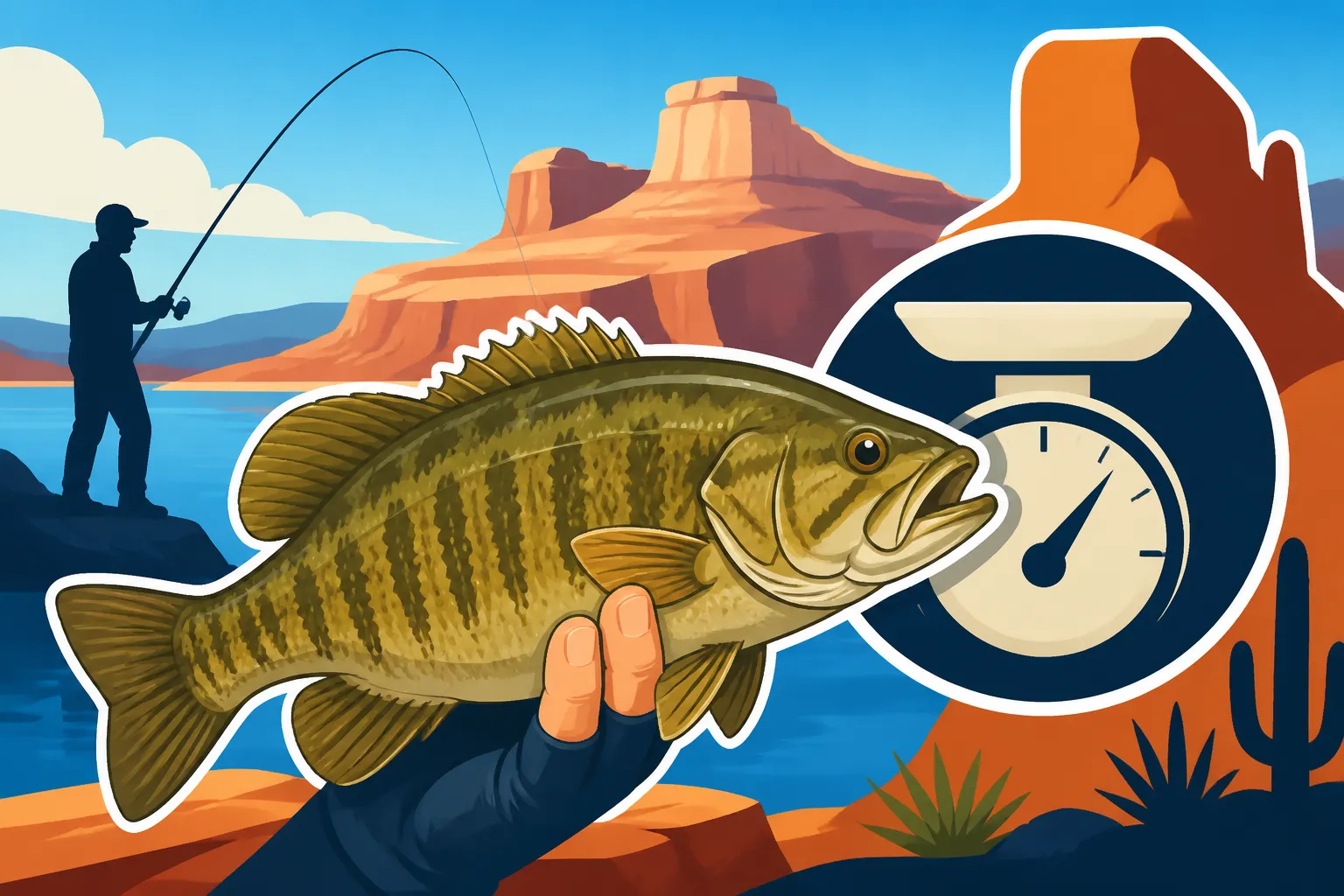
Smallmouth Bass Average Weight at Lake Powell
It's completely understandable to wonder about the size of the fish you're targeting, especially when planning a trip to a legendary fishery like Lake Powell. Nobody wants to spend hours on the water only to be disappointed by undersized catches. If you're heading to Powell with smallmouth bass on your mind, you're probably asking, "What's the average weight I can realistically expect?" This comprehensive guide will pull back the curtain on smallmouth bass at Lake Powell, revealing their typical sizes, what influences their growth, and how you can increase your odds of reeling in a real chunky one.
Understanding Smallmouth Bass at Lake Powell
Lake Powell, with its vast, intricate canyon systems and clear, often deep waters, provides an almost ideal environment for smallmouth bass. Unlike some of Arizona's more traditional desert lakes, Powell's unique geology creates endless rocky points, ledges, and submerged timber, which are prime smallmouth habitat. This isn't just a pretty backdrop; it's a critical factor in how these fish grow and what kind of average weights anglers can expect.
Factors Influencing Average Weight
Several key elements play a role in how big smallmouth bass get in Lake Powell. It’s not just luck; it’s a complex interplay of environmental conditions and the overall health of the fishery. Understanding these factors can help you appreciate why Powell produces such impressive smallmouth.
Firstly, forage availability is paramount. Smallmouth bass are opportunistic predators, and their diet in Lake Powell primarily consists of threadfin shad, crayfish, and various invertebrates. When the shad population is robust, smallmouth have an abundant, high-protein food source, which directly translates to faster growth rates and heavier fish. Conversely, fluctuations in shad numbers, often tied to water levels and environmental conditions, can impact the average size. Secondly, the sheer amount of diverse structure in Lake Powell offers countless ambush points and sheltered areas for smallmouth. This allows them to thrive across different depths and conditions, reducing stress and increasing their chances of finding food and growing large. Thirdly, fishing pressure, while present, is spread out across a massive lake. While popular areas see a lot of activity, the vastness of Powell means many smallmouth populations experience less consistent pressure, allowing more fish to reach maturity and larger sizes. Finally, genetics play a role; some strains of smallmouth simply have the genetic predisposition to grow larger and faster than others. Lake Powell's smallmouth populations have established themselves well, with genetics that support substantial growth.
The Lake Powell Advantage for Smallmouth
Lake Powell isn't just another big lake; it's a smallmouth bass paradise carved out of sandstone. The unparalleled amount of prime smallmouth habitat is what truly sets it apart and gives these fish an edge in reaching impressive sizes. Think about the landscape: miles upon miles of submerged canyons, rocky shelves, steep drop-offs, and intricate ledges. These aren't just pretty features; they are crucial elements of the smallmouth bass's world, offering everything they need to thrive.
The deep, clear water, typical of many of Powell's canyons, allows smallmouth to retreat to cooler temperatures during the brutal Arizona summer heat, reducing stress and allowing for consistent feeding. This thermal refuge is critical for warm-water species in a desert climate. Furthermore, the abundance of rocky structure means prime spawning grounds are plentiful, ensuring healthy recruitment year after year. Young smallmouth have plenty of places to hide from predators, leading to a higher survival rate and, eventually, more mature, larger fish in the population. The interaction of depth, structure, and a healthy forage base creates a cyclical effect: a great habitat leads to healthy fish, which leads to successful reproduction, sustaining a population that can continue to grow to impressive sizes. It's a testament to how well these fish have adapted to this incredible man-made desert oasis. Many anglers head here specifically because they know the potential for a lunker is high, making it one of the Best Bass Fishing Lakes in Arizona.
What to Expect: Average Weight and Trophy Potential
So, what does all this mean for the angler wondering about the size of smallmouth bass in Lake Powell? While fishing is always unpredictable, Lake Powell certainly delivers on its promise of quality smallmouth. You're not just likely to catch a smallmouth; you're likely to catch a good-sized smallmouth.
Typical Size Ranges
Most anglers who spend a day targeting smallmouth bass on Lake Powell will find themselves reeling in fish that are notably robust. While specific numbers can fluctuate, a very common catch will be in the 1 to 2.5-pound range. These are healthy, hard-fighting fish that are a blast to catch on light to medium tackle. They're strong, aggressive, and will put up a memorable fight, often leaping clear of the water. It's not uncommon for an experienced angler to catch multiple fish in this range in a good day.
However, it's also quite frequent to encounter smallmouth that push the 3 to 4-pound mark. These are chunky, mature fish that command respect and offer an even more exhilarating battle. They might be a bit deeper, perhaps holding on a distinct rock pile or a prominent ledge. And yes, those truly exceptional fish, those 5-pounders and even larger, are absolutely present and accounted for. While they require a bit more skill and perhaps a touch of luck, the fact that they are a realistic possibility is what draws many serious anglers to Powell. You might not catch a 5-pounder every trip, but the potential is always there, making every hookset exciting. For an understanding of smallmouth behavior, check out our Smallmouth Bass Fishing Guide for Arizona.
Chasing Trophy Smallmouth
For many dedicated bass anglers, the quest for a "trophy" smallmouth is what drives them. At Lake Powell, a smallmouth bass truly enters trophy territory when it hits the 5-pound mark, and anything above that is considered a significant achievement. Fish weighing 6 pounds or more, while rare, are caught every season, solidifying Lake Powell's reputation as a top-tier smallmouth destination. The current Arizona state record for smallmouth bass is an impressive fish, showcasing the lake's potential.
Catching one of these giants isn't typically an accident; it often requires intentional tactics, perseverance, and a deep understanding of smallmouth behavior in Lake Powell's unique environment. You'll often find these larger fish in specific types of structure, usually deeper and less pressured areas, or during particular seasons when they are more active or concentrated. Think about targeting long, tapering points that drop into deep water, or isolated rock piles and submerged canyons where larger smallmouth can ambush prey. It requires patience and dedication, but the reward of holding a truly massive smallmouth bass from Lake Powell is an unforgettable experience.
Strategies for Catching Bigger Smallmouth Bass
If you're specifically targeting those larger smallmouth bass at Lake Powell, you'll need to refine your approach. It's less about quantity and more about quality, which often means being more deliberate with your lure choices and understanding where these bigger fish prefer to hang out.
Baits and Lures for Larger Fish
When bigger smallmouth are your goal, you often need to "match the hatch" more effectively, or present something substantial that they can't resist. Larger fish tend to prefer larger meals. For example, a common strategy is to use tubes and grubs, particularly in darker colors like green pumpkin or black, mimicking crayfish which are a staple in their diet. Drop shot rigs, especially those rigged with bigger worms or soft plastic jerkbaits, are incredibly effective for targeting deeper smallmouth along the canyon ledges and points. You can find a vast selection of these types of soft plastics on Amazon, making it easy to experiment with different colors and sizes.
Another highly successful approach involves using jerkbaits, particularly during cooler water periods or when fish are suspended. These lures, with their erratic darting action, perfectly imitate a distressed baitfish, triggering aggressive strikes from larger smallmouth. Deep-diving crankbaits are also excellent for covering water and reaching those smallmouth holding in 15-30 feet of water, especially along pronounced breaks and humps. For specific recommendations, check out our Best Lures for Smallmouth Bass at Lake Powell guide. Don't be afraid to go a little bigger with your lure choice than you might for average-sized fish; those trophy smallmouth aren't afraid of a substantial meal.
Targeting Key Habitats
Finding the bigger smallmouth in Lake Powell is often about understanding their preferred real estate. These fish are creatures of structure and depth, and the bigger they get, the more particular they often become about their living arrangements. During the warmer months, especially, smallmouth will often move to deeper water to escape the heat, gravitating towards significant structural elements.
Look for long, tapering main-lake points that extend far into the depths, especially those with scattered rock and rubble. The intersection of these points with the main channel often creates current breaks and ambush points that attract larger fish. Similarly, steep canyon ledges and walls, particularly those with shelves, cracks, and small caves, are prime spots. How to Fish Canyon Ledges for Smallmouth Bass can give you even more detailed insights. Submerged humps, rock piles, and old timber (if present in certain coves) also act as magnets for bigger smallmouth, providing both cover and feeding opportunities. Utilizing your electronics to find these deeper structures and then employing techniques like Drop Shot Techniques for Smallmouth Bass or jigging will dramatically increase your chances of connecting with a trophy. Pay attention to changes in bottom composition and depth contours, as these subtle differences are often where the bigger fish position themselves.
Conservation and Sustainable Fishing Practices
While the allure of catching a trophy smallmouth at Lake Powell is undeniable, it's equally important to embrace responsible angling practices. The health and sustainability of this incredible fishery depend on all of us doing our part. Keeping these practices in mind ensures that future generations can enjoy the same fantastic fishing opportunities we do today.
Importance of Catch and Release
For targeting those larger, older smallmouth bass, practicing catch and release is not just a suggestion; it's a vital component of maintaining a healthy trophy fishery. The biggest fish in the lake are often the most prolific spawners, contributing significantly to the next generation of smallmouth. By releasing these larger fish, you're not only allowing them to grow even bigger, but you're also ensuring that their strong genetics continue to populate the lake. A good smallmouth population needs a healthy mix of age classes, and retaining the biggest fish often impacts this balance negatively.
It’s about more than just numbers; it’s about maintaining a robust ecosystem. When done properly, catch and release minimizes stress and injury to the fish, allowing it to return to the water and continue its life cycle. It's a key reason why Lake Powell continues to produce the quality smallmouth that anglers seek. Consider carrying a specialized weighing bag or a simple measuring board, which you can easily find on Amazon, to get your stats without excessive handling.
Handling Smallmouth Bass Safely
Proper fish handling is crucial, especially when you're practicing catch and release with those larger smallmouth bass. Mishandling can cause severe, sometimes fatal, injury to the fish, negating the purpose of releasing it. The first rule is to minimize the time the fish spends out of the water. Have your camera ready, weigh sling, or measuring board at hand so you can quickly get your trophy shots and measurements.
When handling the fish, always support its body horizontally. Never hold a large smallmouth by just the jaw in a vertical position, as this can dislocate its jaw or damage internal organs. Use both hands, one supporting the belly and the other gently gripping the lower jaw. If using a net, opt for a rubberized, knotless landing net to protect the fish's slime coat and fins. Removing hooks should be done carefully with pliers or forceps. If a fish is deeply hooked, it's often better to cut the line as close to the hook as possible rather than tearing the hook out, which can cause more damage. A quick, gentle release, allowing the fish to swim off under its own power, ensures it has the best chance of survival.
| Smallmouth Bass Length (inches) | Estimated Weight (pounds) | Description |
|---|---|---|
| 10-12 | 0.75 – 1.25 | Common Keeper Size |
| 13-15 | 1.5 – 2.5 | Average Healthy Fish |
| 16-17 | 2.75 – 3.75 | Above Average, Strong |
| 18-19 | 4.0 – 5.0 | Trophy Class |
| 20+ | 5.0+ | True Lunker |
Disclaimer
This article is for general informational purposes only and does not constitute professional advice. Laws, prices and regulations vary by location and change over time. Consult a qualified professional for guidance on your specific situation.