Can Beginners Catch Fish at Community Lakes?
It’s a common question that pops into the minds of many aspiring anglers, especially those looking to dip a toe into the wonderful world of fishing here in Arizona: "Can a beginner actually catch fish at a community lake?" The short answer is a resounding YES! In fact, Arizona's community lakes are specifically designed to be highly accessible and productive for anglers of all skill levels, making them an absolute dream for anyone just starting out. This guide will walk you through why these lakes are perfect for beginners and how you can maximize your chances of a successful and enjoyable first fishing trip.
The Appeal of Arizona's Community Fishing Program for Newbies
Let's be real, when you're starting a new hobby like fishing, you want an environment that's welcoming, not intimidating. You don't want to feel like you need a specialized boat, years of experience, or expensive gear just to get a bite. That's precisely where Arizona's Community Fishing Program shines. These urban and suburban lakes are purposefully managed to be angler-friendly, offering a fantastic entry point into the sport without all the fuss and complexity of larger, more remote reservoirs. They are essentially your local fishing playgrounds, kept well-stocked and easy to access, cutting down on the typical hurdles that can discourage a beginner.
Stocking Schedules and Fish Variety
One of the biggest advantages for beginners at community lakes is the regular stocking schedule. The Arizona Game and Fish Department (AZGFD) puts a lot of effort into ensuring these lakes are regularly replenished with fish, particularly trout in the cooler months and catfish during the warmer parts of the year. This consistent stocking significantly increases your chances of hooking a fish, even if your technique isn't perfect yet. Imagine showing up to a lake knowing that fish have been recently introduced and are actively feeding – it's like fishing with a built-in advantage! For more details on when to expect new fish, you can often find information on Trout Stocking Season in Arizona or Urban Lake Trout Season in Arizona which directly impacts your success.
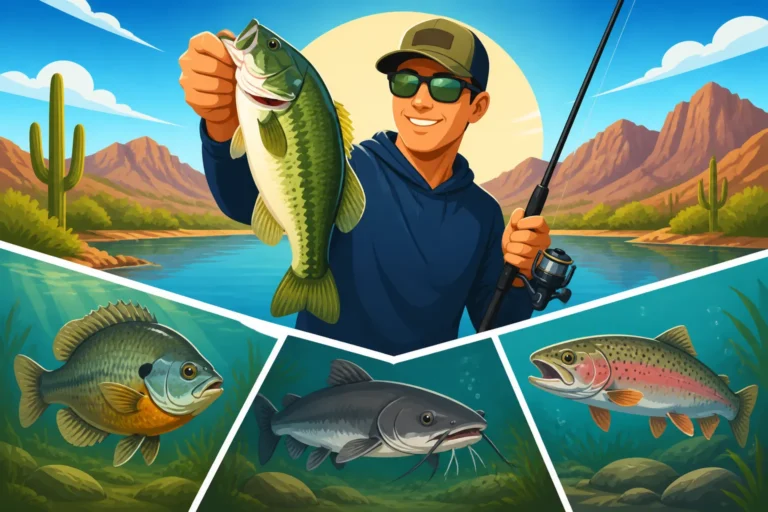
Beyond the popular stocked species, community lakes also naturally support populations of panfish like bluegill and sunfish, and sometimes even a few bass. This variety means you're not just limited to one type of fishing experience. You might start out targeting easy-to-catch bluegill, then as you gain confidence, try for a feisty trout or a hard-fighting catfish. The sheer predictability of having fish available, thanks to active management, removes a lot of the guesswork that can frustrate new anglers on less managed waters. It transforms what could be a disheartening experience into an encouraging one, allowing you to focus on learning the ropes rather than just trying to find fish.
Accessibility and Amenities
Another huge plus for community lakes is their sheer accessibility. Many are located right within city parks in places like Phoenix and Tucson, meaning you often don't have to drive for hours to get to a good fishing spot. This ease of access makes spontaneous trips possible and reduces travel time, which is perfect for short outings or for families with young kids who might not have the patience for a long drive. Imagine being able to grab your rod after work or school and be at the lake within minutes! For locations, check out resources like Community Park Lakes in Phoenix or Community Park Lakes in Tucson.
These lakes typically come equipped with amenities that make your fishing trip more comfortable and convenient. We're talking about paved parking lots, restrooms, picnic areas, and sometimes even playgrounds for the kids. Many also feature accessible fishing piers, making it easy to cast a line even if mobility is a concern. You won't be bushwhacking through dense vegetation to reach the water's edge here; instead, you'll find well-maintained pathways and clear bank access. This level of comfort and convenience means you can focus entirely on the joy of fishing, rather than worrying about logistics or roughing it. It’s about creating an inviting atmosphere where the emphasis is on the experience, not the endurance test.
Low-Pressure Environment
Let's face it, trying something new can be nerve-wracking, especially if you feel like everyone else is an expert. The beauty of community lakes is their inherently low-pressure environment. You'll find a diverse mix of people: seasoned anglers, families with small children, and plenty of other beginners just like you. There's no expectation to be a pro, and everyone is usually very friendly and willing to share advice or tips. It's a supportive atmosphere where you can learn at your own pace without feeling judged.
Unlike some of the bigger, more competitive fishing spots, community lakes are generally more relaxed. You won't typically encounter intense boat traffic or highly specialized techniques that require advanced gear. This makes it a perfect place to practice casting, tying knots, and handling fish without feeling rushed or self-conscious. It's about enjoying the outdoors, making memories, and hopefully, catching a few fish. This relaxed vibe is crucial for fostering a love for fishing in beginners, allowing them to experiment and discover the simple pleasures of the sport without undue stress.
Essential Gear for Community Lake Success
One of the best things about fishing community lakes as a beginner is that you absolutely do not need to break the bank on gear. You can get started with a very basic, affordable setup and still have a fantastic time and catch plenty of fish. The key is choosing versatile, easy-to-use equipment that can handle the variety of fish you'll encounter in these urban waters. Thinking about your first fishing trip, remember that simplicity often leads to the most enjoyment when you're just learning.
Simple Rod and Reel Setup
For a beginner, a spinning rod and reel combo is hands-down the way to go. These setups are incredibly forgiving, easy to cast, and simple to operate, making them perfect for learning the fundamentals. You don't need anything fancy or super expensive; a medium-light action rod, around 6 to 7 feet long, paired with a small to medium-sized spinning reel (like a 2000 or 2500 series) will cover most of your needs. Spool it up with 6-8 pound monofilament or fluorocarbon line, which is easy to handle and strong enough for common community lake species. If you're looking for recommendations, many sporting goods stores offer great beginner combos, and a quick search on Amazon will reveal a plethora of options for an inexpensive but reliable start.
Using a spinning combo allows you to focus on the basics: learning to cast accurately, feeling for bites, and reeling in your catch. You won't be fumbling with complex baitcasting reels or struggling with fly lines right out of the gate. This simplicity means you spend more time fishing and less time untangling lines or figuring out gear. It’s about building confidence with each cast and each successful retrieve, making the learning curve much smoother and more enjoyable. Think of it as your reliable workhorse setup that will serve you well as you hone your skills.
Basic Tackle Box Essentials
Your tackle box for community lakes doesn't need to be huge or filled with a million different lures. In fact, a small, organized tackle box with a few key items will serve you perfectly. Here’s what I'd recommend for a beginner:
- Hooks: A variety of small hooks (sizes 6-10) for panfish and trout, and some larger ones (sizes 2-1/0) for catfish. Circle hooks are great for beginners as they often lead to better hook sets and are safer for fish if you plan to catch and release.
- Weights/Sinkers: A few split shot weights and some small egg sinkers or worm weights. These help get your bait down to where the fish are.
- Bobbers: Small slip bobbers or clip-on bobbers are excellent for visual bite detection, especially for panfish.
- Swivels: Small barrel swivels help prevent line twist.
- Bait: This is often the most critical component! For trout, powerbait or salmon eggs are highly effective. For panfish, worms, corn, or small pieces of hot dog work wonders. For catfish, stink baits, chicken livers, or cut bait are irresistible.
- Tools: A pair of small pliers (for hook removal) and a nail clipper (for cutting line) are incredibly useful.
You can assemble a great starter kit by purchasing these items individually, or many stores offer pre-made beginner tackle boxes that include a good assortment. Again, browsing Amazon for "beginner fishing tackle kit" can give you a clear idea of what's available and affordable. For a more comprehensive look at setting up your initial gear, consider consulting a guide like Essential Tackle Box Setup for Arizona Beginners. The idea is to have enough options to cover the main species without getting overwhelmed by choice.
Weather Preparedness
Arizona fishing, even at community lakes, means being prepared for the elements. Our desert climate can be intense, so packing a few non-fishing essentials is just as important as your rod and reel.
- Sun Protection: A wide-brimmed hat, sunglasses (polarized ones, if possible, really help you see into the water), and sunscreen are non-negotiables. The Arizona sun is no joke, even in cooler months.
- Hydration: Bring plenty of water, especially if you'll be out for more than an hour or two. A reusable water bottle or a small cooler can make a huge difference in comfort.
- Comfortable Clothing: Dress in layers so you can adjust to temperature changes. Lightweight, breathable fabrics are your friend.
You might not think of these as "gear," but staying comfortable and safe makes a huge difference in your enjoyment. Nobody wants to end a fishing trip dehydrated or sunburned! Looking for specialized fishing apparel or high-quality hydration packs? Amazon has a vast selection that can cater to hot weather fishing. Being mindful of these details will allow you to focus on the fish and not on discomfort, enhancing the overall experience.
Beginner-Friendly Techniques for Community Lake Species
Alright, you've got your basic gear, you've picked a great community lake, now what? The beauty of fishing at these urban spots is that many of the most effective techniques are also the simplest. You don't need to master complex casting or intricate lure presentations right away. Focus on these foundational techniques, and you'll be well on your way to catching fish.
Mastering the Basics of Bait Fishing
For sheer beginner success, bait fishing is king. It's incredibly intuitive: put some enticing bait on a hook, cast it out, and wait for a fish to find it. This method works wonderfully for almost all species found in community lakes, from the smallest bluegill to the biggest catfish.
- Rigging up: A simple bottom rig is a great starting point. Tie a hook onto your line, then about 6-12 inches above it, crimp on a split shot or slide on an egg sinker. This setup gets your bait down to the bottom where many fish feed. For trout, you can also use a bobber rig: a hook below a small split shot and a bobber further up the line to suspend your bait at a specific depth.
- Bait choice: As mentioned, worms are universally effective. A small piece of a nightcrawler is irresistible to bluegill, sunfish, and even smaller bass. For stocked trout, prepared baits like PowerBait (in various colors) or salmon eggs are specifically designed to attract them. Catfish, with their keen sense of smell, love smelly baits like chicken livers, hot dogs, or commercial "stink baits."
- Casting and waiting: Once your bait is on the hook, cast it out gently. You don't need to launch it across the entire lake. Often, fish are closer to the bank, structure, or along drop-offs. Let your bait settle, keep a loose but attentive hand on your rod, and watch your line or bobber for any signs of movement. Patience is truly a virtue here. If nothing happens after 15-20 minutes, try moving to a new spot along the bank.
This approach minimizes the variables, allowing you to focus on the sensory experience of fishing. You're learning to feel the subtle tugs, watch the bobber dance, and anticipate the excitement of a fish taking your bait. It’s the purest form of fishing and highly effective for newcomers.
Simple Lure Presentations
While bait fishing is fantastic, sometimes lures can be just as simple and effective, especially for species like bass and even active trout. Lures allow you to cover more water and mimic prey in a dynamic way.
- Spinnerbaits and Inline Spinners: These are incredibly easy to use. Just cast them out and reel them back in at a steady pace. The spinning blade creates flash and vibration that fish find irresistible. Small inline spinners (like Panther Martins or Mepps) are deadly for trout and aggressive panfish. Slightly larger spinnerbaits are excellent for bass. The key is consistent retrieve speed; let the lure do the work.
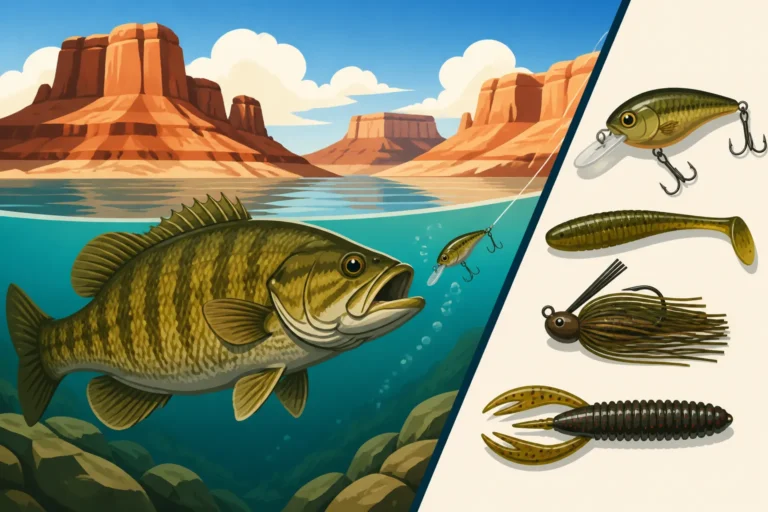
- Soft Plastics (Texas Rig/Wacky Rig): While these sound complex, a basic Texas rig for soft plastic worms is quite simple. Thread a worm onto a worm hook (offset hook) so the hook point is tucked back into the plastic (weedless). Add a small bullet weight above it. Cast it out and slowly drag it along the bottom, pausing occasionally. The wacky rig is even simpler: hook a soft plastic worm right through its middle. Cast it out and let it sink slowly, twitching your rod tip occasionally. These rigs are fantastic for enticing bass hiding near structure.
- Spoons: Simple metal spoons, either casting spoons or jigging spoons, can be very effective. For casting spoons, cast and retrieve with a wobbling action. For jigging spoons, drop them to the bottom and quickly lift and drop your rod tip, making the spoon flutter. These are great for active fish, including trout and bass, especially in deeper water.
The goal with lures for beginners is to find something that is "cast and retrieve" friendly. You're learning how different retrieves feel and how fish react to different actions. This is a step up from just waiting with bait, but still very accessible and rewarding.
Reading the Water and Spot Selection
One of the most valuable skills you can start developing as a beginner is learning to "read the water" – understanding where fish might be holding. Even in a small community lake, fish aren't randomly distributed; they hang out where they feel safe, where there's food, and where conditions are comfortable.
- Structure: Look for anything that breaks up the uniformity of the lake bottom or surface. This includes submerged trees, docks, rock piles, weed beds, or even changes in bottom contour. Fish use these as ambush points or places to hide. Casting your bait or lure near these areas significantly increases your chances.
- Shade: On sunny Arizona days, fish will often seek refuge in shaded areas, whether it's under an overhanging tree, near a bridge, or on the shaded side of a dock. These cooler, darker spots offer comfort and protection.
- Inflow/Outflow: If there's an area where fresh water flows into the lake (like a small stream or a pipe), or where water exits, these can be prime feeding zones. The moving water often brings in food, and fish will congregate there.
- Depth Changes: Even subtle changes in depth, like a drop-off near the bank, can be fish magnets. As a beginner, you might not have a fancy Best Fish Finders for Bass Fishing in Arizona, but simply observing the bank and trying different depths near shore can yield results.
By paying attention to these visual cues, you'll start to develop an angler's intuition. It's like a puzzle, and each piece of structure or shade helps you guess where the fish might be hiding. This skill, even in its most basic form, will dramatically improve your catch rate and make your fishing more engaging.
Common Fish You'll Encounter (and How to Catch Them!)
Community lakes in Arizona are teeming with several common species that are perfect targets for beginners. Understanding what you're likely to catch and a few tailored tactics for each can make your first few trips incredibly rewarding. It's all about matching your approach to the fish's habits.
Here's a quick look at the main players you'll likely encounter:
| Fish Species | Best Season | Preferred Bait | Simple Lure Strategy | Key Tip for Beginners |
|---|---|---|---|---|
| Rainbow Trout | Cooler Months | PowerBait, Salmon Eggs, Worms | Small Inline Spinners (steady retrieve) | Fish near the bottom or suspended with a bobber. |
| Bluegill/Sunfish | Year-Round | Worms, Corn, Crickets | Small Jigs (tipped with bait), Tiny Spinners | Target shallow, weedy areas. Use small hooks. |
| Channel Catfish | Warmer Months | Stink Baits, Chicken Livers, Worms | None (bait is king for cats) | Fish on the bottom, especially in the evenings/night. |
| Largemouth Bass | Spring/Fall, Summer (early/late) | Worms (live/plastic), Crayfish | Small Spinnerbaits, Wacky Rigged Worms (slow retrieve) | Target structure like docks, weeds, and submerged wood. |
Stocked Trout Tactics
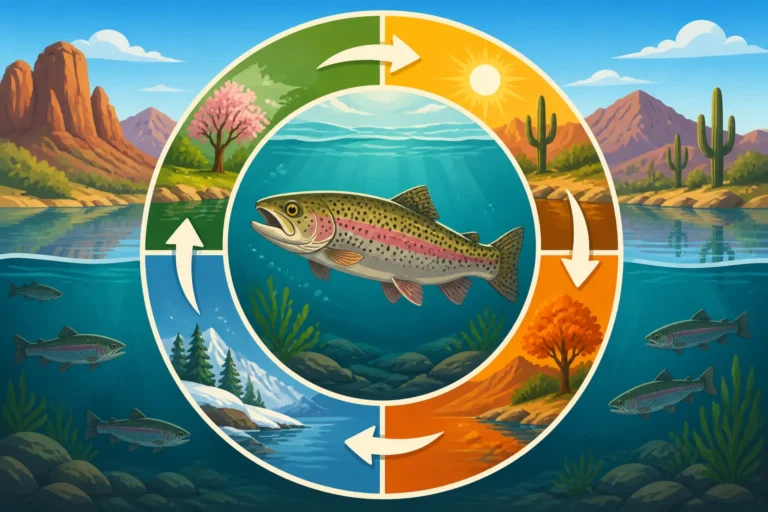
If you're fishing in the cooler months (typically fall through spring), rainbow trout will be your primary target. The AZGFD regularly stocks these lakes to ensure ample opportunities. Trout are often eager to bite, making them ideal for beginners.
- Bait Setup: The most effective setup for stocked trout is often a "Carolina rig" style approach, but simplified. Thread a small egg sinker onto your main line, then tie on a small barrel swivel. To the other end of the swivel, tie about 18-24 inches of leader line (4-6 lb test fluorocarbon is great) and then your hook (size 8 or 10). Put a small pea-sized ball of PowerBait or a salmon egg on the hook. The weight will sink, but your bait will float just off the bottom, right at their eye level.
- Where to find them: Trout often cruise the open water but will also hang around points, shaded areas, and sometimes deeper channels, especially if the water is clear. Don't be afraid to cast into the middle of the lake if there are no obvious structures near the bank.
- Patience and Persistence: While trout are often active, they can also be finicky. If you're not getting bites, try changing your bait color, adjusting your leader length, or moving to a different spot along the bank. Sometimes a very slow retrieve of a small inline spinner (like a Rooster Tail or Mepps Aglia) can trigger a strike. For more specific guidance, check out How to Catch Trout at a Stocked Urban Lake.
Panfish Fun: Bluegill and Sunfish
Bluegill and other sunfish species (like redear sunfish or green sunfish) are the perfect fish for beginners, especially kids. They are abundant, aggressive, and relatively easy to catch year-round. They also don't grow huge, which makes landing them a breeze.
- Simple Setup: A tiny hook (size 10 or 12) tipped with a small piece of worm, a kernel of corn, or even a tiny piece of hot dog, suspended under a small bobber, is a classic and highly effective setup. You'll see the bobber dance and dip dramatically when they bite!
- Preferred Habitat: Bluegill love shallow, weedy areas, especially near submerged structure, docks, or overhanging trees. They often school up, so if you catch one, there are likely many more in the same spot. Look for areas with lily pads or cattails; these are prime panfish hideouts.
- Action-packed fishing: Panfish offer a lot of action, which is great for keeping beginners engaged. You might get a bite every few minutes, making it an exciting way to learn how to set the hook and reel in a fish. You can learn more specific tactics in How to Catch Bluegill at a Community Pond.
Catfish: The Nighttime or Bottom-Dwelling Hunt
During the warmer months, especially from late spring through early fall, channel catfish become the stars of community lakes. They're strong fighters and can grow to respectable sizes, offering a thrilling challenge for a beginner.
- Scent is Key: Catfish have an incredible sense of smell. This means you want to use baits that release a strong scent. Chicken livers, cut pieces of hot dogs, commercial "stink baits" (often dough-like or on sponges), or even large pieces of nightcrawler are all highly effective.
- Bottom Fishing: Catfish are primarily bottom feeders. Use a basic bottom rig similar to what you'd use for trout, but with a heavier sinker (to keep it on the bottom) and a larger hook (size 2 to 1/0). Cast your bait out, let it sink, and let it sit there.
- Night Fishing Advantage: Catfish are often most active from dusk into the night, making night fishing a popular (and cooler) option during Arizona's hot summers. If you choose to fish at night, make sure you have a headlamp or flashlight for safety and visibility. You can find more detail on this in How to Fish for Catfish at Night. You'll want to keep your rod in a rod holder or prop it up, as catfish bites can be quite strong. Don't forget to check Arizona Fishing Regulations Explained for any specific rules on night fishing or bait use.
Tips for a Rewarding First Experience
Catching fish is exciting, but a truly rewarding first fishing experience goes beyond just the number of fish you land. It's about enjoying the process, respecting the environment, and learning along the way. These tips will help ensure your initial forays into Arizona fishing are positive and memorable.
Patience is Your Best Tool
Fishing, at its heart, is a game of patience. It’s not always about constant action; sometimes it’s about enjoying the quiet moments, listening to the birds, and appreciating the scenery. As a beginner, it's easy to get discouraged if you don't get a bite right away.
- Don't Rush It: If you're not getting bites in one spot after 15-20 minutes, don't be afraid to move down the bank a bit. A small change in location can make a big difference.
- Embrace the Waiting Game: Use the downtime to practice your casting, re-tie a knot, or simply relax. Remember, even experienced anglers have days where the fish just aren't biting. It's part of the challenge and charm of fishing.
- Small Victories: Celebrate every nibble, every subtle tug, and certainly every fish you bring in, no matter how small. These moments build confidence and fuel your passion for the sport. The journey of learning to fish is filled with these small, incremental successes.
Respecting the Rules and the Environment
Part of being a responsible angler is understanding and following the rules, as well as being a good steward of the environment. This is crucial for ensuring that Arizona's community lakes remain healthy and enjoyable for everyone.
- Know Before You Go: Before heading out, make sure you have an Arizona Fishing License Guide. Most community lakes require a valid Arizona fishing license for anyone 10 years or older. You don't want your fun day to end with a fine! Familiarize yourself with basic Arizona Fishing Regulations Explained, including bag limits and any special rules for the specific lake you're visiting. Many lakes have information posted on signs near the water.
- Practice Catch and Release: While it's fine to keep some fish for dinner (within legal limits), consider practicing catch and release, especially if you're just starting out. This helps maintain fish populations and gives you more opportunities to practice handling fish. Handle fish gently, minimize their time out of water, and release them carefully.
- Leave No Trace: Always pack out everything you pack in. This includes bait containers, fishing line scraps, and any food wrappers. Leaving trash behind not only pollutes the lake but can also be harmful to wildlife. Keep our beautiful Arizona lakes clean for future generations of anglers.
Bringing a Buddy or Mentor
Learning to fish can be even more fun and less daunting if you're not going it alone. If you have an experienced angler friend or family member, ask them to come along! A mentor can offer immediate feedback, demonstrate techniques, and share valuable local knowledge.
- Shared Experience: Fishing with a friend makes the experience more social and enjoyable. You can share tips, celebrate catches together, and even have a little friendly competition.
- Learning by Observation: Watching someone else fish can be incredibly educational. You'll see how they cast, how they retrieve their lures, and how they handle a fish once it's on the line.
- Safety in Numbers: Especially if you're exploring a new area or fishing at dusk, having a companion can provide an added layer of safety. You can even browse Amazon for "beginner fishing gear for two" to outfit you and your buddy for a day on the water.
Even if you go solo, don't be afraid to politely observe other anglers at the lake. Sometimes you can pick up a lot just by watching what's working for others. Community lakes are friendly places, and often, anglers are happy to share a tip or two if you're genuinely curious. After all, fishing is about community as much as it is about the catch!
Disclaimer
This article is for general informational purposes only and does not constitute professional advice. Laws, prices and regulations vary by location and change over time. Consult a qualified professional for guidance on your specific situation.