How to Fish a Ned Rig for Smallmouth Bass
Trying to hook into those feisty Arizona smallmouth bass can feel like solving a cryptic puzzle, especially in our crystal-clear desert lakes where they seem to vanish into thin air the moment they sense a heavy presentation. Many anglers get frustrated tossing big, flashy baits that work elsewhere, only to be met with frustrating silence from these elusive bronzebacks. But what if I told you there's a compact, subtle rig that consistently coaxes bites from even the most pressured smallmouth? This guide is all about mastering the Ned Rig, a finesse presentation that has become an absolute game-changer for tempting smallmouth bass across Arizona's stunning waterways.
Understanding the Ned Rig Advantage for Arizona Smallmouth
The Ned Rig, sometimes affectionately called the "Midwest Finesse" rig, might look unassuming, almost too simple to be effective. Yet, its understated brilliance is precisely what makes it deadly, especially for the wary smallmouth bass found in the clear, rocky environments of Arizona. Our desert lakes and reservoirs, with their deep rock piles and sparse vegetation, provide the perfect stage for this subtle technique to shine. It’s not about overpowering the fish; it’s about presenting something so natural and irresistible that they can't help but investigate.
Why Smallmouth Love the Ned Rig's Profile
Smallmouth bass are opportunistic predators, but they also have a keen eye for detail, particularly in clear water. They feed heavily on crayfish, baitfish, and insects, and the Ned Rig's compact, buoyant profile perfectly mimics many of these natural food sources. Imagine a small, distressed baitfish struggling to stay upright, or a crayfish slowly crawling along the bottom. That's the essence of the Ned Rig's appeal. When rigged correctly, the small soft plastic stands upright on the jig head, creating an irresistible "hovering" presentation that smallmouth find hard to ignore. This subtle, vertical posture looks alive, even when barely moving, making it a prime target for a hungry smallmouth patrolling a rocky ledge or submerged boulder. It’s not a big, aggressive meal; it’s a confident, easy snack.
The Finesse Factor in Clear Arizona Water
Arizona's lakes, especially those like Lake Powell or Lake Havasu, are often renowned for their incredible clarity. While beautiful, this clear water can make fishing a challenge, as bass have a much better view of your line, bait, and even your boat. This is where the finesse approach of the Ned Rig truly excels. Instead of spooking fish with heavy line and chunky baits, the Ned Rig utilizes light line and a small, natural-looking offering. It reduces your "footprint" in the water, making your presentation much less intimidating. When smallmouth are feeling pressured, or during slower feeding periods, they're much more likely to commit to a finesse bait that doesn't scream "artificial." It's about blending in, not standing out, and giving the fish every reason to strike without hesitation. This approach is key when you're targeting those cagey smallmouth that have seen every other lure in the tackle box.
Gear Essentials for a Proper Ned Rig Setup
To get the most out of your Ned Rig for Arizona smallmouth, having the right gear is crucial. You're not looking for heavy-duty big game tackle here; it’s all about sensitivity and balance. A lightweight spinning setup is your best friend.
- Rod: Look for a spinning rod in the 6'6" to 7'2" range, with a fast action and light to medium-light power. The fast action tip is essential for detecting those subtle smallmouth bites, while the softer power allows the fish to inhale the small bait without feeling too much resistance. A good quality rod will transmit every tap and tick of the bottom, giving you confidence in your presentation. If you're looking for a new setup, consider exploring options like those found on Amazon, where you can compare different brands and reviews. For more insights into optimal rod choices, check out our guide on the Best Fishing Rods for Bass in Arizona.
- Reel: Pair your rod with a sensitive spinning reel in the 1000 to 2500 size range. Smooth drag is vital, as you'll be fighting strong smallmouth on lighter lines. A quality reel ensures you can comfortably retrieve line and handle sudden runs without fear of snapping your connection. Need a new reel? Our recommendations for the Best Fishing Reels for Beginner Anglers in Arizona can offer some great starting points.
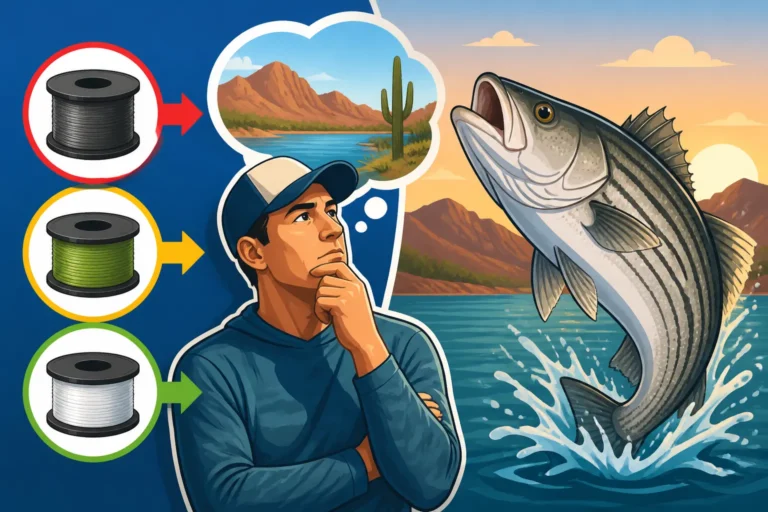
- Line: This is perhaps one of the most critical components. I highly recommend a main line of 6-10 lb braided line for its incredible sensitivity and casting distance. You'll then tie a leader of 6-8 lb fluorocarbon. Fluorocarbon is nearly invisible in the water, which is a huge advantage in Arizona's clear lakes, and it offers excellent abrasion resistance against those rocky bottoms where smallmouth hide. The braid-to-fluoro connection gives you the best of both worlds: feel and stealth. Understanding the nuances of line choices can significantly improve your success, so a look at our Best Line for Bass Fishing article might be helpful.
Rigging Your Ned Rig for Arizona Success
The beauty of the Ned Rig lies in its simplicity, but there are a few key details that make all the difference in presentation and effectiveness. Getting these elements right will ensure your bait behaves exactly as intended, tempting those Arizona smallmouth into striking. It’s not just about tying a hook to a worm; it’s about creating a harmonious, subtle system that excels in the unique challenges of our desert fisheries.
Choosing the Right Jig Head
The jig head is the foundation of your Ned Rig. It dictates how your bait falls, how it stands on the bottom, and how easily it snags.
- Weight: For most Arizona smallmouth scenarios, you'll want jig heads ranging from 1/16 oz to 1/8 oz. In shallower water (under 15 feet) or with minimal wind, 1/16 oz is often perfect, offering a super slow, tantalizing fall. If you're fishing deeper water, heavier current, or on a windy day, step up to a 1/8 oz to maintain contact with the bottom. Rarely will you need anything heavier unless fishing exceptionally deep or in very strong winds. The goal is to use the lightest weight possible while still maintaining contact with the bottom and feeling your bait.
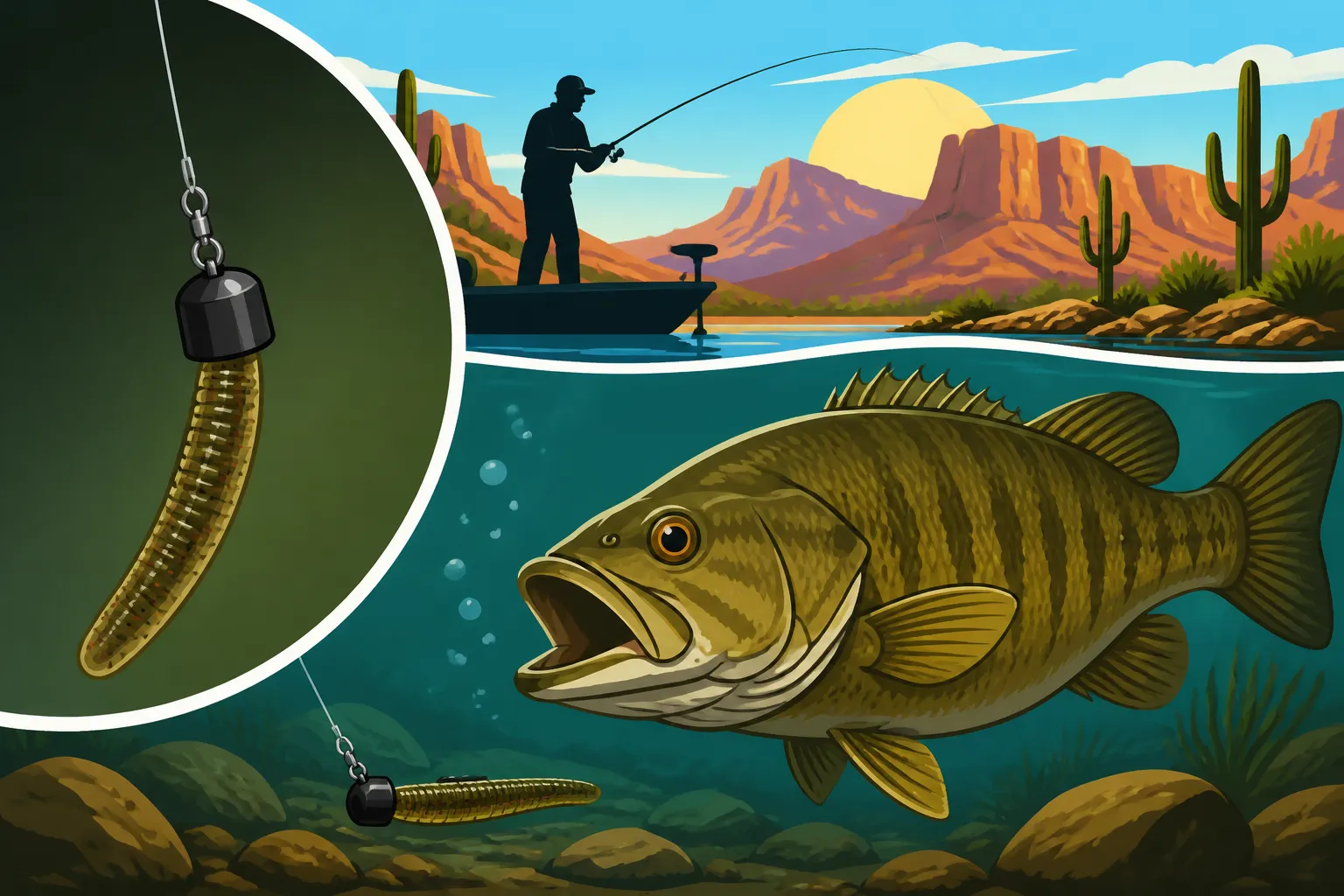
- Style: The classic mushroom-shaped head is what gives the Ned Rig its signature upright presentation on the bottom. This shape also helps the bait glide over rocks rather than getting wedged. However, for those notorious snag-filled areas that smallmouth often inhabit, weedless jig heads are a lifesaver. These usually feature a small wire guard or an offset hook design that keeps the hook point protected from snags. Don't be afraid to experiment; sometimes a non-weedless jig will get more bites in open areas, but a weedless one will save you countless re-ties and lost tackle in cover.
- Hook Size: Most Ned Rig jig heads come with an appropriate hook size (typically #1 or #2) for the smaller baits. Ensure the hook is sharp! A dull hook means missed fish, especially when dealing with the bony mouths of smallmouth bass.
Selecting Your Soft Plastic Baits
While the jig head is critical, the soft plastic body is what draws the eye and ultimately the bite. The original and still incredibly effective bait for the Ned Rig is the Z-Man Finesse TRD, made from their super-durable ElaZtech material.
- Z-Man Finesse TRD: This bait is specifically designed for the Ned Rig. Its buoyancy means it stands perfectly upright on the mushroom head, mimicking a feeding creature or a dying baitfish. The ElaZtech material is incredibly stretchy and resistant to tearing, meaning one bait can last through dozens of fish, saving you money and time. It also has a subtle, natural wobble on the fall and retrieve that smallmouth can't resist. You can find these versatile baits in a range of colors on platforms like Amazon, offering convenience for restocking your tackle box.
- Other Soft Plastics: While the TRD is king, don't shy away from experimenting with other small soft plastics. Small stick baits, creature baits, or even a section of a larger worm can be effective. The key is to keep the profile compact (usually 2-3 inches long) and ensure the plastic has some buoyancy or natural action.
- Colors: For clear Arizona waters, natural colors often perform best. Green pumpkin, black and blue, brown, or shades of watermelon are excellent starting points. On overcast days or in slightly stained water, you might experiment with brighter colors like chartreuse or brighter greens. Always have a few options on hand, as fish can be picky about color on any given day. Remember, for more general lure information, our article on the Best Lures for a Bass Tackle Box covers a broader range of options.
The Knot That Holds It All Together
With light line and finesse presentations, your knot becomes incredibly important. You need something strong, reliable, and low-profile.
- For your leader connection (Braid to Fluorocarbon): The FG knot is considered one of the strongest and most streamlined knots for connecting braid to fluorocarbon. It slides easily through rod guides and maintains a high breaking strength. It takes a bit of practice, but it's well worth the effort. Alternatively, a Double Uni Knot is easier to tie and still very effective, though slightly bulkier.
- For tying your leader to the jig head: The Palomar knot or the Improved Clinch knot are excellent choices. Both are strong and relatively easy to tie, even with cold hands or in low light. When tying any knot, make sure to lubricate the line with saliva before tightening to prevent friction heat from weakening it. Always check your knot after a few fish or if you've been snagged. A weak knot is a lost fish!
| Component | Recommendation | Key Feature for Arizona Smallmouth |
|---|---|---|
| Rod | 6'6" – 7'2" Spinning, Light to Medium-Light Power, Fast Action | Sensitivity for subtle bites, subtle presentation |
| Reel | 1000 – 2500 Size Spinning Reel | Smooth drag for light lines, comfortable retrieve |
| Main Line | 6-10 lb Braided Line | Maximum sensitivity, long casts |
| Leader | 6-8 lb Fluorocarbon (5-8 feet long) | Nearly invisible, abrasion resistant, stealthy |
| Jig Head | 1/16 oz – 1/8 oz Mushroom Head (weedless options for cover) | Upright presentation, ideal fall rate, snag resistance |
| Soft Plastic | Z-Man Finesse TRD (2.75"), other compact buoyant plastics (2-3 inches) | Buoyant action, mimics natural forage, durable |
| Knots | FG Knot (Braid to Fluoro), Palomar/Improved Clinch (Fluoro to Jig) | Strong connections, low profile for clear water |
Mastering Ned Rig Presentation for Smallmouth Bass
Once you have your gear and rig dialed in, the real magic happens in how you present the Ned Rig. Smallmouth bass, particularly in the clear waters of Arizona, are incredibly visual feeders, and the subtle dance of a properly worked Ned Rig can be utterly captivating to them. This isn't about power fishing; it's about finesse, patience, and mimicking the natural movements of their prey.
The "Hop and Drag" Retrieve
The Ned Rig is not meant to be aggressively ripped or cranked back to the boat. Its effectiveness lies in its subtle movements. The most common and effective retrieve is a slow "hop and drag" or "drag and pause" technique.
- Cast: Make a moderate cast to your target area. Accuracy is important, especially when targeting specific pieces of structure.
- Let it Sink: Allow the Ned Rig to sink on a semi-slack line. Watch your line for any twitch or sudden movement – sometimes a smallmouth will grab it on the fall. This initial descent is often where the fish make their decision to strike.
- Contact the Bottom: Once it hits bottom, let it rest for a few seconds. That upright posture is doing its work!
- Drag: Slowly drag the bait a few inches or a foot with your rod tip. You're not moving it fast; you're just gently easing it across the bottom. Feel for any resistance or subtle ticks.
- Pause: Pause again, allowing the bait to settle back down and stand upright. This pause is often when the smallmouth will commit, especially if they've been following it.
- Hop (Optional): Every so often, give your rod tip a slight twitch or a small hop (just an inch or two off the bottom) to impart a more erratic movement, then let it fall and settle again. This can trigger a follow-up strike if the fish was hesitant.
- Repeat: Continue this slow, deliberate process all the way back to the boat. The key is to be patient and let the bait do its work. Remember that sometimes the fish will just pick it up and you'll feel a spongy weight, rather than a hard strike.
Targeting Smallmouth Structure
Arizona's smallmouth bass absolutely love structure. They are ambush predators who use rocks, ledges, and submerged features to hide from prey and current. Knowing where to cast your Ned Rig is just as important as how you retrieve it.
- Rocky Banks and Points: Smallmouth will often cruise rocky banks and points, especially those that drop off into deeper water. Cast your Ned Rig parallel to the bank and work it down the slope.
- Ledges and Drop-offs: These are prime smallmouth holding areas. Fish your Ned Rig along the edges of underwater ledges and where flats transition into deeper water. The bait slowly working its way down a ledge is highly effective. Our Canyon Ledge Fishing Techniques offers more detailed guidance on this.
- Submerged Boulders and Rock Piles: Any isolated rock structure underwater is a magnet for smallmouth. Cast beyond the structure and slowly work your Ned Rig right over and around it. Pay extra attention as it falls off the edge of a boulder.
- Current Seams: In rivers or areas with current (like the Colorado River), smallmouth will position themselves just out of the main flow, in "seams" where the current slows down. Cast your Ned Rig into the faster current and let it drift into the slower water, working it along the seam.
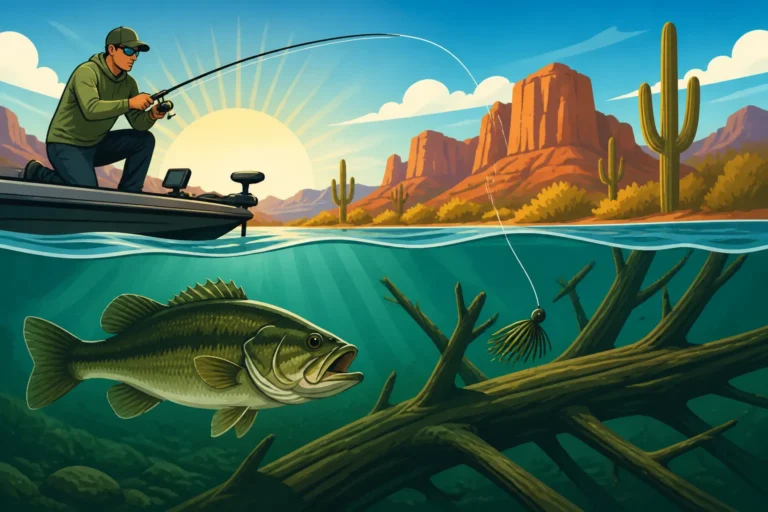
- Deep Water Structure: Don't be afraid to fish the Ned Rig in deeper water, especially in summer when fish move down to cooler temperatures. With the right weight, it can be deadly on deep humps, main lake points, and submerged timber. Our guide on Deep Water Structure Fishing Techniques can provide more context here. For anglers specifically interested in the region's diverse fish, our comprehensive Fish Species Guide for Arizona Lakes is a fantastic resource.
When and Where to Deploy Your Ned Rig
The beauty of the Ned Rig is its versatility, but knowing when and where to use it can significantly increase your catch rate for Arizona smallmouth.
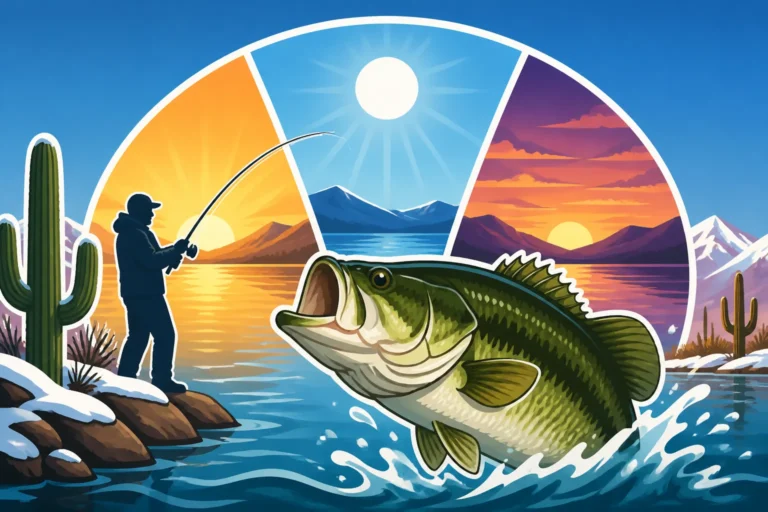
- Year-Round Effectiveness: While particularly effective during colder water periods (winter, early spring, late fall) when fish are more lethargic and less aggressive, the Ned Rig will catch smallmouth all year long. In summer, when bass often go deep, it's an excellent tool for probing those deeper structures where they seek refuge from the heat. Our general Arizona Fishing Seasons Explained article can give you a broader overview of seasonal patterns.
- Post-Frontal Conditions: After a cold front pushes through, fishing often gets tough. Bass become notoriously finicky. This is precisely when a finesse presentation like the Ned Rig can salvage a tough day. Its subtle nature won't spook shut-down fish.
- Clear Water Specialists: As mentioned, the Ned Rig shines in clear water. Lakes like Lake Powell, Canyon Lake, or sections of the Colorado River where visibility is high are prime Ned Rig territory. If you find yourself on the majestic Lake Powell Arizona Fishing Guide, a Ned Rig should absolutely be tied on.
- Pressured Waters: If you're fishing a popular lake or a spot that sees a lot of angler traffic, fish can become "educated" to traditional baits. The Ned Rig offers a different look and action, often triggering bites from fish that have ignored everything else.
- Specific Smallmouth Spots: While smallmouth are found in many Arizona lakes, some are truly renowned for them. Lake Powell is perhaps the most famous, but other areas like parts of the Colorado River (especially below Hoover Dam) and even some of the deeper, clearer sections of the Salt River chain of lakes can hold fantastic smallmouth populations. Knowing the best smallmouth bass fishing spots in Arizona will help you put this technique to the best use.
Common Mistakes and Troubleshooting for Ned Rig Success
Even with the right gear and technique, fishing a Ned Rig effectively for Arizona smallmouth can sometimes present challenges. It's a finesse game, and small adjustments can make a big difference. Understanding common pitfalls and how to overcome them will help you refine your approach and put more fish in the net.
Over-Working the Bait
One of the most frequent mistakes anglers make with the Ned Rig is treating it like a typical jig and worm. There's an urge to twitch, pop, or retrieve it too quickly. However, the Ned Rig's strength lies in its subtlety.
- The Problem: An over-worked Ned Rig loses its natural appeal. The constant movement can make it look unnatural or even aggressive, which goes against the finesse principle. Smallmouth in clear, pressured waters are looking for an easy, non-threatening meal. If your bait is darting around erratically, it might be perceived as something to ignore or avoid.
- The Fix: Slow down. Seriously, slow down even more than you think you need to. Focus on long pauses, gentle drags, and minimal hops. Sometimes, letting the bait sit completely still on the bottom for 10-15 seconds after a drag can be incredibly effective. Imagine a stunned baitfish or a crayfish scuttling a bit and then freezing. That's the cadence you want to replicate. Let the buoyancy of the ElaZtech material do the work of making the bait stand up and quiver subtly. If you're used to more active presentations like crankbaits or spinnerbaits, this might feel unnatural at first, but patience is your biggest ally here.
Missing Subtle Bites
Because the Ned Rig is a finesse bait and often fished on light line, strikes from smallmouth can be incredibly subtle – sometimes just a slight "tick" or a feeling of added weight.
- The Problem: Many anglers are accustomed to aggressive "thumps" or rod-bending strikes. With a Ned Rig, you might not feel that. You could be reeling in, and suddenly your line just feels "heavy," or you notice a slight slack in your line when it should be taut, or perhaps your line just jumps sideways. Missing these subtle cues means missing fish.
- The Fix: Pay obsessive attention to your line and the feel of your rod. Keep your eyes peeled for any unnatural movement in your line where it enters the water. If you see it twitch, jump, or go slack, set the hook! When dragging or pausing, hold your rod tip at an angle (typically 10-2 o'clock) that allows you to maintain light tension on the line while still being able to drop the tip slightly and set the hook with a sweeping motion. The braided main line really helps here because of its lack of stretch, transmitting every slight contact to your hand. When you feel anything out of the ordinary, even if it's just a spongy weight, lean into it with a firm, sweeping hookset. Don't go for a monstrous, arm-breaking set; a good sweep is usually all you need with sharp hooks.
Snags and How to Prevent Them
Fishing for smallmouth in Arizona often means fishing around rocks, boulders, and sometimes submerged brush – all prime snag territory. Losing tackle to snags is not only frustrating but also costly.
- The Problem: Traditional exposed-hook Ned Rig jig heads are prone to getting wedged in rock crevices. A lost jig means re-tying, re-rigging, and precious fishing time wasted.
- The Fix:
- Use Weedless Jig Heads: As mentioned earlier, invest in weedless Ned Rig jig heads. These typically have a small wire guard over the hook point or an offset hook design that allows the plastic to cover the point, significantly reducing snags. While they might get slightly fewer bites in open water, the trade-off in snag reduction is usually worth it when fishing heavy cover.
- Maintain Light Line Tension: When working your bait, try to maintain just enough tension to feel the bottom without pulling the jig head aggressively into every crack. If you feel your bait bumping a rock, momentarily lighten your retrieve or lift your rod tip slightly to help it "hop" over the obstruction rather than digging into it.
- Learn to Free Snags: If you do get snagged, don't just yank. Point your rod tip directly at the snag, reel down to create slack, and then sharply snap your rod tip back towards the snag. This "bow and arrow" technique can often dislodge the jig. If that doesn't work, try a different angle, like walking around the obstruction if you're bank fishing, or changing boat position. This is also where that tough fluorocarbon leader comes in handy, providing a bit more resistance against abrasion when you're working to free your lure from rocks. For more insights on handling rough terrain, consider looking at guides on How to Fish Arizona's Desert Lakes which cover navigating challenging fishing environments.
Disclaimer
This article is for general informational purposes only and does not constitute professional advice. Laws, prices and regulations vary by location and change over time. Consult a qualified professional for guidance on your specific situation.