Best Season to Catch Trophy Catfish on the Colorado River
It's incredibly frustrating when you're itching to land a monster catfish from the mighty Colorado River, but you just can't seem to figure out the best time to consistently hook into those true trophy specimens. You've heard whispers of huge flatheads and channel cats, but pinpointing the optimal season and conditions can feel like searching for a needle in a haystack. This guide is here to unravel that mystery, providing you with the exact intel you need to maximize your chances of catching a trophy catfish on Arizona's stretch of the Colorado River.
Understanding the Kings of the Colorado Catfish World
When we talk about "trophy catfish" on the Colorado River in Arizona, we're primarily zeroing in on two heavy hitters: the formidable flathead catfish and the widely popular channel catfish. Both can grow to impressive sizes, but they have distinct behaviors, preferred habitats, and peak activity periods that are crucial for anglers to understand. Targeting one often means adjusting your approach compared to the other.
Flathead Catfish: The Apex Predator
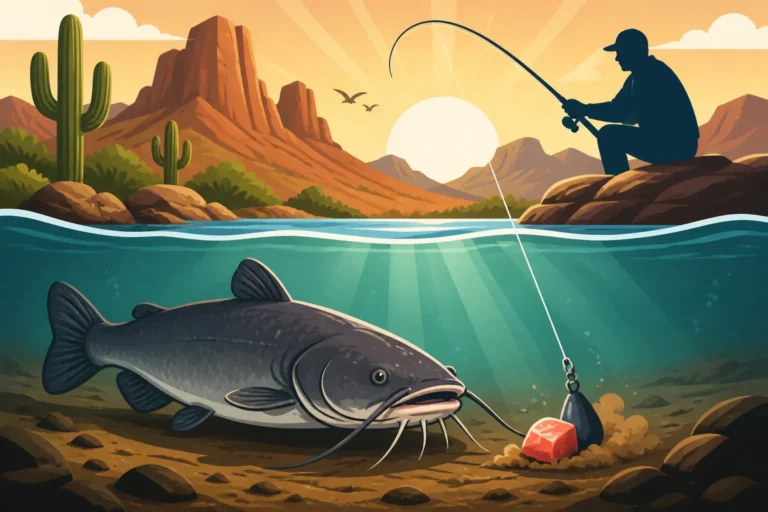
The flathead catfish is the undisputed heavyweight champion when it comes to trophy potential on the Colorado River. These aren't your typical bottom feeders; flatheads are voracious ambush predators that prefer live bait and can grow to truly astonishing sizes. They are known for their broad, flat heads (hence the name) and a lower jaw that protrudes beyond the upper jaw. Their coloring is often mottled brown and yellow, allowing them to blend seamlessly with rocky and woody river bottoms.
Catching a trophy flathead is often a lifetime achievement for many anglers because they are incredibly powerful fighters. These fish thrive in the warmer, slower-moving sections of the Colorado River, particularly where there's plenty of submerged cover like fallen trees, brush piles, or rocky ledges. They are territorial and will often hold in these ambush points, waiting for an unsuspecting meal to swim by. Understanding their preference for live prey is paramount; you won't often find a truly massive flathead biting on a stink bait or a piece of cut bait. For those serious about pursuing these giants, our comprehensive guide, "Flathead Catfish Fishing Guide for Arizona", delves even deeper into their habits and how to target them effectively.
Channel Catfish: Abundant and Still Impressive
While flatheads might steal the "trophy" limelight for sheer size, the channel catfish should not be underestimated. The Colorado River is absolutely brimming with channel cats, and while they might not reach the 70+ pound giants of the flathead world, a 15 to 30-pound channel catfish is still a formidable trophy by any standard and provides an incredible fight. They are distinguishable by their deeply forked tails, scattered spots on their sides (especially when younger), and a slightly humped back.
Channel catfish are far less picky eaters than flatheads. They are opportunistic scavengers and predators, readily taking cut bait, prepared "stink" baits, worms, shrimp, and even artificial lures. This makes them a fantastic target for anglers looking for consistent action, but don't think for a second that they don't grow large. The abundance of food in the Colorado River, from smaller fish to insects and decaying matter, allows channel cats to pack on the pounds. For a side-by-side comparison of these two species, including their identifying features, check out "Channel Catfish vs Flathead Catfish Identification". Both species contribute significantly to the exceptional "Catfish Fishing Guide for Arizona" that the Colorado River provides.
The Prime Season for Trophy Catfish on the Colorado River
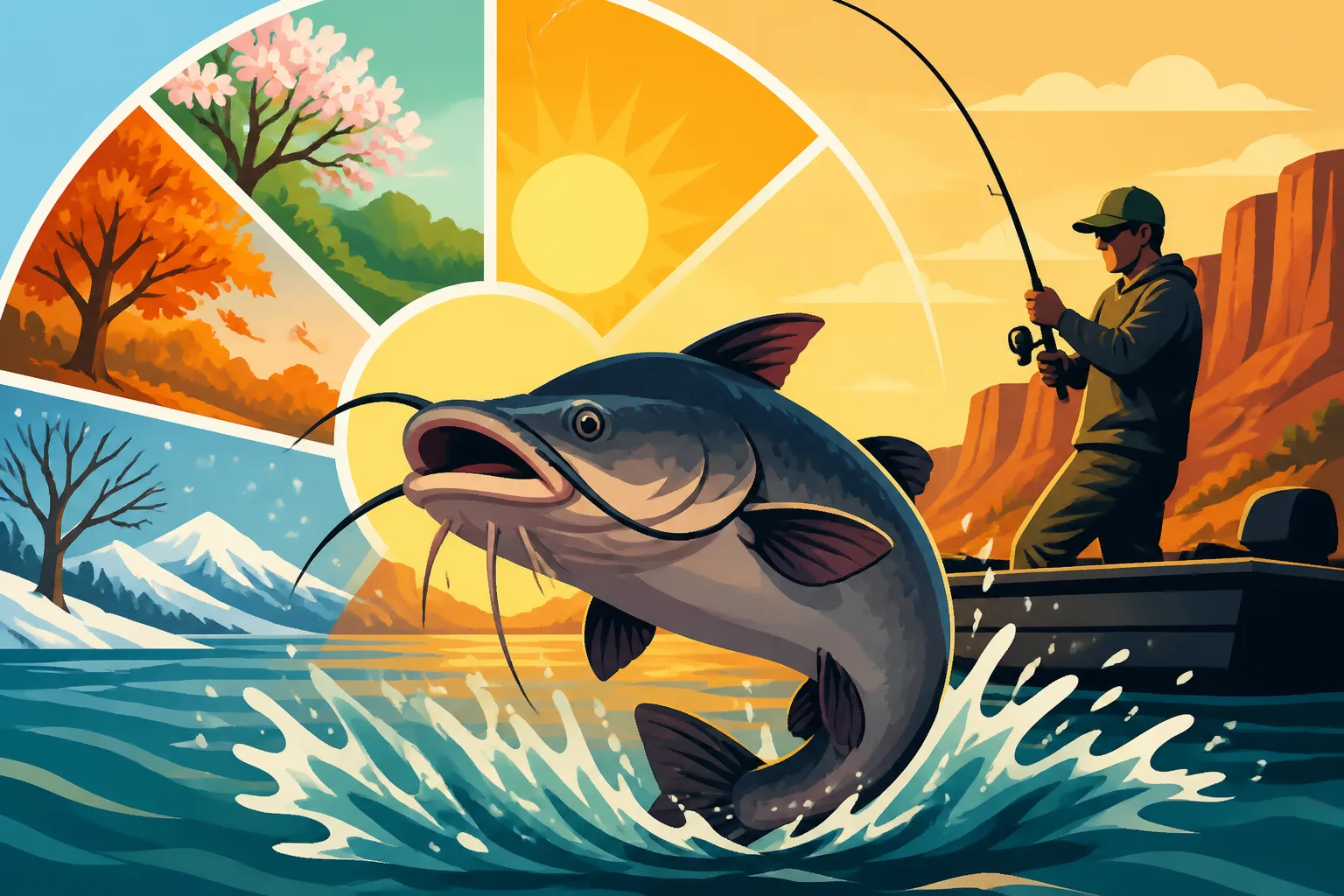
If you're dreaming of a trophy catfish, whether it's a colossal flathead or a monster channel cat, timing is everything. While you can catch catfish year-round on the Colorado River, there's a distinct window when their activity peaks, and your chances of hooking into a truly massive specimen skyrocket. This prime season generally runs from late spring through early fall, with specific nuances that favor different species and techniques.
Spring Transition: Warming Waters and Pre-Spawn Feasting (April-May)
As the intense Arizona sun begins to warm the waters of the Colorado River in April and May, both flathead and channel catfish kick into high gear. This is a pre-spawn period where fish are actively feeding to build up energy reserves for reproduction. Water temperatures climbing into the 60s Fahrenheit are a major trigger.
For flatheads, this means they start moving out of their deep wintering holes and becoming more aggressive in shallower, structured areas. They're on the hunt for live baitfish like carp, bluegill, or even small stocked trout. Focusing on the mouths of coves, submerged timber, and rocky ledges where warmer water collects can be incredibly productive. The river flow is usually still moderate, which allows these powerful fish to ambush prey more easily.
Channel catfish also become very active during this time, often moving into shallower flats and current breaks to feed. They'll readily hit a variety of baits, and because they're feeding heavily, you'll find larger fish mixed in with the smaller ones. This period offers fantastic daytime fishing opportunities before the scorching summer heat pushes them into a nocturnal routine. It’s an exciting time to be on the water, with the promise of powerful bites.
Summer Heat: Night Fishing for Giants (June-August)
When the Arizona summer truly settles in, bringing triple-digit temperatures, the daytime fishing for trophy catfish on the Colorado River can slow considerably. The fish don't disappear, but they become much more lethargic during the hottest parts of the day, retreating to deeper, cooler water or dense cover. However, as the sun dips below the horizon and the air (and water) cools, the river comes alive with incredible night fishing opportunities, particularly for the biggest flatheads and channel cats.
Flatheads become especially active at night, leveraging their superior low-light vision to ambush unsuspecting prey. They'll move into shallower feeding flats, along current seams, and near the edges of drop-offs. Setting up with stout gear and live bait in these areas as dusk approaches can yield phenomenal results. Many anglers swear by the summer nights for the biggest flatheads, as these giants feel more secure hunting under the cover of darkness. This is when "Night Fishing Techniques and Safety" become not just a preference, but a strategic necessity. You'll need good headlamps (easily found on Amazon, by the way) and be prepared for a long night of waiting for that monstrous bite.
Channel catfish are also prolific night feeders in summer. They'll cruise shallow areas, shorelines, and channel edges, gorging on anything from cut bait to prepared dough baits. The sheer volume of channel cats, combined with their willingness to bite in the dark, makes for fast-paced action and the chance to land some truly respectable fish. Fishing around boat docks, marinas, and areas with artificial light can also be highly productive, as these lights attract smaller baitfish and insects, which in turn attract hungry catfish.
Early Fall: Cooler Temps, Renewed Activity (September-October)
As summer gives way to early fall, the intense heat begins to subside, and water temperatures gradually drop back into the optimal range for catfish activity. This period offers a resurgence of aggressive feeding, similar to the spring, as fish once again pack on fat reserves for the upcoming cooler months.
For both flatheads and channel catfish, early fall is a fantastic time to target them. They'll be found in many of the same areas as spring: current breaks, submerged structure, and deeper holes adjacent to shallower feeding areas. The advantage in the fall is often the comfort for anglers; the weather is usually much more pleasant for long days or nights on the water. The fish are often fat and feisty, providing powerful fights. As the water cools, their metabolism might slow slightly compared to the peak summer nights, but their predatory instincts remain strong. Keep an eye on local water temperatures and fish reports, as the transition can vary slightly year to year.
Key Factors Influencing Trophy Catfish Activity
Beyond the calendar, several environmental factors play a massive role in whether you'll find those trophy catfish willing to bite. Understanding these elements can help you fine-tune your approach, even within the prime season, to pinpoint where the biggest fish are and what they're doing.
Water Temperature is King
Catfish, like all fish, are cold-blooded, meaning their metabolism and activity levels are directly tied to water temperature. On the Colorado River, especially the warmer lower sections, optimal temperatures for flathead and channel catfish activity generally range from the mid-60s to the low 80s Fahrenheit.
- Below 60°F: Catfish become sluggish. They still eat, but less frequently and usually require baits presented directly to them in their deep holding areas. Winter fishing for catfish is possible but less productive for trophies due to their decreased activity.
- 65°F – 75°F: This is the sweet spot. Fish are active, feeding aggressively, and moving freely. This range often coincides with the spring pre-spawn and fall feeding frenzies.
- Above 80°F: In the peak of summer, surface waters can get very warm. While flatheads and channel cats tolerate warm water well, the biggest fish often retreat to deeper, cooler sections during the day, becoming more active at night when surface temps drop. This is where understanding "Summer Fishing Tactics in Arizona" (though for bass, many principles apply) becomes crucial for all warm-water species. Using a reliable fish finder to locate thermoclines or cooler pockets can be highly beneficial.
River Flow and Structure
The Colorado River is a dynamic system, with flows often influenced by dam releases. Changes in water flow can dramatically impact where catfish hold and feed.
- Stable or Moderate Flow: These conditions are generally ideal. Catfish will position themselves in current breaks (behind rocks, submerged logs, points, or deeper holes) where food is swept to them but they don't have to expend too much energy fighting the current. These current breaks are prime ambush points for flatheads and excellent feeding lanes for channel cats.
- High or Fluctuating Flow: While challenging, high flows can sometimes push baitfish and other food sources into predictable areas, concentrating catfish. Look for eddies, slack water areas, and the insides of bends. However, extremely high, muddy flows can make fishing difficult as fish scatter and visibility decreases. Conversely, sudden drops in water level can make fish wary and less likely to bite. Knowledge of the river's unique structure, especially where the water slows, is key for any angler on the Colorado River.
Prey Availability and Location
Simply put, if there's no food, there are no big catfish. The Colorado River is rich in forage, including various species of shad, carp, bluegill, and even smaller trout in certain sections. Trophy catfish, especially flatheads, will always be near their food source.
- Baitfish Concentrations: Look for schools of baitfish with your fish finder or by observing surface activity. Where the baitfish are, the predators won't be far behind. This is particularly true for flatheads, which are active hunters.
- Seasonal Movements: Baitfish themselves have seasonal patterns. For example, shad often move into shallower areas to spawn in spring, which draws in hungry catfish. Learning these patterns is a game-changer.
- Structure and Cover: Baitfish use submerged timber, rock piles, and weed beds for cover. Flatheads will lurk within or along the edges of these same structures, waiting for a meal. Channel cats will also patrol these areas, scavenging for anything edible. Identifying "Deep Water Structure Fishing Techniques" becomes vital for consistent success.
Essential Techniques and Gear for Colorado River Trophy Catfish
Landing a trophy catfish from the Colorado River isn't just about being in the right place at the right time; it also demands the right approach and equipment. These fish are powerful, and if your gear isn't up to snuff, you'll be telling a story about the one that got away.
Baits and Rigs That Get Attention
Your bait choice is paramount, especially when targeting flatheads.
- Live Bait is King for Flatheads: As discussed, flatheads are predators. Your best bet for a true trophy flathead is live bait. Common choices on the Colorado River include live bluegill, carp, or sunfish (check local regulations for bait size and species legality). Present these on a stout circle hook (size 5/0 to 8/0) with a heavy lead weight (2-6 oz, depending on current) to keep it on the bottom. A Carolina rig or a three-way swivel rig are popular choices.
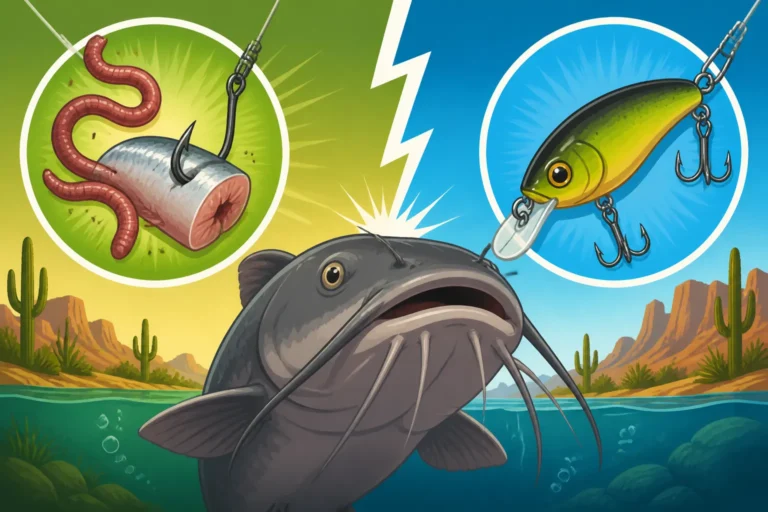
- Versatile Baits for Channel Catfish: Channel catfish are much less finicky. Cut bait (like shad, carp, or even hot dogs), shrimp, nightcrawlers, and commercially prepared "stink" baits all work wonderfully. For channel cats, a simple slip-sinker rig with an appropriate-sized circle hook (1/0 to 4/0) is often all you need.
- Choosing the Right Rig:
- Carolina Rig (Slip Sinker): Excellent for both live and cut bait, allowing the fish to pick up the bait without feeling the weight of the sinker immediately.
- Three-Way Swivel Rig: Ideal for heavier current, allowing you to present bait slightly off the bottom or in a specific zone. You can tie a dropper line to a heavier weight and a shorter leader to your bait.
- Santee Cooper Rig: A variation of the Carolina rig with a float near the hook to keep the bait just off the bottom, preventing it from getting buried in silt or snags. This can be particularly effective in softer river bottoms.
Remember, presentation matters. Cast upstream of your desired spot and let the current carry your bait naturally into the strike zone. Patience is a virtue when targeting trophy catfish.
Heavy Duty Gear for Heavy Fish
You need gear that can withstand the brutal power of a Colorado River trophy catfish. These fish are not only heavy but also incredibly strong and will try to use the current and any available structure to break your line.
- Rods: Opt for heavy to extra-heavy action rods, typically 7 to 9 feet in length. A sturdy fiberglass or composite rod will offer the backbone needed to haul in a big fish. Look for models designed specifically for catfishing or musky fishing. Many excellent "Best Rod for Catfish" options can be found on Amazon, offering durability and strength.
- Reels: A high-quality baitcasting reel with a robust drag system is essential. Look for reels with a high line capacity, as a big catfish can peel off a lot of line in a hurry. Brands like Penn, Abu Garcia, and Shimano make excellent reels suitable for this kind of fishing.
- Line: Don't skimp on line strength. Braided line in the 50-80 lb test range is a popular choice for its sensitivity, lack of stretch, and abrasion resistance. However, a good quality monofilament in the 25-40 lb test range can also work, especially for channel cats, offering more stretch and knot strength. A fluorocarbon leader (40-60 lb test) can be added for abrasion resistance and stealth, especially in clearer water. More details on choosing the right line can be found in "Best Line for Catfish Fishing".
- Hooks: Always use sharp, strong, high-quality circle hooks. Circle hooks are generally preferred for catfishing as they tend to hook fish in the corner of the mouth, reducing gut-hooking and making for easier release if desired.
- Landing Net or Gaff: A large, sturdy landing net or a heavy-duty gaff is crucial for safely landing a massive catfish. Trying to hoist a 30+ pound fish into a boat or onto the bank by the line alone is a recipe for disaster.
Successfully tackling a trophy catfish on the Colorado River is an immensely rewarding experience. By understanding the prime seasons, the specific behaviors of flatheads and channel cats, and equipping yourself with the right techniques and gear, you'll be well on your way to that dream catch. Remember, patience and persistence are your greatest allies out on the water.
Disclaimer
Fishing conditions and regulations in Arizona can change. Always check the latest Arizona Game and Fish Department regulations before heading out to ensure you are compliant with all current laws regarding licenses, bag limits, and legal fishing methods. This guide is for informational purposes only.