How to Fish a Community Lake for Beginners
Stepping into the world of fishing for the very first time can feel incredibly overwhelming, especially when you're looking at a new lake and wondering where to even begin. You see experienced anglers casting long distances, seemingly pulling fish out of thin air, and it's easy to feel intimidated. But here's the good news: Arizona's community lakes are designed with beginners in mind, offering fantastic, accessible opportunities to learn the ropes. This guide is specifically crafted to strip away the confusion, giving you a clear, step-by-step roadmap to successfully fish a community lake, even if you've never held a rod before.
Understanding Arizona's Community Fishing Program
Arizona's desert landscape might not immediately conjure images of abundant fishing, but thanks to the Arizona Game and Fish Department (AZGFD), we have a fantastic network of urban and community lakes. These aren't just puddles; they're managed fisheries that provide incredible opportunities for residents and visitors alike to enjoy the sport close to home. It's a real blessing for folks living in cities like Phoenix and Tucson, who might not have the time or means to drive up north to the bigger reservoirs.
What Makes Community Lakes Special?
Community fishing lakes stand out for a few key reasons. First, accessibility is huge. Many are located within city parks, offering easy access, paved parking, restrooms, and often even playgrounds for the kids. This makes them perfect for a spur-of-the-moment trip or a family outing where not everyone is strictly focused on fishing. You don't need a boat; shore fishing is the primary method here, and many lakes even have dedicated piers or accessible fishing platforms.
Second, these lakes are actively managed and stocked with fish throughout the year. The AZGFD goes to great lengths to ensure there's a healthy population of catchable fish, especially during peak seasons. This consistent stocking significantly increases your chances of success, which is a huge confidence booster for new anglers. It's not about guessing if there are fish; it's about figuring out how to catch the ones that are definitely there! They really aim to make it a positive experience, reducing some of the frustration that comes with fishing in less predictable, wilder waters.
Common Fish You'll Encounter
When you visit an Arizona community lake, you'll find a diverse range of species, depending on the time of year. Knowing what's in the water helps you pick the right bait and technique.
- Rainbow Trout: These are hands down the most popular winter residents. From roughly November through March, the AZGFD heavily stocks rainbow trout into these urban waters. They're often eager to bite and are a fantastic species for beginners. You can find out more about the stocking schedules and the overall Trout Stocking Season in Arizona to plan your trips.
- Channel Catfish: Throughout the warmer months, typically April to October, channel catfish become the primary stocked species. They're strong fighters and excellent table fare. Catfish are also quite common in these lakes year-round, even if not actively stocked in winter.
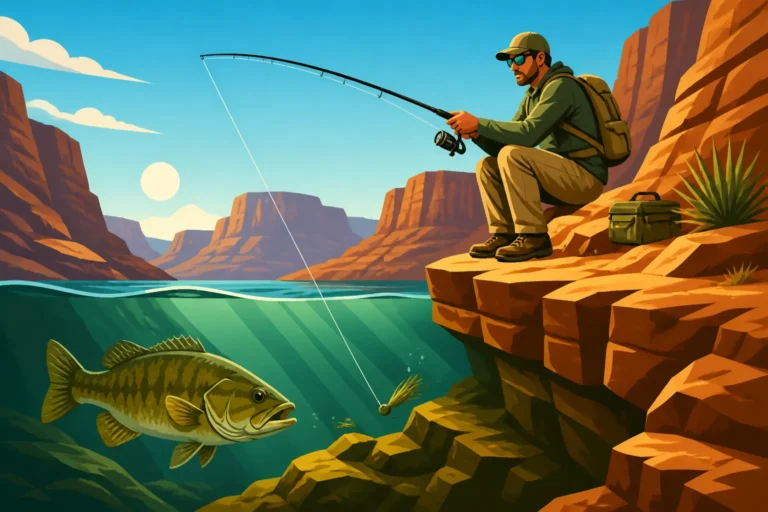
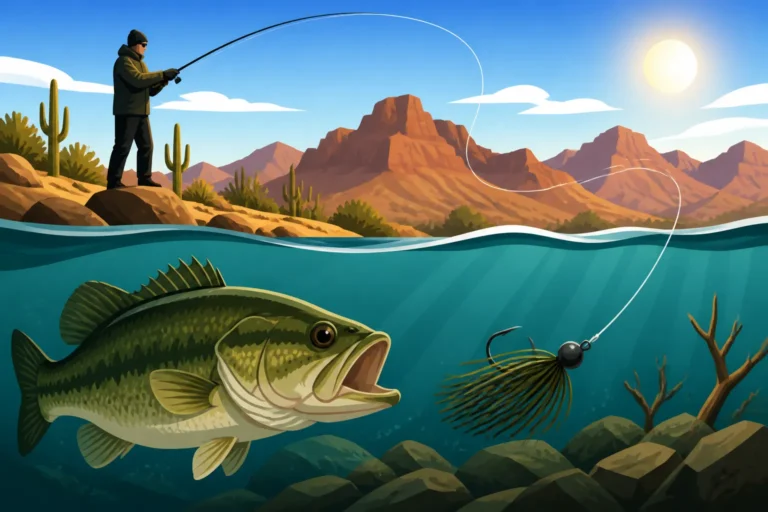
- Largemouth Bass: While not typically stocked in the same numbers as trout or catfish, many community lakes have healthy populations of naturally reproducing largemouth bass. These ambush predators provide an exciting challenge, and catching one on light tackle is a thrill. They'll often lurk around any available structure like submerged trees, rock piles, or shaded areas.
- Sunfish (Bluegill, Redear, Green Sunfish): These smaller, feisty fish are the true "gateway" species for many anglers. They're almost always present, incredibly numerous, and usually willing to bite. They're perfect for keeping kids entertained and honing your basic fishing skills. You might even catch a few different species that fall under the general "sunfish" umbrella.
Understanding the seasonal patterns and target species will help you tailor your approach. For instance, you wouldn't use the same bait for a summer catfish as you would for a winter trout.
Essential Gear for Your First Community Lake Trip
One of the biggest hurdles for new anglers is feeling like they need to buy a ton of expensive gear. The truth is, for community lake fishing, you can get started with a very minimal and affordable setup. Think simple, functional, and reliable. There's no need to break the bank on your first outing.
The Right Rod and Reel Setup
For beginners, a spinning rod and reel combo is the absolute best way to start. They are incredibly easy to use, forgiving of mistakes, and versatile enough for all the common species you'll find.
- Rod: Look for a rod that's anywhere from 5 to 7 feet long. A "light" or "medium-light" action rod is perfect for casting lighter baits and feeling the subtle bites of smaller fish like trout and sunfish, while still having enough backbone for a decent bass or catfish. Fiberglass rods are often more durable and less expensive than graphite, making them great for beginners.
- Reel: A small spinning reel, sized from 1000 to 2500, will balance well with your light rod. Make sure it comes pre-spooled with monofilament line, typically 4 to 8 pound test. This line is easy to handle, has good knot strength, and is transparent enough not to spook fish. Many starter combos are available on platforms like Amazon and are designed for exactly this type of fishing.
- Line: As mentioned, 4 to 8 pound test monofilament line is ideal. It's strong enough for most community lake fish but light enough to cast easily and be less visible underwater. You might want to carry a small spool of extra line, just in case you get a nasty tangle or need to re-spool.
A decent beginner combo won't cost much, and it'll serve you well for many trips to come. Remember, you can always upgrade later once you're hooked! If you want to know more about getting set up, check out our guide on Essential Tackle Box Setup for Arizona Beginners.
Basic Tackle Box Essentials
You don't need a massive tackle box overflowing with gear. A small, organized box with the absolute necessities will get you catching fish in no time. Think of it as your portable toolkit.
- Hooks: A variety of small hooks is crucial. Sizes 6, 8, and 10 are great for trout and sunfish, while sizes 2 and 1/0 are good for larger baits and catfish. Circle hooks are a fantastic choice for bait fishing as they often hook the fish in the corner of the mouth, making for easier, safer release and preventing deep hooking.
- Sinkers: Small split shot sinkers are perfect for adding just enough weight to get your bait down. Have an assortment of very small to medium sizes. You might also want a few small egg sinkers or worm weights for Carolina rigging if you decide to try for bass.
- Bobbers: A pack of small clip-on bobbers is essential for visual strike detection, especially when fishing for trout or panfish with bait. They suspend your bait at a desired depth and alert you to bites when they dip or go under.
- Swivels: Small barrel swivels (size 10-12) can help prevent line twist, especially if you're using spinning lures or natural baits that might rotate in the water.
- Bait: This is where the magic happens! For trout, power bait (often in bright colors like chartreuse or rainbow) or Berkley Gulp! dough bait is incredibly effective. For catfish, stink baits, hotdogs, or even pieces of shrimp work wonders. For sunfish, a small piece of worm, corn, or even bread will get bites. Having a few options means you can switch it up if one isn't working.
- Tools: A pair of small fishing pliers is invaluable for removing hooks, cutting line, and crimping weights. A small pair of nail clippers can also serve as a quick line cutter. A stringer or a small cooler with ice is good if you plan on keeping fish.
Comfort and Safety Gear
Fishing, especially in Arizona, isn't just about catching fish; it's about enjoying the outdoors comfortably and safely. Don't overlook these non-tackle essentials.
- Sun Protection: Arizona sun is no joke! A wide-brimmed hat, sunglasses (polarized ones help you see into the water better!), and sunscreen are non-negotiable. Reapply that sunscreen often, even on cloudy days. You can find excellent, breathable sun-protective clothing on Amazon that wicks away sweat and provides UV protection.
- Water and Snacks: Staying hydrated is critical, even in cooler months. Bring plenty of water. Snacks like granola bars, fruit, or trail mix are great for keeping your energy up.
- Folding Chair or Blanket: Many community lakes have grassy banks perfect for setting up a comfortable spot to relax while you wait for a bite.
- First-Aid Kit: A small kit with bandages, antiseptic wipes, pain relievers, and any personal medications is always a good idea. Hooks can be sharp, and minor scrapes happen.
- Trash Bag: Always pack out what you pack in, and then some. Let's keep our beautiful lakes clean for everyone.
Remember, you might also need an Arizona Fishing License Guide before you even head out. The AZGFD has specific requirements, and you don't want to get caught without one. Kids also have their own Youth Fishing License Rules in Arizona to consider.
Simple Fishing Techniques for Success
Now that you've got your gear sorted, it's time to talk about how to actually get a fish on the line! The beauty of community lakes is that the fish are often accustomed to human activity and a variety of baits, making them a bit less finicky than their wilder cousins.
Mastering Bait Fishing
Bait fishing is hands down the easiest and most effective method for beginners at community lakes. It's largely a waiting game, which is great for relaxing and observing.
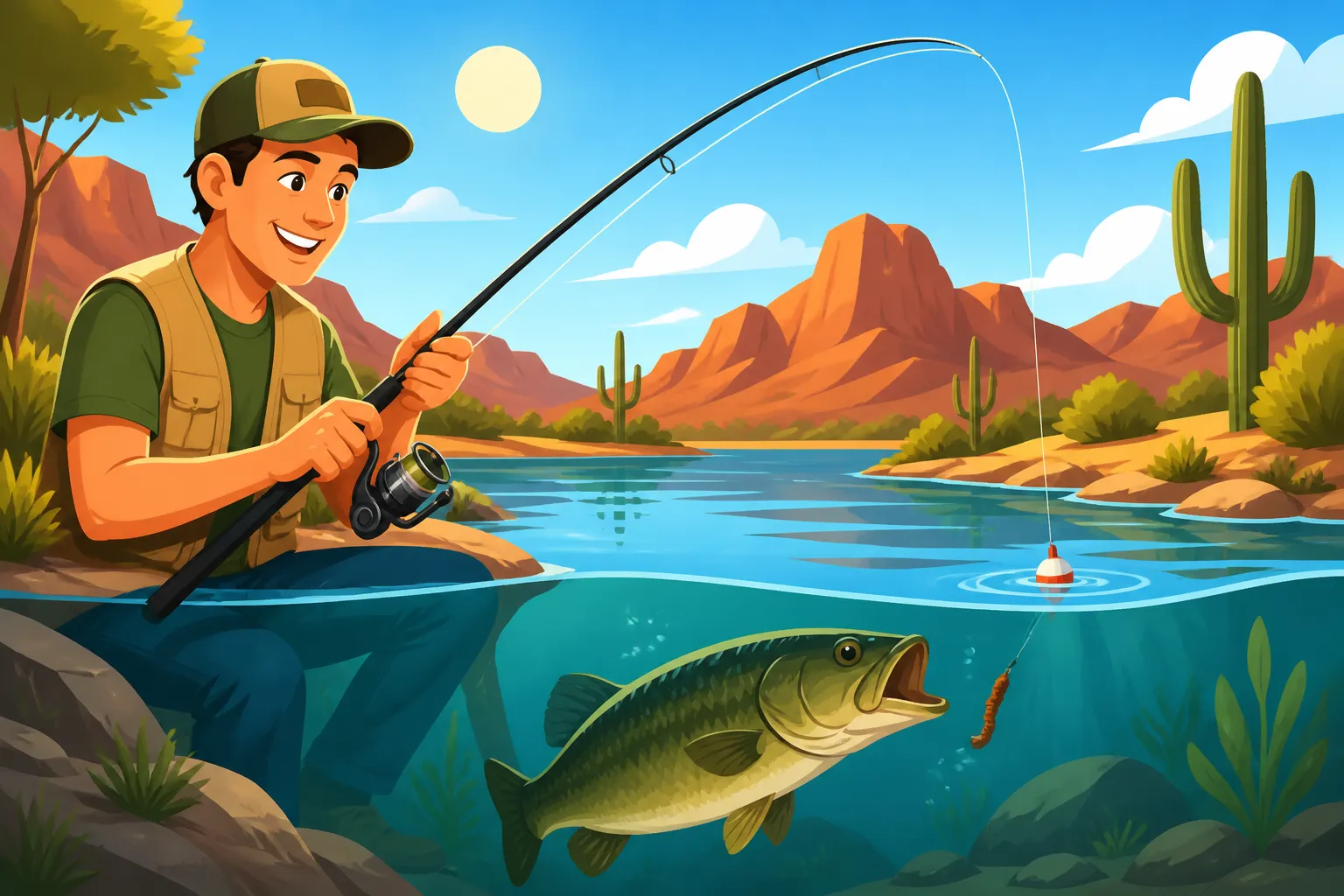
- The Bobber and Bait Rig: This is your go-to setup. Tie a small hook to your line. About 12-18 inches above the hook, crimp on a split shot sinker. Then, 12-24 inches above the sinker, attach your bobber. The bobber will float, suspending your bait off the bottom, and when a fish bites, the bobber will dip or go under. This is fantastic for trout, catfish, and panfish.
- For Trout: Use a small piece of PowerBait or Gulp! dough bait, molding it around the hook to float just off the bottom. Cast it out, let it sit, and watch your bobber. Sometimes, they'll just tap it a few times before taking it down.
- For Catfish: Use a larger hook (size 2 or 1/0) with a piece of hotdog, chicken liver, or a prepared stink bait. You can still use a bobber, but many anglers prefer to fish catfish on the bottom. Remove the bobber, use a heavier egg sinker (that can slide on your line above a swivel), and let your bait rest directly on the lake bed. This is often called a "Carolina Rig" or a simple bottom rig.
- For Sunfish: A tiny piece of worm, corn, or bread on a small hook (size 8 or 10) under a bobber will almost guarantee bites from these eager eaters.
- Casting Basics: With your spinning reel, open the bail (the metal arm that holds the line). Hold the line against the rod with your index finger. Swing the rod back gently, then forward, releasing your finger as the rod comes forward to send your bait flying. Practice this a few times without bait to get a feel for it. You don't need to cast a mile; often, fish are closer to the shore or near visible structure.
Introduction to Lure Fishing
Once you're comfortable with bait fishing, you might want to try lures. Lures imitate natural prey and can be very exciting because they involve more active participation. They often appeal more to predatory fish like bass and larger trout.
- Spinners: These are great for trout and smaller bass. Brands like Rooster Tail or Mepps make small spinners that have a blade that rotates, creating flash and vibration. Just cast them out and retrieve them at a steady pace. Vary your retrieve speed to see what the fish prefer.
- Small Spoons: Spoons, like those from Kastmaster, wobble when retrieved, mimicking a wounded baitfish. These are also excellent for trout. A simple cast-and-retrieve works, or you can "jig" them by lifting and dropping the rod tip.
- Jigs: Small jigs (1/16 to 1/8 ounce) with plastic grubs or tubes are incredibly versatile. You can cast them out and retrieve with a twitching motion, or let them sink to the bottom and slowly hop them along. Trout, bass, and even larger panfish will often strike a jig.
- Focus on Structure: When lure fishing, try to cast near anything that looks like cover or structure: docks, submerged brush, rock piles, or shaded areas. Fish often use these spots for ambush points or protection from the sun. Our guide on Best Baits and Lures for Arizona Fishing offers more specific recommendations for different species.
Reading the Water and Finding Fish
This is where the "art" of fishing starts to come in. Even in a community lake, understanding where fish might be can significantly improve your chances.
- Structure is Key: Fish, especially bass, love structure. This could be anything from a fallen tree, a rock wall, a culvert, or even the edge of a weed bed. These areas provide cover, shade, and ambush points for feeding. Don't be afraid to cast your bait or lure right up against or into these areas.
- Look for Shade: On sunny Arizona days, fish will often congregate in shaded areas to escape the heat. This might be under a bridge, a large tree overhanging the water, or even the shadows cast by a pier.
- Observe Other Anglers: See where other people are fishing and what they're catching. This can give you clues about hot spots or effective baits. Don't be shy about asking politely what they're using, but be respectful if they're busy or prefer not to share.
- Water Depth: Sometimes fish are shallow, sometimes they're deep. Experiment with different depths. If you're using a bobber, adjust its position to present your bait higher or lower in the water column. If you're fishing on the bottom, try moving your rig into slightly deeper or shallower water until you find where the fish are holding. For instance, in winter, trout often cruise the middle depths. In summer, catfish might be hugging the bottom in deeper, cooler water.
Tips for a Great Experience and Responsible Angling
Your first fishing trip is about more than just catching fish; it's about enjoying the process, connecting with nature, and understanding the responsibility that comes with being an angler.
Best Times to Fish Community Lakes
Timing can make a big difference, especially in Arizona's climate.
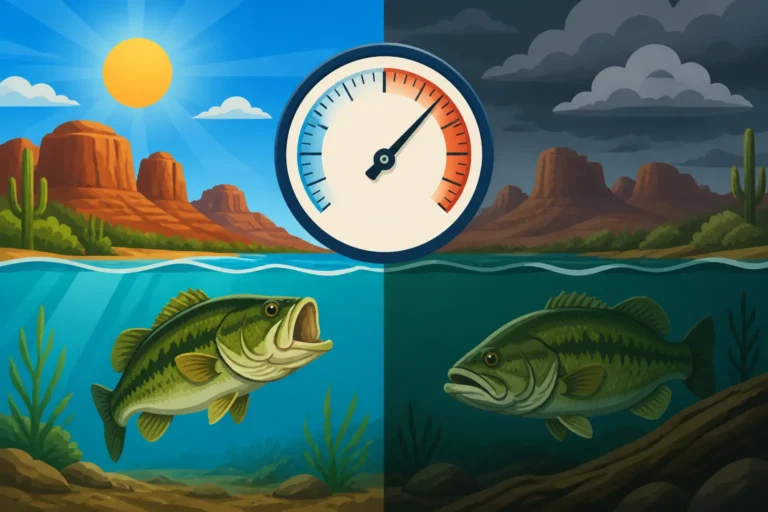
- Morning and Evening: These are almost always the best times to fish, especially in warmer months. The sun is less intense, and fish are generally more active during cooler periods of the day. For bass, these low-light conditions are prime for topwater action.
- Cooler Months for Trout: If you're targeting trout, the winter months (November through March) are your best bet. The AZGFD stocks these fish when water temperatures are suitable for them, making for some excellent fishing.
- Warm Months for Catfish: When the water warms up, catfish become very active, particularly at night or in the early morning/late evening. Night fishing for catfish can be a blast and offers a unique experience. If you're looking to beat the heat, our guide on Best Time of Day to Fish in Arizona Heat has some great advice.
Following Regulations and Etiquette
Being a responsible angler means understanding and respecting the rules. The AZGFD manages these lakes for everyone's enjoyment, and following guidelines helps ensure sustainable fishing for years to come.
- Fishing License: As mentioned, almost everyone needs an Arizona fishing license. There are specific exemptions, for example, children under 10 generally don't need one, but it's crucial to confirm the current Fishing License Age Requirements in Arizona. You can easily purchase one online through the AZGFD website or from authorized dealers like Walmart or many sporting goods stores.
- Bag and Possession Limits: These specify how many fish of each species you can keep per day and how many you can have in your possession. These limits help prevent overfishing and maintain healthy fish populations. Always check the current Fishing Bag and Possession Limits Explained before you go.
- Catch and Release: If you're not planning to eat the fish or have already reached your limit, practice proper catch and release techniques. Minimize handling the fish, keep it in the water as much as possible, and use a de-hooking tool or pliers to remove the hook quickly.
- Respect Other Anglers: Give others space, especially if they are actively fishing. Don't cast over their lines or make excessive noise.
- Leave No Trace: Always take all your trash with you, including discarded fishing line. Monofilament line can be deadly to wildlife, so make sure to dispose of it properly. Many parks have designated recycling bins for fishing line.
Maximizing Your Catch and Enjoyment
Fishing should be fun, not stressful! Here are a few final thoughts to help you make the most of your community lake adventures.
- Patience is a Virtue: Fishing is often called "the sport of patience" for a reason. There will be times when the fish just aren't biting. Don't get discouraged! Enjoy the quiet, the fresh air, and the chance to simply be outdoors.
- Learn from Every Cast: Pay attention to what works and what doesn't. Did the fish bite when you retrieved your lure faster or slower? Did you get more bites in shade or sun? Every cast is a learning opportunity. Over time, you'll develop an intuition for what the fish are doing.
- Bring a Friend or Family Member: Fishing is a fantastic activity to share. Bringing someone along makes the experience more enjoyable, and you can learn from each other. Community lakes are often listed among the Best Family Fishing Spots in Arizona for good reason.
- Don't Be Afraid to Experiment: If your current setup isn't working, try something new! Change your bait, adjust your depth, or switch to a different lure. Sometimes a small change can make a big difference. For instance, if PowerBait isn't getting trout bites, a small worm or a spinner might do the trick. A wide selection of affordable baits and lures can be found readily on Amazon, allowing you to experiment without major investment.
Community Lake Bait Comparison
To help you get started, here's a quick rundown of some popular baits and the fish they target in Arizona's community lakes. This can help you choose what to bring on your next trip!
| Bait Type | Primary Target Fish | Best Season | General Rigging | Notes |
|---|---|---|---|---|
| PowerBait/Gulp! Dough | Rainbow Trout | Winter (Nov-Mar) | Small hook, light split shot, under a bobber | Mold around hook to float. Bright colors (chartreuse, rainbow) are popular. |
| Hotdogs/Chicken Liver | Channel Catfish | Warm (Apr-Oct) | Larger hook, egg sinker on bottom (Carolina Rig) or bobber | Cut into small chunks. Can be messy but effective. |
| Worms (Nightcrawlers, Red Worms) | Trout, Catfish, Bluegill, Bass | Year-round | Small hook under bobber for panfish/trout; bottom rig for catfish | Versatile bait. Keep cool and moist. |
| Corn | Bluegill, other Sunfish, sometimes Trout & Carp | Year-round | Small hook under a bobber or small split shot on the bottom | Very effective for panfish, cheap, and easy to use. |
| Small Spinners/Spoons | Rainbow Trout, Small Bass, Yellow Bass | Year-round | Cast and retrieve steadily | Imitate baitfish. Experiment with retrieve speed. |
| Jigs (Small plastic grubs) | Bass, Crappie, larger Sunfish, sometimes Trout | Year-round | Cast, retrieve with hops/twitches, or under a bobber | Very versatile, imitate various prey. |
Remember, the fish's preferences can change day by day, so don't hesitate to try a few different options. You'll soon discover your personal favorites and what works best at your local lake.
Disclaimer
Fishing involves inherent risks, including but not limited to injuries from hooks, slips, falls, and sun exposure. Always exercise caution and prioritize safety. Familiarize yourself with all local and state fishing regulations before heading out, as rules can change. This guide is for informational purposes only and does not substitute for official Arizona Game and Fish Department regulations.