How to Fish Standing Timber for Crappie in Spring
Crappie fishing in Arizona's desert lakes during spring can be incredibly rewarding, but those elusive slabs often hide deep within tangled standing timber, making them a real challenge to locate and entice. Many anglers find themselves losing countless jigs to these underwater forests, walking away frustrated rather than with a cooler full of fish. This guide will walk you through proven strategies, essential gear, and tactical approaches to confidently tackle standing timber and put more crappie in your livewell this spring.
Understanding Spring Crappie Behavior and Timber Habitats
Spring is a magical time for crappie anglers, as these fish begin their annual migration from deeper winter haunts to shallower, warmer waters for their spawning ritual. This often brings them directly into and around standing timber, which provides crucial cover, protection, and ambush points. But not all timber is created equal, and understanding why crappie choose certain types of wood is key to finding them.
Why Crappie Seek Timber in Spring
As water temperatures climb into the 50s and 60s Fahrenheit, crappie are instinctively drawn to areas that offer both warmth and protection. Standing timber, whether it's submerged dead trees, brush piles, or flooded forests, creates a complex underwater environment that's perfect for their needs. It provides shade from the sun, which helps regulate their body temperature and offers ambush points for feeding on baitfish. More importantly, timber offers security from predators like bass and stripers, which are also becoming more active. During the pre-spawn and spawn phases, crappie will often stage in deeper timber adjacent to shallower spawning flats, moving in and out as conditions dictate. This makes understanding Crappie Spawning Season Tactics incredibly important. They might be nestled deep within the thickest cover on a cold front, or actively feeding along the outer edges on a warm, overcast day.
Types of Productive Timber Structures
When we talk about standing timber, it’s not just one thing. It can be vast, submerged forests of mesquite or palo verde trees, often found in the upper reaches of lakes like Roosevelt or Apache Lake that experience fluctuating water levels. It can also be isolated brush piles, either natural debris collected over time or man-made structures intentionally placed by anglers. Even old submerged fence lines or telephone poles can act as prime crappie real estate. Each type of structure offers unique challenges and opportunities. Dense, intricate timber provides maximum cover but can be a nightmare for snags. Sparser timber or the edges of a larger timber field might be easier to fish but offer less concentrated fish. Learning to identify these structures, often through a good fish finder, is critical. Look for areas where vertical timber meets a drop-off or a channel bend, as these transition zones are highways for fish movement.
Essential Gear for Timber Crappie Fishing
Fishing standing timber is a specialized endeavor, and having the right tools can make all the difference between a frustrating day of snags and a successful outing. Your standard open-water crappie setup might not cut it in the dense, snag-ridden environment of submerged trees.
Rod, Reel, and Line Selection
For timber fishing, you need a rod that offers a delicate balance of sensitivity and backbone. A light to medium-light action spinning rod, typically in the 6-foot to 7-foot range, is ideal. The sensitive tip allows you to detect those subtle crappie bites, which can often feel like nothing more than a slight weight on your line when fishing in deep timber. The backbone is crucial for extracting fish quickly from the snags and for muscle-ing out a hung jig. Paired with a small, lightweight spinning reel (like a 1000 or 2000 series), this setup provides the finesse needed for crappie while still offering enough power. When it comes to line, many experienced timber anglers swear by braided line for its incredible sensitivity and ability to cut through vegetation. A 6 to 10-pound test braided line is a great choice. Because braid is visible, it's often wise to tie a short (12-24 inch) fluorocarbon leader (4 to 6-pound test) to the braid. Fluorocarbon is nearly invisible underwater and has excellent abrasion resistance, which is a huge advantage when fishing around rough timber. You can find quality braided lines and fluorocarbon leaders on Amazon, often from brands like PowerPro or Seaguar.
Lures, Baits, and Snag Protection
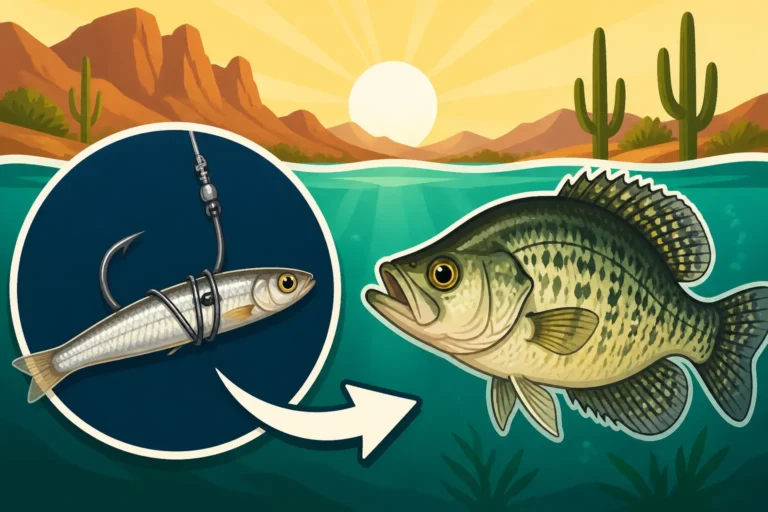
When targeting crappie in timber, jigs are king. Small soft plastic jigs, typically 1/16 to 1/8 ounce, in natural colors like white, chartreuse, or black and blue, are highly effective. Styles like tube jigs, small swimbaits, or grub-tailed jigs work wonders. Pairing these with a light jig head is essential. Live minnows, fished on a small hook with a split shot or under a bobber, are also deadly for crappie, especially when they're finicky. Remember, when rigging for timber, simplicity often wins. A single jig or minnow rig is less prone to snagging than multiple hooks. Beyond your primary lures, consider carrying some specialized tools. A jig retriever or "snag stick" is an absolute game-changer. These telescoping poles or heavy weighted devices can often free a hung-up jig, saving you money and valuable fishing time. Additionally, having a good pair of line clippers or fishing scissors is crucial, as you'll be retying frequently. For a more comprehensive look at what to pack, check out our guide on Essential Tackle Box Setup for Arizona Beginners.
| Item | Description | Why it's Essential for Timber Crappie |
|---|---|---|
| Rod | 6-7 foot, Light to Medium-Light Action Spinning Rod | Sensitivity for bites, backbone for snags and pulling fish |
| Reel | 1000-2000 Series Spinning Reel | Lightweight, smooth drag for light lines |
| Main Line | 6-10 lb Braided Line | Extreme sensitivity, cuts vegetation, strong |
| Leader | 4-6 lb Fluorocarbon (12-24 inches) | Nearly invisible, abrasion resistant, helps prevent fraying |
| Jigs | 1/16 – 1/8 oz Soft Plastic Jigs (tubes, grubs, small swimbaits) | Primary crappie bait, versatile |
| Jig Heads | Match jig weight, often weedless options | Proper presentation and depth, minimize snags |
| Live Minnows | Small to medium minnows on a light hook | Excellent natural bait, effective for picky fish |
| Jig Retriever | Telescoping pole or weighted device | Saves countless jigs, pays for itself quickly |
| Line Clippers | Sharp, easy-to-handle tool | For quick re-ties after snags or line checks |
Step-by-Step Techniques for Fishing Standing Timber
Once you have your gear dialed in, it's time to put those techniques to the test. Fishing timber requires patience, precision, and a willingness to adapt. The key is to present your bait as close to the fish as possible without getting permanently stuck.
Vertical Jigging and Dropping Baits
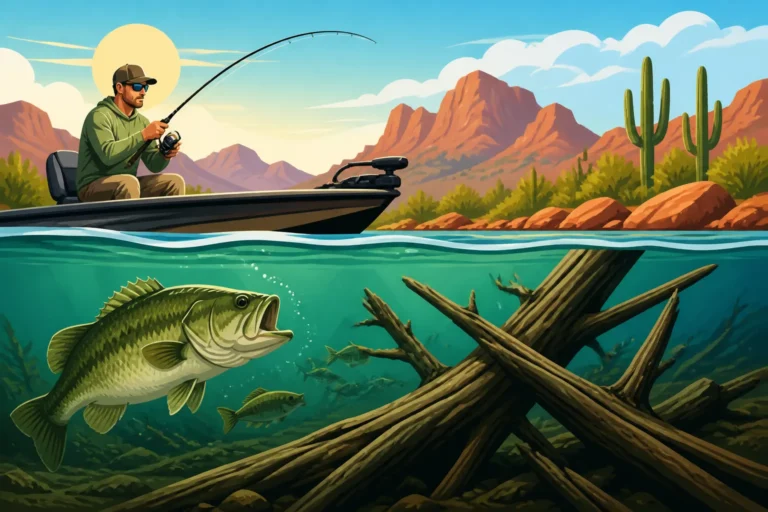
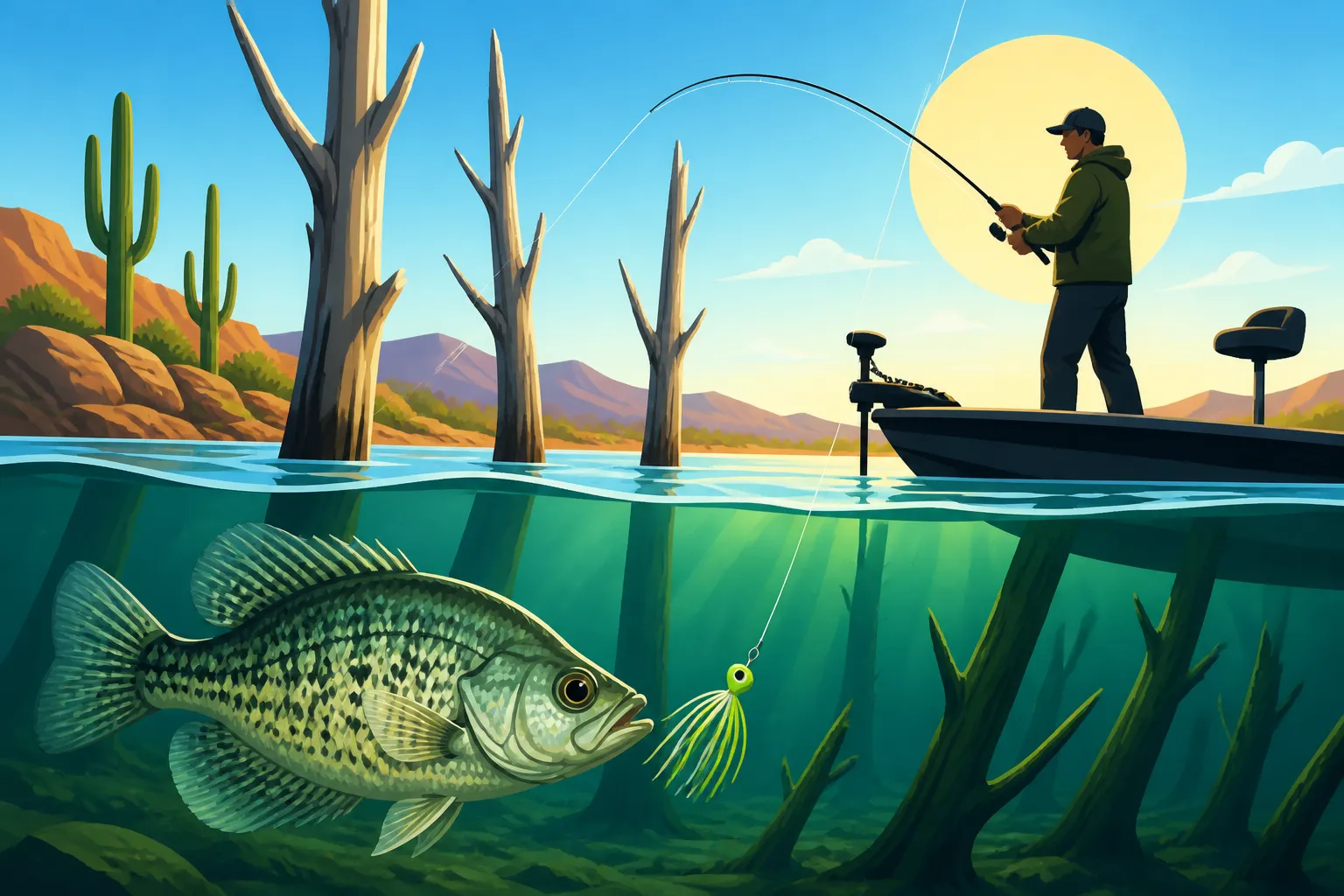
Often, the most effective way to fish dense standing timber is by vertically jigging directly over the structure. This method allows you to precisely target specific depths and individual trees. Using your fish finder, identify clusters of timber or individual trees that show signs of fish. Position your boat directly above them. Drop your jig or live minnow straight down, paying close attention to your depth. Crappie in timber often suspend at specific depths, so once you find a fish or get a bite, try to replicate that depth. Gently jig your bait up and down with subtle movements, barely moving the rod tip. The bites can be extremely light – sometimes just a slight tap or feeling of "slack" in your line. If you're using a sensitive rod, you'll feel more, but often, just watching your line for any twitch or movement is critical.
A common frustration is feeling a bite, setting the hook, and immediately getting snagged. To combat this, some anglers employ a "dead stick" approach. They drop a live minnow to the desired depth and simply let it sit, or barely twitch it. The natural movement of the minnow often entices crappie to bite without aggressive jigging, reducing the chance of an immediate snag if the fish is buried deep. This technique also works well with small, scent-infused soft plastics.
Casting the Edges and Pockets
While vertical jigging is great for dense cover, casting can be incredibly effective when crappie are staging on the outer edges of timber fields or in clearer pockets within the structure. Cast your jig or minnow rig as close to the timber as possible without getting hung up. Let it sink to the desired depth, then retrieve it slowly with a stop-and-go retrieve or a gentle, erratic twitching motion. Crappie will often position themselves on these edges to ambush baitfish moving in and out of the deeper cover.
Consider the angle of your cast and retrieve. Sometimes a shallow approach parallel to a timber line is best, while other times a cast directly into a pocket will draw a strike. Experiment with different retrieve speeds and jigging actions until you find what the fish prefer that day. If you have a trolling motor, slowly moving along a timber line while casting can help you cover more water and locate active fish. Mastering precise casting to avoid snags is crucial here; practice makes perfect, and you'll find yourself able to thread a jig into tight spaces with confidence over time.
Utilizing Electronics to Your Advantage
Modern fish finders are invaluable tools for fishing standing timber. Look for units with Down Imaging and Side Imaging capabilities, which can reveal the intricate details of submerged trees and brush piles. Before you even drop a line, use your electronics to scout the area. Identify the densest timber, pockets of baitfish, and most importantly, arcs or dots that indicate crappie. Pay close attention to the depth at which fish are holding relative to the timber. Are they on top of a submerged brush pile, suspended within a tree, or hanging off the sunny side? Your fish finder will give you the clues.
When actively fishing, use your traditional 2D sonar to monitor your jig and the fish. You can often see your bait descending and even watch a fish move towards it. This immediate feedback helps you adjust your depth and presentation. Keep an eye on the bottom contours around the timber as well; subtle changes like an old creek channel or a submerged roadbed near a timber line can be crappie magnets. Learning How to Read a Fish Finder for Structure effectively will dramatically increase your success rate in these complex environments. Brands like Humminbird and Lowrance offer excellent fish finders with these features, and many models can be found on Amazon.
Locating Productive Timber in Arizona Lakes
Arizona may be known for its desert landscape, but our lakes are surprisingly rich in submerged timber, providing fantastic crappie habitat. Knowing where to look for this timber and how different water bodies present unique challenges and opportunities is key to consistent success.
Top Arizona Lakes for Timber Crappie
Several Arizona lakes are renowned for their crappie fishing and extensive timber fields. These include:
- Roosevelt Lake: Often considered the crappie capital of Arizona, Roosevelt Lake boasts immense areas of flooded timber, especially in its upper Tonto Creek and Salt River arms. As water levels fluctuate, different timber stands become accessible, making it a dynamic fishery. Our Roosevelt Lake Arizona Fishing Guide offers more in-depth details.
- Apache Lake: Downstream from Roosevelt, Apache Lake also features significant standing timber, though it's often steeper and deeper. Look for crappie in the canyons and coves where old mesquite and palo verde trees stand submerged. You can learn more in our Apache Lake Arizona Fishing Guide.
- Canyon Lake: This picturesque lake, with its towering red rock cliffs, has some excellent timber pockets, particularly in its upper reaches and deeper coves. The crappie here can be feisty and grow to impressive sizes. For more specific information, refer to our Canyon Lake Arizona Fishing Guide.
- Alamo Lake: Farther west, Alamo Lake is another fantastic crappie fishery, known for its extensive standing timber and brush. This lake often has excellent water clarity, which can make crappie a bit more skittish, but also allows for better sight fishing in some instances. Dive deeper with our Alamo Lake Arizona Fishing Guide.
These lakes, and others like Bartlett Lake and Lake Pleasant, offer a variety of timber structures from sparse stands to dense forests. For a broader overview, check out the Best Crappie Fishing Spots in Arizona.
Identifying Prime Timber Structures
When scouting for timber crappie, don't just look for any tree. Focus on structures that offer a combination of cover, food access, and staging areas.
- Depth Transitions: Crappie love edges. Look for timber that runs along an old creek channel, a submerged roadbed, or a significant depth change. These areas act as highways for baitfish and offer crappie quick access to deeper water if conditions change.
- Density and "Sweet Spots": While dense timber holds fish, it's often the slightly less dense edges or small open pockets within a large timber field that are most productive and easier to fish. These "sweet spots" provide ample cover but allow crappie more room to maneuver and ambush prey. Sometimes a single, isolated tree surrounded by open water can be a hotspot.
- Proximity to Spawning Flats: In spring, timber that is adjacent to or leads into shallower spawning areas (like sandy flats or protected coves) will be teeming with crappie moving in and out during their reproductive cycle. The fish will stage in the timber, waiting for the perfect water temperature and light conditions to move up to spawn.
- Water Levels and Fluctuations: Arizona's lakes can have highly variable water levels. What was a productive timber line last year might be too shallow or completely exposed this year. Always check current lake conditions before heading out. High water can open up new timber areas that were previously dry, while low water can concentrate fish in deeper, more accessible stands. Utilize online resources or local bait shops for the most up-to-date information.
Final Thoughts on Spring Timber Crappie
Fishing standing timber for crappie in the spring is truly one of the most exciting and rewarding experiences an Arizona angler can have. It challenges your skills, tests your patience, and ultimately rewards you with some of the best-tasting freshwater fish. The key is to embrace the challenge, learn from every snag, and celebrate every successful retrieval. Remember to equip yourself with the right gear, like sensitive rods and stout line, and use your electronics to map out the underwater world. Be patient, move slowly, and pay close attention to the subtle cues the fish give you. Before you know it, you'll be navigating those timber forests like a seasoned pro, bringing in those beautiful crappie one after another.
Disclaimer
The information provided in this guide is for general informational purposes only and should not be considered a substitute for professional advice. Fishing regulations and conditions in Arizona can change, and it is always the angler's responsibility to consult the latest Arizona Game and Fish Department regulations before fishing. Always prioritize safety on the water.