How to Fish for Smallmouth Bass
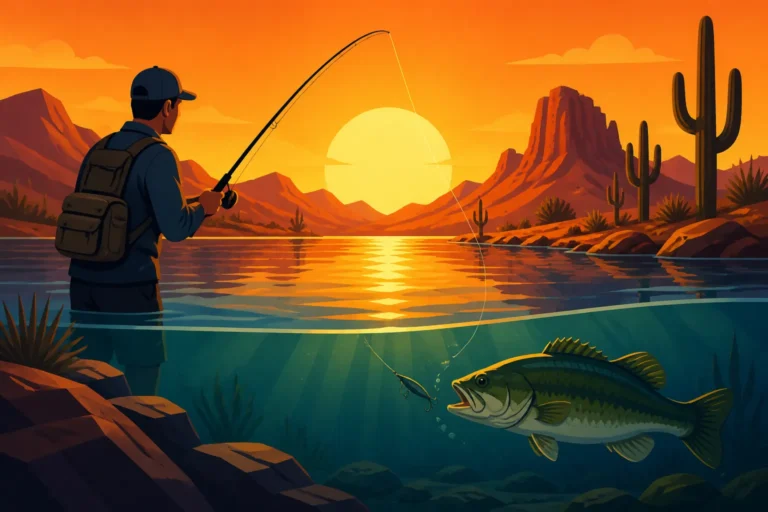
The elusive smallmouth bass, with its fierce fighting spirit and challenging habits, can feel like a riddle wrapped in an enigma for many anglers, especially in the unique desert environments of Arizona. If you've ever felt frustrated trying to coax these bronze beauties from their rocky lairs or wondered which lure they truly prefer, you're not alone. This comprehensive guide is designed to peel back the layers of mystery, providing you with the knowledge and tactics to consistently catch smallmouth bass across Arizona's diverse fisheries.
Understanding Arizona's Smallmouth Bass Habitat
Smallmouth bass are particular about their living arrangements, and understanding their preferred haunts is the first step to finding them. Unlike their largemouth cousins, which often hide in dense vegetation, smallmouth thrive in specific conditions that mimic their native northern rocky rivers and lakes. Arizona's reservoirs, though man-made, offer surprising parallels to these ancestral homes, creating prime smallmouth territory.
Rocky Shores and Ledges
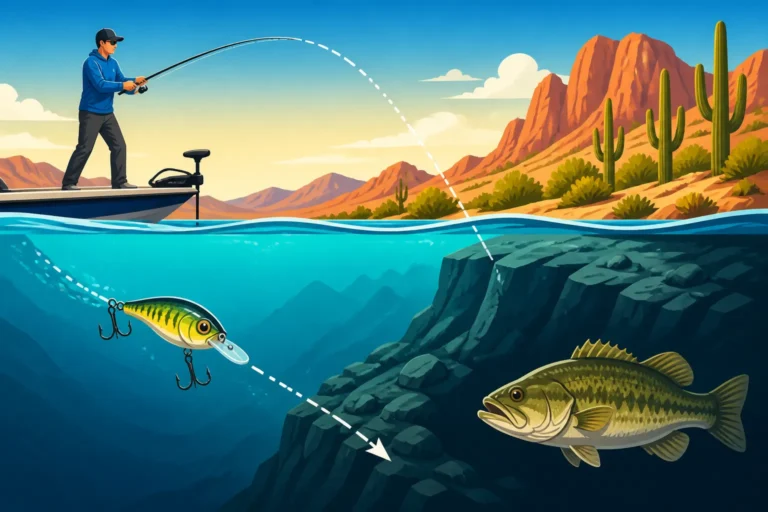
When you're searching for smallmouth bass, think structure, and more specifically, rocky structure. These fish are drawn to hard bottoms, whether it's submerged boulders, steep rocky points, gravel beds, or vertical canyon walls. These areas offer everything a smallmouth needs: ambush points for prey, protection from predators, and often, access to deeper, cooler water. Imagine a steep, rocky bluff dropping into the lake; this is a smallmouth magnet. The deeper crevices and ledges provide perfect spots for them to hide and dart out for a meal. You'll often find them patrolling the edges of these rocky structures, especially where a point extends into deeper water or where a breakline creates an abrupt change in depth. These transitional zones are key, as they allow smallmouth to move up to shallower feeding grounds and retreat to deeper comfort zones quickly. Keep an eye out for areas where large rocks or riprap meet the main lake basin.
Clear Water and Oxygen Needs
Smallmouth bass are visual predators, which means they generally prefer clear water where they can spot their prey from a distance. While they can adapt to slightly stained conditions, gin-clear waters are typically where they feel most comfortable and are most effective at hunting. This preference for clarity also ties into their oxygen requirements; clear, well-oxygenated water is paramount for their health and activity levels. In Arizona's desert lakes, water clarity can vary throughout the year, but generally, the clearer, deeper sections of lakes like Lake Powell, Canyon Lake, or even parts of Lake Pleasant will hold more smallmouth. They often seek out areas where there's good water circulation, like around current breaks, narrows, or main lake points exposed to wind, which helps oxygenate the water. Understanding these needs will help you eliminate unproductive water and focus your efforts on prime locations.
Forage Base and Feeding Habits
The diet of an Arizona smallmouth bass is diverse but revolves heavily around crayfish, minnows, and small baitfish like shad. Where these food sources are abundant, you'll find smallmouth. Crayfish, in particular, are a smallmouth's favorite meal, which is why they are so tied to rocky habitats where these crustaceans thrive. When fishing, think about what these prey items would be doing. Crayfish scuttle along the bottom, hide under rocks, and occasionally dart across open areas. Baitfish school and move through open water or relate to structure. Your lure choices and presentation should mimic these natural movements. For example, a jig hopped along the bottom can imitate a crayfish, while a crankbait or jerkbait can perfectly simulate a fleeing baitfish. Recognizing the local forage can give you a significant advantage in selecting the right presentation.
Essential Gear for Smallmouth Bass Fishing
Having the right tools for the job can make a world of difference when chasing smallmouth, especially given their aggressive strikes and powerful runs. While a basic fishing setup can catch fish, optimizing your gear for smallmouth will increase your success rate and make the experience much more enjoyable.
Rods, Reels, and Line Choices
For smallmouth bass, a medium-light to medium power spinning rod is often the go-to choice, paired with a fast action tip. This combination provides the sensitivity needed to detect subtle bites, the backbone to set the hook, and enough flex to handle hard-fighting fish on light line. A 6'6" to 7'0" rod length is versatile for various casting situations. When it comes to reels, a 2000 or 2500 series spinning reel offers a good balance of line capacity and smooth drag. Look for reels with a high-quality, smooth drag system, which is crucial for fighting powerful smallmouth on light lines without breaking off. For line, a general recommendation is 6-10 lb fluorocarbon or monofilament main line, or 10-15 lb braided line with a fluorocarbon leader. Fluorocarbon is nearly invisible underwater, offers excellent sensitivity, and sinks, which is great for finesse presentations. Braided line provides superior casting distance and strength but requires a fluorocarbon leader for stealth. You can find a wide range of suitable rods, reels, and lines on Amazon, with many trusted brands offering options for every budget.
Terminal Tackle Essentials
Your terminal tackle box for smallmouth should be well-stocked with a variety of hooks, weights, and swivels. For finesse techniques, you'll want small, sharp hooks like size 1 or 1/0 drop shot hooks, wacky hooks, and jig heads ranging from 1/16 oz to 1/4 oz. These smaller weights allow for a more natural presentation, especially in clear water. Offset worm hooks (sizes 1-3/0) are excellent for Texas rigging soft plastics. For weights, an assortment of cylindrical drop shot weights, bullet weights (for Texas rigging), and even small split shot will cover most scenarios. Don't forget a selection of high-quality barrel swivels to prevent line twist, especially when using spinning gear. Having a good pair of fishing pliers is also essential for removing hooks, cutting line, and crimping weights. A compact tackle bag or box specifically designed for small lures and components can help keep things organized.
Kayak and Boat Considerations
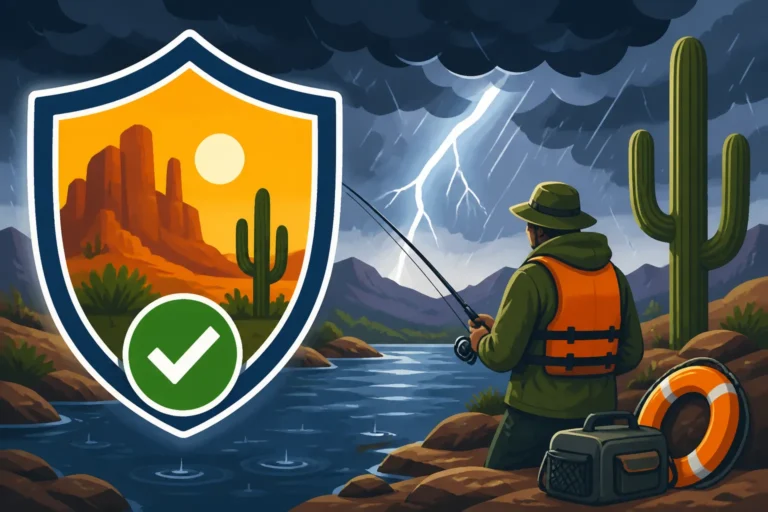
While you can certainly catch smallmouth from shore, especially on accessible rocky points or piers, a boat or kayak significantly expands your reach and opportunities. A kayak offers unparalleled stealth and access to tight coves and shallow rocky areas that larger boats might struggle with. Look for stable fishing kayaks with good storage for rods and tackle. If you're using a powerboat, a bass boat or a multi-species boat equipped with a good fish finder is ideal. A reliable fish finder will help you locate submerged structure, identify depth changes, and even mark schools of baitfish or individual bass. For those looking to upgrade their vessel, considering options like a "Best Kayaks for Fishing in Arizona" will provide valuable insights into suitable models for these diverse waters. Whether from a boat or kayak, always prioritize safety, ensuring you have all required safety gear, including life jackets, and understand how to navigate the specific body of water you're fishing.
Top Baits and Lures for Arizona Smallmouth
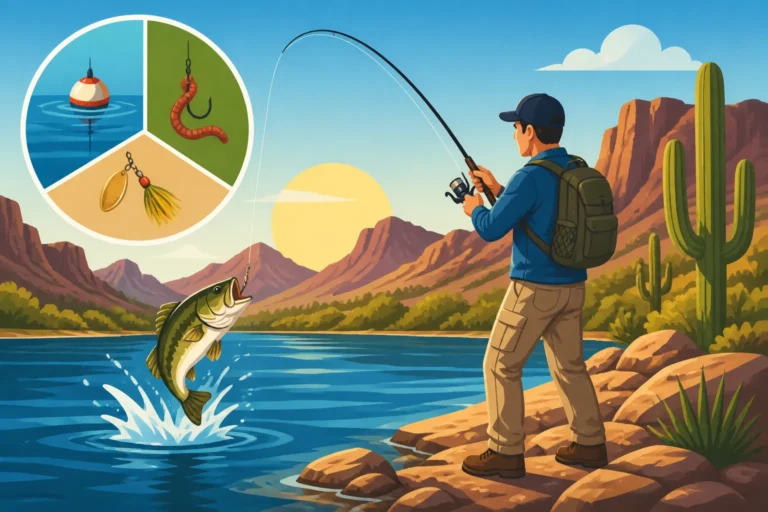
Smallmouth bass are known for their aggressive strikes, but they can also be incredibly finicky. Having a diverse arsenal of baits and lures, and knowing when to use each, is crucial for consistent success. The key is often to "match the hatch" – or, more accurately, match the forage and the mood of the fish.
Soft Plastics: Tubes, Senkos, Grubs
Soft plastics are absolute workhorses for smallmouth bass. Their versatility allows them to mimic a variety of prey items, from crayfish to baitfish.
- Tubes: These hollow, cylindrical baits with tentacles are fantastic crayfish imitations. Rig them on an internal tube jig head or Texas-rig them for pitching into heavy cover. Hop them along the bottom, let them fall into crevices, or drag them slowly. Colors like green pumpkin, brown, or watermelon with red flake are often irresistible.
- Senkos (or stickbaits): While famous for largemouth, smaller senkos (3-4 inch) are excellent for smallmouth, especially wacky rigged or Neko rigged. Their subtle, natural fall is incredibly enticing to finicky smallmouth. Cast them near rocky points or drop-offs and let them slowly sink on a slack line.
- Grubs: Single-tail grubs rigged on a small jig head are simple, yet incredibly effective. They mimic small baitfish or invertebrates. A steady retrieve or a lift-and-drop presentation can trigger aggressive strikes. Colors like smoke, clear with glitter, or pearl white are great choices.
- Creature Baits and Craws: Smaller creature baits and craw imitations are perfect for Texas rigging or using as a jig trailer, especially when smallmouth are actively feeding on crayfish. These can be particularly effective when fished slowly along the bottom, mimicking a crawling or defensive crayfish.
Hard Baits: Crankbaits, Jerkbaits
Hard baits are fantastic for covering water quickly and eliciting reaction strikes from active smallmouth.
- Crankbaits: Squarebill crankbaits are great for deflecting off rocks in shallow water, while deeper diving crankbaits can target smallmouth relating to submerged ledges and drop-offs. Choose colors that mimic local baitfish or crayfish patterns. The erratic action after hitting structure is often what triggers a strike.
- Jerkbaits: Suspending jerkbaits are deadly, particularly in cooler water or when fish are suspended. A retrieve pattern of twitch, twitch, pause can be incredibly effective. The pause allows the bait to hang tantalizingly in the strike zone, mimicking a stunned or dying baitfish. Smallmouth often hit on the pause, so pay close attention to your line. Brands like Rapala or Lucky Craft offer excellent jerkbaits. For deeper diving hard baits, check out the options available on Amazon.
- Blade Baits: While not as common as cranks or jerks, blade baits can be very effective for vertical jigging around deep structure, especially during colder months. Their vibration and flash can call in fish from a distance.
Topwater and Finesse Presentations
Sometimes, the most exciting strikes come on the surface, and other times, you need a subtle approach.
- Topwater Lures: Poppers, walk-the-dog baits (like Heddon Super Spook Jr.), and prop baits can be incredibly effective, especially during low-light conditions (dawn, dusk) or on overcast days when smallmouth are actively feeding near the surface. The explosive strikes are unforgettable. Look for rocky shorelines or main lake points where smallmouth might push baitfish to the surface.
- Finesse Presentations: When the bite is tough, or the water is extremely clear, finesse techniques are your best friend. This includes the aforementioned drop shot, Ned rig, and Neko rig. These setups are designed for subtle presentations with light line, allowing your bait to hover naturally in the strike zone or slowly sink. These techniques are often essential for "How to Fish for Smallmouth Bass" in high-pressure or post-front conditions. Using smaller, more natural-colored baits and a very slow retrieve can make all the difference. For detailed guidance on specific finesse rigs, consult a guide on "Drop Shot Techniques for Smallmouth Bass".
| Lure Type | Best Conditions / Retrieve | Target Depth | Key Forage Mimicked |
|---|---|---|---|
| Soft Plastics | |||
| Tubes | Bouncing/dragging bottom, pitching into cover | Bottom-Mid | Crayfish |
| Senkos | Weightless wacky rig, slow fall near structure | All depths | Worms, Baitfish |
| Grubs | Steady retrieve, lift-drop on jig head | Mid-Bottom | Baitfish, Invertebrates |
| Hard Baits | |||
| Squarebill Crank | Deflecting off shallow rocks, steady retrieve | Shallow | Baitfish, Crayfish |
| Deep-Diving Crank | Trolling, long casts along deep ledges, steady retrieve | Mid-Deep | Baitfish |
| Jerkbaits | Twitch-twitch-pause, targeting suspended fish | Mid | Baitfish |
| Topwater | |||
| Poppers | Erratic popping and pausing, calm surface, low light | Surface | Injured Baitfish |
| Walk-the-Dog | Side-to-side sashay, aggressive retrieve, calmer water | Surface | Fleeing Baitfish |
Mastering Smallmouth Bass Fishing Techniques
Catching smallmouth bass consistently requires more than just the right gear; it demands an understanding of specific techniques that capitalize on their behavior and preferred habitats. These methods range from subtle finesse presentations to aggressive power fishing.
Drop Shot Techniques
The drop shot rig is arguably one of the most effective finesse techniques for smallmouth bass, especially in clear, deep water or when the fish are finicky. It allows your bait to suspend at a predetermined depth above the weight, making it highly visible and irresistible to suspended fish.
To rig a drop shot: Tie a drop shot hook (often a size 1 or 1/0) directly to your fluorocarbon leader, leaving a long tag end (12-36 inches). Tie your weight (pencil, cylinder, or tear-drop style, usually 1/8 to 1/4 oz) to this tag end. Thread a small soft plastic bait (like a minnow imitation, small worm, or grub) onto the hook, typically nose-hooked or wacky-rigged, so it sits horizontally.
Presentation is key: Cast the rig to rocky points, humps, or drop-offs. Let it sink to the bottom, then keep your line tight, occasionally twitching your rod tip to impart action to the bait. The beauty of the drop shot is that you can keep the bait in the strike zone for extended periods while still maintaining bottom contact with the weight. This is particularly effective when smallmouth are holding tight to structure or are pressured. Learning "How to Rig a Drop Shot for Smallmouth Bass" properly is a game-changer.
Jig Fishing Strategies
Jigs are another classic smallmouth bait, versatile enough for various depths and conditions. The way you present a jig often determines its effectiveness.
- Football Jigs: Named for their head shape, football jigs are excellent for dragging and bouncing along rocky bottoms. They resist snagging and keep the trailer upright. Pair them with a craw or creature bait trailer. Cast them out, let them sink, and then slowly drag or hop them along the bottom, mimicking a crayfish. This works well on deep humps and rocky flats.
- Hair Jigs and Marabou Jigs: These lighter, more subtle jigs are fantastic in colder water or when fish are feeding on smaller baitfish. Their natural breathing action in the water is incredibly alluring. A simple cast-and-retrieve with occasional pauses, or vertical jigging, can be very effective.
- Jigging Spoons: While not a "jig" in the traditional sense, jigging spoons are a vital tool for vertical presentations over deep-holding smallmouth. Drop them to the desired depth and rip them upwards, letting them flutter back down. Most strikes occur on the fall. This technique is deadly on schools of smallmouth found on deep structure using your fish finder.
The key to jig fishing is to always be in contact with the bottom, feeling for subtle taps or changes in structure.
Casting and Retrieving for Reaction Bites
Sometimes, smallmouth want an aggressive presentation that triggers a reaction strike rather than a feeding response. This is where moving baits shine.
- Crankbait Tactics: When fishing crankbaits, cast them parallel to rocky banks, points, or humps, aiming to make contact with the structure. The deflection off rocks often triggers a strike. Experiment with retrieve speeds; a fast, steady retrieve can work, but sometimes a retrieve with a few short pauses can be more effective. For deeper diving crankbaits, troll them along contour lines or cast them to deep structure and crank them down quickly.
- Jerkbait Tactics: The jerkbait is all about the "rip-pause." Cast it out, let it sit for a moment, then give it two or three sharp jerks of the rod, followed by a pause. The pause length is critical and can vary from a few seconds to 10-15 seconds, especially in cold water. Smallmouth often commit to the bait during the pause, so watch your line for any movement. This technique is particularly effective around rocky points and main lake humps where baitfish might be present. Learning "Crankbait Fishing Techniques for Bass" or "Jerkbait Fishing Techniques for Bass" in more detail can elevate your game significantly.
Seasonal Strategies for Smallmouth Bass
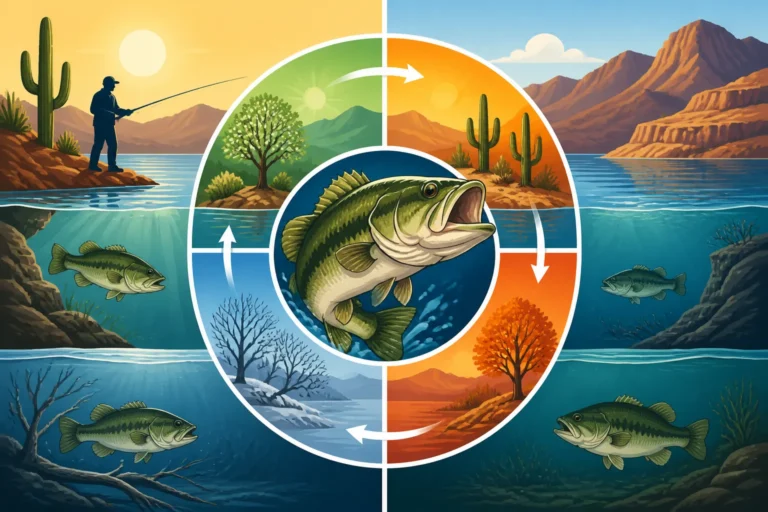
Arizona's diverse climate means smallmouth bass behavior changes dramatically with the seasons. Understanding these shifts and adapting your tactics accordingly is paramount for consistent success. The water temperature dictates their activity, location, and feeding patterns.
Spring Spawning and Pre-Spawn Tactics
Spring is an exciting time for smallmouth anglers, as these fish become highly active. As water temperatures climb into the 50s Fahrenheit, smallmouth move from their deeper wintering grounds to shallower, rocky areas in preparation for spawning.
- Pre-Spawn (Water 50-58°F): This is when smallmouth are gorging themselves, trying to build energy for the spawn. They'll be found around transitional areas – rocky points, secondary points, and flats adjacent to deeper water. Aggressive moving baits like jerkbaits (try a suspending model with a long pause), lipless crankbaits, and even spinnerbaits can be very effective for covering water and locating active fish. Jig and craw combinations hopped along the bottom are also deadly as they mimic crayfish. Focus on sunny, protected coves and north-facing banks that warm up faster.
- Spawning (Water 58-65°F): Once water temperatures hit the mid-to-high 50s and low 60s, smallmouth will move onto shallower flats, gravel beds, and protected pockets to build nests. They become very territorial. Sight fishing can be effective if the water is clear enough. Target visible beds with tube jigs, small Senkos, or finesse jigs. Be mindful of disturbing spawning fish too much, as catch and release is especially important during this vulnerable period. Check "Arizona Fishing Season Dates and Limits" for specific regulations regarding bass seasons, as some waters may have catch-and-release only periods.
- Post-Spawn (Water 65-70°F): After the spawn, smallmouth can be a bit lethargic for a week or two. They often retreat to slightly deeper water near their spawning areas to recover. Finesse techniques like the drop shot or Ned rig become more important here, as do small topwater baits during low light if they're feeding on fry. As they recover, they'll become more active again, often relating to main lake points and humps.
Summer Deep Water and Early Morning Bites
Arizona summers mean scorching temperatures, and while the surface water can get hot, smallmouth bass will still bite if you know where to find them. They typically move to deeper, cooler water.
- Deep Water Strategies: Focus on main lake points, submerged humps, deep rock piles, and canyon ledges. Look for structure in 20-50 feet of water, often near drop-offs. A good fish finder is invaluable here to pinpoint these underwater features and any schooling baitfish. Drop shots, football jigs, and deep-diving crankbaits are prime lures. Vertical jigging with spoons or blade baits can also be incredibly effective when you locate schools of fish.
- Early Morning and Evening Bites: While they prefer deep water during the day, smallmouth will often move shallower to feed during the cooler, low-light hours of dawn and dusk. This is your best chance for topwater action! Poppers, walking baits, and prop baits fished near rocky shorelines can draw explosive strikes. As the sun rises, they'll retreat to their deeper haunts. Night fishing for smallmouth isn't as common as for catfish, but can be productive, especially around lighted docks or structure.
Fall Feeding Frenzy Techniques
Fall is another fantastic season for smallmouth fishing in Arizona. As water temperatures begin to cool, smallmouth sense the approaching winter and begin to feed aggressively, putting on weight.
- Aggressive Feeding: Smallmouth will be found chasing baitfish more actively, often schooling up. Look for them on main lake points, humps, and flats where baitfish are abundant. Jerkbaits are phenomenal during this time, as are crankbaits and spinnerbaits. Keep an eye out for surface activity, as smallmouth might "boil" on schools of shad.
- Location Shifts: While still relating to rocky structure, they might be shallower than in summer but deeper than in the pre-spawn. Think 10-30 feet. As the water cools further, they'll begin to transition towards their wintering areas. Focus on covering water quickly with search baits until you locate active schools. Understanding "Seasonal Movement Patterns of Bass at Roosevelt Lake" provides useful context applicable to other Arizona reservoirs.
Winter Slow Presentations
Winter fishing for smallmouth in Arizona can be challenging but rewarding, especially in the deeper, warmer reservoirs. Smallmouth become much more lethargic and are often found in deep water.
- Deep and Slow: Smallmouth will be concentrated in their deepest wintering holes, often 40-80+ feet deep. Look for them on the deepest sections of main lake points, submerged humps, and vertical canyon walls. Electronics are essential to find these fish.
- Finesse is Key: Presentation needs to be incredibly slow and subtle. Drop shots with tiny baits, Ned rigs, hair jigs, and vertical jigging spoons are the top choices. Work your baits painstakingly slowly. Often, the bite will feel like a slight "tick" or just added weight on your line rather than an aggressive strike. This is a time for patience and precision. While not all Arizona lakes freeze, understanding "Ice-Free Winter Fishing Techniques" is relevant for these deeper, colder conditions.
Prime Smallmouth Bass Fishing Spots in Arizona
Arizona might be a desert state, but it boasts several fantastic smallmouth bass fisheries that rival those found in more traditional bass states. Knowing where to go is half the battle, and these locations consistently produce quality smallmouth.
Lake Powell: The Smallmouth Mecca
If there's one place in Arizona that stands out for smallmouth bass, it's Lake Powell. Straddling the Arizona-Utah border, this massive reservoir with its endless canyons, sheer rock walls, and crystal-clear water provides ideal habitat for thriving populations of smallmouth.
- Why Powell Excels: The sheer volume of rocky habitat, from submerged ledges and points to vast boulder fields, provides countless ambush points. The clear, deep water allows smallmouth to thrive as visual predators. Additionally, a robust forage base of crayfish and shad keeps the smallmouth well-fed and growing to impressive sizes.
- Key Areas: Focus on the main lake points and side canyons, especially those with steep rock walls and deep water access. Areas like Warm Creek, Padre Bay, and the San Juan arm are famous for their smallmouth action. Look for underwater humps, submerged islands, and areas where prominent points extend far into the lake. Fishing the lower sections of the lake, closer to the dam, often yields larger average sizes. For a detailed guide on this specific location, refer to the "Lake Powell Arizona Fishing Guide".
- Tactics for Powell: Drop shotting along canyon walls and ledges, throwing suspending jerkbaits over deep points, and working tube jigs or football jigs slowly on the bottom are all highly effective. Topwater action can be phenomenal in the mornings and evenings when the fish are schooling up to chase shad. You might even find them "boiling" on the surface, making for some exciting action. The size and complexity of Lake Powell mean having a good boat and electronics significantly improves your chances. Learning the "Best Time of Year to Fish Lake Powell" will further enhance your trips.
Other Notable Lakes and Rivers
While Lake Powell is a smallmouth haven, several other Arizona waters offer excellent opportunities.
- Apache Lake: Located in the Tonto National Forest, Apache Lake is known for its rugged, scenic beauty and excellent smallmouth fishing. Like Powell, it's a deep, clear lake with abundant rocky structure, including cliff faces, submerged shelves, and boulder-strewn points. It's often less crowded than some other reservoirs, offering a more peaceful experience. Target areas where the Salt River arm enters the main lake, or the many rocky coves and points throughout. Finesse plastics, jerkbaits, and small crankbaits are effective here.
- Canyon Lake: Also part of the Salt River chain, Canyon Lake is another deep, clear lake with steep canyon walls. While it has a strong largemouth population, smallmouth thrive in its rocky sections. Look for them around the main lake points, secondary coves with good rock, and near any submerged timber or brush that has fallen into the water, especially where it meets a rock bottom.
- Saguaro Lake: Closer to Phoenix, Saguaro Lake offers a more accessible smallmouth fishery. While not as prolific as Powell or Apache, it still has solid numbers. Target the rocky northern end of the lake, the Saguaro Del Norte area, and the steep rock banks near the dam. Early mornings with topwater lures can be productive, as can working drop shots and jigs along the deeper rock formations.
- Lake Pleasant: Known more for its largemouth and striped bass, Lake Pleasant also holds a decent smallmouth population, particularly in the northern, clearer sections of the lake. The main lake points and rocky humps in the upper half of the lake are prime smallmouth spots. Look for areas with deeper water access and abundant rock.
Access and Navigation
Accessing these smallmouth hotspots often requires a boat. Most major lakes have developed marinas and boat ramps, but some of the more remote areas might have unimproved launches. Always check the specific lake's regulations and launch conditions before heading out. For non-boaters, shore fishing can still yield results on accessible rocky points or along areas with riprap, but boaters generally have a significant advantage in reaching the best smallmouth habitat. When planning your trip, consider the lake's current water levels, as they can significantly impact available structure and boat launch usability. Many of these lakes are within national forests or tribal lands, so be aware of any specific permits beyond your standard "Arizona Fishing License Guide" requirements. For instance, San Carlos Lake requires a separate tribal permit.
Advanced Tips and Tricks for Tricky Smallmouth
Sometimes, smallmouth bass can be notoriously finicky, especially in clear, pressured waters or during adverse weather. These advanced tips can help you coax a bite when the fish are playing hard to get.
Reading the Water and Structure
Successfully targeting smallmouth goes beyond just knowing they like rocks; it's about understanding which rocks and what characteristics make them appealing.
- Subtle Depth Changes: Smallmouth often position themselves on subtle transitions in depth, rather than dramatic drop-offs. A slight change from 20 to 25 feet, or a small underwater bench on a rocky point, can be a holding spot. Use your fish finder to meticulously map out contours and identify these nuanced changes. Mark these spots on your GPS.
- Isolated Cover: While smallmouth love vast rocky areas, an isolated boulder pile on an otherwise featureless flat, or a single submerged tree on a rocky bank, can act as a magnet. These unique pieces of cover offer a prime ambush point in an unexpected location. These "anomalies" are often where the biggest smallmouth lurk.
- Current and Wind: Smallmouth are drawn to current, as it delivers food and oxygen. Look for narrows, dam outflows, or main lake points where wind pushes water, creating a current. On windy days, position your boat on the downwind side of a point, casting into the wind. The wind-blown side often concentrates baitfish and oxygen. However, in extremely strong winds, smallmouth might tuck into the calm side of structures to escape the turbulence. Pay attention to how the wind affects water movement.
Adjusting to Water Clarity and Temperature
Smallmouth bass are highly sensitive to their environment, and making adjustments based on water clarity and temperature is crucial.
- Water Clarity: In gin-clear water, stealth and natural presentations are paramount. Use lighter fluorocarbon leaders (6-8 lb), smaller baits, and more natural colors like green pumpkin, smoke, or brown. Make longer casts to avoid spooking fish, and keep your boat positioned away from the immediate target zone. When the water is slightly stained (common after rain or heavy wind), you can often get away with slightly heavier line, larger baits, and more vibrant colors like chartreuse or fire tiger on crankbaits. The reduced visibility allows fish to be less wary.
- Water Temperature: This is the ultimate determinant of smallmouth behavior. In cold water (below 50°F), slow down your retrieve to a crawl. Finesse jigs, hair jigs, and drop shots fished with minimal movement are key. The fish are lethargic and won't chase. As temperatures rise into the 50s and 60s (pre-spawn/spawn), their metabolism increases, and they become more aggressive, responding well to jerkbaits, crankbaits, and even topwater. In hot summer water (above 80°F), focus on deep, oxygenated areas, and fish during low-light conditions with deep-diving baits or finesse plastics. Knowing "Best Water Temperature for Bass Spawning" can help you predict their spring movements.
Stealth and Presentation
Smallmouth, especially in clear, high-pressure waters, can be incredibly spooky.
- Noise Reduction: Minimize noise in your boat. Avoid dropping tackle boxes, stomping your feet, or banging oars. Sound travels efficiently through water and can send fish scattering. Use a trolling motor quietly, or anchor upwind and drift silently into position.
- Long Casts: Especially in clear water, longer casts keep your boat further away from the fish, reducing the chances of spooking them. Use a sensitive rod and reel combination that allows for good casting distance with light lures.
- Line Watch: Many smallmouth bites are incredibly subtle, feeling like a slight "tick," a spongy sensation, or simply your line moving sideways. Learning to "line watch" – observing your line for any unnatural movement – can dramatically increase your hook-up ratio, especially with slack-line presentations like a weightless Senko. Keep your eyes peeled for a twitch or jump in the line, even before you feel anything. This is often your only indication of a bite.
Conservation and Responsible Smallmouth Angling
Fishing for smallmouth bass is a privilege, and ensuring healthy populations for future generations is every angler's responsibility. Practicing ethical angling habits and respecting regulations are key components of conservation.
Catch and Release Practices
While Arizona allows for keeping certain numbers of smallmouth bass, practicing catch and release, especially for larger breeding fish, is highly encouraged.
- Minimize Stress: The goal is to get the fish back into the water quickly and healthy. Keep the fish in the water as much as possible, avoiding prolonged time out of the water, especially in warm weather. Use a rubberized landing net to minimize scale and slime coat damage.
- Proper Handling: Handle fish gently with wet hands. Avoid squeezing their belly or gills. If possible, use a de-hooker or long-nosed pliers to remove hooks quickly and efficiently, especially when they are deeply set. If a fish is bleeding excessively from the gills, it's generally best to keep it if legal, as its chances of survival are low.
- Revival: If a fish appears lethargic, hold it upright in the water, facing into the current (if any), and gently move it back and forth to push water over its gills until it's able to swim away strongly on its own. For a deeper dive into best practices, consult "Catch and Release Rules for Arizona Anglers".
Understanding Regulations
The Arizona Game and Fish Department (AZGFD) sets specific regulations to manage fish populations, and these rules can vary by lake, species, and season.
- License Requirements: Always ensure you have a valid Arizona fishing license. You can find comprehensive information on acquiring one in the "How to Buy an Arizona Fishing License" guide.
- Bag and Possession Limits: Be aware of the daily bag limits and possession limits for smallmouth bass on the specific water you are fishing. These limits dictate how many fish you can keep in a single day and how many you can have in your possession at any given time.
- Size Limits: Some lakes may have minimum or slot size limits for smallmouth bass, meaning fish below or within a certain size range must be immediately released. These rules are designed to protect younger fish or trophy-sized breeding stock. Check the latest Arizona Game and Fish Department regulations booklet before each trip, as rules can change. This is critical for responsible angling. Further details are in "Arizona Fishing Regulations Explained".
Protecting Native Species
Arizona is home to several native fish species, some of which are endangered or threatened. While smallmouth bass are not native to Arizona, they have been introduced and provide excellent sport fishing opportunities. However, it's important to be aware of and protect native species.
- Identification: Learn to identify common native fish species in Arizona. If you accidentally catch a protected species, release it immediately and unharmed.
- Preventing Invasive Spread: Always clean your boat, trailer, and fishing gear thoroughly between waterways to prevent the spread of aquatic invasive species, which can harm native ecosystems. This includes draining livewells, bilges, and any water from the boat before leaving the launch area. This diligent effort helps preserve the delicate balance of Arizona's aquatic environments.
Disclaimer
Fishing inherently involves risks, and adherence to all local and state regulations is the angler's responsibility. This guide provides general information and recommendations, but conditions and rules can change. Always prioritize safety, check current weather and water conditions, and consult the latest Arizona Game and Fish Department regulations before heading out.