Does Lake Mary Freeze in Winter?
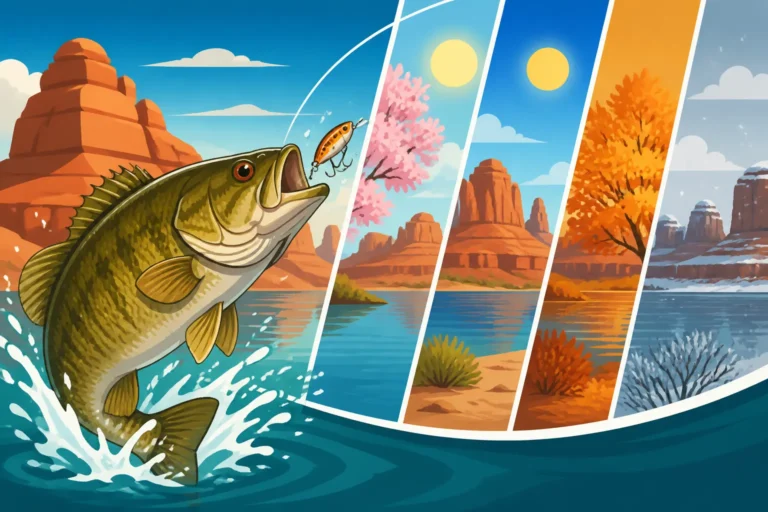
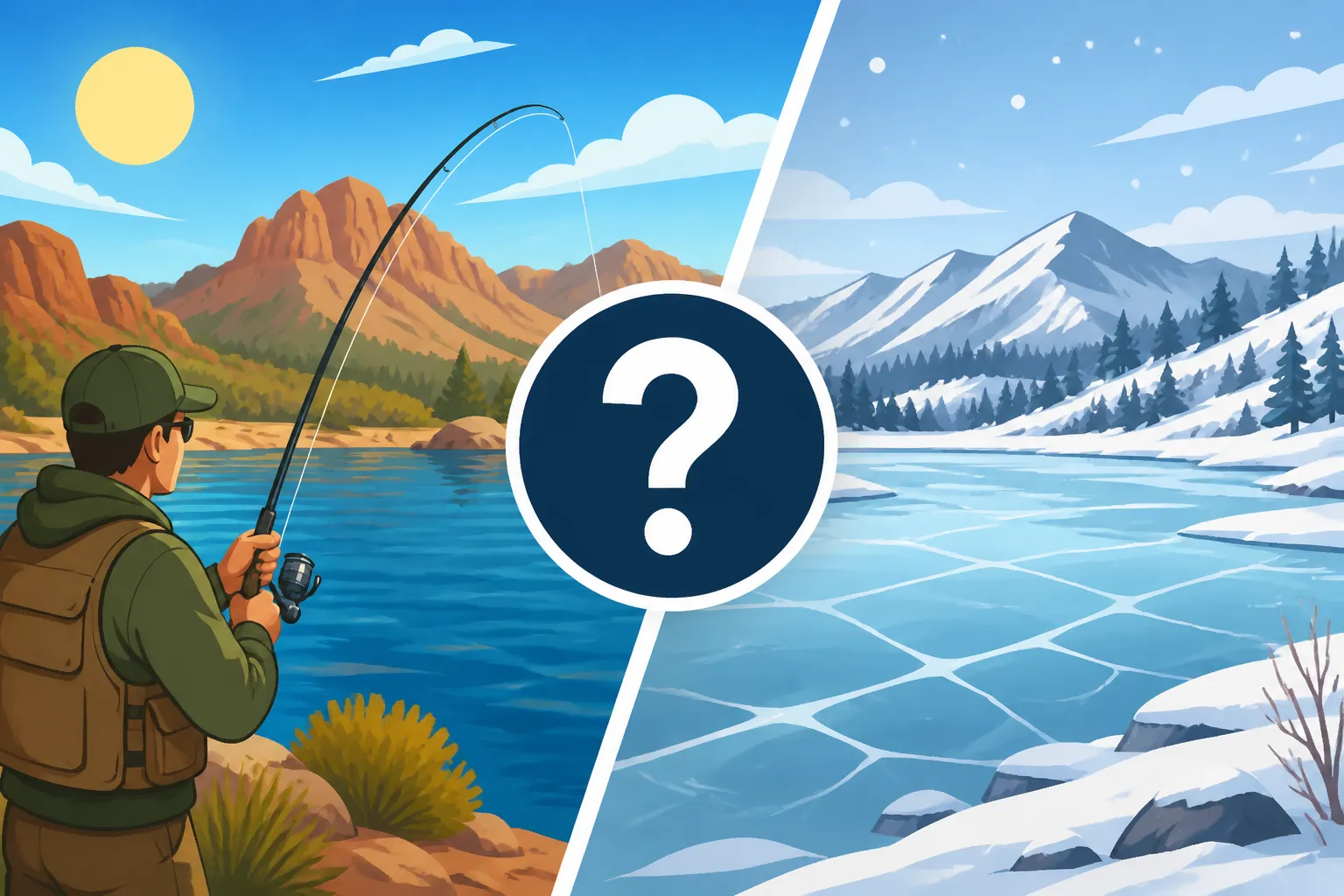
It’s a chilly morning, the air crisp and carrying the scent of pine, and you're bundled up, wondering if that favorite Arizona fishing spot, Lake Mary, has finally succumbed to winter's icy embrace. For many anglers used to the scorching desert heat, the idea of a frozen lake in Arizona can seem almost mythical. But yes, Lake Mary, nestled high in the Ponderosa pines near Flagstaff, absolutely does freeze in winter, offering a unique and often exhilarating ice fishing experience. This guide will walk you through everything you need to know about Lake Mary's winter transformation, from ice formation to safety and open water alternatives.
Understanding Lake Mary's Winter Climate and Ice Formation
Arizona is famously known for its sunshine and desert landscapes, making the concept of truly frozen lakes a bit of a head-scratcher for many. But up in the cooler, higher elevations around Flagstaff, winter means consistent freezing temperatures that can transform bodies of water like Lake Mary into solid, fishable ice. It’s a completely different world from the bass fishing you might do at Lake Pleasant in January!
Upper Lake Mary vs. Lower Lake Mary Differences
When we talk about Lake Mary, it’s important to distinguish between Upper and Lower Lake Mary, as their characteristics significantly impact how they freeze and when they become safe for ice fishing. These two distinct bodies of water, while sharing a name, behave quite differently in winter.
Upper Lake Mary is the larger and deeper of the two, stretching for miles and boasting depths up to 40 feet in some areas. Because of its size and depth, Upper Lake Mary generally takes a longer period of sustained cold temperatures to freeze over completely. It also holds its ice longer once formed. However, there’s no guarantee it will freeze solid enough for safe ice fishing every single winter. A mild winter might see only partial freezing or unsafe, thin ice. Anglers often find that while some coves might skim over, the main body of water can remain open or have dangerously variable ice thickness. This makes checking conditions absolutely critical. When it does freeze safely, it offers vast expanses for targeting northern pike, channel catfish, and various trout species, but it requires patience and vigilance.
Lower Lake Mary, on the other hand, is a much shallower and smaller body of water, typically topping out around 20 feet deep. Its reduced size and depth mean it freezes over much more quickly and consistently than its larger counterpart. For many ice anglers, Lower Lake Mary is the more reliable bet for early season ice fishing opportunities. Its ice tends to be more uniform and safer, provided the cold weather holds. While the fishing pressure can be higher here due to its accessibility and reliable ice, it's often the first choice for those eager to get out on the hard water. Species like rainbow trout and channel catfish are common catches through the ice here. Understanding these differences is crucial for planning your winter fishing adventure and ensuring your safety.
Factors Influencing Ice Thickness and Duration
The freezing and thawing cycle of Lake Mary is a complex dance influenced by several key environmental factors. It's not just a matter of "cold weather equals ice"; rather, it's a combination of variables that determine not only if the lake freezes, but how thick and how long the ice remains stable.
First and foremost, consistent air temperature is the primary driver. You need a prolonged period of below-freezing temperatures, both day and night, for ice to form and thicken substantially. A few cold nights followed by warmer days won't cut it. The closer the average temperature hovers around freezing, the longer it takes for robust ice to develop. Flagstaff's high elevation certainly helps, providing those necessary sustained cold snaps that are rarer in other parts of Arizona.
Wind also plays a significant role. Strong winds can agitate the water's surface, preventing ice from forming even in freezing temperatures, or breaking up newly formed, thin ice. Calm, still nights are ideal for the initial 'skim' ice to form. Once a layer of ice is present, wind can also create dangerous pressure ridges, where two sheets of ice push against each other, forming unstable cracks or humps. These areas are notoriously unsafe and should always be avoided.
Snow cover, while seemingly insulating, can actually hinder ice growth. A thick blanket of snow on top of new ice insulates it from the colder air, slowing down the freezing process from the surface downward. It also makes it incredibly difficult to gauge actual ice thickness, hiding potential weak spots. Snow can also get saturated with water, forming slush layers that are heavy and uncomfortable to walk on. Furthermore, clear, blue ice is generally stronger than cloudy or white ice, which often indicates trapped air, snow, or refrozen slush. When planning your trip, consider checking local conditions or even asking guides through services like FishingBooker for real-time reports on ice and snow cover.
Lastly, the depth of the water and the presence of any springs or currents can affect ice formation. As mentioned, shallower Lower Lake Mary freezes faster. Deeper sections or areas with underwater springs might have thinner ice due to warmer water circulating. River inlets or outlets can also maintain areas of open water or thin ice due to flow. Always assume that conditions can vary greatly across the lake, even if one area seems perfectly safe.
Ice Fishing Opportunities and Safety at Lake Mary
When Lake Mary does freeze solid enough, it opens up a world of unique fishing experiences. Ice fishing is a tradition steeped in patience and a bit of hardy determination, offering a different kind of tranquility than typical open-water angling. However, the allure of the ice comes with a non-negotiable prerequisite: safety.
When and Where Ice Fishing is Typically Possible
The window for safe ice fishing on Lake Mary is usually quite fleeting and unpredictable, heavily dependent on the severity of the winter. Generally, you can expect the potential for ice fishing from mid-December through February. However, this is a very fluid timeline. Some winters, sustained cold might allow for early December ice, while others, a warm spell could push the season back significantly or even prevent safe ice from forming at all. The last thing you want is to drive all the way up to Flagstaff only to find the ice is too thin, or worse, completely open.
Lower Lake Mary, being shallower, often freezes first and more reliably. Anglers typically head to accessible shorelines where the water isn't too deep, like near the various boat launch areas or designated recreation sites. The coves and sheltered bays are usually the first spots to lock up with solid ice. For Upper Lake Mary, the larger, deeper body often means that only the shallower coves and arms might offer consistent, safe ice, if any at all. The main basin can remain treacherous or open throughout the season.
The Arizona Game and Fish Department (AZGFD) is your absolute best friend when it comes to knowing current conditions. They often provide updates on ice thickness and safety advisories for Lake Mary and other potential ice fishing spots in the state. Don't rely on hearsay or what someone fished last year; always check the most recent reports. A simple phone call to the Flagstaff AZGFD office or checking their website can save you a lot of grief and ensure your safety. For those looking for local expertise, consider reaching out to a guide through a service like FishingBooker, as they often have real-time knowledge of specific lake conditions and can confirm if a trip is viable. When fishing for species like trout, knowing the local stocking schedule, like the official "Trout Stocking Season in Arizona," can significantly improve your chances of a successful day on the ice.
Essential Safety Precautions for Ice Anglers
No fish is worth risking your life for, and ice fishing comes with inherent dangers that demand respect and diligent preparation. Unlike fishing from a boat or shore, falling through the ice can have dire, even fatal, consequences due to the extreme cold. Therefore, understanding and adhering to strict safety protocols is paramount.
The golden rule of ice safety is: no ice is 100% safe. Always proceed with caution. The absolute minimum safe ice thickness for walking is typically considered to be 4 inches of clear, solid ice. For snowmobiles or ATVs, you're looking at 5-7 inches, and for light vehicles, 8-12 inches. Never assume ice thickness based on its appearance; what looks solid could be honeycomb ice, or conditions could vary wildly just a few feet away.
Here's a crucial breakdown of safety precautions:
- Check Conditions: As mentioned, always verify current ice conditions before you leave home. AZGFD, local bait shops like Hi-Lo Gas & Bait in Munds Park or Angler's Roost in Flagstaff, and even online forums for northern Arizona anglers can provide invaluable, up-time information.
- Go with a Buddy: Never ice fish alone. If an accident occurs, a partner can call for help or attempt a rescue.
- Dress in Layers: Hypothermia is a serious risk. Wear waterproof outer layers, and avoid cotton, which loses its insulating properties when wet. Insulated boots, gloves, and a hat are non-negotiable.
- Carry Safety Gear:
- Ice Picks: Worn around your neck, these are your lifeline if you fall through. You use them to pull yourself back onto the ice.
- Spud Bar or Ice Chisel: Use this to test ice thickness as you walk. Tap it firmly in front of you; if it goes through easily, turn back.
- Rope: A length of rope can be thrown to a struggling partner.
- Floatation Device (PFD): Wearing a personal flotation device, even over winter clothing, can keep you buoyant and visible if you fall through.
- Avoid Risky Areas: Steer clear of areas around inlets, outlets, bridges, pressure ridges, or any discolored ice. Snow-covered ice can hide weak spots and should be approached with extreme caution.
- Spread Out: Don't congregate in a small area, especially with vehicles or heavy gear. Spread out to distribute weight.
- Know How to Self-Rescue: If you fall through, don't panic. Kick your feet, use your ice picks to get a grip on the edge, and pull yourself out. Once out, roll away from the hole to distribute your weight, then crawl to thicker ice.
Following these precautions isn't just a suggestion; it's a necessity. Your safety, and the safety of those you fish with, should always be the top priority on the ice.
Winter Fishing Beyond the Ice: Open Water Options
While the frozen expanse of Lake Mary draws many adventurous anglers, it's important to remember that not every winter guarantees safe ice, and even when it does, not everyone wants to brave the cold for hard water fishing. Arizona still offers fantastic cold-weather fishing opportunities even when the lakes aren't frozen solid or you prefer open water.
Targeting Fish in Cold, Open Water Conditions
Even when Lake Mary isn't completely frozen, the water temperatures are still dramatically lower than during the warmer months. This fundamentally changes fish behavior. Species like largemouth and smallmouth bass, trout, and even catfish will become less active, moving slower and often retreating to deeper, more stable water. But don't despair—they still have to eat! You just need to adjust your approach.
For bass, the key is to slow down, drastically. Fast-moving topwater lures or aggressive crankbaits from summer won't cut it. Instead, focus on finesse techniques. Drop-shot rigs, Ned rigs, or slowly dragged jigs and Texas-rigged worms can be incredibly effective when worked painstakingly along bottom contours, ledges, and deep structure. Bass will often hold tight to cover like submerged timber or rock piles, so precise presentations are crucial. Look for deeper main lake points, channel swings, and areas where baitfish might be congregating in warmer, deeper pockets. A fish finder becomes an invaluable tool here, helping you pinpoint those crucial depth changes and fish holding spots.
Trout, especially the stocked rainbow trout, can be very active in cold water. If parts of Lake Mary remain open, or if you visit other nearby streams, drifting small baits like power bait, corn, or small worms under a bobber can be very productive. Small spoons, inline spinners, or tiny jigs can also entice bites. For fly anglers, nymphing close to the bottom or slowly stripping streamers can yield success. Remember that trout often hang out where there's a current or deeper pools in streams, or around drop-offs in lakes. The Arizona Game and Fish Department keeps up with stocking schedules, so staying informed about "Trout Stocking Frequency at Urban Lakes in Arizona" and similar programs can guide you to productive waters.
Catfish, particularly channel catfish, are still catchable in winter, though they become less aggressive. They’ll also typically move to deeper water, often congregating in holes or along channel edges. Bottom fishing with smelly baits like stink bait, cut bait, or even chicken livers can still work, but you'll need patience and a very slow retrieve or still fishing approach. The bite will be much more subtle than in summer.
Alternative Winter Fishing Spots in Arizona
If Lake Mary isn't cooperating with safe ice, or if you simply prefer warmer, open-water fishing, Arizona has a surprising array of options, even in the depths of winter. The lower elevation desert lakes often remain ice-free and continue to offer excellent fishing.
One of the most popular winter destinations is the chain of Salt River Lakes: Roosevelt, Apache, Canyon, and Saguaro Lakes. These desert reservoirs, located at lower elevations, rarely freeze and are prime spots for largemouth bass, crappie, and even some striped bass. In winter, bass fishing can be fantastic, as the fish often move to accessible depths and are hungry. Techniques like deep cranking, jigging spoons, or slowly working shaky heads can be very productive. Roosevelt Lake, for example, is renowned for its excellent bass and crappie fishing throughout the cooler months. You might find some excellent guides specializing in these lakes through FishingBooker who can put you on winter fish.
Another fantastic option is Lake Pleasant, just north of Phoenix. This sprawling lake is a major draw for striped bass, white bass, and largemouth bass year-round. While the mornings can be chilly, the fishing can be hot, especially for schooling stripers that chase baitfish in open water. Deep jigging, trolling, or using swimbaits are popular methods. For detailed information, consider guides like the "Lake Pleasant Arizona Fishing Guide."
If you're still craving that cold-water trout action but want open water, the Lower Salt River below Saguaro Lake is a regularly stocked trout fishery that remains open year-round. It’s easily accessible from the Phoenix area and offers a beautiful, scenic backdrop for catching rainbow trout. Similarly, various community fishing program lakes across the state, particularly in the Phoenix and Tucson areas, are heavily stocked with trout during the cooler months. These urban ponds offer easy access for beginners and families and are a great way to introduce kids to winter fishing without the need for specialized ice gear. Always check the current "Arizona Community Fishing Program Rules" for specific regulations and stocking schedules.
For the adventurous, some of Arizona's higher elevation rivers and streams, like parts of the Black River or Little Colorado River, may remain partially open and offer incredible fly fishing for native and wild trout, though access can be challenging due to snow. Places like Lees Ferry on the Colorado River are also world-class trout fisheries that offer year-round, open-water opportunities for trophy rainbow trout. No matter your preference, Arizona's winter fishing scene is much more diverse than just frozen lakes.
Planning Your Winter Fishing Trip to Lake Mary
A successful winter fishing trip to Lake Mary, whether on the ice or open water, requires careful planning and a good understanding of what to expect. The cold mountain environment demands respect, and being prepared can make the difference between a memorable day and a miserable one.
Gear and Preparation for Cold Weather Fishing
Don't underestimate Arizona's winter, especially in the Flagstaff area. While it might be 70 degrees in Phoenix, Lake Mary could be experiencing single-digit temperatures with biting winds. Proper gear isn't just about comfort; it's about safety.
- Layer, Layer, Layer: This cannot be stressed enough. Start with a moisture-wicking base layer (synthetics or wool, never cotton!), add insulating middle layers (fleece or down), and finish with a waterproof and windproof outer shell. You can always shed layers if you get too warm.
- Head, Hands, and Feet: These are critical for retaining body heat. A warm hat that covers your ears is essential. Insulated, waterproof gloves or mittens are a must. For your feet, choose insulated, waterproof boots, ideally rated for sub-zero temperatures, and wear thick wool or synthetic socks. You can also slip in some chemical hand and foot warmers for extra comfort.
- Ice Fishing Specific Gear (if applicable):
- Auger: Manual or power auger to drill holes in the ice. Make sure it's sharp!
- Ice Shanty/Shelter: A portable ice shanty or pop-up shelter can provide a much-needed windbreak and warmth, especially on windy days. Some even come with built-in heaters.
- Heater: A portable propane heater (with proper ventilation!) can make a shanty incredibly comfortable.
- Sled/Pulk: To transport all your gear across the ice.
- Fishing Rods: Short, sensitive ice fishing rods are ideal. For a comprehensive list, check out resources like "Best Fishing Rods for Bass in Arizona" and adapt for ice fishing or cold-water scenarios.
- Baits/Lures: Small jigs, spoons, live or artificial worms, PowerBait, and minnows are common ice fishing baits.
- General Fishing Gear: Even for open water, pack cold-weather versions of your usual tackle. Ensure your reel is lubricated for cold temps, and your line isn't brittle. A "Fishing Gear Checklist for Desert Lakes" can be a great starting point, just remember to winterize it. Don't forget a good cooler – not just for keeping drinks cold, but for keeping your catch fresh even in freezing conditions, especially if you plan to keep trout. A "Best Coolers for Hot-Weather Fishing in Arizona" guide might focus on heat, but the principles of insulation apply year-round to protect your catch.
- Hydration and Snacks: Cold weather can be dehydrating. Bring plenty of water and calorie-dense snacks to keep your energy up. A thermos with hot coffee, tea, or soup can be a real morale booster.
Remember, preparation is key. Don't leave anything to chance when dealing with potentially extreme winter conditions.
Local Resources and Conditions Updates
Heading out to Lake Mary for winter fishing without checking current conditions is like playing Russian roulette with your day – and potentially your safety. The environment around Flagstaff is dynamic, and conditions can change rapidly.
Your first stop for reliable information should always be the Arizona Game and Fish Department (AZGFD). Their website often provides updates on ice conditions for Lake Mary and other high-country lakes when ice fishing is potentially viable. They also offer valuable information on "Arizona Fishing Regulations Explained" and other vital rules, including details on your "Arizona Fishing License Guide."
Beyond official channels, local businesses are a treasure trove of real-time intelligence. Local bait and tackle shops in Flagstaff or Munds Park are invaluable. Places like Angler's Roost in Flagstaff or Hi-Lo Gas & Bait in Munds Park cater to local anglers and will have the most up-to-the-minute information on ice thickness, recent catches, and what baits are working. Give them a call before you hit the road. They can tell you if Lower Lake Mary is locked up solid or if Upper Lake Mary still has open water.
Online forums and social media groups dedicated to Arizona fishing can also be great resources. Anglers often post recent photos and reports from their trips, giving you a visual and anecdotal sense of current conditions. Just remember to verify information from multiple sources, as conditions can be localized and change quickly.
Finally, consider booking a trip with a local guide, especially if you're new to winter fishing or ice fishing. Guides, often found through services like FishingBooker, not only know the safest spots and current patterns but can also provide all the necessary specialized gear. They are experts on "Winter Fishing Strategy for Desert Lakes" and the nuances of the local ecosystem. This can significantly increase your chances of success and, more importantly, ensure a safe and enjoyable experience. The "Best Fishing Spots Near Flagstaff" might include specific coves or areas that guides are intimately familiar with.
Always prioritize checking multiple reliable sources on the day of your trip, or even the day before, especially if you're traveling a distance. Mother Nature runs the show up in the high country, and being informed is your best defense against disappointment or, worse, danger.
Disclaimer
The information provided in this guide is for general informational purposes only and is subject to change. Ice conditions can be extremely unpredictable and dangerous. Always exercise extreme caution when near frozen bodies of water. Consult the Arizona Game and Fish Department (AZGFD) and local authorities for the most current regulations, ice conditions, and safety advisories before undertaking any fishing activity. Your safety is your responsibility.