Bank Fishing Spots at Bartlett Lake
It can be incredibly frustrating to gaze out at the vast, shimmering waters of Bartlett Lake, knowing that fantastic fishing opportunities await, but feeling limited because you don't have a boat. Many anglers face this exact dilemma, assuming a vessel is essential for a productive day on the water. But fear not, my fellow fishing enthusiasts! This guide is specifically designed to help you discover the best bank fishing spots at Bartlett Lake, ensuring you can enjoy its rich fisheries without ever needing to launch a boat.
Why Bartlett Lake Shines for Shore Anglers
Bartlett Lake, nestled in the Tonto National Forest, offers a surprisingly robust experience for those who prefer to keep their feet on solid ground. Unlike some larger, more sprawling reservoirs where shore access is limited to a few crowded coves, Bartlett provides numerous points of entry that put you right on the water's edge, often with easy parking nearby. The lake’s diverse shoreline, featuring everything from gradual slopes to rocky outcroppings and even some submerged structure close to shore, creates ideal habitats for a variety of popular sport fish, making it a truly welcoming spot for bank fishermen.
Accessibility and Diverse Habitats
One of the biggest advantages of Bartlett Lake for bank anglers is its excellent accessibility. The Arizona Game and Fish Department (AZGFD) and the Tonto National Forest have done a commendable job of maintaining roads and paths that lead to some prime fishing real estate. You'll find spots where you can literally park a few steps from the water, making it easy to haul your gear without a long hike. The lake's irregular shape, with many fingers and coves, also means less direct wind exposure in many areas, creating calmer waters perfect for casting from the bank.
Beyond simple access, the types of habitats available from shore are a major draw. You're not just casting into open water; you're often targeting areas with submerged brush, rocky points, and gentle slopes that transition into deeper water. These features are exactly what bass, crappie, and catfish look for when moving and feeding, especially during seasonal changes. This natural diversity means you can employ a range of techniques, from throwing reaction baits to soaking cut bait, all from the comfort of the bank.
Target Species Within Reach
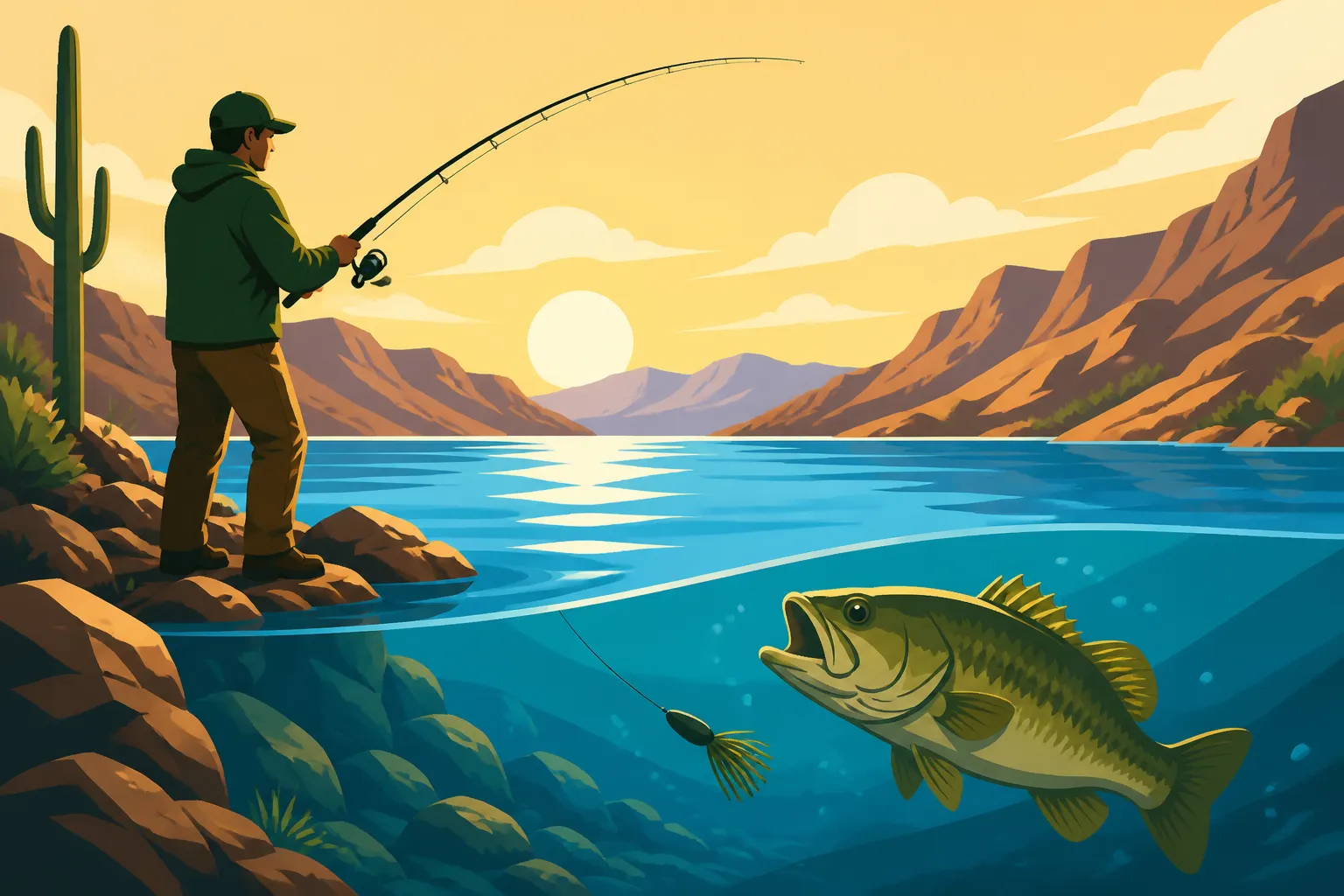
You might think that the best fish are always out in the middle of the lake, but at Bartlett, many of the most sought-after species are often found within casting distance of the shore. Largemouth bass frequently patrol the shallows, especially during cooler mornings or evenings, or when they're actively spawning in spring. Smallmouth bass, known for their preference for rocky structure, can be found hugging those same rocky banks and points that are easily accessible to shore anglers.
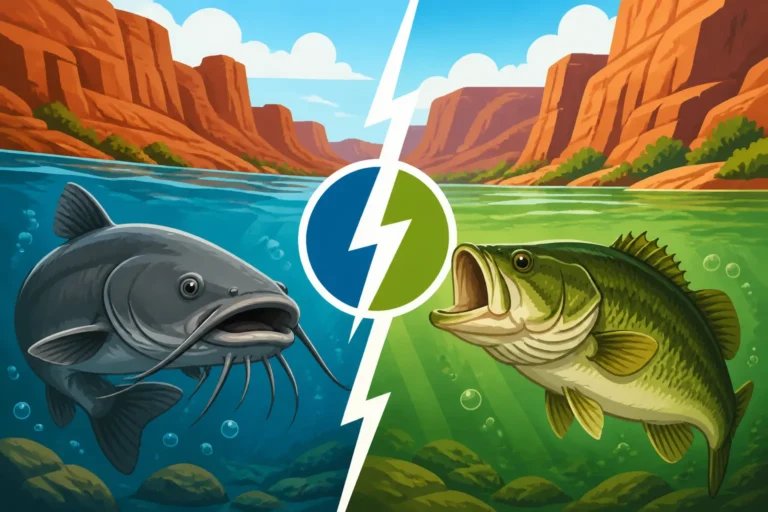
Catfish, particularly channel catfish and flatheads, are common catches from the bank, especially after dark when they move into shallower water to feed. Crappie also congregate around submerged brush and structure, which can often be found near shore in many of Bartlett's coves. Even the occasional striped bass, which are stocked in the lake, can surprise a bank angler, especially during times when they push baitfish into the shallows. Understanding the unique preferences of different fish species in Arizona is key to success.
Prime Bank Fishing Locales at Bartlett Lake
Now, let's get down to the nitty-gritty: where exactly should you set up your gear at Bartlett Lake if you're fishing from the bank? While the lake levels can influence accessibility, there are several perennial favorites that consistently offer great opportunities.
North End and Rattlesnake Cove
The north end of Bartlett Lake, particularly around the areas known as Rattlesnake Cove and the main recreation area, offers some fantastic bank fishing. This part of the lake features a mix of gradual sloping banks and rocky points, perfect for targeting a variety of species. Access is relatively easy, with paved roads leading to designated parking areas.
At Rattlesnake Cove, you’ll find a boat ramp, but don't let that deter you; the surrounding shorelines are often productive. In the spring, this area can be excellent for sight-fishing for largemouth bass that move into the shallows to spawn. During other seasons, casting parallel to the banks with crankbaits or jigs can yield good results for both largemouth and smallmouth. The deeper water close to the shore here also makes it a solid spot for catfish, particularly in the evenings. The gradual slope means you can often wade out a bit (if allowed and safe) to extend your casting range. For planning a longer stay to hit these and other spots, you might consider checking out local accommodations or even guided trips through platforms like FishingBooker, which sometimes list guides familiar with specific lake areas, even if they focus on boat trips, they often know the best bank-accessible spots.
Yellow Cliffs and Jojoba Area
Moving a bit south, the Yellow Cliffs area is another gem for bank anglers. This section is characterized by distinctive yellow-hued rock formations and offers a more rugged, scenic fishing experience. Access here can involve a short hike from parking spots, but the reward is often less crowded banks and excellent fishing. The rocky structure around the Yellow Cliffs is a magnet for smallmouth bass, which love to hide among the submerged rocks and ambush prey. Throwing finesse baits like drop shots or small jigs can be incredibly effective here.
The Jojoba area, slightly further south, provides a different type of access, often with more open, accessible stretches of shoreline. This can be great for families or those who prefer an easier setup. It's a prime location for panfish like bluegill and sunfish, especially if you're bringing kids along, but also holds plenty of active bass. The blend of rocky and brushy areas here creates a fantastic forage zone.
Areas Near the Dam
While access directly on the dam structure is usually restricted, the shorelines both upstream and downstream in the vicinity of the dam can be very productive. These areas often feature deeper water close to the bank and a good mix of rock and sometimes brush, attracting larger predatory fish. Check signs carefully for any restricted zones, but generally, the public land around the dam offers various points for bank fishing.
The cooler, deeper waters near the dam can hold larger bass, especially during the hotter summer months when they retreat from the shallower, warmer coves. Striped bass are also known to cruise these deeper sections, so throwing larger swimbaits or spoons can sometimes entice a strike. Catfish are also a reliable target here, particularly when using strong, smelly baits on the bottom. Remember to consult the Arizona Fishing Regulations Explained to ensure you're fishing legally and safely.
Here's a quick overview of some top bank fishing spots at Bartlett Lake:
| Location | Primary Access | Typical Structure | Target Species | Best Time for Bank Fishing | Notes |
|---|---|---|---|---|---|
| North End/Rattlesnake Cove | Easy (paved road) | Gradual slopes, rocky points, submerged brush | Largemouth Bass, Smallmouth Bass, Catfish, Panfish | Spring (bass spawn), Evening (catfish) | Good for active casting; can get busy on weekends. |
| Yellow Cliffs | Moderate (short hike) | Steep rocky banks, submerged boulders | Smallmouth Bass, Largemouth Bass, Striped Bass | All seasons; especially effective for smallmouth | More secluded, scenic; finesse techniques work well. |
| Jojoba Area | Easy (dirt roads) | Open shorelines, some brush, smaller rocks | Panfish, Largemouth Bass, Catfish | Year-round; great for families and beginners | Easy setup, good for bait fishing. |
| Near the Dam (shoreline) | Moderate (dirt/gravel roads) | Deep water close to shore, rocky bottom | Largemouth Bass, Striped Bass, Catfish | Summer (for deeper fish), Night (catfish) | Check for restricted access; larger fish possible. |
Essential Techniques and Baits for Bank Anglers
Successfully fishing from the bank at Bartlett Lake requires a slightly different approach than fishing from a boat. You're limited by casting distance and mobility, so maximizing your presentation and bait choice is crucial.
Maximizing Your Casting Range and Presentation
Since you can't move your boat to the fish, you need to bring the bait to them. This means focusing on lures and rigs that cast well and allow you to cover water effectively. Long-casting lures like lipless crankbaits (e.g., Strike King Red Eye Shad, Rat-L-Trap) or spoons can help you reach deeper water or cover far-off points. For bass, soft plastics rigged Texas-style or on a Ned rig are excellent for targeting submerged brush and rocks without getting snagged too often. These rigs are also fantastic for Beginner Fishing Techniques for Arizona Desert Lakes.
When working a specific area, make multiple casts, fanning out your retrieves to cover as much of the reachable water column as possible. Start close to the bank and work your way outwards. Pay attention to any structure you can see or feel with your line – a subtle change in bottom composition, a submerged branch, or a drop-off can be a hotspot. A good pair of polarized sunglasses will be your best friend for spotting subtle changes in depth or submerged cover.
Top Bait and Lure Choices
When it comes to baits and lures for bank fishing at Bartlett, simplicity and versatility are key. Here are some reliable choices:
- Soft Plastics: Senkos, worms, and creature baits rigged weightless, Texas-style, or on a Ned rig are phenomenal for bass. Colors like green pumpkin, watermelon red, and black/blue are consistently effective. They allow for slow, methodical presentations that tempt even wary bass. These are often among the Best Lures for Largemouth Bass in Arizona Lakes.
- Crankbaits and Lipless Crankbaits: For covering water and enticing aggressive strikes, a medium-diving crankbait (reaching 4-8 feet) or a lipless crankbait is ideal. Choose colors that mimic baitfish (shad, bluegill) or bright colors in stained water.
- Jigs: Both casting jigs (like a football or skirted jig) and bladed jigs (ChatterBaits) can be incredibly effective, especially around rocks and brush. Tip them with a soft plastic trailer for added bulk and action.
- Live Bait: For catfish and crappie, live bait is often king. Worms (nightcrawlers), chicken livers, and stink baits are excellent for catfish. Small live minnows or crickets can be irresistible to crappie. Using a simple slip-sinker rig or a bobber setup allows you to present these baits effectively.
- Spoons and Spinnerbaits: These are great for covering water quickly and can be effective for bass and even stripers, especially when they are actively chasing bait.
Remember, the Best Baits and Lures for Arizona Fishing often depend on the season and target species, so it's always good to have a versatile selection in your tackle box.
Essential Gear and Safety Considerations for Bartlett Bank Anglers
Fishing from the bank at Bartlett Lake is generally a safe and enjoyable experience, but being prepared with the right gear and knowledge can make all the difference, especially in Arizona's unique environment.
Rods, Reels, and Line
For general-purpose bank fishing, a medium-heavy spinning rod (6'6" to 7'6") paired with a 2500-3000 series spinning reel is a versatile setup. This combination allows for long casts with a variety of lures and has enough backbone to handle larger fish. Spool your reel with 10-15 lb braided line, which offers excellent casting distance and sensitivity, and tie on an 8-12 lb fluorocarbon leader for abrasion resistance and invisibility. If you're targeting bigger catfish, you might bump up to a heavier mono or braided line directly to your hook. Choosing the Best Fishing Rods for Bass in Arizona will also serve you well for many other species.
Don't forget the small but mighty items: a good pair of pliers for removing hooks, a small first-aid kit, a stringer or cooler to keep your catch fresh (if you're keeping fish), and a multi-tool can save the day.
Sun Protection and Hydration
Arizona's sun is no joke, even in cooler months. Sun protection is paramount. This includes a wide-brimmed hat, sunglasses (polarized ones are a huge advantage for spotting fish and structure), long-sleeved UPF-rated shirts, and plenty of sunscreen. Reapply sunscreen frequently, especially if you're sweating.
Hydration is equally critical. Bring more water than you think you'll need, especially during the warmer months. Electrolyte drinks can also be beneficial. Dehydration can creep up quickly, so sip regularly. For more detailed advice, check out Heat Safety Tips for Summer Fishing in Arizona. I've seen too many folks cut their day short because they underestimated the desert heat – don't let that be you!
Navigating Lake Levels and Wildlife
Bartlett Lake's water levels can fluctuate significantly throughout the year and from season to season. What was a perfect fishing point one month might be completely dry or submerged the next. It's a good idea to check current lake levels before you go. The Salt River Project (SRP) website often has up-to-date information for all the Salt River chain lakes, including Bartlett. This will help you plan which access points might be best and what the shoreline conditions might be like. You can also get a good sense of the layout through online maps or by reaching out to local angling communities.
As for wildlife, Bartlett Lake is a wild place! You'll encounter various desert critters, including snakes, scorpions, and other insects. Always be aware of your surroundings, especially when walking through brush or reaching into tackle boxes. It's wise to wear sturdy closed-toe shoes or hiking boots. While rare, javelina, coyotes, and even bobcats also frequent the shoreline. Give all wildlife space and never attempt to feed them. If you're venturing into less-traveled areas, consider telling someone your plans or even looking into local outdoor guiding services listed on platforms like FishingBooker for peace of mind, even if you are just bank fishing, as local experts can provide valuable insights on safety and specific spots.
Your Arizona Fishing License
Before you even think about packing your tackle box, make sure your Arizona fishing license is current. Anyone 10 years of age and older needs a valid license to fish in Arizona's public waters. You can easily purchase one online through the Arizona Game and Fish Department website, or at many sporting goods stores across the state. They offer various license types, including short-term and annual options, so you can pick what best suits your fishing frequency. You can find detailed information in the Arizona Fishing License Guide or if you are considering longer trips, it’s worth looking into an Arizona Combo Hunt and Fish License Guide. Always carry proof of your license, whether it's a physical copy or a digital one on your phone.
Final Thoughts for Your Bartlett Lake Bank Adventure
Bank fishing at Bartlett Lake is not just a fallback when you don't have a boat; it's a fantastic fishing experience in its own right. With a little planning, the right gear, and an understanding of the lake's diverse shorelines, you can have incredibly rewarding days chasing bass, catfish, crappie, and more. Take your time, explore different accessible areas, and don't be afraid to experiment with baits and presentations. And remember, every time you’re out on the water, whether from shore or boat, you’re making memories that last a lifetime. Enjoy the peace and quiet of the Tonto National Forest, the thrill of a bending rod, and the beauty of Arizona. If you ever feel like expanding your horizons beyond bank fishing, perhaps exploring a guided trip, don't hesitate to check out options on platforms like FishingBooker to connect with local pros.
Disclaimer
The information provided in this guide is for general informational purposes only and is subject to change. Always consult the official Arizona Game and Fish Department regulations and local signage before fishing. Lake levels and conditions can vary, impacting accessibility and fishing success. Exercise caution, practice Leave No Trace principles, and prioritize your safety in all outdoor activities.