Kayak Launch Points on the Salt River
Embarking on a kayak fishing adventure on Arizona's Salt River sounds idyllic, but knowing exactly where to safely and effectively launch your kayak can feel like trying to find a hidden treasure map. Many anglers get frustrated trying to pinpoint the best access points, especially if they're unfamiliar with the nuances of the river's different sections and the necessary permits. This comprehensive guide will clear up all that confusion, detailing the prime kayak launch points along the Lower Salt River and providing all the essential tips you need for a successful and enjoyable fishing trip.
Navigating the Salt River for Kayak Anglers: What You Need to Know
The Salt River, particularly its lower stretches, offers a truly unique angling experience in the heart of Arizona's desert landscape. It's a fantastic fishery, but understanding its character is key to a rewarding kayak trip.
Distinguishing the Upper and Lower Salt River Experiences
When people talk about kayak fishing the Salt River, they almost always mean the Lower Salt River. This section flows downstream from Saguaro Lake, through the scenic Tonto National Forest, and eventually joins the Verde River. It's characterized by its relatively calm flows, lush riparian areas, and accessible recreation sites, making it ideal for paddling and fishing. This is where you'll find the popular tubing crowd during summer, but with strategic timing, it's also a fantastic place for anglers.
The Upper Salt River, on the other hand, is a much wilder, more remote, and often treacherous stretch. It's primarily known for its challenging whitewater rapids and is a destination for experienced rafters and kayakers seeking adrenaline, not typically tranquil fishing. Access points are limited, and the conditions demand advanced paddling skills and safety precautions. For fishing enthusiasts looking for a peaceful paddle and good catch, the Lower Salt River is definitely where you want to be.
The Allure of Kayak Fishing on this Arizona Gem
There's something incredibly appealing about sliding a kayak into the gentle currents of the Salt River. Unlike fishing from the shore, a kayak grants you unparalleled stealth and access. You can glide silently into coves and eddies that shore anglers can't reach, getting up close and personal with the fish without spooking them. This intimate connection with nature, combined with the thrill of the catch, makes kayak fishing here a truly special experience.
Beyond the fishing itself, the Lower Salt River is a corridor for abundant wildlife. Paddling quietly, you might spot wild horses grazing along the banks, various bird species like ospreys and great blue herons, and even deer coming down to drink. It's a chance to immerse yourself in Arizona's natural beauty in a way that’s hard to replicate from a larger boat or the crowded shore. The ease of launching and retrieving a kayak at designated recreation sites also makes it far more convenient for many anglers compared to trailer boats.
Prime Kayak Launch Points on the Lower Salt River
The Lower Salt River offers several well-maintained recreation sites that double as excellent kayak launch points for anglers. These sites are managed by the U.S. Forest Service (USFS) and are part of the Tonto National Forest.
Phon D Sutton Recreation Site: Your Gateway to Adventure
Located just a short drive from Mesa, the Phon D Sutton Recreation Site is arguably one of the most popular and accessible launch points on the Lower Salt River. It's often the starting point for many float trips, both for tubers and kayakers. The site features a large parking area, restrooms, and easy river access with a gentle slope perfect for sliding kayaks into the water.
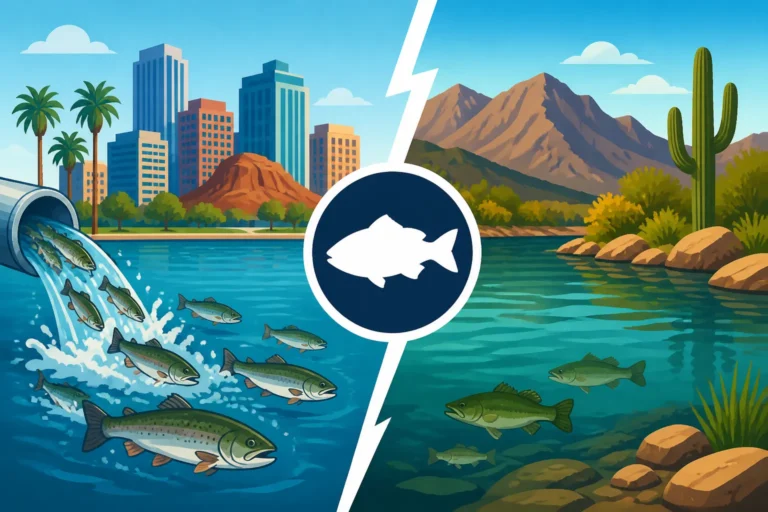
From Phon D Sutton, anglers can paddle upstream a short distance, fish the eddies and submerged structures, or float downstream. The river here holds a good population of different fish species. You'll find rainbow trout, especially during the cooler months when the Arizona Game and Fish Department (AZGFD) performs its regular stockings. Largemouth bass and various panfish are also common, hiding in the slower currents and around submerged vegetation. It’s an ideal spot for a half-day trip, offering a good balance of accessibility and fishing potential. Just be mindful of tubers during peak summer afternoons, as the river can get quite busy.
Granite Reef Recreation Site: Where Waters Meet and Fish Abound
A bit further downstream from Phon D Sutton, you'll find the Granite Reef Recreation Site. This launch point is particularly interesting for anglers because it's located near the confluence of the Salt River and the Verde River. The mixing of these two water bodies often creates unique current patterns and brings in a diverse range of forage, attracting more fish.
Granite Reef offers similar amenities to Phon D Sutton, including ample parking and restrooms. The river access is excellent for kayaks. From here, you can paddle upstream into either the Salt or Verde River sections or embark on a longer float downstream. This area is known for its excellent smallmouth and largemouth bass fishing, particularly where the currents meet and create natural ambush points for predatory fish. Catfish are also prevalent, especially around deeper holes and structures. If you're looking to explore a bit more river and potentially encounter a wider variety of species, Granite Reef is an excellent choice. Many anglers also use this as an exit point for floats starting further upstream.
Coon Bluff and Water Users Recreation Sites: Deeper Dives Downstream
Continuing downstream, you'll encounter Coon Bluff Recreation Site, followed by Water Users Recreation Site. These spots tend to be a little less crowded than Phon D Sutton, especially during the height of tubing season, offering a more serene fishing experience.
Coon Bluff provides excellent access to slower, deeper stretches of the river. It's a fantastic spot for anglers targeting larger catfish, which often lurk in these deeper pools. The banks here are also frequented by the Salt River wild horses, adding a magical element to your outing. The launch is relatively easy for kayaks, and you can enjoy a peaceful paddle upstream or downstream. For those seeking a bit more solitude and a chance at bigger bottom-dwellers, Coon Bluff is a top contender.
Water Users Recreation Site is one of the furthest downstream public access points on the Lower Salt River before it becomes less navigable for recreational kayaks. It's often used as an endpoint for longer floats originating from Phon D Sutton or Granite Reef. While it offers good fishing opportunities, particularly for bass and catfish in its calmer sections, it's generally recommended for those planning a full-day float or who prefer a quieter atmosphere. The accessibility might be slightly less refined than the upstream sites, but it still provides a solid launch for kayaks.
Here's a quick overview of these popular kayak launch points:
| Launch Point Name | River Section | Primary Fish Species Targeted | Key Features | Permits Required |
|---|---|---|---|---|
| Phon D Sutton Recreation Site | Lower Salt River | Rainbow Trout, Largemouth Bass, Panfish | Very popular, easy access, restrooms, large parking, tubing hub. | Tonto Pass |
| Granite Reef Recreation Site | Lower Salt River | Largemouth Bass, Smallmouth Bass, Catfish | Near Verde River confluence, diverse fishing, good for longer floats. | Tonto Pass |
| Coon Bluff Recreation Site | Lower Salt River | Catfish, Largemouth Bass | More secluded, wild horses, deeper pools, calmer atmosphere. | Tonto Pass |
| Water Users Recreation Site | Lower Salt River | Bass, Catfish, Panfish | Furthest downstream, good for longer floats, quieter experience. | Tonto Pass |
Navigating Access: Tonto Pass and Parking Essentials
Accessing these beautiful USFS recreation sites on the Salt River requires a Tonto Pass. This pass is essential for parking your vehicle at any of the designated sites like Phon D Sutton, Granite Reef, Coon Bluff, and Water Users. You can purchase a day pass or an annual pass. Day passes typically cost around $8-$12 and can be purchased online, at various vendors around the Valley (like sporting goods stores such as Sportsman's Warehouse or Cabela's, or even some convenience stores near the forest), or sometimes through self-service machines at the sites themselves (though relying on these can be risky if they're out of order).
It’s crucial to display your Tonto Pass prominently on your dashboard to avoid a citation. Parking at these sites can fill up quickly, especially on weekends and during the warmer months when tubers flock to the river. Arriving early, especially if you plan to launch your kayak on a Saturday or Sunday, is highly recommended to secure a spot and enjoy the prime morning fishing hours. Without a valid Tonto Pass, you risk a fine, which can quickly turn a relaxing fishing trip into a costly one. Make sure to check the specific requirements for the Arizona Fishing License Guide as well; a Tonto Pass covers access, but you’ll need your fishing license to legally fish!
Maximizing Your Salt River Kayak Fishing Success
Kayak fishing on the Salt River is an incredible experience, but a little planning and knowledge can drastically improve your chances of a memorable day on the water.
Strategic Timing: Seasons, Water Flow, and Crowds
Timing is everything on the Salt River. The river's character changes significantly with the seasons and even throughout the day.
Seasonal Approach:
- Spring (March-May): This is often prime time for bass and panfish as they become more active with warming water temperatures. Trout stocking is usually winding down by late spring but can still offer good action. The weather is generally pleasant, making for comfortable paddling.
- Summer (June-August): While it's hot, early mornings or late evenings can be fantastic for bass and especially catfish. However, this is also peak tubing season. To avoid the crowds, plan your trip for weekdays, very early mornings, or consider Night Fishing Techniques and Safety. The water levels can be more consistent due to controlled releases from the upstream dams.
- Fall (September-November): As temperatures drop, trout stocking resumes, and bass become more aggressive before winter. The crowds thin out, and the scenery is beautiful. This is arguably one of the best times for an all-around enjoyable kayak fishing trip.
- Winter (December-February): Focus heavily on trout, as the AZGFD heavily stocks the Lower Salt River. Bass fishing can be slower, but some hearty anglers still find success with finesse techniques. The river is much quieter, offering peaceful solitude. For details on stocking, check the Trout Stocking Season in Arizona.
Water Flow: Always check the current water flow rates before heading out. Websites like the USGS provide real-time streamflow data. Higher flows can mean faster currents, which might be challenging for some kayakers and can make fishing more difficult. Lower flows can expose more river bottom and make navigation tricky in some shallow spots. Optimal flows offer a good balance of current for paddling and accessible fishing spots.
Avoiding Crowds: The Lower Salt River is incredibly popular for tubing, particularly on summer weekends. If your primary goal is fishing, aim for early mornings (before 9 AM) or late afternoons/evenings, especially on weekdays. During the cooler months, crowds are significantly less of an issue, making weekdays almost guaranteed for a peaceful experience. You can even check out some tips about Kayaking Fishing Techniques for Desert Lakes for more nuanced approaches.
Essential Gear and Safety for Desert River Paddling
Having the right gear and prioritizing safety are non-negotiable for a successful Salt River kayak fishing trip.
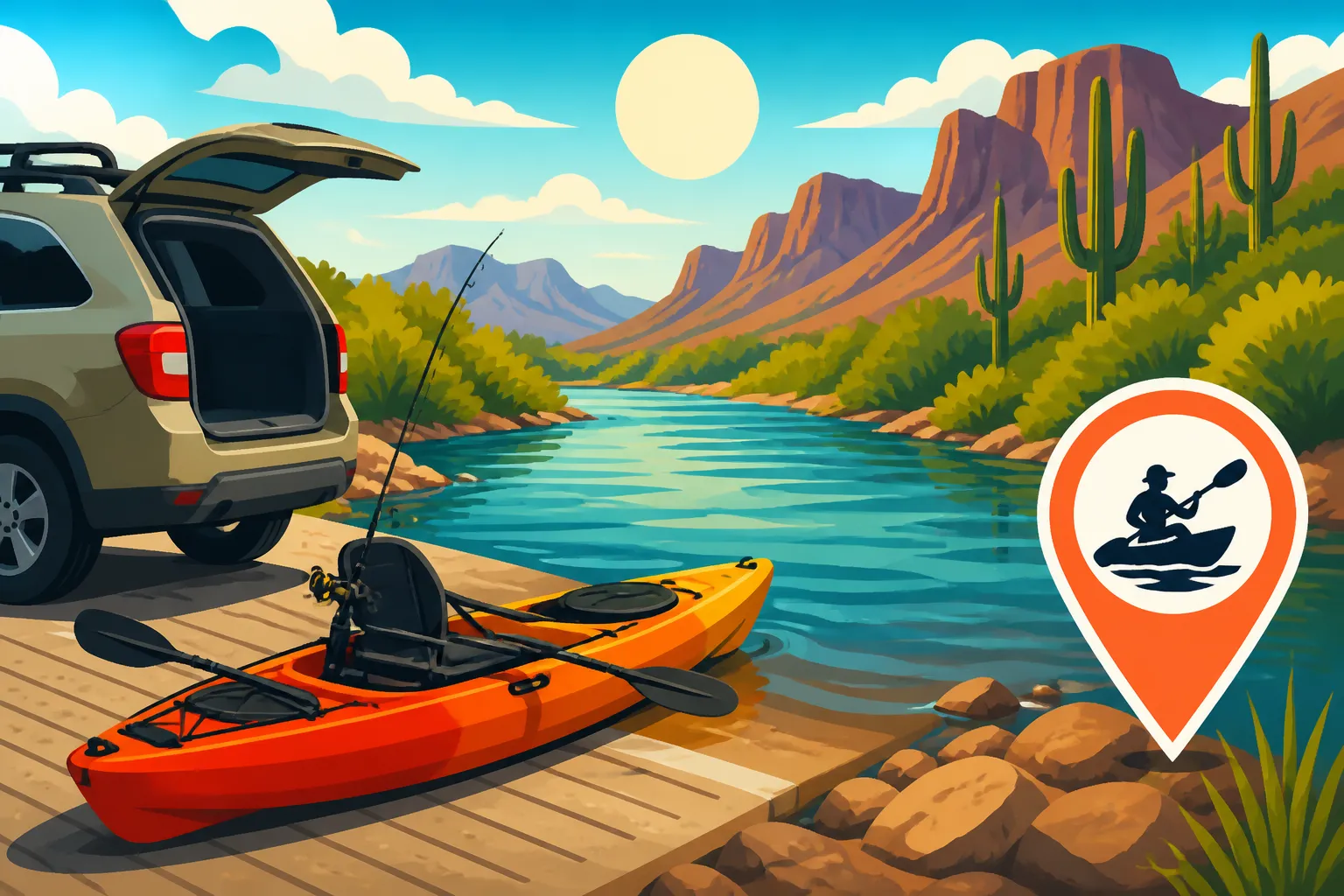
Kayak Choice: A stable, sit-on-top fishing kayak is highly recommended. These provide comfort, easy access to tackle, and stability for casting and fighting fish. Kayaks specifically designed for fishing often include rod holders, tackle storage, and comfortable seats.
Safety Gear:
- Personal Flotation Device (PFD): Always wear a PFD. It's not just a recommendation; it's a critical safety item.
- Sun Protection: Arizona sun is no joke. Wear a wide-brimmed hat, sunglasses (polarized ones are excellent for spotting fish), long-sleeved UPF clothing, and high SPF sunscreen. Reviewing Heat Safety Tips for Summer Fishing in Arizona is crucial, even outside of summer.
- Hydration: Bring plenty of water, more than you think you'll need. Dehydration can sneak up on you quickly in the desert.
- First-Aid Kit: A basic kit for minor cuts, scrapes, or insect bites.
- Communication: A fully charged cell phone in a waterproof case, or a small marine radio, is wise in case of emergencies.
Fishing Tackle:
- Rods and Reels: A medium-light to medium action spinning rod and reel combo is versatile for most species you'll encounter.
- Line: 6-10 lb test monofilament or fluorocarbon line is usually sufficient. Braided line with a fluorocarbon leader is also a popular choice for sensitivity and strength.
- Lures and Bait: This depends on your target species. For trout, try small inline spinners (e.g., Rooster Tails, Mepps), PowerBait, or small spoons. For bass, consider soft plastics (worms, Senkos), crankbaits, or spinnerbaits. Catfish respond well to cut bait, stink baits, or live worms fished on the bottom. Check out our guide on Best Baits and Lures for Arizona Fishing for more specific recommendations.
- Net: A small landing net is helpful for safely landing fish, especially from a kayak.
- Pliers/Forceps: Essential for removing hooks, particularly if practicing catch and release.
Targeting Salt River's Fish Species from Your Kayak
The Salt River is a diverse fishery, offering opportunities for various species, each requiring slightly different approaches.
Trout: The AZGFD regularly stocks rainbow trout in the Lower Salt River from fall through spring. They prefer cooler water and are often found in riffles, eddies, and deeper pools. From a kayak, you can drift through these sections, casting small spinners, spoons, or floating PowerBait under a bobber. Keep an eye on stocking schedules for the best chances.
Bass (Largemouth and Smallmouth): Both largemouth and smallmouth bass thrive in the Salt River. Largemouth tend to prefer the slower, vegetated areas, while smallmouth often inhabit rocky areas with moderate current. From a kayak, cast soft plastics (Texas-rigged worms, Senkos), small crankbaits that mimic shad, or spinnerbaits around submerged timber, rock piles, and current breaks. The stealth of a kayak allows you to get right into their hiding spots.
Catfish (Channel and Flathead): The Salt River holds good numbers of channel and flathead catfish. Channel cats are more active, often biting on stink baits, hot dogs, or cut bait. Flatheads are typically larger, more reclusive, and prefer live bait (like bluegill or sunfish) presented near deep cover or structure, often after dark. Night fishing from a kayak for catfish can be incredibly productive, but requires extra safety precautions.
Panfish (Bluegill, Sunfish): These smaller, feisty fish are abundant and great for beginners or when the bite for other species is slow. They readily hit small worms, crickets, or tiny artificial jigs fished under a bobber near submerged vegetation or shaded banks. A multi-species approach is often best, especially if you're exploring different sections of the river.
Planning and Troubleshooting Your Trip
Even with the best intentions, things can sometimes go awry. Knowing how to plan effectively and troubleshoot common issues can make all the difference.
Understanding Arizona Fishing Regulations and Permits
Before you even think about launching, ensure you have an up-to-date Arizona fishing license. Anyone 10 years or older needs one to fish in Arizona's public waters. There are various types of licenses, including resident, non-resident, short-term, and even combo hunt and fish licenses. You can easily purchase your license online through the AZGFD website or at authorized license dealers across the state. You can learn more in our detailed guide on How to Buy an Arizona Fishing License Online.
Beyond the general license, be aware of specific regulations for the Salt River, such as bag and possession limits for different species, size restrictions, and bait restrictions. These rules are in place to protect the fishery and ensure its sustainability for future generations. Always consult the current Arizona Fishing Regulations booklet, which can be found on the AZGFD website. Information on Arizona Fishing Regulations Explained can save you from an accidental violation. Keep in mind that while the general Arizona license covers most public waters, fishing on tribal lands, such as portions of the Salt River Pima-Maricopa Indian Community, requires separate permits. Always research if your planned launch or float crosses these boundaries. For a truly hassle-free experience, consider booking a guided trip through services like FishingBooker, where local experts will ensure all permits and regulations are handled correctly.
Dealing with Unexpected Challenges on the River
Even the most seasoned kayak angler can face unexpected challenges. Being prepared is key.
Snags and Obstructions: The Salt River, like any natural waterway, can have submerged logs, rocks, or debris. Use a lure retriever if possible, or try to gently paddle your kayak to dislodge snagged lures. Always be aware of your surroundings to avoid collisions.
Wind: Strong winds can make paddling difficult and create choppy conditions, especially in open stretches. Check the weather forecast before you go. If winds pick up unexpectedly, try to stay close to the bank or seek shelter in calmer coves.
Heat Exposure: Arizona's heat, particularly in warmer months, is a serious concern. Beyond sun protection and hydration, recognize the signs of heat exhaustion (dizziness, nausea, heavy sweating) and heatstroke (hot, dry skin, confusion). If you experience these, seek shade, cool down, and drink water immediately. If symptoms are severe, call for help.
River Etiquette: The Lower Salt River is a multi-use area. Be respectful of other kayakers, tubers, swimmers, and wildlife. Give others space, avoid excessive noise, and always practice Leave No Trace principles by packing out everything you pack in. If you're utilizing services like FishingBooker for a guided trip, they'll often emphasize responsible recreation.
By understanding the river's characteristics, knowing your launch points, and preparing for the unexpected, your Salt River kayak fishing adventure will undoubtedly be a memorable one. Happy paddling and tight lines!
Disclaimer
The information provided in this guide is for general informational purposes only and is subject to change. Always consult the official Arizona Game and Fish Department regulations and the U.S. Forest Service guidelines for the most current and accurate information regarding fishing licenses, permits, regulations, and access requirements before planning your trip. Fishing and outdoor activities inherently carry risks; always prioritize safety and personal responsibility.