Best Fly Fishing Streams in Arizona
Many anglers dream of serene rivers, casting a delicate fly, and feeling the tug of a trout, but often overlook Arizona, associating it only with scorching deserts and saguaros. The truth is, Arizona boasts an incredible, often surprising, array of fly fishing streams that offer diverse challenges and breathtaking scenery, from high-altitude mountain creeks to world-renowned tailwaters. This comprehensive guide will take you on a journey to uncover Arizona's best fly fishing streams, sharing insights into their unique characteristics, necessary gear, and optimal techniques to help you experience some truly unforgettable angling.
The Unexpected World of Arizona Fly Fishing
When most folks picture Arizona, they probably imagine red rock canyons, cacti, and intense desert heat, not necessarily crystal-clear trout streams. This common misconception often leads fly anglers to overlook a truly unique and rewarding destination. But for those in the know, Arizona's diverse geography hides some incredible aquatic gems, offering a fly fishing experience unlike almost anywhere else. It's a place where you can catch a native Apache trout in a mountain stream one day and target carp or bass on a desert river the next.
Beyond the Desert: Discovering Arizona's Angling Oases
It’s completely understandable why the casual observer might not consider Arizona a fly fishing hotspot. The vast majority of the state is arid. However, the Grand Canyon State is a land of extremes, and those extremes include significant mountain ranges like the White Mountains, Mogollon Rim, and the Bradshaw Mountains, which catch substantial snowfall and feed a network of rivers and streams. These areas, particularly in the northern and eastern parts of the state, create vital coldwater habitats. Think about it: snowmelt trickling down through granite, carving out riffles and pools, nourishing a thriving ecosystem.
Moreover, even within the seemingly barren desert landscapes, there are perennial rivers fed by distant mountain ranges or dam releases that create surprisingly vibrant fisheries. The Colorado River, for instance, carves through the state, and its tailwater sections below dams maintain consistent, cold temperatures perfect for trout. Then you have rivers like the Salt and Verde, which, despite flowing through desert valleys, support a mix of warmwater and even seasonal coldwater species. It’s a fascinating ecological mosaic, and understanding this hidden side of Arizona is the first step to unlocking its fly fishing potential.
Why Arizona Offers a Unique Fly Fishing Challenge
Fly fishing in Arizona isn’t just about the fish; it’s about the experience of casting a line in truly unique environments. The stark contrast between lush riparian zones and the surrounding desert creates a sense of awe and adventure. You might find yourself wading through a small mountain stream surrounded by towering pines, or casting a streamer against a backdrop of towering canyon walls. This dramatic scenery alone adds a layer of satisfaction to every catch.
Beyond the aesthetics, the actual fishing can be quite challenging, which is exactly what many experienced fly anglers crave. Fish in these systems often face varying water levels, temperature fluctuations, and pressure from other anglers and wildlife. This means you need to be adaptable with your techniques, from delicate dry fly presentations on small streams to heavy nymph rigs on larger rivers. Learning to read the subtle currents, identify insect hatches specific to desert environments, and understand how fish react to extreme temperature swings will hone your skills like never before. It's not just about replicating a technique you learned elsewhere; it's about truly understanding the unique rhythm of Arizona's waters.
Premier Northern Arizona Fly Fishing Destinations
Northern Arizona is often where fly fishing truly shines in the state, offering some of the most consistent and celebrated trout fisheries. From world-famous tailwaters to remote mountain streams, this region provides a diverse range of experiences for anglers willing to explore.
Lees Ferry: A Tailwater Trout Paradise
Without a doubt, Lees Ferry stands as Arizona's crown jewel for fly fishing. Located below Glen Canyon Dam on the Colorado River, just upstream from the Grand Canyon, this 15-mile stretch of river is a designated blue-ribbon trout fishery. The cold, clear water released from the depths of Lake Powell creates a year-round, ideal habitat for rainbow trout that grow to impressive sizes. It’s not uncommon to hook into fish in the 18-20 inch range, with much larger specimens caught regularly. This fishery is so consistent that it draws anglers from across the globe.
The fishing here primarily involves nymphing with heavy rigs to get flies down to the bottom where the trout feed. Popular patterns include Zebra Midges, San Juan Worms, Scuds, and various Mayfly and Caddisfly imitations. Depending on the time of year, streamers can also be incredibly effective, especially for targeting larger, more aggressive trout. While wade fishing is possible in some areas, many anglers opt for drift boat trips with experienced guides who know the intricate channels and productive seams. The sheer scale of the river and the powerful currents can be intimidating for newcomers, but a guided trip can drastically improve your chances of success and provide invaluable local knowledge. If you're planning a trip, be sure to consult a comprehensive Lees Ferry Arizona Fishing Guide to get all the specifics on access points and fishing strategies.
White Mountains High Country Streams: A Cooler Escape
For those seeking a more traditional, intimate stream fishing experience, the White Mountains in Eastern Arizona are an absolute haven. This region boasts numerous small to medium-sized streams, often surrounded by Ponderosa pine forests, that hold wild trout, including the native Apache trout and Gila trout, as well as stocked rainbows and browns. Popular streams here include the West Fork of the Black River, the Little Colorado River in various sections, Big Lake spillover, and many smaller tributaries like Silver Creek (a designated catch-and-release fishery).
Fishing these high-country streams often involves lighter tackle and more stealthy approaches. Dry flies, small nymphs, and emergers are frequently the most productive, especially during the warmer months when insect activity is high. Think about delicate casts under overhanging branches, precise presentations to small pockets, and carefully wading to avoid spooking fish in clear, shallow water. The challenge often lies in accessing some of the more remote sections, which might require a bit of hiking, but the reward is solitude and stunning natural beauty. This is where you can truly connect with the wilder side of Arizona fly fishing, escaping the heat of the lower elevations and enjoying cooler temperatures. For anglers hoping to pursue indigenous species, it's vital to understand Native Fish Protection Rules in Arizona before you cast.
Oak Creek Canyon: A Scenic, Challenging Fishery
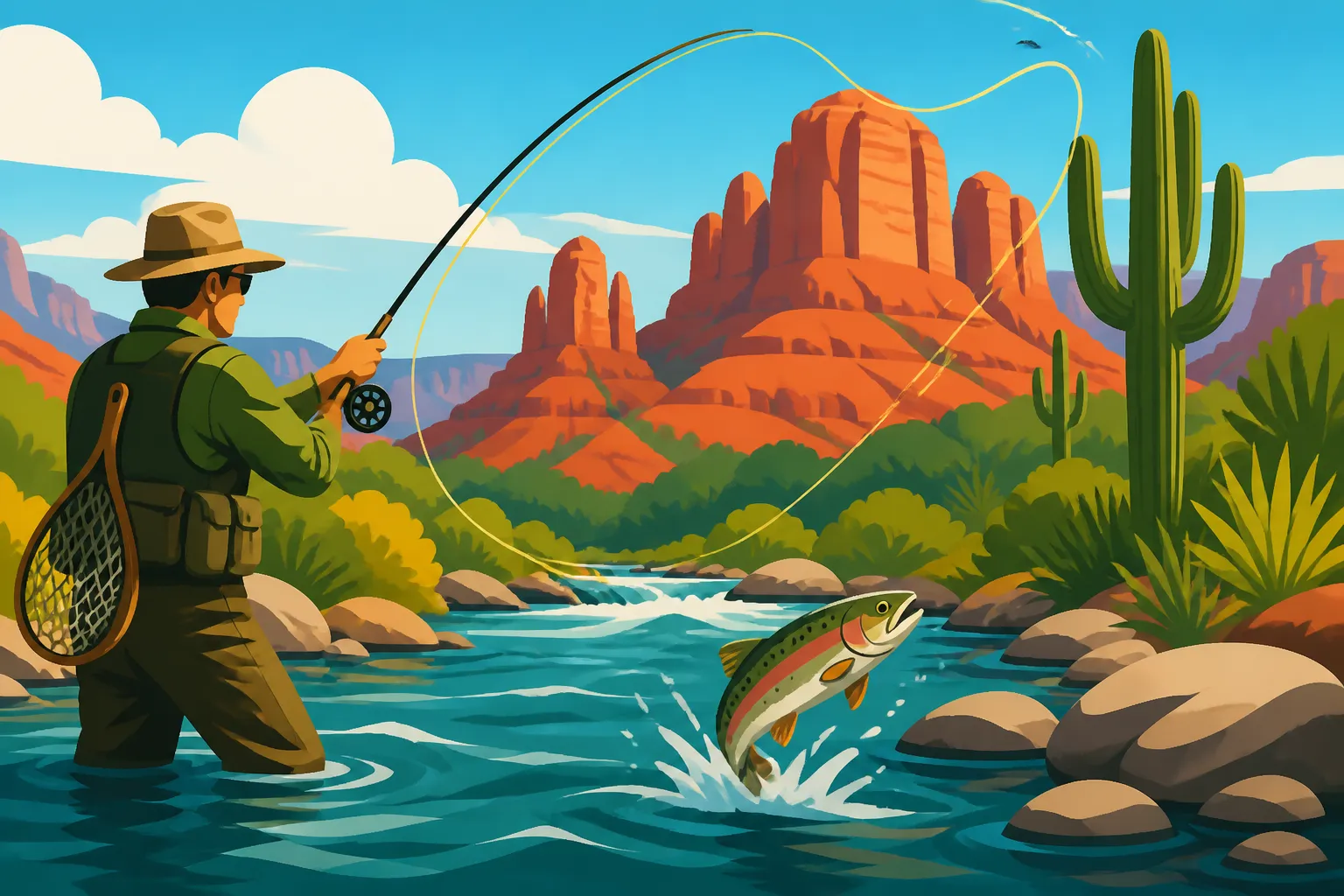
Nestled between Sedona and Flagstaff, Oak Creek Canyon offers a remarkably scenic and easily accessible fly fishing experience. Oak Creek itself flows through a stunning red rock canyon, providing a picturesque backdrop for angling. While often heavily pressured due to its accessibility, the creek holds both stocked rainbow trout and wild brown trout, offering a rewarding challenge for persistent anglers.
The character of Oak Creek changes throughout its length. Lower sections, particularly those near tourist areas, are heavily stocked and see a lot of foot traffic. Here, bait and spin anglers are common, but fly fishing can still be productive with smaller nymph patterns, attractor dries, and even streamers in deeper pools. As you move upstream into the more wilderness-designated areas, the creek becomes smaller, wilder, and more challenging, favoring stealthy approaches and accurate casts with delicate dry flies or small nymphs. The brown trout here are particularly wary. It's important to be aware of the special regulations that apply to certain sections of Oak Creek, including specific catch-and-release areas and tackle restrictions. Always check the latest Arizona Fishing Regulations Explained before heading out. Beyond trout, some lower sections of Oak Creek can even hold smallmouth bass, offering a fun diversion on a fly rod during warmer months.
Central Arizona's Urban and Rural River Opportunities
While Northern Arizona often gets the spotlight for its trout streams, central Arizona, particularly around the Phoenix metropolitan area, offers surprisingly good fly fishing opportunities on its river systems. These areas might not be as wild or remote, but they provide accessible, year-round action for a variety of species.
Lower Salt River: Accessible Trout and Warmwater Action
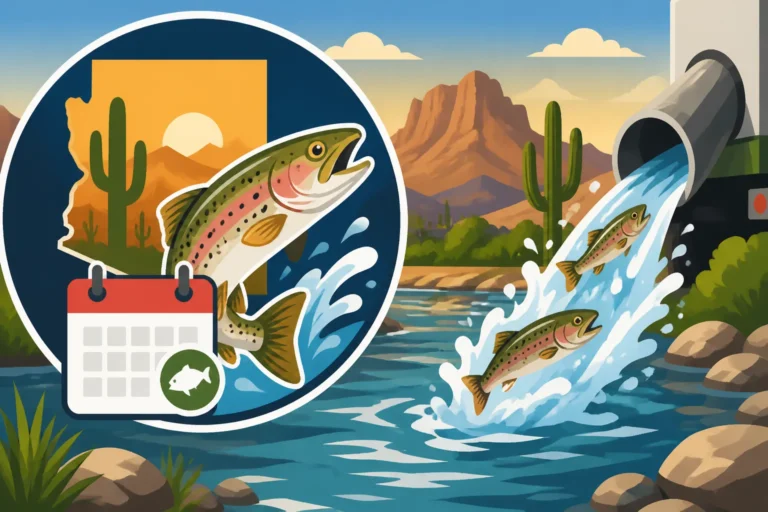
The Lower Salt River, flowing through the Phoenix metropolitan area, is perhaps Arizona's most accessible fly fishing destination for urban dwellers. What makes it unique is its dual nature: it’s a warmwater fishery for much of the year, holding bass, sunfish, and carp, but it also receives regular trout stockings from the Arizona Game and Fish Department (AZGFD) during the cooler months, typically from November to March. This transformation turns it into a fantastic spot for winter trout fishing.
During the warmwater season, anglers can target various species. Carp, often overlooked by fly anglers, can provide incredible fights on heavier fly rods (6-8 weight) using patterns like small crayfish imitations or even bread flies. Largemouth and smallmouth bass respond well to streamers, poppers, and subsurface flies imitating baitfish or crawdads. When the trout stocking season kicks in, the river comes alive with rainbow trout. Standard trout flies like San Juan Worms, eggs, midges, and small pheasant tails work wonders. The ease of access, combined with the variety of species and the chance to fish for trout just minutes from the city, makes the Lower Salt River a genuinely unique fly fishing experience. For more detailed information, checking out a dedicated Salt River Arizona Fishing Guide can give you the edge.
Verde River System: A Diverse Fishery for All Anglers
The Verde River, flowing from the Prescott area eastward before joining the Salt River, is another gem for fly anglers in central Arizona. Unlike the more specialized Lees Ferry or the seasonal Lower Salt, the Verde offers a remarkable diversity of fish species and fishing environments along its considerable length. Its designation as one of Arizona's few perennial rivers makes it a vital ribbon of life through the desert.
The upper sections of the Verde, particularly above Cottonwood and Camp Verde, can hold smallmouth bass, largemouth bass, channel catfish, and various panfish. These areas are excellent for throwing streamers, poppers, and heavier nymph patterns. Further downstream, as the river passes through more remote and rugged terrain, it transitions into sections with a mix of warmwater species and, in some deeper pools, even occasional surprises like carp or even native fish species that must be handled with care. Access can be challenging in some areas, requiring hiking, but the reward is often less pressured fish and pristine surroundings. While not primarily a trout fishery, the Verde’s diversity means you can always find something willing to bite on a fly rod, making it an adventurous choice for those who appreciate variety.
Essential Gear, Flies, and Techniques for Arizona Waters
Approaching Arizona's diverse fly fishing streams successfully requires understanding the specific challenges and adapting your gear and techniques accordingly. What works for a high-mountain brook trout might not cut it for a hard-fighting carp in a desert river.
Rods, Reels, and Lines: Matching Your Setup to the Stream
When putting together your Arizona fly fishing arsenal, versatility is key.
-
Rods:
- 3-5 weight rods: These are ideal for the smaller, more delicate mountain streams of the White Mountains or the upper sections of Oak Creek. They allow for accurate, subtle presentations of dry flies and small nymphs. For catching smaller fish like panfish or smaller trout, a lighter rod really makes the fight exciting.
- 5-7 weight rods: This is arguably the most versatile range for Arizona. A 6-weight, in particular, is a fantastic all-around choice. It has enough backbone to handle the bigger trout at Lees Ferry, cast heavier nymph rigs, and even present streamers for bass on the Salt or Verde Rivers. If you're looking for one rod to do it all, a fast-action 6-weight is a great starting point.
- 7-9 weight rods: If you plan on specifically targeting larger warmwater species like carp, big largemouth bass, or even the occasional striped bass that might stray into some river sections, a heavier rod is a must. These rods provide the power needed to cast larger, wind-resistant flies and to battle stronger fish without over-stressing your gear.
-
Reels: A good reel should match your rod's weight and have a smooth drag system, especially for the larger fish at Lees Ferry. While delicate trout on small streams might not test your drag much, a powerful rainbow or a surging carp certainly will. A quality large arbor reel will help with line retrieval and reduce line memory.
-
Lines:
- Weight-forward floating lines: These are the standard for most fly fishing situations, allowing for easy casting and excellent control for dry flies, nymphs, and smaller streamers.
- Sinking tip or full sinking lines: For deep nymphing at Lees Ferry or aggressively stripping streamers for bass in deeper pools, a sinking line or sinking tip line is invaluable to get your flies down to the strike zone quickly and efficiently.
- Leaders and Tippet: For clear, pressured waters like Oak Creek or Lees Ferry, longer leaders (9-12 feet) and finer tippet (4x-6x for trout, 0x-3x for bass/carp) are often necessary. Always have a variety of tippet sizes on hand to adjust to conditions and fish size.
Mastering Arizona Fly Patterns and Presentations
The specific flies you choose and how you present them are critical in Arizona’s varied fisheries. It's not a "one size fits all" situation, and being able to adapt is a hallmark of successful Arizona fly anglers.
- Trout Flies:
- Nymphs: For Lees Ferry and many other trout streams, nymphs are king. Think Zebra Midges (especially black and red), San Juan Worms, Squirmy Worms, Scuds, Pheasant Tail Nymphs, Hare's Ear Nymphs, Copper Johns, and Prince Nymphs. The key is often getting them down deep enough, so don't be afraid to add split shot.
- Dry Flies: While nymphing dominates, dry fly opportunities exist, especially during hatches in the White Mountains or on Oak Creek. Caddis patterns (Elk Hair Caddis), Mayfly imitations (Parachute Adams, BWO), and attractor patterns (Royal Wulff, Stimulator) are good to have.
- Streamers: Woolly Buggers (black, olive, brown), Sculpzillas, and articulated streamers can entice larger, aggressive trout, particularly at Lees Ferry or in larger pools.
- Warmwater Flies:
- Bass Flies: For largemouth and smallmouth bass, think baitfish imitations (Clouser Minnows, Deceivers), crayfish patterns (Crawfish Clouser), and topwater poppers (Gurglers, Boogle Bugs) for exciting surface action.
- Carp Flies: Carp are surprisingly fun on a fly rod. Patterns like small San Juan Worms, Prince Nymphs, Bread Flies, and even small crayfish imitations presented subtly on the bottom can be effective.
- Panfish Flies: Small poppers, rubber-legged spiders, and tiny nymphs are perfect for bluegill and other sunfish.
Presentation is paramount. On clear, pressured trout streams, delicate casts and drag-free drifts are essential. For nymphing, understanding how to achieve a natural drift with your indicator and getting your flies to the correct depth will lead to more hook-ups. For warmwater species, stripping streamers with varying retrieves or subtly bumping bottom with crayfish patterns can trigger strikes. Always observe the water, look for rising fish or signs of insects, and adjust your tactics. Mastering Fly Fishing Techniques for Trout will give you a significant advantage in these diverse waters.
Strategic Approaches for Different Species and Conditions
Successfully fly fishing in Arizona often comes down to strategy and adaptability, especially given the rapid changes in weather and water conditions throughout the year.
For trout, especially in places like Lees Ferry, the strategy often revolves around deep nymphing. This means using enough weight (split shot or heavy tungsten flies) to get your nymphs bouncing along the bottom, where trout feed on scuds, worms, and midges. A strike indicator is crucial for detecting subtle takes. On smaller streams like those in the White Mountains, a dry-dropper rig (a buoyant dry fly with a small nymph tied below it) is incredibly versatile, allowing you to cover both surface and subsurface feeding zones. In cooler months, understanding Trout Stocking Season in Arizona helps immensely, as freshly stocked fish are often eager to bite.
When targeting bass on rivers like the Salt or Verde, strategy changes dramatically. Early mornings and evenings are often prime for topwater action with poppers and other surface flies. During the heat of the day, focus on structure – submerged logs, rock piles, undercut banks – with streamers or weighted crawfish patterns. Look for current breaks where bass might ambush baitfish. Fishing Around Submerged Timber can be particularly effective for bigger bass.
Carp fishing, while perhaps less glamorous, is incredibly rewarding on a fly rod. The strategy is almost like hunting: spot the fish, present your fly subtly several feet in front of it, and wait for the carp to root around and inhale it. Their powerful runs will test your gear and your patience. You'll want to use strong leaders and tippets because these fish can break you off if you're not careful.
The key across all species and locations is observation. What are the fish eating? Where are they holding? Is the water clear or murky? Is there an insect hatch? The more you observe, the better you can adapt your fly choice and presentation, leading to more successful outings.
Navigating Regulations and Ensuring a Successful Trip
Anytime you venture out to fish in Arizona, whether with a fly rod or conventional tackle, understanding and adhering to the local regulations is paramount. Arizona Game and Fish Department (AZGFD) sets these rules to protect fisheries and ensure sustainable angling for everyone.
Understanding Licenses, Stamps, and Special Regulations
The first and most critical step before making your first cast in Arizona is securing the proper fishing license. Every angler 10 years and older needs an Arizona Fishing License Guide. This isn't just a suggestion; it's a legal requirement. You can purchase these licenses online through the AZGFD website, at authorized dealers, or at AZGFD offices. Make sure you understand the difference between a resident and non-resident license, as well as the various validity periods available, from annual to short-term options. For tourists, a Arizona Nonresident Fishing License Guide provides all the necessary details.
Beyond the general fishing license, specific regulations might apply depending on where you plan to fish and what you intend to catch:
- Trout Stamp: For those specifically targeting trout, particularly in designated trout waters, a "trout stamp" may be required in addition to your general fishing license. This stamp supports trout stocking and management programs. Always check if your chosen stream or river requires one. Our Trout Stamp Requirements in Arizona guide can clarify this.
- Special Regulations: Many of Arizona's premier fly fishing streams, especially those managed for native species or trophy trout, have special regulations. These can include:
- Catch-and-Release Only: Sections of rivers where all fish must be immediately released unharmed. Silver Creek, for example, has extensive catch-and-release rules.
- Artificial Lures/Flies Only: Prohibiting the use of bait to reduce incidental mortality of released fish.
- Barbless Hooks Only: Requiring barbless hooks to minimize injury to fish, making release easier and safer.
- Specific Bag and Possession Limits: Even if you can keep fish, there might be size limits or reduced bag limits compared to general statewide regulations.
- Boating Restrictions: Some smaller streams or canyons may have restrictions on boat or float tube use.
Always carry a copy of the current Arizona Fishing Regulations booklet (available online or at license dealers) or have access to the digital version on your phone. Ignorance of the law is not an excuse, and violations can lead to hefty fines and even license revocation. Staying informed about Arizona Fishing Regulations Explained is key to a worry-free trip.
Here's a quick reference table for common license costs (subject to change, always verify with AZGFD):
| License Type | Resident Annual Cost (approx.) | Non-Resident Annual Cost (approx.) | Notes |
|---|---|---|---|
| General Fishing License | $37.00 | $55.00 | Required for all anglers 10 years and older |
| Combination Hunt & Fish | $57.00 | $160.00 | Covers both hunting and fishing, good value for multi-sport |
| Youth Combo (10-17 years old) | $5.00 | $5.00 | Highly affordable for young anglers |
| One-Day Fishing License | N/A | $20.00 | Good for quick trips for non-residents |
| Trout Stamp | $15.00 | $15.00 | Required in designated trout waters, add-on to fishing license |
Prices are approximate and subject to change. Always check the official AZGFD website for the most current information.
Maximizing Your Experience with Local Guides and Resources
While self-guided trips are incredibly rewarding, for serious fly anglers or those new to Arizona's unique fisheries, hiring a local guide can be a game-changer. An experienced guide brings invaluable local knowledge, including current fishing conditions, hot spots, effective flies, and techniques that might take years to learn on your own. They often provide gear, including specialized boats for rivers like Lees Ferry, and can teach you the nuances of navigating specific waters. This is especially true for Lees Ferry, where a guide can significantly enhance your experience on the expansive Colorado River.
When looking for a guide, seek out operations that specialize in fly fishing and have a strong reputation for ethical practices and conservation. Many guides operate through local fly shops in towns like Flagstaff, Sedona, or Marble Canyon. Online platforms like FishingBooker can also be an excellent resource for finding reputable guides in specific Arizona locations. They allow you to browse different guide services, read reviews from other anglers, and compare prices and offerings, making it easier to book the perfect fly fishing excursion tailored to your preferences.
Beyond guides, local fly shops are goldmines of information. Stop in, ask questions about current conditions, recent hatches, and recommended flies. They often have maps, local reports, and are passionate about helping fellow anglers succeed. Utilizing these local resources, combined with diligent research, will significantly boost your chances of a memorable and successful Arizona fly fishing adventure.
Seasonal Strategies for Year-Round Fly Fishing Success
Arizona's weather patterns are dramatically different from many other fly fishing destinations, with distinct seasons that significantly impact fish behavior and angler comfort. Understanding these seasonal shifts is crucial for planning successful trips throughout the year.
Spring and Fall: Peak Opportunities and Perfect Weather
For many fly anglers, spring (March to May) and fall (September to November) represent the absolute sweet spot for Arizona fly fishing. The weather during these periods is generally mild and pleasant, making for comfortable days on the water, and fish activity tends to be at its peak.
Spring: As winter snows begin to melt and temperatures rise, many fish species become highly active. Trout in the White Mountains streams and Oak Creek will be feeding aggressively as insect hatches become more prolific. Mayflies, caddis, and midges will be increasingly present, offering fantastic dry fly and nymphing opportunities. In the desert rivers like the Lower Salt or Verde, warmwater species like bass and panfish are moving into shallower waters, preparing for or undergoing their spawning cycles. This makes them more accessible and aggressive, responding well to streamers and topwater patterns. The downside can sometimes be high runoff from snowmelt, which can make some mountain streams unfishable for a short period. Always check stream flows before you go.
Fall: This is another incredible season, often considered by many to be the absolute best. Air and water temperatures begin to cool, rejuvenating fish that might have been sluggish during the summer heat. Trout in all systems become very active, feeding heavily in preparation for winter. Terrestrial insects like grasshoppers and ants are still prevalent, offering exciting dry fly action, while nymphing remains consistently productive. Fall is also prime time for targeting big brown trout, as they become more aggressive with their spawning rituals. For warmwater species in the Salt and Verde, fish are still active but often found a bit deeper as water cools, making streamers and subsurface flies effective. The vibrant fall foliage in places like Oak Creek Canyon also adds to the stunning scenery, making for an incredibly picturesque fishing experience.
Summer and Winter: Adapting to Extremes for Continued Action
While spring and fall offer ideal conditions, Arizona's summers and winters present unique challenges that require specific strategies, but they certainly don't mean you have to put your fly rod away.
Summer: The intense heat of an Arizona summer (June to August) is the primary challenge. Most low-elevation, warmwater streams and lakes can become too hot for trout, and even bass might go dormant during midday. However, this is precisely when the high-country streams of the White Mountains truly shine. These higher-elevation waters remain cold due to snowmelt and shade, providing excellent trout fishing opportunities. Early mornings and late evenings become crucial for fishing lower-elevation waters for warmwater species, as fish retreat to deeper, cooler water during the scorching midday sun. At Lees Ferry, the tailwater conditions ensure cold water year-round, making it a fantastic summer escape, though angler numbers can be high. During these hot months, safety is paramount: stay hydrated, wear sun protection, and know the signs of heat exhaustion. Exploring Best Time of Day to Fish in Arizona Heat can help you strategize.
Winter: Conversely, Arizona winters (December to February) can bring crisp, cold weather, especially in the mountains where some streams might even freeze over or become inaccessible due to snow. However, this is when the urban trout stocking programs truly make central Arizona a fly fishing destination. The Lower Salt River, for example, becomes a prime trout fishery, offering consistent action close to Phoenix. Lees Ferry remains productive year-round, with fewer crowds than in summer. For warmwater species in the desert rivers, winter means finding deeper holes and slower currents, as fish become less active. Slow presentations with nymphs, midges, and small streamers are often the most effective. Even in winter, Arizona offers open water fly fishing when many other states are completely iced over, providing a unique escape for cold-weather anglers.
Disclaimer
Please remember that fishing regulations, water conditions, and fish stocking schedules are subject to change. Always check the latest information from the Arizona Game and Fish Department (AZGFD) before planning any fishing trip. This guide is for informational purposes only and does not constitute official legal advice regarding fishing regulations.