Canyon Lake Arizona Fishing Guide
For many Arizona anglers, finding that perfect fishing spot is a constant quest. You want somewhere beautiful, teeming with fish, but also accessible enough for a day trip without an epic journey. It's a frustrating balance to strike, especially when you're craving that unique desert lake experience. This guide is designed to cut through that frustration, offering a comprehensive look at Canyon Lake, an absolute gem that perfectly blends stunning scenery with fantastic fishing opportunities for every level of angler.
Discovering Canyon Lake's Unique Fishing Environment
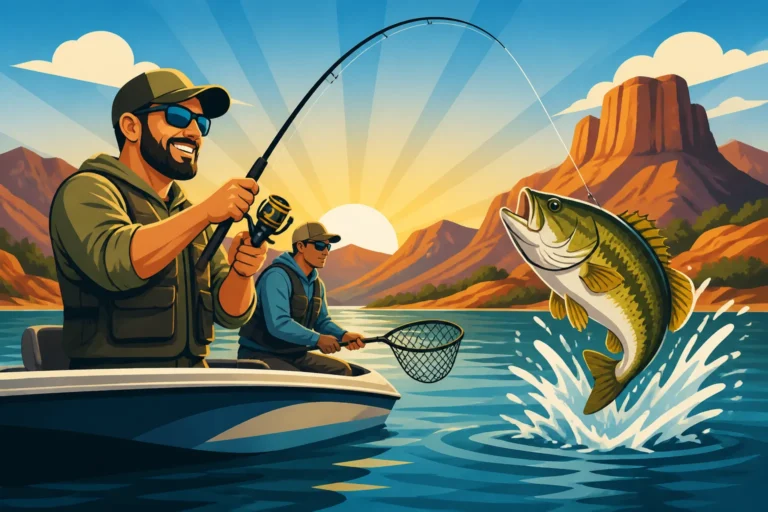
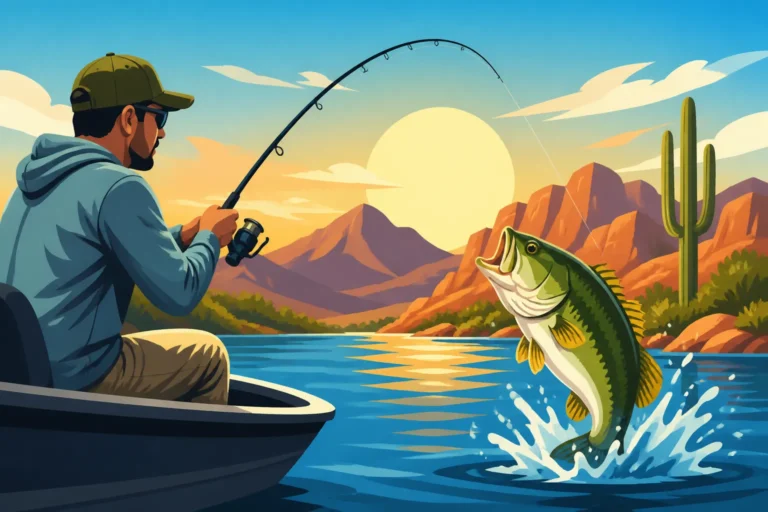
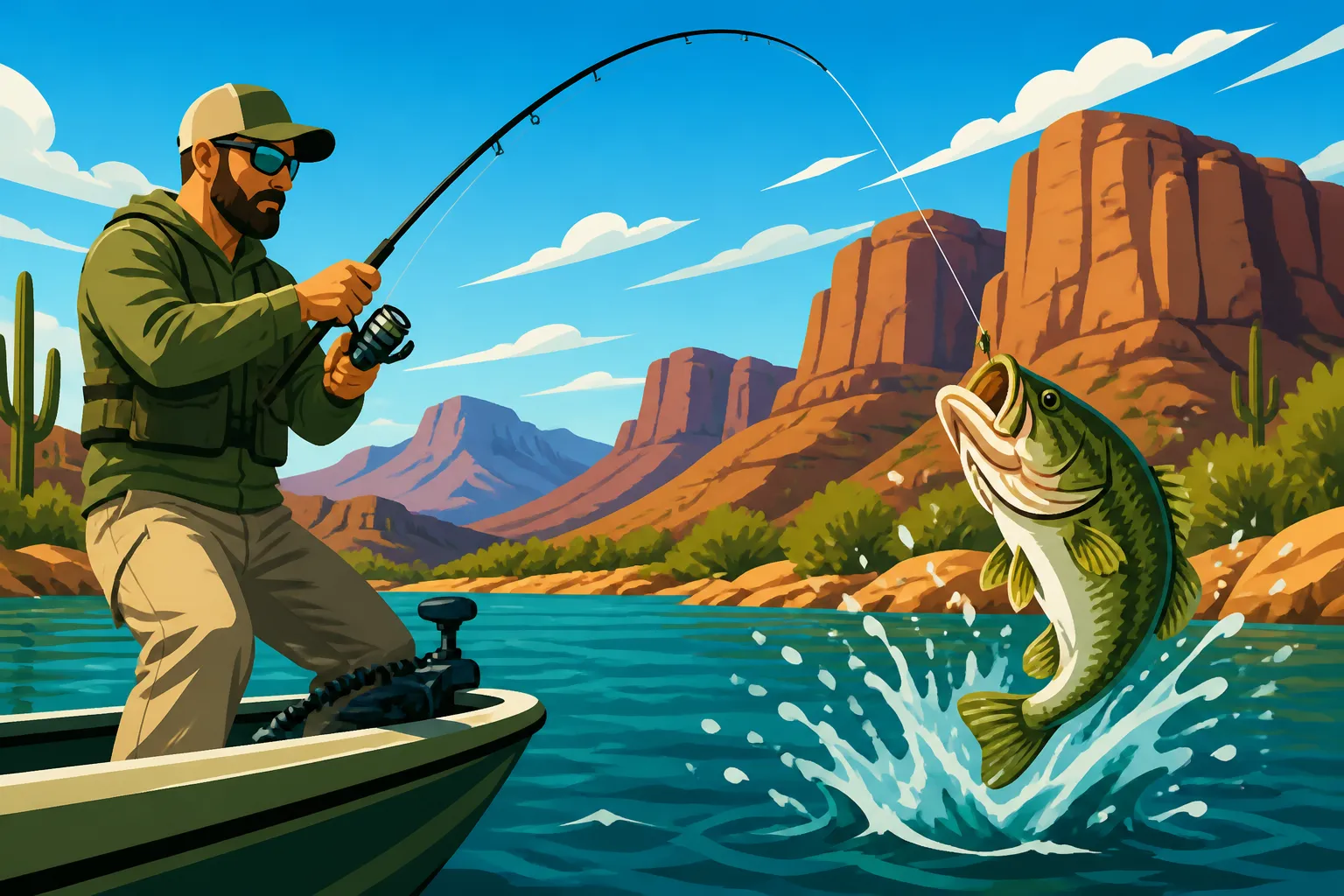
Canyon Lake isn't just another body of water; it's an experience. Carved into the rugged Tonto National Forest, its deep, clear waters are surrounded by towering red rock cliffs and saguaro-studded hills, creating a breathtaking backdrop that often distracts from the excellent fishing below. This unique geology and deep canyon structure create a distinct environment that shapes how fish behave and how anglers approach their pursuit.
The Geology and Water Characteristics of Canyon Lake
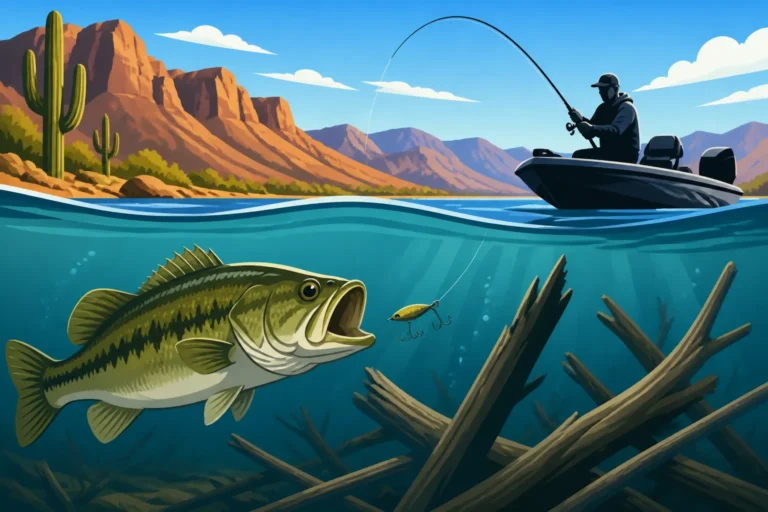
Unlike some of Arizona's more sprawling, shallow lakes, Canyon Lake boasts dramatic depth, plunging to over 130 feet in some areas. This depth, combined with its relatively cool, clear water, creates diverse habitats for a variety of fish species. The steep rock walls continue below the surface, forming ledges, drop-offs, and submerged structures that are prime holding areas for predatory fish. The water clarity can often be exceptional, especially away from major inflows, which means fish rely heavily on sight, and anglers need to adapt with lighter lines and more natural presentations.
Imagine casting a swimbait along a sheer rock face, watching it disappear into the azure depths, knowing a big largemouth could be lurking just out of sight, tucked against a ledge. The challenging terrain above water means many prime fishing spots are only accessible by boat, adding to the adventurous feel. This clear, deep water means understanding contour lines and using electronics effectively becomes crucial for success, especially when targeting deeper-holding species like crappie or winter bass.
Diverse Fish Species: What Swims in Canyon Lake
Canyon Lake is a vibrant ecosystem supporting a rich variety of sport fish, making it a fantastic multi-species destination. You're not just limited to one type of catch here; the lake offers something for everyone, whether you're chasing trophy bass or a cooler full of panfish.
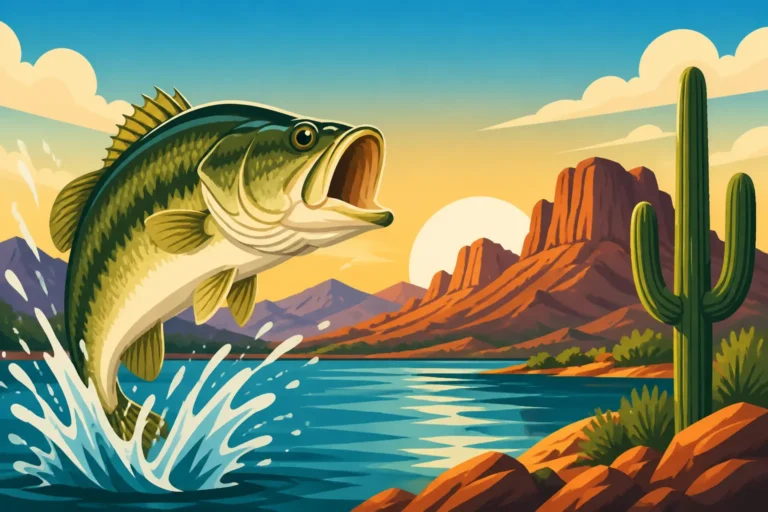
The main attractions for many anglers are the bass species. Canyon Lake is home to a robust population of both largemouth and smallmouth bass. The largemouth tend to prefer the coves and areas with more submerged brush and timber, while the smallmouth thrive in the rocky, deeper main lake points and canyon walls. You'll often find these smallmouth hugging the bottom, especially in the clear water, making techniques like drop-shotting incredibly effective. Beyond bass, crappie fishing can be phenomenal, especially during their spawning season in the spring when they move into shallower coves. During the hotter months, they often suspend in deep timber or along submerged structures, requiring a different approach.
Catfish are also abundant, with channel catfish being the most common, often found near the bottom in various depths, particularly in the evenings or after a good rain. Sunfish, including bluegill and redear sunfish, provide excellent light tackle action, especially for families and younger anglers. They are typically found in shallower, vegetated areas and around docks. Don't forget about the occasional yellow bass and carp, which can also be encountered. Understanding the different habits of these fish is key to a successful outing. For a deeper dive into the specific species you might encounter, check out our comprehensive Fish Species Guide for Arizona Lakes.
Prime Fishing Spots and Access at Canyon Lake
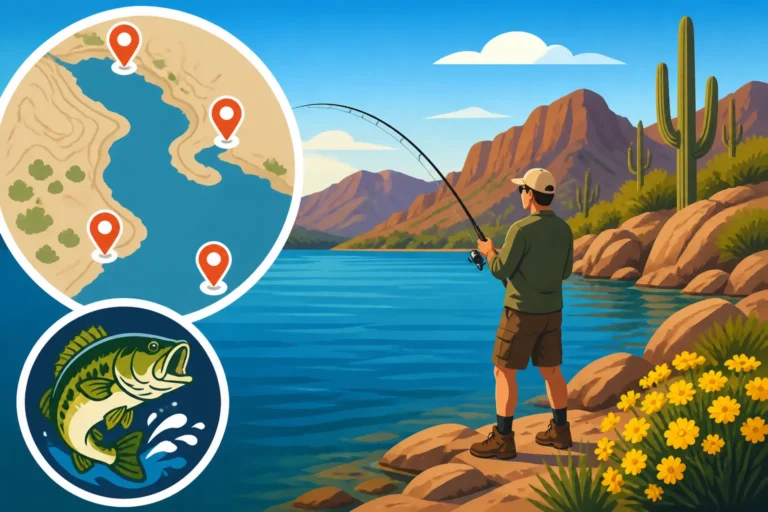
Canyon Lake's unique canyon geography means that certain areas are naturally more productive and accessible than others. Knowing where to go and how to get there is half the battle when planning your fishing adventure.
Popular Coves and Inlets
The lake features numerous coves and inlets that offer respite from the main channel's boat traffic and often hold concentrations of fish. These protected areas typically have varied depths, submerged brush, and rocky points, creating ideal ambush spots for bass and crappie.
- La Barge Cove: This is a fantastic area, especially during spring and fall. It’s known for good largemouth bass fishing, with plenty of submerged timber and brush piles. Crappie also frequent this cove, particularly when they move shallow to spawn. It's a great spot to explore with jigs, crankbaits, and soft plastics.
- The Narrows: As the name suggests, this section of the lake becomes very narrow with steep canyon walls. While it might look intimidating, the deep ledges and current can hold some impressive smallmouth bass. Vertically jigging or drop-shotting can be very effective here. It's also a scenic area to explore by kayak or smaller boat.
- Boulder Creek Cove: Offering a mix of rocky banks and some shallower areas, this cove is another reliable spot for bass. Look for areas where submerged rock piles meet deeper water. In the spring, the shallower back sections can warm up quickly, drawing in spawning fish.
- Fish Creek: While technically an inflow, the mouth of Fish Creek where it enters Canyon Lake is a known hotspot, especially during periods of flow. This area can concentrate baitfish and predatory species, making it a prime location for casting or trolling.
Shore Fishing and Public Access Points
While Canyon Lake is predominantly a boat-friendly lake due to its steep shoreline, there are still options for anglers who prefer to keep their feet on solid ground. These spots are often well-maintained and provide essential access.
- Dolly Steamboat / Canyon Lake Marina Area: Around the marina, there are some accessible spots for shore anglers, particularly near the docks or designated fishing areas. This can be a convenient option, especially for beginners or those just wanting to cast a line without launching a boat. You might find a mix of sunfish, catfish, and even some smaller bass here. Keep an eye out for specific signage regarding public fishing access.
- Developed Recreation Sites: Areas like the Palo Verde Recreation Site offer limited shore access in certain sections. These spots are often managed by the Tonto National Forest, and a Tonto Pass might be required for parking and access. Always check the latest regulations and specific access points before you go. For more details on accessing the lake's banks, refer to our guide on Shore Fishing Access Points at Canyon Lake.
- Camping Areas: Some of the designated camping sites, like Laguna Campground, can offer nearby shore fishing opportunities. While not always pristine fishing spots, they provide a convenient option for campers.
Boat Ramps and Rental Options
For serious anglers looking to explore the full potential of Canyon Lake, a boat is almost essential. Fortunately, there are facilities to get you on the water.
The primary access point for boats is the Canyon Lake Marina. This full-service marina offers multiple launch ramps, making it easy to get your boat into the water. Given the popularity of the lake, especially on weekends, arriving early is always a good idea to beat the rush. The marina also provides fuel, supplies, and sometimes even bait, making it a convenient hub for your fishing trip.
If you don't own a boat, don't fret! The Canyon Lake Marina often has boat rentals available, ranging from pontoon boats perfect for family outings to smaller fishing boats. It's always best to call ahead and reserve a rental, especially during peak season. For those seeking a guided experience, hiring a local fishing guide is an excellent way to navigate the lake's complexities and get on the fish quickly. Websites like FishingBooker can help you find experienced local guides who know Canyon Lake like the back of their hand, offering tailored trips for various species. They can provide all the gear and expertise needed for a successful day on the water, taking the guesswork out of your planning.
Best Techniques and Baits for Canyon Lake Fish
Fishing Canyon Lake successfully often means adapting your techniques to its unique deep, clear water environment and diverse fish species. What works on one Arizona lake might need a slight tweak here.
Mastering Bass Fishing: Largemouth and Smallmouth
Canyon Lake is a phenomenal bass fishery, holding both largemouth and smallmouth that can grow to impressive sizes. Targeting them requires a mix of shallow and deep water tactics.
- Largemouth Bass: These green machines love structure. In Canyon Lake, that means submerged timber, brush piles in coves, and rocky points with cover. During cooler months and early mornings, look for them shallower in coves, especially around visible cover. Topwater lures like poppers, walking baits, and frogs can be thrilling at dawn or dusk. As the sun climbs, switch to working deeper structure with Texas-rigged or Carolina-rigged soft plastics, jigs, and crankbaits that dive to match the depth of the cover. Fishing around the unique canyon ledges and points with a drop shot or a Ned rig can also be incredibly effective for finicky largemouth hiding in the clear water.
- Smallmouth Bass: Smallmouth are true canyon dwellers here. They gravitate towards rocky main lake points, sheer bluff walls, and deep ledges. These bronze battlers often hold much deeper than largemouth, especially during the day. Jigs, finesse worms on a drop shot, small swimbaits, and deep-diving crankbaits are go-to baits. Pay close attention to your fish finder to locate schools suspending near structure. When fishing for smallmouth, don't be afraid to experiment with brighter colors in deeper water, as the clarity allows light to penetrate further, and a flash of chartreuse or orange can sometimes trigger a strike. For more specific tactics, explore our Best Bass Fishing Techniques for Arizona Lakes guide.
Excelling at Crappie and Catfish
Beyond bass, Canyon Lake offers excellent opportunities for crappie and catfish, providing different types of action and table fare.
- Crappie: Canyon Lake crappie can be a bit more challenging due to the deep, clear water, but the rewards are huge. In the spring (typically March to May), they move into shallower coves to spawn, often congregating around submerged brush and trees. This is when small jigs (1/16 to 1/8 oz) tipped with a minnow or soft plastic are deadly, fished under a bobber or slowly retrieved. During summer and fall, crappie often suspend in open water over deep channels or relate to submerged timber and brush piles. Spider rigging with multiple rods, vertical jigging, or slow trolling with small crankbaits are effective strategies. Pay close attention to creek channels and deep humps.
- Catfish: Channel catfish are prevalent throughout Canyon Lake and offer consistent action, especially in the evenings and through the night. They are bottom feeders and are less picky about water clarity. Popular baits include prepared stink baits, chicken livers, hot dogs, and cut bait. You can fish these on a simple bottom rig with a sinker and a hook, casting them into coves or deeper channels. Flathead catfish are also present, though less common, and usually require live bait like bluegill or sunfish, fished in deeper, slow-moving sections. For an in-depth look at night fishing, check out our Catfish Night Fishing Techniques guide.
Panfish and Other Species
Don't overlook the panfish populations like bluegill and redear sunfish. They offer continuous action and are perfect for introducing kids to fishing.
- Panfish: These feisty little fish are found in shallower areas, especially around docks, submerged vegetation, and rocky shorelines. Small hooks (size 8-12) with tiny pieces of worms, mealworms, or crickets under a bobber will usually guarantee bites. Ultra-light spinning gear makes catching even small panfish a blast. They're often eager biters, making them ideal for a relaxing day of fishing.
- Yellow Bass and Carp: While not primary targets for most, yellow bass can provide unexpected action, especially if you stumble upon a schooling bite. They often hit small lures intended for other species. Carp are bottom feeders and can be caught using dough balls, corn, or worms. They offer a powerful fight on light tackle.
Navigating Canyon Lake: Boating and Safety Tips
Canyon Lake's dramatic scenery and deep waters make it a boater's paradise, but also present unique challenges. Safe and responsible boating is paramount for an enjoyable fishing trip.
Essential Boating Safety Practices
The sheer canyon walls and often-deep water of Canyon Lake mean that caution is always advised. Arizona boating regulations are in place to ensure everyone's safety.
- Life Jackets (PFDs): Always ensure everyone on board has a properly fitting U.S. Coast Guard-approved Personal Flotation Device (PFD). Children 12 years old and younger must wear a PFD at all times when underway on any vessel. Even strong swimmers should wear one, especially if you're alone or fishing in remote areas. Unexpected falls overboard can happen quickly. Our guide on PFD Requirements for Kids in Arizona has more detailed information.
- Navigation and Awareness: Canyon Lake has numerous coves, points, and deep channels. While generally clear, submerged hazards can exist, especially after heavy rains or fluctuating water levels. Always be aware of your surroundings, other boaters, and potential obstacles. Using a reliable depth finder and GPS is highly recommended. Speed limits and no-wake zones are enforced in specific areas, so pay attention to signage.
- Weather Monitoring: Arizona weather can change rapidly, especially during the monsoon season. Sudden strong winds can make navigating the open water choppy and dangerous. Keep an eye on the forecast and be prepared to head for sheltered coves or the marina if storms develop. Lightning is a serious hazard on the open water. Check out our Arizona Monsoon Season Fishing Guide for specific tips.
- Emergency Gear: Always carry essential safety gear: a fully charged cell phone, first-aid kit, whistle or air horn, paddle, bailing device, and a fire extinguisher (for motorized vessels). File a float plan with someone on shore, letting them know your itinerary and expected return time.
Kayak and Small Boat Considerations
Kayaks and smaller boats offer a fantastic way to access Canyon Lake's more intimate coves and narrow sections, but they come with their own set of considerations.
- Wind and Waves: While these smaller vessels can be incredibly agile, they are highly susceptible to wind and boat wakes. Canyon Lake can get surprisingly choppy, especially on windy afternoons or busy weekends. Plan your outings for calmer mornings or evenings. If you're going to venture into the main lake, ensure your kayak or small boat is stable and rated for such conditions. Consider a kayak anchor to hold your position in windy conditions.
- Paddling Distances: The lake is quite large, and paddling long distances can be exhausting. Plan your routes carefully and be mindful of your stamina, especially if paddling against the wind. Focus on specific coves or sections rather than trying to cover the entire lake. Kayak launch points are available at the marina and some recreation sites.
- Visibility: Due to their low profile, kayaks and smaller boats can be harder for larger vessels to spot. Consider adding a bright flag or light, especially if you'll be out during low light conditions. Wear bright clothing to increase your visibility.
- Weight Distribution: Proper weight distribution is crucial for stability in a kayak. Secure all your gear and keep your center of gravity low. For tips on managing your setup, you might find our guide on Best Kayak Fishing Accessories helpful. Remember, even though kayaks are small, Kayak Registration Rules in Arizona still apply if they are motorized or exceed certain lengths.
Boat Maintenance and Pre-Trip Checks
Before you even leave the driveway, a thorough check of your vessel can prevent headaches on the water.
- Engine and Fuel: Ensure your boat's engine is in good working order. Check fuel levels and carry extra if you plan a long day. Arizona lakes are remote, and running out of gas can quickly turn a fun day into a miserable one.
- Battery and Electronics: Verify your boat battery is fully charged, especially if you rely on a trolling motor or fish finder. Test all navigation lights, bilge pumps, and any other electrical systems.
- Trailer and Tires: Don't overlook your trailer. Check tire pressure, lug nuts, lights, and ensure your boat is securely strapped down. A breakdown on the highway is no fun.
- Cooling System: Ensure your engine's cooling system is functioning properly, as overheating is a common issue in Arizona's hot climate.
- Drain Plugs: This sounds basic, but forgetting to put in your drain plug before launching is a rite of passage for many boaters! Double-check it before backing down the ramp.
Seasonal Fishing Strategies for Canyon Lake
Fishing success on Canyon Lake often hinges on understanding how the seasons impact fish behavior. Arizona's climate means fish respond dramatically to changes in water temperature and daylight.
Spring: The Spawning Frenzy
Spring is arguably one of the most exciting times to fish Canyon Lake, as many species become highly active and move into shallower water for their spawning rituals.
As water temperatures begin to climb into the 50s and 60s Fahrenheit (10-20°C), largemouth and smallmouth bass move from their deeper winter haunts towards rocky banks, points, and protected coves. This is when sight fishing for bedding bass can be effective, though many anglers prefer to target pre-spawn and post-spawn fish that are actively feeding. Crankbaits, spinnerbaits, and jigs are excellent choices for aggressively feeding bass. As they move onto beds, soft plastics like creature baits and Senkos become highly effective. For crappie, spring is prime time. Look for them in the backs of coves around submerged brush, timber, and rocky areas in 5-15 feet of water. Small jigs (1/16 oz) tipped with minnows or soft plastics are deadly. Focus your efforts in areas like La Barge Cove or the many smaller inlets. This season is typically when you'll find the most consistent action. To really hone your strategy, consider our Spring Bass Fishing Tactics in Arizona guide.
Summer: Dealing with the Heat
Arizona summers mean intense heat, and Canyon Lake is no exception. However, with the right approach, summer fishing can still be highly productive, especially for larger fish.
As surface temperatures soar into the 80s and 90s Fahrenheit (27-38°C), fish move deeper to find cooler, more oxygenated water. Early mornings and late evenings, or even night fishing, become the most productive times. For bass, target deep structure: ledges, drop-offs, submerged humps, and standing timber in 20-50 feet of water. Deep-diving crankbaits, jigs, football jigs, and heavy Texas-rigged plastics are essential. Look for fish suspending over bait balls in open water. Striped bass (if present, though Canyon is not a primary striper lake) or yellow bass might be found schooling and feeding on shad. Catfish become very active at night, feeding on the bottom in coves and deeper channels with cut bait or stink bait. Crappie will also suspend deep, often in large schools around deep timber or under brush piles in 20-40 feet of water. Vertically jigging small spoons or drop-shotting small crappie jigs can be effective. Remember to stay hydrated and take plenty of breaks in the shade during the intense daytime heat; check out our Heat Safety Tips for Summer Fishing in Arizona before you go.
Fall: Transition and Feeding
Fall brings a welcome cool-down and a renewed surge of feeding activity as fish prepare for winter. This is another fantastic season for Canyon Lake anglers.
As water temperatures gradually drop from their summer highs, fish begin to move back shallower, feeding aggressively on baitfish. Bass can be found in a wider range of depths, from shallow coves to main lake points. Topwater action can return in the mornings, followed by a strong crankbait and spinnerbait bite through the day. Jerkbaits also become highly effective as baitfish migrations begin. Crappie will often move to transitional depths, relating to brush piles and cover on creek channels and points. They can be found shallower than in summer but deeper than in spring. Catfish continue to be active, especially in the evenings. The consistent temperatures and increased feeding activity make fall a very rewarding season.
Winter: Deep and Slow
Winter fishing on Canyon Lake demands patience and a slow, methodical approach, but it can yield some of the biggest fish of the year.
With cold water temperatures, fish activity slows down significantly. They generally hold in deep water, often near significant structure like deep points, ledges, or submerged timber in 30-60+ feet. Bass will often school tightly. Finesse techniques are key: slow-rolling jigs, drop-shotting small worms, Ned rigs, and subtle shaky heads. Blade baits and spoons can also be effective when dropped directly onto deep schools. Crappie will also be found in deep, tight schools, often suspending in deep timber or along channel breaks. Look for them with your fish finder and use vertical jigging with small jigs or spoons. Winter catfish can be a bit more sluggish but will still respond to cut bait fished slowly on the bottom in deeper holes. Don't expect fast action, but the fish you do catch can be exceptional. Many anglers find our guide on Winter Bass Fishing Tactics in Arizona invaluable for this season.
Essential Gear and Local Regulations for Canyon Lake
Being prepared with the right equipment and understanding the local rules are crucial for a successful and legal fishing trip to Canyon Lake.
Recommended Fishing Gear
Having the right tackle for Canyon Lake's diverse species and deep, clear water will make a world of difference.
- Rods and Reels: For bass, a medium-heavy spinning or baitcasting combo (6'6" to 7'6") is versatile enough for most techniques. For finesse fishing for smallmouth, a medium-light to medium action spinning rod is ideal. For crappie, a lightweight, sensitive spinning rod (5'6" to 7'0") with a fast action is perfect for detecting subtle bites. Catfish anglers will want a heavier, more durable rod and reel combo capable of handling bigger fish. For a detailed breakdown, see our suggestions for Best Fishing Rods for Bass in Arizona.
- Line: Given Canyon Lake's clear water, fluorocarbon line is often preferred for its low visibility and sensitivity, especially for bass and crappie. Use 8-15 lb test for bass and 4-8 lb test for crappie. Braided line can be used as a main line with a fluorocarbon leader for added strength and sensitivity, particularly when fishing deep structure. For catfish, a heavier monofilament or braided line (15-30 lb test) is appropriate.
- Lures and Baits:
- Bass: Jigs (football jigs, casting jigs), soft plastics (worms, creature baits, Senkos, swimbaits), crankbaits (deep divers, medium divers), spinnerbaits, topwater lures (poppers, walking baits), jerkbaits. Colors often lean towards natural greens, browns, and shad imitations, but don't shy away from chartreuse or blue for deeper smallmouth.
- Crappie: Small jigs (1/32 to 1/8 oz) with soft plastic bodies (grubs, tubes), live minnows, small spoons, tiny crankbaits. White, chartreuse, and clear with glitter are popular colors.
- Catfish: Prepared stink baits, chicken livers, hot dogs, cut bait (like shad or carp), live worms.
- Panfish: Worms, mealworms, crickets, tiny jigs.
- Electronics: A good fish finder with down imaging or side imaging can be invaluable for locating deep structure, schools of baitfish, and holding fish in Canyon Lake's deep waters. GPS capabilities help navigate and mark productive spots.
- Other Essentials: Pliers, fishing net, cooler with ice, plenty of water, sunscreen, hat, polarized sunglasses, first-aid kit, and a trash bag (pack it in, pack it out!). A good fishing backpack can help keep your gear organized for shore fishing.
Arizona Fishing Regulations and Licenses
Before you even cast a line, ensure you are compliant with all Arizona Game and Fish Department (AZGFD) regulations. This is a critical step for any angler.
- Fishing License: Every angler 10 years of age and older needs a valid Arizona fishing license. Non-residents can purchase short-term or annual licenses. You can easily purchase these online through the AZGFD website, at authorized dealers like Walmart or sporting goods stores, or even at some marinas. For a full breakdown of requirements, consult our Arizona Fishing License Guide.
- Trout Stamp: While Canyon Lake is not primarily a trout fishery, if you plan to fish for trout in any designated trout waters in Arizona, a separate trout stamp is often required in addition to your general fishing license. Always double-check if your target waters or incidental catches require this stamp. Our Trout Stamp Requirements in Arizona guide has more information.
- Bag and Possession Limits: Be aware of the specific bag and possession limits for each species you target. These limits can vary by lake and season. For example, bass often have minimum size limits and daily creel limits. Crappie usually have higher daily limits. Always refer to the current Arizona Fishing Regulations booklet, available online or at license dealers, to avoid violations. You can find detailed explanations in our Fishing Bag and Possession Limits Explained article.
- Catch and Release: Many anglers at Canyon Lake practice catch and release for bass, especially larger specimens, to help sustain the fishery. If you plan to release fish, handle them gently with wet hands, minimize their time out of water, and use appropriate tools like de-hookers.
- Live Bait Rules: Arizona has specific rules regarding the use of live bait, including what species are legal to use and where they can be obtained. It's crucial to understand these rules to prevent the spread of invasive species. For example, some baitfish are prohibited in certain waters. Read up on Live Bait Rules for Arizona Lakes before your trip.
- Tonto Pass: As Canyon Lake is within the Tonto National Forest, a Tonto Pass (or equivalent interagency pass) is often required for parking and accessing developed recreation sites like boat ramps, picnic areas, and some shore fishing spots. These passes can be purchased at local convenience stores, sporting goods retailers, or at automated kiosks near the lake.
Taking the time to understand and adhere to these regulations not only ensures a responsible and legal fishing experience but also helps preserve Canyon Lake's incredible fishery for future generations. For up-to-date information, always consult the Arizona Game and Fish Department website directly.
| Species | Best Baits / Lures (General) | Primary Habitat (Canyon Lake) | Season Peak |
|---|---|---|---|
| Largemouth Bass | Jigs, Soft Plastics, Crankbaits, Spinnerbaits | Submerged timber, coves, rocky points | Spring, Fall |
| Smallmouth Bass | Drop Shot, Jigs, Finesse Worms, Small Swimbaits | Rocky main lake points, bluff walls, deep ledges | Spring, Fall, Winter |
| Black Crappie | Small Jigs, Minnows, Small Spoons | Submerged brush, deep timber, creek channels | Spring (shallow), Summer/Winter (deep) |
| Channel Catfish | Stink Bait, Chicken Liver, Cut Bait | Bottom of coves, deep channels, mud flats | Summer, Fall (Night) |
| Sunfish (Bluegill) | Worms, Mealworms, Crickets, Tiny Jigs | Shallow coves, docks, submerged vegetation | Spring, Summer |
Disclaimer
Please remember that fishing conditions, regulations, and fish behavior can change. Always consult the official Arizona Game and Fish Department regulations prior to your trip for the most current information. Safety should always be your top priority when enjoying the outdoors.