Bowfishing License Requirements in Arizona
It can be incredibly confusing to figure out which specific permits you need for specialized fishing activities, especially when you're trying to enjoy a unique sport like bowfishing in Arizona. Many anglers wonder if they need a special, separate license just for bowfishing, on top of their standard fishing license. This comprehensive guide will walk you through the precise license requirements, regulations, and best practices for bowfishing in the Grand Canyon State, ensuring you're fully prepared and compliant before you head out.
Understanding Arizona's General Fishing License Requirements
Before we dive into the specifics of bowfishing, it's crucial to understand the foundational requirement: a general Arizona fishing license. Think of this as your entry ticket to nearly all fishing activities in the state. Without it, you’re not just breaking the rules; you’re missing out on the joy of legal angling.
The Foundation for All Angling
For the vast majority of angling activities in Arizona, whether you’re casting a line with traditional rod and reel, fly fishing a mountain stream, or even practicing catch and release at a community lake, a valid general fishing license is your absolute must-have. This license is issued by the Arizona Game and Fish Department (AZGFD) and helps fund critical conservation efforts, fish stocking programs, and habitat management across the state. It’s more than just a piece of paper; it’s your contribution to keeping Arizona’s fisheries healthy and thriving for everyone. Anglers often get tripped up trying to decipher all the nuances, but at its heart, the system aims to be straightforward: if you’re fishing, you generally need a license. For a deeper dive into the overall regulations, check out our guide on Arizona Fishing Regulations Explained.
Who Needs a General Fishing License
Generally speaking, anyone 10 years of age or older needs an Arizona fishing license to fish in the state’s public waters. There are some specific exemptions, such as fishing on a designated "Free Fishing Day" or certain private waters, but these are exceptions, not the rule. If you're a resident, you'll find different pricing compared to non-residents, and there are often options for annual licenses, short-term licenses, and even combination hunt and fish licenses. Even if you're just accompanying someone and helping them net a fish, if you're actively participating in the act of fishing, you'll need your own license. It's always best to be on the safe side and assume you need one rather than risk a citation. You can learn more about Arizona Fishing License Age Requirements in Arizona to be absolutely certain for all members of your fishing party.
Where to Purchase Your License
Getting your Arizona fishing license is fortunately quite straightforward these days. The easiest and most convenient method is often through the Arizona Game and Fish Department’s official website. You can purchase and print your license from the comfort of your home, or even display it digitally on your smartphone, which is incredibly handy when you're already out on the water. Alternatively, you can visit one of the many authorized license dealers located across the state. These often include sporting goods stores, bait shops, and even some general stores in fishing communities. When you're ready to buy, our How to Buy an Arizona Fishing License guide offers step-by-step instructions. While you might find fishing gear on platforms like Amazon, remember that official AZGFD channels are where you'll get your actual license. It's always a good idea to confirm business hours for in-person purchases, especially if you're heading out early in the morning for your fishing trip.
Specific Bowfishing Regulations and Permits in Arizona
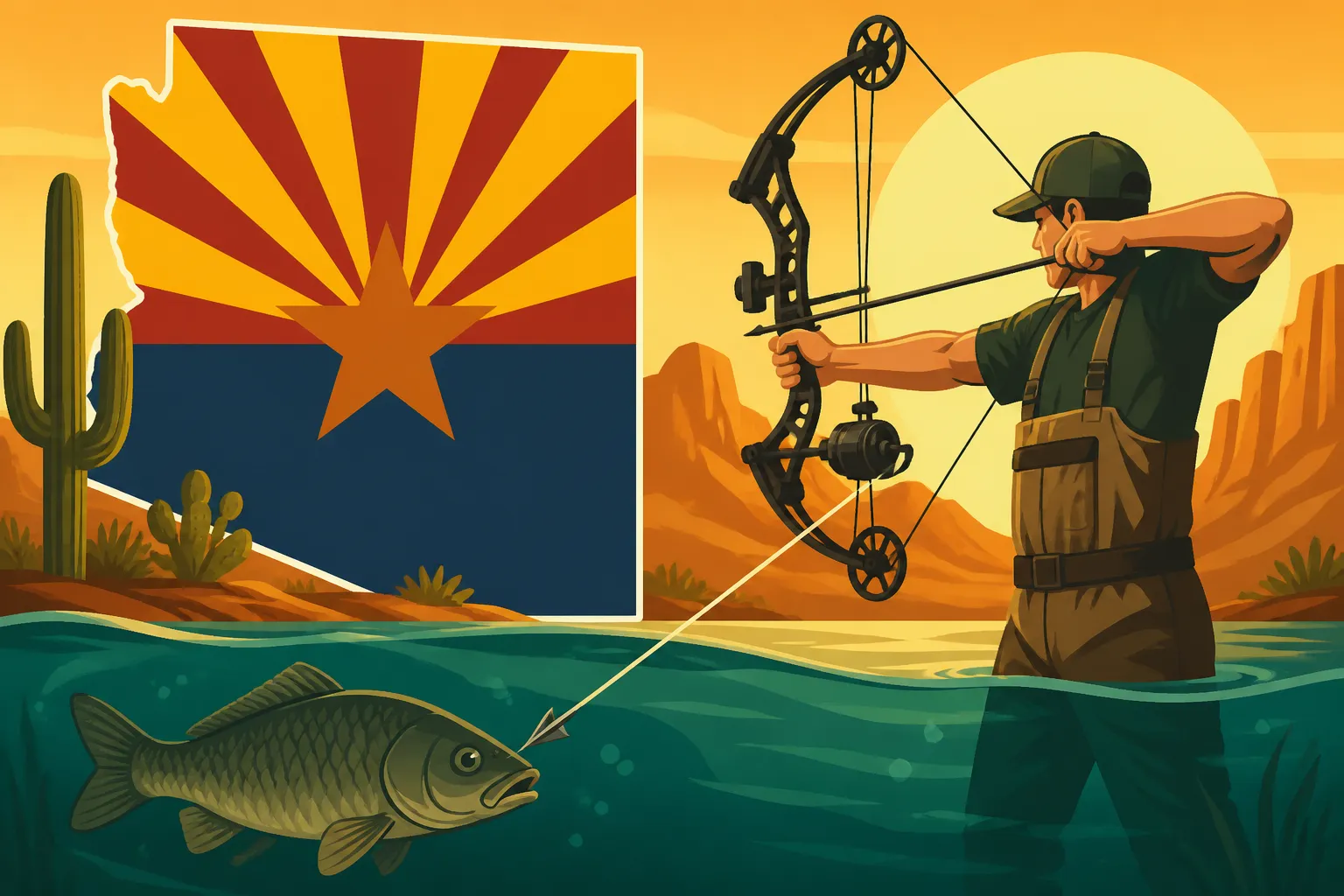
Now, let's get to the heart of the matter for you bowfishing enthusiasts. The good news is, Arizona generally doesn't require a separate, specific bowfishing license in addition to your general fishing license. However, this doesn't mean it's a free-for-all. Bowfishing falls under the umbrella of sport fishing, but it comes with its own set of rules regarding species, locations, and methods that are critical to follow.
Is a Separate Bowfishing License Required?
As of the current regulations, no, you do not need a distinct "bowfishing license" in Arizona. Your valid general Arizona fishing license is what authorizes you to participate in bowfishing activities. This is a common point of confusion for new bowfishers, who might assume that because it’s a specialized method, it requires specialized paperwork. Instead, the AZGFD integrates bowfishing into the broader fishing regulations, primarily by specifying what you can legally shoot and where. So, as long as you have your current Arizona fishing license, you're set from the permit perspective. Keep in mind that for any multi-state waters, such as portions of the Colorado River, you might need a special stamp or license endorsement for the adjacent state as well. Make sure you understand Out-of-State Angler Rules in Arizona if you plan to fish border waters.
Legal Species for Bowfishing in Arizona
This is where bowfishing gets specific and where careful attention to regulations is paramount. Bowfishing in Arizona is primarily, and almost exclusively, permitted for non-game fish species and aquatic invasive species. This is a crucial distinction, as targeting sport fish (like bass, trout, or catfish) with a bow and arrow is generally illegal. The focus on non-game and invasive species is largely a management tool, helping to control populations that can outcompete native or desirable sport fish.
Common legal species for bowfishing in Arizona include:
- Carp (Common Carp, Grass Carp, Bighead Carp, Silver Carp): These are often the primary target for bowfishers due to their large size, abundance, and status as non-native, invasive species in many Arizona waters. Grass Carp, in particular, are stocked in some waters for vegetation control, and permits might be needed to harvest them in specific areas, so always check local rules.
- Tilapia: Another prevalent invasive species in many warmer Arizona lakes and canals.
- Suckers: Various species of suckers are considered non-game fish.
- Buffalo Fish (Smallmouth Buffalo, Bigmouth Buffalo): While less common than carp, they are also targetable non-game species.
- Goldfish: Often found in urban community ponds and can be targeted.
It is absolutely vital to correctly identify your target before taking a shot. Mistaking a protected or sport fish for an invasive species can lead to significant fines and penalties. Always consult the latest Arizona Game and Fish Department fishing regulations booklet for a complete and up-to-date list of legal bowfishing species. This booklet is available on the AZGFD website and from license dealers. This guide is a great resource to learn about Fish Species Guide for Arizona Lakes.
Areas Where Bowfishing is Permitted or Prohibited
Just like species, not all waters are open to bowfishing. While many lakes and larger rivers permit bowfishing for legal species, specific restrictions often apply, especially in smaller urban lakes, designated trout waters, or areas with sensitive native fish populations.
General guidelines:
- Public Lakes and Reservoirs: Many of Arizona's larger lakes like Lake Pleasant, Roosevelt Lake, and the Colorado River system (Lake Havasu, Lake Mohave, etc.) are popular and generally permit bowfishing for non-game species.
- Canals: Many canal systems throughout the state also offer excellent bowfishing opportunities, particularly for carp and tilapia. Always be aware of private property boundaries and public access points.
- Urban Community Fishing Program Waters: Bowfishing is generally prohibited in waters designated as part of the Community Fishing Program. These waters are managed for rod and reel angling of stocked sport fish, and bowfishing would pose a risk to those populations and other anglers.
- Special Regulation Waters: Certain waters have unique rules to protect specific fish populations or habitats. Always check the regulations for any body of water you intend to bowfish.
- Proximity to Swimmers/Boaters: While not always explicitly prohibited by law, it is common sense and ethical practice to avoid bowfishing in areas heavily used by swimmers, boaters, or other anglers to ensure safety.
Always double-check the most current AZGFD fishing regulations for specific water bodies you plan to visit. Ignorance of the law is not an excuse, and a quick check can prevent a ruined trip or a costly fine. Pay particular attention to signage at boat ramps or access points, as these often highlight local rules.
Here's a quick reference table for legal bowfishing species and general location considerations:
| Species (Primary Targets) | Status in Arizona Waters | General Location Suitability | Important Considerations |
|---|---|---|---|
| Common Carp | Invasive / Non-game | Widespread in lakes, rivers, canals | Abundant, large, popular target. |
| Grass Carp | Invasive / Non-game | Found in many lakes and canals, sometimes stocked for vegetation control. | Verify local rules, especially in stocked waters. |
| Tilapia | Invasive / Non-game | Warmer desert lakes and canals, urban ponds. | Often found in shallow, warm areas. |
| Suckers (various) | Native / Non-game | Many rivers and lakes, check specific regulations. | Some native species may be protected; accurate identification is key. |
| Buffalo Fish | Invasive / Non-game | Larger lakes, some river systems. | Less common but excellent target when found. |
| All Sport Fish | Game Fish | Prohibited | Illegal to bowfish bass, trout, catfish, crappie, etc. |
| Protected Native Fish | Protected Species | Prohibited | Absolutely illegal to target. |
Essential Gear and Safety Considerations for Bowfishing
Getting into bowfishing is exciting, but it's not just about having a bow. You need specialized gear to ensure safety and success, and it’s critical to remember that safety on the water is paramount. Investing in the right equipment and understanding its proper use will make your experience much more enjoyable and productive. Many of these items can be found readily on platforms like Amazon, making it easy to assemble your kit.
Recommended Bowfishing Equipment
Unlike traditional archery, bowfishing requires specific modifications to your bow and arrows. Here’s a breakdown of the essentials:
- Bow: While you can convert a regular compound or recurve bow for bowfishing, many anglers prefer dedicated bowfishing bows. These are typically simpler, lighter, and designed for quick shots at close range. They often have lower draw weights, which are ideal for repetitive shooting and less precise aiming required for moving targets in water. Brands like AMS Bowfishing or Cajun Bowfishing offer excellent purpose-built options.
- Bowfishing Reel: This is perhaps the most distinctive piece of gear. It's mounted to your bow and holds strong, usually braided line. There are two main types:
- Drum Reels: Simple, manual reels where you pull the line off by hand. Great for beginners and less prone to mechanical issues.
- Spincast Reels: Modified fishing reels designed for bowfishing, offering easier line retrieval with a crank handle. Ensure it's a heavy-duty model, as standard fishing reels will quickly fail under the stress of retrieving fish.
- Bowfishing Arrow: These are heavy, solid fiberglass arrows designed to penetrate water and fish. They have a barbed tip (often removable or reversible) that grips the fish, preventing it from shaking free. Crucially, they lack fletching (feathers) as fletching would make them spin uncontrollably in the water. The arrow is tied directly to your reel line. You can find robust arrow options easily on Amazon.
- Arrow Rest: A specialized rest that fully encloses the arrow to prevent it from falling off the bow during awkward shots or while moving on a boat.
- Safety Slide: This small but vital piece attaches to your arrow and prevents the line from tangling in the bow, which can cause the arrow to snap back and injure the shooter. Always ensure your safety slide is correctly installed and functioning.
- Line: Typically heavy braided line, 80-200 lb test, chosen for its strength and durability against abrasion from fish scales and submerged obstacles.
- Polarized Sunglasses: Essential for seeing fish under the water's surface by cutting glare. They're a game-changer for spotting targets.
Safety First on the Water
Bowfishing, by its very nature, involves projectiles, sharp points, and often takes place on or near water. Prioritizing safety is non-negotiable.
- Know Your Target and Background: This is standard archery safety but even more critical in dynamic bowfishing environments. Ensure you can clearly identify your target and that there’s nothing behind or beyond it that could be struck by a missed arrow. This includes other people, boats, or structures. Remember, arrows can ricochet off the water or unseen objects.
- Line Management: Always ensure your bowfishing line is free and clear before every shot. A tangled line can lead to the arrow snapping back at the shooter, causing serious injury. The safety slide is critical here.
- Boat Safety: If you're bowfishing from a boat, ensure you have all required boating safety gear, including personal flotation devices (PFDs) for everyone on board, especially children. Check out our Boating Safety Gear Requirements in Arizona guide for a full rundown. Overloading the boat or standing in an unstable manner while shooting can lead to accidents.
- Night Bowfishing: Many species are more active at night, making it a popular time for bowfishing. If you're out after dark, you absolutely need proper lighting—both for navigating and for illuminating your targets. Headlamps, powerful boat-mounted spotlights, and navigational lights are crucial. Be extra vigilant about your surroundings and other water users.
- Hydration and Sun Protection: Arizona's sun is no joke, even in cooler months. Stay hydrated, wear protective clothing, a wide-brimmed hat, and plenty of sunscreen. You can find excellent sun protection gear, from UPF-rated clothing to durable coolers, on Amazon.
Protecting Arizona's Ecosystems
Responsible bowfishing extends beyond just following the rules; it means being a good steward of Arizona's natural resources.
- Dispose of Carcasses Properly: Fish taken via bowfishing, especially invasive species, should not be returned to the water, even if dead. They should be properly disposed of in trash receptacles or utilized for consumption (if desired and safe) or fertilizer. Never discard fish along the shoreline or back into the lake, as this can attract pests and negatively impact water quality.
- Prevent Invasive Species Spread: If you’re moving between different bodies of water, always clean, drain, and dry your boat, trailer, and all gear. Invasive species like quagga mussels can hitch a ride on even seemingly dry equipment and infest new waters, causing immense ecological and economic damage.
- Respect Private Property: Always be aware of property lines, especially when fishing canals or riverbanks. Obtain permission before accessing private land.
- Leave No Trace: Pack out everything you pack in. This includes spent water bottles, food wrappers, and any fishing line or broken gear. Keep Arizona beautiful for everyone.
Frequently Asked Questions About Arizona Bowfishing
It’s completely normal to have a ton of questions when you’re getting into a specific niche like bowfishing. Let’s tackle some of the most common queries we hear from folks looking to hit the water with their bow.
Can I Bowfish at Night?
Absolutely! Night bowfishing is not only permitted in Arizona but it's often preferred by many experienced bowfishers. Many non-game and invasive species, particularly carp and tilapia, become much more active and move into shallower water during the cooler nighttime hours. This makes them easier to spot and target. However, night bowfishing comes with enhanced safety considerations. As mentioned before, you'll need reliable illumination – bright spotlights on your boat or powerful headlamps – to navigate safely and clearly identify your targets and surroundings. Always be mindful of other potential water users, even at night, and ensure your boat has appropriate navigational lighting if you’re using one. Additionally, fishing regulations may specify times of day for certain types of fishing or in particular areas, so always check the specific rules for your chosen body of water.
What are the Bag Limits for Bowfishing?
This is fantastic news for bowfishers: generally, for the non-game and invasive species that are legal to take with a bow and arrow in Arizona, there are no bag or possession limits. This means if you're targeting common carp or tilapia, for instance, you can take as many as you can legally harvest. This approach is part of the Arizona Game and Fish Department's strategy to manage and reduce populations of these species, which can often outcompete native fish or degrade habitat. However, it's always, always a good idea to quickly review the latest regulations booklet before each trip, as rules can change, and specific water bodies might occasionally have unique restrictions. For game fish, of course, very strict bag and possession limits apply to traditional rod and reel angling, but these are not legal targets for bowfishing. If you're interested in traditional limits, refer to our guide on Fishing Bag and Possession Limits Explained.
Are There Any Specific Rules for Using a Boat?
Yes, when bowfishing from a boat in Arizona, all general state boating regulations apply. This isn't unique to bowfishing but is fundamental for any boater. This means:
- Boat Registration: Your boat must be properly registered with the Arizona Game and Fish Department, and display current registration decals.
- Personal Flotation Devices (PFDs): You must have a U.S. Coast Guard-approved PFD for every person on board, and children under 12 years old are required to wear a PFD when on a boat that is underway.
- Navigational Lights: If you are operating your boat between sunset and sunrise, or during periods of restricted visibility, you must display appropriate navigational lights. This is especially important for night bowfishing.
- Sound Producing Devices: You need to have a whistle, horn, or other sound-producing device on board.
- Fire Extinguisher: Depending on the size and type of your vessel, a fire extinguisher may be required.
- Safe Operation: Always operate your boat at a safe speed, maintain a proper lookout, and yield to other vessels as required by navigation rules. Do not operate under the influence of alcohol or drugs.
Bowfishing can involve standing, moving around, and making sudden movements to shoot. Ensure your boat is stable enough for these activities. Flat-bottom boats, johnboats, or pontoon boats are often favored by bowfishers for their stability and platform space, especially when rigged with elevated shooting decks and bright lights for night operations. Remember to also carry all your fishing licenses and other necessary documentation on board. If you're considering purchasing or using a boat specifically for fishing, it’s worth reading up on Best Boats for Arizona Lakes.
Disclaimer
The information provided in this guide is for general informational purposes only and is subject to change. It is your responsibility to review and comply with all current Arizona Game and Fish Department regulations and local ordinances before engaging in any fishing activities, including bowfishing. Always prioritize safety and environmental stewardship.