Minnow Bait Legality in Arizona
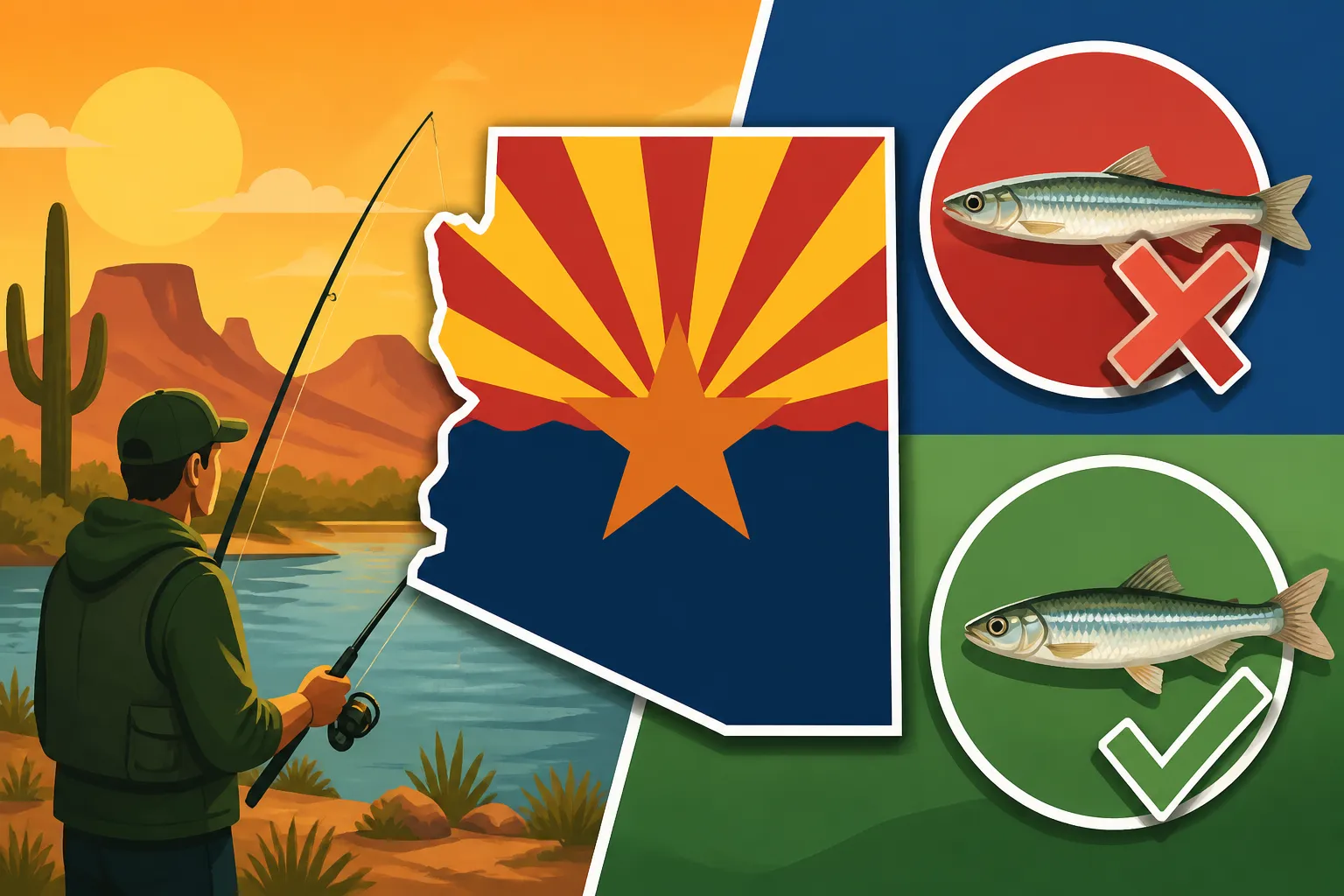
It can be incredibly confusing to figure out what kind of bait you're allowed to use in Arizona's diverse waters. You just want to enjoy a peaceful day of fishing, but the last thing anyone wants is to accidentally break a rule about live bait, especially something as common as minnows, and face an unexpected fine or legal trouble. This guide is here to untangle the complexities of minnow bait legality in Arizona, giving you clear answers and helping you understand where, when, and how you can legally use these popular baits.
Understanding Arizona's Live Bait Regulations for Anglers
Arizona's fishing regulations can feel like a labyrinth, especially when it comes to live bait. The state's waters are incredibly varied, ranging from high-mountain trout streams to scorching desert lakes and vast stretches of the Colorado River. Because of this diversity, what's perfectly fine to use in one location might be strictly forbidden just a few miles down the road. This isn't just about making things complicated; it's a critical effort by the Arizona Game and Fish Department (AZGFD) to protect delicate ecosystems and prevent the spread of diseases and invasive species that could devastate local fish populations.
The General Rule on Live Bait
When it comes to live bait, Arizona doesn't have a one-size-fits-all rule, which is often where the confusion begins for many anglers. The overarching principle is that using live baitfish can introduce non-native species or diseases into a water body, disrupting the ecological balance. Imagine accidentally introducing a species that outcompetes native fish for food, or a parasite that decimates an entire population – it’s a serious concern. Therefore, the general stance is often restrictive, requiring anglers to be highly aware of the specific rules for the body of water they intend to fish. Most state-managed waters, particularly those supporting trout or sensitive native fish, have stringent prohibitions against live baitfish. This is a fundamental concept covered in the comprehensive Arizona Fishing Regulations Explained guide.
Specifics for Minnow Bait
Now, let's talk about minnows specifically. In Arizona, "minnows" typically refer to small, non-game fish species like fathead minnows or golden shiners that are commonly sold in bait shops. The legality of using these minnows as bait hinges entirely on the specific body of water you're fishing.
For instance, in many of the larger warm-water reservoirs like Lake Pleasant, Roosevelt Lake, and Alamo Lake, you'll often find that live minnows are perfectly legal to use. These lakes are managed for species like largemouth bass, crappie, and catfish, which readily strike live minnows, and the introduction of common baitfish species is generally less of an ecological threat given the existing fish communities. However, the minnows must be "legally acquired," meaning they were either purchased from a licensed bait dealer or collected legally according to specific guidelines. You absolutely cannot catch minnows from one lake and transport them to another, as this is one of the primary ways diseases and undesirable species spread. It's a critical detail that often catches new anglers off guard.
Conversely, in waters designated as "trout waters" or those managed primarily for native species, live minnow bait is almost universally prohibited. This includes popular spots like Lees Ferry, most high-country lakes in the White Mountains, and numerous streams. The reason is simple: minnows could compete with or prey upon juvenile trout and native fish, or introduce pathogens that these sensitive populations have no immunity to. This distinction is vital for anyone planning a fishing trip, especially if you're targeting different species across the state.
Why These Rules Exist
The regulations surrounding live bait, including minnows, are rooted deeply in ecological conservation. The AZGFD isn't just trying to make your life harder; they're working diligently to protect Arizona's unique aquatic environments.
One major concern is the introduction of invasive species. If you catch minnows from a pond in your backyard and then use them in a pristine mountain lake, you risk introducing non-native organisms that could outcompete native fish for food, disrupt spawning habitats, or even become predators themselves. This can lead to a cascade of negative effects, potentially wiping out entire populations of sensitive native fish that are already struggling.
Another critical factor is disease transmission. Live baitfish, even those that appear healthy, can carry parasites or bacteria that are harmless to them but devastating to other fish species. Transporting bait from one water body to another, or even using commercially purchased bait in a restricted area, can unintentionally spread these pathogens. Imagine a disease breaking out in a trout fishery, costing the state millions in stocking efforts and impacting recreational opportunities for years. It's a nightmare scenario that these rules are designed to prevent. This focus on disease and ecosystem health is a key component of Native Fish Protection Rules in Arizona.
Navigating Restricted Waters and Species with Minnow Bait
Knowing the general rules is one thing, but pinpointing exactly where minnows are off-limits can be tricky without the proper resources. Arizona's diverse landscapes mean a patchwork of regulations, making it essential for anglers to do their homework before heading out.
Waters Where Minnows Are Prohibited
To reiterate, if you're planning to fish in waters specifically managed for trout, native fish, or those with special designations, assume live minnow bait is prohibited unless explicitly stated otherwise in the official regulations. Here are some examples of areas where you'll almost certainly need to leave the minnows at home:
- Trout Streams and High-Country Lakes: Think about places like the White Mountains or the streams that feed into them. Waters like Big Lake, Crescent Lake, and many stretches of the Rim Country streams are primarily managed for various trout species. The delicate balance of these ecosystems means live baitfish are generally not allowed. Using minnows in these areas could introduce species that compete with or prey on juvenile trout, or spread diseases.
- Lee's Ferry: This world-renowned trout fishery on the Colorado River below Glen Canyon Dam is a prime example. Only artificial lures and flies with single, barbless hooks are permitted. Live bait of any kind, including minnows, is strictly forbidden to protect this trophy trout population and its unique environment.
- Native Fish Conservation Areas: Arizona has many waters, particularly stretches of the Verde River, Salt River, and various smaller tributaries, that are critical habitats for endangered or threatened native fish species like the Gila topminnow, loach minnow, or spikedace. To prevent competition, predation, or disease transmission, live baitfish are almost always prohibited in these sensitive areas.
- Special Regulation Waters: The AZGFD identifies certain "Special Regulation Waters" in its annual fishing regulations booklet. These often have unique rules that supersede general statewide guidelines, and many of these special areas will restrict or completely ban live baitfish. It's crucial to consult the current year's booklet for specific details on these locations, as these rules are rigorously enforced. For a deeper dive into these unique locations, you can refer to Special Regulation Waters in Arizona.
Protecting Native Fish and Preventing Disease
The restrictions on minnow bait, particularly in certain water bodies, are a direct measure to protect Arizona's native aquatic biodiversity and prevent widespread ecological damage. The state is home to a number of unique native fish species, many of which are federally protected or considered species of greatest conservation need. These fish have evolved over millennia to thrive in Arizona's specific and often harsh environments.
Introducing non-native baitfish can lead to several problems:
- Competition for Resources: Non-native minnows might compete with native fish for food (like aquatic insects and algae) and habitat, putting additional stress on already vulnerable populations.
- Predation: Even small minnows can prey on the eggs or fry of native species, severely impacting their reproductive success.
- Hybridization: In some cases, closely related non-native species can hybridize with native fish, leading to a loss of genetic purity and weakening the native stock.
- Disease Vectors: As mentioned before, commercially available or wild-caught minnows can carry diseases and parasites that native species have no natural resistance to, potentially causing devastating outbreaks.
These regulations are not just about protecting a specific species; they're about safeguarding the entire aquatic ecosystem and ensuring that future generations can enjoy the unique natural heritage of Arizona's waterways. Understanding these ecological reasons can make compliance feel less like a burden and more like a responsible contribution to conservation.
The Importance of the Arizona Fishing Regulations Booklet
Given the intricate and often localized nature of bait regulations, the single most important resource an Arizona angler can possess is the current year's Arizona Game and Fish Department Fishing Regulations booklet. This isn't just a suggestion; it's a necessity. This comprehensive guide, updated annually, details all the specific rules for every major body of water in the state.
Inside, you'll find:
- Statewide Regulations: General rules that apply across the board.
- Regional Rules: Specific regulations broken down by regions (e.g., Colorado River, Central Arizona, White Mountains).
- Lake-Specific Rules: Detailed allowances and prohibitions for individual lakes, rivers, and streams, which will clearly state whether live minnows or other baitfish are permitted.
- Definitions: Clear explanations of terms like "live baitfish," "chumming," and "artificial lure" to avoid misinterpretation.
- Updates and Changes: Important notices about any new regulations or modifications from the previous year.
You can usually pick up a physical copy of this booklet at most AZGFD offices, bait and tackle shops, and often at retailers like Walmart or Bass Pro Shops that sell fishing licenses. An electronic version is also readily available on the AZGFD website. Before every fishing trip, even to a familiar spot, it's wise to quickly review the regulations for that specific water body. Rules can and do change, and ignorance of the law is not an excuse for a violation. This booklet is your ultimate guide for understanding Arizona Fishing Regulations Explained.
Sourcing and Using Legal Minnow Bait
So, you've checked the regulations, and you're headed to a lake where live minnows are perfectly legal. Great! But the journey to legal and effective minnow fishing doesn't end there. How you source, handle, and ultimately use your bait is just as important as knowing where you can use it.
Where to Acquire Legal Minnows
The safest and most common way to acquire legal minnows in Arizona is by purchasing them from a licensed bait dealer. These dealers, which often include local tackle shops and larger retailers, obtain their baitfish from approved sources and are typically knowledgeable about local regulations. When you buy minnows from a reputable dealer, you're usually getting species like fathead minnows or golden shiners, which are commonly allowed where live baitfish are permitted. This helps minimize the risk of disease transfer or introducing a truly invasive species.
You might also consider checking if the bait is labeled or certified "disease-free" by the supplier, especially if you're buying a larger quantity. Always ask the bait shop staff if they are aware of any specific local restrictions for the lake you plan to visit. Many times, they'll have the most current information. You can often find licensed bait dealers through the AZGFD website or by simply searching online for "bait shops near [your fishing destination]."
Can you collect your own minnows? Generally, no, not for use as bait in other waters. The state has very strict rules about collecting and transporting live baitfish from one water body to another. This is to prevent the spread of aquatic invasive species and diseases. While some specific regulations might allow for collecting non-game fish for bait within the same water body you intend to fish, it's usually highly restricted and requires careful study of the regulations. For the vast majority of anglers, purchasing from a licensed dealer is the only legal and responsible way to acquire live minnows for bait in Arizona.
Proper Handling and Transport
Once you've got your legal minnows, proper handling and transport are crucial, not only for their legality but for their effectiveness. Live, healthy bait is almost always more attractive to fish than sluggish or dead ones.
Here are some tips for handling and transporting minnows:
- Aeration is Key: Minnows need oxygen to survive. Invest in a good bait bucket with an aerator. Battery-powered aerators are readily available and essential for keeping your minnows lively, especially in Arizona's heat. You can find reliable, inexpensive options on places like Amazon.
- Keep Water Cool: Arizona's temperatures, particularly during spring, summer, and fall, can quickly turn a bait bucket into a death trap for minnows. Use insulated bait buckets and consider adding frozen water bottles or small ice packs (don't add loose ice directly, as tap water chemicals or chlorine can harm fish) to keep the water temperature down. A cooler with an aerator insert works wonders.
- Don't Overcrowd: Too many minnows in a small container will quickly deplete oxygen and stress the fish. Give them plenty of space.
- Avoid Contamination: Don't mix bait from different sources or use water from a fishing lake to replenish your bait bucket unless you're absolutely certain it's allowed and safe. This goes back to preventing disease and invasive species.
- Dispose Responsibly: Never release leftover live minnows into any body of water, even if you caught them there. This is a critical rule to prevent the establishment of non-native populations or the spread of disease. Dispose of unwanted bait on land, far from the water's edge.
Following these practices ensures your bait stays lively and legal throughout your fishing trip, increasing your chances of success while upholding conservation principles.
Alternatives to Live Minnows
If you find yourself in a water body where live minnows are prohibited, or if you simply prefer other methods, there are fantastic alternatives that can be just as effective, if not more so, depending on the conditions and target species.
- Artificial Lures: Modern artificial lures are incredibly realistic and effective. Soft plastic swimbaits, jerkbaits, crankbaits, and even metal spoons can perfectly mimic injured or fleeing minnows. Brands like Rapala, Berkley, and Yamamoto offer a vast array of minnow-imitating lures that are deadly for bass, crappie, and even some aggressive trout. Many anglers prefer the challenge and versatility of artificial lures. For those looking for the best options, Best Baits and Lures for Arizona Fishing offers a wealth of information.
- Other Legal Live Baits: Depending on the water and specific regulations, other live baits might be permitted. Worms (like nightcrawlers or mealworms) are often a universal staple and legal in many places where minnows are not. Crickets and grasshoppers can be excellent for panfish and trout. Always check the regulations for the specific water you are fishing to confirm what live baits are allowed.
- Cut Bait: For species like catfish, cut bait (pieces of legal fish, often shad or carp) can be incredibly effective. While not "live" minnows, using parts of legal fish can tap into the same scent and visual cues that attract predators.
- Prepared Baits: Commercial dough baits, powerbaits (especially popular for stocked trout), and stink baits are also viable options for various species and are generally allowed in most waters where live bait restrictions apply to fish only.
Experimenting with these alternatives can broaden your fishing horizons and make you a more versatile angler, ensuring you're never left without a legal and effective option, no matter where your Arizona fishing adventures take you. For a beginner-friendly approach to versatile tackle, consider setting up an Essential Tackle Box Setup for Arizona Beginners.
Penalties and Compliance with Bait Regulations
Nobody wants a fishing trip to end with a citation or a legal headache. Understanding the potential consequences of violating bait regulations and knowing how to stay compliant is paramount for every angler in Arizona. It’s not just about avoiding a fine; it’s about being a responsible steward of our natural resources.
Consequences of Illegal Bait Use
Fishing without adherence to bait regulations, specifically the use of illegal minnow bait, is considered a violation of Arizona Game and Fish Department rules and state law. The penalties can range from a simple warning (rare, especially for repeat offenses or egregious violations) to significant fines and even more serious repercussions.
- Fines: Expect a monetary fine. These can vary widely depending on the severity of the offense, the specific location, and whether native or endangered species were potentially threatened. Fines often start in the hundreds of dollars and can escalate.
- Seizure of Equipment: In some cases, game wardens have the authority to seize your fishing equipment, including rods, reels, and bait buckets used in the violation.
- License Revocation or Suspension: For more serious or repeated offenses, your Arizona fishing license could be suspended or even revoked. This means you might be prohibited from fishing in Arizona for a specific period, or permanently in severe instances. Imagine losing your right to fish in the state you love, all over a bait choice.
- Criminal Charges: While less common for simple bait violations, introducing invasive species or causing significant ecological damage through illegal bait use could potentially lead to more severe criminal charges, especially if intent or gross negligence is proven.
The Arizona Game and Fish Department is dedicated to protecting the state's wildlife and fisheries. Their game wardens are highly trained professionals who know the regulations inside and out. It’s far better to err on the side of caution and ensure full compliance than to risk facing these unpleasant consequences. More details on the severity of these penalties can be found in Fishing Violation Fines and Penalties in Arizona.
Staying Informed About Regulations
Arizona's fishing regulations, while generally stable, can undergo changes. New scientific data, conservation efforts, or shifts in fish stocking programs can lead to updates in bait rules for specific waters. Therefore, it's crucial for anglers to proactively stay informed.
Here’s how you can keep up-to-date:
- Annual Regulations Booklet: As previously emphasized, always consult the most current Arizona Game and Fish Department Fishing Regulations booklet. It’s updated every year, usually around January 1st, and is the definitive source for all rules. Read it cover to cover, especially the sections pertaining to the waters you plan to visit.
- AZGFD Website and Social Media: The AZGFD website is an invaluable resource, often publishing news releases and alerts regarding regulation changes, fish stockings, or specific concerns in various water bodies. Following their social media channels can also provide real-time updates and important advisories.
- Local Bait and Tackle Shops: These local businesses are often the first to know about regulation changes, especially those impacting local fisheries. Don't hesitate to ask questions when you purchase your gear or bait.
- Signage at Access Points: Many lakes, rivers, and boat ramps have informational signage detailing specific regulations for that area. Always take a moment to read these signs before you start fishing.
- Fellow Anglers: While not an official source, experienced local anglers can often share practical knowledge and alert you to recent changes, but always cross-reference their information with official AZGFD sources.
By making a conscious effort to stay informed, you contribute to responsible angling practices and ensure that your time on Arizona’s beautiful waters remains enjoyable and free from legal worries. The state also offers helpful resources like the "Arizona Fishing License Guide" which covers much of the foundational knowledge for legal fishing.
| Feature | Live Minnow Bait (Generally) | Artificial Lures/Flies | Worms/Crickets (Natural Bait) |
|---|---|---|---|
| Legality | Varies greatly by water body; check specific regulations. | Generally legal in most waters. | Often legal in many waters, but check specific rules. |
| Risk of Disease/AIS | High if not sourced legally or transported improperly. | Very Low | Low (unless species are locally invasive). |
| Target Species | Bass, Crappie, Catfish, Stripers | All game fish (bass, trout, crappie, etc.) | Trout, Panfish, Catfish |
| Cost | Purchase cost + aeration equipment. | Varies, can be reusable. | Generally inexpensive. |
| Prep/Handling | Requires careful handling, aeration, temperature control. | Minimal prep, easy storage. | Relatively easy, refrigeration may be needed. |
| Effectiveness | Highly effective, especially for predatory fish. | Highly effective, versatile. | Very effective for many species. |
| Disposal | Must be disposed of on land, never released. | No special disposal. | Dispose responsibly on land. |
Disclaimer
The information provided in this guide is intended for general informational purposes only and is subject to change. While we strive to offer accurate and up-to-date content, fishing regulations in Arizona are complex and can vary by specific water body and evolve over time. It is the angler's sole responsibility to consult the official, current Arizona Game and Fish Department Fishing Regulations booklet or website before engaging in any fishing activity. Non-compliance with regulations can result in penalties.