Sunfish Limit at Arizona Community Fishing Ponds
Oh, the simple joy of dropping a line into a community fishing pond, hoping for a feisty sunfish! It’s a pastime many of us cherish, a quick escape from the daily grind right in our neighborhoods. But if you’ve ever found yourself wondering, "Just how many of these little guys can I actually keep?" you're definitely not alone. It can feel like navigating a maze of rules, especially when you want to do the right thing and fish responsibly. This guide is here to untangle those regulations, specifically for sunfish in Arizona's community fishing ponds, so you can focus on the tug on your line, not the confusion in your head.
Understanding the Statewide Sunfish Limit in Arizona
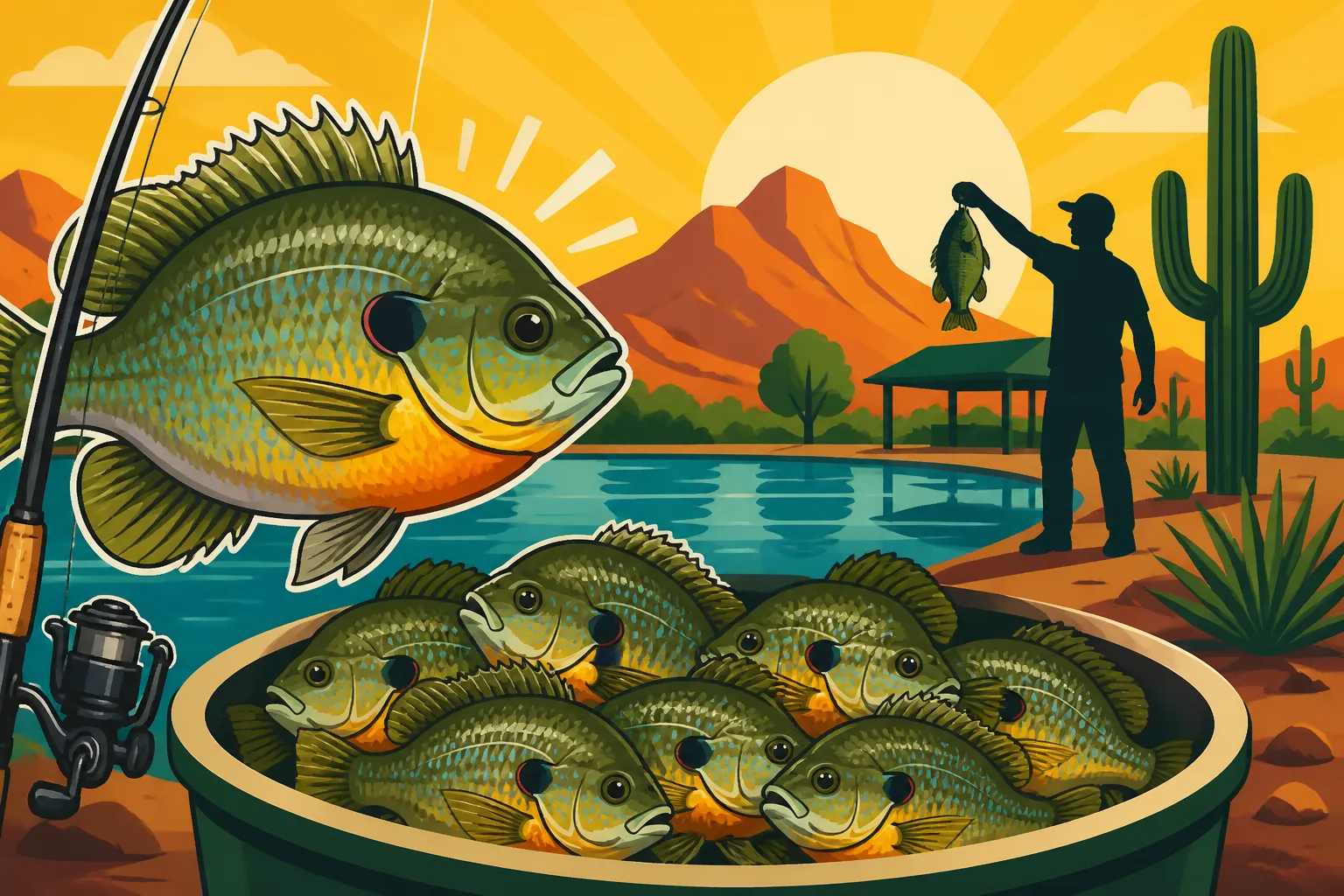
When it comes to fishing in Arizona, the Arizona Game and Fish Department (AZGFD) is the go-to authority, setting the guidelines that help us all enjoy our waters responsibly. For sunfish, whether you're talking about the vibrant bluegill, the subtly colored redear sunfish, or the feisty green sunfish, they generally fall under a statewide regulation. This means that, unless a specific body of water has a unique, posted regulation that overrides it, the daily bag limit for sunfish is 10 fish per angler.
Now, let's break that down a bit. This isn't just a suggestion; it's a hard and fast rule designed to protect our fisheries. The "daily bag limit" means the maximum number of fish you can legally keep in a 24-hour period, regardless of how many times you go out fishing that day. So, if you catch and keep five bluegill in the morning, you can only keep five more sunfish species for the rest of that day. This limit applies to all waters within Arizona, and that absolutely includes our beloved community fishing ponds. These urban oases, like those in the Phoenix or Tucson Community Fishing Program, are particularly popular, and consistent limits help ensure everyone gets a chance to catch fish, both now and in the future.
It's super important to remember that this 10-fish limit covers all sunfish species combined. You can't keep 10 bluegill and then decide to keep 10 redear sunfish on top of that. It’s a collective limit for the entire sunfish family. To stay fully informed, I always recommend picking up the latest copy of the Arizona Fishing Regulations Explained. You can usually find a physical copy at most license dealers or download a digital version from the AZGFD website. It's truly your best friend out on the water.
Why Sunfish Limits Matter for Community Ponds
You might think, "They're just little sunfish, why does it matter if I keep a few extra?" But trust me, these limits are in place for some really good reasons, especially in community ponds where fishing pressure can be incredibly high. These urban fisheries are often stocked and managed to provide accessible fishing opportunities for everyone, from seasoned anglers to excited kids casting their first line. Without proper management, these precious resources could be depleted quickly.
Think about it this way: sunfish play a crucial role in the aquatic ecosystem. They're often the primary food source for larger predatory fish like largemouth bass and channel catfish, which are also popular targets in these same ponds. If too many sunfish are removed, it can throw the entire pond's food web out of whack. The bigger fish might struggle to find enough to eat, leading to declines in their populations, which no one wants! Moreover, sunfish are prolific breeders, but even their numbers can suffer if too many mature fish are consistently harvested. Keeping a healthy population ensures that these fish can continue to reproduce, providing a sustainable fishery for years to come.
The Arizona Game and Fish Department invests a lot into these community programs, stocking various species, including trout in cooler months and catfish year-round. They monitor these ponds closely to ensure they remain viable fishing destinations. Adhering to bag limits is a simple, yet incredibly effective, way that every angler can contribute to the health and longevity of these local fisheries. It’s about sharing the resource and ensuring that the next generation of anglers has just as much fun, if not more, than we do today. This collective responsibility is what makes these community ponds such special places for our communities.
Common Sunfish Species You'll Encounter in Arizona Community Ponds
Arizona's community fishing ponds are bustling with various fish, and among the most common and enjoyable to catch are the different species of sunfish. Knowing what you’re catching can add to the fun and also help you adhere to regulations, although for sunfish, they all generally fall under that same 10-fish combined limit. Here’s a rundown of the usual suspects you'll pull from these waters:
Bluegill: The Backyard Favorite
Ah, the bluegill! This is probably the most iconic and frequently caught panfish in Arizona's community ponds, and for good reason. They're abundant, eager biters, and they put up a surprisingly good fight for their size, especially for younger anglers. You can usually spot a bluegill by its distinctive dark spot on the gill flap (hence the "gill" in bluegill) and vertical bars along its iridescent, olive-green to bluish-orange body. They love to hang out around submerged vegetation, docks, and any kind of cover where they can ambush insects and small crustaceans.
They're fantastic for teaching kids how to fish, as they'll readily bite on a small hook with a piece of worm or even bread. While they don't get huge, a good-sized bluegill provides a tasty fillet! For targeting these guys, a simple ultralight spinning combo works wonders, and you can find some really great options on Amazon that won't break the bank.
Redear Sunfish: The Shellcracker
Often called "shellcrackers" because of their specialized pharyngeal teeth that allow them to crush snails and other mollusks, redear sunfish are another popular resident of Arizona's community ponds. They tend to grow a bit larger than bluegill and can be a bit more elusive, but they offer a stronger fight. Their most distinguishing feature is the bright red or orange margin on the operculum (gill flap), which is how they get their "redear" name. Their bodies are typically silver-olive with fewer prominent bars than bluegill.
If you're specifically targeting redear, try using small worms or pieces of nightcrawler fished near the bottom, especially where there might be snail beds. They're not as aggressive as bluegill, often preferring a more subtle presentation. Catching a nice redear sunfish is a real treat and a testament to your angling patience.
Green Sunfish: The Aggressive Eater
The green sunfish is perhaps the most widespread and adaptable of the sunfish species, often found even in smaller, less managed waters. While not always as numerous in community ponds as bluegill, they're definitely present and can be quite aggressive. They have a stout body, a relatively large mouth for a sunfish, and usually an olive-green back fading to a yellow belly. You'll often see iridescent blue spots and streaks on their cheeks and gill covers, and a prominent dark spot on their dorsal fin.
Green sunfish aren't picky; they'll often hit lures meant for bass or even trout. Their aggressive nature makes them fun to catch, though they generally don't grow as large as redear or even some bluegill. They're survivors and contribute to the pond's ecosystem by preying on insects, small fish, and even other sunfish fry.
To help you keep these species straight, here’s a quick comparison:
| Feature | Bluegill | Redear Sunfish | Green Sunfish |
|---|---|---|---|
| Common Name | Bluegill, Bream, Sunny | Shellcracker, Stumpknocker | Green Sunfish, Goggle-eye |
| Distinguishing | Dark spot on gill flap, vertical bars | Red/orange margin on gill flap | Large mouth, blue streaks on cheek |
| Typical Size | 4-10 inches | 6-12 inches | 4-8 inches |
| Diet | Insects, small crustaceans, aquatic plants | Snails, mollusks, insects | Insects, small fish, crayfish |
| Behavior | Eager, schooling, cover-oriented | Bottom-oriented, snail-eater | Aggressive, territorial |
Knowing these differences can make your time at the pond even more engaging, allowing you to appreciate the diversity of these small but mighty fish.
Best Practices for Ethical Sunfish Angling at Community Ponds
Fishing in our community ponds is a privilege, and with that comes the responsibility to practice ethical angling. It’s not just about knowing the Fishing Bag and Possession Limits Explained; it's about treating the fish, the environment, and fellow anglers with respect. Adhering to sunfish limits is just one piece of the puzzle, albeit a very important one.
First and foremost, always be sure you have your Arizona Fishing License Guide with you. It's a fundamental requirement, and readily available if you know How to Buy an Arizona Fishing License. Once you’re licensed up, the next step is responsible handling. Many anglers, especially those just starting out, might not realize how delicate fish can be. Even if you plan to keep your 10-fish limit, practicing catch and release for fish you don't intend to keep is vital. When releasing sunfish, try to minimize their time out of the water. Use wet hands to handle them gently, supporting their body, and avoid squeezing them. If a fish swallows the hook, consider cutting the line as close to the hook as possible rather than trying to rip it out, which often causes more harm.
One great way to ensure you're practicing ethical catch and release, especially for the larger "breeder" sunfish that contribute most to future generations, is to use appropriate gear. Small hooks (size 8 or 10) are perfect for sunfish, and using barbless hooks or pinching down the barbs on your hooks can make unhooking much easier and less traumatic for the fish. A small, lightweight fishing rod and reel, perhaps one of the many affordable options you can find on Amazon, paired with light line (2-4 lb test), will give you plenty of sport while minimizing stress on these smaller fish.
Another key best practice is to always check for any special regulations posted at the specific community pond you’re visiting. While the 10-fish statewide limit usually applies to sunfish, some ponds might have unique rules, perhaps for a temporary stocking event or to protect a specific fishery. These signs are often found near boat ramps, parking areas, or information kiosks. For example, some ponds might have specific Catch and Release Rules for Arizona Anglers for certain species or during particular times of the year. Being aware of these local nuances ensures you’re always compliant.
Finally, remember to be a good steward of the environment. Pack out everything you pack in, and perhaps even pick up any litter you find. Fishing line and tackle can be deadly to wildlife, so dispose of it properly. These community ponds are shared resources, not just for anglers but for families, dog walkers, and nature lovers alike. By respecting the limits, handling fish ethically, and keeping our fishing spots clean, we ensure that the joy of catching a sunfish in an Arizona community pond remains a wonderful experience for everyone, for many years to come.
Disclaimer
Please note that fishing regulations can change. While every effort has been made to provide accurate and up-to-date information, it is always the angler's responsibility to consult the current Arizona Game and Fish Department (AZGFD) regulations prior to fishing. Always check the official AZGFD website or the latest printed regulations booklet for the most precise and current rules.