Best Tackle for Desert Lake Fishing
Fishing in Arizona's desert lakes is an experience unlike any other, offering stunning scenery and incredible fishing opportunities. However, the unique challenges of these environments – from scorching sun and crystal-clear water to vast, deep reservoirs with varied underwater structures – can leave even seasoned anglers scratching their heads about what tackle to bring. It's frustrating to arrive at a lake like Pleasant or Roosevelt only to realize your gear isn't quite right for the conditions. This guide is here to cut through the confusion, helping you understand the best tackle for desert lake fishing in Arizona, ensuring you're prepared for whatever these beautiful, often demanding, waters throw your way.
Understanding Arizona's Desert Lakes and Their Fish
Arizona's desert lakes aren't just large puddles; they are complex ecosystems shaped by extreme temperatures and geology. Getting to grips with their unique characteristics and the fish that call them home is the first step toward building the perfect tackle box. It’s not just about what to catch, but where and how these fish thrive in such a distinct environment.
The Unique Environment of Arizona Desert Lakes
Imagine pulling up to Lake Havasu or Canyon Lake on a bright, sunny day. The water can be incredibly clear, allowing fish to spot your line or even your shadow if you're not careful. These lakes often feature dramatic underwater topography, with steep drop-offs, submerged timber, rocky points, and vast open water expanses. The "desert" aspect also means fluctuating water levels, which can change fish patterns, and of course, the heat. Summers are brutal, pushing fish deep during the day, while winters can be surprisingly mild, keeping certain species active year-round. These clear waters and diverse structures demand different approaches than, say, fishing a murky pond in the Midwest. You need tackle that offers both subtlety and brute strength, capable of standing up to the harsh elements and the powerful fish that reside within.
Navigating these conditions means thinking beyond the basics. The rocks and submerged brush can be brutal on fishing lines, leading to frustrating break-offs if your gear isn't up to par. The intense sunlight can make fish skittish, requiring lighter lines and more natural presentations. Even the sheer size of some lakes, like Lake Powell or Roosevelt Lake, dictates the need for gear that allows for long casts or effective trolling over vast areas. It’s a constant dance between adapting to the natural beauty and battling the inherent challenges that come with fishing in such a unique, often extreme, landscape.
Common Fish Species You'll Encounter
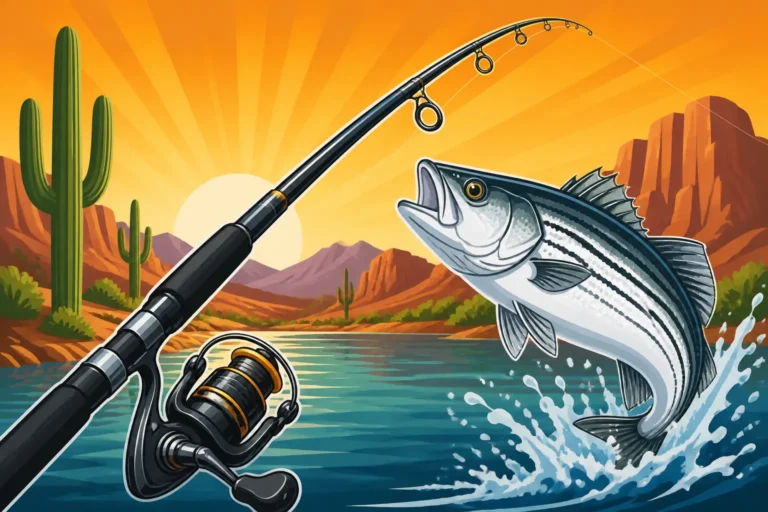
Arizona's desert lakes are teeming with a diverse array of game fish, each requiring slightly different tackle strategies. The stars of the show are often the bass species. Largemouth bass are prevalent in most lakes, particularly around cover like submerged trees or grass beds, known for their aggressive strikes. Smallmouth bass, on the other hand, prefer rocky habitats and cooler waters, often found in the clear, deep canyons of lakes like Powell or Apache. Then there are the powerful striped bass, often schooling in open water, creating "boils" as they feed on baitfish, especially in places like Lake Pleasant or Lake Havasu. Each of these bass species demands specific lure types and retrieval methods.
Beyond bass, you'll find healthy populations of catfish, particularly channel and flathead catfish, especially in the warmer, murkier arms and coves of lakes and along the Colorado River. They're often targeted with cut bait or stink bait on the bottom. Crappie are also popular, especially in spring, congregating around brush piles and submerged structures, typically caught with small jigs or live minnows. And let's not forget the humble but fun-to-catch panfish like bluegill and sunfish, perfect for introducing kids to fishing. Knowing your target species helps immensely in narrowing down your tackle choices. You wouldn't use a heavy catfish rig for delicate crappie, nor a tiny panfish setup for a monster striper. For a deeper dive into what swims where, check out our Fish Species Guide for Arizona Lakes.
How These Conditions Influence Tackle Choices
The combination of clear water, diverse structure, and multiple species in Arizona's desert lakes profoundly influences your tackle selection. For instance, the clear water often necessitates using fluorocarbon leaders or lighter line in general to avoid spooking fish. This is especially true for finesse techniques targeting smallmouth bass in rocky areas or when the bite is tough for largemouth. You need line that is both strong enough to handle powerful fish near cover and nearly invisible underwater.
The sheer size and depth of many of these lakes mean you'll often be making long casts or fishing deep structure. This calls for rods with good casting distance and reels with appropriate gear ratios for retrieving lures from significant depths. Strong, sensitive rods are also crucial for detecting subtle bites, especially when fish are lethargic in extreme heat or cold. Lastly, the abundant submerged timber and rocky bottoms demand abrasion-resistant lines and sturdy hooks that won't bend or break under pressure. It's a challenging but rewarding balance to strike when assembling your arsenal.
Essential Rods and Reels for Desert Fishing
Your rod and reel are the foundation of your fishing setup. In Arizona's desert lakes, where conditions can vary wildly from one end of the lake to the other, having the right combination isn't just about comfort—it's about success. A flimsy rod might break on a powerful striper, and a reel with a weak drag system will quickly lose a big flathead catfish.
Rod Types and Actions for Versatility
When it comes to rods for Arizona fishing, versatility is the name of the game. You'll generally want to choose between spinning and baitcasting setups, or ideally, have a few of each.
-
Spinning Rods: These are fantastic for beginners and for lighter presentations. They excel at casting lighter lures and baits, which are often necessary for finicky bass or crappie. A 6'6" to 7' medium or medium-heavy spinning rod with a fast action tip is a fantastic all-around choice. This setup gives you enough backbone to fight most bass and catfish, while the fast action tip provides the sensitivity to detect subtle bites and the flexibility for accurate casting of lighter lures. It's perfect for throwing weightless worms, small jigs, or even live bait under a bobber. For many anglers, especially those just starting out or focusing on panfish and lighter bass techniques, a good spinning setup is indispensable.
-
Baitcasting Rods: For heavier lures, thicker lines, and fighting bigger fish out of dense cover, baitcasting rods are superior. These setups offer more control and power, making them ideal for flipping jigs into brush, throwing large crankbaits, or muscling a big bass away from submerged trees. A 6'10" to 7'6" medium-heavy to heavy power rod with a fast action is a common choice for bass and striped bass fishing. The power gives you the leverage, and the fast action allows for quick hook sets and better feel. If you're planning to target trophy largemouth or hard-fighting stripers, a reliable baitcaster is a must-have. You can find some excellent options that balance cost and performance, making them accessible to many anglers.
Having a selection allows you to adapt. For instance, you might use a spinning rod for finesse plastics on a clear, calm morning and switch to a baitcaster for tossing a heavy jig into a windy, brushy cove later in the day. This adaptability is critical for success on Arizona's diverse waters.
Reel Selection: Durability and Smoothness are Key
Just like rods, your reel choices should prioritize durability and smooth operation, especially under the strenuous conditions of desert fishing.
-
Spinning Reels: For spinning rods, you'll want a reel in the 2500-4000 series size range. The key features to look for are a smooth drag system, which is crucial for fighting strong fish on lighter lines, and good line capacity. Corrosion resistance is also a huge plus, even in freshwater, as dust and occasional splashes are inevitable. A higher number of quality ball bearings generally translates to a smoother retrieve, which reduces fatigue over a long day of casting. Look for reputable brands that offer sealed bearings for better longevity.
-
Baitcasting Reels: When choosing a baitcasting reel, gear ratio, drag strength, and comfortable ergonomics are paramount. Gear ratios typically range from 6.3:1 (a good all-around speed) to 8.1:1 or higher (for burning baits and quickly retrieving line). A high-speed reel is excellent for topwater lures or buzzbaits, while a moderate speed is better for crankbaits or slower presentations. A strong, consistent drag system is essential for handling powerful fish like striped bass or large flatheads. Make sure it feels comfortable in your hand, as you'll be holding it all day. Many anglers find Bass Pro Shops has a fantastic selection of baitcasting reels, offering a range of options for every budget and skill level.
Investing in quality reels will pay off in the long run, preventing frustrating snags and providing the reliability you need when that trophy fish finally bites. Remember, a cheap reel can quickly ruin an otherwise perfect day on the water.
Best Rod and Reel Combos for Specific Species
While a versatile setup is great, tailoring your rod and reel to specific species or techniques can significantly improve your success rate.
-
Bass Combos: For largemouth and smallmouth bass, a 7-foot medium-heavy fast action baitcasting combo is a go-to. This setup can handle a wide range of lures, from jigs and Texas-rigged worms to medium crankbaits. If you're leaning into finesse techniques, a 6'10" medium fast action spinning combo is ideal for drop shots, shaky heads, and smaller swimbaits. These specialized combos allow you to fish effectively for the specific behaviors of bass. For more in-depth advice, our guide on Best Rod and Reel Combo for Bass offers excellent insights.
-
Catfish Combos: When targeting channel or flathead catfish, you need power and durability. A heavy-action, 7 to 8-foot casting rod paired with a baitcasting reel (or a large spinning reel) with a strong drag and high line capacity is essential. Catfish often hug the bottom and require heavy sinkers, so your rod needs to handle substantial weight. Look for rods with a stout backbone to really lean into a big cat. Many anglers prefer reels with a bait clicker for easy free-spooling when a cat takes the bait.
-
Trout and Panfish Combos: For the lighter side of Arizona fishing, especially for stocked trout in urban lakes or panfish in community ponds, a light to ultralight 5'6" to 6'6" spinning combo is perfect. These delicate setups allow for long casts of tiny lures and provide maximum sensitivity for subtle bites. They also make even small fish feel like a grand battle, adding to the fun. Think about a smaller 1000-2000 series spinning reel with light monofilament line.
Matching your gear to your target allows for optimal performance and a more enjoyable fishing experience.
Line Choices: Strength, Sensitivity, and Stealth
Your fishing line is the critical link between you and the fish. In Arizona's clear desert lakes, choosing the right line is often the difference between a successful catch and a frustrating break-off or a fish that simply won't bite. It's a balance of strength, how much stretch it has, its visibility, and how well it resists abrasion.
Monofilament: The All-Around Workhorse
Monofilament line, often simply called "mono," is a classic for a reason. It's affordable, easy to tie knots with, and offers good shock absorption due to its stretch. This stretch can be a blessing and a curse. It acts like a shock absorber when a fish makes a sudden run, preventing hooks from tearing out of a fish's mouth. For species like crappie, trout, or panfish, where a soft presentation and a little give are beneficial, mono is an excellent choice. It's also often preferred for topwater lures because its buoyancy helps the lure stay on the surface.
However, its stretch also means less sensitivity, making it harder to feel subtle bites or detect light lures bumping against structure at deeper depths. Its visibility can also be an issue in Arizona's super clear waters, especially for wary fish. Common strengths for mono in Arizona range from 6 lb for panfish up to 12-15 lb for general bass fishing. For a basic, versatile setup, having a spool of good quality monofilament in your tackle box is a must. It's forgiving, easy to use, and gets the job done in many situations.
Fluorocarbon: The Nearly Invisible Edge
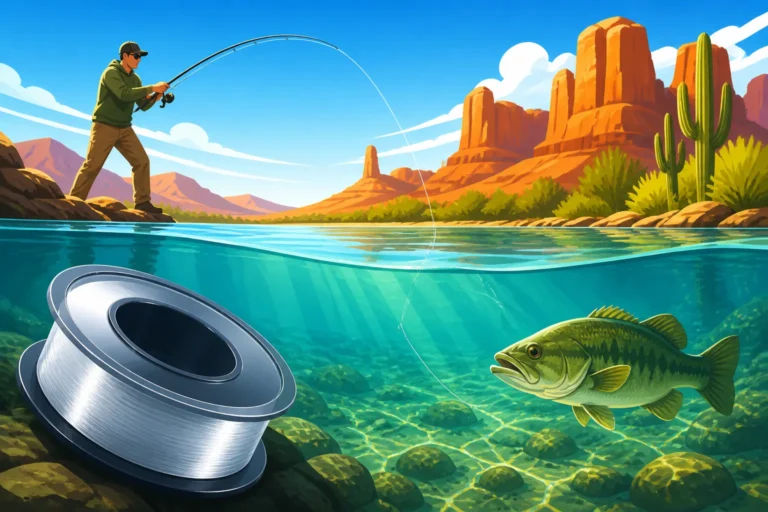
Fluorocarbon line has become a favorite among serious anglers, particularly in clear water environments like Arizona's desert lakes. Its key advantage is its near-invisibility underwater, as it has a refractive index very close to that of water. This makes it incredibly stealthy, giving you a distinct advantage when targeting spooky fish. Beyond invisibility, fluorocarbon is denser than mono, making it sink faster, which is great for getting baits down to depth quickly and maintaining contact with bottom-bouncing lures like jigs and worms.
Fluorocarbon also offers excellent abrasion resistance, which is vital when fishing around rocky banks, submerged timber, or sharp underwater structures common in Arizona lakes. It has very low stretch compared to monofilament, providing superior sensitivity for detecting subtle bites and feeling changes in bottom composition. The downside? It's generally more expensive than mono, can be a bit stiffer and harder to tie knots with, and doesn't float as well, making it less ideal for topwater presentations. Many anglers use fluorocarbon as a leader material (attached to braided mainline) to get the best of both worlds: the strength and casting distance of braid, combined with the stealth and abrasion resistance of fluoro. Typical strengths for bass fishing range from 8 lb to 20 lb, depending on the target and cover.
Braided Line: Power and Zero Stretch
Braided line is the powerhouse of fishing lines. Made by weaving multiple synthetic fibers together, it boasts incredible strength for its diameter, virtually no stretch, and exceptional casting distance. The lack of stretch translates to extreme sensitivity, allowing you to feel every bump, tick, and subtle bite, even in deep water or when making long casts. Its brute strength means you can often use lighter pound test than mono or fluoro for the same breaking strength, which can further enhance casting distance. For punching through heavy vegetation, fishing heavy cover, or targeting powerful fish like striped bass, braid is often the go-to choice.
However, braid is highly visible underwater, which can be a major deterrent for wary fish in clear desert lakes. For this reason, it's almost always paired with a fluorocarbon leader (typically 3-6 feet long), connected with a strong knot like the FG knot or Albright knot. Braid can also be notorious for digging into itself on the spool if not spooled tightly, leading to frustrating backlashes on baitcasters. It's also less abrasion-resistant than fluorocarbon against sharp rocks, so a leader is crucial. When considering braided line, think about the powerful fish and snaggy cover you'll face. For general bass fishing, 20-40 lb test is common, going up to 50-65 lb for heavy cover or big stripers. For a comprehensive look at your options, check out our guide on Best Line for Bass Fishing.
| Line Type | Key Benefit | Visibility | Stretch | Abrasion Resistance | Ideal Use Cases |
|---|---|---|---|---|---|
| Monofilament | Shock absorption, ease of use | Moderate | High | Good | Topwater, finesse, panfish, general purpose |
| Fluorocarbon | Near-invisibility, sensitivity | Low (stealthy) | Low | Excellent | Finesse, deep water, clear water, leaders |
| Braided | Strength, sensitivity, casting | High | Very Low | Moderate | Heavy cover, long casts, powerful fish, main line |
Lures and Baits: Matching the Hatch and Mood
Choosing the right lure or bait is perhaps the most exciting part of fishing. In Arizona's diverse desert lakes, fish can be picky, aggressive, or somewhere in between, making lure selection an art form. You need to consider water clarity, depth, temperature, time of day, and the fish's mood.
Topwater Lures: The Excitement of Surface Strikes
There’s nothing quite like a fish exploding on a topwater lure. This technique is exhilarating and often effective during low-light conditions (dawn, dusk) or on overcast days when fish are actively feeding near the surface. In Arizona, topwater fishing can be phenomenal for bass, especially largemouth, in lakes like Saguaro or Bartlett.
- Frogs: Soft plastic frogs are fantastic for fishing over matted vegetation, lily pads, or thick brush where other lures would snag. Bass often hide in these areas, and a weedless frog presentation can draw out explosive strikes. Work them with short twitches and pauses, mimicking a frog swimming across the surface.
- Poppers and Walk-the-Dog Baits: These lures create commotion on the surface, attracting fish from a distance. Poppers create a "chug" sound, while walk-the-dog baits (like a Zara Spook) have a side-to-side gliding action. They are excellent for open water, shallow flats, or around sparse cover. Experiment with retrieve speeds and pauses; sometimes a frantic retrieve works, other times a slow, deliberate cadence is key.
- Buzzbaits: These lures have a propeller blade that churns the water, creating a noisy, enticing retrieve. They are great for covering water quickly and provoking reaction strikes, especially in low-light conditions or stained water.
Topwater fishing truly shines when the water temperatures are warm and fish are active. Don't be afraid to experiment with colors; natural patterns often work best in clear water.
Subsurface Baits: Cranking, Jerking, and Spinnerbaits
When fish are not looking up, subsurface baits are your bread and butter. These lures allow you to target different depths and retrieve speeds, making them highly versatile for Arizona's varied lake conditions.
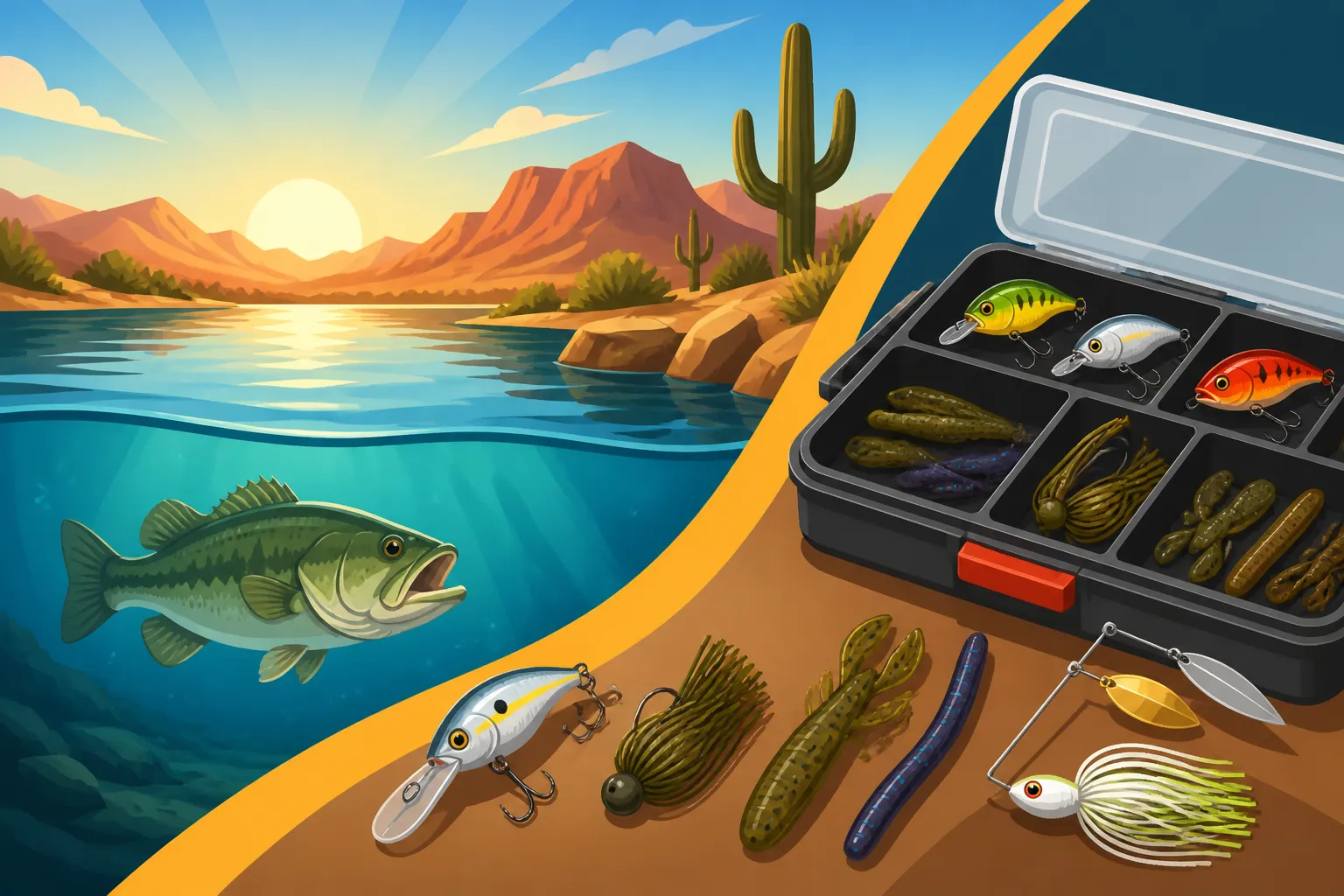
- Crankbaits: These lures are designed to dive to specific depths, making them perfect for covering large areas of water and finding active fish. Shallow divers are great for flats and submerged vegetation, medium divers for points and ledges, and deep divers for offshore humps and channels. The wobbling action of a crankbait mimics baitfish, and the deflections off cover can trigger reaction strikes. Carry a variety of sizes and colors, especially those that mimic shad or crawfish, which are common forage in Arizona lakes.
- Jerkbaits: Jerkbaits have a unique darting action when retrieved with short jerks and pauses. They are incredibly effective for targeting suspended fish or when bass are finicky and need a more subtle presentation. They can be particularly deadly in cooler water when fish are less active. Focus on suspending jerkbaits that stay at a specific depth during pauses, giving the fish a longer look.
- Spinnerbaits: Spinnerbaits are incredibly versatile, capable of being fished at various depths and speeds. Their spinning blades create flash and vibration, attracting fish in both clear and stained water. They are excellent for fishing around submerged timber, brush piles, or along weed lines. Different blade configurations (Colorado, Willowleaf, Indiana) create different actions and vibrations, so having a few options is wise. They are often a go-to choice for covering water quickly, especially after a cold front or when fish are scattered. For more specific lure recommendations, dive into our Best Lures for Largemouth Bass in Arizona Lakes guide.
Soft Plastics: The Versatile Bottom Bouncers
Soft plastics are perhaps the most versatile and effective lures in any bass angler's tackle box, and they truly shine in Arizona's clear waters and around complex structures. Their natural look and feel can fool even the most cautious fish.
- Plastic Worms: From Texas rigs to Carolina rigs to wacky rigs, plastic worms are bass magnets. They can be fished weightless, slowly sinking through cover, or weighted to drag along the bottom. The finesse applications are endless. Colors like green pumpkin, watermelon, and junebug are perennial favorites in Arizona. Learning to properly rig and fish a plastic worm is a foundational skill for any bass angler.
- Creature Baits: These soft plastics mimic crawfish, insects, or other aquatic critters. Their flapping appendages create a lot of action and disturbance, making them irresistible to bass hiding in brush piles or rocky crevices. They are excellent for flipping, pitching, or dragging on a jig head.
- Senkos/Stick Baits: The simple, cylindrical shape of a Senko defies its incredible effectiveness. Its unique shimmy on the fall makes it incredibly deadly, especially when wacky rigged or Texas rigged. They are fantastic for enticing bites from pressured fish or when the bite is tough.
- Drop Shots: This finesse technique involves tying a weight to the bottom of the line and attaching a hook a foot or two above it. It keeps your soft plastic bait suspended at a specific depth, right in the fish's strike zone, allowing for subtle movements without moving the weight. It's incredibly effective for smallmouth bass on deep ledges or suspended largemouth in clear water.
The beauty of soft plastics lies in their ability to be presented in countless ways, adapting to almost any condition or fish mood. Always have a variety of shapes, sizes, and colors on hand.
Live and Cut Bait: The Proven Attractors
Sometimes, nothing beats the natural appeal of live or cut bait. While many anglers prefer artificials, bait fishing remains a highly effective method, especially for species like catfish, crappie, and even trout in certain situations.
- Live Minnows: For crappie, walleye (where present), or even finicky bass, live minnows are often irresistible. They can be fished under a bobber, slow-trolled, or drifted near brush piles and drop-offs. Ensure you check local regulations on live bait, as some areas have restrictions.
- Worms (Nightcrawlers, Red Worms): The humble worm is an all-time classic, appealing to nearly every freshwater species, including trout, panfish, and smaller catfish. They can be fished on the bottom, under a bobber, or drifted in currents.
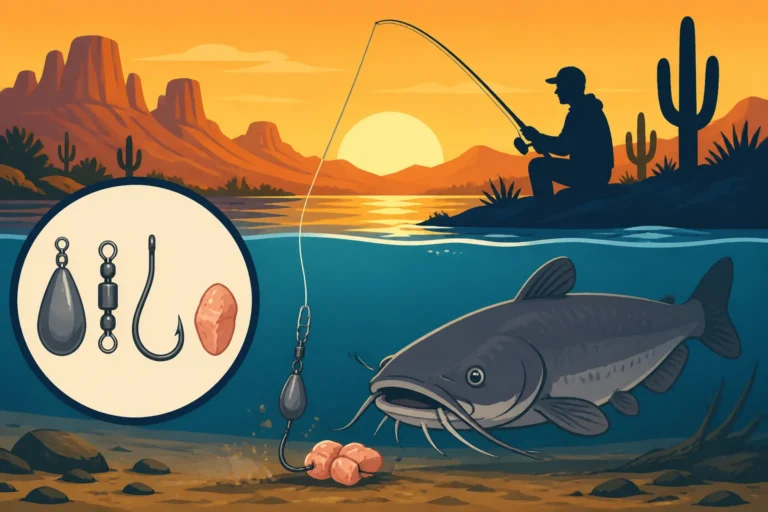
- Cut Bait (Shad, Tilapia, Hot Dogs): For larger catfish, especially flatheads and channel cats, cut bait is often the most productive option. Pieces of oily fish like shad or tilapia, or even prepared baits like hot dogs or chicken livers, release strong scents that attract catfish from a distance. Fishing these on a bottom rig with a heavy sinker is standard practice. For detailed strategies on targeting these whiskered warriors, check out our Best Bait for Catfish in Arizona guide.
Using live or cut bait taps into the fish's natural feeding instincts, often providing consistent action when artificials aren't cutting it. It's a great option for family fishing trips or when you simply want to maximize your chances of a bite.
Essential Terminal Tackle and Accessories
Terminal tackle and accessories are the unsung heroes of your fishing setup. They might be small, but their quality and selection can make or break a day on the water. Skimping on these items can lead to frustrating break-offs, lost fish, and a generally less enjoyable experience.
Hooks, Sinkers, and Swivels: The Small but Mighty Details
These are the tiny, often overlooked, components that connect your line to your bait or lure and play a huge role in presentation and hook-up ratio.
- Hooks: You'll need a variety of hooks to match your chosen baits and lures. For soft plastics, consider offset worm hooks (EWG or straight shank) for Texas rigging, wacky hooks for stick baits, and drop shot hooks (octopus or specialized drop shot hooks). For live bait, circle hooks are fantastic for catfish and striped bass, as they typically hook in the corner of the fish's mouth, reducing gut hooking and making release easier. Treble hooks are found on most hard lures and are crucial for good hook-up ratios on crankbaits and topwaters. Always have sharp hooks; dull hooks will cost you fish.
- Sinkers: Sinkers help get your bait to the desired depth and keep it there. Bullet weights are essential for Texas rigging soft plastics, sliding easily through cover. Split shot weights are great for adding small amounts of weight to light lines or for adjusting the fall of a bobber. Carolina rig weights (egg sinkers or brass weights) are heavier and used for the Carolina rig, allowing your bait to float freely behind the weight. Drop shot weights come in various shapes (cylinder, round, tear drop) and are designed to quickly detach if snagged. Pyramid or bank sinkers are good for keeping bait on the bottom in current or windy conditions.
- Swivels: Swivels prevent line twist, which can be a major headache, especially when using spinning gear or baits that spin in the water. Barrel swivels are simple and effective. Ball bearing swivels offer superior anti-twist properties and are great for trolling or when using highly spinning lures. For creating a Carolina rig or a leader connection, a simple barrel swivel is often all you need.
Always carry a range of sizes for each, as conditions and target species will dictate what's most effective. A well-stocked terminal tackle box is a mark of a prepared angler.
Pliers, Scissors, and Grips: Handling Fish Safely
These tools are not just convenient; they are essential for efficiency, safety, and proper fish handling.
- Fishing Pliers: A good pair of multi-purpose fishing pliers is indispensable. They're used for cutting line (braid, mono, fluorocarbon), removing hooks (especially deep-set ones), crimping sleeves, and adjusting split rings on lures. Look for a pair made from stainless steel or aluminum for corrosion resistance, especially if they'll see a lot of use near water. A good pair of long-nose pliers can save your fingers from sharp hooks and save a fish's life by allowing for quick hook removal.
- Line Cutters/Scissors: While pliers often have cutting capabilities, a dedicated pair of fishing scissors, particularly for braided line, can make clean cuts much easier. Braided line can be tough on standard scissors, so investing in a pair specifically designed for braid will save you frustration.
- Fish Grips: For handling toothy fish like striped bass or large catfish, fish grips are a fantastic safety tool. They allow you to securely hold the fish without putting your hands near sharp teeth or spines, protecting both you and the fish. They also help reduce handling stress on the fish.
- Hook Sharpeners: Even expensive hooks can dull after hitting rocks or fish mouths. A small hook sharpener can quickly restore a point, drastically improving your hook-up ratio. It's a small investment that makes a huge difference.
Keeping these tools easily accessible, perhaps on a lanyard or in an exterior pocket of your tackle bag, will make your time on the water much smoother.
Tackle Storage and Organization
A disorganized tackle box is a source of frustration, especially when you're trying to quickly change lures or rigs in the heat of the action. Proper tackle storage and organization are crucial for efficiency and protecting your investment. For beginners, getting your Essential Tackle Box Setup for Arizona Beginners sorted is key.
- Tackle Boxes/Bags: Hard-sided tackle boxes with adjustable dividers are great for keeping individual components separate and organized. Soft-sided tackle bags, often with multiple utility boxes, are fantastic for portability, especially if you're hiking to a fishing spot or fishing from the bank. Look for bags with plenty of pockets for tools, snacks, and other essentials. Many anglers turn to Bass Pro Shops or Amazon for a wide selection of storage solutions that can withstand the Arizona elements.
- Utility Boxes: Invest in several clear plastic utility boxes (like those from Plano or Flambeau) with adjustable dividers. These allow you to categorize lures by type, size, or color, and keep terminal tackle (hooks, weights, swivels) neatly separated. Labeling these boxes can save you precious fishing time.
- Leader Wallets/Spool Tenders: If you use fluorocarbon or monofilament leaders, a leader wallet or individual spool tenders will keep your leader material neat and prevent it from unraveling or getting tangled.
- Rust Prevention: Arizona's dry climate means less rust than humid areas, but condensation in coolers or unexpected splashes can still cause issues. Consider adding moisture-absorbing packets or a light coating of lubricant to metal components in your tackle boxes.
A well-organized tackle system means less time fumbling and more time fishing, making your trips more enjoyable and productive.
Specialized Gear for Arizona's Unique Conditions
Arizona's desert environment isn't just about the fish; it's about the intense sun and heat that define much of the year. Beyond your basic rods, reels, and lures, having specialized gear to combat these conditions and maximize your fishing success is paramount.
Sun Protection: Battling the Arizona Sun
The Arizona sun is no joke. A day on the water without adequate sun protection can quickly lead to painful sunburns, heat exhaustion, and long-term skin damage. This isn't just about comfort; it's about health and safety.
- Wide-Brimmed Hats: A wide-brimmed hat (not just a baseball cap) is essential for protecting your face, ears, and neck from direct sunlight. Look for hats made from breathable, quick-drying materials.
- Sun Buffs/Gaiters: These versatile pieces of fabric can be pulled up to cover your neck, face, and even ears, providing excellent protection from UV rays. They also offer a cooling effect when moistened.
- Long-Sleeved Sun Shirts: Lightweight, breathable, long-sleeved shirts with UPF (Ultraviolet Protection Factor) ratings are a game-changer. They wick away sweat, keep you cool, and protect your arms from the sun without the need for constant sunscreen reapplication.
- Polarized Sunglasses: Beyond protecting your eyes from harmful UV rays, polarized sunglasses are crucial for fishing. They cut through the glare on the water's surface, allowing you to see submerged structure, observe fish movement, and even spot fish themselves. This visual advantage can dramatically improve your fishing success, especially in clear water. Look for lenses that offer good contrast, like amber or copper tints.
- High-SPF Sunscreen: Even with protective clothing, exposed skin needs sunscreen. Choose a broad-spectrum sunscreen with an SPF of 30 or higher and apply it generously, especially to your face, neck, and hands. Reapply regularly, particularly after sweating.
Investing in good sun protection ensures you can enjoy a full day on the water without consequence. For more tips on staying safe, see our guide on Best Sun Protection for Desert Fishing.
Hydration and Cooling: Staying Safe in the Heat
Arizona summers can easily push temperatures well over 100 degrees Fahrenheit, making hydration and active cooling absolutely critical for a safe and enjoyable fishing trip. Dehydration and heatstroke are serious risks.
- Insulated Coolers: A high-quality, well-insulated cooler is non-negotiable. Not only will it keep your drinks and snacks cold, but it can also be used to keep your catch fresh on ice until you get home. Fill it with plenty of water, electrolyte drinks, and ice. For recommendations, check out our Best Coolers for Hot-Weather Fishing in Arizona article.
- Hydration Packs/Insulated Water Bottles: For bank fishing, kayaking, or hiking to remote spots, a hands-free hydration pack or a large insulated water bottle is ideal. It makes it easier to take frequent sips, which is crucial for staying hydrated throughout the day.
- Cooling Towels: These towels are designed to stay cool when wet, providing immediate relief when draped around your neck or head. They can be invaluable on those scorching summer days.
- Battery-Powered Fans: Small, portable, battery-powered fans can offer surprising comfort in still, hot conditions, especially when fishing from a boat.
Always pack more water than you think you'll need. It's better to have too much than to run out when you're miles from civilization. Prioritize your well-being over catching that one last fish.
Fish Finders and Navigation Tools
While not strictly "tackle" in the traditional sense, modern electronics have become an indispensable part of fishing, especially on large, complex desert lakes.
- Fish Finders (Sonar/Down Imaging/Side Imaging): A good fish finder is like having X-ray vision underwater. It allows you to locate fish, identify submerged structure (like humps, ledges, brush piles, and rock piles), and understand the bottom contour. This saves immense time and dramatically increases your chances of finding productive spots. Even basic models provide valuable depth and temperature readings. More advanced units offer detailed mapping, GPS capabilities, and side-scanning sonar, which can reveal structure and fish far to the sides of your boat. For more information, read our Best Fish Finders for Bass Fishing in Arizona guide.
- GPS/Chartplotters: Many fish finders now integrate GPS and mapping capabilities. This is vital for navigating large lakes, marking productive waypoints, following contour lines, and safely returning to your launch point, especially in unfamiliar waters or changing weather conditions. Having reliable navigation is crucial for safety and efficiency.
- Portable Units for Kayaks/Bank Fishing: You don't need a massive boat to utilize these tools. Many portable fish finders are available that can be mounted on kayaks or even used for bank fishing, providing valuable insights into the underwater world.
While you can certainly catch fish without these electronics, they significantly level up your game, transforming guesswork into informed decisions.
Crafting Your Personalized Tackle Box
As you gain experience fishing Arizona's desert lakes, you'll start to develop a highly personalized tackle box. This isn't just about buying everything you see; it's about understanding what works for you, your target species, and the conditions you most often encounter.
Starting with the Basics: Building a Foundation
When you're first getting started with desert lake fishing, it's easy to get overwhelmed by the sheer volume of tackle options available. The best approach is to start with a versatile foundation. Focus on a good all-around rod and reel combo (perhaps a medium-heavy spinning setup), a spool of reliable monofilament line, and a selection of proven, versatile lures.
Think about lures that mimic common baitfish or crawfish. A few medium-diving crankbaits in shad and crawfish patterns, some Texas-rigged plastic worms (green pumpkin and junebug are staples), and a couple of spinnerbaits are excellent starting points for bass. Don't forget a small assortment of hooks, sinkers, and swivels to tie different rigs. For panfish and trout, a simple bobber, some small hooks, and a container of worms will get you bites. Remember, you don't need to spend a fortune right away. Many affordable options on Amazon or at your local Bass Pro Shops can get you started effectively. The goal is to build confidence and learn the ropes before investing in highly specialized gear.
Expanding Your Arsenal: Species-Specific Additions
Once you've mastered the basics and have a better sense of what species you enjoy targeting most, you can start to expand your tackle with more specialized items. If you're passionate about chasing trophy largemouth, you might invest in a heavier baitcasting setup, a variety of flipping jigs, and big swimbaits. If striped bass are your obsession, you'll want to add trolling lures, heavier lines, and specialized topwater baits for "boils."
For catfish enthusiasts, dedicated heavy-action rods, strong circle hooks, and a range of prepared and cut baits will become paramount. Crappie anglers will find themselves accumulating tiny jigs, spider rigs, and ultra-light line. This phase of tackle acquisition is driven by experience and specific goals. As you fish different lakes and in different seasons, you'll notice patterns in what works, leading you to naturally gravitate towards certain gear. This organic growth of your tackle box is a sign of an angler developing their craft.
Adapting to Conditions: Seasonal and Lake-Specific Gear
Finally, true mastery of desert lake fishing involves adapting your tackle to seasonal changes and the unique characteristics of each body of water. What works wonders on Lake Powell's deep, clear canyons in the spring might be ineffective on Roosevelt Lake's shallow, brushy coves in the summer.
- Seasonal Adjustments: In the hot Arizona summer, fish often move deep, requiring deep-diving crankbaits, heavy jigs, or drop shot rigs to reach them. During cooler spring and fall months, fish might be more active in shallower water, making topwater lures and spinnerbaits more effective. Winter fishing often calls for slower presentations and finesse tactics.
- Lake-Specific Tackle: Some lakes are known for their abundant smallmouth bass, necessitating more finesse tackle and lures that mimic crawfish. Others are striped bass havens, requiring specific trolling setups or reaction baits. The presence of dense vegetation might call for weedless frogs and punching jigs, while wide-open, rocky structures might favor crankbaits and football jigs.
Being flexible and willing to change your approach, and having the tackle to back it up, is a hallmark of a successful Arizona angler. It's a continuous learning process, but that's what makes fishing so rewarding!
Disclaimer
This article is for general informational purposes only and does not constitute professional advice. Laws, prices and regulations vary by location and change over time. Consult a qualified professional for guidance on your specific situation.