What Crappie Eat in Spring
Springtime in Arizona means longer days, warming waters, and for many anglers, the thrilling prospect of crappie fishing. But let's be real, sometimes it feels like crappie have a secret menu, and you're just guessing what's on it. One day they're aggressive, and the next, they're completely shut down. The key to cracking that code, especially during the crucial spring months, is truly understanding what crappie eat and how their feeding habits change as they prepare for and complete their spawn. This guide will pull back the curtain on the spring crappie diet in Arizona, helping you choose the right baits and techniques to fill your stringer.
Crappie's Springtime Feast: Understanding Their Metabolism and Habits
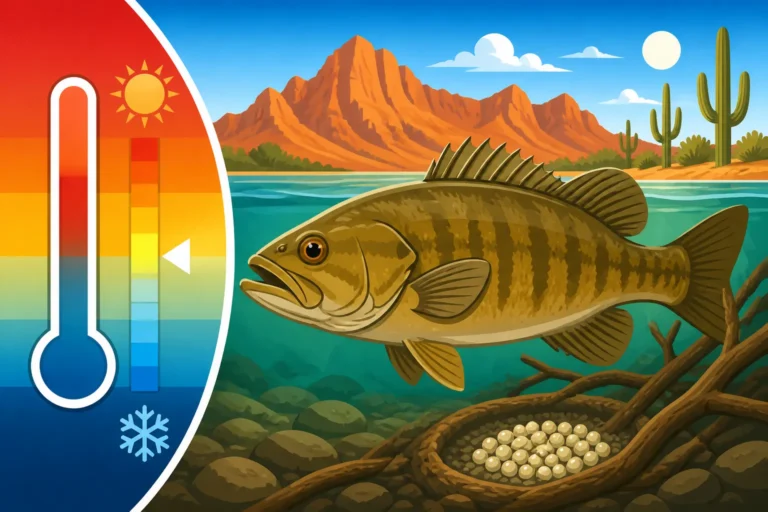
As the chill of winter recedes and Arizona's desert lakes and reservoirs begin to warm, crappie transition from a somewhat lethargic, deep-water existence to a much more active, shallower lifestyle. This shift isn't just about moving; it's fundamentally about metabolism and reproduction. Crappie are cold-blooded, so their activity levels, including feeding, are directly tied to water temperature. Spring brings that golden window where temperatures rise into their optimal feeding and spawning range, sparking an aggressive appetite.
The Impact of Warming Water Temperatures
Think about it: after months of slower metabolism in cooler water, crappie are essentially waking up and preparing for the most energy-intensive period of their year – spawning. As water temperatures climb into the 50s and then 60s Fahrenheit, their metabolism accelerates. They need more energy, and that means they need to eat more frequently and often more aggressively. This initial warming period, before the peak of the spawn, can be one of the best times to target them because they're actively feeding to build up reserves. Spring Bass Fishing Tactics in Arizona also highlights the importance of warming water for other species.
However, it's not a constant buffet. Water temperatures can fluctuate in early spring, especially with passing cold fronts or sudden warm spells. Crappie are sensitive to these changes. A rapid drop in temperature can send them deeper or make them more finicky, while a steady, gradual rise encourages them to move shallower and feed. Understanding these nuances is crucial. If the water has been consistently warming for several days, expect them to be more active. If a cold snap just hit, you might need to slow down your presentation and fish deeper than you did yesterday.
Pre-Spawn, Spawn, and Post-Spawn Feeding Patterns
Crappie's dietary preferences and aggression vary significantly throughout the spring phases.
-
Pre-Spawn: This is often the most exciting time for crappie anglers. As water temperatures approach the low to mid-660s (Fahrenheit), crappie, especially the females, are gorging themselves to build up energy reserves for spawning. They'll be found in staging areas near shallower spawning grounds—think submerged timber, brush piles, rock formations, and docks. During this phase, they are less picky and will chase larger baitfish imitations or live minnows. They are focused on packing on calories, making them highly susceptible to a well-placed offering. This is when you can often catch some of the biggest crappie of the year.
-
Spawn: Once water temperatures consistently hit the mid-to-high 60s, crappie move onto their spawning beds in very shallow water, typically 1 to 5 feet deep. Males often arrive first to guard and clean nests, while females dart in and out to lay eggs. During the actual spawning act, their focus shifts from feeding to reproduction. They might strike out of aggression or territorial defense rather than hunger. Presentations need to be slower, smaller, and often directly in their faces. They might nip at a bait rather than fully engulfing it. Patience is key here, and understanding where to find Crappie Spawning Season Tactics can make a huge difference.
-
Post-Spawn: After the spawn, both male and female crappie are exhausted. Females are particularly spent, having expended massive amounts of energy laying eggs. They typically retreat to slightly deeper water, often suspending near drop-offs or deeper cover adjacent to the spawning flats. Their feeding can be sporadic initially, as they recover. They might prefer smaller, easy meals. However, as they regain strength, they'll resume feeding to replenish their energy, often moving back to brush piles or other structures where baitfish congregate. This period can be challenging, but understanding their recovery patterns helps.
The Natural Menu: Arizona Crappie's Preferred Springtime Forage
To effectively catch crappie, you have to think like a crappie. What are they naturally looking for as food in the warming Arizona waters during spring? Their diet is primarily driven by what's readily available and easy to catch.
Tiny Baitfish: The Staple Diet
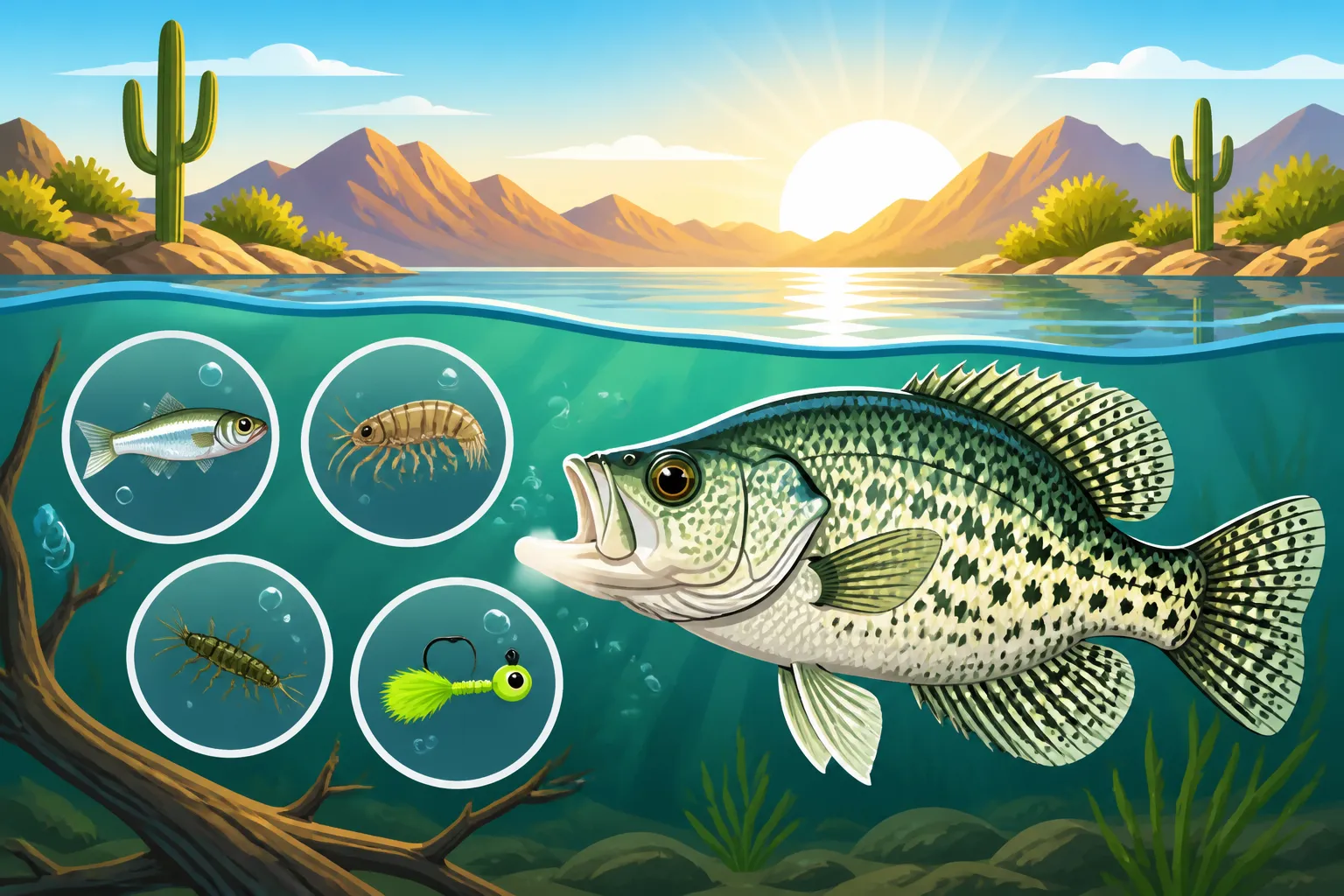
Without a doubt, small baitfish are at the top of a crappie's spring menu. Species like threadfin shad and various types of minnows are abundant in most Arizona lakes and provide the high-protein, calorie-rich meals crappie need. In the spring, these baitfish often congregate in shallower, warmer waters, exactly where crappie are preparing to spawn or have just spawned.
Crappie are ambush predators, and they'll lie in wait around submerged timber, brush piles, docks, and rocky ledges, ready to dart out and snatch an unsuspecting minnow. When you observe crappie, their mouths are surprisingly large for their body size, built perfectly for inhaling small fish. They'll often feed on schools of shad that are also moving into warmer areas to spawn, creating frenzies that can be incredibly exciting for anglers. Knowing Crappie Diet and Feeding Habits beyond spring can also help you understand their year-round patterns.
Aquatic Insects and Larvae: A Seasonal Delicacy
While not as prominent as baitfish, aquatic insects and their larvae become a significant food source for crappie in the spring, especially in lakes with abundant vegetation. As the water warms, insect larvae like mayflies, dragonflies, and caddisflies become active, moving up in the water column before hatching. Crappie will absolutely key in on these smaller food items, particularly during calmer conditions or when larger baitfish are scarce.
You might see crappie "dimpling" the surface, indicating they are feeding on emerging insects. This type of feeding is often more common in the post-spawn phase when crappie might be less inclined to chase larger prey. In areas with heavy weed growth or flooded timber, these insects provide a steady, easy meal. If you're seeing this kind of activity, very small jigs or even tiny flies can be incredibly effective.
Small Crustaceans and Invertebrates: Bottom Snacks
Though less common than baitfish and insects, crappie will also consume small crustaceans like tiny crayfish, scuds, and other invertebrates found near the bottom or within dense cover. This is particularly true when they are holding tight to structure, perhaps during a cold front or when they are recuperating post-spawn. These bottom-dwelling creatures offer a readily available food source that doesn't require much energy to pursue.
When crappie are hugging the bottom or dense cover, presenting baits that mimic these slow-moving invertebrates can be highly effective. Think about small jigs bounced slowly along the bottom or allowed to slowly fall through a brush pile. This kind of subtle presentation often triggers strikes from less aggressive fish that aren't willing to chase a fast-moving minnow.
Matching the Hatch: Best Baits and Lures for Spring Crappie
Knowing what crappie eat in spring gives you a massive advantage in selecting the right artificials or live bait. The goal is always to present something that looks, feels, or moves like their natural forage.
Live Bait: The Undeniable Appeal of Minnows
When it comes to spring crappie, nothing beats a live minnow for consistent results. They are the closest thing to what crappie naturally eat, and their erratic, natural movements are irresistible.
- Shiner Minnows: These are a classic for a reason. Their shininess and natural swimming action are perfect for enticing crappie. Hook them lightly through the lips or just behind the dorsal fin to keep them lively. You can fish them under a bobber near brush piles or docks, or slow troll them if you're on a boat.
- Small Fathead Minnows: Another excellent choice, these little guys are readily available at most bait shops. They're hardy and effective, especially when crappie are a bit finicky.
When buying live bait, you can often find great deals from local bait shops. If you're stocking up on things like minnow buckets or aerators, check out Amazon for a wide selection of accessories to keep your bait fresh and lively. Remember, How to Rig a Live Minnow for Crappie properly is crucial to keeping your bait appealing and getting those bites.
Jigs: Versatility and Effectiveness
Jigs are arguably the most versatile and popular artificial lure for crappie. They come in an endless array of sizes, colors, and styles, allowing you to mimic almost any type of spring forage.
- Tube Jigs: These soft plastic tubes, typically 1 to 2 inches long, are incredibly effective. Their tentacles provide subtle action on the fall and retrieve. Popular colors include chartreuse, white, black, and various two-tone combinations. You can fish them vertically, cast and retrieve, or even tip them with a small piece of minnow for added scent and attraction.
- Grub Jigs (Curly Tail Grubs): The curly tail on these jigs creates a tantalizing swimming action that crappie find hard to resist. Again, sizes range from 1 to 3 inches. These are excellent for casting and retrieving, especially when crappie are spread out, or for slow trolling.
- Paddle Tail Swimbaits: These miniature swimbaits, often less than 2 inches, imitate small baitfish with a realistic swimming motion. They're fantastic for pre-spawn crappie that are actively chasing larger prey. Look for natural shad colors like silver, white, and light blues.
- Feather and Hair Jigs: These traditional jigs offer a more subtle, natural look and action. The natural materials breathe and pulse in the water, making them excellent for finicky fish, especially during the spawn when a slow, gentle presentation is needed.
For your jig heads, opt for sizes from 1/32 to 1/16 ounce for most spring crappie fishing in Arizona. If you're fishing deeper or in windy conditions, you might go up to 1/8 ounce. You can find multi-packs of various jig heads and soft plastic bodies on Amazon, which is a great way to experiment with different colors and styles without buying a ton of individual packs.
Small Crankbaits and Blade Baits: Covering Water
While jigs and live bait excel at targeting specific structures, small crankbaits and blade baits can be incredibly effective for covering water and locating active crappie, particularly in the pre-spawn phase when they're chasing baitfish.
- Miniature Crankbaits: Look for models that dive to 3-8 feet. These are great for trolling or casting along flats, drop-offs, and points where crappie are staging. Colors mimicking shad or crayfish are usually excellent. The vibration and flash of a crankbait can call in aggressive crappie from a distance.
- Blade Baits: These thin, vibrating lures sink quickly and generate a lot of flash and vibration on the retrieve. They are excellent for vertical jigging over schools of crappie or for casting and ripping when fish are highly active. Their metallic shimmer can perfectly imitate a fleeing baitfish.
Experimentation is key, but generally, when crappie are aggressive, a moving bait like a crankbait or blade bait can be a game-changer.
Reading the Water: Where and When to Target Spring Crappie Based on Their Diet
Understanding what crappie eat in spring isn't just about bait; it's also about knowing where to present that bait and when. Their location and activity levels are directly tied to their feeding strategy.
Structure and Cover: Crappie's Ambush Points
Crappie are masters of ambush, and in spring, they’ll relate heavily to various forms of structure and cover, both for feeding and eventually for spawning. Identifying these areas is paramount.
- Brush Piles and Submerged Timber: These are classic crappie magnets. The branches provide cover, shade, and a place for baitfish to hide. Crappie will hold tightly within these structures, darting out to grab passing minnows or insects. When fishing brush, a slow, vertical presentation with a small jig or a live minnow is often best. Let your bait slowly fall through the branches, pausing frequently. Knowing How to Fish a Brush Pile for Crappie can significantly increase your success.
- Docks and Piers: Marinas and residential docks often hold crappie. The pilings and associated structure provide shade, cover, and a substrate for algae and insects, attracting baitfish. Look for crappie suspended around or under these structures. Casting a small jig under docks or dropping a minnow straight down is a highly effective tactic. Best Fishing Piers in Arizona lists some great spots to try this.
- Rock Piles and Ledges: Rocky areas warm up faster in the spring sun, attracting baitfish and in turn, crappie. These also offer excellent ambush points and can be prime spawning areas. Fish jigs or minnows slowly along ledges and drop-offs.
- Vegetation Edges: In lakes with aquatic grass or lily pads, the edges of these weed lines are fantastic crappie spots. Baitfish and insects thrive in this vegetation, providing a rich feeding ground. A small tube jig or a weedless soft plastic can be effective here.
It's all about finding those transition zones where crappie feel safe while having easy access to food. Often, crappie will suspend just above or to the side of the cover, ready to strike. A good fish finder can help you pinpoint these fish and structures. Best Fish Finders for Bass Fishing in Arizona offers some great options that can also be applied to crappie.
Time of Day and Weather Considerations
Just like us, crappie have peak feeding times, and spring weather plays a huge role.
- Early Morning and Late Evening: These low-light periods are often prime feeding times. Baitfish are more active, and crappie feel more secure moving into shallower areas. Topwater action for crappie, while rare, can happen during these times, but generally, fishing just below the surface or at mid-depths is most productive.
- Overcast Days: Cloudy, overcast days can extend the peak feeding window throughout the day. The diffused light allows crappie to stay shallower and feed more aggressively than on bright, sunny days when they might retreat to deeper, shadier cover.
- Post-Front Conditions: A passing cold front can shut down crappie fishing quickly. The fish become lethargic and often move deeper. During these times, you need to slow down your presentation considerably, use smaller baits, and focus on vertical jigging right on top of them. Conversely, a few days after a front, as stable weather returns, crappie will usually resume their aggressive feeding.
Think about the conditions from a crappie's perspective. Are they comfortable and camouflaged, or exposed and vulnerable? This will dictate their aggressiveness and where they choose to hold. Knowing When to Fish Arizona Lakes by Month can help refine your timing for any species.
Seasonal Movement and Concentration
As spring progresses, crappie will move through predictable patterns related to their spawn.
| Spring Phase | Crappie Location | Preferred Food | Recommended Baits/Lures |
|---|---|---|---|
| Early Pre-Spawn | Deeper channels, creek beds, main lake points, staging areas near cover | Larger baitfish, some crustaceans | Live minnows, small crankbaits, paddle tail jigs |
| Mid Pre-Spawn | Moving shallower, around brush piles, submerged timber, docks | Abundant baitfish, some insects | Live minnows, tube jigs, grub jigs, small spinnerbaits |
| Spawn | Very shallow water (1-5 ft), hard bottom, vegetation edges, brush | Less focused on feeding; aggressive strikes are territorial | Very small jigs (1/32 oz), spider jigs, tiny minnows (dead sticked) |
| Post-Spawn | Retreat to slightly deeper adjacent cover (drop-offs, deeper brush) | Smaller, easy-to-catch baitfish, insects | Small jigs (tube, grub), live minnows (slowly presented) |
By understanding these movements and what crappie eat in spring, you can tailor your approach. If you're on a lake like Roosevelt or Pleasant, knowing these nuances can be the difference between a tough day and a banner day. You'll find great information on specific crappie spots in articles like Best Crappie Fishing Spots in Arizona.
Remember, crappie are creatures of habit but also opportunists. While baitfish will always be a top choice, don't underestimate the power of a small insect imitation, especially when fish are pressured or the bite is tough. Always keep an eye on water temperature, clarity, and recent weather patterns. These factors dictate where crappie will be and what they'll be willing to eat. Keep a variety of baits and jig sizes in your tackle box – you can find excellent starter kits and individual lure packs for crappie fishing readily available on Amazon, allowing you to adapt on the fly.
Disclaimer
This article is for general informational purposes only and does not constitute professional advice. Laws, prices and regulations vary by location and change over time. Consult a qualified professional for guidance on your specific situation.