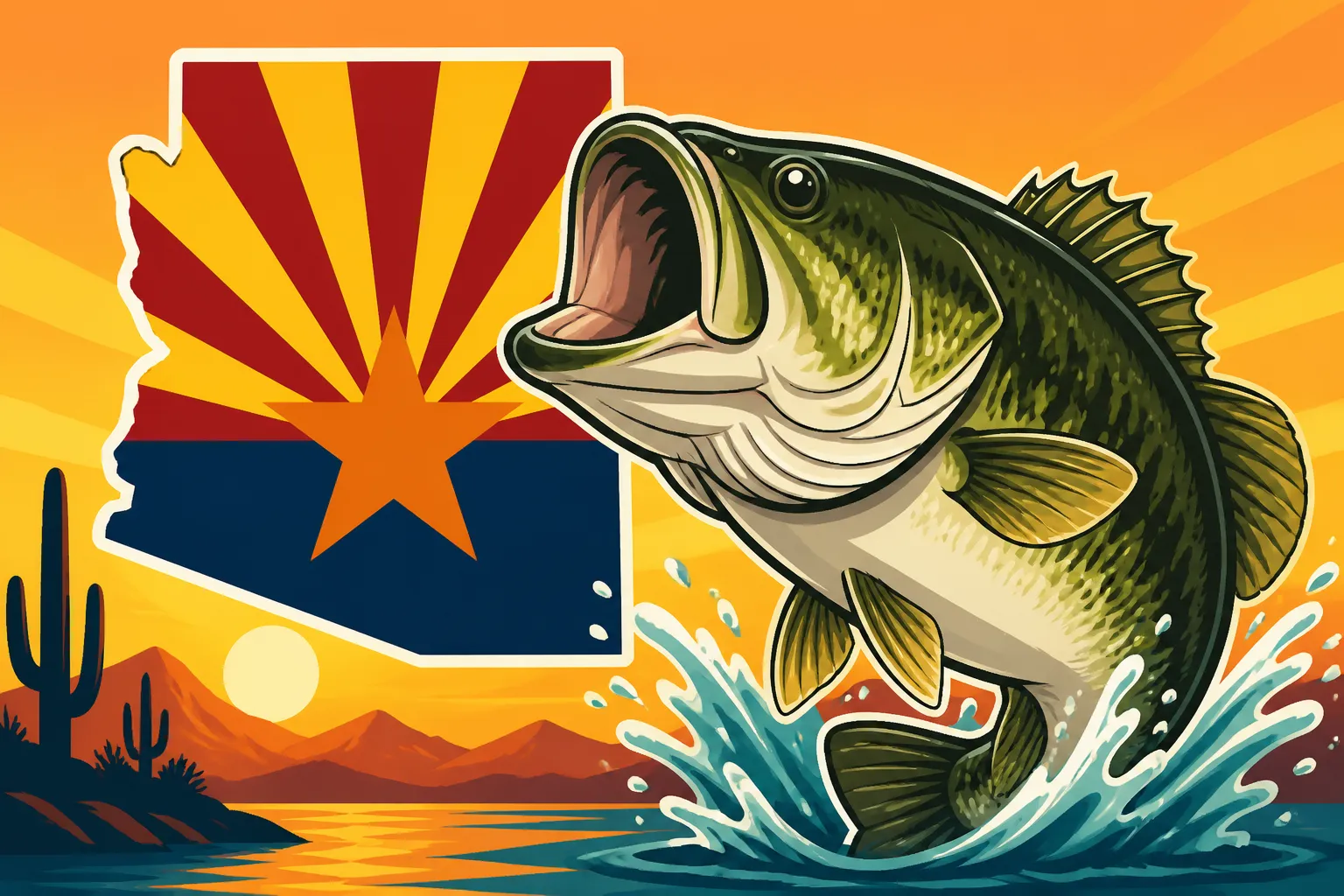
Arizona State Record Largemouth Bass Details
Oh, the Arizona largemouth bass record! It's one of those legendary catches that every angler dreams about, a true monster that has stood the test of time and inspired countless hours on the water. If you've ever spent time casting lines on one of our desert lakes, you've probably wondered about the details of that monumental catch, the angler who landed it, and what made that fish so incredibly special. This guide is going to take a deep dive into the fascinating story and specifics behind Arizona's state record largemouth bass, giving you all the details you've been curious about.
The Legend of Arizona's State Record Largemouth Bass
There's something almost mythical about state fishing records, isn't there? They represent the pinnacle of a species, a testament to both the natural world's capacity for growth and an angler's skill and sometimes, a little bit of luck. The Arizona state record largemouth bass is no exception; it’s a fish that entered the history books and became a benchmark for every serious bass fisherman in the Grand Canyon State. This isn't just about a number on a scale; it's about a moment, a place, and a fish that captured the imagination.
Who Caught It and When?
The angler behind this incredible feat was Mike Turley, and the date was April 5, 1997. Imagine that day: the sun just coming up over the desert landscape, the water still and calm, and then, a bite that would change everything. Mike was a seasoned angler, undoubtedly spending countless hours honing his craft on Arizona's lakes, and that dedication paid off in a spectacular way. His catch wasn't just a big fish; it was a behemoth that truly showcased what our unique desert fisheries are capable of producing. It’s a story that still gets told around campfires and bait shops, reminding us that with enough persistence, anyone can connect with a fish of a lifetime.
Catching a fish of this caliber requires more than just being in the right place at the right time; it involves understanding the fish's behavior, knowing the water, and having the right gear. Mike Turley’s achievement speaks volumes about his knowledge of the local fisheries and his ability to execute when it mattered most. It's the kind of tale that makes you want to pack up your rods, head out to the lake, and try your own luck. You can often find detailed stories of such catches in old fishing magazines or online forums, offering a glimpse into the excitement and challenge of landing such a magnificent creature.
Where Was This Monster Caught?
The stage for this historic catch was none other than Canyon Lake, one of the famous chain of lakes on the Salt River. Canyon Lake is renowned for its steep canyon walls, crystal-clear water, and deep, rocky structure, making it a challenging yet incredibly rewarding fishery. It's not a lake where you just show up and expect to land giants every trip; it demands skill, patience, and a deep understanding of bass behavior in a clear-water, deep-water environment.
Canyon Lake's unique characteristics contribute significantly to its ability to produce trophy-sized largemouth bass. The abundant forage fish, the diverse structure ranging from submerged timber to sheer rock walls, and the relatively stable water conditions create an ideal environment for bass to grow large and old. For anglers dreaming of their own record, understanding the specifics of Canyon Lake's habitat — its deep coves, hidden ledges, and transition areas — can be crucial. This lake, along with others like Roosevelt Lake Arizona Fishing Guide and Lake Pleasant Arizona Fishing Guide, has a reputation for holding incredible bass, thanks to the rich aquatic ecosystems they support. The combination of nutrient-rich waters and a warm climate allows bass to grow rapidly and reach impressive sizes.
Understanding What Makes a Record Largemouth Bass
What truly sets a record-breaking largemouth bass apart from a merely large one? It's more than just an arbitrary number; it's a combination of ideal environmental factors, genetic potential, and the fish's sheer longevity. Arizona's desert lakes, with their unique ecosystems, provide a perfect breeding ground for these giants. The extreme warmth and rich food sources often mean fish grow faster here than in colder climates, allowing them to pack on the pounds if they can survive long enough.
The Weight and Other Key Measurements
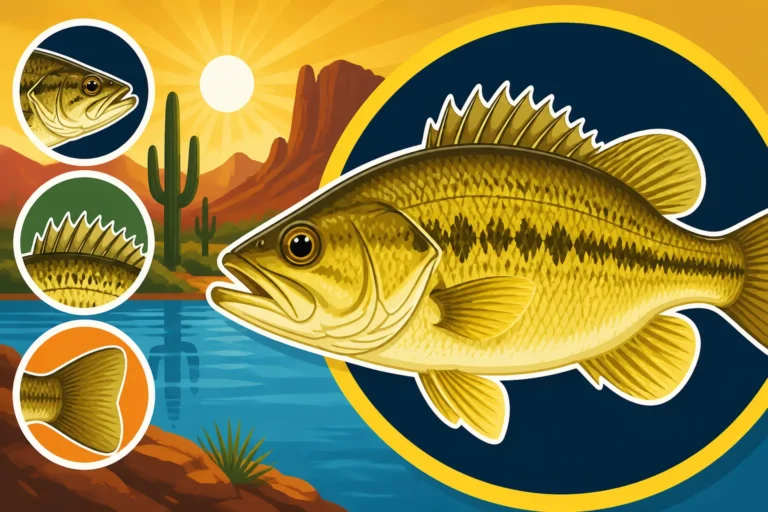
Mike Turley's legendary largemouth bass officially weighed in at an astounding 16 pounds, 7.68 ounces. Just think about that for a moment – that’s like holding a bowling ball! While exact length and girth measurements aren't always widely publicized for every record, for a fish of this weight, you can imagine it was likely well over 25 inches long with an incredibly thick, football-like girth. The official certification process for a state record is rigorous, ensuring accuracy and integrity. It typically involves official scales, witnesses, and often a review by fishery biologists to confirm species identification and measurement protocols. These stringent rules are in place to prevent any doubt about the authenticity of such a monumental catch.
To put this into perspective, here's a quick comparison of average largemouth bass sizes versus this colossal record:
| Category | Average Largemouth Bass (AZ) | Trophy Largemouth Bass (AZ) | Arizona State Record Largemouth Bass |
|---|---|---|---|
| Weight | 1-3 pounds | 8-12 pounds | 16 pounds, 7.68 ounces |
| Length | 12-18 inches | 22-25 inches | Likely > 25 inches |
| Girth | 8-12 inches | 15-18 inches | Exceptionally large |
| Age (Estimated) | 3-6 years | 8-12+ years | 15+ years |
This table clearly illustrates just how exceptional Mike Turley's catch was. It wasn't just big; it was a truly rare specimen, likely having lived a long, successful life of eating and growing in a prime habitat.
Factors Contributing to a Trophy Bass Fishery
So, what exactly allows a lake like Canyon Lake to produce such giants? It’s not just one thing, but a perfect storm of environmental conditions and species characteristics. First, ample forage is absolutely crucial. In many Arizona lakes, threadfin shad and gizzard shad are abundant, providing a high-protein, readily available food source that allows bass to grow quickly. Crayfish also play a significant role in the diet of large bass, particularly in rocky environments. You can research What Largemouth Bass Eat in Arizona Lakes for a deeper understanding of their diet.
Secondly, water quality and habitat are key. Clean water, appropriate oxygen levels, and a variety of structures – from deep drop-offs and ledges to submerged timber and rocky points – provide bass with places to ambush prey, hide from predators, and find comfortable temperatures throughout the year. The unique canyon structure of lakes like Canyon Lake offers these deep, varied habitats that are essential for large, older bass.
Finally, genetics and age play a huge role. Some bass simply have the genetic potential to grow larger than others, and if they survive long enough, avoiding angling pressure and natural predators, they can reach truly impressive sizes. The fact that Arizona's climate allows for a longer growing season compared to many northern states certainly helps in this regard. Consistent management by the Arizona Game and Fish Department, including stocking programs and slot limits in certain areas, also helps ensure healthy populations of all sizes, increasing the chances for some fish to become true giants.
Chasing Your Own Arizona Largemouth Bass Dream
The state record stands as a testament to what's possible, and for many, it fuels the dream of catching their own personal best. While beating the state record is an incredibly rare feat, consistently catching trophy-sized largemouth bass in Arizona is an achievable goal with the right knowledge, gear, and dedication. It's a journey that many of us undertake, spending countless hours on the water, learning and adapting.
Prime Locations Known for Big Bass
If you're looking to target big largemouth bass in Arizona, there are several key lakes that consistently produce quality fish, and even the occasional true monster. Canyon Lake, as we’ve discussed, is one of them, but it’s far from the only game in town. Best Bass Fishing Lakes in Arizona are often our larger, deeper reservoirs.
- Roosevelt Lake: This is Arizona's largest lake and a perennial favorite for bass anglers. It has vast expanses of submerged timber, rocky points, and coves, offering incredible habitat diversity. Roosevelt is known for both numbers of bass and the potential for true giants, especially during the spring spawn.
- Lake Pleasant: Another massive reservoir near Phoenix, Lake Pleasant is famous for its clear water, deep structure, and significant populations of both largemouth and white bass. Targeting deep points, submerged islands, and creek channels can be highly productive here for larger fish.
- Apache Lake: Part of the Salt River chain, Apache Lake is rugged and beautiful, with steep canyon walls similar to Canyon Lake. It’s known for producing some truly massive largemouth bass, though it can be a challenging lake to fish due to its remoteness and sometimes difficult access.
- Saguaro Lake: Also on the Salt River, Saguaro Lake offers a more accessible option with plenty of coves, rocky banks, and submerged vegetation. While it might not produce as many "monster" bass as Roosevelt or Apache, it consistently yields good numbers of healthy largemouth.
Each of these lakes presents its own unique challenges and rewards, and understanding their individual characteristics is key to consistent success. Exploring them will also help you understand How to Fish Arizona's Desert Lakes more effectively.
Essential Gear and Techniques for Trophy Largemouth
When you're targeting fish that could potentially be over 10 pounds, your gear needs to be up to the task. You don't want to lose a fish of a lifetime because your line broke or your rod snapped. Investing in quality equipment designed for heavy-duty applications is a wise choice. You can find a vast selection of reliable gear on Amazon that caters to all levels of experience and budgets.
Here’s a basic breakdown of what you'll need:
- Rods and Reels: For big largemouth, you'll want heavy-action casting rods, typically 7 to 8 feet long, paired with robust baitcasting reels. A good quality baitcasting reel will have a strong drag system and enough line capacity for powerful runs. Check out our guide on Best Fishing Rods for Bass in Arizona for specific recommendations.
- Line: Opt for strong, abrasion-resistant line. Fluorocarbon line in the 15-25 pound test range is excellent for its low visibility and sensitivity, especially in clearer desert lakes. Braided line in the 30-65 pound test range is also popular for its strength and ability to cut through vegetation, often with a fluorocarbon leader.
- Lures: Trophy largemouth often prefer larger presentations. Big swimbaits, deep-diving crankbaits, jigs with bulky trailers, and large soft plastics like creature baits or senkos are all effective. Experiment with colors and retrieves to match the current conditions and forage. Best Baits and Lures for Arizona Fishing offers more in-depth advice on this. Don't be afraid to throw something big – remember, a record fish didn't get that way by eating small snacks!
- Electronics: A good fish finder or depth finder is almost essential for finding the deep structure where large bass often lurk, especially in clear-water lakes. These units can help you identify submerged humps, ledges, and timber piles that are otherwise invisible.
Patience and persistence are perhaps the most crucial "techniques." Big bass don't always bite readily, and it might take many casts and many trips to even get one strike from a true trophy. Learning to interpret your electronics, understanding seasonal patterns, and paying attention to subtle changes in weather and water conditions will significantly improve your odds.
Arizona Game and Fish Department Record Keeping and Verification
The Arizona Game and Fish Department (AZGFD) plays a vital role not just in managing our fisheries but also in maintaining the integrity of state fishing records. Their guidelines ensure that any potential record-breaking catch is properly documented and verified, protecting the prestige of these accomplishments. It's a meticulous process, but one that is absolutely necessary to ensure that a record stands without question for years to come.
The Official Process for Submitting a Record
If you ever find yourself with a fish that you suspect might be a state record, there are specific steps you absolutely must follow to ensure it qualifies. This isn't a time for shortcuts!
- Know the Rules Immediately: Before you even hit the water, familiarize yourself with AZGFD's specific requirements for record fish. These rules cover everything from eligible species to weighing procedures.
- Official Weighing: The fish must be weighed on a certified scale, usually at a grocery store, bait shop, or other facility that has a scale inspected by the Arizona Department of Weights and Measures. The scale must be zeroed before weighing, and the weight must be recorded accurately to the nearest hundredth of a pound or ounce.
- Witnesses: You'll need at least two credible witnesses to the weighing process. These witnesses should not be family members and must sign off on the weight and circumstances.
- Photography: High-quality photographs are crucial. Get clear shots of the fish from multiple angles, especially one showing the entire fish on a measuring board (if length is also a factor) and clearly displaying its weight on the certified scale. These photos help verify the species and the catch itself.
- Species Verification: If there's any doubt about the exact species (e.g., a largemouth versus a spotted bass), a qualified fisheries biologist or AZGFD representative might need to examine the fish. This is why it's often recommended to keep the fish alive in a livewell if possible, or at least properly preserved on ice, until it can be identified.
- Application Submission: Fill out the official AZGFD record application form completely and submit it with all necessary documentation, including witness statements, photos, and scale certifications.
Failing to follow any of these steps could result in your catch being disqualified, no matter how big it was. It's a bummer, but rules are rules, and they're there for a good reason!
The Importance of Conservation for Future Records
While the thrill of landing a record-setting fish is undeniable, the long-term health of our fisheries is paramount. This is where conservation practices truly shine. Many state record anglers, upon weighing and documenting their catch, choose to release the fish back into the water. This practice of catch-and-release, especially for large, mature fish, is vital for several reasons. Large female bass are often the best spawners, contributing significantly to future generations of fish. Releasing them ensures they can continue to reproduce and potentially contribute to even more trophy-sized fish in the future.
Beyond releasing record fish, anglers can contribute to conservation through:
- Responsible Handling: Minimize the time a fish is out of the water, handle it gently, especially around the jaw and gills, and use proper landing nets or tools.
- Adhering to Regulations: Always follow Arizona Fishing Regulations Explained, including bag limits, size restrictions, and specific rules for certain waters. These regulations are in place to protect fish populations.
- Habitat Protection: Avoid littering, report pollution, and advocate for healthy aquatic environments. Our fisheries can only produce big fish if their habitats are clean and thriving.
By embracing these conservation practices, we ensure that the legacy of incredible catches like Arizona's state record largemouth bass can continue for generations to come. It’s about more than just one fish; it’s about the health and vibrancy of the entire fishery that makes these moments possible.
So there you have it, the details of Arizona's state record largemouth bass – a true testament to the incredible fishing opportunities we have here in the Grand Canyon State. Whether you're chasing your own personal best or simply enjoying a day on the water, remember the legacy of giants like Mike Turley's record fish and the importance of preserving our precious aquatic resources for the future. Happy fishing!
Disclaimer
This article is for general informational purposes only and does not constitute professional advice. Laws, prices and regulations vary by location and change over time. Consult a qualified professional for guidance on your specific situation.