Can You Catch Multiple Species in One Trip at a Community Lake?
It's a common thought when you're headed out for a day of fishing: "I really hope I catch something." But what if you could reliably expect to catch not just one, but several different kinds of fish, all in a single outing? Many anglers, especially those just starting out or looking for convenient local spots, wonder if Arizona's community lakes offer this kind of diverse opportunity. The great news is, yes, absolutely! This guide will walk you through how to maximize your chances of a multi-species catch at these incredibly accessible and often overlooked gems.
Why Arizona Community Lakes Are Multi-Species Havens
Arizona's community fishing lakes are truly special places, designed to provide accessible and varied fishing opportunities for everyone. Unlike vast, wild reservoirs where finding fish can be a daunting task, these urban and suburban lakes are actively managed and stocked, making them prime locations for catching a diverse array of species in one trip. Their very purpose is to bring the joy of fishing closer to home, and with that comes a commitment to variety.
Consistent Stocking Programs
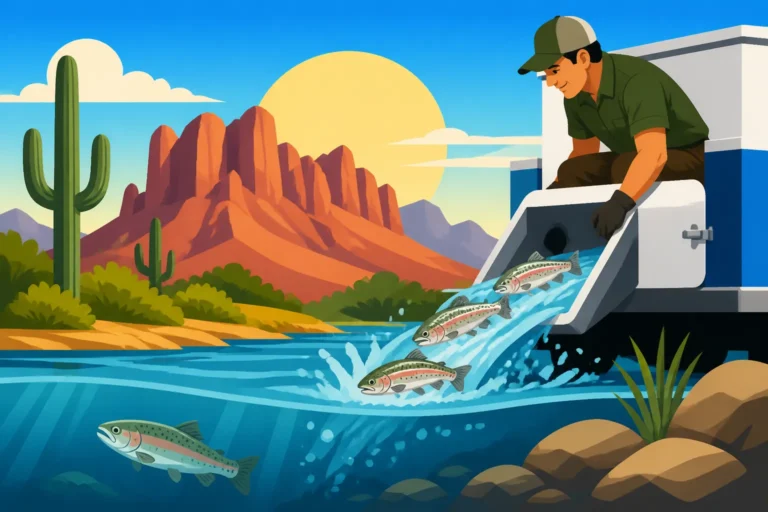
One of the biggest reasons you can expect to catch multiple species at a community lake is the Arizona Game and Fish Department's robust stocking program. These lakes receive regular deliveries of various fish throughout the year, tailored to the season and water temperatures. For instance, during the cooler months, you can almost always count on freshly stocked rainbow trout. As temperatures rise, the focus shifts to species that thrive in warmer water, like catfish. This constant influx means there are always plenty of fish to target, and often different species are coexisting and feeding in the same waters. You might even find them stocking warm-water species like bass and sunfish to supplement natural populations. The regular stocking schedule means fish are often actively feeding shortly after being introduced, presenting excellent opportunities for anglers. Trout Stocking Season in Arizona is a great time to visit.
Diverse Habitat in Compact Spaces
Even though community lakes are typically smaller than large reservoirs, they are often designed with a surprising amount of habitat diversity in mind. Think about it: you'll often find rocky shorelines, weed beds, submerged structures like old tires or pipes, and varying depths. Each of these different areas appeals to different fish species. Bass might hang around submerged brush or rocky points, ambushing prey. Catfish might prefer the deeper, muddier bottoms. Sunfish often congregate in shallower, weedy areas. This variety of "neighborhoods" within the same small lake means that with a little observation and strategic fishing, you can move from one type of cover to another and encounter different species without having to travel far at all.
Abundant Forage for All
A thriving ecosystem needs a good food chain, and community lakes are no exception. They typically support a healthy population of baitfish, insects, and other aquatic organisms that serve as food for a wide range of game fish. This means that whether you're targeting a predatory bass or a bottom-feeding catfish, there's usually ample natural forage to sustain them, which in turn keeps them active and feeding. When you combine this natural food source with the supplemental feeding that often comes with stocked fish, you have an environment where fish of all types are well-fed and ready to bite. The presence of diverse forage means different species can co-exist without always competing for the exact same food source, allowing for a healthy mix.
Targeting Multiple Species: Strategies and Techniques
The key to catching a variety of fish in one trip at a community lake is to be adaptable and understand the basic preferences of the most common species you'll encounter. No need for highly specialized gear; a versatile approach will go a long way.
Understanding Your Targets
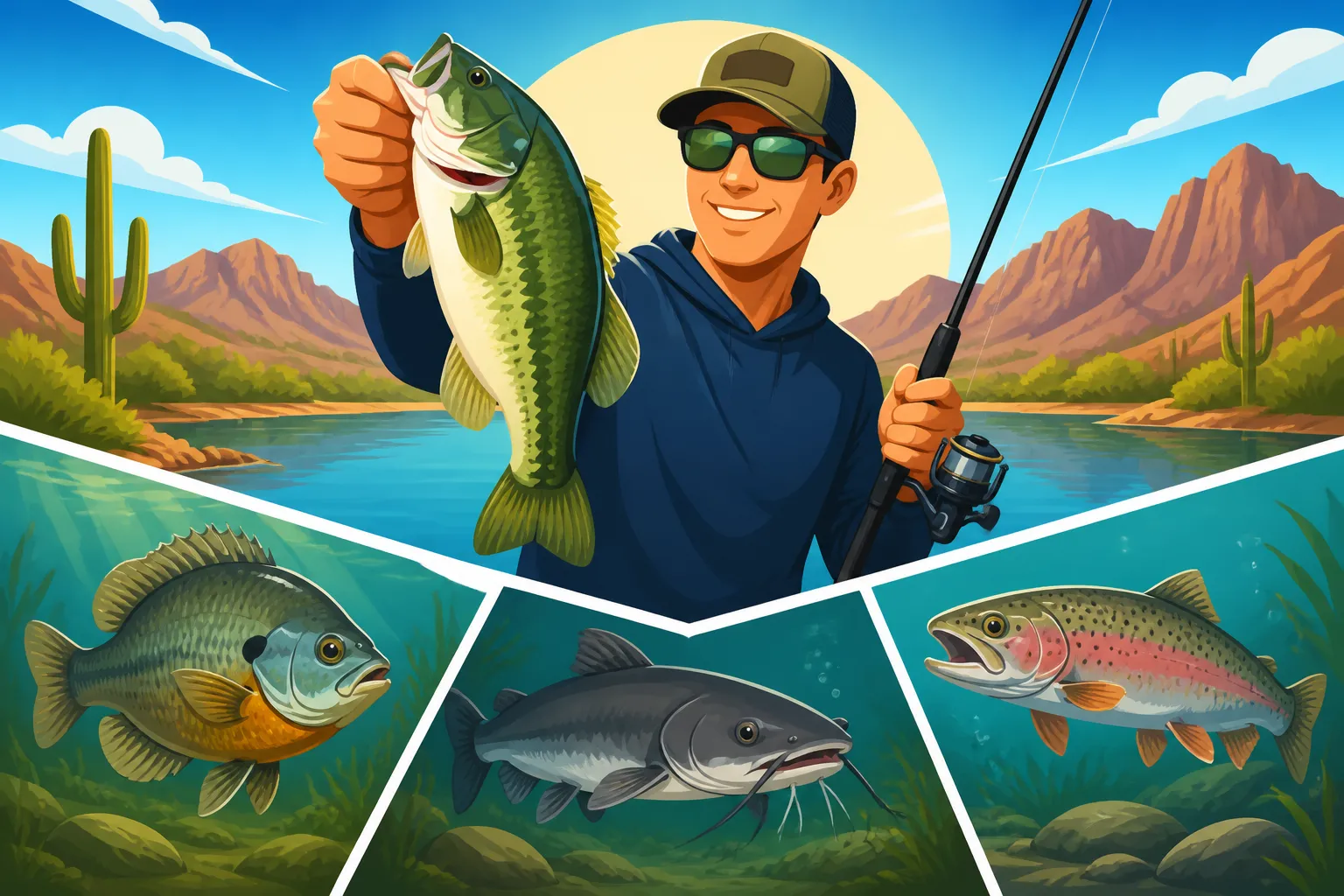
Arizona's community lakes are typically home to a fantastic mix of fish. Knowing a little about each can guide your approach:
- Rainbow Trout: These cold-water favorites are stocked heavily in the cooler months (fall through spring). They love small baits like PowerBait, corn, or worms, and readily strike small spinners or spoons. They often cruise the upper water column or near the bottom, especially where cooler water might congregate.
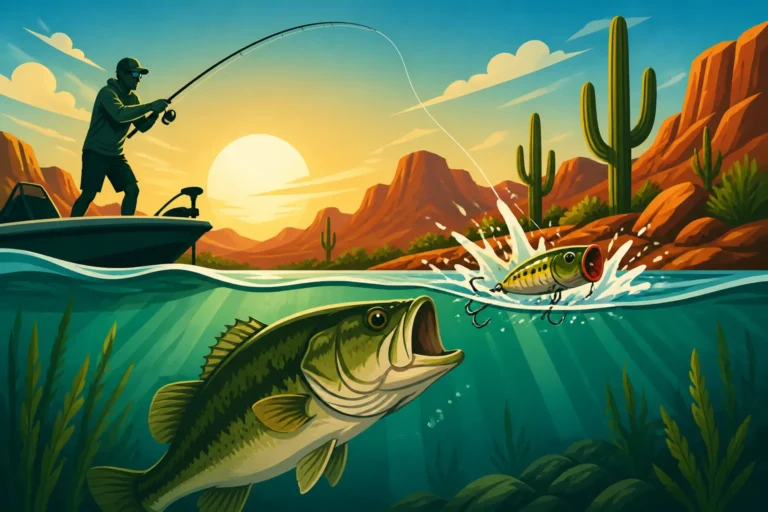
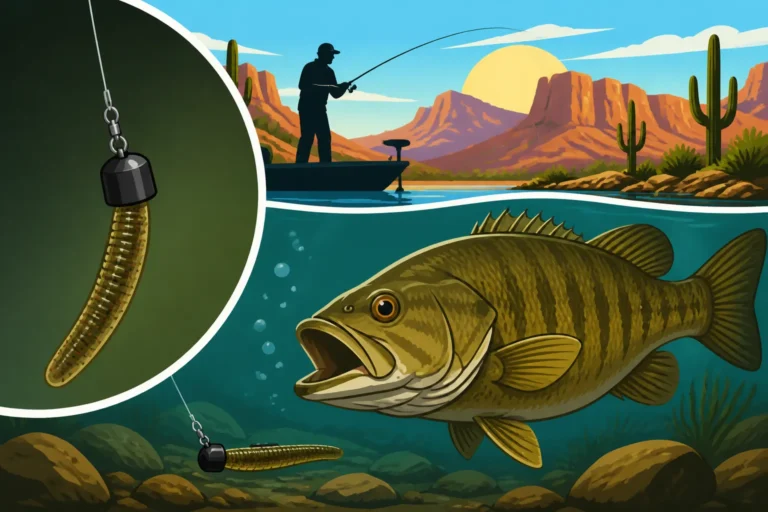
- Largemouth Bass: Present year-round, bass are predators that love structure. Look for them around submerged brush, docks, rocky outcrops, or weed lines. They'll hit a variety of lures, from plastic worms and jigs to crankbaits and spinnerbaits. Live worms can also be very effective, especially for less aggressive fish.
- Catfish (Channel and sometimes Flathead): Catfish are opportunistic feeders found on the bottom, especially in deeper, muddier areas. They're most active in warmer water, often biting well into the night during summer. Stinky baits like chicken liver, hot dogs, or prepared stink baits are their favorites. Live worms work wonders too. Best Bait for Catfish in Arizona is a must-read if you're serious about landing some whiskered fighters.
- Panfish (Bluegill, Sunfish, Crappie): These smaller, feisty fish are usually abundant and a blast to catch, making them perfect for kids or anyone looking for constant action. They hang out in shallower, weedy areas or around docks and submerged structures. Small pieces of worm, mealworms, or tiny jigs under a bobber are incredibly effective.
By understanding these basic preferences, you can adjust your bait, depth, and location to appeal to different species throughout your fishing session.
Versatile Baits and Lures
You don't need a tackle box full of hundreds of different lures to catch multiple species. Focus on versatile options that appeal to a broad range of fish:
- Live Worms: The undisputed king of multi-species bait. A nightcrawler or red worm will catch trout, bass, catfish, and all types of panfish. Present them on a small hook (size 6-10) with a light sinker, either on the bottom or under a bobber.
- Corn: Surprisingly effective for stocked trout and even some panfish. A few kernels on a small hook can be a deadly combination.
- PowerBait (Trout Dough): While specifically designed for trout, PowerBait can sometimes entice other species, especially if they are curious. Float it just off the bottom for best trout results.
- Small Spinners/Spoons: Lures like a Rooster Tail or Kastmaster in sizes 1/16 to 1/8 oz can attract trout, smaller bass, and even a hungry crappie or two. Cast and retrieve at a steady pace.
- Small Jigs: A tiny jig (1/32 to 1/8 oz) tipped with a grub, a piece of worm, or even a mealworm is a panfish magnet and can tempt a small bass or trout. Fish it under a bobber or slowly retrieved along the bottom.
By having a selection of these basics, you're prepared for almost anything the lake has to offer. Building an Essential Tackle Box Setup for Arizona Beginners will definitely put you on the right track.
Fishing Different Depths and Areas
The beauty of community lakes is that you can often access diverse habitats from a single shoreline. The trick is to try different spots and depths:
- Shallow, Weedy Edges: Start here for panfish like bluegill and sunfish. A small hook with a piece of worm under a bobber, cast near the edge of lily pads or submerged grasses, is often irresistible. You might even pick up a smaller bass lurking in the cover.
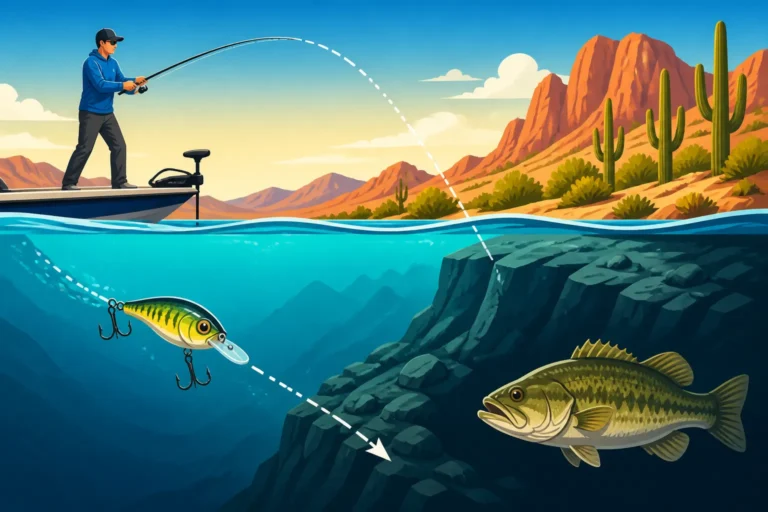
- Rocky Points and Drop-offs: These are bass magnets. Work plastic worms, small crankbaits, or even live worms along these transitions where depth changes sharply. Trout sometimes feed here as well, especially if the rocks provide cooler pockets of water.
- Open Water/Middle: For freshly stocked trout, cast a PowerBait rig or a small spoon out into the open water and let it drift or retrieve it slowly. Catfish often patrol the deeper, muddier bottom areas in the middle of the lake, so a bottom rig with stink bait is ideal here.
- Near Structures: Docks, bridges, submerged trees, or culverts are fantastic ambush points for bass and crappie. Try pitching a jig or a live worm close to these structures.
Don't be afraid to move! If one spot isn't producing, try another area with different characteristics. A quick walk around the lake or even just changing your casting angle can make all the difference.
Time of Day and Seasonal Nuances
While community lakes offer year-round opportunities, understanding the best times can further boost your multi-species success:
- Cooler Months (Fall, Winter, Early Spring): This is prime trout season. The water is cool, and trout are active. Bass and catfish might be a bit slower, but they can still be caught, often by targeting deeper water with slower presentations.
- Warmer Months (Late Spring, Summer): Trout fishing will slow down significantly as water temperatures rise. This is when bass and catfish become the stars. Early mornings and late evenings are best for bass, as they retreat to deeper, cooler water during the scorching midday heat. Catfish, on the other hand, often become very active after sunset and through the night. Night Fishing Techniques and Safety can really pay off for catfish in Arizona.
- Dawn and Dusk: These "golden hours" are almost universally productive for most species. The light is low, temperatures are milder, and many fish are actively feeding. This is a fantastic time to target both bass (with topwater lures or soft plastics) and trout (with spinners or bait).
- Overcast Days: Often preferred by bass and trout, as the diffused light makes them feel less exposed.
Being flexible with your fishing times and adjusting your target species to the conditions will greatly enhance your multi-species success.
Essential Gear for Multi-Species Success
You absolutely do not need an arsenal of expensive, specialized gear to enjoy multi-species fishing at an Arizona community lake. The beauty of these environments is that simple, versatile tackle often reigns supreme. The goal is to be prepared for various situations without being weighed down.
The All-Purpose Rod and Reel Combo
For community lake fishing, a medium-light to medium power spinning rod, around 6 to 7 feet in length, paired with a matching spinning reel (like a 2500 or 3000 series) is your best friend. This setup is incredibly versatile:
- Sensitivity: It's sensitive enough to detect subtle bites from a small bluegill or a shy trout.
- Power: It has enough backbone to handle a feisty largemouth bass or a decent-sized channel catfish.
- Casting: It allows for easy casting of both light baits (like a single worm) and slightly heavier lures (like a crankbait or a small spinner).
Spooled with 6 to 10 lb monofilament or fluorocarbon line, this combo is the workhorse you need. You can find excellent, budget-friendly options for Best Fishing Rods for Bass in Arizona and Best Fishing Reels for Beginner Anglers in Arizona online, often available on Amazon with quick shipping. Having one or two of these setups ensures you're ready for anything.
Versatile Terminal Tackle
Your terminal tackle is the business end of your line, and a small selection will cover most community lake scenarios:
- Hooks: A variety of small hooks is crucial.
- Size 8-12 Aberdeen or Baitholder Hooks: Perfect for small pieces of worm, corn, or PowerBait for trout and panfish.
- Size 2-4 Worm Hooks (Offset Shank or Wide Gap): Ideal for plastic worms or live nightcrawlers when targeting bass.
- Size 1/0 – 2/0 Circle or Octopus Hooks: Great for catfish baits like chicken liver or cut bait, and helpful for catch and release as they often hook in the corner of the mouth.
- Sinkers: A few split shot weights (small, medium) and some small egg or bullet sinkers (1/8 oz to 1/4 oz) will allow you to fish at various depths and in different conditions.
- Bobbers/Floats: Essential for suspending bait at specific depths, especially when targeting panfish or trout. Slip bobbers are excellent as they allow you to fish deeper water while still casting easily.
- Swivels and Leaders: Small barrel swivels (size 10-12) can help prevent line twist, especially when using spinners. A short fluorocarbon leader (6-8 lb test) can be beneficial in clear water, making your line less visible to wary fish.
Keep these organized in a small tackle box or a convenient tackle bag. Many affordable tackle organizers are readily available, including numerous options on Amazon.
Bait and Lure Selection
As discussed earlier, a focused selection of versatile baits and lures will give you the best chance at multiple species. Make sure you have:
- Live Baits: A container of fresh nightcrawlers or red worms is invaluable. These are universally appealing and often the easiest way to guarantee a bite.
- Prepared Baits: A jar of PowerBait (for trout season) and some chicken liver or hot dogs (for catfish) covers your bases.
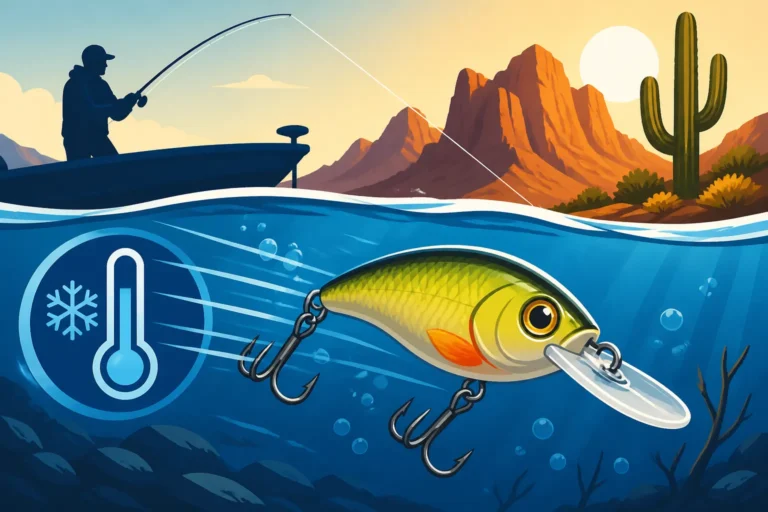
- Lures: A few small inline spinners (like Mepps or Rooster Tail), a couple of small crankbaits that dive 2-6 feet, and a pack of soft plastic worms (e.g., 4-inch Senkos or curly-tail grubs) with matching jig heads. These cover active presentations for bass and often entice trout and crappie.
Having a balanced mix allows you to switch tactics easily based on what's biting or what conditions you encounter. Remember that Best Lures for Largemouth Bass in Arizona Lakes and specific baits for other species can really make a difference.
Tips for a Successful Multi-Species Day
Embarking on a multi-species fishing trip at a community lake is about more than just having the right gear; it’s about approach, patience, and adapting to what the fish are telling you. Here are some pro tips to make your day a success.
Observe and Adapt
When you arrive at the lake, take a few minutes to observe your surroundings. Look for signs of fish activity:
- Surface Activity: Are fish jumping or dimpling the surface? This could indicate a feeding frenzy, perhaps involving trout or bass chasing baitfish.
- Bird Activity: Diving birds, like kingfishers or herons, are usually a good indicator that baitfish, and therefore predatory fish, are present in an area.
- Structure: Identify any visible structure – docks, fallen trees, brush piles, or changes in the shoreline. These are prime locations for fish to hide and ambush prey.
Once you start fishing, pay attention to what's working (or not working). If you're consistently catching small panfish in one spot, but you're hoping for a bass, consider changing your bait size, lure type, or moving to a different kind of structure. Flexibility is key! Don't get stuck doing one thing if it's not producing the results you want.
Rotate Your Techniques and Baits
Don't be afraid to switch things up every 15-20 minutes if you're not getting bites. This means trying different lures, varying your retrieve speed, changing the depth of your bait, or even swapping out for a different type of live bait. For example:
- Start with a live worm on the bottom for catfish.
- After a few minutes, cast a small spinner and retrieve it for trout or small bass.
- Then, try a plastic worm near a brush pile for a larger bass.
- If all else fails, rig up a tiny hook with a mealworm under a bobber and target sunfish – they're almost always willing to bite, ensuring you don't go home empty-handed!
The goal is to present different options to different species that might be in the area. This systematic approach increases your odds significantly. Knowing Beginner Fishing Techniques for Arizona Desert Lakes can give you a great foundation for this rotational strategy.
Patience and Persistence
While community lakes are generally more forgiving than larger, wilder bodies of water, fishing still requires patience. There will be lulls in activity. Don't get discouraged! Keep casting, keep trying different spots, and keep rotating your techniques. Sometimes, a subtle change in retrieve, a slight adjustment in bait presentation, or simply waiting five more minutes in a productive-looking spot can lead to a hook-up.
Persistence also means being willing to walk a bit further to check out a new part of the lake. The fish aren't always in the same spot, and what was hot last week might be quiet today. A willingness to explore and keep trying different things will often be rewarded with a diverse stringer.
Be Mindful of Regulations
Even though community lakes are managed for public enjoyment, they still fall under Arizona Game and Fish Department regulations. Always consult the current Arizona Fishing Regulations Explained before you head out. Key things to look for include:
- License Requirements: Make sure you have a valid Arizona fishing license if you're over the age limit (usually 10 years old). Do Kids Need a Fishing License in Arizona? is a good resource to check.
- Bag and Possession Limits: These specify how many of each species you can keep per day.
- Size Limits: Some species (especially bass) have minimum or maximum size limits.
- Special Regulations: A specific community lake might have unique rules, perhaps for certain species or times of year.
Always follow these rules to ensure the sustainability of the fishery and avoid any fines. It's our responsibility as anglers to protect these valuable resources.
With these strategies, techniques, and a bit of patience, you'll find that catching multiple species in one trip at an Arizona community lake isn't just possible—it's often the norm! Get out there and enjoy the incredible diversity these local treasures have to offer.
Disclaimer
This article is for general informational purposes only and does not constitute professional advice. Laws, prices and regulations vary by location and change over time. Consult a qualified professional for guidance on your specific situation.