Can You Catch Crappie in the Middle of Summer?
Oh, the Arizona summer! Just the thought of it can make an angler sweat, let alone thinking about chasing crappie when the thermometer is pushing triple digits. Many folks wonder if it's even worth bothering with crappie fishing when the sun is blazing, often believing these tasty panfish simply disappear until cooler weather. Well, I'm here to tell you that while it's definitely a different ballgame than the spring spawn, you absolutely can catch crappie in the middle of summer in Arizona, and this guide is going to break down exactly how to do it without melting in the process.
Yes, You Can Catch Crappie in Summer, But It's a Challenge
Let's get this out of the way upfront: yes, crappie are still catchable in Arizona's scorching summer months. They don't just vanish; they adapt. However, it's not the same easy bite you experience during the frenzied spring spawning season. Summer crappie fishing requires a significant shift in strategy, a good dose of patience, and a willingness to explore different depths and times of day. If you go out expecting to catch them shallow on every cast like you might in April, you're going to be frustrated, hot, and likely empty-handed. The key is understanding where they go to escape the heat and what makes them bite when everything else is trying to cook.
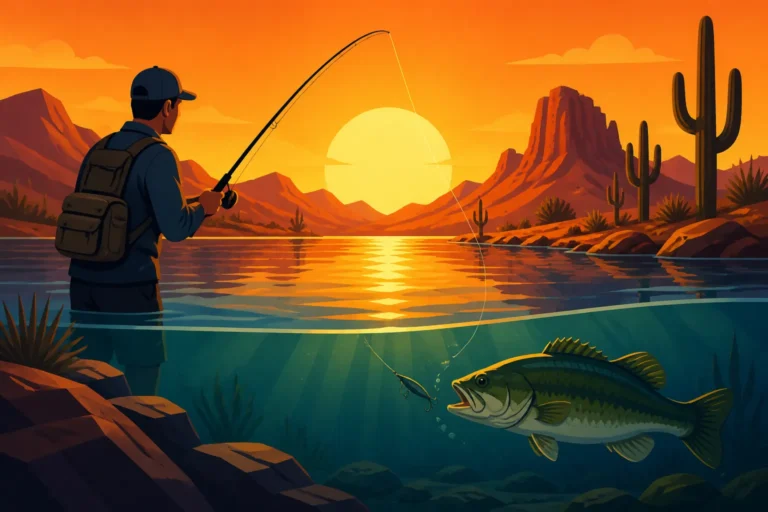
During the spring, crappie are up in those shallow coves and brushy areas, easy targets for bank anglers and boaters alike. But once those water temperatures climb past their comfort zone, typically into the high 70s and 80s, they head for deeper, cooler, more oxygenated water. This often means moving offshore to main lake channels, creek beds, submerged timber, or even deep rock ledges. They become less active during the bright daylight hours, conserving energy, and often feed during low light periods. So, while it's entirely possible to fill a cooler with summer crappie, it demands a more technical approach and a departure from traditional shallow-water tactics. It's tough, but incredibly rewarding when you crack the code.
Understanding Crappie Behavior in Arizona's Summer Heat
To successfully target crappie in the intense Arizona summer, you really need to get into their heads – or, more accurately, into their preferred water conditions. The heat changes everything, from their metabolism to their feeding patterns and where they choose to hang out.
The Impact of Water Temperature and Oxygen
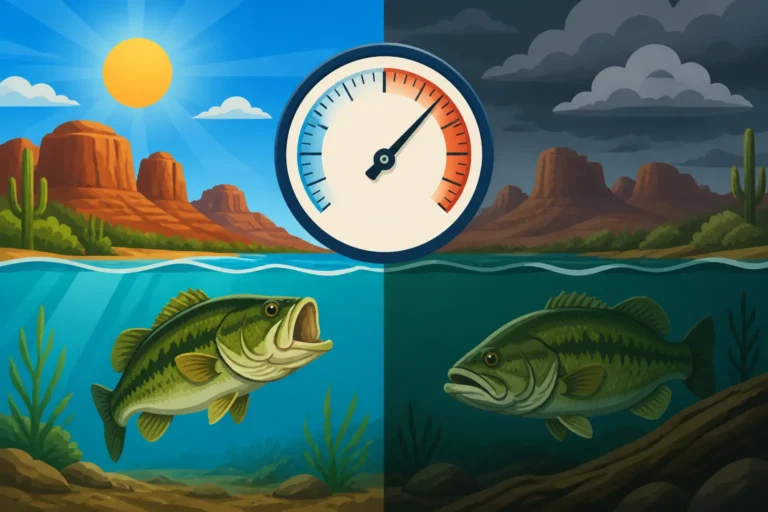
As the surface water temperatures in Arizona's lakes soar in June, July, and August, a phenomenon called "thermal stratification" occurs. This is where the lake effectively divides into layers based on temperature. You'll have a warm upper layer (epilimnion), a middle layer with a rapid temperature change (thermocline), and a cooler, deeper layer (hypolimnion). Crappie, being cold-blooded creatures, will seek out their preferred temperature range, which usually falls within or just above the thermocline.
However, temperature isn't the only factor. Oxygen levels are also critical. In many deep, warm lakes, the hypolimnion (the deepest, coolest layer) can become anoxic, meaning it lacks sufficient oxygen to support fish life. So, crappie can't just go to the very bottom if there's no oxygen. They'll find that sweet spot: the deepest, coolest water that still has good oxygen levels. This might be a specific depth range, perhaps 15 to 30 feet, depending on the lake and its current conditions. You might be fishing a lake like Lake Pleasant Arizona Fishing Guide and find them holding at a specific depth for weeks on end. They're trying to find comfort, and comfort means avoiding both the blistering surface heat and the suffocating depths.
Changes in Feeding Patterns and Location
With the intense summer heat, crappie generally become less aggressive during the day. Their metabolism slows down, and they're less likely to chase baits far and wide. Instead, they often become more structure-oriented, clinging tightly to submerged brush piles, standing timber, rock piles, or ledges. These structures provide shade, ambush points for baitfish, and a sense of security. They're often in tight, dense schools, so when you find one, you've often found a whole lot more.
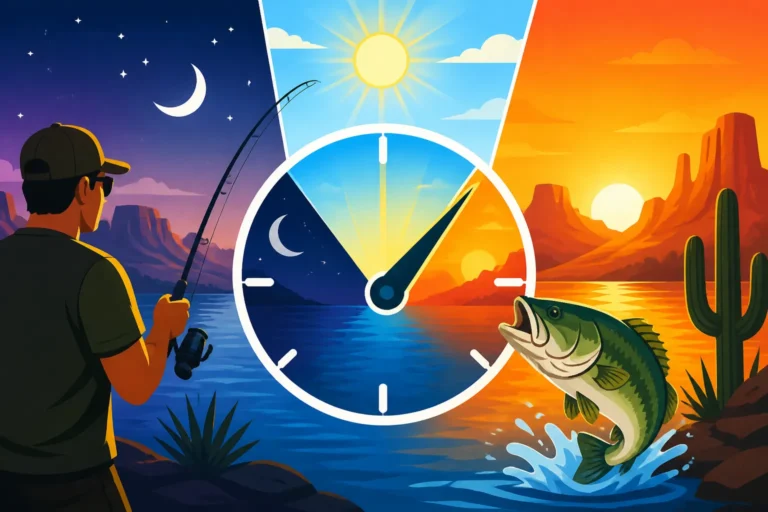
Their feeding patterns also shift. While they'll still eat opportunistic meals during the day, the best bites often occur during low-light conditions. Think dawn, dusk, and especially after dark. Under the cover of darkness, or even just heavily overcast skies, they feel more comfortable moving out from their deep cover to forage. This is when they might push up slightly shallower, though still much deeper than their spring haunts, to ambush baitfish that are also moving with the changing light. Their diet, however, remains largely the same, focusing on small baitfish like threadfin shad and various insects and invertebrates. Understanding the Crappie Diet and Feeding Habits is crucial regardless of the season.
Proven Strategies for Summer Crappie Success
Cracking the summer crappie code in Arizona means adjusting your tactics drastically. Forget those shallow water presentations from spring; it's time to go deep and maybe even go dark!
Targeting Deeper Structures and Cover
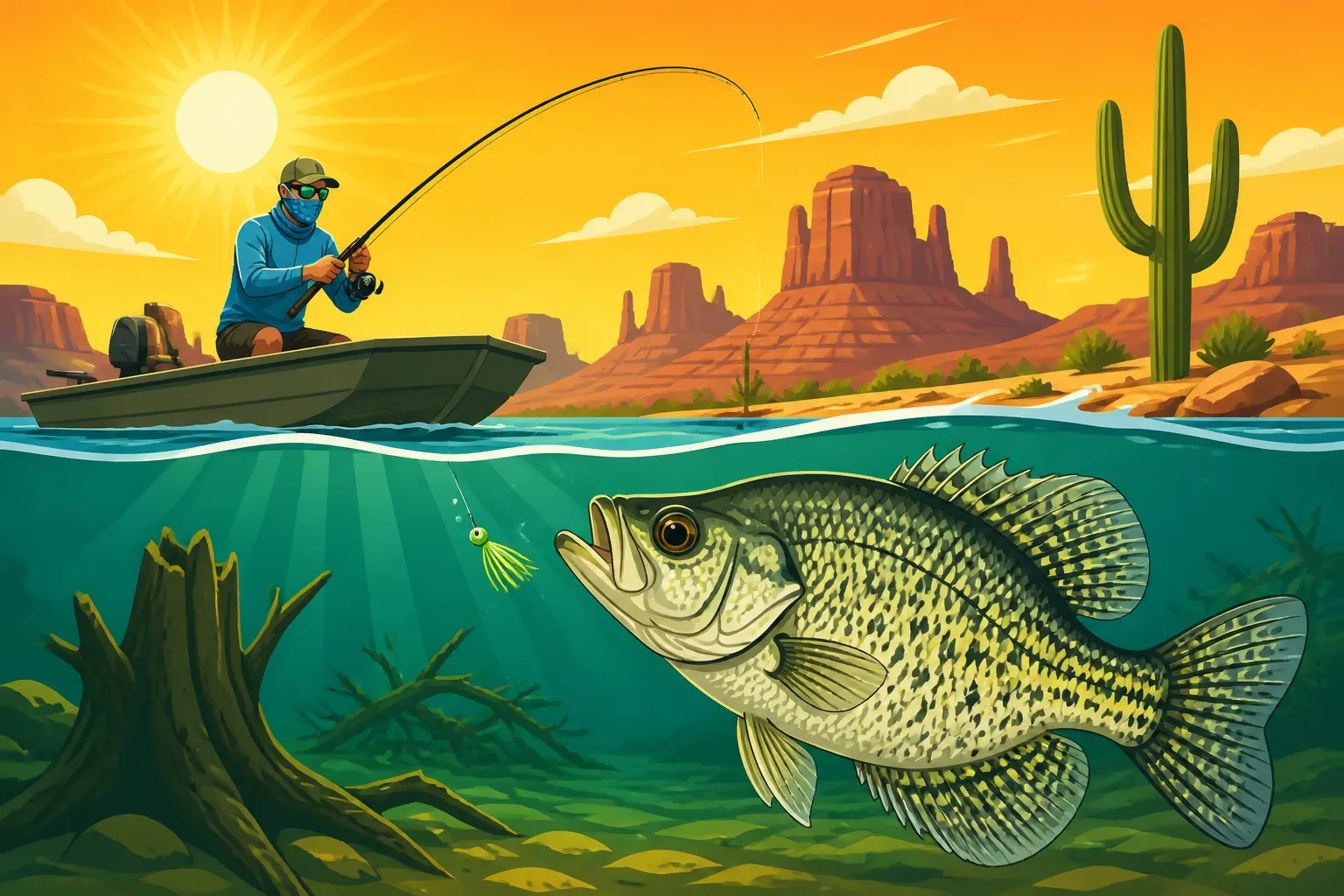
The most fundamental shift for summer crappie fishing is to go deep. We're talking about depths ranging from 15 to 40 feet, sometimes even more in very deep lakes. Crappie will gravitate towards significant underwater structures where they can find relief from the sun and ambush points for bait.
- Submerged Timber and Brush Piles: These are crappie magnets year-round, but in summer, they become vital. Look for standing timber in old creek channels or artificial brush piles that local anglers or game and fish departments have sunk. Your fish finder is your best friend here. If you see a "christmas tree" looking return on your sonar, chances are it's a brush pile loaded with crappie.
- Deep Ledges and Drop-offs: Crappie will often position themselves along the edges of steep drop-offs or rock ledges that quickly descend into deep water. They can move up and down the water column with ease, staying in the comfortable temperature zone.
- Main Lake Humps and Points: Offshore humps and points that top out in 20-30 feet of water and then drop into much deeper water can be excellent holding areas. Baitfish will often congregate around these features, and the crappie won't be far behind.
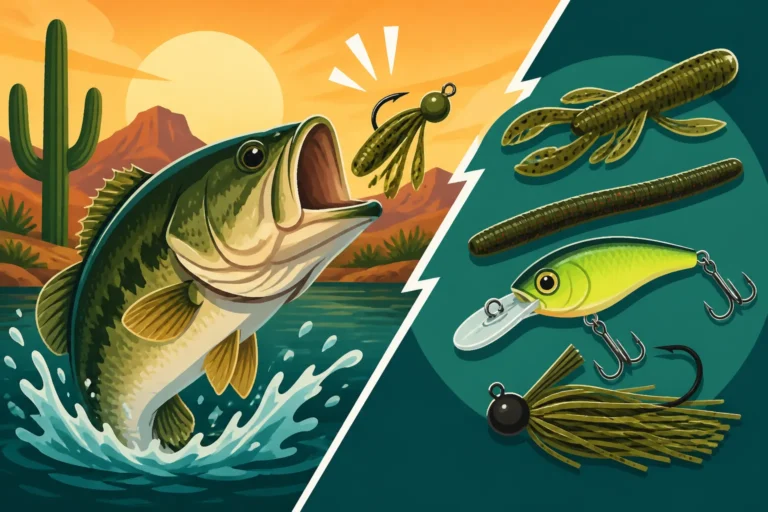
When you locate these structures, you'll need to present your bait right in the strike zone. Vertical jigging directly over the structure is often the most effective method. Use small jigs (1/32 to 1/8 ounce) tipped with a soft plastic grub, tube, or even a small minnow. On Amazon, you can find a huge variety of crappie jigs and soft plastics, making it easy to experiment with different colors and profiles to see what the fish prefer on any given day. A common setup would be a small jig head with a 2-inch curly-tail grub, slowly jigged up and down through the submerged cover.
Night Fishing for Crappie
If you truly want to beat the heat and maximize your summer crappie catch, night fishing is where it's at. Arizona summers are brutal during the day, but once the sun dips below the horizon, the air temperature can become quite pleasant, and the fish often become much more active.
- Attracting Crappie with Lights: The most popular and effective night fishing technique involves using submersible fishing lights. These lights, often green or white LEDs, are lowered into the water and attract plankton, which in turn attracts baitfish (like shad), and the crappie follow the baitfish. It creates a complete food chain right under your boat. Position your boat over a known crappie hangout (a brush pile or deep channel edge) and deploy your lights.
- Tactics Under the Lights: Once the baitfish and crappie gather, use ultralight spinning gear with small jigs or minnows. Many anglers will "spider rig" with multiple rods out, each rigged with a different depth or bait. This allows you to quickly find the preferred depth. Often, crappie will suspend just on the edge of the light's glow or directly underneath it. Pay attention to your fish finder; you'll often see schools of crappie moving in and out of the lighted area.
- Safety First: Night fishing brings its own set of challenges, especially on a large Arizona lake. Always have appropriate Night Fishing Techniques and Safety gear, including proper navigation lights on your boat, extra batteries, and communication devices. Let someone know where you're going and when you expect to return. A good headlamp is indispensable for tying knots and handling fish.
Bait, Lures, and Gear Adjustments
Your choice of bait and tackle will also need to adapt to the summer conditions.
- Live Bait: Live minnows are king for crappie, especially when they're lethargic in the heat. Hook them lightly through the lips or back and suspend them under a bobber (if fishing shallower at night) or freelined over deep structure. A small minnow on a tiny jig head can be irresistible.
- Artificial Lures: Small soft plastics (grubs, tubes, tiny swimbaits) on 1/32 to 1/8 ounce jig heads are highly effective. Natural colors like white, chartreuse, and clear with glitter often work well. Experiment with different colors and sizes until you find what they're hitting. For some anglers, a tiny spoon jigged vertically can also entice a bite from deep-holding crappie.
- Line and Rod: Opt for light line, typically 4-6 pound test monofilament or fluorocarbon. This allows your small baits to sink naturally and gives you better feel for those subtle summer crappie bites. An ultralight or light action rod with a sensitive tip is crucial for detecting bites when the fish aren't aggressively striking. You can find excellent budget-friendly options for sensitive rods and reels on Amazon.
Remember, patience is key. Crappie in summer aren't always actively chasing; they're often gently "thumping" the bait, so a keen eye on your line and a sensitive rod are your best assets.
Top Arizona Lakes for Summer Crappie Fishing
While crappie can be found in many Arizona lakes, some stand out as particularly good options for summer angling due to their size, depth, and ample structure.
Roosevelt Lake
Roosevelt Lake Arizona Fishing Guide is often considered one of the premier crappie destinations in Arizona, and it holds its own even in the summer heat. This massive reservoir on the Salt River chain has vast amounts of standing timber and numerous submerged creek channels, which are perfect for summer crappie.
- Summer Hotspots: Focus on the main lake points and humps that drop into deeper water, especially those still holding some standing timber. The mouths of the Tonto and Salt River arms can also be productive, particularly where they meet the main lake body and offer deep channels. The key is to find those deeper brush piles and submerged tree lines. Crappie will often school up tightly in these areas.
- Techniques: Vertical jigging with small jigs or live minnows is paramount. Utilize your electronics to locate schools holding tight to structure at depths of 20-35 feet. Night fishing with lights is also highly effective here, especially in the calmer coves away from the main channel boat traffic.
Lake Pleasant
Closer to the Phoenix metropolitan area, Lake Pleasant Arizona Fishing Guide also offers decent summer crappie opportunities, though it can be a bit more challenging than Roosevelt due to its generally deeper, clearer water and fewer large timber stands.
- Summer Hotspots: Crappie at Lake Pleasant will often relate to the deeper rock structures, ledges, and the submerged Scorpion Bay Marina structures. Look for them in the main lake basin, particularly where depth changes are significant. The Crappie Limit at Lake Pleasant is something to keep in mind, and anglers frequently report finding them suspended over deep water, often near schools of shad.
- Techniques: Trolling small jigs or tiny crankbaits at various depths (15-30 feet) can be effective for covering water and locating schools. Once a school is found, vertical jigging or even drop-shotting with small plastics or minnows can keep you on the fish. Night fishing around the marina lights or with your own submersible lights can also draw them in. The deeper, clearer water at Lake Pleasant means you might need to use lighter line and more subtle presentations.
San Carlos Lake
For those willing to make the drive, San Carlos Lake Arizona Fishing Guide can be a fantastic summer crappie destination, particularly when water levels are favorable. It's known for producing some truly big crappie.
- Summer Hotspots: This lake is loaded with brush and submerged timber, which are ideal for crappie. Focus on the deeper creek channels and large flats that have old timber or man-made brush piles. The lower end of the lake tends to be deeper and can hold fish year-round.
- Techniques: Similar to Roosevelt, vertical jigging over brush piles with jigs and minnows is the go-to. San Carlos is often a lake where a good fish finder and precise boat positioning pay dividends. The fish can be very tight to cover. Night fishing is also a very popular and productive method on San Carlos.
Remember, regardless of the lake, scouting with your electronics for baitfish and structure in deeper water will be your biggest asset. These summer crappie won't be easy to find, but once you do, the action can be fast and furious! Don't forget your sun protection and plenty of water; even at night, Arizona can be warm. For more specific seasonal advice, check out our guide on Arizona Fishing Seasons Explained.
Essential Gear and Safety for Summer Crappie Fishing
Summer crappie fishing in Arizona isn't just about finding the fish; it's also about staying safe and comfortable in the extreme heat. The right gear makes all the difference.
Protecting Yourself from the Arizona Sun
Even if you're planning to fish primarily at night, getting to and from the lake, and setting up, often involves being out during the day. And if you opt for daytime summer crappie, sun protection is non-negotiable.
- Clothing: Long-sleeved, lightweight, breathable shirts with UPF (Ultraviolet Protection Factor) ratings are essential. Look for materials that wick moisture away from your skin. Light-colored clothing reflects sunlight better.
- Headwear: A wide-brimmed hat will protect your face, ears, and neck from direct sun exposure. Many anglers also wear neck gaiters or buffs for added protection.
- Eyewear: Polarized sunglasses are crucial. They reduce glare off the water, helping you see structure and subtle line movements, and protect your eyes from harmful UV rays.
- Sunscreen: Apply a high-SPF, broad-spectrum sunscreen liberally and reapply frequently, especially if you're sweating or getting wet.
- Hydration: This is perhaps the most important safety tip. Bring far more water than you think you'll need, plus electrolyte drinks. Dehydration can sneak up on you quickly in Arizona's dry heat. Investing in a quality cooler, perhaps one you found on Amazon, that can keep ice for days will ensure your drinks stay cold and refreshing. For more tips on staying cool, check out How to Beat the Heat Fishing in Arizona Summer.
Essential Crappie Fishing Gear
Beyond personal protection, having the right fishing gear will improve your chances of success and make the experience more enjoyable.
- Rod and Reel: An ultralight to light action spinning rod, 5'6" to 7' long, paired with a small spinning reel (1000 or 2000 series) spooled with 4-6 lb test line is ideal. Sensitivity is key for detecting those light summer bites.
- Fish Finder/Sonar: This is arguably your most important piece of equipment for summer crappie. A good fish finder with down imaging or side imaging capabilities will allow you to pinpoint deep brush piles, submerged timber, and schools of crappie and baitfish. Without one, you'll be fishing blind.
- Anchor or Trolling Motor with Spot-Lock: Once you find a productive spot, you need to stay on it. A reliable anchor system or a trolling motor with GPS "spot-lock" functionality will keep you positioned perfectly over the structure, allowing for precise bait presentation.
- Tackle Selection:
- Jig Heads: 1/32 to 1/8 ounce in various colors.
- Soft Plastics: Small grubs, tubes, and swimbaits (1.5-2.5 inches) in white, chartreuse, natural shad, and dark colors for night fishing. You can easily stock up on a wide array of options on Amazon.
- Live Bait Rigs: Small hooks (size 4-8), split shot weights, and small bobbers (for shallower presentations or night fishing under lights).
- Net: A small landing net is handy for scooping up crappie, especially if you're using light line.
- Pliers and Hook Removers: Essential for safely unhooking fish.
By being well-prepared with the right gear and prioritizing your safety, you can turn a potentially miserable summer fishing trip into a surprisingly productive and enjoyable crappie adventure in the Arizona heat!
Disclaimer
This article is for general informational purposes only and does not constitute professional advice. Laws, prices and regulations vary by location and change over time. Consult a qualified professional for guidance on your specific situation.