What Is the Best Time to Fish in Arizona in Summer?
When the Arizona summer hits, many anglers feel like they have to hang up their rods and reels until cooler weather arrives. That scorching sun and triple-digit temperatures can make daytime fishing seem impossible, or at the very least, incredibly uncomfortable. But don't despair! While summer fishing in Arizona presents unique challenges, it's far from a lost cause. This guide will walk you through the optimal times to hit the water, ensuring you still have a shot at landing some fantastic fish, even when the mercury is trying to boil your brains.
Understanding Arizona's Summer Fishing Challenges
Let's be honest, fishing in Arizona during July or August isn't for the faint of heart. The heat isn't just uncomfortable for us; it dramatically impacts the fish and their behavior. Understanding these challenges is the first step to overcoming them and finding success on the water.
The Impact of Extreme Heat on Fish Behavior
Fish, especially cold-blooded creatures, are incredibly sensitive to water temperature. As the Arizona sun beats down, surface water temperatures in our lakes and rivers can soar. While some species tolerate warmer water better than others, most popular sport fish like bass and trout become less active and seek refuge when the water gets too hot. They're not going to be chasing lures with the same enthusiasm they show in spring or fall.
When the water warms up, oxygen levels can also decrease, making fish sluggish. They'll often move to deeper, cooler areas of the lake or river where oxygen is more stable, or they'll tuck themselves into shaded spots like under docks, submerged timber, or canyon walls. This means if you're casting aimlessly in open, shallow water during the middle of the day, you're likely to come up empty-handed. Their metabolism slows down, and feeding becomes less of a priority, reserving energy instead. It's a survival mechanism, and it's something we need to factor into our fishing strategy.
Navigating the Personal Comfort Factor
Beyond what the fish are doing, let's talk about us, the anglers. Fishing in 110-degree weather is no joke. Dehydration and sunstroke are serious risks, and they can quickly turn a fun outing into a dangerous situation. Wearing the right gear, staying hydrated, and being mindful of your body's limits are paramount. It’s easy to get caught up in the thrill of the catch, but nobody wants to end up in the emergency room.
You'll want to think about lightweight, long-sleeved shirts with UPF protection, wide-brimmed hats, and plenty of sunscreen. Bringing a quality cooler packed with ice and lots of water, electrolytes, and maybe some cold snacks is non-negotiable. Many experienced Arizona anglers swear by cooling towels or neck gaiters to help manage personal comfort during those intense summer days. Remember, if you're not comfortable, you're not going to enjoy your time, and you're certainly not going to be focused enough to catch fish.
Early Morning: The Golden Hour for Arizona Anglers
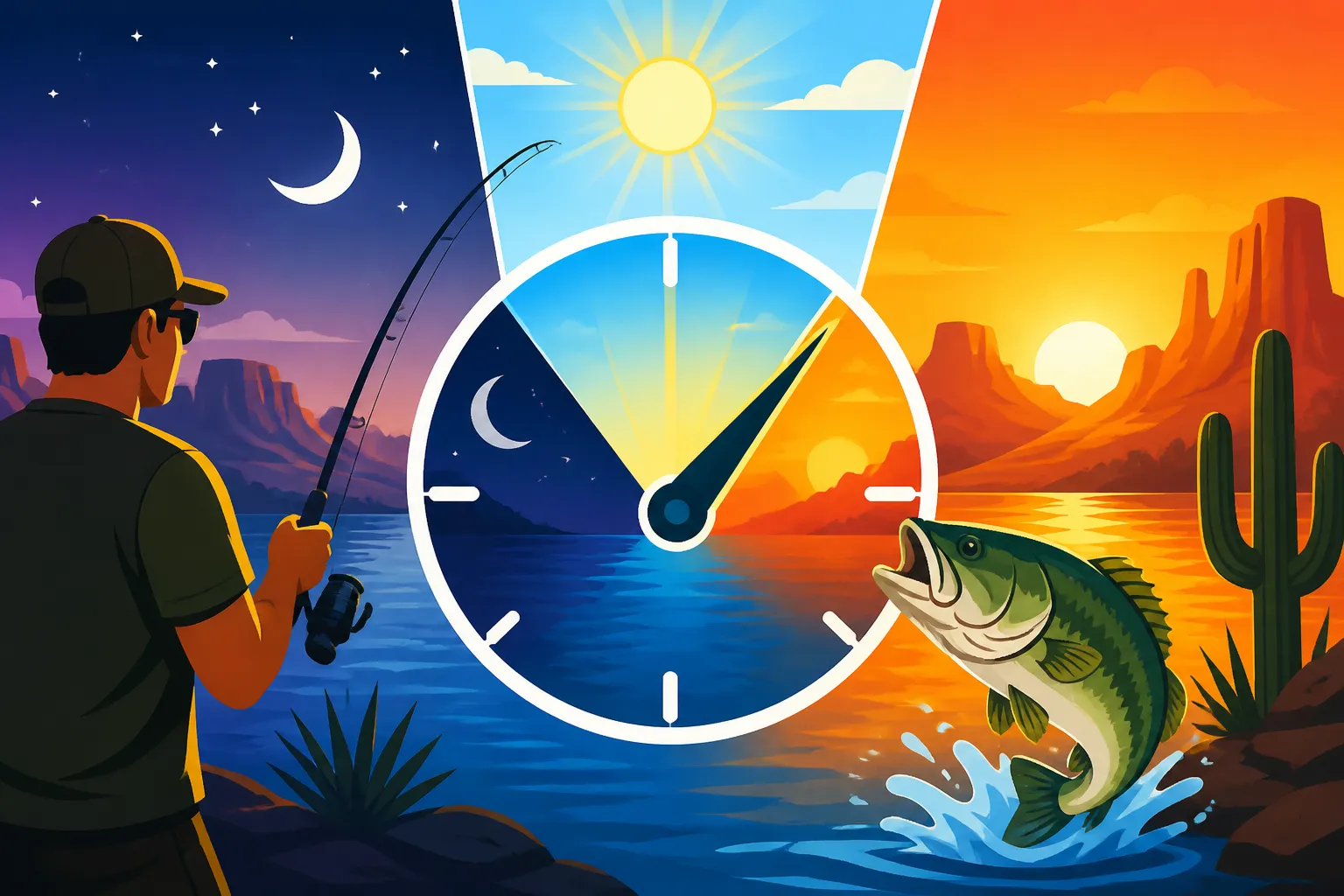
If there's one "best time" to fish in Arizona during the summer, it's undoubtedly the early morning. This window offers a brief but productive respite from the brutal midday heat, both for you and for the fish. Getting out there before the sun has fully risen can make all the difference.
Capitalizing on Cooler Temperatures and Active Fish
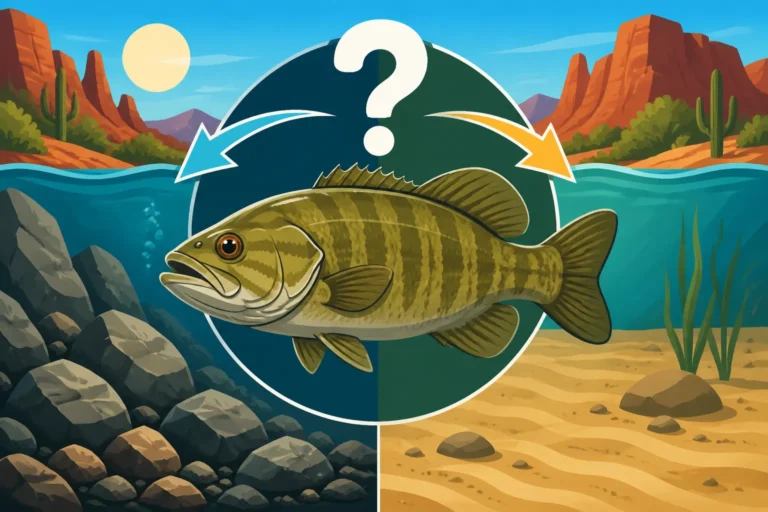
Imagine stepping out just as the first hint of light paints the eastern sky, with the air still holding onto the coolness of the night. This is prime time. The water temperature, especially in the shallower areas, has had all night to cool down, giving fish a burst of energy and an increased appetite. Many species, particularly largemouth and smallmouth bass, will move into shallower feeding grounds during these cooler hours, actively looking for a meal.
The low light conditions also give anglers an advantage. Fish are less wary and more willing to strike topwater lures or other presentations that might spook them in bright sunlight. This is when you can experience those explosive topwater bites that make summer fishing so exhilarating. As the sun creeps higher, fish will gradually retreat to deeper water or shaded cover, making that initial morning window incredibly precious. Don't hit the snooze button; the fish won't wait! For more specific strategies, check out our guide on Summer Bass Fishing Tactics in Arizona.
Recommended Techniques and Lures for Early Mornings
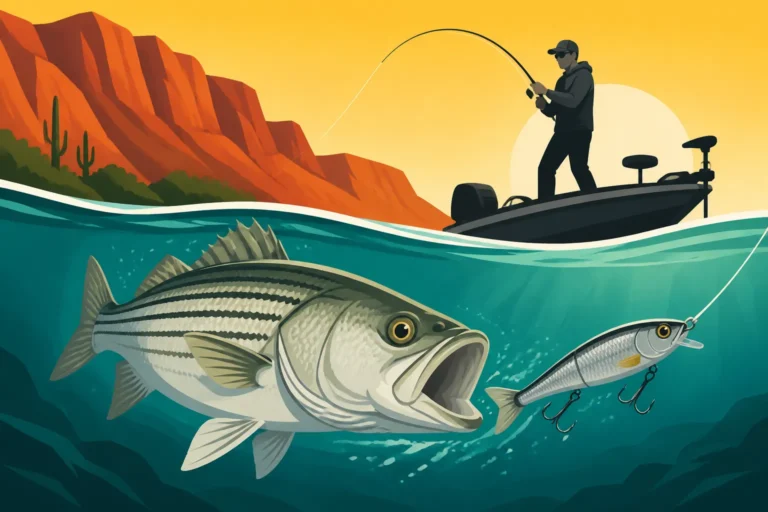
When that morning bite is on, you'll want to have your A-game ready. Topwater lures are often king in low light. Think poppers, walk-the-dog baits, or buzzbaits that create a commotion on the surface. These mimic struggling baitfish or insects and can elicit aggressive strikes from hungry bass. Cast them near cover like submerged brush, docks, or rocky points where fish might be ambushing prey.
As the sun gets a bit higher, but before it truly blazes, consider moving to reaction baits that can cover water quickly, like crankbaits or spinnerbaits. These are great for searching out those active fish before they settle into their deep-water patterns. If you're targeting trout in higher elevation lakes or stocked urban waters, small inline spinners, spoons, or powerbait under a bobber can be very effective as they move into shallower zones to feed. Remember to vary your retrieve until you find what the fish are reacting to.
Late Evening and Night Fishing: Beating the Midday Sun
While early mornings are fantastic, sometimes your schedule just doesn't allow for it, or you simply prefer the tranquility of night fishing. The good news is, late evening and night fishing offer another excellent opportunity to escape the sun and find active fish in Arizona's summer.
The Night Shift: Why Fish Become More Active After Dark
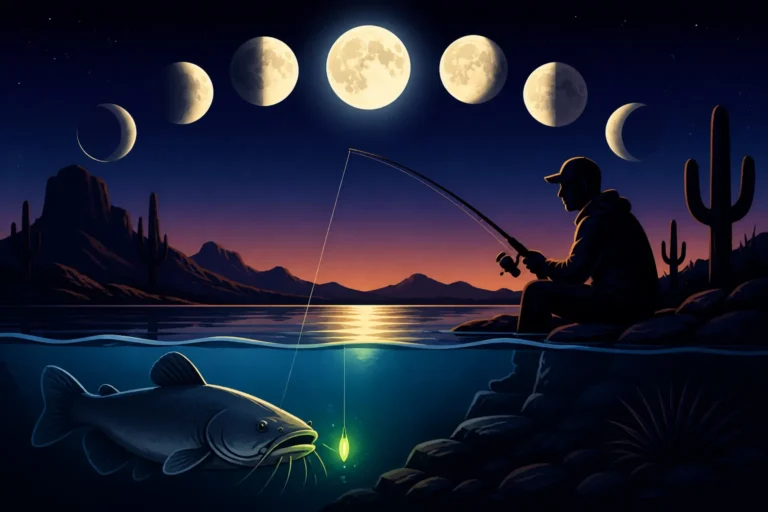
As the sun dips below the horizon and the desert sky transforms into a canvas of stars, the water begins to cool down significantly. This temperature drop signals to many fish species that it's time to feed again. The nocturnal world offers them protection from predators, especially from overhead, and can bring out larger, more aggressive fish. Catfish are notorious night feeders, but bass, crappie, and even some trout in cooler waters become much more active after dark.
Think about it: the intense heat of the day drives them deep, making them lethargic. But once that environmental pressure is lifted, they feel more comfortable venturing out to hunt. This is particularly true for larger predatory fish that use the cover of darkness to their advantage. Exploring Night Fishing Techniques and Safety can greatly increase your success during these hours. You'll often find yourself having an entire lake or a quiet stretch of river almost to yourself, adding to the peaceful charm of summer night fishing.
Essential Gear and Safety for Night Fishing
Night fishing requires a bit more preparation than a daytime outing. First and foremost, safety is key. A reliable headlamp or flashlight is absolutely essential for tying knots, rigging baits, and navigating your surroundings. Consider bringing spare batteries! Bug spray is also a non-negotiable item, especially around still water.
For your gear, glow-in-the-dark lures, lighted bobbers, and even glow sticks for your rod tips can help you detect bites and track your line. Many anglers find success with dark-colored lures that create a strong silhouette against the moonlit sky, or those that have rattles to create extra vibration. Catfish anglers will swear by stink baits or cut baits fished on the bottom. Don't forget your PFD if you're boating, and always tell someone where you're going and when you expect to return. A basic first-aid kit, a fully charged cell phone, and plenty of water are also crucial for any night excursion. You can find many of these specialized night fishing items and safety essentials on platforms like Amazon.
Adapting Your Techniques for Summer Success
Catching fish in Arizona's summer isn't just about when you fish; it's also about how you fish. The extreme conditions demand adjustments to your approach, from lure selection to retrieve speed, to maximize your chances.
Targeting Deep Water and Shade
During the scorching midday hours, fish aren't going to be cruising the sun-baked shallows. They're seeking refuge in cooler, deeper water or in the shadows cast by structures. This means you need to adjust your target zones. Look for deep drop-offs, submerged humps, creek channels, and areas where underwater springs might provide cooler water. Fish finders can be invaluable for locating these underwater structures and the fish holding on them.
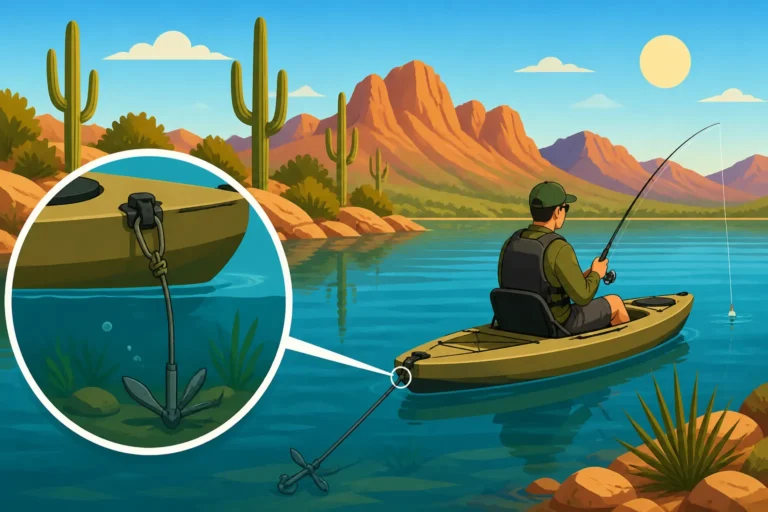
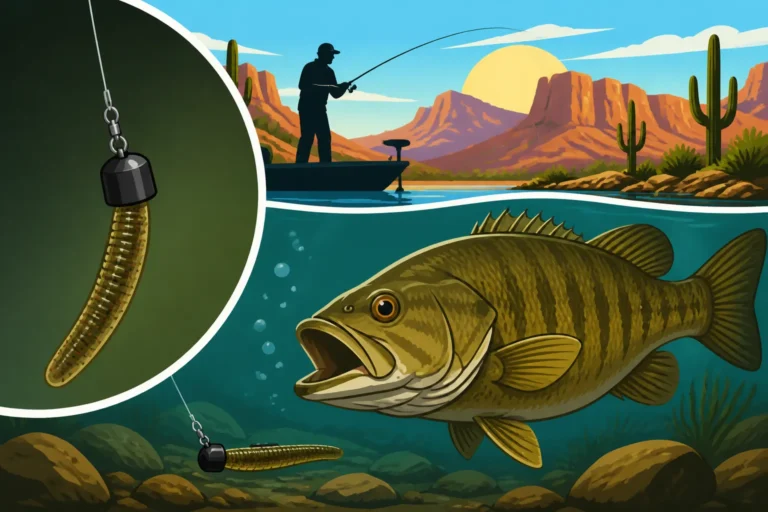
If you're fishing from shore or a kayak without a fish finder, focus on areas with natural shade: steep canyon walls, large boulders, overhanging trees, or docks with deep water underneath. Pitching jigs, Texas-rigged worms, or drop shots into these shaded pockets can be incredibly effective. The key is to get your lure down to where the fish are holding and present it in a way that entices a strike from a less-than-aggressive fish. Slow retrieves are often more effective, as fish aren't usually in hot pursuit during these conditions.
Lure Selection and Presentation for Lethargic Fish
When fish are lethargic due to warm water, they're less likely to chase down a fast-moving bait. This is where finesse techniques often shine. Instead of power fishing, think subtle presentations. Soft plastics, such as Senkos, worms, or creature baits, rigged weightless or on a light Texas rig, can be deadly when slowly worked along the bottom. Jigs, especially those with skirts that pulsate with minimal movement, are also excellent choices for enticing hesitant bites.
For species like crappie, small jigs tipped with a minnow or a soft plastic grub, fished vertically around brush piles, can be very productive. Catfish, ever opportunists, will still hit stink baits, cut bait, or even chicken livers fished on the bottom, especially in the evening. When fishing for trout in cooler, higher elevation waters, traditional baits like PowerBait, worms, or small spinners often work, but consider fishing them slower and deeper than you might in spring. Experiment with scent attractants on your lures; they can provide that extra appeal for a finicky fish. Looking for some specific recommendations? Our guide on Best Lures for Largemouth Bass in Arizona Lakes offers some great options.
Essential Gear for Summer Comfort and Success
Beyond the obvious rod, reel, and tackle, a few specific items can really enhance your Arizona summer fishing experience. As mentioned, hydration is paramount, so consider a large insulated water bottle or a hydration pack. A quality cooler, such as those you might find from brands like Yeti or Orca, is crucial not only for keeping your drinks cold but also for properly storing any fish you plan to keep. You can find a fantastic selection of coolers and other gear on Amazon. Make sure it's big enough to hold plenty of ice and keep it solid for hours in the extreme heat. For more ideas on staying comfortable, refer to our Heat Safety Tips for Summer Fishing in Arizona.
Sun protection extends beyond just sunscreen; polarized sunglasses are a must to cut glare and help you see into the water, while long-sleeved fishing shirts with ventilation and UV protection will protect your skin without making you overheat. A wide-brimmed hat is also a game-changer. Finally, a good pair of fishing pliers and a net are always helpful, making it easier and safer to handle your catch, especially when fishing unfamiliar species at night.
Table: Arizona Summer Fishing Times & Target Species
Here’s a quick overview to help you plan your summer fishing trips in Arizona:
| Time of Day | Water Temp Profile | Fish Activity Level | Recommended Species | Key Techniques/Lures | Comfort Level for Angler |
|---|---|---|---|---|---|
| Early Morning | Coolest | High | Largemouth Bass, Smallmouth Bass, Crappie, Trout | Topwater, Spinnerbaits, Jigs, Wacky Rigs, Trout Baits | High |
| Midday (Avoid) | Hottest | Low | Catfish (deep), Carp (bottom) | Deep Jigs, Drop Shot, Heavy Bottom Rigs, Live Bait | Very Low (Dangerous) |
| Late Evening/Dusk | Cooling | Medium-High | Largemouth Bass, Catfish, Crappie, Striped Bass | Topwater, Jigs, Worms, Cut Bait, Glow Lures | Medium |
| Night | Cool | High | Catfish, Striped Bass, Crappie, Large Largemouth | Cut Bait, Stink Bait, Rattle Lures, Dark Jigs, Live Bait | High |
The key takeaway from this table is clear: avoid the peak midday sun whenever possible, both for your safety and for better fishing results. Focus on the cooler parts of the day. And don't forget to review Arizona Fishing Regulations Explained before heading out.
Conclusion: Making the Most of Summer Fishing
Summer fishing in Arizona doesn't have to be a miserable experience. While the intense heat demands respect and strategic planning, the opportunities for great catches are still there, especially if you adapt your approach. By focusing on the cooler parts of the day—early mornings and late evenings into the night—and adjusting your techniques to target deep-holding or nocturnal fish, you can still enjoy productive and rewarding outings.
Remember, safety comes first. Hydration, sun protection, and being aware of your surroundings are paramount. With the right mindset, proper gear, and a bit of local knowledge, you'll find that Arizona's summer waters can offer some truly memorable fishing adventures. So, pack your cooler, set that alarm clock (or stay up late!), and get out there to experience the unique thrill of summer fishing in the Grand Canyon State! Our comprehensive Fish Species Guide for Arizona Lakes can help you determine what you might encounter.
Disclaimer
This article is for general informational purposes only and does not constitute professional advice. Laws, prices and regulations vary by location and change over time. Consult a qualified professional for guidance on your specific situation.