Best Retrieve Speed for Topwater Lures
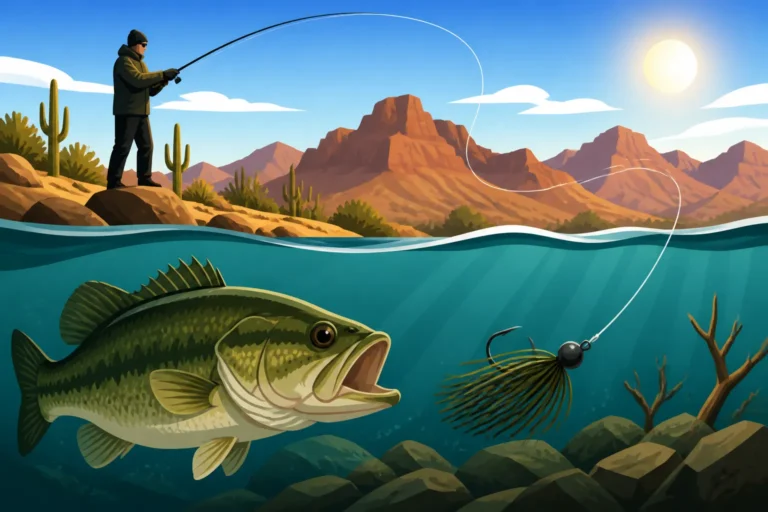
Oh, the sheer thrill of a topwater strike in Arizona! There's nothing quite like it – that explosive eruption as a bass or striper annihilates your lure right on the surface. But let's be real, how many times have you cast out a beautiful popper or walked a perfect dog only to have fish follow, nose your bait, or even swipe at it without truly committing? It's a frustrating dance, isn't it? Often, the missing piece isn't the lure itself, or even where you're casting, but the speed at which you're bringing it back. This guide is all about nailing that retrieve speed for topwater lures, helping you convert those tantalizing follows into solid hookups and unforgettable surface explosions.
Understanding the "Why" Behind Topwater Retrieve Speed
Before we dive into the nitty-gritty of how fast or slow to crank, let's talk about why retrieve speed is such a game-changer for topwater presentations. It's not just about getting the lure back to you; it's about telling a story to the fish beneath the surface.
Mimicking Prey: The Art of Illusion
Think about what a topwater lure is supposed to represent. Is it a frog struggling to get back to shore after being dunked? A frantic baitfish fleeing a predator? A wounded bird that fell from a nest? Each of these scenarios plays out with a different level of urgency and movement on the water's surface. Your retrieve speed is how you convey that story.
If you're trying to mimic a wounded baitfish, a slow, erratic "walk-the-dog" retrieve with pauses might be perfect. It suggests a fish that's easy pickings, a vulnerable target that an opportunistic bass can't resist. On the other hand, a frog that just landed in the water after jumping from a lily pad might just sit there for a moment, then give a few nervous kicks before pausing again. A rapid, splashy retrieve might suggest a baitfish in a full-on panic, desperately trying to escape. Understanding these subtle differences and how fish perceive them is crucial. A retrieve that's too fast might look unnatural and unapproachable, while one that's too slow could lose the illusion of life entirely, making the fish lose interest.
The Predator's Perspective: Triggering Strikes
Fish, especially predators like largemouth bass, smallmouth bass, and striped bass in Arizona's lakes, operate on instinct. Your retrieve speed plays directly into those instincts, either by triggering a reaction strike or by enticing a more deliberate investigation.
A fast, erratic retrieve with a prop bait or a buzzbait can trigger an aggressive reaction strike. The fish sees a quick, noisy disturbance, and its instinct kicks in: "Something's getting away! I have to hit it now!" This often happens when fish are highly active and aggressive, such as during the early morning hours or late evenings. Conversely, a slower, more deliberate retrieve with a popper or a subtle "walk-the-dog" lure can appeal to a fish's curiosity. It gives them time to approach, examine the lure, and then decide to strike. This is often effective when fish are a bit more lethargic, perhaps during the hotter parts of the day or when they're hiding in cover, waiting for an easy meal. The key is to match your retrieve to the mood of the fish and the conditions, and often, that comes down to finding the perfect speed. You can learn more about how to trigger these instincts in our guide to Best Bass Fishing Techniques for Arizona Lakes.
Key Factors Influencing Your Topwater Retrieve Speed in Arizona
Arizona fishing presents unique challenges, especially with our intense sun and often clear, warm waters. These local conditions, along with the behavior of our fish, heavily influence what retrieve speed will be most effective for your topwater lures.
Water Conditions: Clarity, Temperature, and Surface Agitation
The environment above and below the surface dictates a lot about how fish will react to your topwater presentation.
First, consider water clarity. In Arizona's famously clear lakes like Lake Pleasant or Canyon Lake, fish have excellent visibility. This means they get a good, long look at your lure. In such conditions, a slower, more deliberate retrieve often works best. It allows the fish to approach, observe the lure's subtle movements, and build up the confidence to strike. A super-fast retrieve in clear water might just look unnatural and make them wary. However, in murkier water, perhaps after a monsoon rain or in a turbid canal, the opposite might be true. You might need a faster retrieve to create more surface commotion and vibration, helping the fish locate your lure by sound and displacement rather than sight.
Water temperature is another massive factor. During the cooler months or early mornings in spring and fall, when water temperatures are lower, fish tend to be more sluggish. Their metabolism is slower, and they're less inclined to chase down a fast-moving meal. This is when a slow, methodical retrieve with plenty of pauses shines. As the water warms up, especially during Arizona's scorching summers, fish become more active, sometimes aggressively so in low-light conditions. During these peak feeding times, they might readily smash a faster-moving bait. Conversely, during the brutal mid-day summer heat, they might again retreat to deeper, cooler water and become more lethargic, requiring a slow, tantalizing presentation. Understanding Best Time of Day to Fish for Bass in Summer can further inform your speed choices.
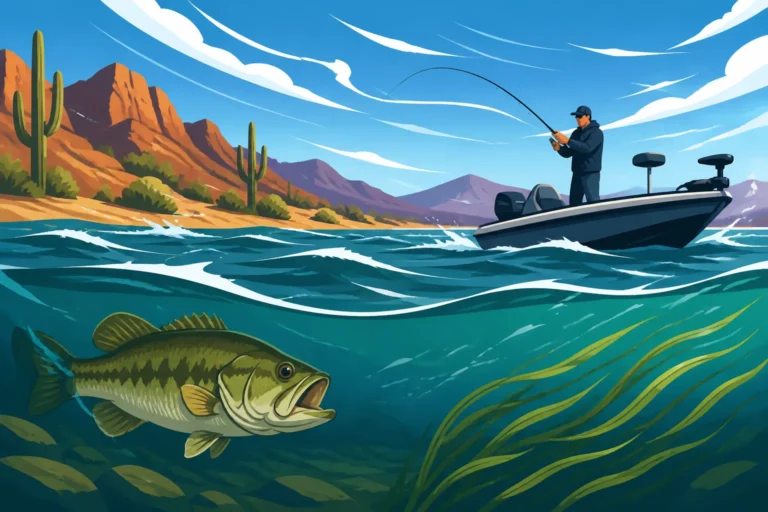
Finally, don't forget surface agitation. On a perfectly calm morning, a subtle "walk-the-dog" or a soft popper pop can be incredibly effective because the fish can easily see and hear it. But if the wind picks up and the surface gets choppy, a subtle lure might get lost in the waves. In these conditions, you might need to speed up your retrieve or use a lure that creates more splash and noise, like a prop bait or a chugger, to cut through the chop and grab the fish's attention.
Fish Activity Level and Species Behavior
Different fish species and their activity levels on any given day demand different approaches to retrieve speed. You wouldn't fish for finicky trout the same way you'd chase down an aggressive striper boil.
When bass are highly active and aggressively feeding, often during dawn and dusk, or when there's an abundance of baitfish, they are more likely to chase a faster retrieve. These are the times when you might see explosive strikes on a buzzbait ripped across the surface or a prop bait zipping along. Their predatory instincts are in overdrive, and they're reacting without much thought. However, if the bite is slow, or if the fish are "short striking" your lure – meaning they're swiping at it but not getting hooked – it's a clear sign that you need to slow down. Give them more time to inspect the lure and make a confident strike. This often involves longer pauses, softer twitches, and a more deliberate presentation.
Striped bass, particularly in massive reservoirs like Lake Powell or Lake Mead, can be incredibly aggressive when they're schooling and feeding on shad. When you find a "striper boil" – where the water is erupting with feeding stripers – a fast, erratic retrieve with a popper or a walking bait can be absolutely deadly. They're in a feeding frenzy and are competing for food, so a fast retrieve mimics fleeing baitfish perfectly. You can read more about How to Fish During a Striper Boil to get a better sense of their intense feeding patterns. However, if they're not actively boiling and you're just casting randomly, a medium-paced retrieve with occasional pauses might be more productive to entice a lone cruising striper.
Even within the same species, their mood can change throughout the day. A bass that was aggressive at dawn might become lethargic by noon due to rising temperatures and increased light penetration. Paying attention to these nuances and being willing to experiment with speed is key to success.
Topwater Lure Type and Its Intended Action
Each type of topwater lure is designed to perform a specific action, and your retrieve speed needs to complement that design to get the most out of your bait. You can't retrieve a buzzbait like a popper, and vice-versa.
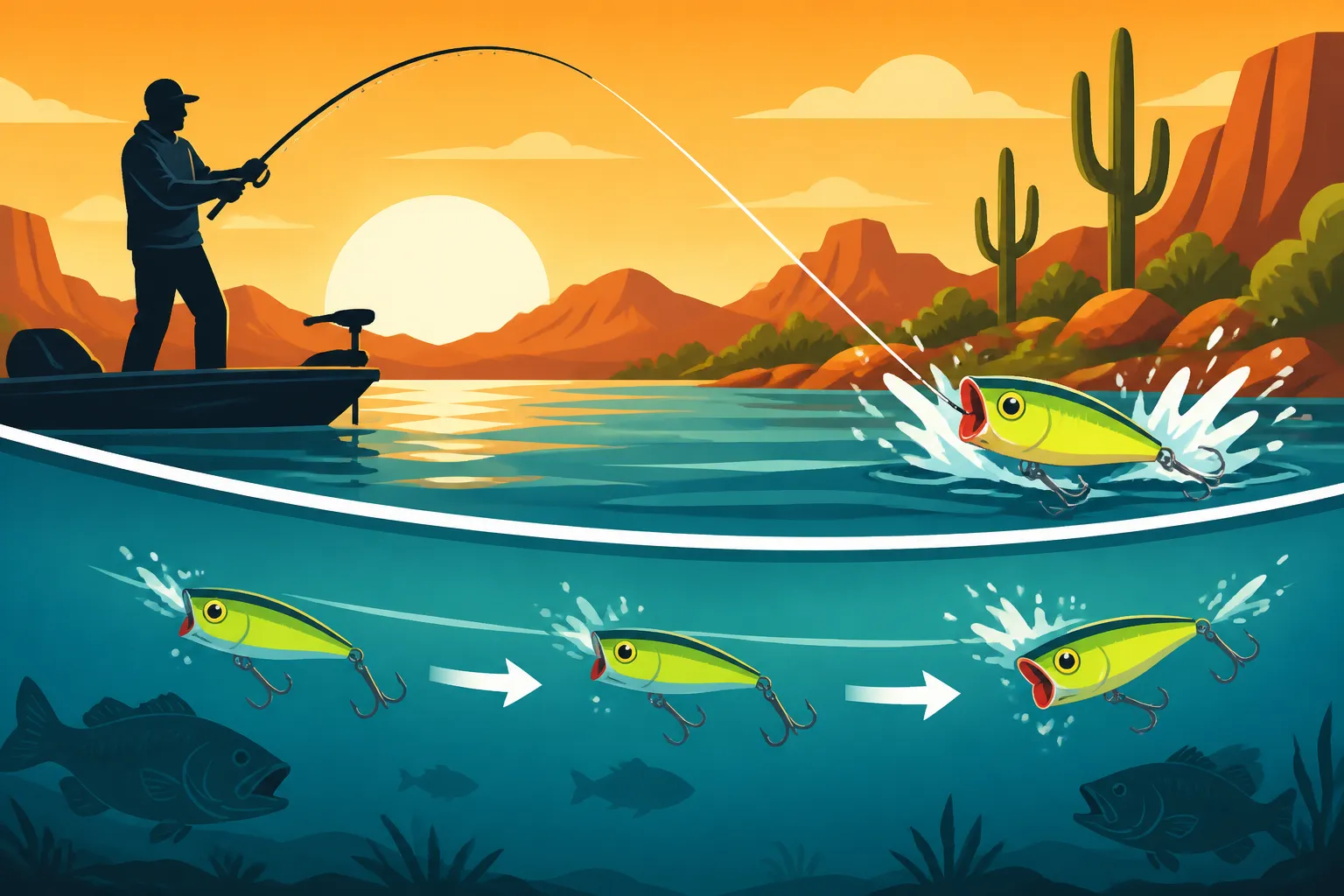
- Poppers and Chuggers: These lures are all about creating splashes and gurgles. They are typically best fished with a "pop and pause" retrieve. The pop creates disturbance, and the pause gives the fish time to home in on the sound and motion, and then commit to the strike. A retrieve that's too fast won't allow the lure to create its signature pop and will just drag it through the water, looking unnatural.
- Walk-the-Dog Lures (e.g., Heddon Super Spook, Zara Spook): These lures are designed to glide side-to-side across the surface in a "walk" motion. Achieving this action requires a specific rhythm of twitching your rod tip while reeling in slack. The retrieve speed here isn't just about how fast you reel, but how quickly and smoothly you can get the lure to walk. A consistent, medium-paced walk with occasional pauses is usually the most effective. If you retrieve too fast, the lure won't have time to complete its walk, and it'll just pull straight.
- Prop Baits (e.g., Whopper Plopper, Rapala X-Rap Pop): These lures feature propellers that churn water and create a unique surface disturbance. They are often best fished with a steady, medium retrieve. The speed needs to be fast enough to engage the propellers and create that enticing sound and splash, but not so fast that it blows out of the water or looks like a blur. Some anglers experiment with stop-and-go retrieves, but a consistent speed often allows the prop to work its magic.
- Buzzbaits: These are arguably the fastest topwater lures. Buzzbaits are meant to be retrieved quickly and steadily, creating a loud, gurgling buzz on the surface. The goal is often to generate a reaction strike from aggressive fish or to cover a lot of water quickly. If you reel too slowly, the blade won't spin correctly, and the lure won't create its characteristic sound.
- Hollow Body Frogs: Designed to be fished over dense cover like lily pads or matted grass, frogs are usually retrieved with a series of twitches and pauses. The idea is to make the frog "walk" or "jump" over the cover, then pause at open pockets, mimicking a real frog. The retrieve speed is slow to medium, focusing on working the lure deliberately through the thick stuff.
Here's a quick guide to common topwater lure types and their recommended starting retrieve speeds:
| Lure Type | Initial Retrieve Speed Suggestion | When to Go Slower | When to Go Faster |
|---|---|---|---|
| Poppers/Chuggers | Pop, pause (2-5s) | Finicky fish, calm water, colder mornings | Active fish, choppy water, reaction bites |
| Walk-the-Dog | Medium consistent walk | Low light, clear water, subtle presentation | Aggressive fish, windy conditions |
| Prop Baits | Steady medium retrieve | Slightly less active fish | Covering water, highly active fish |
| Buzzbaits | Fast, steady retrieve | Rare (might slow just before a pause) | Maximizing commotion, covering water quickly |
| Hollow Body Frogs | Twitch, pause (1-3s) | Over dense cover, wary fish | Rapidly covering matted areas |
Mastering Specific Topwater Lure Retrieve Techniques
Now that we understand the factors, let's get into the actual mechanics of how to work these lures effectively. Remember, these are starting points; the real mastery comes from adaptation.
Poppers and Chuggers: Pop, Pause, Perfection
Poppers and chuggers are classics for a reason – they're incredibly effective when worked correctly. The "pop and pause" is the fundamental technique, but there's an art to it. After your cast, let the ripples dissipate. This subtle moment of silence can sometimes be enough to draw a strike.
Then, give your rod tip a sharp, downward twitch while reeling in just enough slack to load your rod. This should make the popper "pop" or "chug," spitting water forward. The sound and splash are what draw attention. After the pop, immediately pause. The duration of this pause is critical. In cooler water or when fish are lethargic, a pause of 5 to 10 seconds (or even longer!) can be what it takes for a fish to commit. When fish are more active, a 2-3 second pause might be enough. Sometimes, a series of quick, soft pops followed by a long pause can be incredibly effective, mimicking a struggling baitfish trying to get away then giving up. Don't be afraid to vary the strength of your pops either – a gentle "sip" versus a violent "chug." Finding the cadence that triggers a strike often means experimenting with both the pop intensity and the pause length.
Walk-the-Dog Lures: The Sidewinder's Dance
The "walk-the-dog" retrieve is iconic, producing a mesmerizing side-to-side glide that many predatory fish find irresistible. Lures like the Zara Spook or even some frog patterns excel at this. The key is a rhythmic twitch of your rod tip combined with reeling in slack line.
Start by casting out and letting your lure settle. Point your rod tip slightly down towards the water. With a loose line, give your rod tip a short, downward snap. As the lure darts to one side, immediately reel in the slack created by the snap. Then, repeat the process, snapping the rod tip again as the lure completes its glide. The timing is crucial: twitch, reel, twitch, reel. It takes practice to get a smooth, consistent "walk." The speed of your walk is determined by how quickly you can execute this twitch-and-reel cadence. A slower walk with longer glides and pauses might be best in clear, calm water or for finicky fish. A faster, more frantic walk can trigger reaction strikes when fish are aggressive. You can also mix in pauses during your walk – sometimes a fish will inhale the lure right when it stops. Mastering the walk can make all the difference, especially for Best Lures for Largemouth Bass in Arizona Lakes.
Prop Baits and Buzzbaits: Speed Demons of the Surface
When you want to cover water and create a commotion, prop baits and buzzbaits are your go-to. Their retrieve is generally faster and more consistent than poppers or walkers.
For prop baits like the Whopper Plopper, the magic is in the tail. A steady, medium-to-fast retrieve is usually all it takes to get the flexible tail to churn and gurgle across the surface. The speed should be just enough to keep the tail working effectively without the lure blowing out of the water. This continuous commotion is highly attractive, especially when fish are spread out and you're trying to locate active biters. Some anglers will incorporate very brief pauses or subtle twitches, but often, a consistent retrieve is best.
Buzzbaits are designed for speed. As soon as your buzzbait hits the water, begin your retrieve. You need to reel fast enough to get the blade spinning immediately, keeping the lure on the surface and creating that distinctive "bzzzzz." The speed should be consistent, often a medium-fast to fast retrieve, especially in low light or stained water conditions. The goal is to make enough noise and visual disturbance to trigger an aggressive strike. If you reel too slowly, the blade won't spin, and the lure will sink. Experiment with varying your retrieve speed slightly – sometimes a sudden burst of speed or a slight slowdown can be what triggers a follow-up strike from a hesitant fish.
Hollow Body Frogs: Skipping and Sliding Over Cover
Hollow body frogs are built for fishing the nastiest, thickest cover Arizona's lakes can offer – matted vegetation, lily pads, or dense moss. The retrieve for these isn't about speed across open water, but about strategic movement over and through obstacles.
Cast your frog onto or adjacent to heavy cover. Let it sit for a moment, mimicking a frog that just landed. Then, with your rod tip up, give it subtle twitches. These twitches will make the frog "walk" or "dance" on top of the vegetation, creating slight disturbances. Pause frequently in open pockets or at the edge of the cover – these are prime ambush points for bass. When you're retrieving over dense mats, a series of short, quick twitches can keep the frog moving, while longer pauses are reserved for those open water opportunities. The retrieve speed is generally slow and deliberate, allowing the bass in the cover to find and ambush the bait. Be ready for a strike as soon as the frog enters an open patch of water or when you pause it over a likely ambush point.
Adapting and Troubleshooting Your Topwater Game
Fishing in Arizona means facing diverse conditions, from the cool, clear mountain lakes to the warm, vast desert reservoirs. Learning to adapt your topwater retrieve speed is a lifelong skill that will pay dividends.
Starting Point: The Goldilocks Zone
When you first tie on a topwater lure, it's easy to wonder where to even begin with retrieve speed. My advice is always to start in the "Goldilocks Zone" – not too fast, not too slow, but just right. This usually means a moderate retrieve that allows your lure to perform its intended action effectively, with some intentional pauses mixed in.
For poppers, start with a single pop and a 3-5 second pause. For walk-the-dog lures, try to establish a smooth, consistent walk at a medium pace. For prop baits, a steady reel speed that makes the props churn without overpowering the lure. And for buzzbaits, a consistent speed that keeps the blade bubbling on the surface. From this starting point, pay close attention to the fish. Are they following but not committing? Are you getting short strikes? Are they blowing up on the lure but missing the hooks? These are all clues that your retrieve speed might need adjustment. Sometimes, even the color of your lure, like knowing the Best Topwater Lure Color for Dawn Fishing, can affect how visible and enticing it is at a given speed.
The Experimentation Mindset: Don't Be Afraid to Change
The biggest mistake anglers make with topwater is getting stuck in one retrieve pattern. If fish aren't biting, don't just keep doing the same thing. The most successful topwater anglers are constantly experimenting.
If you're getting follows or short strikes, the first thing to try is slowing down. Lengthen your pauses. Soften your twitches. Give the fish more time to react and fully engulf the lure. Often, a fish that's hesitant to commit to a fast-moving bait will absolutely crush a slower, more tantalizing presentation. Conversely, if you're not getting any attention at all, try speeding up. A faster, more aggressive retrieve can trigger a reaction strike from fish that might not otherwise be interested. You might find that a slower presentation works early in the morning, but as the sun gets high, a quicker, more erratic retrieve becomes more effective. Don't be afraid to try different combinations: three quick pops, then a long pause; a fast walk, then a dead stop; a steady buzz, then a momentary hesitation. The fish will tell you what they want if you're willing to listen and experiment.
Gear Considerations for Optimal Retrieve
Your retrieve speed isn't just about your hand – your gear plays a crucial role too. The right rod, reel, and line can make a world of difference in how effectively you can work a topwater lure.
A medium-heavy action rod with a fast tip is generally ideal for most topwater applications. The fast tip allows you to impart quick, sharp twitches for poppers and walking baits, while the backbone of the rod gives you the power to cast larger lures and fight aggressive fish. For bass fishing in Arizona, you might want to look at a specialized setup. Check out our guide on Best Fishing Rods for Bass in Arizona for more specific recommendations.
Reel gear ratio is particularly important. A faster gear ratio reel (7.1:1 or higher) is excellent for buzzbaits and prop baits, allowing you to pick up line quickly and keep those lures moving. However, for poppers and walk-the-dog baits, a slightly slower gear ratio (6.4:1 or even 5.3:1) can actually be beneficial. It helps prevent you from over-working the lure and allows for more precise control over those crucial pauses and subtle movements. You can learn more about finding the right reel in our article on Best Fishing Reels for Beginner Anglers in Arizona. Many anglers find great deals on these specialized reels on platforms like Amazon, making it easier to build out a versatile topwater arsenal.
Finally, line choice matters. Monofilament line floats, which is a huge advantage for topwater lures, helping them stay on the surface and making it easier to achieve their intended action. Fluorocarbon sinks, which can hinder topwater action, though some anglers use a short fluoro leader for stealth. Braided line floats and offers excellent sensitivity and casting distance, making it a popular choice, though some find it can dig into the spool if not spooled tightly. Finding the right line, like for instance, understanding How to Choose Line Weight for Striped Bass, can enhance your topwater control and effectiveness.
Topwater fishing in Arizona is one of the most exciting ways to catch fish. By understanding the nuances of retrieve speed, adapting to conditions, and continuously experimenting, you'll be well on your way to more heart-stopping surface strikes. So go out there, make some noise, and enjoy the show! You'll be surprised at how much difference a slight adjustment in your retrieve can make.
Disclaimer
This article is for general informational purposes only and does not constitute professional advice. Laws, prices and regulations vary by location and change over time. Consult a qualified professional for guidance on your specific situation.