How to Fish Muddy Water After a Monsoon
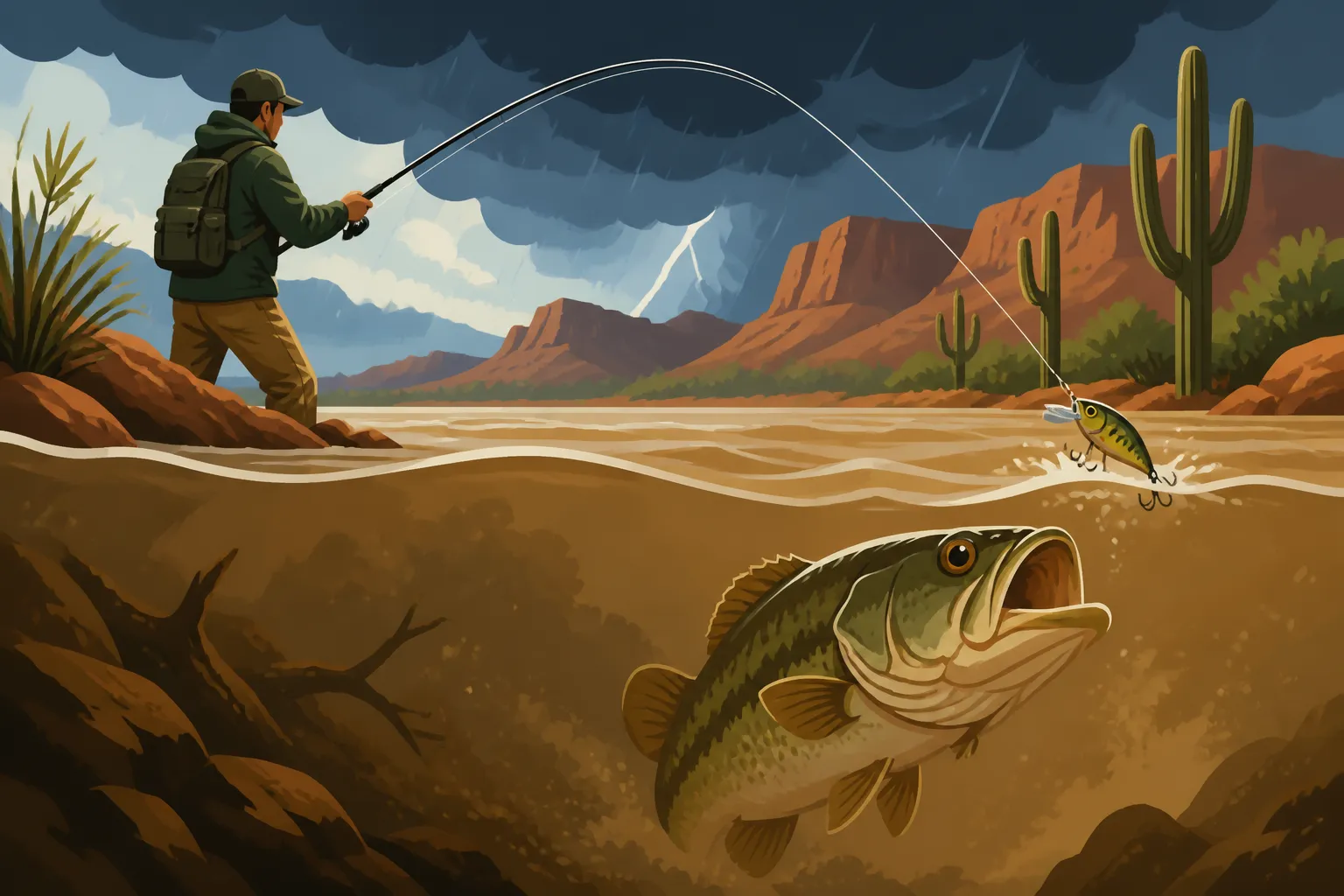
There's nothing quite like the excitement of a summer monsoon in Arizona, with the sky turning dark and the air getting that charged, humid feel. But as glorious as those downpours are for our parched desert landscape, they can throw a real curveball into your fishing plans, turning your favorite clear waters into a murky, muddy mess. Many anglers get frustrated, thinking the fishing is simply shut down after a good rain, and it’s easy to feel that way when you can barely see a foot into the water. But don't you dare pack up your gear! With a few adjustments and a bit of know-how, you can still have incredibly productive days on the water even when it looks like chocolate milk. This guide is all about giving you the strategies and confidence to conquer muddy monsoon waters and keep those lines tight.
Understanding Monsoon Runoff and Its Impact on Arizona Fishing
When those glorious summer storms roll through Arizona, they bring much-needed moisture, but they also bring a significant amount of runoff. This runoff, often carrying silt, debris, and nutrients from the surrounding landscape, is what transforms our usually clear desert lakes and rivers into cloudy, muddy conditions. It’s a natural process, but it dramatically changes the underwater environment.
The Science Behind Muddy Water
Think about the desert floor before a storm. It’s dry, often dusty, and full of loose sediment. When the monsoon rains hit, especially hard and fast, that water doesn't soak in immediately. Instead, it rushes across the surface, picking up everything in its path – dirt, sand, organic matter, and even small rocks. This creates a powerful, sediment-laden flow that eventually makes its way into our lakes and reservoirs. The turbidity, or muddiness, is essentially these suspended particles drastically reducing light penetration. This isn't just a visual change; it affects the entire ecosystem, from oxygen levels to water temperature, and most importantly for us, how fish perceive their world. Understanding how to fish during Arizona's monsoon season means knowing how the water changes.
How Fish React to Turbid Conditions
Fish are incredibly adaptable creatures, but sudden changes in water clarity can be disorienting. Their primary senses, especially sight, are severely impaired. This means they rely more heavily on their lateral line system, which detects vibrations, and their sense of smell. Predator fish, like bass or catfish, might find it harder to ambush prey visually, but they also know that muddy water can offer excellent cover for them, making them feel safer to move into shallower areas or closer to shorelines. Prey fish, on the other hand, might hunker down or scatter. The influx of new water can also bring in a flush of nutrients and, sometimes, cooler temperatures, which can stir up baitfish activity and, by extension, game fish feeding. While some fish might be temporarily sluggish right after the initial deluge, others will become more active, seeking out new food sources or taking advantage of the reduced visibility for hunting. You'll often find that even if a lake is mostly muddy, there will be pockets or areas where clearer water might push in, creating "transition zones" that are prime fishing real estate.
Essential Gear and Lure Selection for Muddy Water Success
Fishing muddy water isn't about giving up; it's about adapting your tackle box and presentation to what the fish can see, hear, and feel. You need to make your lures stand out in a world where visibility is almost zero.
Maximizing Visibility: Colors and Vibrations
When fish can't see well, they rely on other senses. This is where your lure selection really comes into play. You want to choose lures that either create a lot of vibration or offer a strong visual contrast.
For colors, forget the natural, subtle hues you'd use in clear water. Think bright and obnoxious! Chartreuse, neon green, orange, white, and black are often go-to choices. Why black? Because it creates a strong silhouette against the slightly lighter murky water, making it easier for a fish to detect. If you're targeting bass, consider a vibrant chartreuse spinnerbait or a black and blue jig. Brands like Strike King or Berkley offer fantastic options in these color schemes. For catfish, stink baits or cut baits are always a winner, but brightly colored floats or leaders can help too.
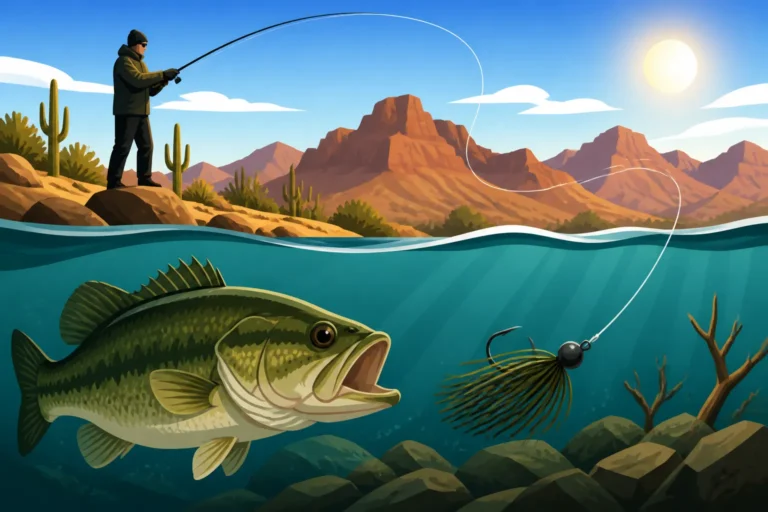
Beyond color, vibration is paramount. Crankbaits with a wide wobble, spinnerbaits with large thumping blades (like Colorado blades), and chatterbaits are excellent choices because they displace a lot of water. The fish's lateral line picks up these vibrations, acting like their sonar in the murk. Even soft plastics, like large worm or creature baits, can be effective if they have appendages that move a lot of water. You can find a huge selection of these specific lures on Amazon, making it easy to stock up before your next monsoon adventure. Many anglers also swear by a strong rattle in their lures to add an auditory cue, further grabbing a fish's attention in the low visibility.
Choosing the Right Line and Tackle
When it comes to line, you might think visibility isn't an issue, but presentation still matters. Monofilament line is often a good choice in muddy water because it has more stretch and is less prone to tangling with debris floating in the turbid conditions. However, braided line can be excellent for its zero-stretch quality, allowing you to feel even the slightest tap in conditions where a visual bite indicator is impossible. The heavier line visibility isn't as critical when the water is murky, so don't be afraid to go up a line size or two to handle any snags from washed-in brush or debris. For bass fishing, consider a 15-20 lb fluorocarbon or braided line, depending on your preferred technique. For bottom fishing for catfish, 20-30 lb monofilament will give you strength and abrasion resistance. When selecting your fishing rods for bass in Arizona, remember that a medium-heavy action rod will give you the backbone needed to wrestle fish out of potential cover in these conditions. Don't forget a sturdy landing net, as you might not see the fish until it's right at the boat or bank!
Effective Techniques for Fishing Muddy Monsoon Waters
Adapting your technique is just as crucial as your gear when facing muddy conditions. The goal is to get your lure into the fish's strike zone and make it impossible to ignore.
Slow and Low: The Presentation is Key
In murky water, fish often become less active and their strike zone shrinks. They're not going to chase a fast-moving lure over a wide area. This means you need to slow down your retrieve significantly. Lures that you might normally reel in quickly, like spinnerbaits or crankbaits, should be crawled along, just fast enough to get their action going. For jigs and soft plastics, think about a deliberate, slow hop or drag along the bottom. The idea is to keep the lure in the fish's face for as long as possible, giving them time to detect it by vibration or scent and decide to strike. When considering how to fish a jig for winter bass, similar slow presentations can be highly effective in muddy monsoon conditions too. Deeper presentations are also often key, as fish might hunker down to avoid surface disturbance or find slightly clearer, more stable water.
Targeting Prime Holding Areas
Where do the fish go when the water gets muddy? They often gravitate towards areas where they can find cover, ambush points, or slightly clearer water.
- Transition Zones: Look for areas where the muddy runoff meets clearer water, even if it's just a subtle difference. These seams often concentrate baitfish and, in turn, predatory species.
- Shallow Cover: The reduced visibility can make fish feel more secure in shallower water than usual. Target submerged brush, laydowns, rocky banks, or even flooded terrestrial vegetation right along the shoreline. Bass and crappie love to hide in these spots.
- Structure: Any kind of underwater structure – points, humps, ledges, or old creek channels – becomes even more important. Fish will relate to these features for safety and ambush opportunities. Using a good fish finder to locate these deep water structure fishing techniques can be a game-changer.
- Inflow Areas (with caution): While direct muddy inflows can be overwhelming, the edges of these areas, or slightly downstream, can be productive. The incoming water often brings food, but be extremely careful of strong currents and debris, especially after a heavy storm. Always prioritize safety, as discussed in our guide on how to fish safely during monsoon storms in Arizona.
Utilizing Scent and Noise
With sight compromised, activating a fish's other senses becomes vital.
- Scent: This is a secret weapon in muddy water. Adding scent to your soft plastics, jigs, or even live bait can significantly increase your hook-up ratio. Popular scents include garlic, crawfish, or shad flavors. You can buy liquid scents or gels and apply them directly to your lures. Brands like Pro-Cure or Berkley Gulp! baits come pre-scented and are incredibly effective. A quick search on Amazon will show you a variety of options to choose from.
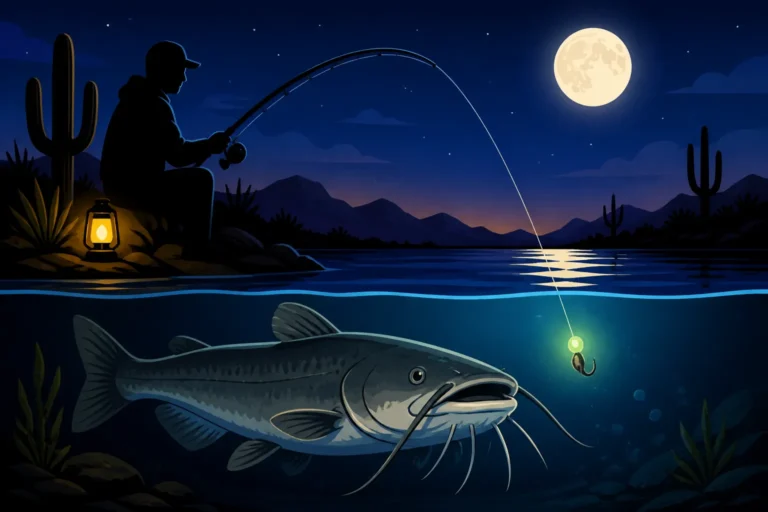
- Noise: Beyond the vibrations of a crankbait or spinnerbait, adding actual noise can draw fish in. Lures with rattles are fantastic. You can also add rattle inserts to your soft plastics or jigs. The distinct sound in the water can pique a fish's curiosity and draw them in to investigate, even if they can't see the lure. This can be particularly effective for species like catfish, which rely heavily on scent and sound. Remember, the goal is to create a disturbance that fish can't ignore in their low-visibility world.
Safety and Best Practices During Monsoon Season
While the fishing can be fantastic after a monsoon, safety should always be your number one priority. Arizona monsoons can be beautiful, but they can also be dangerous.
Weather Awareness and Personal Safety
Monsoon storms can develop rapidly and unpredictably. Always check the weather forecast before heading out, and keep an eye on the sky while you're fishing. Fast-moving thunderstorms can bring lightning, high winds, and torrential rain, leading to flash flooding in washes and low-lying areas. If you hear thunder, it’s time to seek shelter immediately. Your safety isn't worth a few more casts.
When fishing from a boat, be aware that floating debris from runoff can be a hazard. Reduced visibility means you might not see logs or other obstacles until it's too late. Always operate your vessel cautiously and consider wearing appropriate boating safety gear requirements in Arizona. For shore anglers, be mindful of slick banks and rising water levels. Never cross a flowing wash, even if it looks shallow, as the current can be incredibly strong and deceptive. Our guide on heat safety tips for summer fishing in Arizona is also crucial, as monsoons often bring humidity, which can make the heat feel even more oppressive.
Respecting Regulations and Fish Health
Even in muddy conditions, all Arizona fishing regulations still apply. Make sure your Arizona fishing license guide is up to date, and be aware of specific bag and possession limits explained for the species you're targeting. Catch and release rules for Arizona anglers might be particularly important if you're practicing conservation, especially as fish can be stressed in altered water conditions. While fish are generally quite hardy, handling them with care is always a good practice, especially if they're disoriented by the turbid water. If you're using bait, ensure you're following live bait rules for Arizona lakes to prevent the spread of invasive species. Responsible angling ensures that our beautiful Arizona waters remain vibrant for future generations.
Here's a quick comparison of popular muddy water lure characteristics:
| Lure Type | Key Feature | Primary Sensory Appeal | Recommended Colors | Retrieve Style | Best For |
|---|---|---|---|---|---|
| Spinnerbait | Thumping blades | Vibration, Flash | Chartreuse, White, Black/Blue | Slow roll, bumping cover | Bass, Pike, sometimes Catfish |
| Chatterbait | Hexagonal blade | Intense Vibration, Sound | Green Pumpkin, Black/Blue, Chartreuse | Steady retrieve, stop-and-go | Bass |
| Crankbait (Wide Wobble) | Aggressive wobble | Vibration, Sound | Firetiger, Orange, Chartreuse | Slow & steady, deflecting off structure | Bass, Walleye, Catfish |
| Jig (with Trailer) | Scent, Profile | Scent, Visual, Vibration | Black/Blue, Green Pumpkin, Brown | Hop, drag, slow pitch | Bass, Catfish |
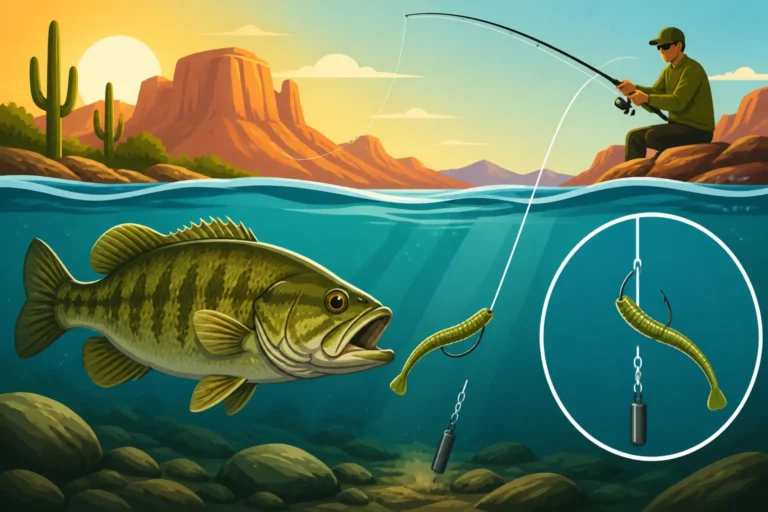
| Scented Soft Plastic | Strong scent, subtle action | Scent, Vibration | Dark colors (Junebug, Black), Bright (Chartreuse) | Texas Rig, Carolina Rig, Dropshot (slow) | Bass, Catfish, Panfish |
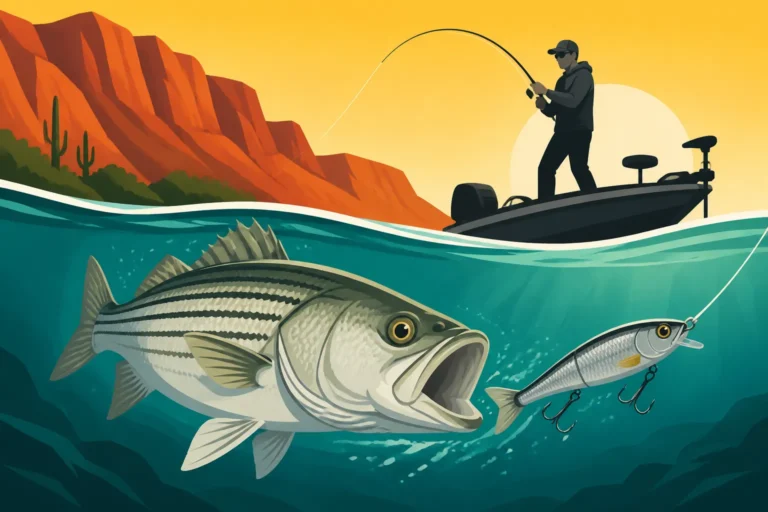
| Live/Cut Bait | Natural scent | Scent, Live action | N/A | Bottom rig, float rig | Catfish, Striper, Bass |
Disclaimer
The information provided in this guide is for general informational purposes only and does not constitute professional advice. Fishing conditions and regulations can change, and it is the responsibility of each angler to stay informed about current rules and ensure their own safety on the water. Always prioritize personal safety, check local weather forecasts, and adhere to all Arizona Game and Fish Department regulations.