Is Roosevelt Lake Good for Bank Fishing?
If you've ever stood on the shoreline of a massive Arizona lake, staring out at acres of water and wondering if you could actually catch anything without a boat, you're not alone. Many anglers feel the pull of Theodore Roosevelt Lake's vastness but are intimidated by its size and often fluctuating water levels. This guide is here to demystify bank fishing at Roosevelt Lake, helping you understand its potential and how to make the most of a shoreline adventure.
Understanding Roosevelt Lake's Unique Challenges for Bank Anglers
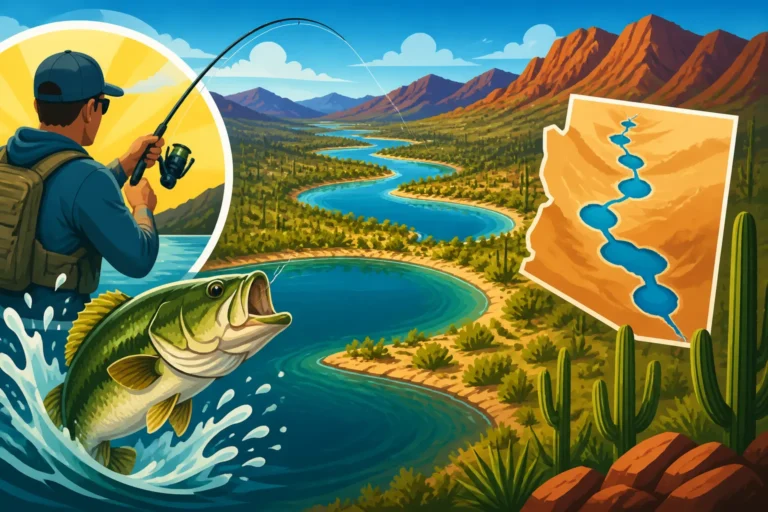
Roosevelt Lake, Arizona's largest lake, is a magnificent body of water nestled in the Tonto National Forest. It's renowned for its incredible bass, crappie, and catfish populations. However, for those without a boat, the idea of successfully fishing its extensive and often steep or brushy shoreline can seem daunting. The lake's water levels can fluctuate significantly throughout the year, changing access points and submerged structure, which adds a layer of complexity for the bank angler.
For instance, during periods of high water, many traditionally accessible bank spots might be completely submerged, making it tough to find a good casting position. Conversely, low water levels can expose vast mudflats or thick, dead vegetation that can hinder casting or make reaching the water's edge a muddy trek. But don't let these challenges deter you! With the right approach and a bit of local knowledge, Roosevelt Lake can absolutely be a productive and enjoyable destination for bank fishing. It just requires a bit more planning and flexibility than smaller, more stable lakes.
Prime Locations and Seasons for Bank Fishing at Roosevelt Lake
Finding the sweet spots at Roosevelt Lake for bank fishing often comes down to timing and knowing where to look. Unlike smaller community ponds with groomed banks, Roosevelt's rugged terrain means some areas are naturally more conducive to shore-based angling.
Finding Accessible Shorelines and Coves
When considering bank fishing at Roosevelt, focus on areas that offer relatively stable access, even with water level changes. A great starting point is near the major boat launches and developed recreation areas, as these often have more cleared or gradual slopes leading to the water.
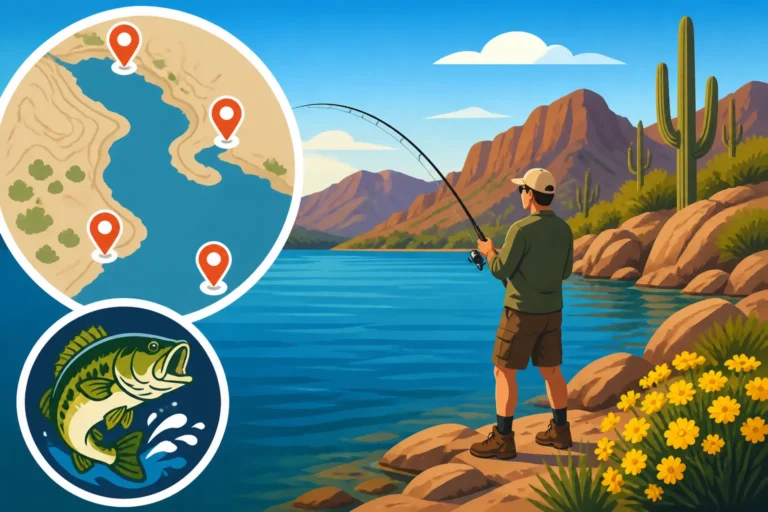
- Windy Hill Recreation Site: This area is a popular choice for many, and for good reason. It features several coves and points that provide diverse fishing opportunities from the bank. The terrain here can vary from gradual slopes to rocky outcroppings, allowing you to target different depths and structures. The proximity to facilities also makes it convenient for a day trip.
- Cholla Recreation Site: While primarily a campground, Cholla offers some excellent bank access, especially around the points and deeper cuts. Look for areas where submerged brush or rock piles are within casting distance. These spots can hold crappie and bass, particularly during their respective spawning seasons. The key is to explore on foot, looking for less-trafficked spots that might offer a more secluded and productive experience.
- Schoolhouse Point Recreation Site: This spot, like Windy Hill, has developed areas that provide easier access to the water's edge. The coves around Schoolhouse Point can be fantastic for bass, especially in the spring when they move into shallower waters. Remember, these more popular spots might see more fishing pressure, so early mornings or weekdays can be more rewarding.
Water levels play a huge role here. Before you head out, it's always a good idea to check current lake levels through the Arizona Game and Fish Department website or resources like the Salt River Project (SRP) lake levels page. A difference of even a few feet can dramatically alter the bank fishing landscape. If you're new to the lake and feel overwhelmed, consider looking for local guides through services like FishingBooker. They often have an intimate knowledge of current conditions and can point you to the most productive bank spots, or even offer a guided boat trip to get you familiar with the lake's structure.
Seasonal Strategies for Bank Success
Just like any large reservoir, Roosevelt Lake's fish behavior is heavily influenced by the seasons. Understanding these patterns will significantly increase your chances of success from the bank.
- Spring (March – May): This is arguably the best time for bank fishing at Roosevelt, especially for largemouth bass and crappie. As water temperatures rise, fish move into shallower coves and creek arms to spawn. Look for areas with submerged vegetation, rocky points, or brush piles where fish will stage. Soft plastics, spinnerbaits, and small jigs are excellent choices during this period. Crappie will often be found in large schools around brush, making them a prime target.
- Summer (June – August): The scorching Arizona summer heat pushes most fish deeper during the day. This doesn't mean bank fishing is impossible, but it demands a shift in strategy. Early mornings, late evenings, and night fishing become your best friends. Catfish, especially channel and flathead catfish, become very active at night. Target deeper points or areas near channel drops. For bass, try topwater lures at dawn or dusk, or switch to deep-diving crankbaits and jigs if you can reach deeper water from the bank. Remember to prioritize safety and hydration during the summer months.
- Fall (September – November): As temperatures cool, fish become more active again, often feeding heavily in preparation for winter. This is another fantastic time for bass and crappie from the bank. Fish will be more spread out, following baitfish into coves and along main lake points. Crankbaits, jerkbaits, and various soft plastics can all be very effective. This is also a good time to target striped bass if they are present and schooling in accessible areas.
- Winter (December – February): While slower, winter bank fishing can still yield results, particularly for bass and some species of trout that might be stocked in specific areas or rivers feeding into the lake. Fish will often hold tight to deep structure. Slow-moving baits like jigs, spoons, or drop-shot rigs worked slowly along rocky bottoms or deep ledges are your best bet. Look for sunny, protected coves that warm up slightly during the day.
For a deeper dive into seasonal patterns, you might find our guide on "Best Time of Year to Fish Roosevelt Lake" helpful.
Essential Gear and Techniques for Bank Anglers
Bank fishing at a large, often rugged lake like Roosevelt requires a slightly different gear setup and approach compared to fishing a small, manicured pond. Being prepared will make your experience much more enjoyable and productive.
Rods, Reels, and Line Choices
Since you'll be limited by casting distance from the bank, having the right rod and reel can make a big difference.
- Rods: A medium-heavy spinning rod, 7 to 7.5 feet in length, is a versatile choice. This length provides excellent casting distance and enough backbone to handle larger bass or catfish while still being manageable for various lure presentations. If you prefer baitcasting, a similar length and action rod would work well. For lighter presentations or targeting smaller panfish, a medium-light spinning rod, 6.5 to 7 feet, would be ideal.
- Reels: A 2500-4000 series spinning reel or a baitcasting reel with good casting capabilities will serve you well. Smooth drag systems are crucial for fighting larger fish and preventing line breaks, especially when you can't chase a running fish.
- Line: For general bank fishing, 10-15 lb fluorocarbon or monofilament line is a solid choice. Fluorocarbon offers low visibility and good abrasion resistance, which is great around the rocky and brushy areas of Roosevelt. If you're targeting bigger catfish or want maximum casting distance, 20-30 lb braided line with a fluorocarbon leader can be a game-changer. Braided line has no stretch, allowing for better feel and stronger hooksets from a distance. You can learn more about "Best Line for Bass Fishing" in our dedicated article.
Baits, Lures, and Terminal Tackle
Your tackle box for Roosevelt Lake should be varied, ready to adapt to different conditions and target species.
- Soft Plastics: These are incredibly versatile. Senkos, Texas-rigged worms, creature baits, and swimbaits in natural colors (green pumpkin, watermelon seed, black/blue) are bass magnets. Rig them weedless to avoid snags in the abundant submerged brush.
- Crankbaits and Jerkbaits: Medium-diving crankbaits are great for covering water and probing depths from 5-15 feet. Jerkbaits can be deadly when fish are suspended or picky. Choose colors that mimic shad or crawfish, common forage in Roosevelt.
- Spinnerbaits and Chatterbaits: These are excellent search baits, especially in spring and fall. They create vibration and flash, attracting fish in stained or clear water.
- Jigs: Flipping jigs or football jigs in black and blue or brown tones are fantastic for targeting structure, especially deeper rocks or brush piles. Tip them with a creature bait trailer for added appeal.
- Live Bait: If targeting catfish, live or cut bait (shad, bluegill, hot dogs, chicken livers) can be irresistible. For crappie, live minnows suspended under a bobber are often the most effective.
- Terminal Tackle: Bring a good selection of hooks (EWG hooks for Texas rigs, circle hooks for bait fishing), sinkers (bullet weights, drop-shot weights), swivels, and bobbers. A tackle bag designed for shore fishing can help keep everything organized and portable.
Here's a quick comparison of common bank fishing baits:
| Bait Type | Target Species | Best Seasons | Key Benefits | Considerations |
|---|---|---|---|---|
| Soft Plastics | Largemouth/Smallmouth Bass | Spring, Fall, Summer | Versatile, weedless, natural presentation | Slower fishing, requires patience |
| Crankbaits | Largemouth Bass, Striped Bass | Spring, Fall | Covers water quickly, triggers reaction strikes | Prone to snagging, depth specific |
| Spinnerbaits | Largemouth Bass, Crappie | Spring, Fall | Flash & vibration, good in stained water | Less effective in deep, clear water |
| Jigs | Largemouth/Smallmouth Bass | Year-round (deep in winter) | Excellent for structure, subtle presentation | Requires skill to feel bites, can snag |
| Live/Cut Bait | Catfish, Crappie | Summer, Fall, Night | Highly effective for passive fish | Requires bait cooler, messy, can attract non-target fish |
For a more in-depth look at what to bring, check out our article on "Best Baits and Lures for Arizona Fishing".
Essential Accessories and Safety
Beyond your rod and reel, a few key items will enhance your bank fishing experience and keep you safe.
- Sun Protection: Arizona sun is no joke! A wide-brimmed hat, sunglasses (polarized are a must for seeing into the water), and high SPF sunscreen are non-negotiable. Long-sleeve, breathable fishing shirts are also highly recommended.
- Hydration: Always carry more water than you think you'll need. A cooler with ice and plenty of drinks is essential, especially from spring through fall.
- Comfortable Footwear: You'll likely be doing a fair amount of walking over uneven, rocky, or muddy terrain. Sturdy, closed-toe shoes with good grip are crucial. Wading boots can be useful if you plan to get into the shallows.
- Pliers and Hook Remover: Essential for safely unhooking fish and cutting line.
- First-Aid Kit: Minor cuts, scrapes, or hook incidents can happen. Be prepared.
- Trash Bag: Pack it in, pack it out! Let's keep Roosevelt Lake beautiful.
- Headlamp/Flashlight: If you plan on fishing early morning, late evening, or at night, a reliable light source is critical for navigating the banks.
Remember, a successful bank fishing trip to Roosevelt Lake is as much about preparation as it is about technique.
Tips for Maximizing Your Bank Fishing Success
Even with the right gear and knowledge of the lake, bank fishing at Roosevelt Lake can still present its own set of challenges. These practical tips can help you overcome common hurdles and increase your catch rate.
Reading the Water and Identifying Structure
Since you're limited to what you can reach from the bank, learning to "read the water" becomes even more critical. You're looking for clues that indicate where fish might be holding or moving.
- Look for Points and Coves: These are natural ambush points for bass and often concentrate baitfish. Points that drop off quickly into deeper water are especially good. Coves, particularly those with a northern exposure, will warm up faster in spring and attract spawning fish.
- Observe Submerged and Visible Cover: Keep an eye out for visible brush piles, rock formations, fallen trees, or even changes in bank composition (e.g., from rock to gravel). These provide cover, shade, and feeding opportunities for fish. Even if the brush is submerged, look for tell-tale signs like slight ripples on the surface or darker patches in clear water.
- Wind and Waves: A gentle chop on the water can actually be your friend. It breaks up the surface, making it harder for fish to see you and often activates their feeding instincts by dislodging bait. Fish will often follow the wind to feed on baitfish pushed to the bank. However, heavy winds can make casting difficult and even dangerous.
- Water Clarity: In general, clearer water calls for more natural bait colors and lighter lines, while stained or slightly murky water allows for brighter colors and more aggressive presentations like spinnerbaits. Roosevelt's clarity can change depending on recent rainfall.
- Creek and River Inflows: If you can find an area where a creek or wash flows into the main lake, especially after rain, these can be hotspots. The inflowing water brings nutrients, insects, and cooler temperatures, attracting fish.
Learning to interpret these signs takes time and practice, but it's one of the most rewarding aspects of becoming a skilled angler. Consider consulting online fishing reports or local bait shops; they often have up-to-date information on where fish are being caught and under what conditions. If you're looking for detailed knowledge, perhaps a guided trip found via FishingBooker could offer insights into how local experts read Roosevelt's complex waters.
Managing Variable Water Levels and Bank Access
Roosevelt Lake's water levels are constantly in flux, which is perhaps the biggest challenge for bank anglers. What was a perfect fishing spot one month could be a dry, muddy slope the next.
- Pre-Trip Research: Always check the current lake levels before you go. Websites like the Salt River Project (SRP) or Arizona Game and Fish Department provide this information. This will give you an idea of which areas might be accessible.
- Adaptability is Key: Don't get set on one specific spot. Be prepared to move and explore different areas if your initial chosen spot isn't accessible or productive. Sometimes, a short walk around a bend can open up a whole new section of fishable water.
- Look for Gradual Slopes: These are generally more forgiving for bank access regardless of water level, compared to steep cliffs that become unfishable with even minor changes.
- Use Aerial Maps: Before you go, study satellite images on Google Maps or other mapping tools. Look for roads or trails that run close to the shoreline, indicating potential access points. You can often spot flatter areas or coves that might offer better bank fishing.
- Be Mindful of Mud: After periods of low water, the exposed banks can be extremely muddy. Wear appropriate footwear and be cautious not to get stuck, especially if you're venturing off established paths.
Navigating Roosevelt's variable landscape requires patience and a good sense of adventure. Embrace the exploration aspect, and you might discover hidden gems that others overlook.
Ethical Practices and Leave No Trace Principles
As stewards of Arizona's beautiful natural resources, it's our responsibility to fish ethically and leave no trace. This is especially important at popular spots like Roosevelt Lake.
- Respect Private Property: Always be aware of property lines and only fish in areas that are publicly accessible.
- Pack It In, Pack It Out: Carry all your trash, including discarded fishing line, tackle, and food wrappers. Monofilament line, in particular, can be deadly to wildlife.
- Practice Catch and Release: While you are allowed to keep fish within legal limits, consider practicing catch and release, especially for larger breeding fish, to help sustain the fishery for future generations. If you do keep fish, understand the "Fishing Bag and Possession Limits Explained" for Arizona.
- Handle Fish Carefully: If you're releasing a fish, handle it as little as possible with wet hands, support its weight horizontally, and release it gently.
- Be Mindful of Wildlife: Roosevelt Lake is home to a variety of wildlife. Observe them from a distance and do not disturb their habitats.
By following these principles, we ensure that Roosevelt Lake remains a pristine and productive fishing destination for everyone.
Conclusion
So, is Roosevelt Lake good for bank fishing? Absolutely! While it presents unique challenges with its vastness and fluctuating water levels, it offers incredible opportunities for the prepared and persistent bank angler. From the productive coves of Windy Hill and Cholla to the seasonal movements of bass, crappie, and catfish, there's always something to discover from the shoreline. With the right gear, a flexible mindset, and a commitment to ethical angling, you can experience the thrill of Arizona's largest lake without ever stepping foot on a boat. Grab your rod, pack your water, and get ready to explore the diverse banks of Roosevelt Lake – your next great catch might just be a cast away!
Disclaimer
Fishing conditions and regulations in Arizona can change. Always check the latest Arizona Game and Fish Department regulations before heading out to fish. The information provided in this guide is for general informational purposes only and should not be considered legal advice.