San Carlos Lake Arizona Fishing Guide
Trying to plan a fishing trip to San Carlos Lake can feel a bit daunting, right? It's not like your average Arizona lake where you just show up with a state license. With its unique permit system and remote charm, many anglers find themselves scratching their heads wondering where to even begin. This guide is designed to cut through that confusion, giving you all the insider details on how to successfully fish this legendary Apache fishery.
Discovering San Carlos Lake: An Arizona Gem
San Carlos Lake, nestled within the sprawling San Carlos Apache Reservation in southeastern Arizona, isn't just another body of water; it's a unique and often-overlooked angling paradise. Formed by the Coolidge Dam on the Gila River, this reservoir is known for producing some truly impressive fish, especially trophy-sized bass and massive flathead catfish. Its remote location and the requirement for a tribal fishing permit mean it often sees less pressure than other popular Arizona lakes, offering a more serene and wild fishing experience for those willing to make the journey.
Location and Its Unique Charm
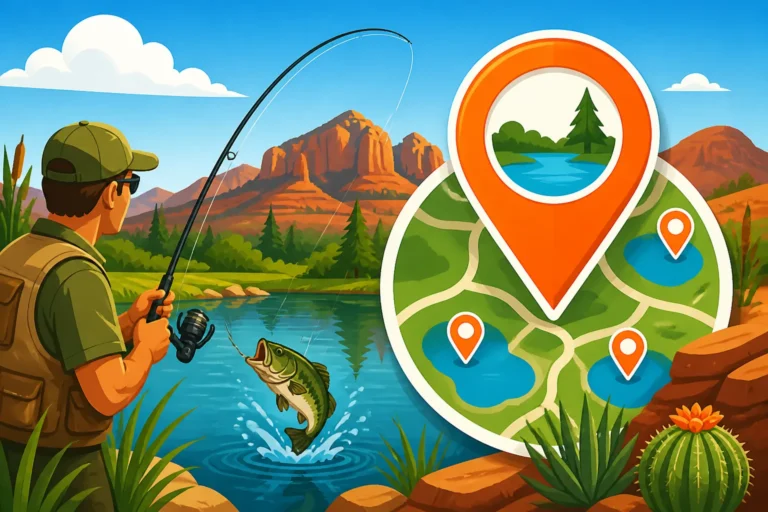
San Carlos Lake is located about 15 miles east of Globe, Arizona, entirely within the boundaries of the San Carlos Apache Reservation. This isn't just a geographical detail; it's central to understanding what makes fishing here so special. The lake and its surrounding lands are managed by the San Carlos Apache Tribe, which means different rules and regulations apply compared to state-managed waters. This tribal sovereignty is why you'll need specific permits directly from the tribe, rather than just your standard Arizona fishing license. This setup creates a feeling of stepping into a different world, where the traditions and land stewardship of the Apache people are paramount. The rugged desert landscape, framed by distant mountains, offers breathtaking views that enhance the feeling of a true wilderness escape. It’s an environment that encourages respect and appreciation for nature, far from the hustle and bustle of city life.
The Lake's History and Ecological Significance
Coolidge Dam, which created San Carlos Lake, was completed in 1928, primarily for irrigation purposes to support the agricultural efforts of the San Carlos Apache people. Over the decades, the lake has become a vital ecological hub, supporting a diverse array of fish species and wildlife. While its primary function remains water storage, its reputation as a premier fishing destination has grown steadily, particularly among those seeking a challenge and the thrill of a potential state record catch. The lake's fluctuating water levels, a common characteristic of desert reservoirs, play a significant role in shaping its fishing dynamics. High water years can expand fish habitats and boost populations, while drought years can concentrate fish, making them easier to locate but also more susceptible to environmental stress. Understanding this ecological rhythm is key to successful angling on San Carlos Lake, as it directly influences fish behavior and distribution throughout the seasons.
Top Fish Species to Target at San Carlos Lake
San Carlos Lake is a true multi-species fishery, offering something for every angler, from the casual weekend warrior to the dedicated trophy hunter. While it might be most famous for its largemouth bass and flathead catfish, the lake also boasts thriving populations of crappie and various panfish, ensuring that action is almost always possible. Knowing what species are prevalent and how to approach them can make all the difference in having a successful and memorable outing.
Legendary Largemouth Bass Fishing
If you're chasing the thrill of a monster green bass, San Carlos Lake is absolutely a must-visit. It has a long-standing reputation for producing double-digit largemouths, thanks to its fertile waters, abundant forage, and prime habitat. The lake features extensive areas of submerged brush, rocky points, deep ledges, and creek channels that provide excellent cover and ambush points for these predatory fish.
During the spring, when water temperatures start to rise, bass move into shallower coves and flats for spawning. This is often considered the prime time for trophy hunting, as big females are accessible and aggressively guarding their nests. Anglers often find success flipping jigs or pitching soft plastics into dense brush, or slowly working swimbaits along deeper contours leading into spawning flats. As summer heat sets in, the bass move deeper, often congregating around submerged structure like old timber, rock piles, or ledges near the main lake channels. Crankbaits, deep-diving jigs, and Carolina-rigged worms become highly effective during these warmer months. The fall sees bass once again moving shallower, feeding aggressively in preparation for winter, making topwater lures and spinnerbaits exciting options during dawn and dusk. For a deeper dive into techniques, our guide on Best Bass Fishing Techniques for Arizona Lakes offers broader insights that can be adapted to San Carlos.
Giant Flathead Catfish Potential
San Carlos Lake is truly hallowed ground for flathead catfish enthusiasts. These monstrous, powerful fish grow to incredible sizes here, with specimens weighing over 50 pounds being a realistic possibility. Flatheads are ambush predators, preferring live bait and often hiding in the deepest, darkest parts of the lake, especially around submerged trees, rock piles, and deep bends in the old river channel.
Night fishing is almost synonymous with flathead catfishing on San Carlos Lake. As the sun sets, these nocturnal hunters become more active, moving out of their daytime lairs to feed. The most effective baits are live bluegill, carp, or other smaller fish, fished on heavy tackle with stout hooks and strong line. Look for areas with significant submerged timber or abrupt depth changes. The Gila River arm of the lake, with its deeper channels and numerous snags, is a notorious hotspot for these bottom-dwelling giants. Be prepared for a serious fight; a large flathead can test even the most experienced angler's gear and endurance. If you're specifically targeting these leviathans, you might find more general strategies in our Best Catfish Fishing Spots in Arizona guide helpful.
Crappie and Panfish Action
While bass and flatheads might steal the spotlight, San Carlos Lake offers fantastic crappie fishing, particularly in the spring. Both black and white crappie thrive in its waters, and when they're biting, it can lead to incredibly fast-paced action. Crappie are schooling fish that love to hang around submerged brush piles, standing timber, and bridge pilings.
During their spawning season in late winter and early spring, crappie move into shallower cover, making them relatively easy to locate. Small jigs (1/16 to 1/8 ounce) tipped with soft plastics or live minnows are deadly effective. Vertical jigging directly over brush piles or slow-trolling minnows are popular and productive methods. As the weather warms, crappie retreat to deeper, cooler waters, often suspending over deep structure or congregating in dense schools near the thermocline. A good fish finder can be invaluable for locating these schools. Beyond crappie, anglers can also catch bluegill and other sunfish, especially around rocky banks and shallow vegetated areas. These feisty panfish provide great fun for kids and offer excellent bait for those targeting bigger flatheads. For springtime strategies, our Crappie Spawning Season Tactics might offer some good ideas.
Essential Techniques and Gear for San Carlos Lake
Fishing San Carlos Lake requires a blend of adaptability and specific knowledge, given its unique characteristics like fluctuating water levels and diverse fish species. Being prepared with the right techniques and gear can significantly improve your chances of success. It's not just about what you throw in the water, but how you present it and when.
Seasonal Fishing Strategies
Understanding the seasonal patterns of fish at San Carlos Lake is paramount. Arizona's desert climate means distinct shifts in water temperature, which directly influence fish behavior.
- Spring (March – May): This is arguably the most popular time to fish San Carlos. Largemouth bass move shallow to spawn, making them accessible to a wider range of techniques. Crappie are also spawning, congregating in brush piles and offering excellent action. This is a great time for jigs, soft plastics, spinnerbaits for bass, and small jigs or minnows for crappie.
- Summer (June – August): The heat can be intense. Fish move deep to find cooler, more oxygenated water. Early morning and late evening (and night fishing, especially for catfish) become the most productive times. For bass, deep-diving crankbaits, jigs, and Carolina rigs worked along ledges and humps are effective. Flathead catfish are highly active at night, responding well to large live baits. Always prioritize Heat Safety Tips for Summer Fishing in Arizona during these months.
- Fall (September – November): As temperatures cool, fish become very active, feeding aggressively to build up reserves for winter. Bass return to shallower and mid-depth ranges, chasing baitfish. Topwater lures, crankbaits, and jerkbaits can be very productive. Crappie also become more active, often schooling up again.
- Winter (December – February): Fishing slows down but can still be productive for those willing to brave the colder weather. Fish are often found deep and lethargic, requiring slower presentations. Jigs, spoons, and slow-rolled crankbaits can entice bites from bass and crappie. Catfish activity will significantly decrease, but large flatheads can still be caught with patience.
Recommended Baits and Lures
Your tackle box for San Carlos Lake should be versatile. For largemouth bass, a good selection includes:
- Soft Plastics: Senkos, creature baits, plastic worms (Texas-rigged or Carolina-rigged) in green pumpkin, black, and junebug colors.
- Jigs: Flipping jigs, football jigs, and swim jigs, especially in dark colors like black and blue.
- Crankbaits: Medium to deep-diving models, matching local baitfish (shad) or crawfish patterns.
- Spinnerbaits & Chatterbaits: Excellent for covering water, especially in stained conditions or around brush.
- Topwater Lures: Frogs, poppers, and walking baits for early morning or late evening action.
For flathead catfish, live bait is king. Freshly caught bluegill, small carp, or other local panfish are irresistible. For dead bait, cut shad or carp can also work. For crappie, stock up on:
- Small Jigs: 1/16 to 1/8 ounce marabou jigs or soft plastic crappie tubes in white, chartreuse, or black/chartreuse combinations.
- Live Minnows: Fished under a bobber or slowly trolled.
Always be prepared with various line sizes; heavy braid (30-65 lb) is often preferred for flatheads and flipping heavy cover for bass, while lighter fluorocarbon or monofilament (8-15 lb) is great for crappie and open-water bass fishing.
Boat vs. Shore Fishing Access
San Carlos Lake offers opportunities for both boat and shore anglers, though access can vary significantly with water levels.
- Boat Fishing: This is generally the most effective way to fish San Carlos, allowing you to access prime offshore structure, deep channels, and remote coves. There are several boat ramps, but it's crucial to check current water levels before heading out. During low water periods, some ramps may be unusable. A good bass boat or even a pontoon can be very effective. Make sure your boat meets all Boating Safety Gear Requirements in Arizona before launching. Consider using a reliable service like FishingBooker to find local guides who can navigate the lake safely and efficiently if you're unfamiliar with it. They often have boats specifically equipped for the unique challenges of San Carlos.
- Shore Fishing: While more limited, shore fishing can still be productive, especially in spring and fall. Areas near the main boat ramps, along accessible points, or in coves can yield good results. Pay attention to structure you can reach from the bank, such as submerged brush or rocky outcrops. It's an excellent option for those targeting panfish or smaller bass, and with patience, even a big catfish can be landed from shore. Just remember to respect tribal lands and only fish from designated or clearly accessible areas.
Planning Your San Carlos Lake Adventure
A successful fishing trip to San Carlos Lake hinges heavily on preparation, especially concerning permits and understanding the unique access rules. This isn't a spur-of-the-moment destination, but the rewards for careful planning are well worth the effort.
Obtaining Your San Carlos Apache Fishing Permit
This is perhaps the most critical step for anyone planning to fish San Carlos Lake. Your standard Arizona Fishing License Guide is not sufficient to fish on tribal lands. You must purchase a separate San Carlos Apache Tribal fishing permit. These permits are crucial not only for legal fishing but also to support the tribe's conservation efforts and management of their resources.
You can usually purchase permits at several locations, including:
- San Carlos Recreation and Wildlife Department Office: Located in San Carlos, this is the primary source.
- Local Businesses: Select convenience stores, bait shops, and general stores in and around the San Carlos and Globe areas often sell permits. It's always a good idea to call ahead to confirm availability and operating hours.
- Online: While options can change, sometimes permits are available for purchase through the San Carlos Apache Tribe's Recreation and Wildlife Department website. This is often the most convenient way to secure your permit in advance, avoiding potential delays or closed offices upon arrival.
Always check the current permit fees and requirements before your trip, as they can change annually. Our guide on Tribal Land Fishing Permits in Arizona provides a broader context, while Where to Buy a San Carlos Apache Fishing Permit might offer more specific, up-to-date vendor information. Make sure you understand the difference between day-use permits, annual permits, and any specific stamps or tags required for certain species or activities.
Access Points and Facilities
San Carlos Lake is relatively undeveloped compared to many state parks, which contributes to its wild appeal but also means fewer amenities.
- Boat Ramps: The main access points with boat ramps are usually located near the Coolidge Dam area, sometimes referred to as the main recreation area, and other points along the lake depending on water levels. Always check the current water levels and ramp conditions with the San Carlos Recreation and Wildlife Department before you head out, as low water can render some ramps unusable for larger boats.
- Camping: Primitive camping is often available around the lake, though specific designated campgrounds with facilities might be limited or require additional permits. Be prepared for a rustic experience, meaning you'll need to bring all your own supplies, including water, and practice strict "Leave No Trace" principles. Some areas may prohibit campfires, especially during dry seasons.
- Nearest Towns: The closest major town for supplies, gas, and basic services is Globe, Arizona, located about a 15-30 minute drive from the lake, depending on your access point. San Carlos also has a few small stores. It's wise to stock up on everything you need in Globe before driving to the lake, as options closer to the water are sparse.
Considering Guided Fishing Trips
For those who are new to San Carlos Lake, or perhaps just want to maximize their chances of catching a trophy fish, hiring a local fishing guide can be an invaluable investment. Guides who regularly fish San Carlos possess intimate knowledge of the lake's ever-changing conditions, secret spots, and the most effective techniques for the current season.
A guide can navigate the tricky permit process, understand the unique tribal regulations, and provide all the necessary gear and bait. They can also teach you specific techniques tailored to San Carlos's unique structure and fish behavior. Websites like FishingBooker are excellent resources for finding reputable, experienced fishing guides who operate on San Carlos Lake. When booking, ask about their experience with the lake's specific species and their approach to the tribal permit process. A good guide can turn a potentially confusing trip into a highly productive and enjoyable adventure, saving you time and increasing your odds of landing that fish of a lifetime.
Understanding San Carlos Lake Conditions
Fishing San Carlos Lake is an adventure that often requires anglers to adapt to dynamic environmental conditions. Unlike some lakes with stable water levels and predictable weather, San Carlos can present significant variations that directly impact fishing success and safety. Being aware of these factors is key to having a rewarding experience.
Water Level Fluctuations and Their Impact
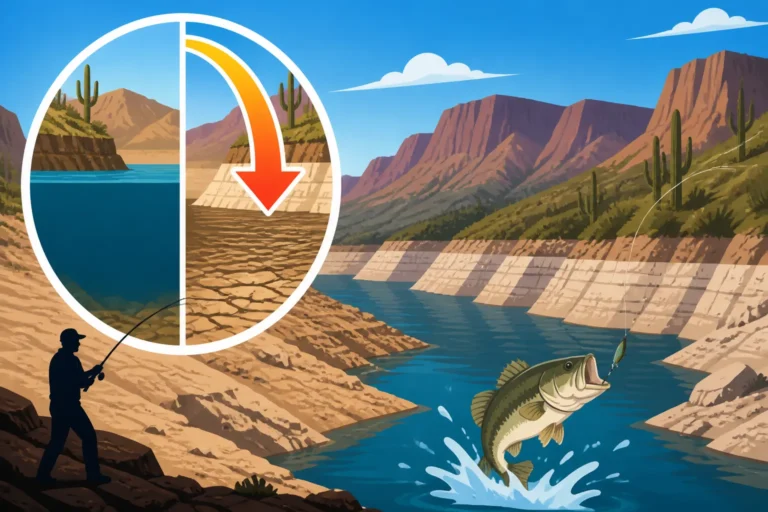
San Carlos Lake is a desert reservoir, and as such, its water levels are highly susceptible to regional rainfall, snowmelt, and water demands. This means the lake can experience dramatic fluctuations throughout the year and from one year to the next.
- High Water Levels: When the lake is full or near-full, new areas of flooded terrestrial vegetation become available, providing excellent cover and foraging grounds for bass and crappie. Fish often spread out into these newly submerged areas, making them harder to pinpoint but offering abundant habitat. Launching boats is typically easier with more ramps accessible. The expanded habitat can lead to increased fish populations and healthier growth rates.
- Low Water Levels: During periods of drought, San Carlos Lake can shrink significantly, sometimes to only a fraction of its full capacity. While this can concentrate fish in remaining deeper areas, it also reduces available habitat and can make fish more stressed. Boat ramp access can become severely limited, or even impossible for larger vessels, forcing anglers to launch smaller boats or fish from shore in fewer accessible spots. Submerged timber and rock piles, usually hidden, become exposed, offering new insights into fish-holding structure but also posing navigational hazards. Anglers need to pay close attention to depth finders and navigation charts. Always check the current water level reports from the San Carlos Apache Tribe or Arizona Game and Fish Department before planning your trip, especially if you intend to launch a boat.
Weather Considerations and Safety
Arizona's desert climate dictates specific weather challenges that anglers must be prepared for at San Carlos Lake.
- Extreme Heat: Summer temperatures can soar well into the triple digits, posing serious health risks. If fishing in summer, plan to be on the water during the coolest parts of the day – pre-dawn until mid-morning, or late evening into the night. Wear lightweight, light-colored clothing, wide-brimmed hats, and plenty of sunscreen. Crucially, carry an abundance of water and stay hydrated. Our guide on Heat Safety Tips for Summer Fishing in Arizona offers comprehensive advice for staying safe.
- Monsoon Season: Typically from July through September, Arizona experiences its monsoon season, characterized by sudden, intense thunderstorms. These storms can bring strong winds, heavy rain, and dangerous lightning. If you see dark clouds building or hear thunder, get off the water immediately. Flash floods can occur in washes and low-lying areas, making road travel hazardous. While Arizona Monsoon Season Fishing Guide highlights potential advantages for fishing after a storm, safety should always be your top priority.
- Wind: San Carlos Lake can become very windy, especially in the spring and during frontal passages. Strong winds can make boat control difficult, create dangerous chop on the water, and limit casting accuracy. Always check the wind forecast before heading out and be prepared to seek shelter or cut your trip short if conditions become unsafe.
Navigating San Carlos Lake Regulations and Ethical Angling
Fishing on San Carlos Lake means respecting and adhering to a set of rules that go beyond the statewide Arizona fishing regulations. These tribal regulations are designed to preserve the lake's fisheries for future generations and honor the San Carlos Apache Tribe's stewardship of their natural resources.
Tribal Regulations Beyond State Laws
It's absolutely essential to understand that while your state fishing license covers most public waters in Arizona, it does not cover San Carlos Lake. As mentioned earlier, you must acquire a separate San Carlos Apache Tribal fishing permit. But beyond just the permit, there are specific regulations unique to the reservation that anglers must follow.
These can include:
- Bag and Possession Limits: These limits might differ from statewide regulations. For instance, specific size limits or daily bag limits for bass, catfish, or crappie could be more restrictive or have different nuances. Always consult the most current San Carlos Apache Recreation and Wildlife Department regulations booklet or website when you purchase your permit. This information is vital to avoid unintentional violations. For a broader understanding of how limits work, you can reference our Fishing Bag and Possession Limits Explained article, but remember to prioritize the tribal rules for San Carlos.
- Bait Restrictions: There might be rules regarding the use of live bait, especially for certain species or in particular areas. Some tribal lands are very protective of their native fish populations, and restrictions on introducing non-native bait species are common. Always verify what is permissible.
- Camping and Access Rules: Beyond fishing, there will be specific rules governing camping, vehicle access, and off-road driving. Stick to designated roads and camping areas. Unauthorized off-roading or trespassing can lead to fines and loss of fishing privileges.
- Special Considerations: Some areas might be culturally sensitive or have specific closures during certain times of the year. Respect any signs or instructions from tribal authorities, game rangers, or other officials.
Practicing Responsible and Ethical Angling
Fishing San Carlos Lake isn't just about catching fish; it's about being a respectful guest on tribal lands and contributing to the conservation of its valuable resources.
- Leave No Trace: This principle is especially important in remote and beautiful areas like San Carlos Lake. Pack out everything you pack in, including all trash, fishing line, and any other waste. Do not leave behind bait containers, plastic wrappers, or discarded tackle. If you camp, leave your site cleaner than you found it.
- Catch and Release Ethos: While keeping fish for consumption is allowed within limits, many anglers practice catch and release, especially for trophy-sized bass, to help maintain the lake's reputation for producing large fish. If you plan to release a fish, handle it minimally, use appropriate landing nets that don't harm scales or slime coats, and release it quickly.
- Respect Wildlife: San Carlos Lake and its surroundings are home to a diverse array of wildlife, including birds, deer, and other animals. Observe them from a distance and do not disturb their natural behaviors.
- Support the Tribe: The purchase of your fishing permit directly contributes to the management and conservation efforts of the San Carlos Apache Tribe. By respecting their rules and land, you are supporting their ongoing efforts to maintain this unique fishing destination.
San Carlos Lake offers an incredible fishing experience for those who prepare properly and approach it with respect. It's a place where you can connect with nature, challenge your angling skills, and appreciate the rich cultural heritage of the San Carlos Apache people.
San Carlos Lake Fishing Overview
| Feature | Description |
|---|---|
| Location | San Carlos Apache Reservation, Eastern Arizona (approx. 15 miles east of Globe) |
| Primary Species | Largemouth Bass (trophy potential), Flathead Catfish (trophy potential), Crappie (black & white), Various Panfish (bluegill, sunfish) |
| Key Regulations | Requires San Carlos Apache Tribal Fishing Permit (separate from AZ State License). Consult current tribal regulations for specific bag/size limits, bait restrictions, and access rules. |
| Best Seasons | Spring (March-May): Bass & Crappie spawning, high activity. Summer (June-August): Deep-water bass, excellent night flathead fishing. Fall (Sept-Nov): Active feeding for all species. |
| Recommended Baits | Bass: Soft plastics (worms, jigs, creature baits), crankbaits, spinnerbaits, topwater. Catfish: Live bait (bluegill, carp), cut bait. Crappie: Small jigs, live minnows. |
| Access | Primarily by boat (several ramps, check water levels), limited but productive shore fishing. Primitive camping often available with tribal permit. Nearest town for supplies is Globe, AZ. |
| Challenges | Fluctuating water levels, extreme summer heat, monsoon thunderstorms, strong winds, limited amenities. |
| Unique Aspect | Managed by San Carlos Apache Tribe, offering a remote, less-pressured wilderness experience with excellent trophy fish potential. Respect for tribal land and rules is paramount. |
Disclaimer
The information provided in this guide is for general informational purposes only and is subject to change. Always consult the official regulations and permit requirements of the San Carlos Apache Tribe's Recreation and Wildlife Department before planning your fishing trip to San Carlos Lake. Fishing conditions, access, and rules can change without notice.