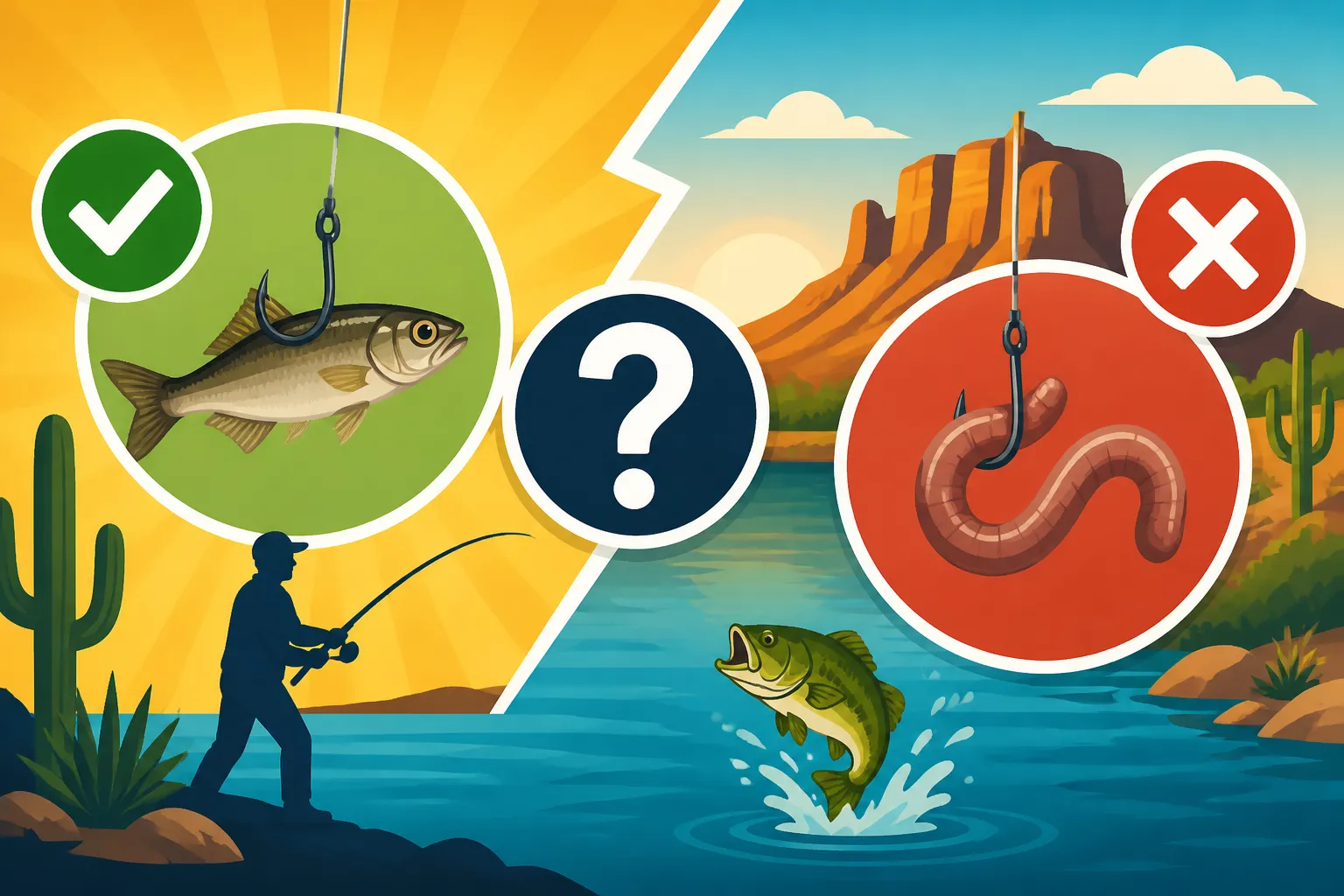
Can You Use Live Bait in Arizona Lakes?
It’s a question that pops into almost every angler’s mind when they head out to one of Arizona’s beautiful lakes: can I really use live bait here? The rules can feel a bit like navigating a maze, and nobody wants to accidentally break a regulation, especially when you're just trying to enjoy a peaceful day on the water. This guide will cut through the confusion, explaining exactly what live bait is permissible, where you can use it, and what you absolutely need to avoid to stay on the right side of Arizona's fishing laws.
Understanding Arizona's Live Bait Regulations
Arizona’s diverse aquatic ecosystems, from its high-country trout streams to its desert reservoirs, make for some fantastic fishing. However, this diversity also means that fishing regulations, particularly concerning live bait, aren't always a one-size-fits-all situation. The Arizona Game and Fish Department (AZGFD) has a set of rules designed to protect native species, prevent the spread of aquatic invasive species, and maintain the health of our fisheries. These rules are detailed in their annual regulations booklet, which is essential reading for any serious angler.
Many anglers arrive from states with different live bait cultures, where perhaps using local minnows or crayfish is standard practice. The frustration of trying to figure out if that bucket of lively shiners you brought from home is legal can be real. It's not just about what you can use, but also what you can't, and understanding the nuances often prevents accidental violations. Remember, these regulations are in place for a good reason, even if they sometimes feel restrictive, they help preserve the incredible fishing opportunities we have here in Arizona.
The fundamental principle behind Arizona's live bait laws is preventing the introduction of non-native species and diseases. When you release unused bait into a lake or stream, or even when bait escapes your hook, there's a risk. A species that seems harmless in one ecosystem can wreak havoc in another, outcompeting native fish, altering habitat, or transmitting pathogens. This is why you'll find strict rules, especially regarding minnows and other baitfish, as they pose a significant threat if introduced improperly.
Permissible Live Bait Options for Arizona Waters
While the rules might seem complex at first glance, many common and effective live baits are perfectly legal and encouraged for use in Arizona. Knowing your options beforehand can save you time and ensure you're compliant the moment your line hits the water. It’s always best to purchase your bait from a reputable local tackle shop, as they typically stock what’s legal and appropriate for the area.
Worms and Insect Larvae
Let's start with the undisputed kings of universally accepted live bait: worms. Earthworms, nightcrawlers, red wigglers – these are almost always a safe bet across the state. Whether you're targeting sunfish at a community pond or trying to entice a stubborn bass in a desert lake, worms are incredibly effective and, thankfully, almost universally legal in Arizona. They’re natural, non-invasive (if they escape, they usually just become part of the local soil ecosystem), and fish simply can't resist them.
Beyond standard worms, insect larvae are also fantastic choices. Mealworms, wax worms, and crickets are readily available at most bait shops and are stellar for enticing panfish, trout, and even smaller bass. These are particularly popular for fishing at the various urban and community fishing lakes throughout Phoenix and Tucson, where the Arizona Game and Fish Department frequently stocks trout and catfish. You can often find these types of bait pre-packaged, making them convenient to grab and go for a spontaneous fishing trip. Just make sure to properly dispose of any unused bait at home and never dump it into the water.
Legally Acquired Baitfish
This is where things get a bit more specific. Using live baitfish is legal in certain Arizona waters, but with very stringent conditions. The most critical rule is that any live baitfish must be legally acquired and obtained within Arizona, and they must be a species listed as legal bait for the specific body of water you're fishing. You can't just scoop up minnows from a local ditch and use them elsewhere. This rule aims to prevent the movement of non-native fish or diseases from one water body to another.
For instance, certain designated waters allow for the use of live Gizzard Shad, Threadfin Shad, or Tilapia as bait, especially for larger game fish like striped bass or flathead catfish. You can sometimes catch these baitfish yourself using cast nets or seines in specified areas, or purchase them from approved dealers. However, always double-check the current "Arizona Fishing Regulations Explained" to confirm which species are allowed in which particular lake or river, as these rules can change. For example, while live baitfish might be legal in the vast waters of Lake Powell, they are strictly prohibited in many smaller, more sensitive habitats.
Where You Can and Cannot Use Live Bait in Arizona
Arizona's diverse waters, from its vast desert reservoirs to its pristine mountain streams and even its urban community ponds, each have their own specific regulations regarding live bait. It's crucial not to assume that what's legal in one spot is legal everywhere else. This is where a little research before you head out can save you from a potential fine or, more importantly, from harming a delicate ecosystem. The Arizona Game and Fish Department (AZGFD) goes to great lengths to outline these distinctions in their annual regulations, so make sure you're familiar with the rules for your chosen destination.
Community Fishing Program Waters
The Community Fishing Program lakes, which are conveniently located in urban areas like Phoenix, Tucson, and Yuma, are fantastic for family outings and beginner anglers. These waters are regularly stocked with species like rainbow trout in the cooler months and catfish, bass, and sunfish year-round. For these specific community lakes, the use of live bait is generally allowed, but it's limited to very specific types. Typically, you can use worms, mealworms, corn, hot dogs, and commercially prepared baits.
However, you'll find a strict prohibition against using live baitfish or crayfish in these waters. This rule is particularly important here because these smaller, often isolated ponds are especially vulnerable to invasive species. Imagine the chaos if an unwanted baitfish was introduced into a pond designed for recreational angling – it could outcompete the stocked fish, affect water quality, and drastically diminish the fishing experience for everyone. So, while a nightcrawler is fine, leave the minnows at home when visiting your local community lake. These rules are clearly spelled out in the local park guidelines and the state's fishing regulations, so there's no excuse to accidentally break them.
Major Reservoirs and the Colorado River
When you move to the larger reservoirs like Lake Pleasant, Roosevelt Lake, and the vast expanse of Lake Powell, or the mighty Colorado River, the regulations on live bait open up a bit more, but still with significant caveats. Here, you often have more flexibility to use legally acquired live baitfish, such as Gizzard Shad or Threadfin Shad, especially when targeting larger predator species like striped bass or big channel catfish. These baitfish are often a natural food source for the game fish in these reservoirs.
For example, when fishing for striped bass at Lake Powell, live shad can be incredibly effective. However, the catch is that these baitfish must either be caught on-site at the lake where you intend to use them, or purchased from an AZGFD-approved dealer who can certify their origin and health. You cannot bring baitfish from one reservoir to another, even if they are the same species, due to the risk of transferring diseases or parasites. This applies to crayfish too; while live crayfish are excellent bait for bass and catfish, they must often be caught from the same water body you plan to fish or acquired from an approved source. This helps prevent the spread of invasive species like rusty crayfish, which could devastate native populations. Many anglers purchase certified live bait from local tackle shops near these major lakes or directly from marinas. When in doubt, a quick check of the "Arizona Fishing Regulations Explained" or a chat with a local bait shop can clear things up immediately.
Rivers, Streams, and High-Elevation Waters
The rules become much stricter, and in many cases, outright prohibitive, when it comes to Arizona's rivers, streams, and high-elevation lakes, particularly those managed for native trout or cold-water fisheries. In many of these sensitive environments, no live bait of any kind is allowed, including minnows, worms, and even insects. This is primarily to protect fragile native fish populations like the Apache Trout and Gila Trout, and to prevent the introduction of any non-native species that could outcompete them or introduce disease.
Think about the pristine White Mountains lakes or the clear, cold streams of Northern Arizona. These are often designated as "artificial lure and fly only" waters, meaning you can only use artificial baits and flies that do not contain any organic material. Even if worms seem harmless, introducing foreign organisms could disrupt the delicate balance of these ecosystems. This is a critical distinction that new anglers, especially those used to fishing with live bait in other regions, need to understand. Always check the specific regulations for areas like Lees Ferry on the Colorado River or the numerous streams in the White Mountains, as these areas frequently have special regulations that differ from the statewide norms. You'll find detailed information on topics like "Trout Stamp Requirements in Arizona" and specific area restrictions in the official regulations.
Here's a quick summary table of common live bait legality:
| Bait Type | Community Fishing Program Lakes | Major Reservoirs (e.g., Pleasant, Roosevelt) | Rivers/Streams/High-Elevation Lakes | Notes |
|---|---|---|---|---|
| Earthworms | YES | YES | Generally NO (check specific regs) | Universal choice, but often restricted in "artificial lure/fly only" waters. |
| Mealworms, Waxworms, Crickets | YES | YES | Generally NO (check specific regs) | Excellent for panfish and trout; check local restrictions carefully. |
| Legally Acquired Live Baitfish (e.g., Shad, Tilapia) | NO | YES (with specific conditions) | NO | Must be caught on-site or purchased from approved AZ dealer; species-specific and water-specific. Prohibited in most rivers and streams. |
| Crayfish | NO | YES (with specific conditions) | NO | Must be caught on-site or purchased from approved AZ dealer; often restricted in sensitive waters. |
| Commercially Prepared Baits (e.g., PowerBait, Dough Bait) | YES | YES | Often YES (check specific regs) | Not "live bait" but often used alongside live bait. Generally allowed, but restricted in "artificial lure/fly only" areas. |
The "Why" Behind Live Bait Restrictions in Arizona
It can be frustrating when you just want to fish with what you know works, only to find out there are strict rules against your favorite live bait. However, understanding the reasoning behind Arizona's live bait regulations can help put things into perspective. These aren't arbitrary rules designed to make fishing harder; they are carefully considered measures to protect the state's precious aquatic resources, both native and introduced, for current and future generations of anglers.
Preventing the Spread of Aquatic Invasive Species (AIS)
Perhaps the most significant reason for strict live bait laws is the prevention of Aquatic Invasive Species (AIS). This is a huge concern for the Arizona Game and Fish Department. Imagine bringing a bucket of minnows from a different state or even a different lake in Arizona. If those minnows escape, they could introduce a non-native fish species into a new environment. These invaders can outcompete native fish for food and habitat, prey on their young, or even introduce diseases that local fish have no immunity to. Zebra mussels, quagga mussels, and certain invasive snails are prime examples of AIS that can wreak havoc on ecosystems and infrastructure, and their larvae can easily be transported in bait buckets.
This is why the "Minnow Bait Legality in Arizona" is so tightly controlled, and why you often hear the phrase "Don't Move a Mussel." It’s not just about fish; it’s about algae, bacteria, and microscopic organisms that can hitch a ride with bait. When you purchase bait from a local, approved dealer, or catch it legally on-site, you reduce the risk dramatically. Disposing of unused bait in the trash, rather than dumping it in the water, is a simple but incredibly important step every angler can take. Many tackle shops, readily found by searching online or on platforms like Amazon for specific fishing gear, also carry materials to help you clean, drain, and dry your boats and gear to prevent AIS spread.
Protecting Native Fish Populations
Arizona is home to several unique and often endangered native fish species, many of which are found only in very specific rivers and streams. The introduction of non-native species, even as bait, poses a direct threat to these vulnerable populations. Non-native baitfish can hybridize with native fish, dilute their genetic integrity, or simply out-compete them for resources in an ecosystem they are not evolved to handle. The "Native Fish Protection Rules in Arizona" are paramount, especially in areas designated for their conservation.
For instance, in certain sensitive trout streams in the White Mountains, you'll find "artificial lure and fly only" regulations. This means no worms, no crickets, nothing alive. The reasoning is clear: a hook with a natural bait might accidentally catch a protected native trout, which could be harmed in the process of being released. Artificial lures, while still requiring careful handling for catch-and-release, often allow for quicker, less damaging release. These restrictions are in place to ensure species like the Apache Trout and Gila Trout can continue to thrive without unnecessary pressure or ecological disruption. Understanding the value of these unique fish helps us appreciate why the rules are so stringent in these areas.
Disease Prevention and Fishery Health
Another critical aspect of live bait regulations is disease prevention. Just like humans, fish can carry diseases that are harmless to them but devastating to other fish populations. Baitfish, especially those sourced from unknown waters, can be vectors for various pathogens. Releasing diseased bait could wipe out an entire fishery, impacting not only the fish but also the recreational opportunities for thousands of anglers. The Arizona Game and Fish Department routinely monitors fish health in the state's lakes and streams, and preventing the transfer of disease is a top priority.
This is why, for instance, you cannot move live baitfish from one major reservoir to another, even if they are both in Arizona. The risk of transferring a disease from, say, Roosevelt Lake to Lake Pleasant, is too great. This isn't just about fish; it can also affect the overall ecosystem, including water quality and other aquatic life. Adhering to these rules helps ensure the long-term health and sustainability of Arizona's diverse fisheries, making sure there's plenty of fish for everyone for years to come. Remember, buying high-quality, approved bait from reputable sources, whether at a local shop or even a well-stocked online retailer like Amazon for related fishing essentials, is always the best practice.
Essential Tips for Using Live Bait Responsibly in Arizona
Even when you're using legal live bait, responsible practices are key to ensuring healthy fisheries and enjoyable experiences for everyone. It's not just about following the letter of the law, but also embodying the spirit of conservation that makes Arizona fishing so special.
Store and Dispose of Bait Properly
Never, ever release unused live bait into any body of water, even if you caught it from that same lake or stream. You might think, "Oh, it came from here, so it's fine," but that's not always true. Bait that has been handled, exposed to air, or transported in a bucket could be stressed, injured, or carrying contaminants from your hands or equipment. Plus, releasing it can introduce diseases or genetic issues into the local population. The safest and most responsible action is to dispose of all unused live bait in the trash.
Proper storage during your trip is also vital. Keep your bait in a well-aerated container, ideally with fresh, cool water. This keeps your bait lively and healthy, making it more appealing to fish. Portable aerators are an inexpensive and highly effective way to do this, and you can find a good selection of them on Amazon or at any local sporting goods store. A healthy bait is a happy bait, and a happy bait catches more fish!
Know Your Target Species and Their Habitats
Understanding the fish you're targeting and their preferred habitats can greatly enhance your success with live bait. For instance, if you're targeting catfish, a good ol' worm or a piece of legally acquired cut bait fished on the bottom in deeper, slower-moving water will likely be effective. For bass, a lively minnow near submerged structure or weed beds can be irresistible. This knowledge also helps you select the right bait in the first place, avoiding unnecessary purchases of bait types that aren't effective or legal for your specific quest.
Different fish species have different diets, and what works for a rainbow trout in a cool mountain lake won't necessarily entice a largemouth bass in a warm desert reservoir. Familiarize yourself with the "Fish Species Guide for Arizona Lakes" to better understand what each species prefers. This deeper understanding makes you a more effective and responsible angler.
Regularly Check Current Regulations and Specific Water Rules
Arizona's fishing regulations can change from year to year, and sometimes even within a season, especially if there are new concerns about invasive species or native fish conservation. Before every fishing trip, make it a habit to check the most current Arizona Game and Fish Department regulations. You can find the full "Arizona Fishing Regulations Explained" booklet online, or pick up a physical copy wherever fishing licenses are sold.
Pay particular attention to special regulations for the specific lake, river, or stream you plan to visit. Many popular spots, like Lees Ferry or certain segments of the Salt River, have unique rules that supersede general statewide regulations. Staying informed is the best way to ensure you're always fishing legally and contributing to the health of Arizona's incredible fisheries. If you're unsure about a specific rule or location, contact the AZGFD directly; they are always happy to help anglers understand and comply with the regulations.
Final Thoughts on Using Live Bait in Arizona
Navigating the rules around live bait in Arizona can certainly feel like a challenge, but it's a small price to pay for the incredible diversity of fishing experiences our state offers. From the feisty bass in our desert lakes to the serene trout in our mountain streams, Arizona truly has something for every angler. By understanding why these regulations are in place—to protect our precious native species, prevent invasive threats, and maintain healthy fisheries—we can all become better stewards of these valuable resources.
So, next time you're heading out, take a moment to confirm the specific live bait rules for your destination. Grab your worms for the community lake, check for legally acquired shad for the big reservoirs, and remember to leave all live bait at home for those pristine trout streams. Being a responsible angler means more than just catching fish; it means preserving the magic of Arizona fishing for generations to come.
Disclaimer
The information provided in this guide is for general informational purposes only and is subject to change. While we strive to provide accurate and up-to-date information, fishing regulations can be complex and are regularly updated by the Arizona Game and Fish Department. It is always the angler's responsibility to consult the most current official Arizona Game and Fish Department regulations booklet or website before engaging in any fishing activity. Non-compliance with fishing regulations can result in fines and penalties.