Is There a Closed Season for Bass Fishing in Arizona?
For many anglers, the thought of a "closed season" for their favorite fish species is a familiar frustration, often dictating when and where they can cast a line. It's a common concern, especially when planning a trip or just dreaming of a quick weekend outing. If you're wondering whether Arizona puts the brakes on bass fishing at certain times of the year, you're not alone. This guide is here to unravel the complexities of Arizona's bass fishing regulations and give you the clear answers you need to fish with confidence.
The Straight Answer: Year-Round Bass Fishing in Arizona
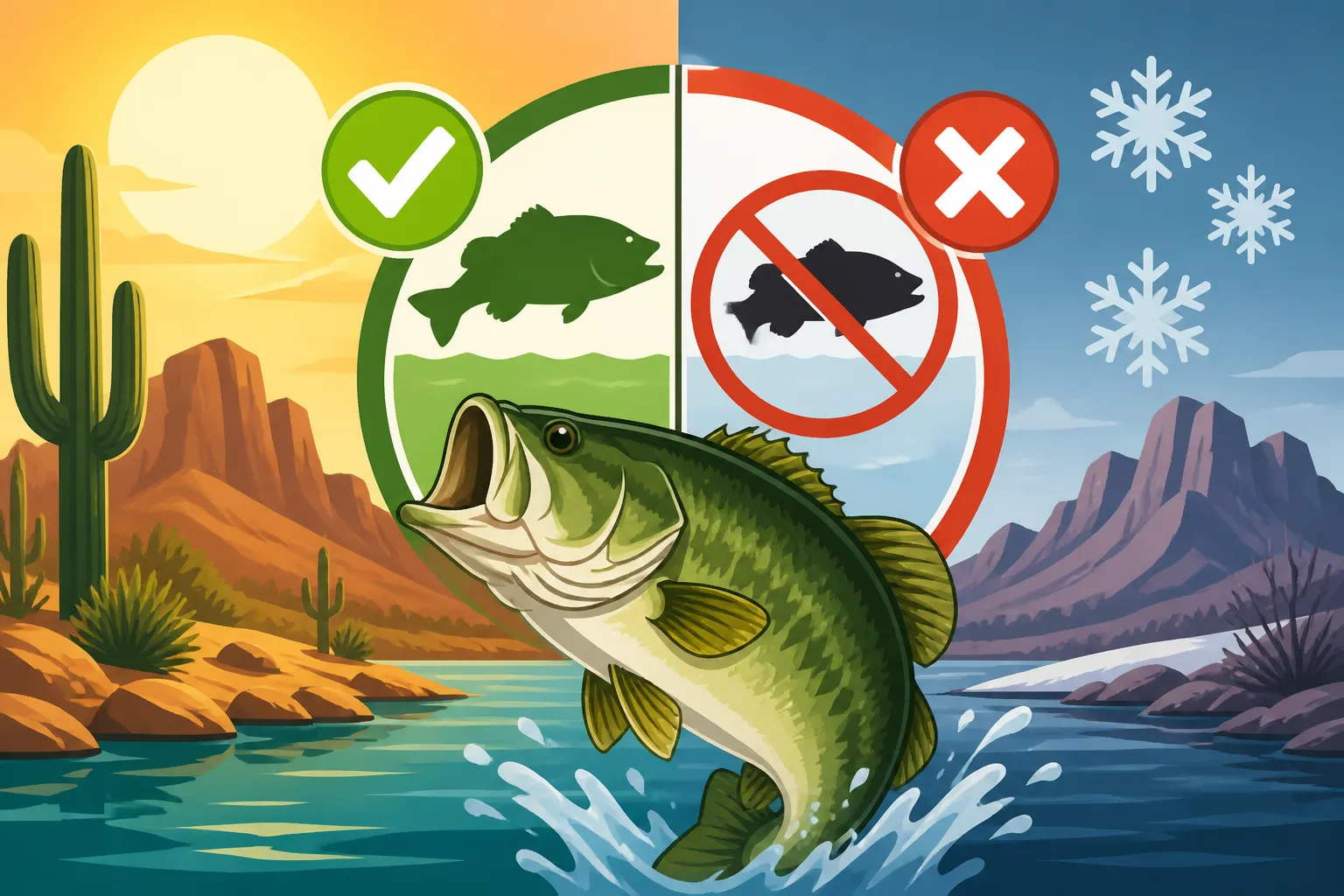
Let's cut right to the chase for all you bass enthusiasts out there. One of the truly fantastic things about fishing in the Grand Canyon State is that, for the most part, there is no statewide closed season for bass fishing in Arizona. That's right! While many states implement seasonal closures to protect spawning fish or manage populations, Arizona offers the incredible opportunity to pursue largemouth, smallmouth, and even striped bass year-round. This is a huge bonus for local anglers and visitors alike, meaning your bass fishing adventures aren't limited to just a few months.
Arizona's unique climate and fishery management approach contribute significantly to this year-round opportunity. Unlike colder regions where lakes freeze over or fish become entirely dormant for extended periods, Arizona's mild winters and warm waters allow bass to remain active, albeit with shifted patterns, throughout the calendar. This continuous access means more time on the water, honing your skills, and chasing those trophy bass. It truly sets Arizona apart as a premier bass fishing destination.
However, while the general rule is "no closed season," it's absolutely vital to understand that "no closed season" doesn't mean "no rules at all." Just like with any outdoor activity, there are still specific regulations regarding bag limits, size restrictions, and sometimes even specific lake rules that can affect your bass fishing experience. Always remember to consult the latest official information from the Arizona Game and Fish Department (AZGFD).
Why Arizona is Different for Bass Anglers
You might be asking why Arizona, compared to many other states, doesn't impose a blanket closed season on bass. It largely comes down to our unique environmental conditions and the proactive management strategies employed by the Arizona Game and Fish Department. Our desert climate means that while we have distinct seasons, the water temperatures in many of our major reservoirs and rivers rarely drop to levels that would necessitate a complete halt to fishing. Bass, particularly largemouth and smallmouth, can adapt their behavior to these changing temperatures, moving to deeper, more stable waters in colder months and shallower feeding grounds when it warms up.
Moreover, AZGFD focuses on a more nuanced approach to fishery management. Instead of broad closed seasons, they often utilize specific length limits and daily bag limits to manage bass populations. This allows for continuous angling pressure, which can actually be beneficial in some reservoirs where bass populations are robust, preventing overpopulation of smaller fish and encouraging the growth of larger, healthier individuals. This approach means that the focus shifts from when you can fish to how you can fish responsibly, ensuring sustainable populations for future generations of anglers.
Understanding Arizona's General Fishing Regulations
Navigating fishing regulations can sometimes feel like trying to solve a puzzle, but it's a critical part of being a responsible angler. In Arizona, the Arizona Game and Fish Department (AZGFD) is the governing body that sets all the rules for fishing and hunting across the state. They publish a comprehensive annual fishing regulations booklet that details everything from license requirements to species-specific limits and special restrictions for various bodies of water. This booklet is your ultimate reference guide.
Understanding these general regulations is the first step before you even think about dropping a line. For instance, knowing the statewide bass bag and possession limits – which typically allow for a certain number of bass to be kept per day – is crucial. These limits are designed to maintain healthy fish populations and ensure that everyone has a fair chance at a good catch. It's not uncommon for these rules to be slightly different for largemouth bass versus smallmouth bass, or even for specific subspecies like the native Apache trout, which often has very strict conservation rules. Taking the time to familiarize yourself with these guidelines, either through the printed booklet or the AZGFD website, will prevent any unwelcome surprises on the water.
Specific Regulations and Exceptions to Be Aware Of
While the big news is that there's generally no closed season for bass in Arizona, it's really important to dig a little deeper. Just because you can fish year-round doesn't mean every single spot has identical rules, or that there aren't specific guidelines that can influence your bass pursuit. Think of it like a highway: you can drive it all year, but speed limits and special lane rules might change depending on where you are. The same principle applies to Arizona's diverse fishing environments.
These nuances are what make a prepared angler truly successful and responsible. Ignoring them can lead to unintentional violations, which nobody wants. It’s always best practice to double-check the specifics for your chosen fishing destination. The AZGFD is constantly monitoring fish populations and environmental conditions, and regulations can be updated to protect vulnerable species or enhance fishing opportunities. Staying informed is your best defense against inadvertently breaking the rules.
Lake-Specific or Waterbody-Specific Rules
Here's where things get a bit more localized, and it's a common point of confusion for anglers. While there's no statewide closed season for bass, individual lakes, reservoirs, or stretches of river can, and often do, have specific regulations that deviate from the general statewide rules. These might include different bag limits, slot limits (where fish within a certain size range must be released), or even temporary closures for specific sections of a lake due to habitat restoration, safety, or special events. For instance, Lake Pleasant might have a different bass limit than Roosevelt Lake, or a specific cove might be designated as "catch-and-release only" for a period.
It's critical to remember that these localized rules are usually in place for very good reasons – often to protect a particular fishery, boost a struggling population, or manage an overabundance of certain species. For example, if you're fishing at Lake Pleasant, you'll want to check the specific regulations for that lake, as they might have particular size or bag limits for striped bass, largemouth, or smallmouth that differ from the norm. Sometimes, these rules are posted clearly at boat ramps or access points, but relying solely on signs can be risky as conditions and rules can change. Always consult the official AZGFD regulations for the specific body of water you intend to fish.
One common scenario involves specific areas designated as "Special Regulation Waters in Arizona." These locations are often managed more intensively and can have unique rules regarding gear, bait, or catch limits for various species, including bass. While it might not be a "closed season," a slot limit on bass effectively means you can't keep fish within that size range, making it a form of enforced catch-and-release for conservation. A good fishing app or a physical copy of the AZGFD regulations, which you can often find on Amazon or at local sporting goods stores like Sportsman's Warehouse, is an invaluable tool for ensuring you're up-to-date.
Catch and Release Requirements
Another key aspect of Arizona's bass management, which can sometimes feel like a pseudo-closed season, is the implementation of catch-and-release requirements. While you can technically fish for bass all year long, certain areas or specific times of the year might have rules stipulating that bass of a particular size or species must be immediately released. This is a powerful conservation tool, especially during crucial periods like the bass spawning season in spring, when protecting breeding fish ensures the future health of the population.
For example, some lakes might have a "slot limit" for largemouth bass, meaning you can only keep fish under a certain size or over another size, but anything in between must be released. This protects the prime breeding-size fish. Other times, specific tournaments might impose 100% catch-and-release rules to minimize fish mortality. It’s not about preventing you from fishing, but about guiding how you interact with the fish you catch. Understanding Catch and Release Rules for Arizona Anglers is paramount. Always handle fish with care when practicing catch and release, minimizing their time out of water and using appropriate tools like rubberized nets to protect their slime coat.
Protecting Spawning Bass
Even without a formal "closed season," the Arizona Game and Fish Department (AZGFD) puts a significant emphasis on protecting bass during their spawning periods. Bass typically spawn in the spring when water temperatures rise, usually between March and May, though this can vary by lake and elevation. During this time, male bass guard nests, making them more aggressive and, consequently, easier to catch. While it's legal to fish for them, responsible anglers often choose to practice enhanced catch-and-release or even temporarily shift their focus to other species to minimize disturbance to the spawning process.
AZGFD's management strategies, such as specific slot limits mentioned earlier, are often designed with spawning protection in mind. For instance, if a lake has a slot limit of 13-16 inches, it often aims to protect the most prolific breeding-size bass, allowing them to successfully reproduce. While you won't see a sign saying "Bass Fishing Closed for Spawning," the implicit message is to consider the impact of your fishing during this sensitive time. Many dedicated bass anglers view this period as a crucial time for conservation and actively participate in promoting healthy spawning practices, ensuring that future generations can enjoy the thrill of bass fishing in Arizona's lakes.
Practical Implications for Arizona Bass Anglers
So, with the knowledge that bass fishing is generally a year-round affair in Arizona, what does that mean for your actual time on the water? It means flexibility, yes, but it also means a greater need for adaptability and awareness. You're not constrained by specific open and closed dates, which is a fantastic freedom, but you are subject to the fish's natural seasonal behaviors and the ongoing management efforts by the state. This freedom comes with the responsibility to be well-informed and prepared for whatever conditions Arizona's diverse waters throw at you.
One major implication is how your fishing strategies will need to evolve throughout the year. Bass don't just hang out in the same spots doing the same thing every month. Their behavior is highly influenced by water temperature, light penetration, and prey availability. This dynamic environment is what makes Arizona fishing so exciting but also requires continuous learning and adjustment on your part. Being prepared for these shifts is key to consistent success.
Fishing Strategies by Season
Since you have the green light to fish for bass all year in Arizona, your focus shifts from if you can fish to how you should fish. Bass behavior changes dramatically with the seasons, and successful anglers are those who adapt their tactics accordingly.
- Spring (March-May): This is prime spawning season. Bass will move into shallower waters to build nests. Topwater lures, spinnerbaits, and soft plastics like worms or Senkos are highly effective as bass become aggressive protecting their beds. Look for them around rocky points, submerged timber, and coves. For more detailed insights, check out Spring Bass Fishing Tactics in Arizona.
- Summer (June-August): As temperatures soar, bass often move deeper to find cooler, more oxygenated water. Early mornings, late evenings, and even night fishing become incredibly productive. Deep-diving crankbaits, jigs, and drop shots are excellent choices for targeting bass holding on underwater structures, ledges, and humps. Keep an eye out for schooling bass chasing baitfish at dawn or dusk. You can learn more in Summer Bass Fishing Tactics in Arizona.
- Fall (September-November): This is often considered one of the best times for bass fishing. As temperatures cool, bass become very active, feeding heavily in preparation for winter. They can be found in a wide range of depths, often chasing baitfish in coves and creek arms. Crankbaits, jerkbaits, and swimbaits are top performers. Explore Fall Bass Fishing Tactics in Arizona for more tips.
- Winter (December-February): Don't hang up your rod just because it's cold! Arizona winters are often mild enough for great fishing. Bass tend to congregate in deeper, more stable water, often around submerged structure or steep breaks. Slow presentations with jigs, spoons, and subtle soft plastics like a Ned Rig can be very effective. Patience is key! For a deep dive, read Winter Bass Fishing Tactics in Arizona.
Understanding these seasonal shifts in bass behavior is far more important than worrying about a closed season in Arizona. Your tackle box should be versatile, and your willingness to experiment with different baits and retrieve speeds is crucial.
Importance of Checking Current Regulations
I cannot stress this enough: always, always, always check the most current Arizona Game and Fish Department (AZGFD) fishing regulations before you head out. Even if you're a seasoned local angler, regulations can change. What was legal last year might have been updated this year due to biological surveys, environmental conditions, or management goals. The AZGFD publishes a new fishing regulations booklet annually, usually around December, and it's valid from January 1st to December 31st of the specified year.
Here’s why it's so important:
- Changes Happen: Specific bag limits for bass, especially on popular lakes like Lake Pleasant or Roosevelt Lake, can be adjusted. Size restrictions, like minimum lengths or slot limits, can also be introduced or removed.
- Special Waters: Some areas, like the Lower Salt River for trout, or specific community fishing lakes, have highly localized rules that differ greatly from statewide regulations. Ignorance of these rules is not a defense.
- Conservation Efforts: Regulations are put in place for a reason – primarily to protect Arizona's precious fisheries and ensure sustainable angling for generations. By adhering to them, you're doing your part.
- Legal Ramifications: Fishing without the proper license, exceeding bag limits, or keeping undersized fish can result in significant fines, confiscation of gear, and even loss of fishing privileges. Nobody wants their day on the water to end with a costly citation.
You can easily access the most current regulations by visiting the official AZGFD website, where they typically have a downloadable PDF of the annual rulebook. Many local bait and tackle shops, as well as major retailers like Walmart or Cabela's, also carry physical copies. If you prefer the convenience of having it accessible digitally on your phone, you can often find apps or mobile-friendly versions of the regulations. Even buying a waterproof field guide from Amazon that you can keep in your tackle bag can be a wise investment for quick reference on the water. Make it a habit: check before you go.
Here's a quick overview of typical bass regulations in Arizona, but remember to always verify for your specific location:
| Bass Species | General Statewide Bag Limit | General Statewide Size Limit | Notes & Common Exceptions |
|---|---|---|---|
| Largemouth Bass | 6 (combined) | None (statewide) | Check individual lakes for slot or minimum limits |
| Smallmouth Bass | 6 (combined) | None (statewide) | Check individual lakes for slot or minimum limits |
| Striped Bass | No Limit (statewide) | No Limit (statewide) | Aggressive invasive species, encouraged to harvest |
| White Bass | 25 | None (statewide) | Found in limited waters, check specific rules |
Note: The "combined" limit for Largemouth and Smallmouth Bass means you can keep up to 6 bass total of these species. Bag and size limits are subject to change and may vary significantly by specific lake or river section. Always consult the current Arizona Game and Fish Department (AZGFD) regulations booklet for the most accurate and up-to-date information.
Disclaimer
Please be aware that fishing regulations in Arizona, including those pertaining to bass fishing seasons and limits, are subject to change by the Arizona Game and Fish Department (AZGFD). While this article provides current general information, it is not a substitute for the official regulations. Always consult the latest AZGFD fishing regulations booklet or their official website before engaging in any fishing activities to ensure compliance with all applicable laws and rules. Fishing responsibly helps protect Arizona's natural resources for everyone.